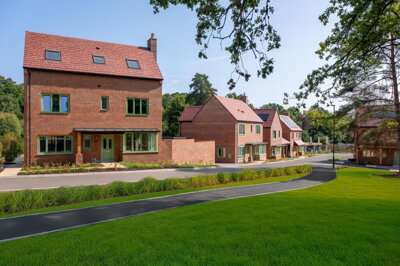
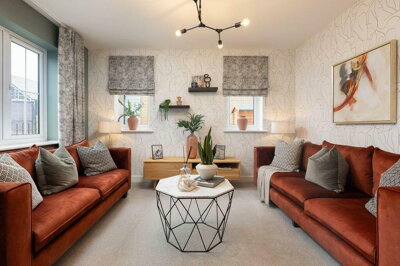
Browse 2 homes new builds in Cocking, Chichester from local developer agents.
Studio apartments feature open-plan living spaces without separate bedrooms, incorporating sleeping, living, kitchen, and bathroom facilities. The Cocking studio market includes properties in modern apartment complexes, modern purpose-built developments and new residential complexes.
£0k
0
0
0
Source: home.co.uk
Showing 0 results for Studio Flats new builds in Cocking, Chichester.
The Cocking property market has experienced notable price adjustments over recent years, with sold prices averaging £574,660 in the last twelve months, representing a 3% decrease compared with the previous year. More significantly, prices currently sit 38% below the 2022 peak of £930,667, creating potential opportunities for buyers who missed the previous market high. This correction has brought more accessible price points to the area while maintaining the fundamental appeal of South Downs living. The market adjustment has particularly affected detached properties, which remain the dominant housing type sold in the village over the past year.
Property values vary considerably across different types, with detached homes commanding an average of £805,000 while semi-detached properties average £229,150. This significant gap reflects the premium associated with larger, more private homes with gardens in a conservation-conscious village setting. A notable new build opportunity exists on Bell Lane, where a contemporary country house is available at £1,750,000, representing the upper echelon of the local market. Our listings include traditional flint and brick cottages, converted barns, and sympathetically modernised period properties, each benefiting from the unique character that Cocking's South Downs location provides.

Cocking embodies the essence of English village life, sitting within the South Downs National Park where rolling chalk hills and ancient woodland create an extraordinary backdrop for daily living. The village name derives from the Old English "Coccing," reflecting its long agricultural heritage, and today the community maintains strong links to farming and countryside management. The local economy benefits from the presence of significant landowners including the Cowdray Estate, which provides employment opportunities and maintains many traditional buildings in the surrounding area. Residents enjoy access to excellent local produce, with nearby farms and villages contributing to a thriving food culture that celebrates the region's agricultural traditions.
The Blue Bell Community Hub serves as the social heart of Cocking, providing a venue for village events, gatherings, and community initiatives that bring residents together throughout the year. The hub also hosts the commercially significant English Woodlands Timber operation on its doorstep, providing local employment and reinforcing the area's connection to woodland management traditions. The surrounding countryside offers extensive opportunities for outdoor recreation, with footpaths crossing the South Downs Way and numerous bridleways threading through protected landscapes. Local wildlife thrives in the area, with rare butterflies, birds, and plant species attracting naturalists and casual walkers alike.
The village location between Midhurst and Chichester provides convenient access to additional amenities including supermarkets, healthcare facilities, and a wider range of shops and restaurants when needed. The proximity to Midhurst means residents can reach the local hospital, dental practices, and veterinary services without lengthy journeys. Weekend farmers markets in surrounding towns showcase produce from Cowdray Estate farms and other local growers, providing access to fresh eggs, meat, vegetables, and artisan products that reflect the agricultural character of this part of West Sussex.

Families considering a move to Cocking will find a selection of educational options within reasonable driving distance, with primary schools available in nearby villages and market towns. The village maintains connections with West Sussex County Council's education services, and catchment areas determine allocations for state primary schooling. Primary schools in the surrounding area serve younger children through to Year 6, with several achieving good or outstanding Ofsted ratings. Parents should verify current catchment boundaries and admission arrangements directly with West Sussex County Council, as these can change and may influence school allocations for specific addresses.
The primary school in nearby Easebourne, just a short drive from Cocking, serves many village families and has built a strong reputation within the local community. Midhurst Primary School provides another option for Cocking families, offering modern facilities and a curriculum that connects children to the heritage of the South Downs National Park. Both schools benefit from the involvement of parents in village life, creating tight-knit educational communities where children develop both academically and socially. School transport arrangements are available for families within the Cocking catchment, though timing and routes should be confirmed with West Sussex County Council before purchasing property.
Secondary education options include schools in Midhurst and Chichester, with Chichester College providing excellent further education and sixth form opportunities for older students. The comprehensive school in Midhurst offers GCSE and A-Level courses, with strongLinks to the local community and regular participation in South Downs environmental projects. Independent schools in the broader West Sussex area offer alternative educational pathways for families seeking particular academic or pastoral approaches. The presence of universities in Chichester and Portsmouth expands higher education options for resident families, with reasonable commuting distances making these institutions accessible. Planning a property purchase with school catchment areas in mind requires careful research, and we recommend visiting potential schools and discussing admissions with school administrators before committing to a purchase.
Transport connectivity from Cocking centres on the road network, with the A286 providing the main artery connecting the village to Midhurst to the north and Chichester to the south. The A272 offers an alternative route eastward, while the A3 provides connection to Guildford and London for those travelling further afield. Bus services operate between Cocking and surrounding towns, though frequencies may be limited compared with urban routes, making car ownership practically essential for most residents. The strategic road position nonetheless allows reasonable access to employment centres while preserving the rural character that defines village living.
Rail services are available at Chichester station, which provides connections to Brighton, Portsmouth, and London Victoria, with journey times to the capital typically around 90 minutes. Haslemere station, accessible via the A286, offers an alternative route with services to London Waterloo in approximately one hour. Both stations have car parking facilities, though spaces can fill quickly during peak commuting periods, particularly at Haslemere which serves the popular London Waterloo corridor. Gatwick Airport lies within reasonable driving distance, providing international connections for business and leisure travellers.
For commuters working in Chichester or Portsmouth, the road journey from Cocking takes approximately 20-30 minutes depending on traffic conditions. Those travelling to Brighton typically allow 45 minutes to an hour. The scenic route through the South Downs, while beautiful, requires careful time management during rush hours when agricultural vehicles and tourist traffic can slow progress on single-carriageway sections of the A286. For commuters who need to travel regularly to London or other major centres, the transport links from the Cocking area remain adequate, though those with very frequent commuting requirements may wish to verify specific journey times and parking arrangements at local stations.
Spend time exploring Cocking and neighbouring villages to understand the area's character, amenities, and property values. Our platform provides comprehensive data on average prices, recent sales, and available listings to inform your search. Pay particular attention to the different character areas, from the historic centre around the church and village green to newer developments on the village outskirts.
Contact lenders or mortgage brokers to obtain an agreement in principle before viewing properties. This demonstrates your financial readiness to sellers and can strengthen your negotiating position in a competitive market. Given the higher average property values in Cocking, particularly for detached homes averaging £805,000, securing mortgage decision in principle before your search begins is especially important.
Schedule viewings of properties that match your criteria, taking time to assess the condition of buildings, gardens, and the surrounding neighbourhood. Pay particular attention to signs of age-related issues common in older properties. Given that many Cocking homes predate the twentieth century, viewing properties at different times of day can reveal lighting conditions, traffic patterns, and noise levels that affect daily living.
Before completing your purchase, instruct a qualified RICS surveyor to conduct a Level 2 survey. Given the age of many properties in Cocking, this inspection can identify defects such as damp, structural movement, or roof issues that may not be apparent during viewings. Our inspectors are familiar with common issues in South Downs properties, including flint construction and solid-wall build methods that require specialist assessment.
Appoint a conveyancing solicitor to handle the legal aspects of your purchase, including searches, contracts, and registration with the Land Registry. Local solicitors familiar with South Downs properties can be particularly valuable for navigating conservation area restrictions and listed building requirements that affect many Cocking properties.
Once all legal processes are complete and funds transferred, you will receive the keys to your new home in Cocking. Our platform can connect you with all the professionals needed throughout this journey. On completion day, take time to familiarise yourself with your new property, locate utility shut-off points, and introduce yourself to neighbours who can provide invaluable local knowledge about village life.
Properties in Cocking typically reflect the building traditions of the South Downs National Park, with flint, brick, and render commonly used in construction. Many homes predate the twentieth century, bringing character features such as original fireplaces, exposed beams, and thick walls that require different maintenance approaches compared with modern properties. The chalk geology underlying the area generally presents low shrink-swell risk, though localised clay deposits could introduce foundation considerations that a survey should address. Buyers should specifically look for signs of damp in older properties, as traditional solid-wall construction can be more susceptible to moisture penetration than modern cavity-wall builds.
Specific property types found in Cocking include Flint House on Mill Lane, which exemplifies the traditional use of knapped flint in local construction, and Clunch Cottage in Hillfoot, demonstrating the use of clunch, a soft limestone quarried locally from the chalk Downs. Properties such as The Old School House on Mill Lane and Manor Farm Barns represent the converted historic buildings that form an important part of the village's housing stock, often featuring ceilings, original features, and barn-style elements that require particular attention during survey inspection. Cocking Rectory represents another significant historic property type, with potential listed building status imposing specific obligations on owners regarding maintenance and alterations.
Conservation considerations affect properties within the South Downs National Park, and planning restrictions may limit permitted development rights and external alterations. Properties such as converted barns and historic cottages may have listed building status, imposing additional obligations regarding maintenance and alterations. The presence of the Cowdray Estate and other significant local landowners influences the character of the surrounding area, and nearby agricultural operations may occasionally generate noise or traffic associated with farming activities. Service charges and maintenance arrangements for any shared facilities should be clearly established before purchase, particularly for converted properties or apartments within larger estates.
When viewing properties in Cocking, our inspectors recommend checking roof conditions carefully, as traditional clay or slate tiles on older properties may show signs of wear or past repairs. Timber-framed elements, common in converted barns and period cottages, should be assessed for signs of woodworm or rot, particularly in areas hidden from direct view. The age of electrical and plumbing systems should also be verified, as many older village properties may still contain original wiring or lead pipes that require updating. Properties with large gardens should be assessed for boundary maintenance responsibilities and any environmental agreements affecting land use.
Stamp Duty Land Tax applies to all property purchases in England, with current thresholds (2024-25) setting zero duty on the first £250,000 of residential purchases. For properties priced between £250,001 and £925,000, buyers pay 5% on the amount above £250,000, with rates increasing to 10% for the portion between £925,001 and £1.5 million. Properties exceeding £1.5 million attract 12% on the amount above this threshold. First-time buyers benefit from increased thresholds, paying zero duty on the first £425,000 and 5% on amounts between £425,001 and £625,000, though this relief does not apply above £625,000. At the average Cocking price of £574,660, a first-time buyer would pay approximately £7,483 in stamp duty after relief.
Additional purchase costs include solicitor fees, typically ranging from £500 to £1,500 depending on complexity, plus local authority searches, Land Registry fees, and mortgage arrangement costs. Properties in Cocking may require additional searches related to South Downs National Park planning restrictions, which can add to legal fees if the solicitor needs to investigate specific conservation area requirements or listed building obligations. A RICS Level 2 survey costs from £375 for properties in the Chichester and Midhurst area, with larger or more complex properties attracting higher fees.
For a typical Cocking property, total purchase costs excluding mortgage arrangements commonly fall between £2,000 and £4,000. Properties at the upper end of the market, such as the contemporary country house on Bell Lane priced at £1,750,000, would attract stamp duty of £122,500 at standard rates, significantly increasing overall purchase costs. Survey costs for larger or non-standard properties, including converted barns with unusual construction or historic buildings with listed status, may exceed £600 due to the additional inspection time required. We recommend obtaining quotes from multiple professionals and budgeting for unexpected issues that surveys or searches may reveal.
The average sold price in Cocking over the past twelve months was £574,660. Detached properties average £805,000, while semi-detached homes average £229,150. Prices have decreased 3% year-on-year and sit 38% below the 2022 peak of £930,667, potentially creating opportunities for buyers entering the market. The market correction has made countryside properties in the village more accessible compared with the peak values achieved in 2022.
Properties in Cocking fall under Chichester District Council, with bands ranging from A to H depending on property value and size. Rural properties with larger gardens or period features may attract higher bandings. The average detached property in Cocking at £805,000 would typically fall into bands F or G, while smaller cottages may be categorised in bands C or D. Contact Chichester District Council directly or view property details on the government council tax website to confirm the specific band for any property you are considering purchasing.
Primary schools in the surrounding area serve younger children, with several achieving good Ofsted ratings within reasonable driving distance of Cocking. The nearest primary schools are in Easebourne and Midhurst, both approximately 10-15 minutes by car from the village centre. Secondary options include Midhurst Academy and schools in Chichester, with Chichester College providing sixth form and further education. Catchment areas and admissions policies should be verified directly with West Sussex County Council before purchasing, as these can affect placement for your children.
Bus services connect Cocking to Midhurst and Chichester, though frequencies are limited compared with urban areas, with typically 2-3 services per day on main routes. Rail services are available at Chichester station, with connections to Brighton, Portsmouth, and London Victoria, while Haslemere station on the London Waterloo line is accessible via the A286. Car ownership remains practically essential for most residents due to the rural location, though the road network provides reasonable access to surrounding towns for those without private vehicles who can plan around bus timetables.
Cocking's location within the South Downs National Park provides inherent value protection, as planning restrictions limit new development and preserve the character of existing housing stock. The village offers rental potential for those seeking countryside accommodation within commuting distance of larger towns, though the small village size means the tenant pool is naturally limited. Investment buyers should consider that properties may take longer to sell than in larger markets, and rental demand follows seasonal patterns with increased interest during spring and summer months. The presence of the Cowdray Estate as a major local employer provides some stability to the local rental market.
For a property priced at the average of £574,660, standard rates would attract approximately £16,233 in stamp duty, calculated as 5% on the amount between £250,001 and £574,660. First-time buyers benefiting from increased thresholds would pay approximately £7,483, calculated after relief on the first £425,000. Properties at the upper end of the market, such as the contemporary country house at £1,750,000, would attract stamp duty of £122,500 at standard rates. Additional costs include solicitor fees, survey fees, and mortgage arrangement costs, which together typically total between £2,000 and £4,000 for a property in this price range.
The majority of properties sold in Cocking are detached homes, with semi-detached cottages also available in significant numbers. The village features character properties including converted barns, period cottages, and historic buildings reflecting South Downs construction traditions using flint, brick, and local stone. Specific examples include Flint House on Mill Lane, Clunch Cottage in Hillfoot, The Old School House, and Manor Farm Barns, each demonstrating the traditional building methods of the area. A contemporary new build on Bell Lane offers upper-market options at £1,750,000. Most properties are likely over 50 years old, with some historic buildings potentially subject to listing or conservation area restrictions.
Given the age of most properties in Cocking, buyers should pay particular attention to signs of damp in solid-wall construction, which is more susceptible to moisture penetration than modern cavity-wall builds. Roof conditions on traditional tiled or slated roofs should be assessed for wear and past repairs. Timber-framed elements in converted properties require inspection for woodworm or rot. Electrical and plumbing systems in older properties may need updating, and the chalk geology of the area generally presents low foundation risk, though localised clay deposits should be checked. Properties within the South Downs National Park may have planning restrictions affecting alterations and permitted development rights.
From 4.5%
Expert mortgage advice for Cocking properties
From £499
Local conveyancing solicitors familiar with South Downs properties
From £375
Professional property surveys for Cocking homes
From £85
Energy performance certificates for Cocking properties
Properties New Builds In London

Properties New Builds In Plymouth

Properties New Builds In Liverpool

Properties New Builds In Glasgow

Properties New Builds In Sheffield

Properties New Builds In Edinburgh

Properties New Builds In Coventry

Properties New Builds In Bradford

Properties New Builds In Manchester

Properties New Builds In Birmingham

Properties New Builds In Bristol

Properties New Builds In Oxford

Properties New Builds In Leicester

Properties New Builds In Newcastle

Properties New Builds In Leeds

Properties New Builds In Southampton

Properties New Builds In Cardiff

Properties New Builds In Nottingham

Properties New Builds In Norwich

Properties New Builds In Brighton

Properties New Builds In Derby

Properties New Builds In Portsmouth

Properties New Builds In Northampton

Properties New Builds In Milton Keynes

Properties New Builds In Bournemouth

Properties New Builds In Bolton

Properties New Builds In Swansea

Properties New Builds In Swindon

Properties New Builds In Peterborough

Properties New Builds In Wolverhampton

Enter your details to see if this property is within your budget.
Loans, cards, car finance
Estimated property budget
Borrowing + deposit
You could borrow between
Typical borrowing
Monthly repayment
Est. at 4.5%
Loan-to-value
This is an estimate only. Your actual budget may vary depending on interest rates, credit history, and personal circumstances. For an accurate affordability assessment, speak to one of our free mortgage advisors.
This calculator provides estimates for illustrative purposes only and does not constitute financial advice. Your home may be repossessed if you do not keep up repayments on your mortgage. Estimates based on 4.5% interest rate, repayment mortgage. Actual rates depend on your circumstances.
Homemove is a trading name of HM Haus Group Ltd (Company No. 13873779, registered in England & Wales). Homemove Mortgages Ltd (Company No. 15947693) is an Appointed Representative of TMG Direct Limited, trading as TMG Mortgage Network, which is authorised and regulated by the Financial Conduct Authority (FRN 786245). Homemove Mortgages Ltd is entered on the FCA Register as an Appointed Representative (FRN 1022429). You can check registrations at NewRegister or by calling 0800 111 6768.

We use cookies to show you personalised content and improve your experience of our website. Find out more in our Privacy policy and Cookie policy.