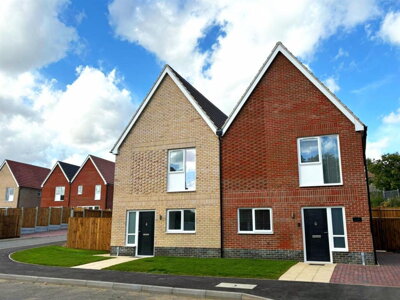
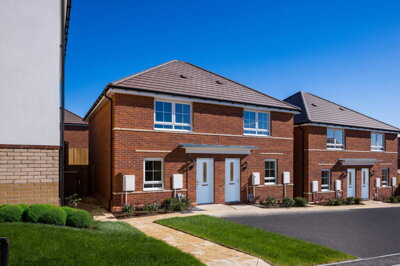
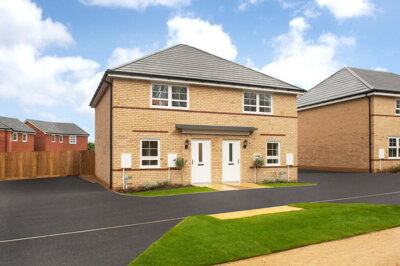
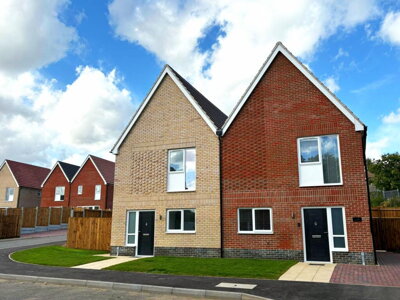
Browse 4 homes new builds in CO12 from local developer agents.
The 2 bed house market features detached, semi-detached, and terraced properties with two separate bedrooms plus living spaces. Properties in CO12 range across contemporary developments, with pricing varying across different neighbourhoods.
£188k
30
0
103
Source: home.co.uk
Showing 30 results for 2 Bedroom Houses new builds in CO12. The median asking price is £187,500.
Source: home.co.uk
Terraced
19 listings
Avg £180,473
Semi-Detached
10 listings
Avg £214,050
Detached
1 listings
Avg £397,000
Source: home.co.uk
Source: home.co.uk
The Tendring district, which encompasses the CO12 postcode, features a distinctive mix of construction methods reflecting the area's long history of settlement and development. Traditional brick construction dominates older properties, typically using red or multi-stock bricks in either Flemish or English bond patterns. Rendered properties are also common, particularly on more modern homes or those that have undergone renovation. Timber cladding appears on some properties, especially those closer to rural or coastal areas where additional weather resistance is valued. These construction choices reflect both the availability of local materials and the practical requirements of building in this estuarine environment.
Understanding local construction methods helps buyers appreciate both the character and potential maintenance needs of CO12 properties. Georgian and Victorian properties in Manningtree and Mistley typically feature solid brick walls with timber floor joists and timber roof structures covered in slate or clay tiles. Lime mortar was historically used in these buildings, which breathes differently from modern cement mortar and requires specialist repair approaches. Inter-war and post-war properties from 1919 to 1980 generally employ cavity wall construction with brick or render finishes and concrete ground floors, offering different insulation and maintenance characteristics to their older counterparts.
The underlying geology of the CO12 area significantly influences construction approaches and property condition. The Tendring district sits on superficial deposits of sand, gravel, silt, and clay, overlying solid geology of the London Clay Formation. This clay-rich substrate creates potential for shrink-swell ground movement, particularly during prolonged dry spells or periods of heavy rainfall when clay soil contracts or expands. Properties with mature trees nearby face heightened risk as tree roots draw moisture from the soil, potentially affecting foundations. Our inspectors always recommend checking for signs of movement or cracking, especially in older properties where foundations may not have been designed with modern clay shrink-swell risk in mind.
Given the substantial proportion of older properties throughout Manningtree and Mistley, buyers in CO12 frequently encounter defects that reflect the age and construction of local housing stock. Damp issues rank among the most common problems found during property surveys, including rising damp from failed or absent damp-proof courses, penetrating damp caused by deteriorated render or pointing, and condensation resulting from inadequate ventilation in properties that have been modernised with new windows and insulation. Georgian and Victorian properties in particular often lack modern damp-proof courses, making professional assessment essential before purchase.
Roof condition problems appear frequently in period properties throughout the CO12 area. Deteriorated slate or clay tile coverings, defective lead flashing around chimneys and junctions, and poorly maintained gutters and downpipes can all lead to water ingress and associated damage. Our inspectors regularly identify issues with timber elements including wet rot, dry rot, and woodworm infestation, which can affect structural timbers, floorboards, and roof structures where dampness has taken hold. Properties constructed before 2000 may contain asbestos-containing materials in various building elements, requiring specialist identification before any renovation or maintenance work commences.
Structural movement represents another significant consideration for CO12 buyers, particularly given the clay geology that underlies much of the area. Minor cracking from settlement is common in older buildings and often cosmetic in nature, but more significant movement patterns can indicate foundation issues related to clay shrink-swell. Properties with large mature trees, especially those with shallow root systems like poplars and oaks, face elevated risk of foundation movement during extended dry periods. Our surveyors recommend requesting a specialist foundation assessment if significant crack patterns, sticking doors or windows, or diagonal cracking above door frames are observed.
The CO12 property market reflects the unique character of this corner of Essex, with property types ranging from affordable flats at around £171,857 to substantial detached homes commanding prices upward of £526,730. Our current listings show strong representation across all property categories, with semi-detached homes averaging approximately £317,495 and terraced properties at around £273,535. The market has shown subtle correction over the past twelve months, with overall prices declining by approximately 1.05%, creating potential opportunities for buyers who can act decisively in the current climate.
This modest price adjustment affects different property types to varying degrees, with flats experiencing the most significant adjustment at around 3.82% while detached properties have remained relatively stable with just a 0.19% decrease. Since early 2026, our records indicate 261 property sales in the area, demonstrating healthy market activity with properties attracting motivated buyers who appreciate the area's unique combination of coastal charm and commuter convenience.
New build activity within the CO12 postcode itself has been limited in recent years, with most new development occurring in neighbouring areas such as CO11. This relative scarcity of new construction has helped maintain the character of established neighbourhoods while simultaneously creating a supply shortage that supports values for existing properties. Many buyers in CO12 specifically seek the character and craftsmanship of period properties that simply cannot be replicated in modern developments.

Manningtree and Mistley form the heart of the CO12 postcode, two communities that have grown together over centuries while retaining their individual identities. Manningtree holds the distinction of being officially recognised as England's smallest town, a title that speaks to its intimate scale and tight-knit community atmosphere. The town centre features a pleasing mix of independent shops, traditional pubs, and essential services, while the River Stour estuary provides a stunning backdrop that has inspired artists, writers, and residents for generations.
Mistley extends the residential options with additional housing stock and its own allocation of village amenities, including the historic Mistley Towers that serve as a visible reminder of the area's Georgian heyday when spa waters attracted visitors from across England. The demographic profile of CO12 reflects a community that appeals to families, professionals, and retirees in equal measure. The local economy benefits significantly from proximity to major employment centres including the Port of Felixstowe and Harwich International Port, which provide jobs in shipping, logistics, and associated industries.
Tourism contributes to local prosperity, with visitors drawn to the area's natural beauty, historic architecture, and excellent walking routes along the estuary and coastline. The surrounding Essex countryside offers additional recreational opportunities, with farmland, nature reserves, and coastal paths providing endless exploration possibilities for residents who appreciate outdoor pursuits and connection with the natural world. Cyclists will find the flatter terrain around the estuary makes cycling a viable option for local journeys, though road conditions vary and some routes require confident riders.

Education provision in CO12 serves families well, with a selection of primary and secondary schools within easy reach of most properties in the area. Primary aged children can access local schools that have built solid reputations for academic achievement and nurturing environments, preparing young learners for the transition to secondary education. The CO12 area falls within the Essex Local Education Authority, which coordinates school admissions and maintains standards across the county's educational establishments. Parents should verify current catchment areas and admission arrangements, as these can influence property values and availability in specific neighbourhoods.
Secondary education options include both comprehensive schools and grammar school provision, with selective entry available to students who pass the Essex 11+ examination. Sixth form provision allows older students to continue their education locally, while further education colleges in Colchester and Clacton offer expanded vocational and academic courses for those seeking alternatives to traditional A-level study. The proximity of CO12 to Colchester means that families have access to one of England's oldest cities and its associated educational institutions, including the University of Essex campus that provides higher education opportunities within reasonable commuting distance.
Parents moving to the area should research current school performance data, Ofsted ratings, and admission policies to identify the most suitable options for their children's educational journey. Schools can change in their performance over time, and what may have been a strong performer several years ago may have seen changes in leadership or outcomes since. Direct contact with schools to discuss specific arrangements for children with particular needs or talents can also be valuable before committing to a property purchase.

Transport connectivity ranks among CO12's most significant advantages for residents who need to commute or access services further afield. Manningtree railway station provides direct services to London Liverpool Street, with journey times of approximately one hour making this an attractive option for professionals working in the capital. The station sits within the CO12 postcode itself, meaning residents in both Manningtree and Mistley can reach the railway station without significant journey time, a factor that heavily influences property values in the surrounding streets. Beyond London, trains connect to Colchester, Ipswich, and Norwich, opening up employment opportunities and leisure destinations across East Anglia.
Road connectivity centres on the A137 which links CO12 to Colchester and the wider strategic road network including the A12 and A14. These major routes connect the area to Cambridge, Stansted Airport, and the national motorway network, facilitating car-based commuting for those who prefer not to use rail services. Local bus services provide essential connectivity for those without cars, linking CO12 villages to larger towns for shopping, healthcare appointments, and other services. For air travel, London Stansted Airport lies approximately 40 miles away, accessible by car or via rail connections through London, while London Southend Airport provides an alternative for some destinations.
Cyclists will find varying conditions across the area, with some roads suitable for confident riders while others require greater caution, and the flatter terrain of the estuary area making cycling a viable option for shorter local journeys. The National Cycle Network passes through the region, providing traffic-free or low-traffic routes for leisure cycling and some commuting purposes.

Buying property in CO12 requires attention to several area-specific factors that may not be immediately apparent to those unfamiliar with the locality. The geology of the Tendring district, with its underlying London Clay Formation, means that clay heave and shrink can affect properties, particularly those with mature trees or inadequate foundations. Buyers should look for signs of subsidence, cracking, or movement in properties of any age, and a RICS Level 2 Survey becomes especially valuable given the prevalence of older properties in the area. Properties near the River Stour estuary face potential tidal and coastal flooding risk, which buyers should investigate through official flood risk assessments before committing to a purchase.
Conservation areas in Manningtree and Mistley impose planning restrictions on external alterations and renovations, which can affect your ability to modify properties to suit your needs. Listed buildings, of which there are several notable examples in the area, require special consideration including the need for listed building consent for many works and potentially higher maintenance costs using traditional materials and methods. The predominant construction materials include traditional brick with render finishes for older properties, and buyers should check for signs of damp, particularly rising damp in solid-floored Georgian and Victorian properties that may lack modern damp-proof courses.
Many period properties also retain original features such as sash windows, fireplaces, and decorative plasterwork that require ongoing maintenance but contribute significantly to the character and value of these historic homes. Electrical wiring and plumbing systems in older properties may require updating to meet modern standards, and buyers should factor potential renovation costs into their budget calculations. Properties constructed before 2000 may contain asbestos in various building materials, which should be identified by a specialist before any renovation work commences.

Spend time exploring different neighbourhoods within CO12, from Manningtree's town centre to Mistley's residential streets. Consider factors such as proximity to the railway station, local schools, and flood risk when narrowing your search.
Speak to lenders about your financial position before viewing properties. Having an agreement in principle strengthens your position when making offers and helps you understand your true budget within the CO12 market.
Work with local estate agents who know the CO12 market intimately. View multiple properties across different price ranges and property types to understand what represents good value in the current market.
Given the age of many properties in CO12, a comprehensive survey is essential. The RICS Level 2 Survey will identify defects common in Georgian, Victorian, and period properties, from damp issues to roof condition and structural movement.
Once you have found your ideal property and received your survey report, submit a formal offer through the estate agent. Use your survey findings to negotiate on price if significant issues have been identified.
Appoint a conveyancing solicitor to handle the legal aspects of your purchase. They will conduct searches, handle contracts, and coordinate with your mortgage lender through to completion.
Once all searches are satisfactory and finances are arranged, you will exchange contracts and pay your deposit. Completion typically follows within weeks, when you will receive your keys and take ownership of your new CO12 home.
Understanding the full costs of buying property in CO12 extends beyond the purchase price to include Stamp Duty Land Tax and various associated fees. For standard purchases in 2024-25, Stamp Duty rates apply at 0% on the first £250,000 of property value, rising to 5% on the portion between £250,001 and £925,000. Properties priced above £925,000 incur additional rates of 10% up to £1.5 million, with the highest rate of 12% applying above £1.5 million. Given that the average property price in CO12 sits around £346,957, most buyers purchasing at or near the average price point would pay Stamp Duty only on the portion above £250,000.
First-time buyers benefit from enhanced relief, with 0% Stamp Duty applying on the first £425,000 and 5% on the portion between £425,001 and £625,000, though no relief applies above £625,000. This enhanced relief can significantly reduce the upfront cost of purchasing for those who qualify. Beyond Stamp Duty, buyers should budget for solicitor fees typically ranging from £800 to £2,000 depending on complexity, search fees of approximately £300 to £500, mortgage arrangement fees if applicable, and survey costs. A RICS Level 2 Survey in the CO12 area typically costs between £400 and £900 depending on property size and value, with larger or more complex properties requiring higher investment.
Building insurance must be in place from completion, and moving costs complete the financial picture for most buyers. Some buyers also choose to commission additional specialist surveys for particular concerns identified during the initial RICS Level 2 Survey, such as electrical testing, gas safety checks, or structural engineering assessments.

The average house price in CO12 stands at approximately £346,957 as of early 2026, based on sales data over the previous twelve months. Property prices vary significantly by type, with detached homes averaging around £526,730, semi-detached properties at approximately £317,495, terraced homes at £273,535, and flats at around £171,857. The market has shown modest correction over the past year, declining by approximately 1.05% overall, which has created buying opportunities for those entering the market at this time.
Properties in CO12 fall under Tendring District Council and Essex County Council for council tax purposes. Most residential properties in the area occupy bands A through D, with Victorian and Edwardian terraces typically falling into bands A to C, while larger detached homes and period properties may occupy higher bands. Prospective buyers should check specific bandings for individual properties through the Valuation Office Agency website, as council tax bands affect ongoing running costs and should be factored into budget planning.
The CO12 area offers solid educational provision for families, with several primary schools serving the Manningtree and Mistley communities. Secondary options include local comprehensive schools within reasonable travelling distance and grammar schools accessible to students who pass the Essex 11+ examination. Parents should research current Ofsted ratings and performance data for specific schools, as these can change over time. The proximity to Colchester provides access to additional secondary and sixth form options, including grammar school provision in the city.
Manningtree railway station, located within the CO12 postcode, provides direct services to London Liverpool Street with journey times of approximately one hour. This commuter connection significantly influences the local property market, attracting buyers who work in the capital but prefer village living. Beyond London, trains serve Colchester, Ipswich, Norwich, and other East Anglian destinations. Local bus services connect CO12 villages to larger towns, while the A137 provides road connectivity to Colchester and the A12 for car-based travel.
CO12 offers several characteristics that appeal to property investors, including the commuter connection to London that maintains consistent demand from working professionals. The relative scarcity of new build development helps protect values for existing properties, while the area's character and amenities attract long-term tenants. Rental demand exists from commuters, small families, and those who appreciate coastal village living. However, buyers should consider factors including flood risk in some areas, maintenance requirements for period properties, and local market conditions when evaluating investment potential.
For properties priced at the CO12 average of around £346,957, standard buyers would pay Stamp Duty Land Tax on approximately £96,957 at the 5% rate, equating to around £4,848. First-time buyers paying the same price would pay nothing as the entire value falls within the first-time buyer threshold of £425,000. Properties above £625,000 do not qualify for first-time buyer relief, while those above £925,000 incur higher rate bands. Your solicitor or conveyancer can provide exact calculations based on your specific circumstances and property purchase price.
Properties in CO12, particularly those near the River Stour estuary, face potential tidal and coastal flooding risk that buyers should investigate carefully. Surface water flooding can also affect low-lying areas, especially during periods of heavy rainfall when drainage capacity may be exceeded. Official flood risk assessments are available through the Gov.uk website and should be obtained during the conveyancing process. Properties in flood risk zones may face higher insurance premiums and may require specific flood resilience measures, factors that should be reflected in any offer price or purchase decision.
Manningtree and Mistley contain several listed buildings and fall within designated conservation areas that protect the historic character of these communities. Georgian and Victorian properties along the waterfront and high streets are particularly well represented among the listed buildings, which include both Grade II and potentially higher grade designations. Listed building status imposes restrictions on alterations and renovations, requiring consent from the local planning authority for most external works. These properties often command premium prices reflecting their historical significance and character, but buyers should budget for potentially higher maintenance costs using traditional materials and methods.
Properties New Builds In London

Properties New Builds In Plymouth

Properties New Builds In Liverpool

Properties New Builds In Glasgow

Properties New Builds In Sheffield

Properties New Builds In Edinburgh

Properties New Builds In Coventry

Properties New Builds In Bradford

Properties New Builds In Manchester

Properties New Builds In Birmingham

Properties New Builds In Bristol

Properties New Builds In Oxford

Properties New Builds In Leicester

Properties New Builds In Newcastle

Properties New Builds In Leeds

Properties New Builds In Southampton

Properties New Builds In Cardiff

Properties New Builds In Nottingham

Properties New Builds In Norwich

Properties New Builds In Brighton

Properties New Builds In Derby

Properties New Builds In Portsmouth

Properties New Builds In Northampton

Properties New Builds In Milton Keynes

Properties New Builds In Bournemouth

Properties New Builds In Bolton

Properties New Builds In Swansea

Properties New Builds In Swindon

Properties New Builds In Peterborough

Properties New Builds In Wolverhampton

Enter your details to see if this property is within your budget.
Loans, cards, car finance
Estimated property budget
Borrowing + deposit
You could borrow between
Typical borrowing
Monthly repayment
Est. at 4.5%
Loan-to-value
This is an estimate only. Your actual budget may vary depending on interest rates, credit history, and personal circumstances. For an accurate affordability assessment, speak to one of our free mortgage advisors.
This calculator provides estimates for illustrative purposes only and does not constitute financial advice. Your home may be repossessed if you do not keep up repayments on your mortgage. Estimates based on 4.5% interest rate, repayment mortgage. Actual rates depend on your circumstances.
Homemove is a trading name of HM Haus Group Ltd (Company No. 13873779, registered in England & Wales). Homemove Mortgages Ltd (Company No. 15947693) is an Appointed Representative of TMG Direct Limited, trading as TMG Mortgage Network, which is authorised and regulated by the Financial Conduct Authority (FRN 786245). Homemove Mortgages Ltd is entered on the FCA Register as an Appointed Representative (FRN 1022429). You can check registrations at NewRegister or by calling 0800 111 6768.

We use cookies to show you personalised content and improve your experience of our website. Find out more in our Privacy policy and Cookie policy.