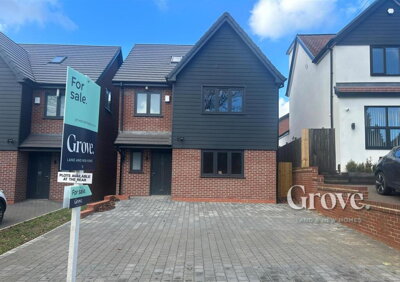
Browse 1 home new builds in Clent, Bromsgrove from local developer agents.
£563k
14
0
112
Source: home.co.uk
Source: home.co.uk
Detached
5 listings
Avg £1.04M
Semi-Detached
2 listings
Avg £525,000
Apartment
1 listings
Avg £160,000
Barn Conversion
1 listings
Avg £850,000
House
1 listings
Avg £575,000
Link Detached House
1 listings
Avg £585,000
Not Specified
1 listings
Avg £545,000
Semi-Detached Bungalow
1 listings
Avg £550,000
Terraced
1 listings
Avg £260,000
Source: home.co.uk
Source: home.co.uk
Life in Clent offers a distinctly English village experience, characterised by rolling Worcestershire countryside, historic architecture, and a strong sense of community. The village centre features a collection of traditional public houses, a village hall hosting regular events, and St Mary's Church providing both spiritual focus and architectural interest. The surrounding hillsides and common land offer extensive walking opportunities, with the Clent Hills proving particularly popular with residents and visitors alike for their panoramic views across the West Midlands and clear walking trails suitable for families and dog walkers throughout the year.
The demographic of Clent tends towards established families and professionals who appreciate the rural setting while maintaining careers in nearby urban centres. The village benefits from an active community spirit, with local events, village fetes, and social gatherings bringing residents together throughout the seasons. Despite its small scale, Clent punches above its weight in terms of amenities, with several highly regarded gastropubs drawing diners from across the region and reinforcing the village's reputation as a destination for quality food and hospitality.
Residents enjoy access to the natural beauty of the surrounding countryside while remaining within easy reach of comprehensive shopping, healthcare, and leisure facilities in nearby Bromsgrove and Stourbridge. The combination of village charm, excellent transport connections, and strong community bonds makes Clent particularly appealing to buyers seeking to escape the intensity of city living without completely disconnecting from urban infrastructure and employment opportunities.

The property market in Clent reflects its status as one of the more premium village locations in the Bromsgrove district. Detached properties dominate the local market, commanding average prices of £801,667 on Rightmove and reaching £863,750 according to Zoopla data. These substantial figures underscore the desirability of generous plot sizes, mature gardens, and the semi-rural character that defines much of the housing stock in this area. The majority of homes sold in Clent over the past twelve months have been detached properties, with buyers specifically targeting the space and privacy that this property type offers.
Semi-detached homes in Clent present a more accessible entry point to the local market, averaging £335,000 on Rightmove with Zoopla recording figures around £382,500. Terraced properties similarly offer value, with average prices of £325,000 to £385,000 depending on the data source. For those seeking apartments or flats, limited availability exists with an average price point of £195,000. The market has shown resilience and growth, with sold prices over the last twelve months standing 31% higher than the previous year, though sitting approximately 7% below the 2023 peak of £645,000.
No active new-build developments were identified specifically within the Clent postcode area, meaning buyers purchasing in the village are likely acquiring character properties with established gardens and mature surroundings. This scarcity of new supply contributes to the enduring value of existing stock and makes properties that come to market particularly competitive. Our platform updates continuously to capture new listings as they appear, ensuring you have access to the latest opportunities in this tight-knit village community.

Before arranging viewings or making offers on properties in Clent, obtain a mortgage agreement in principle from a qualified lender. This document demonstrates your financial credibility to sellers and estate agents, streamlines the purchasing process, and helps you understand your realistic budget within the Clent market where detached properties average around £800,000.
Spend time exploring Clent at different times of day and week to understand traffic patterns, noise levels, and the rhythm of village life. Visit local pubs, check out walking routes on the Clent Hills, and speak with residents about their experiences. Understanding the community feel and practical realities of daily life will help you make a confident decision about whether Clent matches your lifestyle expectations.
Once you have identified suitable properties, arrange viewings through our platform or directly with local estate agents. View multiple properties to compare the condition, character, and value proposition of different homes. Pay particular attention to construction quality, garden orientation, parking availability, and any signs of structural issues that might require further investigation through a property survey.
Given that many properties in Clent are likely to be older constructions where defects may not be immediately apparent during viewings, we strongly recommend booking a RICS Level 2 Survey before proceeding with your purchase. This comprehensive inspection will identify any defects, structural concerns, or maintenance issues including damp, roof condition problems, timber defects, and outdated electrical wiring. The survey report provides valuable negotiating leverage and ensures you understand the true cost of ownership before committing to your purchase.
Once your offer is accepted, instruct a qualified conveyancing solicitor to handle the legal transfer of ownership. Your solicitor will conduct searches, review contracts, liaise with the seller's representatives, and manage the complex paperwork involved in property transactions. Choosing a solicitor with experience in Worcestershire property law ensures smooth progress through the conveyancing process.
The final stages involve reviewing search results, finalising mortgage arrangements, and attending a pre-completion inspection before exchanging contracts and completing your purchase. On completion day, you will receive the keys to your new Clent home, marking the beginning of your life in this attractive Worcestershire village.
Properties in Clent typically reflect the architectural traditions of the West Midlands region, with brick construction being predominant among older homes. Many detached properties feature generous plots with mature gardens, though buyers should assess garden boundaries, drainage, and the presence of mature trees that might require ongoing maintenance or present potential root damage to structures. The village's rural setting means larger gardens are common, offering excellent outdoor space for families but also requiring consideration of ongoing upkeep costs and time commitments.
As with any village location, prospective buyers should investigate planning constraints that might affect their intended use of a property. Clent's historic character means certain properties may fall within conservation areas or carry listed building status, imposing restrictions on alterations, extensions, and external modifications. Understanding these constraints before purchase prevents costly disappointments and ensures your renovation plans remain feasible within the regulatory framework governing the village.
Flood risk should form part of your due diligence when purchasing in any West Midlands location. While specific flood risk data for Clent requires verification through the local authority planning portal and Environment Agency maps, the presence of local watercourses and the topography of the surrounding hillsides make it prudent to investigate historical flooding, drainage patterns, and the property's position relative to any flood zones. Your RICS Level 2 Survey will flag any areas of concern requiring further professional assessment before you proceed with your purchase.
Many properties in Clent are older constructions where defects commonly found in traditional buildings may be present. These include damp issues affecting walls and foundations, roof deterioration including missing or damaged tiles and structural concerns, timber defects such as rot and woodworm infestation, outdated electrical wiring that may not meet current safety standards, plumbing systems requiring modernisation, and chimney stacks needing repair or repointing. With the majority of properties in Clent likely to be over 50 years old, a RICS Level 2 Survey proves particularly valuable for identifying these issues before you commit to your purchase. If you are considering a listed building, specialist heritage surveys may be required due to the unique construction methods and legal protections involved.

The average house price in Clent stands at £599,000 according to Rightmove data, with Zoopla reporting slightly higher figures of around £794,615 over the past twelve months. Detached properties dominate the market with average prices of approximately £801,667, while semi-detached homes average £335,000 and terraced properties start from £325,000. Prices have risen 31% over the past year, though they remain approximately 7% below the 2023 peak of £645,000, indicating a market that has experienced significant growth while stabilising at sustainable levels.
Properties in Clent fall under Bromsgrove District Council's jurisdiction for council tax purposes. Bands range from A through to H depending on property value, with typical village homes often falling in bands C through E. Prospective buyers should verify the specific council tax band for any property they are considering, as this forms part of the ongoing costs of ownership alongside mortgage payments, utilities, and maintenance expenses.
The Clent area offers strong educational options including primary schools within the Bromsgrove School District that have achieved Good or Outstanding Ofsted ratings. Secondary options include King Edward VI School in nearby Stourbridge for grammar school entry, while Bromsgrove School provides independent education from nursery through to sixth form. Families should research specific catchment areas, as admission policies can significantly influence placement for properties in this rural location.
Clent benefits from good transport connectivity despite its village setting. Nearby Hagley and Blakedown stations offer rail services to Birmingham Snow Hill and Worcester, with journey times of around 25-30 minutes to Birmingham. The A456 provides direct road access to Birmingham city centre and connects to the M5 motorway at junction 3. Local bus services operate between Clent and surrounding towns, while Birmingham Airport is approximately 30 minutes away by car, offering comprehensive domestic and international flight options.
Clent presents a compelling investment case for buyers seeking a combination of capital appreciation and quality of life. The village benefits from its position on the rural-urban fringe of the West Midlands, attracting buyers willing to pay premiums for village character and countryside access while maintaining urban employment. The 31% price increase over the past year reflects strong demand, while the scarcity of new-build supply supports the enduring value of existing properties. Rental yields in the village tend to be modest, making Clent better suited to owner-occupiers than pure investment landlords.
Stamp Duty Land Tax rates for standard buyers start at 0% on the first £250,000 of property value, rising to 5% on the portion between £250,001 and £925,000, then 10% up to £1.5 million, and 12% on any value exceeding £1.5 million. First-time buyers benefit from relief on the first £425,000, paying 5% between £425,001 and £625,000 with no relief above that threshold. Given the average property price in Clent of £599,000, a standard buyer would pay approximately £17,450 in stamp duty, while first-time buyers would pay around £8,700 assuming eligibility criteria are met.
When selecting a conveyancing solicitor for your Clent purchase, prioritising experience with Worcestershire and West Midlands property transactions ensures familiarity with local search requirements, planning constraints, and any village-specific issues that might affect the transaction. Look for firms offering clear fee structures, regular communication updates, and familiarity with the Clent and Bromsgrove property market. Your solicitor should conduct comprehensive local authority searches, drainage and water searches, and environmental checks as standard practice.
Families considering a move to Clent will find a strong selection of educational options within reasonable driving distance. Primary education is well served in the surrounding area, with several Good and Outstanding rated schools operating within the Bromsgrove School District. Local primary schools in nearby villages and towns provide essential early years education, with many offering small class sizes and excellent pastoral care that reflects the village ethos of nurturing environments. Parents should research specific catchment areas, as admission policies can significantly influence school placement for properties in rural locations.
Secondary education in the vicinity includes both comprehensive and selective options, with King Edward VI School in nearby Stourbridge representing a highly regarded grammar school option for academically able students. For families considering independent education, Bromsgrove School offers pre-preparatory, preparatory, and senior school facilities, providing a complete educational pathway from early childhood through to A-levels. The presence of these quality educational institutions within comfortable commuting distance reinforces Clent's appeal to family buyers prioritising academic opportunities.
Further and higher education options are readily accessible via the excellent transport links connecting Clent to Birmingham, where major universities including the University of Birmingham, Aston University, and Birmingham City University offer extensive undergraduate and postgraduate programmes. Sixth form provision in nearby towns provides diverse A-level options for older students, ensuring that families do not need to compromise on educational quality when choosing village life over city schooling.

Transport connectivity ranks among Clent's strongest attributes, explaining why the village remains popular with commuters despite its rural appearance. The A456 provides direct access to Birmingham city centre, with the route passing through the picturesque Wyre Forest and connecting to the wider motorway network at junction 3 of the M5. This strategic positioning allows residents to reach Birmingham in approximately 30-40 minutes by car, depending on traffic conditions, while the M5 motorway offers straightforward access to Worcester, the West Midlands, and the national motorway network beyond.
Rail services from nearby stations including Hagley and Blakedown provide regular connections to Birmingham Snow Hill and Worcester, offering viable alternatives to car commuting for those working in city centre locations. Hagley station sits approximately 5 miles from Clent village centre, offering regular train services with journey times to Birmingham Snow Hill of around 25-30 minutes. These rail connections significantly enhance the practical viability of living in Clent for commuters who prefer to avoid the stress of daily driving.
Local bus services operate between Clent and surrounding towns, providing essential connectivity for those without private vehicles. The village benefits from good cycling infrastructure, with country lanes and designated routes enabling confident cycling for both leisure and commuting purposes. Birmingham Airport, located approximately 30 minutes away by car, provides international connectivity through scheduled flights to European destinations, the Middle East, and transatlantic routes, making Clent surprisingly well connected for a village of its modest size.

Purchasing a property in Clent involves several costs beyond the headline purchase price that buyers should budget for carefully. Stamp Duty Land Tax represents the most significant additional cost, with rates determined by the property value and buyer status. For a typical Clent property priced around the average of £599,000, a standard buyer would incur stamp duty of approximately £17,450 calculated at 5% on the amount between £250,001 and £599,000. First-time buyers enjoying full relief would pay approximately £8,700 on the same property, assuming they meet the eligibility requirements including residency and purchase type criteria.
Additional buying costs include solicitor fees typically ranging from £500 to £1,500 depending on complexity and property value, with Clent transactions potentially attracting higher fees if the property involves complications such as listed building status or leasehold arrangements. Survey costs for a RICS Level 2 Survey range from £350 to £800 depending on property size and value, while an Energy Performance Certificate costs approximately £85 to £120. Search fees charged by local authorities for standard drainage, environmental, and planning history checks typically total £250 to £400.
Mortgage arrangement fees charged by lenders can add £0 to £2,000 or more depending on the product chosen, though many borrowers opt for fee-free mortgages accepting slightly higher interest rates in exchange. Valuation fees arranged by your lender typically cost £150 to £500 depending on property value and the extent of the valuation required. Land Registry fees for registering your ownership change are modest at around £20 to £455 depending on property value. Altogether, buyers should budget an additional 3% to 5% of the purchase price to cover these associated costs, meaning a £599,000 property would require total funds of approximately £617,000 to £629,000 including buying costs.

Properties New Builds In London

Properties New Builds In Plymouth

Properties New Builds In Liverpool

Properties New Builds In Glasgow

Properties New Builds In Sheffield

Properties New Builds In Edinburgh

Properties New Builds In Coventry

Properties New Builds In Bradford

Properties New Builds In Manchester

Properties New Builds In Birmingham

Properties New Builds In Bristol

Properties New Builds In Oxford

Properties New Builds In Leicester

Properties New Builds In Newcastle

Properties New Builds In Leeds

Properties New Builds In Southampton

Properties New Builds In Cardiff

Properties New Builds In Nottingham

Properties New Builds In Norwich

Properties New Builds In Brighton

Properties New Builds In Derby

Properties New Builds In Portsmouth

Properties New Builds In Northampton

Properties New Builds In Milton Keynes

Properties New Builds In Bournemouth

Properties New Builds In Bolton

Properties New Builds In Swansea

Properties New Builds In Swindon

Properties New Builds In Peterborough

Properties New Builds In Wolverhampton

Enter your details to see if this property is within your budget.
Loans, cards, car finance
Estimated property budget
Borrowing + deposit
You could borrow between
Typical borrowing
Monthly repayment
Est. at 4.5%
Loan-to-value
This is an estimate only. Your actual budget may vary depending on interest rates, credit history, and personal circumstances. For an accurate affordability assessment, speak to one of our free mortgage advisors.
This calculator provides estimates for illustrative purposes only and does not constitute financial advice. Your home may be repossessed if you do not keep up repayments on your mortgage. Estimates based on 4.5% interest rate, repayment mortgage. Actual rates depend on your circumstances.
Homemove is a trading name of HM Haus Group Ltd (Company No. 13873779, registered in England & Wales). Homemove Mortgages Ltd (Company No. 15947693) is an Appointed Representative of TMG Direct Limited, trading as TMG Mortgage Network, which is authorised and regulated by the Financial Conduct Authority (FRN 786245). Homemove Mortgages Ltd is entered on the FCA Register as an Appointed Representative (FRN 1022429). You can check registrations at NewRegister or by calling 0800 111 6768.

We use cookies to show you personalised content and improve your experience of our website. Find out more in our Privacy policy and Cookie policy.