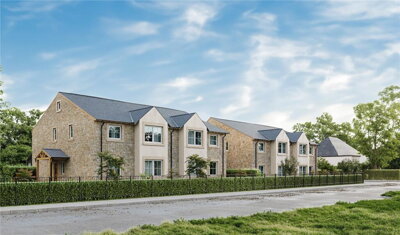
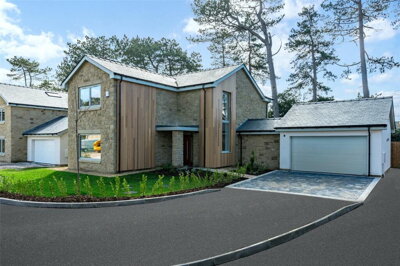
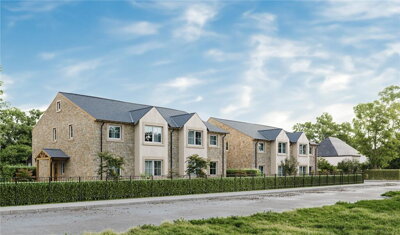
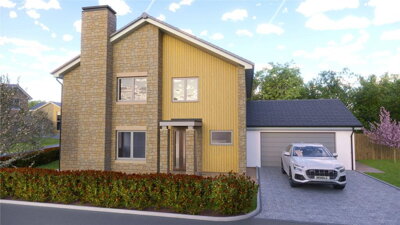
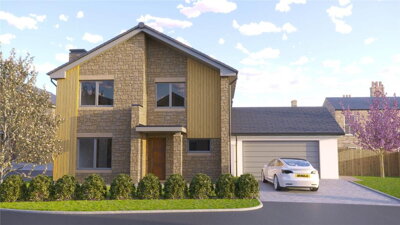
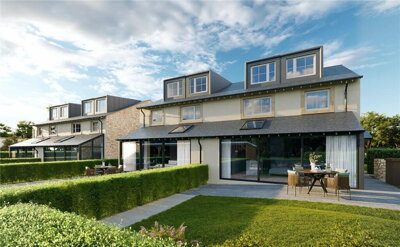
Browse 6 homes new builds in Claughton, Wyre from local developer agents.
The larger property sector typically features multiple bathrooms, substantial reception space, and private gardens or off-street parking. Four bedroom houses in Claughton span detached, semi-detached, and occasionally terraced configurations, with styles ranging from period properties to modern executive homes.
£405k
2
0
211
Source: home.co.uk
Showing 2 results for 4 Bedroom Houses new builds in Claughton, Wyre. The median asking price is £404,998.
Source: home.co.uk
Detached
2 listings
Avg £404,998
Source: home.co.uk
Source: home.co.uk
East Cambridgeshire's property market has shown resilience despite a 2.3% decrease in house prices over the past twelve months, making this an attractive time for buyers looking to secure their dream home in a sought-after Cambridgeshire location. The market offers excellent variety, with detached properties averaging £474,863, semi-detached homes at £306,477, terraced properties at £265,373, and flats starting from £177,500. This price diversity means buyers can find everything from affordable starter homes to substantial family residences without the premium costs associated with Cambridge city centre.
New build developments continue to bring fresh options to the area, with several notable projects currently underway across East Cambridgeshire. The Sycamores in Bottisham offers 2, 3, and 4 bedroom homes from £340,000, while The Pavilions in Ely provides larger 3, 4, and 5 bedroom properties from £379,995. Fordham's Kingfisher Meadow development by Taylor Wimpey starts from £315,000 for 2 to 5 bedroom homes, and Wicken Green offers 3 and 4 bedroom properties from £430,000. These new developments often appeal to buyers seeking modern construction methods, energy efficiency, and the reassurance of warranties that come with brand-new properties.
The price gap between East Cambridgeshire and Cambridge remains significant, with buyers frequently discovering they can purchase considerably more space for their money in the district. A detached home in Ely or the surrounding villages typically costs substantially less than a comparable property in Cambridge itself, making the area particularly attractive to families who need room to grow. This value proposition has driven sustained interest in the area, even during periods of broader market uncertainty.

Life in East Cambridgeshire revolves around the unique Fenland landscape, where flat agricultural plains stretch to the horizon and historic towns emerge as landmarks of community life. The area's geology, characterised by chalk and clay deposits, has shaped both the built environment and the daily rhythms of rural life here. Properties in the western parts around Ely sit on Fenland deposits of silt and clay, while southern and eastern areas feature the clay soils that define the Cambridgeshire countryside. This geological diversity influences everything from garden conditions to foundation requirements for properties across the district.
The housing stock in East Cambridgeshire reflects its evolution over more than a century, with 19.3% of properties built before 1919, 10.3% constructed between 1919 and 1945, 31% from the post-war boom years of 1945 to 1980, and 39.4% representing modern developments from 1980 onwards. Detached homes dominate at 36.1% of all properties, followed by semi-detached houses at 30.1%, terraced properties at 20.3%, and flats at 13%. This mix provides options for every buyer type, from couples seeking a manageable terraced home to growing families needing the space that detached properties offer.
Community life thrives in East Cambridgeshire's towns and villages, where local markets, festivals, and gatherings create strong social bonds among residents. Ely, as the largest settlement, offers the most comprehensive range of amenities including independent shops, restaurants, healthcare facilities, and cultural attractions centred around the magnificent cathedral. Smaller villages maintain their own character through pub socials, village halls, and community initiatives that make newcomers feel welcome. The area's agricultural heritage remains visible in the surrounding farmland, while tourism centred on Ely Cathedral brings visitors who support local businesses throughout the year.
The local economy draws strength from several sectors, with agriculture remaining important in the Fenland areas, tourism benefiting from Ely's heritage attractions, and logistics businesses thriving thanks to the A10 and A14 connections. Many residents commute to Cambridge for work in technology, education, and biotechnology, appreciating that they can live in a more affordable area while maintaining straightforward access to the city. This economic diversity supports stable property values and ensures that East Cambridgeshire communities remain vibrant and self-sustaining.

Education provision in East Cambridgeshire serves families well, with a network of primary and secondary schools spread across the district's towns and larger villages. The area's schools reflect the communities they serve, combining traditional values with modern teaching approaches to support children from reception age through to sixth form. Parents moving to East Cambridgeshire will find both state and independent options available, with several schools earning recognition for academic excellence and strong pastoral care. Understanding catchment areas proves essential when searching for property, as school availability can significantly influence property values and desirability in specific neighbourhoods.
For families considering secondary education, the grammar school system in Cambridgeshire provides selective options for academically gifted students, while comprehensive schools offer broad curricula designed to nurture diverse talents and interests. Sixth form provision allows older students to continue their education locally, with several schools offering A-level programmes and vocational qualifications that prepare young people for university or apprenticeships. The proximity to Cambridge also opens opportunities for access to the city's renowned educational institutions, including Cambridge University colleges and the Cambridge University Hospitals NHS Foundation Trust, which provide unique pathways for older students and parents pursuing further education or professional development.
Early years and primary education receives strong support in East Cambridgeshire, with many schools maintaining good or outstanding Ofsted ratings that reassure parents about the quality of care and education their children will receive. Primary schools in Ely, Soham, Littleport, and surrounding villages serve their local communities with dedicated teachers who know students and families personally. The village school model, where younger children attend smaller schools with close teacher-pupil relationships, contrasts with the larger primary schools found in market towns, giving families genuine choice about their children's educational environment.
East Cambridgeshire enjoys excellent connectivity despite its rural character, with the A10 providing a direct route north to Ely and south to Cambridge, while the A14 offers east-west links to Huntingdon, Peterborough, and the wider motorway network beyond. The strategic position of the district means that residents can enjoy the benefits of countryside living while maintaining practical access to major employment centres. Road connections support not only daily commuters but also logistics businesses that operate from the area, contributing to local economic activity and employment opportunities.
Rail services from Ely connect residents to Cambridge, King's Lynn, and Norwich, with regular trains making the university city accessible for work, education, and leisure activities. The journey from Ely to Cambridge takes approximately 17 minutes by train, making reverse commuting a practical option for those working in Cambridge's technology, research, and education sectors. Many East Cambridgeshire residents have discovered that living in the district offers the best of both worlds: affordable property prices compared to Cambridge itself, combined with straightforward commuting options that eliminate the need to live in the city centre.
Local bus services operate throughout East Cambridgeshire, connecting smaller villages to market towns where residents can access larger supermarkets, healthcare facilities, and other essential services. However, car ownership remains higher than average in the district due to the rural nature of many settlements, and prospective buyers should consider their transportation requirements carefully when choosing where to live. Cycling infrastructure continues to develop across the area, with flat terrain making cycling a viable option for shorter journeys and leisure rides across the Fenland countryside.
Before viewing properties, obtain a mortgage agreement in principle from a lender. This demonstrates your financial readiness to estate agents and sellers, strengthening your position when making offers. East Cambridgeshire properties can attract competitive interest, so being financially prepared gives you an advantage.
Explore different towns and villages within East Cambridgeshire to find the community that best matches your lifestyle needs. Consider commute times, school catchments, local amenities, and the character of each area, from Ely's historic cathedral city to quieter villages like Wicken or Burwell. Spend time walking through neighbourhoods and visiting local shops and pubs to get a genuine feel for each location.
Work with local estate agents to arrange viewings of properties that match your criteria. In East Cambridgeshire, housing stock ranges from charming period cottages to modern new builds, so view multiple properties across different styles before deciding. Take notes during viewings and ask about the property's history, any recent renovations, and upcoming local developments that might affect the area.
Once your offer is accepted, arrange for a RICS Level 2 Survey before proceeding to completion. In East Cambridgeshire, survey costs typically range from £400 to £700 depending on property size and complexity. Given that 60.6% of properties were built before 1980, a thorough survey is essential to identify potential issues with damp, subsidence from clay soils, or outdated electrics and plumbing common in older properties.
Appoint a solicitor experienced in Cambridgeshire property transactions to handle the legal aspects of your purchase. They will conduct searches with East Cambridgeshire District Council, check for planning restrictions, and manage the transfer of ownership. Budget for legal fees from around £499 for standard conveyancing services.
Once all searches are satisfactory and your mortgage is finalised, you will exchange contracts and pay your deposit. Completion typically follows within days or weeks, at which point you will receive your keys and become the official owner of your East Cambridgeshire home.
Properties in East Cambridgeshire require careful inspection due to the district's unique geological and environmental characteristics that can affect buildings differently than in other parts of the country. The presence of clay soils across southern and eastern areas creates a moderate to high shrink-swell risk, meaning properties may experience foundation movement during periods of dry weather or heavy rainfall. Prospective buyers should look for signs of subsidence such as cracking to walls, sticking doors or windows, and uneven floor levels. A thorough RICS Level 2 Survey will identify any structural concerns and assess the condition of foundations relative to the local geology.
Flood risk represents another important consideration when purchasing property in East Cambridgeshire, particularly in areas near the River Great Ouse, River Cam, and River Lark. Properties in Ely, Littleport, and other riverside communities may be susceptible to fluvial flooding during periods of high water levels, while the flat topography and drainage systems can lead to surface water flooding during heavy rainfall. Checking the Environment Agency's flood risk maps and discussing flood history with current owners provides valuable information before committing to a purchase. Properties in designated flood risk zones may face higher insurance premiums and may require additional flood resilience measures.
The conservation areas and listed buildings scattered throughout East Cambridgeshire add character to towns like Ely, Soham, Littleport, Fordham, and Burwell, but they also bring specific responsibilities for buyers. Listed buildings require Listed Building Consent for most alterations and renovations, which can restrict future plans for the property. Conservation area restrictions may limit permitted development rights, affecting things like extensions, outbuildings, or even fence heights. If you are considering a period property, factor in the potential costs of maintaining traditional features and the time required to obtain necessary consents for any changes.
Older properties in the district often exhibit common defects that our team encounters regularly during surveys. Rising damp affects many pre-1919 properties built with solid walls and lime mortar, while penetrating damp can occur where original brickwork has deteriorated or where pointing has failed. Timber elements in older homes may show signs of woodworm or rot, particularly where damp conditions have prevailed. Outdated electrical systems and plumbing that does not meet current regulations frequently require updating, adding to renovation costs that buyers should factor into their budget when considering period properties.
Understanding the full costs of buying property in East Cambridgeshire helps you budget accurately and avoid surprises during what can be a complex transaction. Beyond the property price, buyers need to account for Stamp Duty Land Tax, solicitor fees, survey costs, and moving expenses. With the average East Cambridgeshire property priced at £350,974, most buyers fall below the £925,000 threshold where higher SDLT rates apply, simplifying the tax calculation compared to more expensive areas. However, properties above £625,000 will affect first-time buyer relief eligibility, so understanding your status before searching proves important.
For a standard buyer purchasing a £350,974 property in East Cambridgeshire, Stamp Duty would apply at 0% on the first £250,000, then 5% on the remaining £100,974, totalling approximately £5,048. First-time buyers would pay £0 on the first £425,000, making the entire purchase potentially stamp duty free if the property price falls within that threshold. Additional costs include solicitor fees from around £499 to £1,500 depending on complexity, a RICS Level 2 Survey at £400 to £700, mortgage arrangement fees typically ranging from £0 to £2,000, and removal costs that vary based on distance and volume of belongings.
Budgeting for ongoing costs after purchase completes involves understanding council tax bands set by East Cambridgeshire District Council, utility costs for your property type, and service charges if purchasing a flat or leasehold property. Properties in new build developments may have higher energy performance ratings, potentially reducing utility bills compared to older properties built before modern insulation standards. When calculating the true cost of buying in East Cambridgeshire, factor in potential maintenance requirements for period properties, which may need updating of electrics, plumbing, or insulation that older homes often lack.
The current average house price in East Cambridgeshire is £350,974, based on recent sales data. Detached properties average £474,863, semi-detached homes cost around £306,477, terraced properties sell for approximately £265,373, and flats average £177,500. House prices have decreased by 2.3% over the past twelve months, creating opportunities for buyers looking to enter the market or upgrade within the area. The relatively affordable prices compared to Cambridge make East Cambridgeshire an attractive option for buyers seeking more space for their money.
Council tax bands in East Cambridgeshire range from Band A for the lowest-value properties through to Band H for the most expensive homes. The exact band depends on the property's assessed value as of April 1991, with current bands reflecting that historical valuation. East Cambridgeshire District Council sets the tax rates, and you can find specific band information for any property through the local authority website or the Valuation Office Agency. Properties in new build developments will have been valued for council tax when completed, and these bands may differ from the original sale price.
East Cambridgeshire hosts several well-regarded schools across primary and secondary levels. Primary schools in towns like Ely, Soham, and Littleport serve their local communities, with many achieving good or outstanding Ofsted ratings. For secondary education, students can attend non-selective comprehensive schools or sit the 11-plus examination to access grammar schools in the county. Sixth form provision allows students to continue studying locally, with opportunities to progress to A-levels or vocational qualifications. The proximity to Cambridge also provides access to the city's educational institutions for older students and adult learners.
Public transport in East Cambridgeshire centres on rail services from Ely station, which provides regular connections to Cambridge in just 17 minutes, King's Lynn, and Norwich. Bus services operate throughout the district, connecting smaller villages to market towns where residents can access additional services. The A10 and A14 roads provide excellent driving connections to Cambridge, Huntingdon, Peterborough, and the wider motorway network. However, car ownership remains advisable for residents in more rural villages where bus services may be limited. The flat Fenland terrain also makes cycling a practical option for shorter journeys.
East Cambridgeshire offers solid investment potential due to its proximity to Cambridge, ongoing new build development, and relatively affordable property prices compared to the city. The area attracts commuters working in Cambridge's technology, research, and education sectors, maintaining consistent demand for rental properties. Recent market data shows a 2.3% price decrease over twelve months, which may present buying opportunities for investors anticipating future price growth as the market stabilises. The variety of property types, from period cottages to modern new builds, allows investors to target different rental markets effectively.
Stamp Duty Land Tax rates for standard buyers start at 0% on the first £250,000 of property value, then 5% on the portion from £250,001 to £925,000, 10% up to £1.5 million, and 12% above that threshold. First-time buyers benefit from relief on the first £425,000 at 0% rate, with 5% applied between £425,001 and £625,000, though no relief applies above £625,000. Given that the average East Cambridgeshire property costs £350,974, most buyers would only pay stamp duty on approximately £100,974, resulting in a modest tax liability of around £5,048 for standard purchasers.
Properties near the River Great Ouse, River Cam, and River Lark face potential fluvial flood risk, particularly in Ely and Littleport. The flat Fenland topography means surface water can accumulate during heavy rainfall when drainage systems are overwhelmed. Before purchasing, check the Environment Agency flood risk maps and ask current owners about the property's flood history. Properties in designated flood zones may incur higher insurance costs and could require flood resilience measures, so factoring these ongoing expenses into your budget is essential.
Traditional properties built before 1945 typically feature solid brick construction with slate or clay tile roofs and lime mortar, while mid-century homes from 1945 to 1980 usually have cavity walls with brick or rendered finishes and concrete tiles. Modern properties post-1980 predominantly use cavity wall construction with brick, render, and various cladding materials, along with uPVC windows and pitched concrete-tiled roofs. Older properties may require more maintenance and updating of systems, while newer homes generally offer better energy efficiency and lower upkeep costs.
From 3.84%
Compare mortgage deals from leading lenders
From £499
Expert solicitors for your property transaction
From £400
Comprehensive survey to identify property issues
From £80
Energy performance certificate for your property
Properties New Builds In London

Properties New Builds In Plymouth

Properties New Builds In Liverpool

Properties New Builds In Glasgow

Properties New Builds In Sheffield

Properties New Builds In Edinburgh

Properties New Builds In Coventry

Properties New Builds In Bradford

Properties New Builds In Manchester

Properties New Builds In Birmingham

Properties New Builds In Bristol

Properties New Builds In Oxford

Properties New Builds In Leicester

Properties New Builds In Newcastle

Properties New Builds In Leeds

Properties New Builds In Southampton

Properties New Builds In Cardiff

Properties New Builds In Nottingham

Properties New Builds In Norwich

Properties New Builds In Brighton

Properties New Builds In Derby

Properties New Builds In Portsmouth

Properties New Builds In Northampton

Properties New Builds In Milton Keynes

Properties New Builds In Bournemouth

Properties New Builds In Bolton

Properties New Builds In Swansea

Properties New Builds In Swindon

Properties New Builds In Peterborough

Properties New Builds In Wolverhampton

Enter your details to see if this property is within your budget.
Loans, cards, car finance
Estimated property budget
Borrowing + deposit
You could borrow between
Typical borrowing
Monthly repayment
Est. at 4.5%
Loan-to-value
This is an estimate only. Your actual budget may vary depending on interest rates, credit history, and personal circumstances. For an accurate affordability assessment, speak to one of our free mortgage advisors.
This calculator provides estimates for illustrative purposes only and does not constitute financial advice. Your home may be repossessed if you do not keep up repayments on your mortgage. Estimates based on 4.5% interest rate, repayment mortgage. Actual rates depend on your circumstances.
Homemove is a trading name of HM Haus Group Ltd (Company No. 13873779, registered in England & Wales). Homemove Mortgages Ltd (Company No. 15947693) is an Appointed Representative of TMG Direct Limited, trading as TMG Mortgage Network, which is authorised and regulated by the Financial Conduct Authority (FRN 786245). Homemove Mortgages Ltd is entered on the FCA Register as an Appointed Representative (FRN 1022429). You can check registrations at NewRegister or by calling 0800 111 6768.

We use cookies to show you personalised content and improve your experience of our website. Find out more in our Privacy policy and Cookie policy.