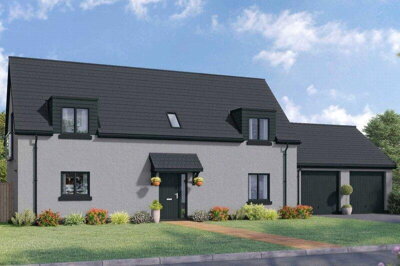
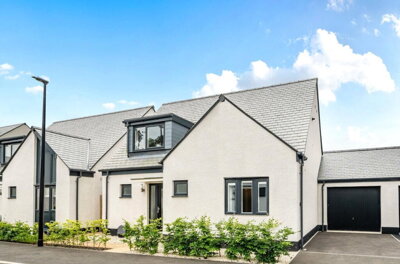
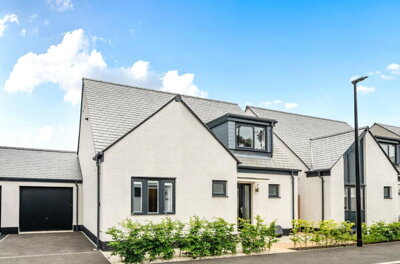
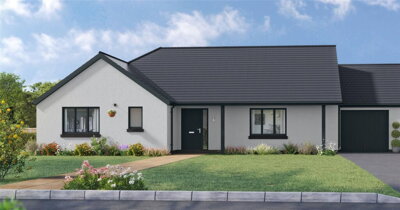
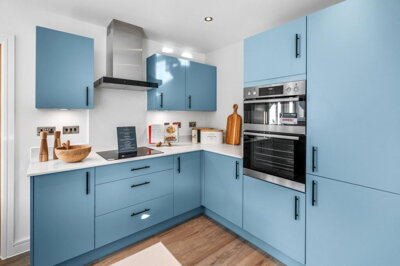
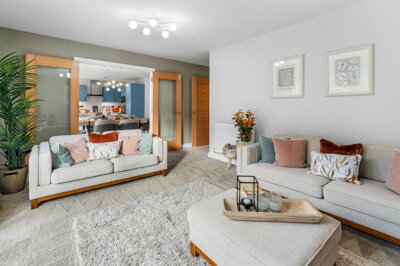
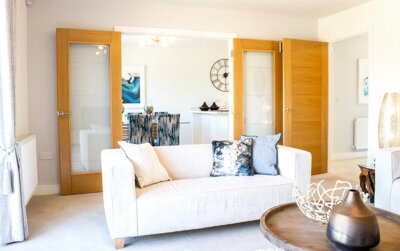
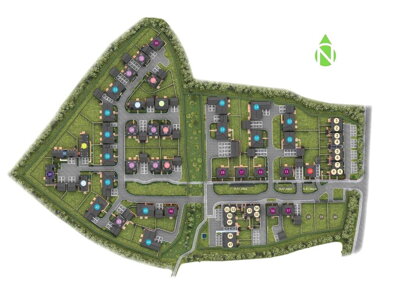
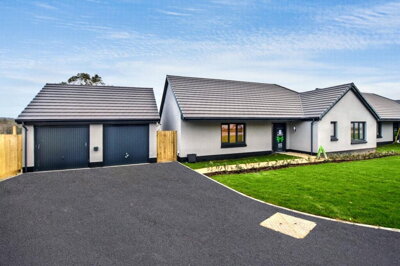
Browse 10 homes new builds in Chudleigh, Teignbridge from local developer agents.
Three bedroom properties represent a significant portion of the Chudleigh housing market, offering space for families with multiple reception rooms and gardens in many cases. Browse detached, semi-detached, and terraced options ranging across new residential developments.
£270k
8
0
164
Source: home.co.uk
Showing 8 results for 3 Bedroom Houses new builds in Chudleigh, Teignbridge. The median asking price is £270,000.
Source: home.co.uk
Terraced
4 listings
Avg £257,500
Semi-Detached
3 listings
Avg £280,000
Detached
1 listings
Avg £299,000
Source: home.co.uk
Source: home.co.uk
The Chudleigh property market has demonstrated remarkable resilience and growth, with sold prices rising 10.9% over the twelve months to February 2026 according to OnTheMarket data. Rightmove figures corroborate this trend, showing prices up 4% on the previous year and now standing 6% above the previous 2022 peak of £327,370. This sustained upward trajectory reflects both the limited supply of quality homes in desirable South Devon villages and the strong demand from buyers seeking to escape larger urban centres while maintaining reasonable commute times to Exeter and Plymouth. The TQ13 postcode area, which encompasses Chudleigh and surrounding villages, recorded 205 property sales over the twenty-four months to February 2026, indicating active market participation despite the broader economic climate.
Property types available in Chudleigh cater to various buyer requirements and budgets. Detached homes command the highest prices, averaging between £468,034 and £494,019 depending on the source, offering generous gardens and spacious accommodation ideal for growing families. Semi-detached properties at around £288,525 provide an excellent balance of value and space, while terraced homes starting from £257,111 present accessible entry points to the local market for first-time buyers and investors. Flats remain less prevalent in this market town, with the majority of properties taking the form of houses reflecting Chudleigh's residential character. Recent market activity has shown terraced properties forming the majority of sales, suggesting strong demand across all property types in this sought-after location.
New build activity in the Chudleigh area includes Turnpike Fields in nearby Chudleigh Knighton, a Baker Estates development offering two to five bedroom properties including houses, bungalows, and barn-style bungalows. David Wilson Homes also markets new properties within the TQ13 postcode area. Within Chudleigh itself, recent completed developments such as Coburg Crescent and Palace Meadow demonstrate the ongoing investment in housing stock, though the market remains characterised by its significant proportion of older, characterful properties requiring careful consideration during purchase. These newer developments complement the historic housing stock while providing modern energy-efficient alternatives for buyers prioritising lower running costs.

Chudleigh's historic core centres around Fore Street, Old Exeter Street, and the Parish Church area, all falling within a designated Conservation Area that protects the town's architectural heritage. The traditional building styles evident throughout this area feature rendered or limestone walls, steeply pitched roofs covered with natural slate of a distinctive mid-grey-blue colour, and charming side-hung casement or vertical sliding sash windows. Low limestone walls and iron railings define many property boundaries, creating the picturesque streetscape that makes Chudleigh such an appealing place to call home. These architectural details reflect centuries of local building tradition and contribute significantly to the town's visual character.
The commercial history of Chudleigh as a market town encompasses farming, cider making, wool cloth production, spinning and fulling, grinding mills, and quarrying. This rich industrial heritage is evident in the varied building stock and the town's layout, which developed to serve the agricultural and manufacturing needs of the surrounding countryside. Today, Chudleigh maintains its role as a local service centre, with independent shops, pubs, and businesses serving both residents and visitors from the wider area. The weekly markets and events continue traditions that have sustained the community for over seven centuries since the granting of the market charter in 1309. The Chudleigh Neighbourhood Development Plan aims to stimulate the local economy further while preserving the character that makes the town distinctive.
The natural landscape surrounding Chudleigh offers excellent recreational opportunities. The Haldon Hills provide walking and cycling routes with panoramic views across South Devon, while the proximity to the Dartmoor National Park offers endless exploration possibilities for outdoor enthusiasts. The Bovey Basin clay fields extend to the far south of the area, creating varied terrain and agricultural land. Kate Brook flows to the east of the town, though potential residents should note the historic encroachment of housing development onto flood plains in this area. The community benefits from various clubs, societies, and events that foster social connections among the population of approximately 5,250 residents. The town also serves as a gateway for visitors exploring the wider Teignbridge area, contributing to a vibrant local economy that supports independent businesses.
Families considering a move to Chudleigh will find educational provision within the town itself and excellent secondary options in the surrounding Teignbridge area. Primary education in Chudleigh serves younger children with the convenience of a walkable school in the town centre. The surrounding villages also contribute to primary school catchments, creating options for families to secure places according to their specific circumstances and preferences. As with many rural market towns, school catchments can be competitive, and prospective buyers with school-age children should investigate current admission arrangements and potential future changes before committing to a purchase in a specific area.
Secondary education options for Chudleigh residents include schools in nearby towns accessible via regular bus services. The Teignbridge district maintains several secondary schools offering GCSE and A-Level qualifications, with some offering sixth form provision for students continuing their education locally. Grammar school access varies by location within the wider area, with some families pursuing places at selective schools in Exeter and other towns. Parents should carefully review current Ofsted ratings, examination results, and admission policies when evaluating secondary school options, as these factors significantly influence property values in specific catchment areas. The transport links from Chudleigh make schools in Newton Abbot and Exeter accessible for daily commute during term time.
Further and higher education opportunities in the region include colleges in Exeter, Plymouth, and Torquay, providing vocational and academic pathways for older students. Exeter University, located approximately 12 miles from Chudleigh, offers a full range of undergraduate and postgraduate degrees and contributes significantly to the regional economy and cultural life. The reasonable travel times from Chudleigh to these educational centres make it practical for older children to commute while benefiting from reduced living costs compared to major university cities. For students requiring specialised vocational training, Duchy College in Moretonhampstead provides land-based courses relevant to the agricultural heritage of the region.

Chudleigh enjoys a strategic position with convenient access to regional and national road networks, making car travel straightforward for residents who need to commute or access services further afield. The A38 Devon Expressway passes nearby, providing a fast connection to Plymouth to the west and Exeter to the north-east, where the M5 motorway connects to the national motorway network. Journey times by car to Exeter city centre typically take around 30 minutes under normal traffic conditions, while Plymouth is accessible in approximately 45 minutes. This connectivity explains much of Chudleigh's appeal to commuters who wish to enjoy village life while maintaining employment in larger urban centres.
Public transport options serving Chudleigh include bus services connecting the town to Exeter, Newton Abbot, and surrounding villages. These services provide essential connectivity for residents without private vehicles, including school children, retirees, and those who prefer not to drive. Rail services are accessible from nearby stations in Newton Abbot and Exeter St Thomas, offering connections to Bristol, London Paddington, and the wider national rail network. London Paddington can be reached from Exeter in approximately two hours and forty minutes, making Chudleigh viable for occasional commuting or business travel to the capital. The bus services also enable residents to access healthcare appointments and other services in larger towns without requiring private vehicle ownership.
The cycling infrastructure in Chudleigh and the surrounding area continues to develop, with the Haldon Hills offering challenging but rewarding routes for enthusiastic cyclists. National Cycle Route 2 passes through the region, connecting coastal and inland communities. For commuters to Exeter, cycling represents a viable option during favourable weather conditions, particularly with the relatively gentle terrain on the eastern approach to the city. Walking within Chudleigh itself is pleasant, with most amenities accessible on foot from residential areas, reducing car dependency for daily errands. The Chudleigh Community Masterplan identifies improving transport infrastructure as a key priority, recognising that sustainable travel options support both environmental goals and community wellbeing.
Explore current property listings and recently sold prices in Chudleigh to understand the market dynamics before committing to viewings. Review local property types, average prices by category, and recent trends including the 10.9% price increase over the past twelve months. Note that the market has risen significantly, so factor appreciation into your long-term planning and budget expectations.
Before arranging viewings, obtain a mortgage agreement in principle from a lender to strengthen your position when making offers on Chudleigh properties. This demonstrates to sellers that you have secured financing and can proceed quickly. Compare rates from multiple lenders and consider using an independent mortgage broker who may have relationships with local surveying firms and conveyancers familiar with Teignbridge transactions.
Visit properties matching your criteria in Chudleigh, paying attention to construction materials, property condition, and the surrounding neighbourhood. Note the Conservation Area restrictions affecting many central properties along Fore Street and Old Exeter Street. Consider viewing properties at different times of day to assess traffic, noise levels, and community atmosphere.
Once your offer is accepted, arrange a RICS Level 2 Survey (Homebuyer Report) to assess the property condition thoroughly. Given Chudleigh's geology with shrinkable clay soils, specifically ask the surveyor to investigate potential subsidence risks and foundation conditions. Older properties in the Conservation Area may require additional specialist assessments, and listed buildings will need Historic Building Surveys to ensure any works comply with Listed Building Consent requirements.
Appoint a solicitor to handle the legal aspects of your purchase, including local searches, property checks, and registration at the Land Registry. Ensure they are aware of Chudleigh-specific issues including flood plain proximity to the Kate Brook, Conservation Area requirements administered by Teignbridge District Council, and any local planning constraints from the Neighbourhood Development Plan.
Once all searches are satisfactory and your mortgage offer is confirmed, your solicitor will exchange contracts and agree a completion date with the seller's representative. On completion day, you receive the keys and can begin your new life in Chudleigh, whether in a period cottage in the conservation area or a modern home on one of the newer developments at the town edges.
Understanding the predominant construction methods in Chudleigh helps buyers appreciate the properties they may encounter and identify potential maintenance concerns. The historic core around Fore Street and Old Exeter Street features traditional building techniques that have characterised South Devon construction for centuries. Properties here typically feature rendered or limestone walls, with the limestone often sourced from local quarries reflecting the area's industrial heritage. Steeply pitched roofs covered with natural slate of a distinctive mid-grey-blue colour dominate the conservation area, creating the characteristic roofscape visible from the surrounding hillsides.
The arrival of the railway network transformed local building practices, as Welsh slate became more readily available and gradually replaced traditional materials like thatch and clay tiles. Many Chudleigh properties reflect this transitional period, with some retaining original clay tile roofs while others feature the Welsh slate that became the regional standard. Side-hung casement windows and vertical sliding sash windows are common features throughout the conservation area, with original timber frames often requiring restoration rather than replacement to maintain authenticity. Chimneys constructed from local stone or brick punctuate rooflines and frequently require inspection during property surveys.
Post-war housing developments in Chudleigh adopted more standardised construction methods common throughout Britain during this period. The Chudleigh Neighbourhood Development Plan notes that much of this post-war housing has a standard "anywhere" appearance, reflecting the shift away from locally distinctive building traditions. These properties may present different maintenance considerations compared to their historic counterparts, including potential issues with cavity wall construction, concrete foundations, and modern roofing materials. Properties built above historical quarrying areas may require specialist structural assessment, as underground voids from past industrial activity can affect ground stability.
Properties in Chudleigh require careful inspection due to several area-specific factors that affect building condition and value. The presence of shrinkable clay soils in the region, including proximity to the Bovey Basin clay fields, creates a potential subsidence risk that buyers must assess thoroughly. Clay minerals absorb water during wet periods, causing ground swelling, and release water during dry spells, leading to ground shrinkage and potential structural movement. Trees located near properties can exacerbate this issue by removing moisture from the soil through their root systems. A thorough RICS Level 2 Survey should specifically examine foundation conditions, crack patterns, and any signs of historical movement.
The Kate Brook flood plain to the east of Chudleigh presents another environmental consideration for property buyers. Historical development has encroached onto flood plains, meaning some properties may carry flood risk that affects insurance premiums and future saleability. Property buyers should request flood risk searches and consider the Environment Agency flood maps when evaluating specific properties. Surface water flooding can also occur during periods of heavy rainfall, particularly in low-lying areas near watercourses. Understanding these risks enables informed decision-making and appropriate insurance arrangements before completion.
Conservation Area designation affects many properties in Chudleigh's historic core, particularly along Fore Street, Old Exeter Street, and around the Parish Church. These restrictions limit permitted development rights, meaning exterior alterations, extensions, and some renovation works require planning permission from Teignbridge District Council. The Grade II Listed Building at The Retreat on Old Exeter Street and other listed structures require specialist consideration and Listed Building Consent for any alterations. Buyers should factor these restrictions into renovation budgets and timeline expectations. The Neighbourhood Development Plan also provides design guidance that influences development decisions in the area and ensures new construction respects local character.
The average house price in Chudleigh stands at approximately £356,000 according to recent market data, with prices having risen 10.9% over the past twelve months. Detached properties average between £468,000 and £494,000, semi-detached homes around £288,525, and terraced properties from £257,111. This market has shown consistent growth, now exceeding the previous 2022 peak of £327,370 by approximately 6%. The diverse property range ensures options for various budgets, from first-time buyer apartments to substantial family homes.
Council tax in Chudleigh is administered by Teignbridge District Council. Property bands range from A to H depending on the assessed value of the home, with typical bandings for the area reflecting the mix of property values. Properties in the terraced housing developments may fall into bands A to C, while larger detached homes and period properties in prime locations often occupy bands E to G. Prospective buyers should verify the specific band for any property through the local authority valuation listing before budgeting for ongoing costs.
Chudleigh offers primary education provision within the town itself, serving children from the local catchment area. Secondary school options in the wider Teignbridge district provide GCSE and A-Level qualifications, with access varying by specific location within the town. Parents should consult current Ofsted inspection reports and admission policies, as school performance and catchment boundaries can change. The proximity to Exeter provides additional options including grammar schools and further education colleges accessible via regular bus services.
Bus services connect Chudleigh to Exeter, Newton Abbot, and surrounding villages, providing essential public transport options for residents without private vehicles. The nearest railway stations at Newton Abbot and Exeter St Thomas offer connections to Bristol, London Paddington, and the wider national rail network, with London accessible in under three hours. The A38 Devon Expressway provides road connectivity to Plymouth and the M5 motorway at Exeter. Journey times to Exeter city centre by car take approximately 30 minutes under normal conditions.
Chudleigh presents several positive indicators for property investment. The 10.9% price increase over twelve months demonstrates strong demand in this desirable South Devon location. Limited new development supply combined with consistent buyer interest from commuters seeking village lifestyles supports long-term values. Rental demand exists from professionals working in Exeter or Plymouth who prefer Chudleigh's character over larger urban areas. However, investors should note that flood plain proximity affects some properties and conservation restrictions limit certain development opportunities.
Stamp duty (SDLT) rates for standard purchases in England start at 0% on the first £250,000 of property value. Between £250,001 and £925,000, the rate is 5%, rising to 10% on values between £925,001 and £1.5 million, and 12% on any amount above £1.5 million. First-time buyers benefit from relief on the first £425,000, with 5% applying between £425,001 and £625,000. Given Chudleigh's average price of £356,000, most purchases would incur SDLT of approximately £5,300 for standard buyers or potentially no SDLT for eligible first-time buyers.
Three environmental factors warrant specific attention when purchasing property in Chudleigh. Subsidence risk from shrinkable clay soils affects the wider South West region, particularly during dry spells when clay contracts and trees remove moisture from foundations through their root systems. Flood risk from the Kate Brook affects properties on or near the eastern flood plain, potentially impacting insurance costs and requiring appropriate flood resilience measures. Historical quarrying activity in the area may have created underground voids in some locations that require specialist structural assessment. A thorough property survey should investigate these specific risks before completion.
Period properties in Chudleigh's Conservation Area around Fore Street and Old Exeter Street require careful inspection of several key areas. Examine the condition of original timber windows, checking for rot in frames and sills, and assess whether any replacement windows maintain the traditional character expected in listed and conservation settings. Roof condition is critical, as natural slate roofs on older properties often require maintenance and may have experienced slippage. Look for signs of damp in walls, particularly where lime mortar pointing has deteriorated, and check that any modern additions respect the traditional building styles that define the conservation area's character.
Chudleigh contains several listed buildings that require specialist consideration during purchase. The Grade II Listed Building at The Retreat on Old Exeter Street exemplifies the architectural heritage protected in the town. Listed buildings require Historic Building Surveys to assess condition and identify any works requiring Listed Building Consent from Teignbridge District Council. Any alterations must use appropriate traditional materials and techniques approved by heritage authorities. Buyers considering listed properties should budget for specialist surveys beyond standard RICS reports and factor additional time into any renovation project for heritage consent processes.
Understanding the full cost of purchasing property in Chudleigh requires budgeting beyond the headline purchase price. Stamp Duty Land Tax (SDLT) applies to all freehold purchases above £250,000 at standard rates, with first-time buyer relief potentially extending the zero-rate threshold to £425,000. For a typical Chudleigh property at the current average price of £356,000, a standard buyer would incur SDLT of £5,300. First-time buyers could reduce this to nil if the property price falls within the relief threshold, representing significant savings that can contribute to moving costs or furniture budgets.
Solicitor fees for conveyancing typically range from £499 to £1,500 depending on the complexity of the transaction and the property value. Local searches specific to Teignbridge District Council and Devon include drainage and water searches, environmental searches assessing ground conditions, and planning searches identifying any historical or current applications affecting the property. These searches typically cost between £250 and £400. Additional costs include Land Registry fees, bank transfer charges, and search management fees. For leasehold properties, notice fees and management company inquiries may add further expenses. In Chudleigh specifically, flood risk searches and Environmental Agency consultations may be advisable given the Kate Brook flood plain proximity.
Survey costs merit particular attention in Chudleigh given the area-specific risks associated with clay soils and period properties. A RICS Level 2 Survey (Homebuyer Report) starts from approximately £350 for standard properties, with costs increasing for larger or more complex homes. Properties of unusual construction, listed buildings, or those with apparent defects may require more detailed RICS Level 3 Structural Surveys, which command higher fees but provide comprehensive assessment of significant issues. Mortgage arrangement fees typically range from £0 to £2,000 depending on the lender and product chosen, though many brokers and lenders currently offer fee-free deals. Buildings insurance must be arranged from exchange of contracts, with costs varying based on property type, value, and flood risk assessment.
Properties New Builds In London

Properties New Builds In Plymouth

Properties New Builds In Liverpool

Properties New Builds In Glasgow

Properties New Builds In Sheffield

Properties New Builds In Edinburgh

Properties New Builds In Coventry

Properties New Builds In Bradford

Properties New Builds In Manchester

Properties New Builds In Birmingham

Properties New Builds In Bristol

Properties New Builds In Oxford

Properties New Builds In Leicester

Properties New Builds In Newcastle

Properties New Builds In Leeds

Properties New Builds In Southampton

Properties New Builds In Cardiff

Properties New Builds In Nottingham

Properties New Builds In Norwich

Properties New Builds In Brighton

Properties New Builds In Derby

Properties New Builds In Portsmouth

Properties New Builds In Northampton

Properties New Builds In Milton Keynes

Properties New Builds In Bournemouth

Properties New Builds In Bolton

Properties New Builds In Swansea

Properties New Builds In Swindon

Properties New Builds In Peterborough

Properties New Builds In Wolverhampton

Enter your details to see if this property is within your budget.
Loans, cards, car finance
Estimated property budget
Borrowing + deposit
You could borrow between
Typical borrowing
Monthly repayment
Est. at 4.5%
Loan-to-value
This is an estimate only. Your actual budget may vary depending on interest rates, credit history, and personal circumstances. For an accurate affordability assessment, speak to one of our free mortgage advisors.
This calculator provides estimates for illustrative purposes only and does not constitute financial advice. Your home may be repossessed if you do not keep up repayments on your mortgage. Estimates based on 4.5% interest rate, repayment mortgage. Actual rates depend on your circumstances.
Homemove is a trading name of HM Haus Group Ltd (Company No. 13873779, registered in England & Wales). Homemove Mortgages Ltd (Company No. 15947693) is an Appointed Representative of TMG Direct Limited, trading as TMG Mortgage Network, which is authorised and regulated by the Financial Conduct Authority (FRN 786245). Homemove Mortgages Ltd is entered on the FCA Register as an Appointed Representative (FRN 1022429). You can check registrations at NewRegister or by calling 0800 111 6768.

We use cookies to show you personalised content and improve your experience of our website. Find out more in our Privacy policy and Cookie policy.