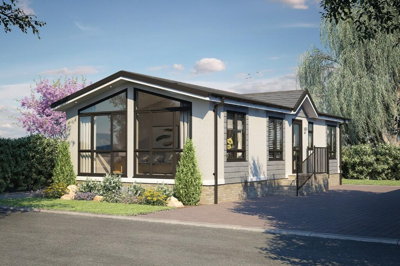
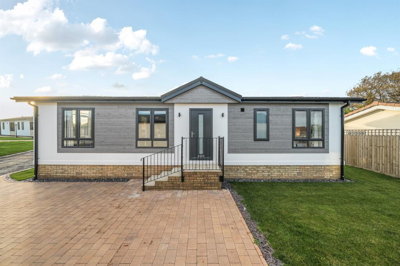
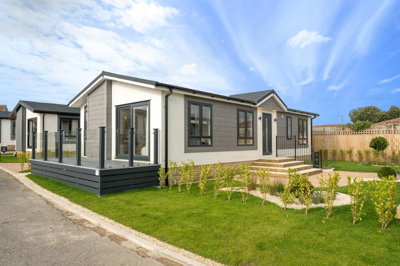
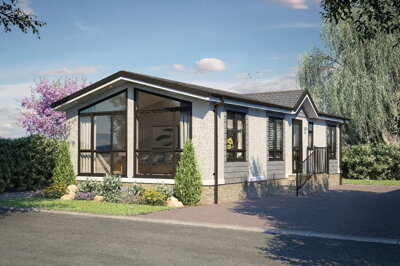
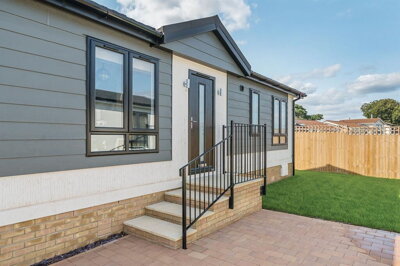
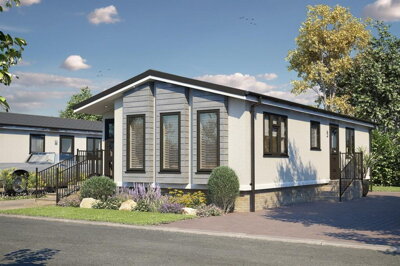
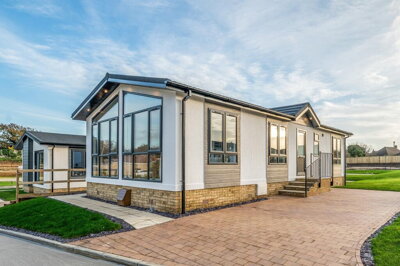
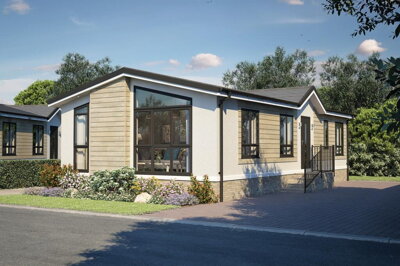
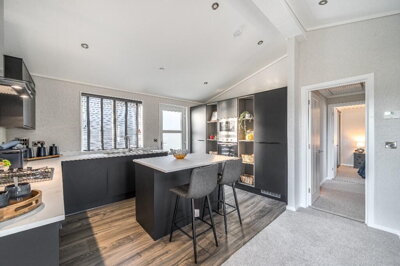
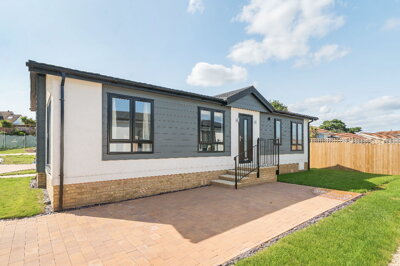
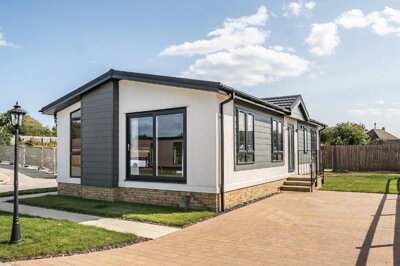
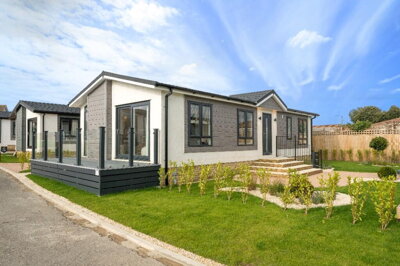
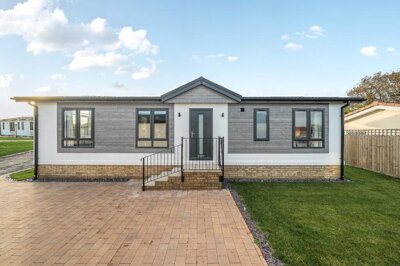
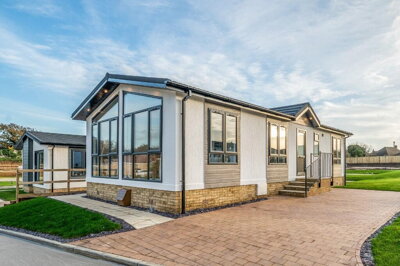
Browse 14 homes new builds in Christchurch from local developer agents.
The 2 bed house market features detached, semi-detached, and terraced properties with two separate bedrooms plus living spaces. Properties in Christchurch range across contemporary developments, with pricing varying across different neighbourhoods.
The Christchurch property market has experienced notable shifts over the past twelve months, with the ONS reporting an average house price of £310,000 for the wider Bournemouth Christchurch and Poole area as of December 2025. This represents a 4.5% decrease from the previous year, though Property Solvers indicates that asking prices in the BH23 postcode specifically have shown modest growth of around 2.55% over the same period, suggesting some localised resilience. The market saw 721 residential property transactions in the last year, a decrease of 19.28% compared to the previous twelve months, reflecting broader national trends in buyer activity and affordability constraints.
Property types in Christchurch cater to diverse buyer requirements and budgets. Detached properties command the highest prices, with averages ranging from £547,000 to £617,000 depending on location and condition, while semi-detached homes typically sell for £354,000 to £381,810. Terraced properties offer more accessible entry points at £291,000 to £378,107, and flats remain the most affordable option with average prices between £198,000 and £237,900. According to sales data for Dorset, detached properties account for approximately 38% of transactions, with flats representing around 24% of sales, reflecting the area's diverse housing stock from period terraces to coastal apartments.
New build activity in the immediate Christchurch area remains limited, with most major developments located in surrounding towns within the wider BCP Council region. The established nature of Christchurch's housing stock means that period properties with character features are widely available, from Victorian terraces with original fireplaces and bay windows to Edwardian houses with high ceilings and period detailing. Many properties in the town centre and Conservation Areas date from the 19th century or earlier, constructed using traditional methods with solid brick walls and timber floors. Buyers purchasing older homes should budget for potential renovation work and factor in the costs of upgrading electrical and plumbing systems to meet modern standards.

Christchurch carries a rich historical legacy that permeates every aspect of daily life in the town. The magnificent Christchurch Priory, one of the longest parish churches in England, dominates the town centre and provides a stunning backdrop to the weekly markets held on the Priory grounds. The historic Quay area along the River Avon offers picturesque waterside walks, with traditional boats bobbing at their moorings and an array of cafes and pubs providing perfect vantage points for watching the world drift by. This heritage-conscious atmosphere creates a sense of permanence and community that appeals to families establishing roots for the long term and draws visitors from across the region.
The town's location at the meeting point of two major rivers and its proximity to Christchurch Harbour makes it particularly popular with water sports enthusiasts and nature lovers. Kayaking, sailing, and paddleboarding are popular activities throughout the year, while the nearby Hengistbury Head Nature Reserve provides exceptional walking and birdwatching opportunities with views across the Solent to the Isle of Wight. The flat terrain surrounding the town centre makes cycling accessible to most fitness levels, and dedicated routes along the river valleys provide traffic-free commuting options for those working locally. The relatively gentle topography means that properties throughout Christchurch benefit from easy access to the waterways and open spaces that define this area.
Tourism plays a significant role in supporting the local economy, with visitors drawn to the priory, the historic ducking stool on the quay, and the excellent access to the beaches of Bournemouth and Southbourne. This seasonal influx supports a vibrant hospitality sector, meaning residents enjoy access to quality pubs, restaurants, and cafes throughout the year. Independent traders along the High Street and Castle Street offer boutique shopping experiences, and the weekly farmers market brings local producers together every Thursday. The population includes a good mix of demographics, from young families attracted by the schools and outdoor lifestyle to retirees drawn to the peaceful riverside setting and excellent healthcare access in the wider BCP area.

Education provision in Christchurch serves families well, with a range of primary and secondary schools within easy reach of all residential areas. At primary level, schools such as Christchurch Junior School and Somerford Primary School provide strong foundations for younger children, with the former serving the 9-11 age group across multiple year groups. Parents should research individual school performance data and consider catchment areas when searching for family homes, as popularity can create competitive pressure for places in certain neighbourhoods. The BCP Council website provides detailed information on school capacities and admissions criteria that apply specifically to Christchurch.
Secondary education options include The Grange School, a community school serving the wider area, and TWMS (The Weymouth School) located further afield in Dorset. Parents seeking grammar school provision should note that the Dorset grammar school system means students must pass the 11-plus examination to access these selective schools, with schools in nearby Wimborne and Poole offering alternatives for academically strong students. The Dorset 11-plus test is taken in September of Year 6, and preparation often begins well in advance to ensure candidates perform to their full potential. Schools in Poole accessible to Christchurch families include Poole Grammar School for boys and Parkstone Grammar School for girls.
Sixth form provision in Christchurch itself is limited, but excellent options exist in nearby Bournemouth and Poole, with good public transport connections making these accessible to students throughout the area. For families considering private education, several independent schools in the wider BCP area provide alternatives to the state system, including establishments offering both day and boarding options. Early planning is essential when targeting popular schools, as waiting lists can form well in advance of the intended start date. The presence of quality educational options enhances Christchurch's appeal to families at all stages, from those with toddlers requiring nursery places to parents planning for secondary and further education.
Christchurch benefits from excellent transport connections that make it practical for commuting while maintaining a relaxed coastal lifestyle. Christchurch railway station provides regular services to Bournemouth (approximately 10 minutes), Southampton (around 35 minutes), and London Waterloo (approximately 2 hours). These connections make Christchurch particularly attractive to professionals working in Southampton, Portsmouth, or the capital, where the convenience of rail travel compares favourably to the stress and cost of daily motorway driving. The direct service to London Waterloo is particularly valued by City workers and those with business connections in the capital.
For those who prefer driving, the A35 trunk road passes nearby, connecting Christchurch to the major road network and providing access to the M27 motorway towards Southampton and beyond. Bournemouth Airport, located just a few miles away, offers domestic flights and a growing selection of European holiday destinations, adding to the area's connectivity. The local bus network provides regular services throughout Christchurch and connects to neighbouring towns including Bournemouth, Poole, and Wimborne, with the X1 service providing a direct link to Poole's shopping and cultural amenities. Bus services to Bournemouth town centre run frequently throughout the day, making car-free living practical for those who work in retail, hospitality, or the service sector.
Cyclists and pedestrians benefit from dedicated routes along the river valleys and towards the beaches, making car-free living entirely feasible for those who work locally or work from home. The relatively flat terrain around the town centre makes cycling accessible to most fitness levels, and secure bike storage is increasingly common at new developments. For commuters to London, the 2-hour journey time to Waterloo remains competitive with many more expensive locations closer to the capital, making Christchurch an intelligent choice for buyers seeking to optimise their balance of living costs and career opportunities.
Before viewing properties, obtain a mortgage agreement in principle from a lender. This confirms your borrowing capacity and strengthens your position when making offers. Christchurch's varied property market means having clear budget boundaries is essential. Consider getting quotes from at least three different lenders or mortgage brokers, as rates and terms can vary significantly.
Spend time in different Christchurch neighbourhoods, from the historic Priory area to the quieter residential roads near the harbour. Visit at different times of day and check local amenities, transport links, and noise levels that online searches cannot reveal. Pay particular attention to flood risk areas if considering properties near the River Avon or Stour.
Contact estate agents directly to arrange viewings of properties matching your criteria. Take notes, measure rooms, and photograph properties to help compare options later. Ask about the property's history, any renovation work completed, and any issues the current owners are aware of. In Conservation Areas, also ask about any planning permissions or listed building consents that have been granted.
Once your offer is accepted, instruct a RICS Level 2 Survey to assess the property's condition. Given Christchurch's flood risk areas and prevalence of older properties, a thorough survey is essential to identify issues such as damp, subsidence risk from clay soils, or roof condition problems before you commit. Properties with solid walls or those over 50 years old particularly benefit from this level of inspection.
Your conveyancing solicitor will handle the legal aspects of the purchase, including local searches, flood risk assessments, and exchange of contracts. Ensure they have experience with Christchurch properties and are aware of any specific local issues such as conservation area restrictions or properties in the flood plain.
After satisfactory survey results and completed searches, your solicitor will arrange the exchange of contracts and set a completion date. On completion day, the remaining balance transfers and you receive the keys to your new Christchurch home. Ensure your buildings insurance is in place from this date, particularly for properties in flood risk areas where insurance arrangements may require extra lead time.
Flood risk represents the most significant environmental consideration for anyone buying property in Christchurch. The town sits at the confluence of the Rivers Avon and Stour and is affected by both river flooding and coastal flooding from Christchurch Harbour during high tides and storm surges. Properties near the river banks, the quay area, and low-lying parts of town require careful consideration. The Environment Agency provides detailed flood risk maps showing specific areas at risk, and any buyer should request this information and factor flood risk into their decision and insurance requirements before proceeding.
Conservation areas in Christchurch impose additional planning controls that affect what owners can do with their properties. The areas around the Priory, High Street, and Quay Road contain numerous listed buildings with Grade I and Grade II designations, meaning external alterations require Listed Building Consent. Before purchasing, prospective buyers should contact BCP Council to understand exactly which restrictions apply to a specific property, as these can affect future renovation plans, extensions, or even window replacements. These controls help preserve the town's character but require careful navigation when planning any alterations or improvements.
The local geology presents additional considerations for Christchurch buyers. The sands, gravels, and clays underlying the area create potential shrink-swell risks where clay soils expand and contract with moisture changes, potentially affecting foundations over time. Properties with large trees near the building, or those built with shallower foundations, may show signs of movement. A thorough survey will identify any existing structural issues, and buyers should ask about any foundation work or underpinning that has been carried out. Insurance costs may be higher for properties in identified flood risk zones, and some lenders require specific flood resilience measures before approving mortgages.
Average house prices in Christchurch (BH23 postcode) currently range from £310,000 to £458,000 depending on the data source and measurement method. The ONS reports £310,000 for the wider Bournemouth Christchurch and Poole area as of December 2025, while asking prices on Rightmove average around £430,000 and OnTheMarket shows £458,000. Detached properties average £555,000-£617,000, semi-detached homes around £354,000-£381,000, terraced properties £291,000-£378,000, and flats approximately £198,000-£237,000. The market has seen mixed trends recently, with some sources reporting modest price increases of around 2.55% while others indicate broader declines of 4-11% over the past year.
Properties in Christchurch fall under Bournemouth Christchurch and Poole Council (BCP Council) for council tax purposes. The council maintains bands A through H based on property values as of April 1991, with Band A properties paying the lowest rates and Band H paying the highest. Buyers can check specific bandings on the HMRC valuation office website or the BCP Council website, where current charges are also published. Properties in higher bands contribute more to local services through their council tax payments, and first-year students purchasing property may be exempt from council tax entirely.
Christchurch offers good educational provision at primary level, with schools such as Christchurch Junior School serving the 9-11 age group effectively and Somerford Primary School covering Reception through to Year 6. Secondary options include The Grange School, while academically gifted students may access grammar schools in Wimborne or Poole through the 11-plus examination, including the highly-regarded Poole Grammar School and Parkstone Grammar School. For sixth form education, students typically travel to Bournemouth or Poole where excellent options exist including Bournemouth School sixth form and Poitou sixth form colleges.
Christchurch railway station provides regular services to Bournemouth (10 minutes), Southampton (35 minutes), and London Waterloo (2 hours), making it highly practical for commuters working in those cities. The local bus network connects Christchurch to Bournemouth, Poole, and Wimborne, while Bournemouth Airport offers domestic and European flights from its terminal on Wessex Way. For local travel, cycling is popular due to the flat terrain and dedicated riverside routes, with most daily necessities reachable without a car.
Christchurch offers several attractions for property investors. The strong tourism sector supports a healthy rental market, particularly for properties near the harbour or with easy beach access, where holiday lets can command premium rates during peak season. The excellent rail connections make Christchurch popular with commuters, ensuring consistent demand from tenants working in London or Southampton who want to avoid the higher costs of living closer to those cities. Property values have shown resilience despite recent market fluctuations, and the limited supply of new housing in the immediate area helps support prices. However, buyers should consider flood risk implications for insurance costs and potential future restrictions on some properties.
Standard Stamp Duty Land Tax rates for 2024-25 are 0% on purchases up to £250,000, 5% on the portion from £250,001 to £925,000, 10% on £925,001 to £1.5 million, and 12% above £1.5 million. First-time buyers benefit from relief on purchases up to £425,000 (0% rate), with 5% applying between £425,001 and £625,000. On a typical Christchurch property priced at £350,000, a first-time buyer would pay no stamp duty, while a subsequent buyer would pay £5,000 (5% of £100,000 above the £250,000 threshold). Additional 3% surcharge applies for second homes or buy-to-let purchases.
The primary environmental risks in Christchurch relate to flooding due to the town's position at the confluence of two major rivers and proximity to the coast. Properties in low-lying areas near the Rivers Avon and Stour or Christchurch Harbour face elevated flood risk and may require specialist insurance. Clay soils underlying parts of the town create shrink-swell risks that can affect foundations, particularly for properties with large nearby trees where moisture changes cause ground movement over time. Many properties fall within conservation areas or are listed buildings, imposing restrictions on alterations that can affect renovation budgets. A thorough RICS Level 2 Survey is essential to identify these issues before completing a purchase.
Christchurch offers a diverse range of property types reflecting its long history and various development periods. Victorian and Edwardian terraces near the town centre provide period features such as bay windows, original fireplaces, and high ceilings, with solid brick construction and timber floors typical of this era. Semi-detached and detached houses from various eras populate residential areas further from the centre, including 1930s semis with characteristic porches and larger family homes from the post-war period. Flats are available both in period conversions and modern developments, with some offering waterfront locations overlooking the harbour. New build supply is limited within the immediate area, with most properties constructed using traditional methods including brick, render, and clay tile roofs.
Secure your finance before property hunting
From 4.5% APR
Legal fees for buying a property
From £499
Full condition report for your Christchurch property
From £350
Energy performance certificate required for sale
From £80
Understanding the full costs of buying property in Christchurch extends well beyond the purchase price itself. Beyond stamp duty, buyers should budget for solicitor fees typically ranging from £500 to £1,500 depending on complexity and whether the transaction involves a chain. Survey costs for a RICS Level 2 Survey usually start from around £350 for smaller properties but increase for larger homes or those requiring more detailed assessment. Mortgage arrangement fees vary significantly between lenders, ranging from zero to around £2,000, though many buyers choose to add these to their mortgage rather than pay upfront.
For a typical Christchurch property at the current average asking price of around £350,000, a first-time buyer would pay no stamp duty under current thresholds, while a buyer purchasing as a second home or buy-to-let investor would pay an additional 3% surcharge, bringing the stamp duty to £10,500. Properties priced above £925,000 attract higher stamp duty rates at 10% on the portion between £925,001 and £1.5 million, and buyers purchasing above £1.5 million face the highest marginal rate of 12% on amounts exceeding this threshold. These costs add significantly to the total budget and should be factored in before committing to a purchase price.
Additional costs to budget for include removal expenses, which can range from £300 for a small flat move to £2,000 or more for a full house relocation. Buildings insurance must be in place from completion day, and properties in flood risk areas may attract higher premiums that should be researched before finalising your budget. Land Registry fees for registering your ownership are typically £200-£500 depending on the property price. Setting aside a contingency fund of around 10% of the purchase price for unexpected costs is advisable, particularly when buying older Christchurch properties where survey issues may require negotiation or remedy after purchase.
Properties New Builds In London

Properties New Builds In Plymouth

Properties New Builds In Liverpool

Properties New Builds In Glasgow

Properties New Builds In Sheffield

Properties New Builds In Edinburgh

Properties New Builds In Coventry

Properties New Builds In Bradford

Properties New Builds In Manchester

Properties New Builds In Birmingham

Properties New Builds In Bristol

Properties New Builds In Oxford

Properties New Builds In Leicester

Properties New Builds In Newcastle

Properties New Builds In Leeds

Properties New Builds In Southampton

Properties New Builds In Cardiff

Properties New Builds In Nottingham

Properties New Builds In Norwich

Properties New Builds In Brighton

Properties New Builds In Derby

Properties New Builds In Portsmouth

Properties New Builds In Northampton

Properties New Builds In Milton Keynes

Properties New Builds In Bournemouth

Properties New Builds In Bolton

Properties New Builds In Swansea

Properties New Builds In Swindon

Properties New Builds In Peterborough

Properties New Builds In Wolverhampton

Enter your details to see if this property is within your budget.
Loans, cards, car finance
Estimated property budget
Borrowing + deposit
You could borrow between
Typical borrowing
Monthly repayment
Est. at 4.5%
Loan-to-value
This is an estimate only. Your actual budget may vary depending on interest rates, credit history, and personal circumstances. For an accurate affordability assessment, speak to one of our free mortgage advisors.
This calculator provides estimates for illustrative purposes only and does not constitute financial advice. Your home may be repossessed if you do not keep up repayments on your mortgage. Estimates based on 4.5% interest rate, repayment mortgage. Actual rates depend on your circumstances.
Homemove is a trading name of HM Haus Group Ltd (Company No. 13873779, registered in England & Wales). Homemove Mortgages Ltd (Company No. 15947693) is an Appointed Representative of TMG Direct Limited, trading as TMG Mortgage Network, which is authorised and regulated by the Financial Conduct Authority (FRN 786245). Homemove Mortgages Ltd is entered on the FCA Register as an Appointed Representative (FRN 1022429). You can check registrations at NewRegister or by calling 0800 111 6768.

We use cookies to show you personalised content and improve your experience of our website. Find out more in our Privacy policy and Cookie policy.