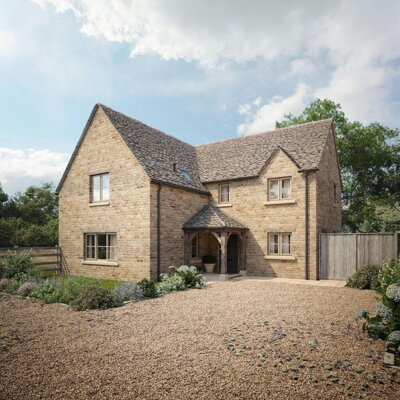
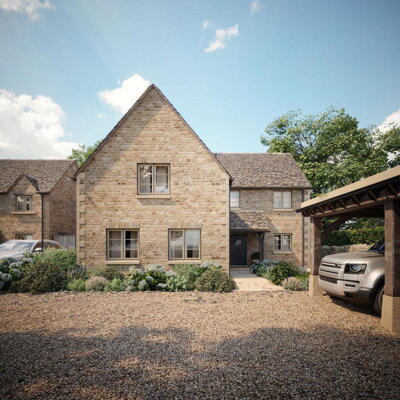
Browse 2 homes new builds in Chilson, West Oxfordshire from local developer agents.
£0k
0
0
0
Source: home.co.uk
The Gisleham property market offers a diverse range of housing types to suit different buyer requirements and budgets. Detached properties command the highest prices, with the current average sitting at £450,000, reflecting the generous plot sizes and privacy these homes provide. Semi-detached homes average £300,000, while terraced properties offer more accessible entry points at around £250,000. Flats in the village are relatively scarce, with limited availability averaging £180,000, making Gisleham primarily a market for houses rather than apartments.
The predominant housing stock reflects Gisleham's rural character and varied architectural heritage. Census data indicates that 60% of properties are detached, with a further 25% semi-detached, creating a low-density residential environment that prioritises space and natural light. The property age distribution reveals a blend of periods, with 25% of homes pre-1919, 15% from the interwar period, 35% built between 1945 and 1980, and the remaining 25% constructed more recently. This variety means buyers can choose between characterful period properties and more modern constructions, though the majority of the housing stock is over 50 years old.
Our data shows that Gisleham has seen approximately 25 property transactions in the past twelve months, a reasonable volume for a village of this size that indicates active market conditions. The 3% year-on-year price increase demonstrates sustained buyer interest, driven by the appeal of rural Suffolk living combined with reasonable commuting options to larger towns. No active new-build developments were identified within the NR34 8 postcode area, meaning most buyers are purchasing from the existing housing stock where properties often require varying degrees of modernisation or updating.
Building materials in Gisleham reflect the regional traditions of rural Suffolk, with red brick being the predominant finish for many properties, often complemented by render or pebble-dash coatings on older homes. Properties built before 1919 frequently feature traditional timber framing, either exposed externally or hidden beneath rendering, requiring specific knowledge when assessing structural condition. Roof construction throughout the village typically employs pitched roofs with clay or concrete tiles, though some older properties may feature slate or thatch. Understanding these construction methods is valuable when arranging surveys or evaluating maintenance requirements.

Gisleham embodies the quintessential Suffolk village experience, offering residents a peaceful rural lifestyle surrounded by agricultural land and gentle countryside. The village forms part of the East Suffolk district and maintains strong community ties through local events, churches, and village hall activities. The parish of Gisleham, with its population of approximately 450 people, fosters a close-knit atmosphere where neighbours know one another and newcomers are warmly welcomed. This sense of community is particularly valued by families and those seeking an escape from urban environments.
The local economy is largely agricultural, with farming operations shaping the landscape and providing employment for some residents. However, many villagers commute to larger centres including Beccles, Lowestoft, and Norwich for work in manufacturing, retail, and service sectors. This dual character of Gisleham as both a working village and a commuter community influences the housing market, with properties appealing to those who work remotely or travel periodically to urban offices. The presence of several listed buildings, including the parish church of St Mary and various farmhouses and cottages, adds historical depth to the village's character.
The surrounding area offers excellent walking routes through farmland and along country lanes, with the Suffolk coast and Broads National Park within reasonable driving distance for day trips. Local amenities in nearby villages and market towns provide access to shops, restaurants, healthcare facilities, and recreational activities. The combination of rural tranquility, community spirit, and practical accessibility makes Gisleham an attractive proposition for buyers prioritising quality of life while maintaining employment options in larger towns and cities. The village hall serves as a hub for community activities throughout the year, while local churches maintain the traditional social fabric that characterises rural Suffolk parishes.

Gisleham benefits from its position within East Suffolk, offering reasonable transport connections to larger towns while maintaining its rural character. The village is situated off the A146, a main road linking Lowestoft to Norwich via Beccles, providing direct access to these key centres for daily commuting and services. Residents typically travel by car for most journeys, with the nearest railway stations at Beccles and Oulton Broad South offering connections to Norwich and Ipswich. The journey time to Norwich city centre is approximately 45 minutes by car, making day trips and occasional office attendance feasible for commuters.
For those travelling further afield, Norwich Airport provides domestic and international flights, while the port of Great Yarmouth offers ferry connections for leisure purposes. Bus services operate in the area, though frequencies are limited, making car ownership practically essential for most residents. Cyclists will find the Suffolk countryside offers pleasant routes for recreational cycling, though the narrow country lanes require appropriate caution. The nearest major motorway connection is the A14, accessible via Ipswich, providing routes to Cambridge and beyond for regional travel.
The transport situation in Gisleham reflects its village status, where residents have accepted a degree of car dependency in exchange for rural amenities and property values. However, the moderate commute times to employment centres mean that Gisleham remains attractive to workers who value the countryside lifestyle and can arrange flexible or hybrid working arrangements. Planning journeys and understanding local road conditions, particularly during harvest seasons when agricultural traffic increases, forms part of daily life for residents. The A146 can become congested during peak holiday periods when traffic flows toward the coast, so residents often plan essential journeys outside these windows where possible.
Before viewing properties, research Gisleham thoroughly to understand local schools, transport links, and community facilities. Obtain a mortgage agreement in principle from a lender to confirm your budget and demonstrate your seriousness to sellers. Consider all costs including solicitor fees, surveys, and stamp duty when calculating your maximum offer. Understanding the local property market trends, such as the 3% annual price growth and the predominance of detached properties, will help you make informed decisions about your purchase.
Use Homemove to browse all available properties in Gisleham and set up alerts for new listings. Arrange viewings through listed estate agents and visit properties at different times of day to assess noise levels, lighting, and the neighbourhood. Take notes and photographs to help compare properties after viewing multiple homes. Given the limited number of properties available at any time, acting quickly on new listings is advisable in this competitive village market.
Once you find your ideal property, submit a formal offer through the estate agent, ideally accompanied by your mortgage agreement in principle. Be prepared to negotiate on price, particularly for properties that have been on the market for some time or where survey findings reveal issues requiring attention. Your offer should be realistic and consider recent comparable sales in the area, including the current averages of £450,000 for detached homes and £300,000 for semi-detached properties.
For most properties in Gisleham, particularly given the age of the housing stock and local geology, we recommend arranging a RICS Level 2 Survey before proceeding. This detailed inspection typically costs between £500 and £750 for a 3-bedroom detached property and will identify any structural issues, damp, timber defects, or other concerns that may affect your decision or negotiating position. With approximately 75% of properties built before 1980, professional surveys are particularly valuable for identifying common defects in older construction.
Choose a conveyancing solicitor to handle the legal aspects of your purchase. They will conduct searches, review the contract, handle Land Registry transfers, and coordinate with your mortgage lender. For properties in Gisleham, searches typically include local authority queries, environmental searches, and water authority checks. Given the rural location and clay geology, we also recommend drainage and ground condition searches to identify any potential issues with soakaways or septic systems.
Once all searches are satisfactory and your mortgage is fully approved, you will exchange contracts and pay your deposit. Completion typically follows within days or weeks, after which you will receive the keys to your new Gisleham home. Register your ownership with Land Registry and notify utility providers of your move. Consider arranging buildings insurance from the point of exchange, as this is a legal requirement for most mortgage transactions.
Properties in Gisleham present several area-specific considerations that buyers should investigate carefully before committing to a purchase. The local geology consists of glacial till and Crag Group formations with significant clay content, indicating a moderate to high shrink-swell risk. This means foundations may be affected by changes in soil moisture, particularly for properties with large trees nearby or shallow foundations. A thorough RICS Level 2 Survey is essential to assess any signs of subsidence, heave, or movement that could require expensive remediation.
Flood risk in Gisleham is generally low from rivers and coastal sources due to the village's inland position, though some areas face low to medium surface water flooding risk, particularly near low-lying ground and minor watercourses. Prospective buyers should review the property's flood risk assessment and consider whether insurance implications might arise. Groundwater flooding after prolonged rainfall is also a possibility in certain locations, making it worth discussing with the seller and surveyors about any historical flooding incidents. Properties in areas identified as having higher surface water risk should be scrutinised carefully during survey inspections.
The absence of a designated conservation area in Gisleham provides more flexibility for property alterations compared to some neighbouring villages, though several Grade II listed buildings exist in the parish. If you are considering purchasing a listed property, specialist surveys and Listed Building Consent may be required for any alterations, adding complexity and cost to renovations. For modern properties, standard considerations around construction quality, insulation standards, and energy efficiency remain relevant, particularly for homes built before 1980 where outdated electrics and plumbing are common concerns.
Common defects in Gisleham's older properties warrant careful attention during the buying process. Our inspectors frequently identify damp issues arising from missing or inadequate damp-proof courses, particularly in properties constructed before modern building regulations. Timber defects including rot and woodworm affect both structural elements and joinery, especially where ventilation is poor or where there has been historic water penetration. Roof conditions often require scrutiny, with slipped tiles, perished felt, and deteriorated timber elements being recurring findings in properties over 50 years old. Electrical systems in pre-1980 properties frequently require upgrading to meet current safety standards, and original plumbing may need replacement due to corroded pipes or outdated materials.
The average house price in Gisleham currently stands at £385,000 based on sales data from the past twelve months. Detached properties average £450,000, semi-detached homes around £300,000, terraced properties approximately £250,000, and flats average £180,000. Prices have increased by approximately 3% over the past year, indicating steady demand for properties in this rural Suffolk village. Individual property prices vary significantly based on condition, location within the village, plot size, and whether any modernisation is required. The NR34 8 postcode area has seen approximately 25 property transactions in the past twelve months, demonstrating active market conditions despite the village's small size.
Properties in Gisleham fall under East Suffolk Council administration, with council tax bands varying by property value and type. Most detached family homes in the village typically fall into bands D through F, while smaller terraced properties and cottages may be in bands B to D. You should check the specific property's council tax band on the East Suffolk Council website or request this information from the seller or estate agent before purchasing. Council tax funds local services including refuse collection, highways maintenance, and community facilities. Band values can affect overall running costs, so this information should be factored into your budget calculations alongside mortgage payments and maintenance reserves.
As a small rural parish with approximately 450 residents, Gisleham does not have its own primary or secondary schools within the village boundaries. Primary aged children typically attend schools in nearby villages such as Worlingham, Beccles, or similar surrounding communities, with places allocated according to catchment area policies and availability. For secondary education, families commonly look to schools in Beccles, with several options available in the wider East Suffolk area. We recommend checking current admission policies and Ofsted ratings when planning school placements for your family. School catchment areas should be verified before making an offer, as they can significantly impact property values and resale potential.
Gisleham has limited public transport options reflecting its rural village status. Bus services operate in the area but with reduced frequencies compared to urban locations, making car ownership practically essential for most residents. The nearest railway stations are Beccles and Oulton Broad South, providing connections to Norwich and Ipswich with onward links to London's Liverpool Street. The A146 road provides direct access to Lowestoft and Norwich by car, with typical journey times of 15-20 minutes to Beccles and 45 minutes to Norwich city centre. For commuters working in Norwich, the relatively straightforward A146 route makes regular travel feasible, though those requiring daily rail commuting should factor in the need to drive to Beccles station first.
Gisleham offers several factors that may appeal to property investors, including steady price growth of around 3% annually and a rural location that continues to attract buyers seeking countryside living. The predominantly detached housing stock and limited new-build supply in the NR34 8 postcode area support values for family homes. However, investors should consider factors such as rental demand, void periods, and the village's small population of approximately 450 residents. Properties requiring modernisation may offer value-add opportunities, though buyers should budget for renovation costs and potential complexities with older buildings. The absence of a conservation area provides more flexibility for alterations compared to some neighbouring villages, potentially increasing renovation scope and value creation opportunities.
Stamp duty Land Transaction Tax in Wales) rates for residential properties in England start at 0% for purchases up to £250,000, then 5% on the portion from £250,001 to £925,000, 10% from £925,001 to £1.5 million, and 12% above £1.5 million. First-time buyers benefit from relief on the first £425,000, paying 5% between £425,001 and £625,000 with no relief above that threshold. Given Gisleham's average price of £385,000, most buyers would pay stamp duty only on amounts exceeding £250,000, with first-time buyers potentially benefiting from reduced or zero liability depending on their status. For a typical £385,000 purchase, a standard buyer would owe approximately £6,750 in stamp duty, calculated as 5% on the £135,000 portion above the threshold.
Approximately 75% of properties in Gisleham were built before 1980, meaning most homes in the village are over 50 years old and likely to require ongoing maintenance and updating. Common issues in older properties include damp due to missing or inadequate damp-proof courses, timber defects such as rot and woodworm, wear on original roofing materials, and potentially outdated electrical and plumbing systems. The underlying clay geology also creates a moderate to high shrink-swell risk that may affect foundations, particularly for properties with trees nearby where root systems can extract moisture from the soil. Surface water flooding affects certain locations within the village, especially low-lying areas near minor watercourses. A comprehensive RICS Level 2 Survey before purchase is strongly recommended to identify any defects requiring attention or negotiation.
From £500
A detailed inspection for properties in Gisleham's older housing stock
From £800
Comprehensive survey for larger or listed properties
From £80
Energy performance certificate for your new home
From £499
Solicitors to handle your legal requirements
From 3.85%
Competitive mortgage rates for Gisleham buyers
Understanding the full cost of purchasing property in Gisleham extends beyond the advertised price to include various taxes, fees, and professional services. Stamp Duty Land Tax applies to all purchases above £250,000 in England, with rates of 5% on the portion between £250,001 and £925,000. For a typical Gisleham property averaging £385,000, a standard buyer would pay approximately £6,750 in stamp duty, calculated as 5% of £135,000. First-time buyers may qualify for relief on the first £425,000, potentially reducing their stamp duty liability significantly or eliminating it entirely for properties priced below this threshold.
Professional fees form a substantial part of buying costs and should be budgeted carefully. Conveyancing solicitors in the East Suffolk area typically charge between £500 and £1,500 for handling a residential purchase, depending on complexity and whether the property is leasehold or freehold. Most properties in Gisleham are freehold, which simplifies the transaction compared to leasehold purchases. Survey costs vary by property type and inspection depth, with RICS Level 2 Surveys for 3-bedroom detached homes in Gisleham ranging from £500 to £750, while more detailed Level 3 Building Surveys for larger or listed properties may cost £800 or more. Given that approximately 75% of properties in Gisleham are over 50 years old, investing in a professional survey is particularly prudent.
Additional costs to budget for include Land Registry fees for registering your ownership, which are typically £200-£500 depending on the property value, plus bank transfer charges and search fees. Buildings insurance must be in place from the point of exchange, and you should consider the cost of moving logistics, potential storage, and any immediate repairs or improvements to the property. For buyers requiring a mortgage, arrangement fees, valuation fees, and broker costs may also apply. Altogether, buyers should anticipate spending approximately £3,000 to £5,000 on professional fees and taxes in addition to the property purchase price and deposit. Properties in Gisleham may require updating or renovation, particularly those built before 1980, so maintaining a contingency budget of 10-15% of the purchase price is advisable for unexpected works discovered after purchase.
Properties New Builds In London

Properties New Builds In Plymouth

Properties New Builds In Liverpool

Properties New Builds In Glasgow

Properties New Builds In Sheffield

Properties New Builds In Edinburgh

Properties New Builds In Coventry

Properties New Builds In Bradford

Properties New Builds In Manchester

Properties New Builds In Birmingham

Properties New Builds In Bristol

Properties New Builds In Oxford

Properties New Builds In Leicester

Properties New Builds In Newcastle

Properties New Builds In Leeds

Properties New Builds In Southampton

Properties New Builds In Cardiff

Properties New Builds In Nottingham

Properties New Builds In Norwich

Properties New Builds In Brighton

Properties New Builds In Derby

Properties New Builds In Portsmouth

Properties New Builds In Northampton

Properties New Builds In Milton Keynes

Properties New Builds In Bournemouth

Properties New Builds In Bolton

Properties New Builds In Swansea

Properties New Builds In Swindon

Properties New Builds In Peterborough

Properties New Builds In Wolverhampton

Enter your details to see if this property is within your budget.
Loans, cards, car finance
Estimated property budget
Borrowing + deposit
You could borrow between
Typical borrowing
Monthly repayment
Est. at 4.5%
Loan-to-value
This is an estimate only. Your actual budget may vary depending on interest rates, credit history, and personal circumstances. For an accurate affordability assessment, speak to one of our free mortgage advisors.
This calculator provides estimates for illustrative purposes only and does not constitute financial advice. Your home may be repossessed if you do not keep up repayments on your mortgage. Estimates based on 4.5% interest rate, repayment mortgage. Actual rates depend on your circumstances.
Homemove is a trading name of HM Haus Group Ltd (Company No. 13873779, registered in England & Wales). Homemove Mortgages Ltd (Company No. 15947693) is an Appointed Representative of TMG Direct Limited, trading as TMG Mortgage Network, which is authorised and regulated by the Financial Conduct Authority (FRN 786245). Homemove Mortgages Ltd is entered on the FCA Register as an Appointed Representative (FRN 1022429). You can check registrations at NewRegister or by calling 0800 111 6768.

We use cookies to show you personalised content and improve your experience of our website. Find out more in our Privacy policy and Cookie policy.