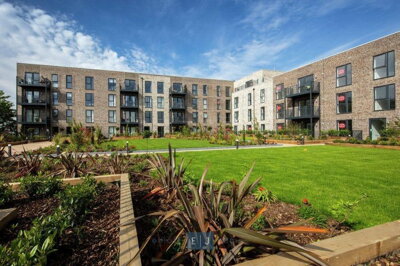
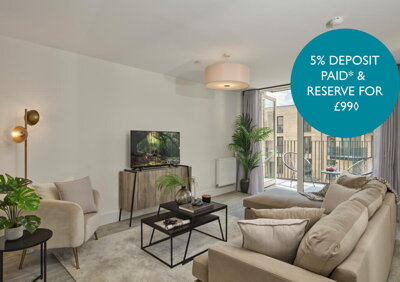
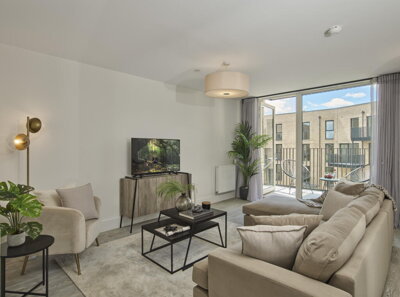
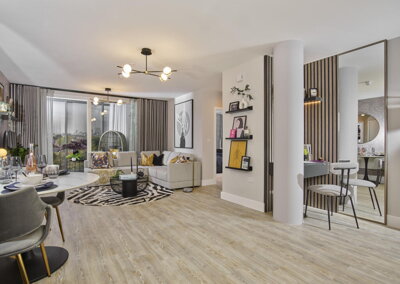
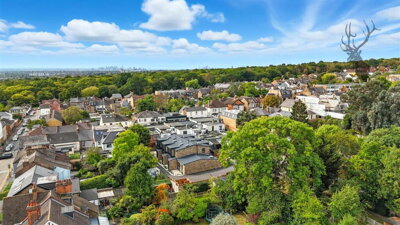
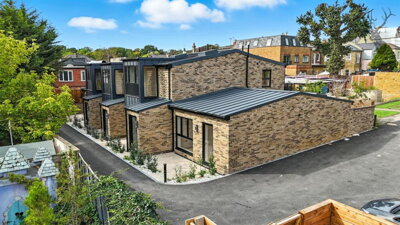
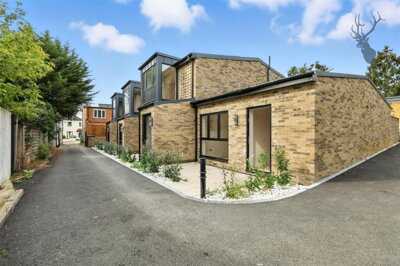
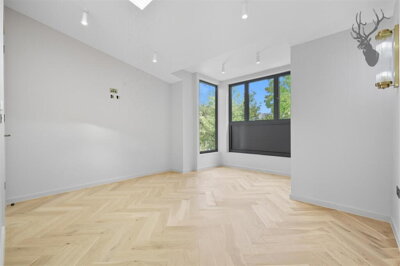
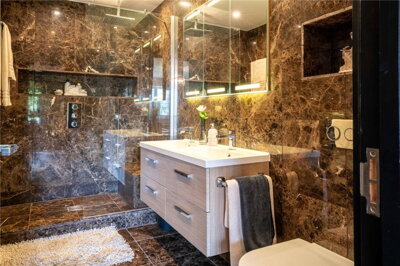
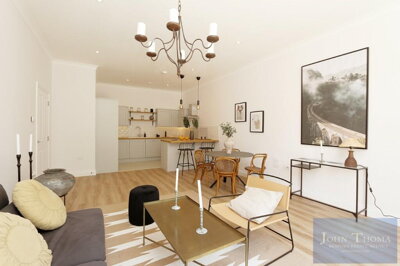
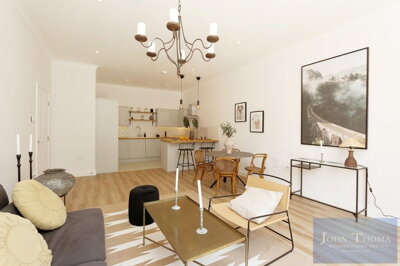
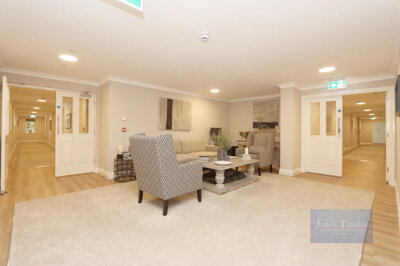
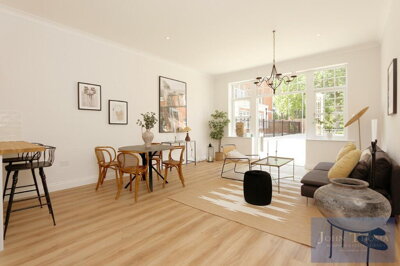
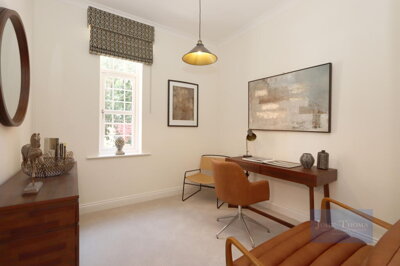
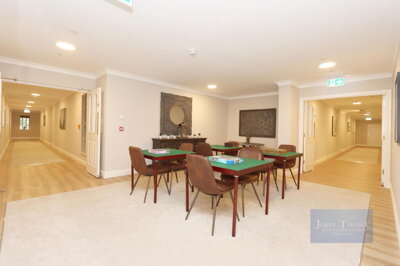
Browse 18 homes new builds in Chigwell, Epping Forest from local developer agents.
Studio apartments feature open-plan living spaces without separate bedrooms, incorporating sleeping, living, kitchen, and bathroom facilities. The Chigwell studio market includes properties in modern apartment complexes, modern purpose-built developments and new residential complexes.
£390k
7
0
98
Source: home.co.uk
Showing 7 results for Studio Flats new builds in Chigwell, Epping Forest. The median asking price is £390,000.
Source: home.co.uk
Flat
7 listings
Avg £561,714
Source: home.co.uk
Source: home.co.uk
Lydd's housing landscape reflects its evolution from medieval market town to modern coastal community. The ONS Census data reveals a relatively balanced distribution across property types, with semi-detached homes comprising 33.1% of the housing stock, detached properties at 30.5%, terraced houses at 25.4%, and flats accounting for the remaining 10.9%. This mix provides options across all budget ranges, from affordable terraced cottages to substantial detached homes with generous gardens that take advantage of the flat Romney Marsh terrain.
The age profile of Lydd's properties tells the story of a town that grew in distinct phases. A significant proportion of homes date from the post-war period through the 1980s, representing the bulk of semi-detached and terraced stock built to house workers from local employers including the airport and agricultural sector. The historic core around the High Street and Conservation Area contains Victorian and Edwardian properties, many featuring traditional brick construction with rendered or pebble-dashed finishes. More recent development has been limited, with most new housing concentrated in surrounding Romney Marsh villages rather than Lydd itself.
The Lydd property market has demonstrated steady growth over the past year, with transaction volumes increasing by 30.23% compared to the previous period. A total of 43 residential properties changed hands in the last 12 months, reflecting growing buyer interest in this coastal location. Price data indicates an overall average of £269,530, though this figure varies considerably depending on property type and condition. Semi-detached homes have dominated recent sales, followed by terraced properties and detached houses, suggesting strong demand for family-sized accommodation at approachable price points.
Detached properties in Lydd command the highest prices, with averages around £389,722 reflecting the premium placed on space and privacy in this part of Kent. Semi-detached homes average approximately £263,000, while terraced properties offer the most affordable entry point at around £227,188. Flats provide the lowest price tier at approximately £165,000, though sales volumes in this segment remain modest. The 12-month price trends show modest increases across all property types, with terraced homes seeing the strongest growth at 2.0% and detached properties showing more stable appreciation at 1.1%. This steady performance suggests a healthy market that rewards long-term investment while remaining accessible to first-time buyers.
New build activity within the Lydd postcode area (TN29) remains limited, with most development concentrated in surrounding Romney Marsh villages. This scarcity of new housing stock means buyers purchasing existing properties benefit from the character and solid construction of established homes. The majority of housing stock dates from the post-war period through to the 1980s, with a significant proportion of older Victorian and Edwardian properties concentrated around the historic town centre and Conservation Area. The Lydd Guildhall, a Grade II listed building constructed in red brick on the High Street, exemplifies the traditional building methods that characterise much of the older property stock in this area.
Lydd occupies a distinctive position on Romney Marsh, a landscape shaped by centuries of coastal processes and human settlement. The town of approximately 6,567 residents across 2,875 households maintains a close-knit community atmosphere while offering all the essential services needed for daily life. The historic High Street remains the focal point of local activity, featuring traditional shops, a butcher, bakery, and independent retailers that give Lydd its village-like character. The twice-weekly market, held since medieval times, continues to draw visitors from the surrounding marshland settlements. Lydd Primary School serves the local community, while the wider area offers access to secondary education in Folkestone including the respected Harvey Grammar School for those securing places through the Kent County Council admissions process.
The Romney Marsh landscape surrounding Lydd provides an extraordinary natural environment that defines daily life for residents. Ancient drainage ditches called rhynes crisscross the flat terrain, remnants of Roman and medieval engineering that keep the marshland habitable. The proximity to Dungeness, just a short drive away, offers access to one of the most unique coastal landscapes in Britain, with its iconic shingle beaches, RSPB nature reserve, and the remarkable sight of the Dungeness nuclear power station standing against the horizon. This dramatic landscape attracts artists, photographers, and nature enthusiasts drawn to its stark beauty and rich biodiversity. Birdwatchers particularly value the area for rare migrants and wintering wildfowl that populate the marshland reserves.
The local economy benefits from diverse employers that provide employment without relying on commuting to larger centres. Lydd Airport (London Ashford Airport) serves as a significant local employer in aviation and logistics sectors, while the Ministry of Defence Lydd Ranges, a premier live firing training facility, contributes to the local economy and provides skilled employment. Agricultural businesses continue to operate across the marsh, while the growing tourism sector centred on the coast and nature reserves creates seasonal and permanent jobs in hospitality and visitor services. The completion of the Lydd Ranges Sea Defences scheme in 2024 has enhanced flood protection for the town, with beach replenishment, timber groynes, and rock revetments providing improved resilience against coastal flooding from storm surges and high tides.

Families considering a move to Lydd will find educational provision centred on primary education within the town itself. Lydd Primary School serves children from reception through to Year 6, providing local education for families establishing roots in the community. The school has undergone improvements in recent years and maintains manageable class sizes that allow for personalised attention. For secondary education, students typically travel to nearby towns including Folkestone, where a wider selection of secondary schools and grammar schools becomes available. The Harvey Grammar School and its counterpart for girls offer selective academic pathways, while Christ Church College provides faith-based secondary education.
Parents should note that school catchment areas in this part of Kent can be competitive, particularly for popular grammar schools in Folkestone and surrounding towns. Applications for secondary school places are managed through Kent County Council, and prospective buyers should research current catchment boundaries and admission criteria before committing to a purchase. Several faith schools operate in the wider area, providing additional options for families seeking religious education alongside academic provision. The selective nature of grammar school admission means that students must meet academic thresholds, and families should factor this into their education planning.
For families requiring early years childcare, Lydd and the surrounding Romney Marsh communities offer a selection of nurseries and preschool facilities. The flat terrain and relatively low traffic volumes in the area make it generally safe for children cycling to school, though parents should verify specific school transport arrangements. Further education opportunities are accessible in Folkestone, Ashford, and Canterbury, with regular bus services connecting Lydd to these larger towns where colleges and sixth form provision offer expanded curriculum choices. The proximity to Canterbury, with its universities and higher education institutions, means older students can access degree-level courses within reasonable commuting distance or by using the direct rail services from Folkestone.
Transport connections from Lydd reflect its position on the Romney Marsh, offering reasonable road access while public transport options require careful planning. The A259 coastal road provides the main artery connecting Lydd to Folkestone to the north and Hastings to the west, though journey times can be lengthy due to the winding nature of marshland roads. The flat terrain, while presenting challenges for cycling in strong winds, does at least mean there are no steep hills to contend with. The M20 motorway is accessible via Ashford, approximately 25 miles distant, providing swift connections to the Channel Tunnel, Dover ferry port, and London beyond. This makes continental travel straightforward for residents willing to travel to the motorway junction.
Rail services from Lydd are limited, with the nearest National Rail stations located in Folkestone and Appledore. Folkestone Central offers High Speed connections to London St Pancras, with journey times of around one hour making day commuting feasible for those working in the capital. However, the infrequent nature of local bus services connecting Lydd to these station hubs means residents rely heavily on private vehicles for daily transportation. This automotive dependency is a significant factor for buyers to consider when evaluating the practicalities of Lydd living. Cycling can be practical given the flat terrain, though the exposed marshland landscape means wind and weather can make cycling challenging for much of the year.
Local bus services operate between Lydd and surrounding settlements including Greatstone, New Romney, and Dungeness, though frequencies are geared towards essential journeys rather than regular commuting. The Stagecoach bus services that serve the area provide connections to Folkestone where the rail station offers onward travel options. For international travel, Lydd Airport itself offers limited commercial flights, with most residents using Gatwick, Heathrow, or Stansted airports accessed via the motorway network. The proximity to the Channel Tunnel at Folkestone provides an attractive option for those who travel regularly to continental Europe.
Before viewing properties, get a mortgage agreement in principle from a lender to understand your borrowing capacity. Lydd's property prices range from around £165,000 for flats to over £389,000 for detached homes, so knowing your budget helps focus your search on suitable properties. Factor in the additional costs including SDLT, survey fees, and conveyancing when calculating your total budget.
Use Homemove to browse all available properties in Lydd and register with local estate agents who know the Romney Marsh market intimately. Agents operating in this area can alert you to new listings before they appear on major portals, giving you a competitive edge in a market where properties can sell quickly. Ask agents about the specific property types common in your target area, whether terraced cottages in the Conservation Area or modern semis near the school.
View multiple properties to compare location, condition, and value. Pay particular attention to signs of damp and subsidence given the marshland geology and underlying Gault Clay. Ask about flood risk and any history of flooding or structural issues. A RICS Level 2 Survey is essential before committing to purchase, particularly for older properties that may have solid walls rather than modern cavity construction.
Once you find your ideal home, submit an offer through the selling agent. Given the modest price growth in Lydd, sellers may be open to negotiation on price and conditions. Consider requesting items of fixtures and fittings as part of your offer. If the property is listed or in the Conservation Area, factor in the potential costs of any restoration or renovation work you may need to undertake.
Your solicitor will handle searches, contracts, and registration with HM Land Registry. Searches will include local authority checks, drainage enquiries, and environmental searches given the flood risk in this area. Budget around £500-1,500 for conveyancing costs, though complex transactions involving listed buildings may cost more due to additional title investigations required.
Once all checks are satisfactory and finances confirmed, you will exchange contracts and pay your deposit. Completion typically follows within 2-4 weeks, when you will receive the keys to your new Lydd home. Our team can recommend local removal firms experienced with the Romney Marsh area if you need assistance with your move.
Property buyers in Lydd should pay particular attention to flood risk given the town's position on the Romney Marsh. The entire area lies close to sea level and faces coastal flood risk from the English Channel, river flooding from the extensive rhyne drainage system, and surface water flooding during heavy rainfall. Always check the Environment Agency flood risk maps and review any flood history with the seller. The recently completed Lydd Ranges Sea Defences scheme has improved protection, but no flood defence can eliminate risk entirely. Properties with previous flooding may show signs of damp treatment or replaced plaster at low levels.
The underlying geology of Gault Clay presents shrink-swell risk that can affect property foundations, particularly in older homes with shallower construction. Look for signs of subsidence including cracked walls, uneven floors, and doors or windows that stick. Properties with mature trees nearby require extra scrutiny as tree roots and seasonal moisture changes can exacerbate clay movement. The alluvial deposits underlying much of the marsh can also create variable ground conditions that affect foundation design. A thorough RICS Level 2 Survey will identify any structural concerns and help you negotiate repairs or price adjustments before completing.
The Lydd Conservation Area encompasses the historic town centre, and many properties are Listed Buildings requiring special consideration for any alterations or renovations. If purchasing a period property, verify its listed status and understand the implications for future maintenance and improvements. Conservation Area restrictions may limit permitted development rights, affecting your ability to extend or alter the property without planning permission. Your solicitor should confirm these details during conveyancing searches. Properties may feature traditional construction methods including solid brick walls, timber framing, or Kentish ragstone that differ significantly from modern cavity wall construction.
Building materials in Lydd vary with property age and type. Traditional brick construction, often with render or pebble-dash finishes, dominates the mid-century housing stock, while older properties may feature exposed timber framing or local stone. Roofs typically use clay or concrete tiles or slate depending on the property age. Older properties often require electrical rewiring and plumbing upgrades to meet current standards, so factor potential renovation costs into your offer. The proximity to the coast can accelerate weathering of external finishes, so inspect roof coverings, gutters, and render condition carefully when viewing.
The average house price in Lydd stands at approximately £269,530 based on recent sales data, though prices vary significantly by property type. Detached homes average around £389,722, semi-detached properties around £263,000, terraced homes approximately £227,188, and flats around £165,000. The market has shown modest price growth of around 1-2% over the past year depending on property type, with 43 properties completing sales in the 12-month period. Price growth has been strongest for terraced properties at 2.0% and most modest for detached homes at 1.1%.
Properties in Lydd fall under Folkestone and Hythe District Council for council tax purposes, with Kent County Council also collecting a portion. Most residential properties in the town fall within bands A through D, with band A being the lowest and most common for smaller terraced properties and flats. Exact bands depend on the property's assessed value as at April 1991, and buyers should check the Valuation Office Agency database for specific properties. Properties in higher bands may face significantly higher annual charges, so this cost should factor into your ongoing budgeting alongside mortgage payments.
Lydd Primary School provides local primary education within the town itself, serving children from reception through Year 6. For secondary education, students typically attend schools in Folkestone, including the respected Harvey Grammar School for boys and its female counterpart, both of which are selective grammar schools admitting students based on academic ability. Christ Church College offers faith-based secondary education in the wider area. Parents should verify current catchment areas through Kent County Council as these can change and may affect admission decisions, particularly for popular schools where competition for places is intense.
Lydd has limited public transport options, with no direct National Rail station in the town itself. The nearest rail services are in Folkestone, accessible by bus or car, where High Speed services reach London St Pancras in approximately one hour. Local bus services connect Lydd to surrounding villages including Greatstone, New Romney, and Dungeness, but operate at frequencies suited to essential journeys rather than daily commuting. Most residents rely on private vehicles for transportation, and this automotive dependency represents a significant practical consideration for anyone working in Folkestone or beyond who cannot work from home.
Lydd offers modest but steady property appreciation, with prices increasing around 1% annually over recent years. The limited supply of new housing and ongoing demand for coastal living support values, while the affordable price point relative to nearby towns makes entry accessible. Rental demand exists from workers employed at Lydd Airport, the MoD ranges, and local service industries. However, flood risk and limited transport connections may limit capital growth compared to better-connected locations. The completion of the sea defences scheme has improved the outlook for the area, potentially attracting more buyers who previously viewed the flood risk as prohibitive.
For properties purchased at the current average price of £269,530, a standard buyer would pay no stamp duty on the first £250,000 and 5% on the remaining £19,530, totaling approximately £976. First-time buyers paying up to £425,000 would pay no duty under current relief provisions, providing significant savings for those entering the property market for the first time. Those purchasing above £625,000 would not qualify for first-time buyer relief and would pay standard rates, which start at 5% on the portion above £425,000 up to £925,000. Always verify current rates with HMRC or your solicitor as thresholds can change with each Budget statement.
From 4.5% APR
Compare mortgage deals from leading lenders for your Lydd purchase
From £499
Local solicitors experienced with Romney Marsh property transactions
From £450
Essential survey for Lydd properties given flood risk and marshland geology
From £80
Energy performance certificate required for all sales
Beyond the property price, buyers should budget for additional costs that can add several thousand pounds to the total purchase price. Stamp Duty Land Tax (SDLT) applies to all purchases above £250,000 for standard buyers. At Lydd's average price of £269,530, SDLT would amount to approximately £976, calculated at 5% on the portion above £250,000. First-time buyers purchasing properties up to £425,000 pay no SDLT, providing significant savings for those entering the property market for the first time. Those purchasing at the top end of Lydd's market, above £625,000, would not qualify for first-time buyer relief and would pay standard rates.
Survey costs represent an essential investment given the specific risks associated with property in Lydd. A RICS Level 2 Survey typically costs between £450 and £700 for a standard three-bedroom home, rising to £600-900 or more for larger detached properties. Given the marshland geology, flood risk, and age of much of the housing stock, this survey is particularly valuable for identifying damp, subsidence risk, and structural issues before you commit to purchase. Properties in the Conservation Area or older listed buildings may require the more comprehensive RICS Level 3 Building Survey, which provides detailed analysis of construction methods, materials, and defects that standard surveys may not cover.
Solicitors' fees for conveyancing in the Lydd area typically range from £500 to £1,500 depending on complexity and whether the property is leasehold or freehold. Additional disbursements include local authority searches (approximately £200-300), drainage and water searches (£100-200), and environmental searches (£50-150) which are particularly important given the flood risk in this area. Land Registry fees and search fees bring total legal costs to around £1,000-2,500. Moving costs, removals, and any renovation work should also be factored into your overall budget when purchasing in Lydd. For period properties, set aside a contingency fund for unexpected repairs that surveys may not fully reveal until work begins.
Properties New Builds In London

Properties New Builds In Plymouth

Properties New Builds In Liverpool

Properties New Builds In Glasgow

Properties New Builds In Sheffield

Properties New Builds In Edinburgh

Properties New Builds In Coventry

Properties New Builds In Bradford

Properties New Builds In Manchester

Properties New Builds In Birmingham

Properties New Builds In Bristol

Properties New Builds In Oxford

Properties New Builds In Leicester

Properties New Builds In Newcastle

Properties New Builds In Leeds

Properties New Builds In Southampton

Properties New Builds In Cardiff

Properties New Builds In Nottingham

Properties New Builds In Norwich

Properties New Builds In Brighton

Properties New Builds In Derby

Properties New Builds In Portsmouth

Properties New Builds In Northampton

Properties New Builds In Milton Keynes

Properties New Builds In Bournemouth

Properties New Builds In Bolton

Properties New Builds In Swansea

Properties New Builds In Swindon

Properties New Builds In Peterborough

Properties New Builds In Wolverhampton

Enter your details to see if this property is within your budget.
Loans, cards, car finance
Estimated property budget
Borrowing + deposit
You could borrow between
Typical borrowing
Monthly repayment
Est. at 4.5%
Loan-to-value
This is an estimate only. Your actual budget may vary depending on interest rates, credit history, and personal circumstances. For an accurate affordability assessment, speak to one of our free mortgage advisors.
This calculator provides estimates for illustrative purposes only and does not constitute financial advice. Your home may be repossessed if you do not keep up repayments on your mortgage. Estimates based on 4.5% interest rate, repayment mortgage. Actual rates depend on your circumstances.
Homemove is a trading name of HM Haus Group Ltd (Company No. 13873779, registered in England & Wales). Homemove Mortgages Ltd (Company No. 15947693) is an Appointed Representative of TMG Direct Limited, trading as TMG Mortgage Network, which is authorised and regulated by the Financial Conduct Authority (FRN 786245). Homemove Mortgages Ltd is entered on the FCA Register as an Appointed Representative (FRN 1022429). You can check registrations at NewRegister or by calling 0800 111 6768.

We use cookies to show you personalised content and improve your experience of our website. Find out more in our Privacy policy and Cookie policy.