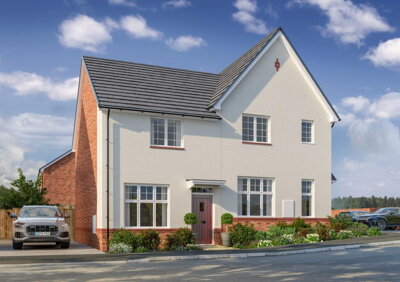
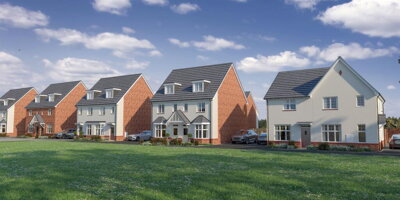
Browse 5 homes new builds in CF39 from local developer agents.
The 2 bed house market features detached, semi-detached, and terraced properties with two separate bedrooms plus living spaces. Properties in CF39 range across contemporary developments, with pricing varying across different neighbourhoods.
£145k
9
0
113
Source: home.co.uk
Showing 9 results for 2 Bedroom Houses new builds in CF39. The median asking price is £145,000.
Source: home.co.uk
Terraced
6 listings
Avg £137,490
Semi-Detached
3 listings
Avg £203,316
Source: home.co.uk
Source: home.co.uk
The CF39 property market offers properties across all major housing types, with prices reflecting the area's popularity as a residential destination within South Wales. Detached properties command the highest prices, averaging £316,500, making them ideal for families seeking generous living space and gardens. Semi-detached homes, which represent a significant portion of the local housing stock at 33.6%, average £205,000, providing excellent value compared to neighbouring Cardiff where similar properties often exceed £300,000. The terraced property segment averages £165,000, offering an accessible entry point for first-time buyers looking to get onto the property ladder in this well-connected location.
The housing stock in CF39 reflects several periods of development, from traditional Victorian and Edwardian terraced properties built with solid brick walls and slate roofs in established neighbourhoods, through to post-war semi-detached homes constructed with cavity wall techniques, and modern new build developments offering contemporary construction standards. This variety means buyers can choose between period properties with character and charm, or newer homes with modern insulation, energy efficiency, and NHBC warranty coverage. The mix of property ages also means that survey requirements can vary significantly, with older properties often benefiting most from our detailed RICS Level 2 Surveys.
New build developments in CF39 include several attractive options from national housebuilders. At Parc Derwen in Coity (CF35 6BF), Persimmon Homes offers 2, 3, and 4-bedroom homes priced from £219,995 to £349,995. Barratt Homes' Coity Gardens development at Heol-Y-Parc, Coity (CF39 6BF) features 3 and 4-bedroom properties ranging from £259,995 to £369,995. For those seeking larger premium homes, Charles Church's The Pastures development offers 3, 4, and 5-bedroom houses priced from £279,995 to £429,995. These new build options provide modern construction methods, energy efficiency, and often come with NHBC warranties, making them attractive alternatives to older properties that may require more maintenance.

The CF39 postcode area sits within the Bridgend County Borough, a region characterised by its blend of urban development and accessible countryside. The local housing stock reflects the area's development history, with a predominance of semi-detached properties at 33.6%, terraced homes at 28.5%, detached houses at 22.1%, and flats comprising 15.1% of the housing mix. This balanced mix provides options for various household types and life stages, from young couples seeking their first home to growing families requiring larger properties. The area includes established residential neighbourhoods with tree-lined streets, local shops, and community facilities that create a strong sense of local identity.
The Bridgend area benefits from proximity to the River Ogmore and surrounding countryside, offering residents opportunities for outdoor recreation and scenic walks. Local amenities include shopping centres, supermarkets, restaurants, and leisure facilities that serve the daily needs of residents. The area has seen significant development in recent decades, with new housing estates expanding the residential footprint while maintaining the character of established communities. Key employers in the wider Bridgend area include the Princess of Wales Hospital, which serves as a major healthcare hub, alongside manufacturing, retail, and public service sectors. Many residents also commute to Cardiff and Swansea for work, taking advantage of the excellent transport links that connect CF39 to these major employment centres.
The local economy has evolved significantly over recent decades. While traditional manufacturing remains important, the area has seen growth in service sectors, healthcare, and education employment. The former Ford engine plant in Bridgend, though now closed, left a legacy of skilled workers and supply chain networks. Today, the Princess of Wales Hospital represents one of the largest employers in the region, alongside the local authority, retail centres, and educational institutions. This economic diversity helps maintain demand for housing in CF39, as residents appreciate the combination of local employment opportunities and easy access to the larger job markets in Cardiff and Swansea.

Families considering a move to CF39 will find a range of educational options across all levels. The area falls within the Bridgend County Borough education system, which includes primary schools serving children aged 4 to 11 and secondary schools catering to students from 11 to 18. Primary schools in the local area provide Foundation Phase and Key Stage 2 education, with several schools rated well by Ofsted for their teaching quality and pupil outcomes. Secondary education in the area includes comprehensive schools with sixth form provision, preparing students for A-levels and further education. Parents should research specific catchment areas as school admissions are typically determined by proximity to the school address.
The Bridgend County Borough has invested significantly in educational facilities over the years, with schools serving communities across CF39 and surrounding postcode areas. When searching for property in CF39, parents should verify current school performance data through official Ofsted reports, as well as understanding catchment area boundaries, which can change over time. School admissions policies are administered by the local authority and typically prioritise applicants based on distance from the school, with siblings of current pupils often given priority in oversubscribed situations.
For sixth form and further education, students in CF39 have access to Bridgend College, which offers a wide range of vocational and academic courses. The college provides pathways to higher education and vocational qualifications, serving students from the wider Bridgend area. Grammar school options are available within reasonable commuting distance for families seeking selective education for their children. When searching for property in CF39, parents should verify current school performance data, catchment boundaries, and admissions policies, as these can change and may significantly impact their children's educational opportunities. The proximity to Cardiff also means that some families consider schools in the capital city when making purchasing decisions.

CF39 benefits from strong transport connections that make commuting to major Welsh cities straightforward. The area has access to regular rail services from nearby Bridgend station, with direct trains to Cardiff Central taking approximately 30-40 minutes and connections to Swansea in around 35-45 minutes. This makes CF39 an attractive option for professionals working in either city who want to enjoy lower property prices while maintaining convenient access to urban employment centres. Bus services operated by First Cymru and other providers connect CF39 with surrounding towns and villages, providing local transport options for those without cars.
For car owners, the M4 motorway runs nearby, providing easy access to the wider South Wales motorway network. Journey times to Cardiff take approximately 30-40 minutes by car, while Swansea is accessible in around 40 minutes. The A473 road provides local routes through the area, connecting residential neighbourhoods with town centres and retail parks. Parking availability varies by location, with newer developments typically offering dedicated parking spaces, while older terraced streets may have more limited on-street parking options. Cyclists will find some dedicated paths and lanes, though the hilly terrain may present challenges for less experienced riders.
The strategic position of CF39 between Wales' two largest cities has been a key factor in the area's residential popularity. Residents can access the employment markets, cultural attractions, and amenities of Cardiff and Swansea while benefiting from lower property prices and a more relaxed pace of life. The rail connections are particularly valued by commuters, with regular services throughout the day making it feasible to work in either city while living in CF39. For those who need to travel further afield, the port of Port Talbot provides access to ferry services, while Cardiff Wales Airport offers domestic and international flights.

Explore our property listings to understand what is available within your budget. Our search covers 199 properties across all property types, from flats starting at around £100,000 to detached homes reaching £316,500. Research the different neighbourhoods within CF39, including Coity, Brackla, and surrounding areas, to find the location that best matches your lifestyle needs and priorities. Consider whether you prefer the character of period properties in established streets or the modern features of new build homes on recent developments like Parc Derwen or Coity Gardens.
Once you have identified properties of interest, contact the listing agents to arrange viewings. We recommend viewing several properties to compare options and understand the local market conditions. Consider viewing both older properties and new build homes to weigh up the benefits of character versus modern construction. When viewing, take note of the property condition, recent maintenance, and any signs of potential issues that might require investigation through a survey.
Before making an offer, approach lenders to obtain an Agreement in Principle. This demonstrates your financial readiness to sellers and estate agents. Our mortgage partners can help you compare rates and find suitable financing for properties in the CF39 price range, whether you are purchasing a flat at around £100,000 or a detached home at £316,500. Having your financing arranged before making an offer strengthens your position as a buyer in what can be a competitive market.
When you find your ideal property, submit an offer through the estate agent. Given the slight market adjustment of 0.5% over the past year, there may be room for negotiation on asking prices. Be prepared to provide details of your financial position and any related sale if applicable. A well-researched offer based on comparable sales data helps position you as a serious buyer.
Before completing your purchase, arrange for a RICS Level 2 Survey to assess the property condition. For properties in CF39, typical costs range from £450 to £550 for a standard 3-bedroom home, though larger detached properties will cost more. This survey will identify any defects that may require attention, including common issues in older properties such as damp, roof defects, or outdated electrics. Given the area's geology, which includes clay-rich soils, the survey should specifically assess foundations for any signs of subsidence or heave. Properties near the River Ogmore tributaries should also be checked for flood risk indicators.
Instruct a solicitor to handle the conveyancing process, including searches, contracts, and land registry documentation. Our conveyancing partners can assist with the legal aspects of your CF39 property purchase, including local searches related to flooding, mining history, and planning constraints. On completion day, the remaining balance is transferred, and you receive the keys to your new CF39 home.
Property buyers in CF39 should be aware of several area-specific factors that may affect their purchase decision. The local geology includes clay-rich soils that can present a moderate to high shrink-swell risk, particularly where trees are planted close to foundations. This ground movement can lead to subsidence or heave issues over time. If you are considering an older property, look for signs of cracking, doors that stick, or uneven floors that may indicate structural movement. A thorough RICS Level 2 Survey will identify these concerns and any necessary remedial work. Properties built before 1980 are particularly likely to show signs of age-related issues that warrant professional inspection.
Flood risk is another consideration in the CF39 area, particularly for properties near the River Ogmore and its tributaries. Surface water flooding can also occur during periods of heavy rainfall, especially in more urbanised areas where drainage systems may be under pressure. Properties in known flood risk areas may face higher insurance premiums or require specific flood resilience measures. Buyers should request flood risk information from the seller and review the relevant searches during conveyancing. The mining history of the wider Bridgend area means that some properties may sit above former coal workings, and a mining report is often recommended to identify any potential ground stability concerns. The Carboniferous geology of the area includes Coal Measures that were extensively worked in the past.
Properties in conservation areas, such as those in or near Coity Village, may be subject to stricter planning controls that affect what modifications you can make. Listed buildings will require special consent for alterations and must adhere to heritage preservation guidelines. These properties often require more specialist surveys, such as a RICS Level 3 Building Survey, and buyers should factor in potentially higher maintenance costs when budgeting for period properties. For flat purchases, review the lease terms carefully, including ground rent clauses, service charge amounts, and any upcoming major works that may result in special assessment contributions. Coity Village, with its proximity to Coity Castle, represents one of the historic focal points of the CF39 area.

Given the mix of property ages in CF39, our inspectors frequently identify several recurring issues during surveys. Damp problems are common in older properties, including rising damp due to failed or absent damp-proof courses, penetrating damp from deteriorated render or missing roof tiles, and condensation issues resulting from inadequate ventilation. Properties with solid brick walls built before 1945 are particularly susceptible to rising damp, especially where original lime mortar has been replaced with cement, which can trap moisture within the wall structure.
Roof defects rank among the most frequently identified issues in CF39 properties, particularly those over 30-40 years old. Common problems include worn or slipped tiles, deteriorated flashings where the roof meets walls or chimneys, blocked gutters causing water overflow, and rotting fascias or soffits. Our inspectors always assess the roof condition thoroughly, including any visible timbers in the loft space, checking for signs of water penetration, woodworm activity, or inadequate insulation. Properties with concrete tiled roofs, common in post-war semi-detached homes, may show signs of moss growth or frost damage over time.
Electrical and plumbing issues appear regularly in properties built before the 1980s. Outdated consumer units with older fuse wire arrangements, insufficient socket outlets for modern requirements, and potentially dangerous older wiring types such as rubber-insulated cables are frequently identified. Similarly, lead or galvanised steel plumbing, which was common until the 1970s, may still be found in older CF39 properties and can restrict water flow or develop leaks. Our surveyors check the condition of these essential services and recommend upgrades where necessary for safety and functionality.
Timber defects including woodworm (common furniture beetle) and both wet and dry rot can affect structural timbers and joinery throughout older properties. These issues often develop in areas of damp or poor ventilation, such as under floors, within roof spaces, or behind bathroom fittings. Our inspectors probe timber elements to assess their structural integrity and identify any active infestation or decay. Early identification of these issues allows buyers to negotiate repairs or adjust their offer accordingly before completing their purchase.

Understanding the construction methods used in CF39 properties helps buyers appreciate the characteristics and potential issues of different property types. Traditional properties built before 1945 typically feature solid wall construction with 9-inch brickwork or local stone, slate or clay tile roofs, timber suspended floors, and lime mortar pointing. These solid wall properties offer excellent thermal mass but may lack the insulation standards of modern homes. They often require different maintenance approaches, including repointing with lime mortar rather than cement to allow the walls to breathe and prevent moisture buildup.
Post-war properties built between 1945 and 1980 represent a significant proportion of the CF39 housing stock. These homes typically use cavity wall construction with a brick outer leaf and block inner leaf, concrete tiled roofs, suspended timber ground floors, and concrete first floors. While these properties generally meet modern building standards of the era, they often require updating of insulation, electrical systems, and heating efficiency. Our surveyors assess the condition of cavity wall ties, check for signs of damp bridging, and evaluate the remaining lifespan of construction elements.
Modern properties built after 1980 incorporate contemporary building standards with improved insulation, double glazing, and energy-efficient heating systems. New build homes from developments like Coity Gardens and The Pastures typically include NHBC or similar structural warranty coverage for the first 10 years. However, even new properties can develop defects, and our RICS Level 2 Surveys identify any issues regardless of the property age. Our inspectors also assess the quality of finishes, check that snagging items are addressed, and verify that warranty-covered elements are functioning correctly.

The overall average house price in CF39 is £212,308 as of February 2026. Property prices vary significantly by type, with detached homes averaging £316,500, semi-detached properties at £205,000, terraced houses at £165,000, and flats at approximately £100,000. The local market has experienced a slight adjustment, with values decreasing by 0.5% over the past 12 months, which may create opportunities for buyers seeking better value. This price range makes CF39 notably more affordable than comparable areas closer to Cardiff, where average prices frequently exceed £280,000 for similar property types.
Properties in CF39 fall within the Bridgend County Borough Council jurisdiction. Council tax bands range from A to I depending on the property value, with most residential properties in the area falling into bands A through D. Exact bands depend on the individual property valuation, and buyers should check the specific band with the local authority or on property listing details. Council tax charges for Band A properties in Bridgend start from around £1,300 annually, while Band D properties typically pay approximately £1,700 to £1,900 per year, with higher bands commanding proportionally greater amounts.
CF39 falls within the Bridgend County Borough education system, which includes several primary and secondary schools serving the local area. Primary schools provide education for children aged 4 to 11, while secondary schools cater for students from 11 to 18. Bridgend College offers further education opportunities including A-levels and vocational courses. School performance varies, and parents should research current Ofsted ratings and catchment area boundaries when considering properties for family purchases. The proximity to larger sixth form colleges in Cardiff may also influence decisions for families with older children seeking specialist subject choices.
CF39 benefits from good public transport links, with rail services available from nearby Bridgend station providing direct trains to Cardiff in approximately 30-40 minutes and to Swansea in around 35-45 minutes. Local bus services operated by First Cymru connect CF39 with surrounding towns and villages, including regular routes to Bridgend town centre and the retail parks. The M4 motorway is easily accessible, providing road connections to major cities across South Wales. For air travel, Cardiff Wales Airport is reachable within approximately 45 minutes by car, offering domestic and international routes.
CF39 offers several factors that may appeal to property investors. The area provides more affordable entry prices compared to Cardiff or Swansea, with terraced properties and flats available from around £100,000 to £165,000. Strong transport links to major employment centres maintain demand from commuters, while the presence of new build developments indicates ongoing investment in the area. Rental demand in CF39 is supported by the local employment base, including the Princess of Wales Hospital, and by students and young professionals seeking affordable accommodation close to Bridgend College. However, investors should research local rental yields, typical void periods between tenants, and any planned developments that might affect property values before committing to a purchase.
Stamp Duty Land Tax for standard purchases in Wales applies at 0% on the first £225,000, 5% on the portion from £225,001 to £400,000, 7.5% from £400,001 to £750,000, and 10% from £750,001 to £1,500,000, with 12% above that. First-time buyers in Wales may qualify for relief on properties up to £300,000, paying no stamp duty on the first £225,000 and 5% on the remainder up to that threshold. Your specific liability depends on your buyer status, property price, and whether you own other properties. For example, a first-time buyer purchasing a terraced property at £165,000 would pay no stamp duty whatsoever, while a investor buying a semi-detached at £205,000 would also benefit from nil liability under the standard rates.
When viewing properties in CF39, pay attention to signs of damp including musty smells, peeling wallpaper, or tide marks on walls, particularly in ground floor rooms and bathrooms. Check that doors and windows open and close properly, as sticking frames can indicate structural movement related to the local clay soils. Examine the roof condition from ground level, looking for missing or damaged tiles and any sagging. In older properties, look for signs of updating to electrical and plumbing systems. Properties near watercourses or in lower-lying areas of CF39 should be checked for any history of flooding, and you should ask the vendor directly about any past incidents.
While new build properties typically come with NHBC or similar structural warranties, arranging a RICS Level 2 Survey on a new home remains advisable. Our inspectors can identify snagging issues that the developer or warranty provider should address before completion, including incomplete finishes, poorly fitted windows or doors, and plumbing or electrical defects. For new builds from developments like Coity Gardens or The Pastures, our survey provides an independent assessment of the property condition that complements the warranty coverage. This is particularly valuable if you are purchasing a show home or a property that has been standing empty for a period.
When purchasing a property in CF39, budget for additional costs beyond the property price. In Wales, Stamp Duty Land Tax applies to residential property purchases above £225,000 at the following rates: 5% on the portion between £225,001 and £400,000, 7.5% between £400,001 and £750,000, 10% from £750,001 to £1,500,000, and 12% above £1,500,000. For a typical terraced property at £165,000, no stamp duty would be payable. A semi-detached home at £205,000 would incur no stamp duty, while a detached property at the area average of £316,500 would attract stamp duty on the amount above £225,000, resulting in a charge of approximately £4,575.
First-time buyers in Wales benefit from relief on properties up to £300,000, paying nothing on the first £225,000 and 5% on the remainder up to that threshold. This means a first-time buyer purchasing a property at the CF39 average of £212,308 would pay no stamp duty at all. Beyond stamp duty, buyers should budget for solicitor conveyancing fees typically ranging from £500 to £1,500 depending on complexity, search fees of approximately £250 to £400, and mortgage arrangement fees which vary by lender. A RICS Level 2 Survey for a typical 3-bedroom property in CF39 will cost between £450 and £550, while larger detached properties may cost £600 to £700 or more. Land Registry fees and potential mortgage booking fees should also be factored into your total budget for moving.
Additional costs to consider include removal company fees, which can range from £500 to £2,000 depending on the volume of belongings and distance moved. Buildings insurance should be arranged from the point of exchange, while contents cover can be arranged closer to completion. For leasehold properties, you may need to pay a notice fee to the freeholder and potentially contribute to a buildings insurance policy already in place. Setting aside funds equivalent to approximately 10-15% of the property price for these additional costs ensures you are fully prepared for the financial commitment of purchasing your new CF39 home.
Properties New Builds In London

Properties New Builds In Plymouth

Properties New Builds In Liverpool

Properties New Builds In Glasgow

Properties New Builds In Sheffield

Properties New Builds In Edinburgh

Properties New Builds In Coventry

Properties New Builds In Bradford

Properties New Builds In Manchester

Properties New Builds In Birmingham

Properties New Builds In Bristol

Properties New Builds In Oxford

Properties New Builds In Leicester

Properties New Builds In Newcastle

Properties New Builds In Leeds

Properties New Builds In Southampton

Properties New Builds In Cardiff

Properties New Builds In Nottingham

Properties New Builds In Norwich

Properties New Builds In Brighton

Properties New Builds In Derby

Properties New Builds In Portsmouth

Properties New Builds In Northampton

Properties New Builds In Milton Keynes

Properties New Builds In Bournemouth

Properties New Builds In Bolton

Properties New Builds In Swansea

Properties New Builds In Swindon

Properties New Builds In Peterborough

Properties New Builds In Wolverhampton

Enter your details to see if this property is within your budget.
Loans, cards, car finance
Estimated property budget
Borrowing + deposit
You could borrow between
Typical borrowing
Monthly repayment
Est. at 4.5%
Loan-to-value
This is an estimate only. Your actual budget may vary depending on interest rates, credit history, and personal circumstances. For an accurate affordability assessment, speak to one of our free mortgage advisors.
This calculator provides estimates for illustrative purposes only and does not constitute financial advice. Your home may be repossessed if you do not keep up repayments on your mortgage. Estimates based on 4.5% interest rate, repayment mortgage. Actual rates depend on your circumstances.
Homemove is a trading name of HM Haus Group Ltd (Company No. 13873779, registered in England & Wales). Homemove Mortgages Ltd (Company No. 15947693) is an Appointed Representative of TMG Direct Limited, trading as TMG Mortgage Network, which is authorised and regulated by the Financial Conduct Authority (FRN 786245). Homemove Mortgages Ltd is entered on the FCA Register as an Appointed Representative (FRN 1022429). You can check registrations at NewRegister or by calling 0800 111 6768.

We use cookies to show you personalised content and improve your experience of our website. Find out more in our Privacy policy and Cookie policy.