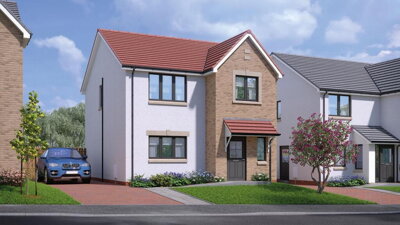
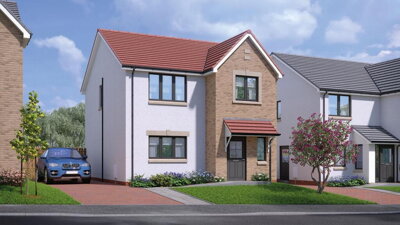
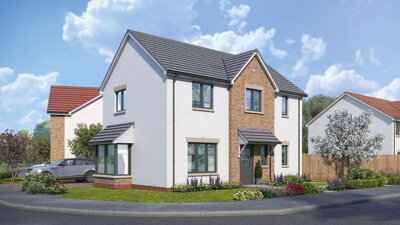
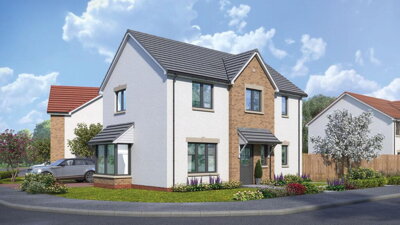
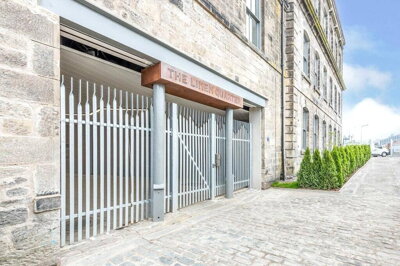
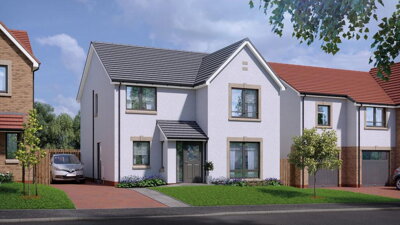
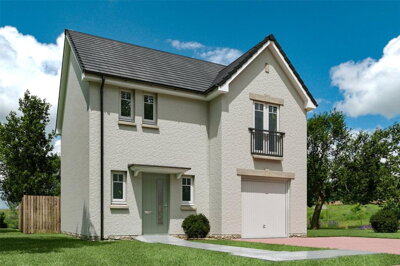
Browse 13 homes new builds in Central Dunfermline from local developer agents.
The Down St. Mary property market reflects the character of the village itself: unpretentious, quality-focused, and deeply rooted in its rural setting. Detached properties dominate the housing stock, with recent sales data showing median prices of £542,500 for this property type in 2025, based on a limited sample of two transactions. The broader EX17 postcode area offers terraced homes at a median of £285,000 and semi-detached properties around the £235,000 mark, though availability varies considerably depending on what comes to market at any given time.
Price trends over the past year indicate a 14% increase compared to the previous twelve months, though this follows a significant 45% correction from the 2022 peak of £588,533. This pattern suggests the local market has found a more sustainable level after the pandemic-driven surge in rural property demand. For buyers, this means relative stability and realistic pricing rather than the overheated conditions seen in some comparable Devon villages during 2020 to 2022. Zoopla records show average sold prices in Down St. Mary at approximately £382,000, providing a useful benchmark for those evaluating property values in the area.
The village housing stock primarily consists of detached family homes, barn conversions, and traditional cottages that reflect the agricultural heritage of the Culm Valley. Rightmove listings for Down St. Mary include a mix of property types, from period properties requiring modernisation to more recent additions to the village. Given the predominance of older properties in the area, buyers should factor in potential maintenance requirements when budgeting for their purchase. The limited new build activity in the EX17 6 postcode means that most properties available will be resale homes with established histories and character features.

Down St. Mary parish is home to approximately 360 residents, creating the kind of close-knit community where neighbours recognise each other and local events bring people together throughout the year. The village centres around the historic Church of St Mary the Virgin, a listed building constructed from local Beerstone and granite that has served the community for centuries. The church and its surroundings represent the architectural heritage that makes this part of Mid Devon so distinctive, with traditional cottages, farmsteads, and barn conversions dotted throughout the parish. The use of Beerstone, a volcanic stone local to this part of Devon, characterises many heritage buildings in the area and reflects the traditional building methods of the region.
The surrounding countryside offers exceptional walking and cycling opportunities, with public footpaths crossing farmland and woodland that showcase Devon's rolling landscape in all seasons. The Culm Valley provides a beautiful backdrop for outdoor activities, with trails suitable for families and more challenging routes for experienced walkers. Local amenities are concentrated in nearby towns, with Crediton providing supermarkets, independent shops, and essential services within easy reach. The village itself maintains a pub and community facilities, while the annual events calendar includes traditional celebrations that reflect the agricultural roots of the community.
Crediton, located just a few miles from Down St. Mary, serves as the main service centre for the surrounding villages. The town offers a range of amenities including supermarkets, independent retailers, healthcare facilities, and restaurants. Community life in Down St. Mary centres on the village hall and local pub, where residents gather for events ranging from quiz nights to seasonal celebrations. The pace of life in the village differs markedly from urban areas, with residents appreciating the quiet, the dark skies away from light pollution, and the strong sense of community that larger settlements often lack.
Families considering a move to Down St. Mary will find a selection of educational options within reasonable travelling distance. Primary education is available locally, with schools in nearby villages serving the younger age groups, while secondary education is typically accessed in Crediton. The wider Mid Devon area maintains several primary schools with good Ofsted ratings, providing parents with options depending on catchment areas and admission arrangements. Parents should verify current catchment boundaries and admission policies, as these can affect school allocations for their children.
For families requiring secondary education, schools in Crediton and the surrounding market towns offer comprehensive curricula and sixth-form provision. The Grammar School in Crediton serves academically capable students within the Devon grammar school system, while additional secondary options provide strong GCSE and A-Level programmes. Families should check current admission arrangements and consider transportation requirements when evaluating secondary school options, as catchment areas can extend across significant distances in rural areas.
Further education facilities in Exeter and Tiverton expand opportunities for older students seeking specialist vocational or academic pathways. Exeter College offers a wide range of courses and is accessible via the A377 road connection, while Tiverton provides additional options in the county. For students pursuing higher education, Exeter and Plymouth universities are within reasonable commuting distance, making it possible for older children to study locally while benefiting from the village environment.
Transport connections from Down St. Mary reflect its rural character, with private transport serving as the primary means of getting around for most residents. The village sits within easy reach of the A377 primary road, which connects Crediton to Exeter and provides access to the broader Devon road network. For commuters working in Exeter, the journey takes approximately 35 to 40 minutes by car, while connections to Barnstaple and the North Devon coast are also straightforward via the county road network. The A377 passes through Crediton and provides links to the M5 motorway at Exeter, giving access to destinations beyond Devon.
Public transport options centre on bus services operating between Crediton and surrounding towns, though frequencies are limited compared to urban areas and reflect the lower population density of the parish. Bus routes connecting the village to Crediton provide essential access for residents without private vehicles, though journey planning should account for limited evening and weekend services. The nearest railway stations are in Exeter and Crediton, with Exeter St. David's providing mainline services to London Paddington, Bristol, and Plymouth. Great Western Railway operates services from Exeter St. David's, with regular trains to the capital taking around two and a half hours.
For those working remotely or with flexible arrangements, the rural setting provides the peace and productivity benefits that many buyers seek when leaving urban environments behind. Superfast broadband availability has improved in the village, supporting the remote working trends that have driven demand for rural properties across Devon. The combination of countryside tranquility and reasonable access to major employment centres makes Down St. Mary attractive to buyers prioritising work-life balance. Properties in the village often feature home office spaces or outbuildings suitable for working from home, reflecting the needs of modern buyers.
Before beginning your property search in Down St. Mary, obtain a mortgage agreement in principle from a lender. This demonstrates your financial readiness to estate agents and sellers, strengthening your position when making offers on village properties. Having your finances organised before viewing properties helps streamline the purchase process and signals to sellers that you are a serious buyer capable of proceeding quickly once your offer is accepted.
Explore property listings across multiple platforms, understanding price ranges for different property types. Detached homes in Down St. Mary typically command £542,500 or more, while cottages and smaller properties offer entry points around £285,000 for terraced homes. Zoopla records average sold prices at approximately £382,000 for the village, though property values vary significantly depending on condition, location within the parish, and specific features. Understanding the market context helps buyers set realistic expectations and identify well-priced properties.
Schedule viewings to assess properties firsthand, paying attention to construction materials, potential maintenance needs, and the specific characteristics of homes in this rural Mid Devon location. The housing stock includes traditional cottages and converted agricultural buildings alongside more modern detached houses. Many properties in Down St. Mary feature traditional construction methods using local materials, which may require different maintenance approaches compared to modern builds. Viewing properties at different times of day and in various weather conditions provides a fuller picture of the property and its surroundings.
Once your offer is accepted, arrange a RICS Level 2 Survey to assess the property condition thoroughly. Given the age of many properties in the village, this inspection provides valuable information about potential issues before you commit to purchase. RICS Level 2 surveys typically cost between £400 and £600 for village properties, though costs vary depending on property value and survey provider. The survey will highlight issues such as damp, structural movement, or timber defects that are common in older rural properties.
Appoint a conveyancing solicitor to handle the legal aspects of your purchase. They will conduct searches, manage contracts, and coordinate with the seller's representatives to ensure a smooth transaction through to completion. Local knowledge can be valuable, so consider using a solicitor familiar with Mid Devon property transactions. Conveyancing fees in Devon generally start from around £500 to £1,000 for straightforward purchases.
Final arrangements involve building insurance, confirming your mortgage offer, and transferring funds. Your solicitor will coordinate the exchange of contracts and completion, at which point you will receive the keys to your new Down St. Mary home. Plan your move carefully, particularly if relocating from a distance, as removal logistics in rural areas may require additional advance booking.
Properties in Down St. Mary span various ages and construction types, from traditional stone-built cottages to more recent additions to the village housing stock. When evaluating any property, consider the construction materials used and their implications for maintenance. Traditional Devon properties often feature local stone, which requires different care compared to modern brick or block construction. The Church of St Mary the Virgin showcases the traditional building materials of the area, featuring Beerstone and granite, and similar construction methods appear in period cottages throughout the parish. Understanding the building's age and history helps anticipate typical maintenance requirements and potential issues.
Many properties in Down St. Mary have been converted from agricultural buildings, reflecting the farming heritage of the Culm Valley. Barn conversions often retain original features such as exposed beams and stone walls while incorporating modern insulation and services. These properties can offer generous living spaces and character features, though buyers should be aware that conversion properties may have planning histories requiring verification. Listed building status applies to some properties in the parish, imposing restrictions on alterations and requiring specialist maintenance approaches.
Flood risk in this inland Mid Devon location requires local investigation, as surface water and river flooding can affect certain properties depending on their position relative to local watercourses and topography. Request specific flood risk information from the vendor and your solicitor's searches. Properties near watercourses or in low-lying areas of the valley may face elevated flood risk, while properties on higher ground typically enjoy better protection. Similarly, given the agricultural nature of the surrounding area, planning restrictions may apply to certain properties, particularly those converted from farm buildings or situated near working farms.
According to Rightmove data, the average house price in Down St. Mary is approximately £325,000 over the past year, while Zoopla records average sold prices at around £382,000. Detached properties command higher prices, with a median of £542,500 based on recent sales of two properties in 2025. The EX17 postcode area generally shows prices around £350,000, though property values vary significantly depending on property type, size, and condition. The market has shown 14% growth compared to the previous year, though prices remain 45% below the 2022 peak of £588,533, suggesting a market that has corrected following the pandemic-driven surge in rural property demand.
Properties in Down St. Mary fall under Mid Devon District Council's jurisdiction. Council tax bands range from A through H, with actual bands depending on property value as assessed by the Valuation Office Agency. Detached family homes in the village typically fall into higher bands due to their value and size, while smaller cottages and converted properties may attract lower bands. New buyers should check the specific band with the vendor or through the council's online database, as bands affect ongoing annual costs for householders budgeting their move to the village.
Down St. Mary is served by primary schools in nearby villages and the wider Crediton area, with several achieving good or outstanding Ofsted ratings. Secondary education options include schools in Crediton, with the local grammar school available for academically eligible students. Families should verify current catchment areas and admission policies, as these can affect school allocations and change over time. For sixth-form and further education, Exeter and Tiverton offer expanded provision within reasonable travelling distance, with Exeter College providing a wide range of vocational and academic courses accessible via the A377.
Public transport options from Down St. Mary are limited, reflecting the rural nature of the village. Bus services connect the area to Crediton and surrounding towns, though frequencies are lower than in urban areas and may be reduced on evenings and weekends. The nearest railway stations are in Crediton and Exeter, with Exeter St. David's providing mainline services to major destinations including London Paddington, Bristol, and Plymouth. Most residents rely on private vehicles as their primary transport method, with Exeter approximately 35 to 40 minutes away by car via the A377.
Down St. Mary offers solid fundamentals for property investment, particularly for buyers prioritising lifestyle over high yields. The village benefits from ongoing demand for rural properties in Mid Devon, supported by remote working trends and buyers seeking escape from larger urban centres. While rental demand may be more limited due to the small population, the strong community feel and scenic location help maintain property values. Capital appreciation has shown volatility, with prices rising 14% recently but down 45% from 2022 peaks, suggesting a market finding equilibrium after the pandemic surge.
Stamp Duty Land Tax applies to purchases in England, including Down St. Mary. Standard rates start at 0% on the first £250,000 of purchase price, rising to 5% on the portion between £250,001 and £925,000. First-time buyers purchasing properties up to £625,000 may qualify for relief, paying no stamp duty on the first £425,000 and 5% on the remainder. For properties priced at £250,000 or below, most buyers attract no stamp duty, while higher-value detached homes in the village will incur charges accordingly. Given that average prices in Down St. Mary exceed £325,000, most buyers should budget for stamp duty costs on the portion above £250,000.
When viewing properties in Down St. Mary, pay attention to the construction materials and age of the building, as many homes in the village are period properties that may require specific maintenance approaches. Check the condition of traditional features such as stone walls, thatched roofs, or original windows, as these can indicate the property's maintenance history and future requirements. Properties converted from agricultural buildings often have unique characteristics but may require specialist insurance or face planning restrictions. Consider the property's position relative to the village centre and access to the A377, as transport connections vary across the parish.
Planning restrictions in Down St. Mary relate primarily to the rural and heritage character of the area. Some properties, particularly barn conversions and listed buildings, may be subject to conditions relating to their use, appearance, or permitted development rights. Properties near working farms may face considerations relating to agricultural activities, including noise, traffic, and smell at certain times of year. Your solicitor's planning searches will reveal any relevant restrictions, and prospective buyers should discuss any proposed alterations with Mid Devon District Council before committing to purchase.
From 4.5%
Find competitive mortgage deals for your Down St. Mary purchase
From £499
Specialist solicitors for your property purchase
From £400
Professional property survey before you buy
From £85
Energy performance certificate for your new home
Beyond the property purchase price, buyers should budget for several additional costs when purchasing in Down St. Mary. Stamp Duty Land Tax represents the most significant additional expense, with standard rates applying to purchases above £250,000. First-time buyers purchasing properties up to £625,000 may qualify for relief, paying no stamp duty on the first £425,000 and 5% on the remainder between £425,001 and £625,000. This relief makes village properties more accessible for those entering the market for the first time. Given that average prices in Down St. Mary exceed £325,000, most buyers should anticipate stamp duty costs of approximately £3,750 on a typical village property.
Survey costs typically range from £400 to £600 for a standard RICS Level 2 survey on a village property, though the exact amount depends on property value and the survey provider chosen. Properties valued above £500,000 may incur higher survey costs, averaging around £586 according to industry data, while homes under £200,000 typically cost less. Given that many properties in Down St. Mary are older constructions, a thorough survey provides valuable protection against hidden defects that may not be apparent during viewings.
Conveyancing fees in Devon generally start from around £500 to £1,000 for straightforward purchases, with more complex transactions requiring additional work. Transactions involving listed buildings, barn conversions, or unusual tenure arrangements may incur higher legal costs due to the additional checks required. Mortgage arrangement fees vary by lender, commonly ranging from £0 to £2,000, and should be factored into your overall comparison when selecting a mortgage product. Removal costs, building insurance, and any immediate maintenance requirements complete the typical budget for moving to your new Down St. Mary home. Budgeting for these costs alongside your mortgage ensures you have a complete picture of the financial commitment involved in purchasing property in this Mid Devon village.

Properties New Builds In London

Properties New Builds In Plymouth

Properties New Builds In Liverpool

Properties New Builds In Glasgow

Properties New Builds In Sheffield

Properties New Builds In Edinburgh

Properties New Builds In Coventry

Properties New Builds In Bradford

Properties New Builds In Manchester

Properties New Builds In Birmingham

Properties New Builds In Bristol

Properties New Builds In Oxford

Properties New Builds In Leicester

Properties New Builds In Newcastle

Properties New Builds In Leeds

Properties New Builds In Southampton

Properties New Builds In Cardiff

Properties New Builds In Nottingham

Properties New Builds In Norwich

Properties New Builds In Brighton

Properties New Builds In Derby

Properties New Builds In Portsmouth

Properties New Builds In Northampton

Properties New Builds In Milton Keynes

Properties New Builds In Bournemouth

Properties New Builds In Bolton

Properties New Builds In Swansea

Properties New Builds In Swindon

Properties New Builds In Peterborough

Properties New Builds In Wolverhampton

Enter your details to see if this property is within your budget.
Loans, cards, car finance
Estimated property budget
Borrowing + deposit
You could borrow between
Typical borrowing
Monthly repayment
Est. at 4.5%
Loan-to-value
This is an estimate only. Your actual budget may vary depending on interest rates, credit history, and personal circumstances. For an accurate affordability assessment, speak to one of our free mortgage advisors.
This calculator provides estimates for illustrative purposes only and does not constitute financial advice. Your home may be repossessed if you do not keep up repayments on your mortgage. Estimates based on 4.5% interest rate, repayment mortgage. Actual rates depend on your circumstances.
Homemove is a trading name of HM Haus Group Ltd (Company No. 13873779, registered in England & Wales). Homemove Mortgages Ltd (Company No. 15947693) is an Appointed Representative of TMG Direct Limited, trading as TMG Mortgage Network, which is authorised and regulated by the Financial Conduct Authority (FRN 786245). Homemove Mortgages Ltd is entered on the FCA Register as an Appointed Representative (FRN 1022429). You can check registrations at NewRegister or by calling 0800 111 6768.

We use cookies to show you personalised content and improve your experience of our website. Find out more in our Privacy policy and Cookie policy.