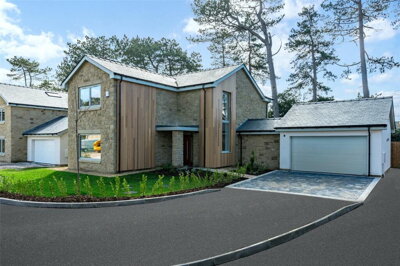
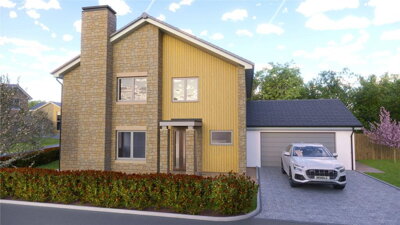
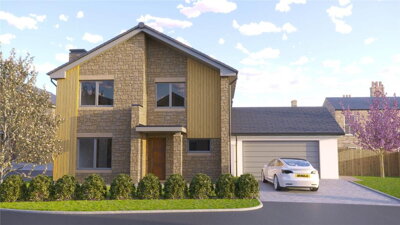
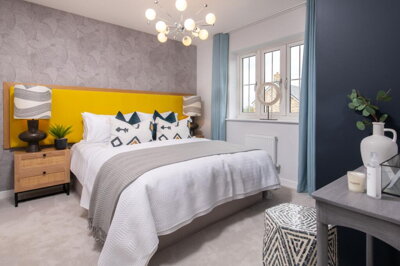
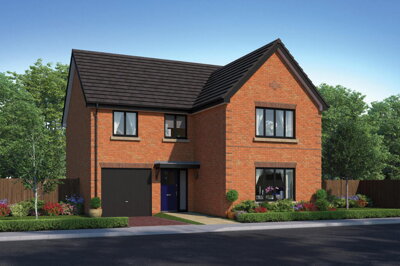
Browse 6 homes new builds in Catterall, Wyre from local developer agents.
£270k
37
2
126
Source: home.co.uk
Source: home.co.uk
Detached
12 listings
Avg £503,533
House
6 listings
Avg £273,167
Semi-Detached
5 listings
Avg £267,990
detached
3 listings
Avg £370,000
Bungalow
2 listings
Avg £245,000
Lodge
2 listings
Avg £87,995
Terraced
2 listings
Avg £163,875
Caravan
1 listings
Avg £64,995
End of Terrace
1 listings
Avg £165,000
park_home
1 listings
Avg £179,995
Source: home.co.uk
Source: home.co.uk
The Great Aycliffe property market offers diverse housing options that cater to different buyer requirements and budget levels. Terraced properties represent the most active segment of the market with 1,159 recorded sales since 2018, averaging £85,193 and making them ideal for first-time buyers seeking affordable entry points. Semi-detached homes command an average price of £121,352 across 665 sales, providing excellent value for families looking for spacious accommodation without premium location costs. Detached properties, averaging £219,905 from 784 sales, appeal to buyers seeking generous living space and gardens in a settled community setting.
Flat sales remain relatively limited with 46 transactions averaging £66,239, reflecting the predominantly house-based character of the area's housing stock. Current market activity shows 222 recorded property sales in 2025, demonstrating sustained buyer interest despite broader economic conditions. A significant new development proposal at Copelaw, located east of Newton Aycliffe beyond the A167 and bordered by Ricknall Lane to the south, seeks planning permission for up to 1,343 new homes including a mix of house types, 92 extra care apartments, and 15% affordable housing. This outline application, submitted to Durham County Council in July 2024 under reference DM/24/01978/OUT by Church Commissioners for England and Durham County Council, represents a major potential expansion of housing supply in the area if approved.
Price trends in the area show overall values rising 23% over the past year, though they remain approximately 10% below the 2008 peak of £266,667. This suggests continued growth potential for the local market as demand increases and new housing supply remains constrained. The diversity of property types available, from traditional cottages in Aycliffe Village to modern family homes across Newton Aycliffe's 15 character areas, ensures that buyers can find properties suited to their specific requirements and budget constraints.

Great Aycliffe benefits from a robust local economy anchored by Aycliffe Business Park, one of the largest employment hubs in County Durham covering over 400 hectares. The business park hosts around 250 companies employing approximately 8,000 people in mainly manufacturing industries, making it a significant draw for residents seeking employment without lengthy commutes. Major employers include Gestamp Tallent, a leading automotive components manufacturer and the area's largest single employer, along with companies such as Husqvarna, Ebac, Permoid, Lucite, Compound Photonics, Lidl, Stiller, and Hitachi. This diverse employer base provides stability for the local housing market and attracts working families to the area.
Newton Aycliffe serves an important sub-regional economic role as a main town in South Durham, complementing the employment opportunities provided by Aycliffe Business Park. The local economy offers a wide choice of starter homes, family properties, and executive residences, ensuring that workers at all levels of the employment market can find appropriate housing. However, prospective buyers should note that parts of Great Aycliffe are ranked within the poorest 20% of deprived areas nationally, which can influence property values and investment potential in certain neighbourhoods. Understanding the local economic landscape helps buyers identify areas that offer good value while benefiting from proximity to major employment centres.

Great Aycliffe offers a distinctive living environment shaped by its fascinating blend of historical heritage and post-war urban planning. Aycliffe Village, the historic core of the community, centres around a traditional village green overlooked by properties ranging from period cottages to Georgian and Victorian farmhouses. The village contains the Aycliffe Village Conservation Area, preserving the character of The Green and High Street extending to Church Lane and St. Andrew's Church. This Grade I listed church dates from the Anglo-Saxon period, potentially as early as the 10th century, providing an extraordinary connection to the area's medieval origins and standing as one of the oldest religious buildings in County Durham.
Beyond Aycliffe Village, the community encompasses Newton Aycliffe, established under the New Towns Act of 1946, which stands as the oldest New Town in the north of England. The Great Aycliffe Neighbourhood Plan identifies 15 distinct character areas that reflect the various development phases of the town, from early post-war housing to later residential expansion. Local architecture employs traditional building materials including local stone, brick, and render, creating a cohesive visual identity while accommodating the variety of housing styles from traditional cottages to post-1960s developments. The population of approximately 26,415 residents across 11,462 households enjoys access to local amenities, parks, and community facilities that serve the area's predominantly residential character.
Great Aycliffe has a higher than average ageing population, which influences the demographic profile of the community and the types of services required. The area's proximity to the North East Centre for Autism at Cedar Drive, located south of the proposed Copelaw development site, demonstrates the community's commitment to specialized services for residents with additional needs. Families will find the area well-suited to raising children, with extensive green spaces, quality local schools, and community facilities that support family life. The blend of historical character in Aycliffe Village and modern amenities throughout Newton Aycliffe creates a living environment that appeals to diverse resident groups.
Families considering a move to Great Aycliffe will find a comprehensive network of educational establishments serving the community at all levels. Primary schools throughout the area provide local catchment education for younger children, with secondary schools serving the broader Great Aycliffe catchment. The presence of educational facilities within the community reflects the family-oriented character of the area, which maintains a higher than average ageing population alongside young families establishing homes in the area. Schools in the surrounding County Durham local authority area are regularly inspected by Ofsted, with parents able to access performance data and inspection reports to inform their educational choices.
For older students, sixth form provision and further education options are available in nearby towns including Darlington and Newton Aycliffe's secondary schools with sixth form facilities. The area's proximity to Durham city provides access to higher education institutions and the renowned university facilities that the county offers. The North East Centre for Autism at Cedar Drive demonstrates the community's commitment to specialized educational provision, ensuring that families with children requiring additional support can access appropriate local services. When purchasing property in Great Aycliffe, parents should verify specific school catchments and admissions criteria directly with County Durham Council, as catchment areas can influence property values and accessibility to preferred schools.
Several listed buildings in the surrounding area reflect the educational heritage of the community, including the Nurses' Teaching Centre, Wall and Gate Piers at School Aycliffe, demonstrating the long-standing commitment to education in this part of County Durham. The area's schools serve a diverse community, and parents are encouraged to visit potential schools, meet staff, and review current Ofsted reports before finalising their property purchase decision. Understanding the educational landscape helps families choose properties in catchments that best suit their children's needs and learning preferences.
Great Aycliffe enjoys excellent transport connections that make it a practical base for commuters and families alike. The A167 trunk road passes through the area, providing direct access to the wider County Durham road network and connections to the A1(M) motorway for longer distance travel. This strategic road positioning enables residents to reach major employment centres across the North East while benefiting from the more affordable property prices that County Durham offers compared to neighbouring Newcastle or Sunderland. Local bus services connect Great Aycliffe with surrounding towns and villages, providing public transport options for those without private vehicles.
Rail connections are available from nearby stations, with services to regional centres and beyond via the East Coast Main Line accessible from Darlington. The historic Stockton and Darlington Railway heritage is celebrated in the area, with the former Heighington and Aycliffe Railway Station representing part of this important railway history. The Grade II listed Heighington Signal Box further commemorates the area's railway significance as the world's first public railway to use steam locomotives. Cycling infrastructure and pedestrian routes throughout Newton Aycliffe's planned layout provide sustainable travel options for local journeys, while the Aycliffe Business Park's proximity to residential areas means many residents can commute to major employers without needing to travel significant distances.
Parking availability within the area has been identified in the Neighbourhood Plan as requiring ongoing attention, with efforts to balance parking provision against flood risk considerations through retaining grass surfaces as dominant finishes. Residents should also be aware of the heritage railway crossing at Heighington, which forms part of the local active travel network. For commuters working in Durham, Newcastle, or Sunderland, the strategic location of Great Aycliffe provides good access while maintaining the affordability advantages of County Durham living compared to neighbouring metropolitan areas.
Explore different neighbourhoods within Great Aycliffe, from the historic charm of Aycliffe Village conservation area to the modern facilities of Newton Aycliffe. Consider proximity to your workplace, schools, and amenities. Our property listings provide detailed information about each property and its location within the community. The Great Aycliffe Neighbourhood Plan identifies 15 distinct character areas, each with its own character depending on when it was developed.
Before scheduling viewings, obtain a mortgage agreement in principle from a lender. This strengthens your position when making offers and demonstrates to sellers that you have financing in place. Compare rates from multiple mortgage providers to find the most suitable deal for your circumstances. Given the average property price of £148,731, most buyers will find mortgage products accessible at competitive rates.
View properties that match your requirements, paying attention to construction quality, flood risk areas, and the condition of older properties. The River Skerne passes through Aycliffe Village, with flood warnings covering properties at Well Bank, Monks End, and Mill House. The Woodham Burn corridor presents flood risks between Stephenson Way and Williamfield Way, affecting areas around Kirkstone Place, Honister Place, Ashfield, and Oakfield. Properties in conservation areas or listed buildings may require specialist surveys and have specific maintenance obligations.
Once you have an offer accepted, book a RICS Level 2 HomeBuyer Report to assess the property condition. Given Great Aycliffe's mix of post-1960s housing and traditional properties, surveys typically identify common issues including damp, roof condition, and outdated electrical systems. Properties in Aycliffe Village may have solid walls without cavity insulation, requiring assessment by our qualified surveyors. A Level 2 survey typically costs between £380 and £500 depending on property value.
Appoint a solicitor to handle the legal aspects of your purchase, including local searches, property registration, and exchange of contracts. Your solicitor will investigate flood risk, planning permissions, and any other local factors affecting the property. Given the proposed Copelaw development east of Newton Aycliffe, your solicitor should check for any planning conditions that might affect your property.
Once all searches are satisfactory and financing is confirmed, you will exchange contracts and pay your deposit. Completion typically follows within 2-4 weeks, when you will receive the keys to your new Great Aycliffe home.
Prospective buyers should carefully consider flood risk when evaluating properties in Great Aycliffe, as certain areas have identified flood vulnerabilities from multiple sources. The River Skerne passes through Aycliffe Village, with flood warnings covering properties at Well Bank, Monks End, Mill House, and the surrounding fields. The Woodham Burn corridor presents flood risks between Stephenson Way and Williamfield Way, affecting areas around Kirkstone Place, Honister Place, Ashfield, and Oakfield. Surface water flooding has occurred on Stephenson Way in Newton Aycliffe, with residents in Wright Close and Lilburn Crescent also reporting flooding during periods of heavy rainfall. When viewing properties, ask about any historical flooding and review Environment Agency flood maps for the specific location.
Properties within the Aycliffe Village Conservation Area carry specific obligations regarding planning permission and exterior alterations, as works that might be permitted on unlisted buildings in other locations may require consent from County Durham Council. Listed buildings in the area include the Grade I St. Andrew's Church dating from the Anglo-Saxon period, along with Grade II structures such as 14 High Street and 3 The Green in Aycliffe Village, the Aycliffe War Memorial, and the historic Heighington Signal Box. All listed buildings are subject to strict planning controls that protect their historic character, and buyers should budget for potential maintenance costs associated with heritage properties.
The mix of property ages in Great Aycliffe, from traditional cottages to post-1960s houses built during the Newton Aycliffe New Town development, means that buyers should investigate the condition of roofing, damp-proof courses, electrical wiring, and plumbing systems regardless of the property type being considered. Our inspectors frequently find damp issues in solid-walled traditional properties, while post-1960s homes may have original wiring or roofing that requires attention. Properties on Aycliffe Business Park's periphery may experience odours from the former Aycliffe Quarry landfill site, a factor that sensitive buyers may wish to investigate during the viewing process. The limestone geology in the area may also influence foundation conditions, and our surveyors will assess any signs of subsidence or ground movement.
The average sold price for properties in Great Aycliffe is £148,731 based on 222 recorded sales in 2025. Detached properties average £219,905 across 784 sales, semi-detached homes cost around £121,352 from 665 transactions, terraced properties average £85,193 with 1,159 sales, and flats average £66,239 from just 46 transactions. Prices have risen 23% over the past year, though they remain approximately 10% below the 2008 peak of £266,667, suggesting continued growth potential for the local market. First-time buyers will find terraced properties particularly accessible at this price point, while families often gravitate toward semi-detached homes offering better value than comparable properties in nearby towns.
Council tax bands in Great Aycliffe are set by Durham County Council and vary according to property value, with Band A representing the lowest valuations and bands D through H covering higher value homes. Given the average property price of £148,731, most properties in Great Aycliffe fall into Bands A through C, meaning council tax contributions are relatively modest compared to higher-value areas. The specific band for any property can be confirmed through the Valuation Office Agency website using the property address, and buyers should verify this information during the conveyancing process as council tax contributions form part of ongoing ownership costs that should be factored into monthly budget calculations.
Great Aycliffe is served by a range of primary and secondary schools within the County Durham local authority, with schools regularly inspected by Ofsted and parents able to consult current ratings and performance data on the Ofsted website. The North East Centre for Autism at Cedar Drive provides specialised educational services for children with specific needs, demonstrating the community's commitment to inclusive education provision. For secondary education, catchment areas are administered by County Durham Council admissions, and parents should verify which schools serve specific postcodes directly with the council as catchment boundaries can influence accessibility to preferred institutions. The area also benefits from proximity to schools in nearby towns including Darlington, providing additional options for secondary and further education.
Great Aycliffe benefits from regular bus services connecting the community with surrounding towns and villages, while the A167 provides road access to the wider regional network and connections to the A1(M) for longer journeys. Rail services are accessible from nearby stations connecting to the East Coast Main Line via Darlington, with direct trains to major cities including Newcastle, York, and London. Local cycle routes and pedestrian pathways throughout Newton Aycliffe's planned layout offer sustainable travel options for shorter journeys within the community, and the proximity of Aycliffe Business Park to residential areas means many residents can commute to major employers by bicycle or on foot. The historic Stockton and Darlington Railway heritage is celebrated locally, with the former Heighington and Aycliffe Railway Station and Grade II listed signal box representing this important railway history.
Great Aycliffe presents several investment considerations that merit careful evaluation. Prices have shown strong growth of 23% over the past year, and the proposed Copelaw development of up to 1,343 homes could increase demand if approved by Durham County Council. The presence of Aycliffe Business Park, home to around 250 companies employing 8,000 people including major employers like Gestamp Tallent, provides economic stability and potential tenant demand for buy-to-let investors. However, flood risk in certain areas and the area's position within the poorer 20% of deprived areas nationally should factor into investment decisions. Properties in the proposed development will include 92 extra care apartments and 15% affordable homes, which may influence rental demand in the broader market.
Stamp Duty Land Tax rates for 2024-25 are 0% on purchases up to £250,000, 5% on the portion from £250,001 to £925,000, 10% from £925,001 to £1.5 million, and 12% above £1.5 million. First-time buyers benefit from relief on the first £425,000, with 5% applying between £425,001 and £625,000. Given the average property price of £148,731, most buyers in Great Aycliffe would pay minimal or no stamp duty, as terraced properties averaging £85,193 and semi-detached homes at £121,352 both fall well below the standard threshold. Higher value detached properties averaging £219,905 may incur stamp duty on amounts exceeding £250,000, though first-time buyers would still benefit from relief on purchases up to £425,000.
When viewing properties in Great Aycliffe, pay particular attention to flood risk indicators given the known flooding issues from the River Skerne and Woodham Burn. Ask vendors about any historical flooding and check Environment Agency flood maps for the specific location, particularly for properties near Well Bank, Monks End, Kirkstone Place, or Honister Place. For traditional properties in Aycliffe Village, look for signs of damp in solid-walled buildings and check the condition of original timber windows and doors. Post-1960s properties should be assessed for original roofing, electrical wiring, and any signs of settlement or subsidence. If considering a listed building or property within the conservation area, verify what planning permissions exist and understand the obligations associated with maintaining heritage properties.
From 3.84%
Compare mortgage rates from local lenders
From £499
Expert property solicitors for your purchase
From £380
RICS qualified surveyor inspecting your property
From £60
Energy performance certificate for your new home
Understanding the full costs of purchasing property in Great Aycliffe helps buyers budget accurately for their move. Stamp Duty Land Tax applies to all purchases above £250,000 at standard rates, though most properties in Great Aycliffe fall below this threshold given the average price of £148,731. First-time buyers purchasing properties up to £425,000 can benefit from relief that exempts the first portion of their purchase from stamp duty, making the market particularly accessible for those entering the property ladder. Properties priced between £425,001 and £625,000 incur 5% on the amount above £425,000, while purchases above £625,000 do not qualify for first-time buyer relief.
Beyond stamp duty, buyers should budget for solicitor conveyancing fees typically ranging from £499 to £1,500 depending on complexity, plus local search fees of approximately £250 to £350. A RICS Level 2 HomeBuyer Report costs between £380 and £500 depending on property value, with homes under £200,000 averaging around £420 and properties between £200,000 and £300,000 typically costing £500. An Energy Performance Certificate is mandatory and costs from £60, while mortgage arrangement fees vary by lender but often range from 0% to 2% of the loan amount. For a typical terraced property at £85,193, total buying costs including stamp duty (which would be zero for most buyers), conveyancing, surveys, and mortgage fees might total £1,500 to £2,500. These costs represent a small fraction of the property value but require careful planning to avoid delays in completing your purchase.
Properties New Builds In London

Properties New Builds In Plymouth

Properties New Builds In Liverpool

Properties New Builds In Glasgow

Properties New Builds In Sheffield

Properties New Builds In Edinburgh

Properties New Builds In Coventry

Properties New Builds In Bradford

Properties New Builds In Manchester

Properties New Builds In Birmingham

Properties New Builds In Bristol

Properties New Builds In Oxford

Properties New Builds In Leicester

Properties New Builds In Newcastle

Properties New Builds In Leeds

Properties New Builds In Southampton

Properties New Builds In Cardiff

Properties New Builds In Nottingham

Properties New Builds In Norwich

Properties New Builds In Brighton

Properties New Builds In Derby

Properties New Builds In Portsmouth

Properties New Builds In Northampton

Properties New Builds In Milton Keynes

Properties New Builds In Bournemouth

Properties New Builds In Bolton

Properties New Builds In Swansea

Properties New Builds In Swindon

Properties New Builds In Peterborough

Properties New Builds In Wolverhampton

Enter your details to see if this property is within your budget.
Loans, cards, car finance
Estimated property budget
Borrowing + deposit
You could borrow between
Typical borrowing
Monthly repayment
Est. at 4.5%
Loan-to-value
This is an estimate only. Your actual budget may vary depending on interest rates, credit history, and personal circumstances. For an accurate affordability assessment, speak to one of our free mortgage advisors.
This calculator provides estimates for illustrative purposes only and does not constitute financial advice. Your home may be repossessed if you do not keep up repayments on your mortgage. Estimates based on 4.5% interest rate, repayment mortgage. Actual rates depend on your circumstances.
Homemove is a trading name of HM Haus Group Ltd (Company No. 13873779, registered in England & Wales). Homemove Mortgages Ltd (Company No. 15947693) is an Appointed Representative of TMG Direct Limited, trading as TMG Mortgage Network, which is authorised and regulated by the Financial Conduct Authority (FRN 786245). Homemove Mortgages Ltd is entered on the FCA Register as an Appointed Representative (FRN 1022429). You can check registrations at NewRegister or by calling 0800 111 6768.

We use cookies to show you personalised content and improve your experience of our website. Find out more in our Privacy policy and Cookie policy.