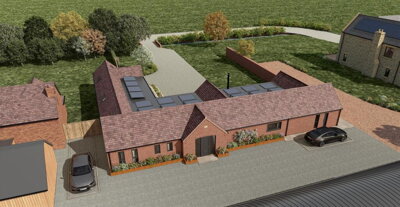
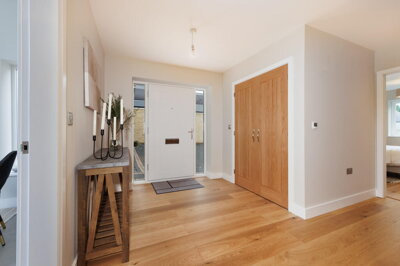
Browse 5 homes new builds in Butlers Marston from local developer agents.
The Daventry property market offers strong value compared to neighbouring towns, with Rightmove reporting an overall average sold price of £270,874 over the past year, representing a 2% increase on the previous year. Property Solvers records 309 residential property sales in the last twelve months, indicating healthy market activity. The town provides excellent variety across property types, from affordable terraced homes averaging around £206,348 to substantial detached properties commanding prices of £385,584 to £389,260. This price diversity means buyers with budgets ranging from £120,000 for a flat to over £400,000 for a premium detached home can all find suitable options within the town boundaries.
Semi-detached properties dominate much of Daventry's residential streets, with average prices of £251,764 placing them within reach of families seeking generous living space at a reasonable cost. First-time buyers often gravitate toward terraced properties, which offer an accessible entry point to homeownership in the area. The new build sector continues to expand, with Staverton Lodge by Bellway offering 3 and 4-bedroom homes priced between £350,000 and £425,000 on the outskirts near Staverton village. The Malabar development, delivered by Spitfire Homes and Crest Nicholson, provides additional new build options including larger 5-bedroom family homes as part of the Daventry South West Sustainable Urban Extension.
Beyond these established developments, Micklewell Park by Orbit Homes adds further new build options with a mix of apartments and houses to the market. Arnex House on London Road represents a more recent addition, with this brownfield redevelopment bringing 54 new 1, 2, 3 and 4-bedroom dwellings to the town. This variety in housing stock, from Victorian terraces on streets like St James Street built using traditional brick and stone, to inter-war semi-detached properties and contemporary new builds, means buyers have genuine choice when searching for homes for sale in Daventry.

Daventry combines historic market town character with modern conveniences, creating a welcoming environment for residents of all ages. The town centre features a mix of independent shops, national retailers, and weekly markets, while the surrounding area offers extensive countryside walks and green spaces. The town preserves its heritage through designated Conservation Areas covering Daventry Town Centre and Daventry Reservoir, where planning controls ensure alterations respect the architectural character. Grade II* listed buildings throughout the area provide glimpses into centuries of local history, from medieval origins through to the Victorian era when workers' housing expanded along streets like St James Street using traditional brick and stone construction methods.
The population of Daventry stands at approximately 28,535 residents according to 2024 estimates, making it a substantial yet intimate community where neighbours recognise each other. Housing tenure shows strong owner-occupation at 72.21%, with smaller proportions in social housing (2.80% local authority, 10.81% housing association) and private renting (12.25%). This high ownership rate contributes to community stability and investment in property maintenance. Local amenities include supermarkets, healthcare facilities, restaurants, and leisure centres, while the surrounding Northamptonshire countryside provides immediate access to outdoor activities. The town's lower unemployment rate compared to regional and national averages reflects a robust local economy that continues attracting working families to the area.
Education provision in Daventry serves families from nursery through secondary level, with several primary schools serving different neighbourhoods within the town. Parents relocating to Daventry benefit from researching individual school catchments and admission criteria, as places can be competitive in popular areas. The town is seeing significant investment in educational infrastructure as part of planned developments, with the Daventry North East Sustainable Urban Extension earmarked to include two new primary schools and a new secondary school. This planned expansion addresses growing demand from new housing developments and ensures educational capacity keeps pace with population growth. For secondary education, families should explore both state and independent options available within reasonable travelling distance.
Sixth form and further education opportunities are accessible for older students, with colleges and sixth form providers serving the wider West Northamptonshire area. When purchasing property in Daventry, families should note that school admission policies consider catchment areas, meaning proximity to a preferred school can significantly impact a child's educational journey and family convenience. Properties near existing schools in established residential areas often command premiums reflecting their educational advantage. The presence of the planned secondary school within the North East SUE development will eventually provide additional capacity and choice for secondary-aged children in the town.
Daventry offers practical transport connections for commuters, with road links providing straightforward access to major destinations. The A45 and A361 trunk roads connect the town to Northampton (approximately 15 miles), while the A5 and M1 motorway are accessible for journeys further afield. Birmingham can be reached in around 45 minutes by car, making Daventry viable for workers who require access to the West Midlands jobs market. The nn11 postcode area has seen asking prices change by just 1% year-on-year, suggesting the area maintains its appeal despite varying economic conditions. Local bus services connect Daventry to surrounding villages and nearby towns, providing alternatives to car ownership for daily travel.
For rail commuters, mainline services from Northampton station offer connections to London Euston, with journey times of approximately one hour. The nearest railway stations are located in Northampton and Long Buckby, with the latter serving limited destinations. Many Daventry residents who work in London choose to drive to Northampton or Milton Keynes for direct rail services. Cyclists benefit from local routes and the generally flat terrain of the Northamptonshire countryside, though longer-distance cycling commuters may find the distances challenging. Parking provision in Daventry town centre accommodates those who prefer driving to their destination rather than using public transport.
Spend time exploring different Daventry neighbourhoods, checking school catchments, understanding local amenities, and reviewing recent sold prices on our platform to build a clear picture of where you want to live and what you can afford.
Contact a mortgage broker to obtain an agreement in principle before viewing properties. This strengthens your position when making offers and demonstrates to sellers that you have financing secured. Current RICS Level 2 surveys in Daventry typically range from £375 to £1,425 depending on property size.
Use our platform to schedule viewings of properties matching your criteria. Take time to assess the property condition, noting the age of construction, any signs of damp or structural issues, and proximity to amenities and transport links.
Once you have a property in mind, arrange a Level 2 Homebuyer Report or Level 3 Building Survey. Given Daventry's clay geology and associated shrink-swell subsidence risk (1.64 times the UK average), a thorough survey is essential to identify any foundation or structural concerns before purchase.
Choose a conveyancing solicitor to handle the legal aspects of your purchase. They will conduct searches, review contracts, and coordinate with the seller's solicitor through to completion. Conveyancing costs in Daventry typically start from £499.
Once all searches are satisfactory and financing is confirmed, your solicitor will exchange contracts and pay the deposit. Completion typically follows within weeks, when you receive the keys to your new Daventry home.
Property buyers in Daventry should pay particular attention to subsidence risk, given the town's geology of predominantly Lias clay and its ranking as 59th highest risk district out of 413 in the UK. When viewing properties, look for signs of cracking in walls, sticking doors or windows, and any history of underpinning or foundation work. Properties with mature trees nearby face elevated risk as tree roots extract moisture from the clay, causing the ground to shrink. A RICS Level 2 survey will assess these risks and recommend appropriate action. Properties in areas of high subsidence risk may require specialist insurance, and this cost should factor into your budget.
Daventry's Conservation Areas, covering the town centre and Daventry Reservoir, impose restrictions on alterations, extensions, and exterior modifications. If you are considering a period property or a home within a conservation area, verify what works require planning permission or listed building consent before proceeding. Many Victorian properties in Daventry retain traditional features including original timber sash windows, fireplaces, and decorative plasterwork that contribute to their character but may require ongoing maintenance. The good news regarding flooding is reassuring, with Daventry having very low risk from rivers and the sea, though surface water flooding remains worth checking via GOV.UK flood risk tools when considering specific properties.
The geology of Daventry is predominantly Lias clay, with superficial deposits of Till and sand and gravel, making the town 59th highest for domestic subsidence risk out of 413 UK districts at approximately 1.64 times the UK average. When viewing properties, look for signs of cracking in walls, sticking doors or windows, and any history of underpinning or foundation work. Properties with mature trees nearby face elevated risk as tree roots extract moisture from the clay, causing the ground to shrink. A RICS Level 2 survey will evaluate these risks and prescribe necessary action, and insurance costs for high-risk areas should form part of your budgeting considerations.
The Conservation Areas covering Daventry Town Centre and Daventry Reservoir impose planning restrictions on alterations, extensions, and exterior modifications. Period properties may require listed building consent for certain works, and buyers should verify permitting requirements before committing. Victorian and Edwardian homes throughout the area often feature original timber sash windows, decorative fireplaces, and ornamental plasterwork that define their character but demand ongoing upkeep. While river and sea flooding presents minimal risk, surface water flooding warrants investigation through GOV.UK flood risk tools when evaluating specific properties.
Daventry's older housing stock presents several common defects that a thorough survey will identify. Damp manifests in multiple forms: rising damp from failed damp-proof courses, penetrating damp caused by leaks or deferred maintenance, and condensation from inadequate ventilation systems - particularly in properties predating modern damp-proofing standards. Roof defects including missing tiles, sagging rooflines, active leaks, and deteriorating mortar on ridge and hip tiles commonly affect aging properties. Structural movement and cracking demand close attention given the elevated clay-related subsidence risk, with foundation settlement or previous movement requiring thorough professional assessment. Electrical systems in older homes may fall short of current safety regulations, while timber elements face vulnerability to rot and woodworm where moisture or ventilation issues exist. Drainage deficiencies such as blocked gutters, downpipes, or improperly graded surfaces can result in water accumulation, damp issues, and foundation damage. The RICS Level 2 survey examines these concerns comprehensively.

The average sold price in Daventry currently ranges from £259,500 to £270,874 depending on the data source. Rightmove reports £270,874 as the overall average over the past year, with detached properties averaging around £385,584 to £389,260, semi-detached homes at approximately £251,764, terraced properties around £206,348, and flats starting from £121,236. Prices have increased by around 2% year-on-year according to Rightmove data, indicating a stable market with modest growth.
Properties in Daventry fall under West Northamptonshire Council. Council tax bands range from A to H and are assigned based on property value as assessed in 1991. Most terraced properties and smaller semi-detached homes typically fall into bands A to C, while larger detached properties and those in premium locations may be rated in bands D through F. Prospective buyers can verify the specific band for any property through the West Northamptonshire Council website or the valuation office agency.
Daventry offers several primary schools serving different catchments throughout the town, with families advised to research individual school performance data and admission criteria relevant to their circumstances. The town is seeing significant educational investment through planned new schools as part of the North East Sustainable Urban Extension. For secondary education, families should consider both state and independent options, with schools in nearby Northampton also accessible for those willing to travel. Always verify current school performance through official Ofsted reports and consider how catchment boundaries may affect your options.
Daventry is served by local bus services connecting the town to surrounding villages and nearby towns including Northampton. Rail connections are accessible via Northampton station (approximately 15 miles away), offering services to London Euston in around one hour. Long Buckby railway station provides limited regional services. Many residents rely on car travel for commuting, with the A45 and A361 providing road connections to Northampton, while the M1 motorway is reachable for wider travel to Birmingham and the north.
Daventry presents several investment attractions including its lower unemployment rate (2.32% compared to 3.96% nationally), steady population growth, and significant planned developments. The town benefits from continued new build activity including the major North East SUE bringing 3,400 additional dwellings with associated infrastructure. Average prices remain accessible at around £267,365, leaving room for capital growth. However, investors should note the subsidence risk associated with clay geology and factor this into property selection and insurance considerations.
Stamp Duty Land Tax rates for standard buyers start at 0% on the first £250,000 of property value, then 5% on the portion from £250,001 to £925,000. For properties between £925,001 and £1.5 million, the rate is 10%, rising to 12% above £1.5 million. First-time buyers benefit from relief on the first £425,000 (0% rate), with 5% applying between £425,001 and £625,000. A £300,000 property would incur no stamp duty for first-time buyers, while a £400,000 home would attract £3,750 in SDLT.
From 3.5%
Expert mortgage advice and competitive rates for your Daventry purchase
From £499
Licensed solicitors handling your Daventry property purchase
From £375
Comprehensive RICS Level 2 Homebuyer Report for Daventry properties
From £60
Energy Performance Certificate for your Daventry property
Understanding the full costs of buying property in Daventry extends beyond the purchase price to include SDLT, solicitor fees, survey costs, and moving expenses. For a typical £267,365 property (the current average sold price), standard buyers pay no stamp duty on the first £250,000, then 5% on the remaining £17,365, totalling approximately £868. First-time buyers purchasing below £425,000 pay no SDLT, making Daventry an accessible market for those entering the property ladder. Properties priced above £625,000 do not qualify for first-time buyer relief, so higher-value buyers should budget accordingly using the standard rates of 5% between £250,001 and £925,000.
Survey costs in Daventry typically range from £375 to £1,425 for a RICS Level 2 Homebuyer Report, depending on property size and complexity. A 3-bedroom property averages around £437 for a Level 2 survey, while larger 4-bedroom homes cost approximately £495. Given Daventry's elevated clay subsidence risk, investing in a comprehensive survey that specifically assesses foundation conditions and any signs of ground movement proves particularly valuable. Conveyancing fees in the area start from £499 for standard purchases, rising for leasehold properties or those with complex titles. Budget an additional £200 to £300 for local searches covering planning history, environmental risks, and drainage. Combining these costs with mortgage arrangement fees and removals, buyers should typically set aside £3,000 to £5,000 beyond the deposit for purchasing costs on a typical Daventry property.
Properties New Builds In London

Properties New Builds In Plymouth

Properties New Builds In Liverpool

Properties New Builds In Glasgow

Properties New Builds In Sheffield

Properties New Builds In Edinburgh

Properties New Builds In Coventry

Properties New Builds In Bradford

Properties New Builds In Manchester

Properties New Builds In Birmingham

Properties New Builds In Bristol

Properties New Builds In Oxford

Properties New Builds In Leicester

Properties New Builds In Newcastle

Properties New Builds In Leeds

Properties New Builds In Southampton

Properties New Builds In Cardiff

Properties New Builds In Nottingham

Properties New Builds In Norwich

Properties New Builds In Brighton

Properties New Builds In Derby

Properties New Builds In Portsmouth

Properties New Builds In Northampton

Properties New Builds In Milton Keynes

Properties New Builds In Bournemouth

Properties New Builds In Bolton

Properties New Builds In Swansea

Properties New Builds In Swindon

Properties New Builds In Peterborough

Properties New Builds In Wolverhampton

Enter your details to see if this property is within your budget.
Loans, cards, car finance
Estimated property budget
Borrowing + deposit
You could borrow between
Typical borrowing
Monthly repayment
Est. at 4.5%
Loan-to-value
This is an estimate only. Your actual budget may vary depending on interest rates, credit history, and personal circumstances. For an accurate affordability assessment, speak to one of our free mortgage advisors.
This calculator provides estimates for illustrative purposes only and does not constitute financial advice. Your home may be repossessed if you do not keep up repayments on your mortgage. Estimates based on 4.5% interest rate, repayment mortgage. Actual rates depend on your circumstances.
Homemove is a trading name of HM Haus Group Ltd (Company No. 13873779, registered in England & Wales). Homemove Mortgages Ltd (Company No. 15947693) is an Appointed Representative of TMG Direct Limited, trading as TMG Mortgage Network, which is authorised and regulated by the Financial Conduct Authority (FRN 786245). Homemove Mortgages Ltd is entered on the FCA Register as an Appointed Representative (FRN 1022429). You can check registrations at NewRegister or by calling 0800 111 6768.

We use cookies to show you personalised content and improve your experience of our website. Find out more in our Privacy policy and Cookie policy.