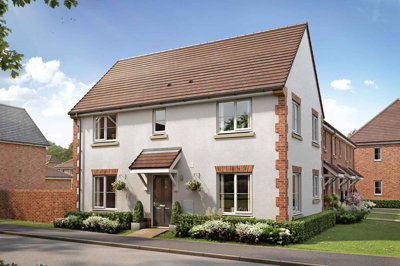
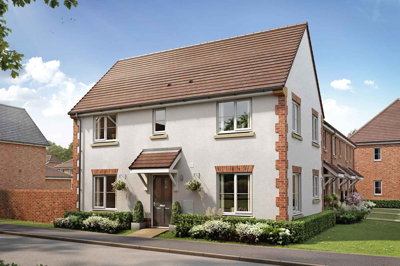
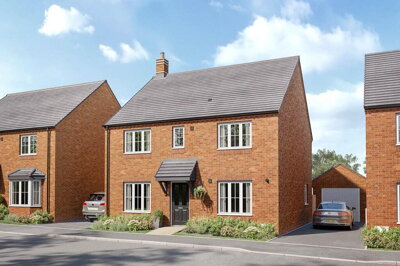
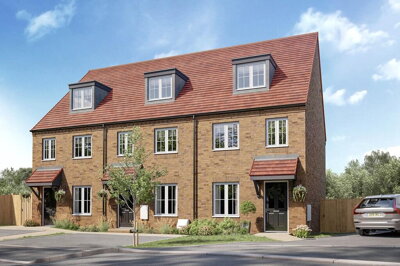
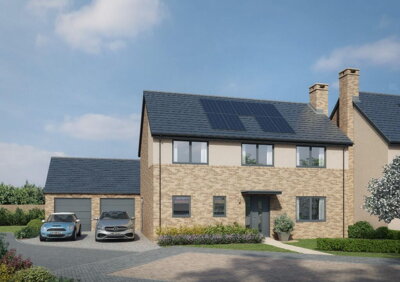
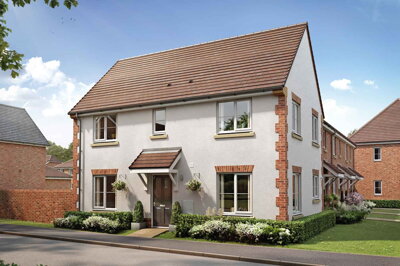
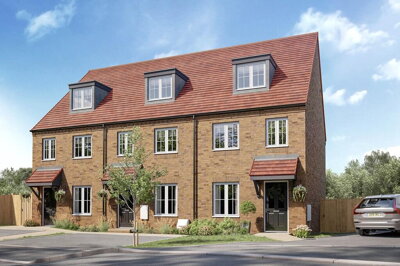
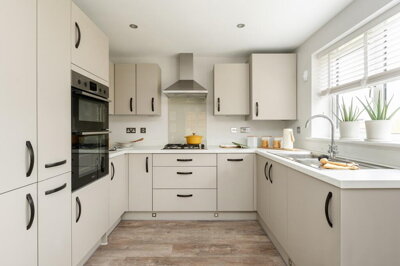
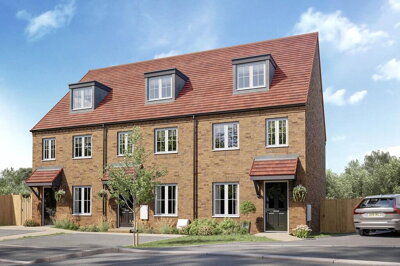
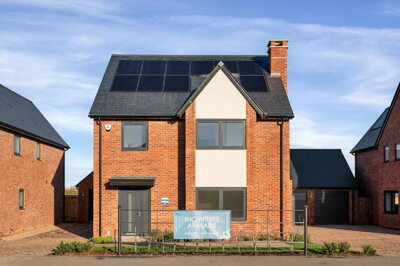
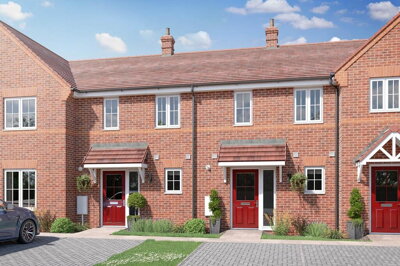
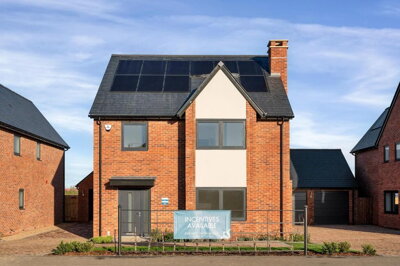
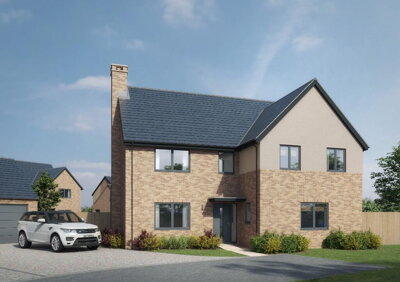
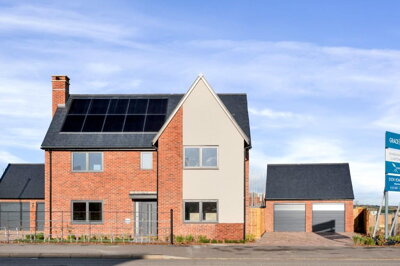
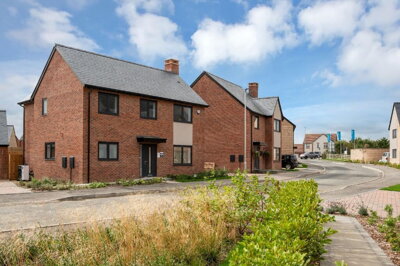
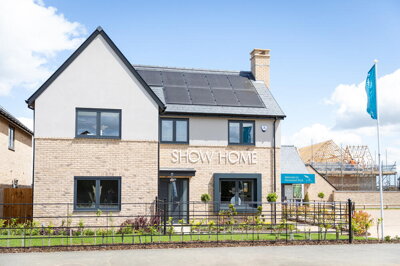
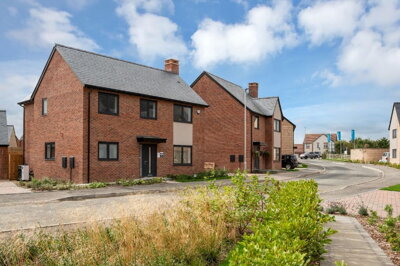
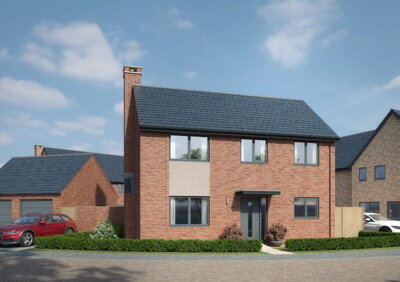
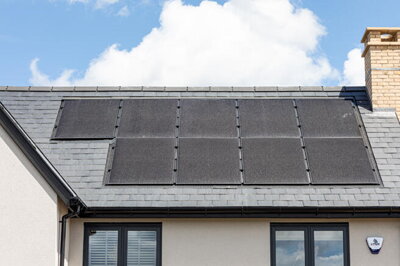
Browse 23 homes new builds in Burton Latimer from local developer agents.
Aberdeen's property market presents a compelling picture for prospective buyers, particularly those entering at a time when prices have softened from recent peaks. The December 2025 provisional data shows an average house price of £133,000, with detached properties averaging £305,000, semi-detached homes at £183,000, and terraced properties at £147,000. Flats remain the most accessible entry point at around £95,000 on average, though it is worth noting that the flat segment saw a significant 29.4% surge in sales volume between July and September 2025 compared to the same period the previous year, indicating strong demand at the affordable end of the market.
The wider Aberdeenshire housing market has demonstrated steady recovery, with annual house sales rising to 4,470 by early 2026, returning to pre-pandemic transaction levels according to the Aberdeenshire Housing Market Report. This recovery suggests growing buyer confidence and increased market activity. New build developments continue to emerge across the city, including projects like Otter Stone Manor in Dyce offering four-bedroom detached houses and Hopecroft View in Bucksburn featuring family-sized detached homes. For buyers considering the investment potential, Aberdeen's reliance on the energy sector and renewable energy transition continues to underpin long-term demand for housing in the region.
Recent price trends show that detached properties fell by 5.6% over the year to December 2025, while flats decreased by 8.7% during the same period according to Rightmove data. Despite these short-term corrections, the long-term fundamentals of the Aberdeen's housing market remain solid, supported by the city's role as a regional centre for healthcare, education, and the energy sector. The market currently favours buyers, with good stock availability and negotiating room on asking prices, making this an opportune time for those looking to secure property in the Granite City.

Aberdeen earns its nickname as the Granite City from the extensive use of locally quarried grey granite in its buildings, creating a distinctive urban landscape that sparkles when sunlight catches the mica flecks embedded in the stone. This architectural heritage dates back centuries and gives the city an unmistakable character, particularly in areas like Union Street, the historic city centre, and the University quarter. Walking through Aberdeen's older neighbourhoods reveals elegant granite facades, Victorian terraces, and the impressive towers of the two universities that anchor the academic community. The city's coastal position means many properties enjoy views across the North Sea or along the harbour, while the proximity to the River Dee adds green spaces and riverside walks to daily life.
The local economy has deep roots in the oil and gas industry, earning Aberdeen the title of Oil Capital of Europe during the North Sea boom years. Today, the city is evolving into a hub for renewable energy, life sciences, and traditional sectors like fishing and agriculture. This economic diversification provides stable employment across multiple sectors and supports a growing rental market driven by university students and professionals. The population benefits from excellent healthcare facilities including Aberdeen Royal Infirmary, cultural attractions such as the Aberdeen Art Gallery and Maritime Museum, and vibrant food and nightlife scenes concentrated around the city centre and the beachfront area.
For families, the combination of good schools, extensive parks, and relatively low crime rates makes Aberdeen an attractive place to put down roots. Neighbourhoods like the West End offer Victorian and Edwardian properties with period features, while areas such as Rosemount provide tree-lined streets and convenient access to the city centre. Suburban communities including Cults, Peterculter, and Banchory attract buyers seeking larger homes with space, though property prices in these sought-after areas command a premium compared to city centre options. The contrast between Aberdeen's historic granite neighbourhoods and modern developments like those in Dyce and Bucksburn means there is housing to suit various budgets and lifestyles.

Education plays a central role in Aberdeen's appeal to families, with the city home to two major universities that contribute significantly to the local economy and cultural life. The University of Aberdeen, founded in 1495, ranks among Scotland's oldest and most prestigious seats of learning, while Robert Gordon University offers strong vocational and professional courses. For primary and secondary education, parents can choose from an excellent network of council schools alongside respected independent schools including Albyn School and St. Margaret's School for Girls. Harlaw Academy and Aberdeen Grammar School are among the well-regarded secondary schools serving the city, with school catchments being an important consideration for families purchasing property in specific neighbourhoods.
Early years provision is well-developed across Aberdeen, with numerous nursery schools and pre-school facilities serving working families. The city also offers several special educational needs schools and units for children requiring additional support. For families considering private education, annual school fees at Aberdeen's independent schools typically range from £8,000 to £15,000 depending on the institution and age of the child. University fees for Scottish students studying at Scottish institutions are among the lowest in the UK for eligible students, adding to Aberdeen's long-term value proposition for families planning their children's education pathways. Parents buying property in Aberdeen should always verify current school catchments and admissions policies with the local education authority, as these boundaries can affect which school their children attend.
The quality of state schooling in Aberdeen is generally high, with primary schools such as Skene Square School, Riverbank School, and Hazlehead Primary receiving positive reports from education inspectors. Secondary schools including Cults Academy, Albyn School (independent), and St. Margaret's School for Girls (independent) consistently achieve strong academic results. School catchment areas change periodically, so property buyers should check the Aberdeen City Council website for the most current information before committing to a purchase, particularly in neighbourhoods where schools are oversubscribed.

Aberdeen serves as a major transport hub for the north-east of Scotland, offering excellent connectivity by rail, road, and air. Aberdeen railway station provides direct services to Edinburgh, Glasgow, Inverness, and London, with the journey to the capital cities taking approximately two to three hours depending on connections. The recently upgraded station facilities include improved passenger amenities and better integration with local bus services. For commuters working in the energy sector, many companies operate shuttle buses from Aberdeen to offshore locations and remote installations, making the city a practical base even for those working further afield.
By road, the A90 trunk road connects Aberdeen to Edinburgh and the south, while the A96 provides the main route to Inverness and the Highland capital. Aberdeen Airport, located near Dyce to the north of the city, offers domestic flights and international connections including routes to key European destinations. Local bus services operated by First Aberdeen provide comprehensive coverage across the city and surrounding suburbs, making car ownership optional for many residents. For cyclists and pedestrians, Aberdeen has invested in cycle lanes and active travel infrastructure in recent years, with the city's relatively compact layout making cycling a viable option for commuting. Park and ride facilities on the city's outskirts help reduce congestion for those travelling into the centre.
For property buyers considering daily commuting costs, it is worth noting that Aberdeen benefits from relatively short journey times within the city compared to larger UK cities. The average commute time within Aberdeen is approximately 20-25 minutes, making it practical to live in more affordable suburban areas while working in the city centre. The Aberdeen Western Peripheral Route (AWPR) has improved connectivity to surrounding towns including Stonehaven, Montrose, and Ellon, expanding the viable commuter belt for those willing to travel further for more competitive property prices.

Explore different areas of Aberdeen, from the historic granite buildings of the city centre to family-friendly suburbs like Cults and Banchory. Consider factors like school catchments, commute times to your workplace, and proximity to amenities when narrowing your search. Use our platform to filter by area, property type, and price range to identify neighbourhoods that match your requirements.
Obtain a mortgage agreement in principle before viewing properties. Scottish mortgage lenders will assess your affordability based on income, credit history, and outstanding debts. Having this in place demonstrates to sellers that you are a serious buyer and can move quickly when you find your ideal home. In Scotland, you will also need to budget for Land and Buildings Transaction Tax rather than Stamp Duty, so factor this into your calculations.
Browse our comprehensive listings for Aberdeen properties and schedule viewings through the estate agents listed. Scottish property viewings often include Home Report documentation, which provides a surveyor assessment of condition and value that you should review carefully before making an offer. The Home Report is a legal requirement for most properties being sold in Scotland and includes a Single Survey, Energy Performance Certificate, and Property Questionnaire.
In Scotland, offers are typically made through the selling solicitor in writing. The asking price is often a genuine reflection of market value given Aberdeen's current buyer-friendly conditions, so competitive offers below asking price are common. Negotiate terms including the entry date and any fixtures and fittings you wish to include. In a buyer's market, you may have room to negotiate on price, conditions, and settlement dates.
You will need a Scottish solicitor to handle the legal aspects of your purchase. They will conduct searches, handle the Land Registration transfer, and ensure all documentation is correct. Solicitors in Aberdeen typically charge between £500 and £1,500 for conveyancing depending on the property price and complexity. Your solicitor will also handle the LBTT calculation and submission.
Once all legal searches are satisfactory and your mortgage offer is confirmed, your solicitor will arrange the signing of documents and the transfer of funds. Completion dates in Scotland can be flexible, so coordinate with your solicitor and removal company to handover day. On the day of completion, you will receive the keys to your new Aberdeen property and can begin moving in.
Properties in Aberdeen present some unique considerations that buyers should be aware of before committing to a purchase. The prevalence of granite construction means that older properties may require specialist maintenance, and pointing on granite buildings can deteriorate over time, potentially leading to damp penetration if not addressed. When viewing granite properties, examine the condition of mortar joints and look for signs of water staining on internal walls. Many granite buildings were constructed before modern damp-proof courses, so this is a particularly important area to assess during your survey.
The coastal location of Aberdeen means that certain properties, particularly those in low-lying areas near the River Dee or close to the shoreline, may carry some flood risk. You should check the Scottish Environment Protection Agency flood maps for any specific address and consider whether the property has appropriate flood resilience measures in place. Areas such as the Torry neighbourhood and parts of the city centre near the river have historically experienced surface water flooding during periods of heavy rainfall, so factor this into your assessment when viewing properties in these locations.
For buyers purchasing flats, review the terms of the title deeds carefully, paying attention to ground rent obligations and any restrictions on pets, letting, or commercial use. Annual service charges for communal maintenance can vary significantly between developments and should be factored into your overall affordability calculations. Newer properties constructed using timber frame methods may offer better energy efficiency but could require different maintenance approaches compared to traditional granite construction. Conservation area properties, of which Aberdeen has several including the historic city centre and Old Aberdeen, may be subject to planning restrictions that limit alterations and extensions.

The average house price in Aberdeen was £133,000 in December 2025 according to provisional data, representing a 7.4% decrease from the previous year. Detached properties average around £305,000, semi-detached homes £183,000, terraced properties £147,000, and flats approximately £95,000. Prices vary significantly by neighbourhood, with city centre flats offering the most affordable entry point while family homes in sought-after areas like Cults command premium prices. The current market conditions favour buyers, with good stock availability and opportunities to negotiate below asking price in many cases.
Aberdeen City Council sets council tax bands for properties within the city boundary. The bands range from A to H, with Band A properties typically being the lowest value and Band H the highest. You can check the council tax band for any specific property through the Aberdeen City Council website or by requesting this information from the selling solicitor during the conveyancing process. Council tax in Aberdeen funds local services including education, refuse collection, and road maintenance, and bands are reassessed periodically when properties are sold or improved.
Aberdeen offers excellent educational options at all levels, with well-regarded primary schools including Skene Square School and Riverbank School, and popular secondary schools such as Aberdeen Grammar School and Harlaw Academy. Independent options include Albyn School and St. Margaret's School for Girls. The University of Aberdeen and Robert Gordon University are both highly regarded higher education institutions. School catchments are determined by address, so buyers with children should verify which schools serve their intended property before committing to a purchase, as catchment areas can change and popular schools are often oversubscribed.
Aberdeen railway station offers direct trains to Edinburgh (around 2.5 hours), Glasgow (approximately 3 hours), Inverness (around 2 hours), and London (approximately 7 hours with a change). Aberdeen Airport provides domestic flights and European connections. The city's bus network, operated primarily by First Aberdeen, covers the urban area comprehensively, while park and ride facilities help commuters avoid city centre parking costs. For those driving, the A90 provides access south while the A96 leads to Inverness, and the Aberdeen Western Peripheral Route has improved connections to surrounding towns.
Aberdeen offers several investment considerations that appeal to different buyer profiles. The current lower prices compared to other major UK cities create potential for capital growth as the market stabilises following recent adjustments. The presence of two universities ensures consistent demand for rental properties from students and academic staff. Aberdeen's role in the energy transition to renewables, including offshore wind projects, helps maintain employment levels and supports the local economy. However, investors should be aware that the market can be sensitive to fluctuations in the oil and gas sector, and should calculate rental yields carefully against current purchase prices and management costs before committing to a purchase.
As Scotland uses the Land and Buildings Transaction Tax rather than Stamp Duty Land Tax, buyers in Aberdeen pay LBTT instead. The thresholds for LBTT residential rates are: 0% on the first £145,000, 2% on £145,001 to £250,000, 5% on £250,001 to £325,000, 10% on £325,001 to £750,000, and 12% on amounts above £750,000. First-time buyers in Scotland may qualify for relief on the portion of the price up to £175,000, effectively increasing the nil-rate band. For a typical £133,000 flat in Aberdeen, a first-time buyer would pay no LBTT, while a subsequent buyer would pay around £235 in tax.
Understanding the full costs of buying property in Aberdeen goes beyond simply the purchase price and requires careful budgeting for additional expenses. In Scotland, buyers pay Land and Buildings Transaction Tax, which operates on different thresholds to Stamp Duty Land Tax used in England. The Scottish LBTT has a nil-rate band of £145,000 for residential properties, with progressive rates above that threshold. This means that for a typical Aberdeen flat priced at around £95,000, most buyers would pay no LBTT at all, making the initial purchase very cost-effective. Higher value properties attract higher rates, with the 12% rate applying only to portions of the price exceeding £750,000.
Beyond the LBTT, buyers should budget for solicitor conveyancing fees typically ranging from £500 to £1,500 depending on property value and complexity, plus registration fees and search costs that may add another £200 to £400. Survey costs vary by property type and report level, with a basic valuation around £200 to £300, a full RICS Level 2 HomeBuyer Report from £350, and a detailed RICS Level 3 Building Survey from £600 upwards. If you require a mortgage, arrangement fees typically range from zero to £2,000 depending on the lender and product chosen.
Removal costs, new furniture, and potential repairs identified in your survey complete the picture of total buying costs. First-time buyers may be able to claim a LBTT relief element, while those selling an existing property should factor in estate agent fees of typically 1% to 2% of the sale price. For a more comprehensive budget, factor in around 3% to 5% of the property price for all buying costs combined, though this percentage will be lower for properties under £200,000 where many LBTT thresholds do not apply.

Competitive rates for Aberdeen buyers
From 4.5%
Scottish-qualified solicitors
From £499
Thorough inspection of your new home
From £350
Energy performance certificate
From £60
Properties New Builds In London

Properties New Builds In Plymouth

Properties New Builds In Liverpool

Properties New Builds In Glasgow

Properties New Builds In Sheffield

Properties New Builds In Edinburgh

Properties New Builds In Coventry

Properties New Builds In Bradford

Properties New Builds In Manchester

Properties New Builds In Birmingham

Properties New Builds In Bristol

Properties New Builds In Oxford

Properties New Builds In Leicester

Properties New Builds In Newcastle

Properties New Builds In Leeds

Properties New Builds In Southampton

Properties New Builds In Cardiff

Properties New Builds In Nottingham

Properties New Builds In Norwich

Properties New Builds In Brighton

Properties New Builds In Derby

Properties New Builds In Portsmouth

Properties New Builds In Northampton

Properties New Builds In Milton Keynes

Properties New Builds In Bournemouth

Properties New Builds In Bolton

Properties New Builds In Swansea

Properties New Builds In Swindon

Properties New Builds In Peterborough

Properties New Builds In Wolverhampton

Enter your details to see if this property is within your budget.
Loans, cards, car finance
Estimated property budget
Borrowing + deposit
You could borrow between
Typical borrowing
Monthly repayment
Est. at 4.5%
Loan-to-value
This is an estimate only. Your actual budget may vary depending on interest rates, credit history, and personal circumstances. For an accurate affordability assessment, speak to one of our free mortgage advisors.
This calculator provides estimates for illustrative purposes only and does not constitute financial advice. Your home may be repossessed if you do not keep up repayments on your mortgage. Estimates based on 4.5% interest rate, repayment mortgage. Actual rates depend on your circumstances.
Homemove is a trading name of HM Haus Group Ltd (Company No. 13873779, registered in England & Wales). Homemove Mortgages Ltd (Company No. 15947693) is an Appointed Representative of TMG Direct Limited, trading as TMG Mortgage Network, which is authorised and regulated by the Financial Conduct Authority (FRN 786245). Homemove Mortgages Ltd is entered on the FCA Register as an Appointed Representative (FRN 1022429). You can check registrations at NewRegister or by calling 0800 111 6768.

We use cookies to show you personalised content and improve your experience of our website. Find out more in our Privacy policy and Cookie policy.