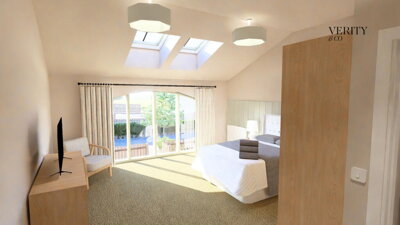
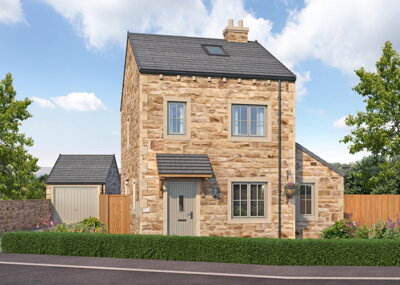
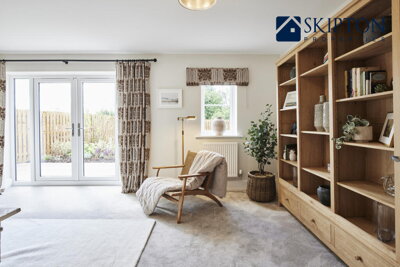
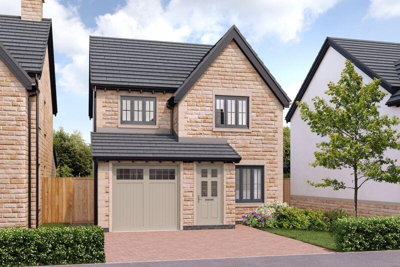
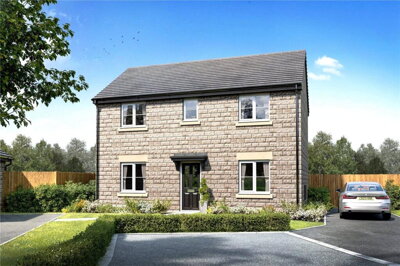
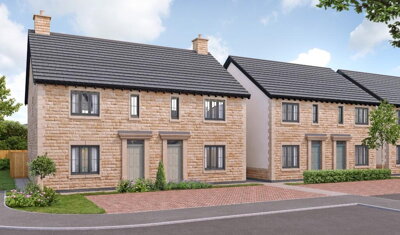
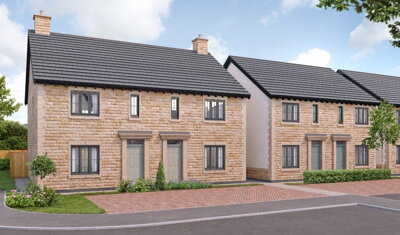
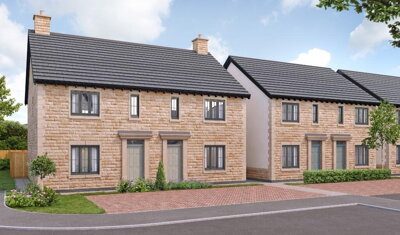
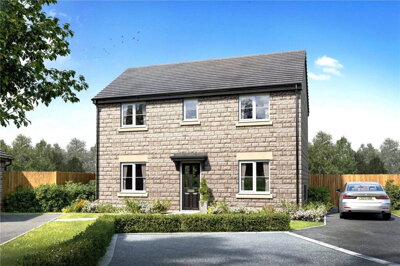
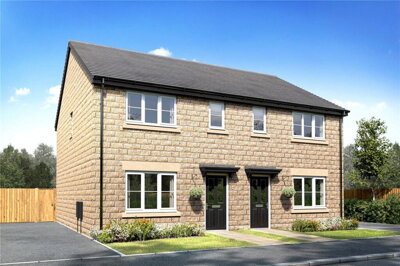
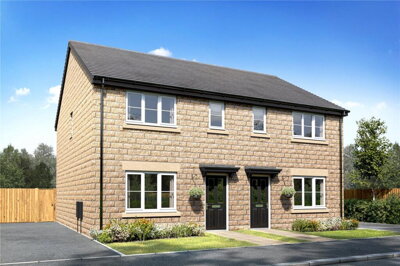
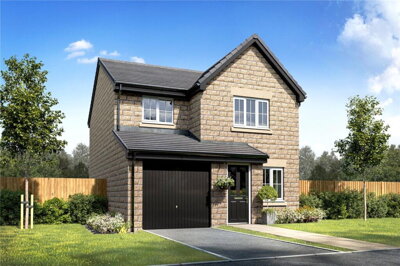
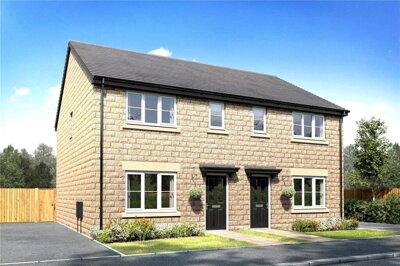
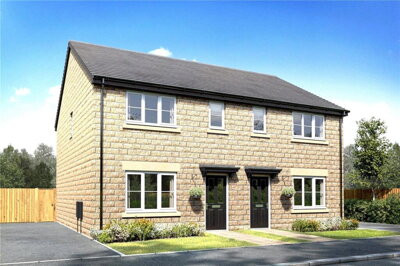
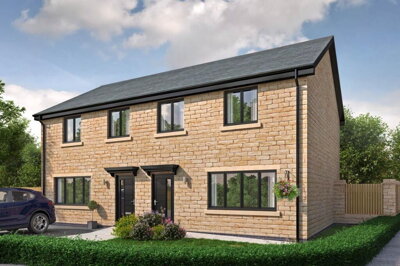
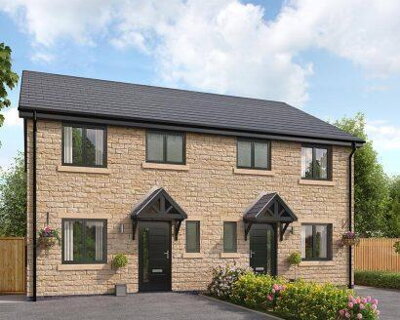
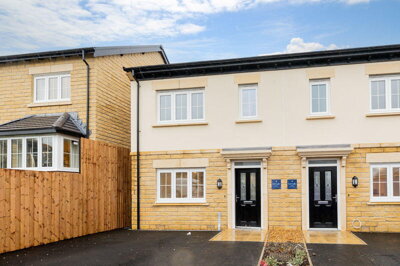
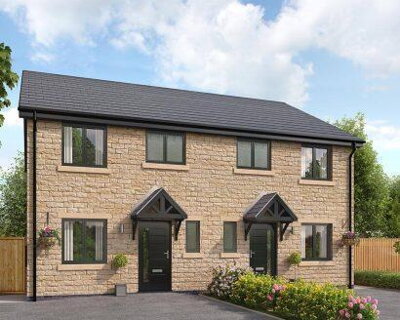
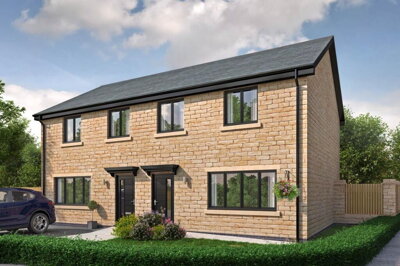
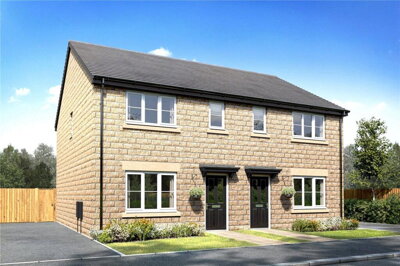
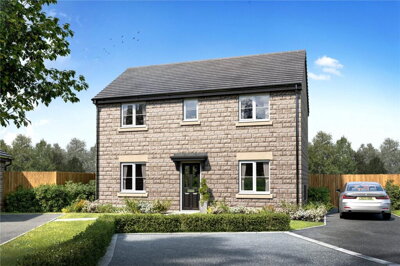
Browse 26 homes new builds in Burnley, Lancashire from local developer agents.
Three bedroom properties represent a significant portion of the Burnley housing market, offering space for families with multiple reception rooms and gardens in many cases. Browse detached, semi-detached, and terraced options ranging across new residential developments.
£194k
116
14
70
Source: home.co.uk
Showing 116 results for 3 Bedroom Houses new builds in Burnley, Lancashire. 14 new listings added this week. The median asking price is £193,500.
Source: home.co.uk
Semi-Detached
54 listings
Avg £212,092
Terraced
39 listings
Avg £120,088
Detached
23 listings
Avg £288,477
Source: home.co.uk
Source: home.co.uk
The Burnley property market presents compelling opportunities for buyers across all budget levels. Detached properties command the highest prices, averaging £246,750, while semi-detached homes offer excellent family accommodation at around £144,302. Terraced properties, which form the backbone of Burnley's housing stock at nearly 49%, remain the most accessible option with average prices of £99,885. Flats and apartments provide the most affordable entry point at approximately £72,167, ideal for first-time buyers or investors seeking rental yields in an area with strong tenant demand.
The past twelve months have seen 1,019 property transactions completed in Burnley, indicating a healthy level of market activity. House prices have risen 2% compared to the previous year, demonstrating consistent demand in the area. New build activity remains limited, though notable conversion projects like Victoria Mill on Trafalgar Street offer contemporary apartments within converted mill buildings. The Canal Quarter regeneration project represents long-term investment in the town, promising future growth in property values as the area continues to attract businesses and residents.
Property types in Burnley reflect its industrial heritage, with the majority of homes built using traditional methods before 1919. Victorian and Edwardian terraces line streets throughout areas like Padiham, Briercliffe, and the town centre, featuring original sash windows, fireplaces, and ceiling roses that appeal to buyers seeking period character. Later additions from the interwar and post-war periods provide alternatives with more modern layouts and larger gardens.

Burnley is home to 94,498 residents across approximately 39,400 households, creating a close-knit community atmosphere that appeals to families and professionals alike. The town centre features familiar high street retailers alongside independent shops and cafes, while the Charter Walk shopping centre provides indoor retail therapy. Weekends come alive at the weekly market in the town square, where local producers sell fresh Lancashire produce alongside crafts and antiques. The cultural scene includes the Banquet Suite and elements at the Mechanics Theatre, offering live music, comedy, and theatrical performances throughout the year.
Outdoor enthusiasts will appreciate Burnley's stunning natural surroundings. The town nestles at the edge of the Pennine hills, providing immediate access to scenic walking trails and mountain biking routes. Towneley Park spans 103 acres of beautiful parkland featuring formal gardens, a art gallery, a historic hall, and a charming cafe. The River Calder winds through the town, creating pleasant riverside walks, though residents should be aware of flood risk in properties close to the waterway. The town also hosts annual events including the Burnley Beer Festival and the Christkindelmarkt Christmas market, fostering community spirit throughout the seasons.
Key employment sectors include advanced manufacturing and engineering firms supplying the aerospace and automotive industries, while the East Lancashire Hospitals NHS Trust remains a significant local employer. Burnley College and UCLan's Burnley campus provide educational opportunities, and the town centre regeneration continues to attract new businesses to the area. These economic factors contribute to sustained demand for housing across all property types.

Education provision in Burnley serves students of all ages, with primary schools scattered throughout residential neighbourhoods. The town features several primary schools rated Good or Outstanding by Ofsted, including Cherry Tree Primary School and St Mary's RC Primary School, providing strong foundations for younger children. Parents should research individual school catchments, as admission policies often prioritize residents within designated areas. Primary schools in Burnley typically accommodate children from age 4 through to Year 6, with many offering before and after-school clubs to support working families.
Secondary education in Burnley includes well-established comprehensive schools and academy options. Burnley High School and Uni Study Group provide secondary education, while Faith schools such as St Theodore's RC High School serve students from Catholic families. For students seeking grammar school education, nearest options may require travel to surrounding towns. Burnley College offers sixth form and further education courses, while the University of Central Lancashire maintains a campus in Burnley, providing higher education opportunities without requiring students to relocate to major cities. The presence of further and higher education institutions makes Burnley attractive to families planning for their children's long-term educational journey.
When searching for homes for sale in Burnley, families should consider school catchment areas carefully, as property values can be higher in sought-after school zones. Properties on streets within walking distance of Good-rated primary schools often command premiums, while homes in neighbouring streets may offer better value with minimal difference in actual accessibility. Attending open days and consulting the local authority's admissions guide helps buyers understand which properties fall within preferred catchment boundaries.
Burnley benefits from excellent transport connections that make it attractive to commuters working in major northern cities. The Burnley Central railway station provides regular services, with trains reaching Manchester Victoria in approximately 55 minutes, making day-time commuting feasible for city workers. The East Lancashire Railway heritage line runs through the town, adding character to the local transport network. Bus services operated by Burnley Bus Company connect residential areas with the town centre and surrounding villages, providing essential transport for those without cars.
Road connectivity is equally strong, with the M65 motorway passing close to the town and providing direct links to Preston, Blackburn, and the wider motorway network. Commuters travelling to Leeds or Manchester by car typically find journey times of 50-70 minutes depending on traffic conditions. Manchester Airport is accessible within approximately one hour by car, making international travel practical for Burnley residents. For cyclists, ongoing investment in cycling infrastructure has introduced new routes connecting residential areas to employment zones, though the hilly terrain requires some fitness. Parking in the town centre is generally convenient with several car parks available, though residents of older terraced streets may face on-street parking challenges.
The train station on Manchester Road also serves the Ribblesdale line, providing access to destinations including Blackburn, Bradford, and Leeds via intermediate stations. Regular bus services along major routes such as Leeds Road, Colne Road, and Padiham Road connect suburbs to the town centre throughout the day. These transport links enhance the appeal of homes for sale in Burnley for buyers who need to commute while enjoying lower property costs compared to major cities.
Understanding Burnley's building heritage helps buyers appreciate the properties they encounter when searching for homes for sale in Burnley. The predominant building material is local stone and traditional red brick, used extensively during the Victorian and Edwardian industrial boom when thousands of terraced houses were constructed to house mill workers. Many of these properties feature solid wall construction without cavity insulation, which affects both thermal performance and moisture management. Pebble-dash and render finishes appear on some properties, particularly those renovated in later decades or built during post-war expansion periods.
Roof construction across Burnley's older housing typically features pitched roofs with timber cut rafters or traditional trusses, covered with either natural slate or clay tiles. Properties built before 1945 predominantly feature natural slate imported from Wales or the Lake District, while post-war properties increasingly used concrete tiles. We frequently encounter issues with slipped or broken slates during our inspections of Burnley properties, particularly on north-facing roof slopes where moss accumulation accelerates deterioration. Lead flashings around chimneys and valleys often show signs of wear after 30-40 years, and missing or deteriorated mortar on ridge tiles represents a common defect in the area's older properties.
Ground floor construction in Victorian and Edwardian terraced properties typically uses suspended timber joists with floorboards laid perpendicular to the joists. This construction method creates a ventilated subfloor void that can accumulate debris and become damp if ventilation is restricted. We often find evidence of woodworm activity in these floor structures, particularly in properties where damp-proof courses have failed or where original ventilation has been obstructed by solid flooring extensions or garden levelling. Understanding these traditional construction methods helps buyers recognise potential issues that a thorough RICS Level 2 Survey will identify.
Explore different Burnley neighbourhoods to find areas that match your lifestyle needs. Consider proximity to schools, transport links, and amenities. Our detailed area guides help you understand what living in each part of Burnley is really like, from the terraced streets surrounding the town centre to the semi-detached housing estates in Habergham and Prim.
Contact lenders or mortgage brokers to obtain an agreement in principle before viewing properties. This strengthens your position when making offers and demonstrates you are a serious buyer with financing already arranged. Given Burnley's affordable property prices, many lenders offer competitive mortgage products, and speaking to a broker helps identify the best deals available.
Visit multiple properties across different price ranges to understand what your budget buys in Burnley. Note the condition of properties, as many older homes may require renovation work. Take photographs and ask questions about history and any recent works completed by previous owners.
Once your offer is accepted, instruct a qualified surveyor to conduct a RICS Level 2 Survey. Given Burnley's predominantly older housing stock, this report identifies defects like damp, roof issues, and potential subsidence from clay soils or former mining activity. Our inspectors are familiar with common issues found in Burnley properties and can provide detailed advice on remediation costs.
Choose a solicitor experienced in Burnley property transactions to handle the legal work. They will conduct searches, review contracts, and liaise with your mortgage lender through to completion. Local solicitors familiar with Burnley's property market can advise on specific issues affecting properties in former mining areas or conservation zones.
Upon satisfactory survey and searches, your solicitor will arrange the exchange of contracts and set a completion date. On completion day, you receive the keys and can move into your new Burnley home.
Burnley's housing stock presents unique considerations for buyers, particularly given the prevalence of older properties built before 1919. Terraced homes often feature solid wall construction using local stone or traditional brick, which can be susceptible to penetrating damp if maintenance has been neglected. Prospective buyers should check for signs of rising damp, condensation on windows, and black mould in corners, especially in ground floor rooms. A thorough RICS Level 2 Survey is essential to identify these issues before purchase, as remediation costs can quickly escalate.
The local geology presents additional considerations. Properties built on glacial till containing boulder clay may be at risk from shrink-swell subsidence during extended dry or wet periods. The town's coal mining heritage adds another layer of complexity, as properties in former mining areas could be affected by subsidence from collapsing mine workings. We recommend ordering a mining report for properties in known former mining areas. Properties in designated conservation areas such as Town Centre, Bank Hall, and Stoneyholme require planning consent for certain alterations, and listed buildings demand specialist surveys using appropriate materials and methods.
Common defects our inspectors find in Burnley properties include deteriorating roof coverings with missing or slipped slates, particularly on north-facing slopes where moss growth accelerates wear. Lead flashings around chimneys and valleys often require replacement after 30-40 years of exposure to Lancashire weather. We frequently encounter outdated electrical systems in properties built before 1980, with old rubber or fabric-insulated wiring that does not meet current standards and may require complete rewiring. Plumbing systems in older properties often feature galvanised steel pipes that corrode internally, restricting water flow and requiring replacement.
Flood risk should be assessed carefully, particularly for properties near the River Calder, River Brun, or Pendle Water. The Environment Agency provides detailed flood risk maps that show specific areas prone to river flooding or surface water accumulation during heavy rainfall. Properties in flood zones may face higher insurance premiums and require flood resilience measures. When viewing properties, check the basement or cellar conditions, examine drainage systems, and ask owners about any historical flooding incidents. Properties on lower ground near watercourses warrant particularly careful evaluation.
The current average house price in Burnley stands at £129,599 as of early 2026. This represents a 2% increase over the past year and sits 1% above the 2021 peak of £128,099. Property types range significantly in price, with terraced homes averaging £99,885, semi-detached properties at £144,302, detached homes at £246,750, and flats starting from around £72,167. These prices make Burnley significantly more affordable than neighbouring Manchester or Leeds, where similar properties might cost two or three times as much.
Burnley properties fall within Burnley Borough Council's jurisdiction. Council tax bands range from A to H depending on property value, with Band A being the most common for terraced properties. Prospective buyers should check the specific band for any property they are considering, as this affects ongoing annual costs. The council provides online tools to search bands by address, and bands can be confirmed before completing a purchase through the Land Registry details.
Burnley offers good primary education with schools like Cherry Tree Primary and St Mary's RC Primary receiving positive Ofsted ratings. Secondary options include Burnley High School and St Theodore's RC High School. Burnley College provides excellent sixth form and further education opportunities, while UCLan's Burnley campus offers higher education locally. Parents should research individual school Ofsted reports and admission policies for their specific circumstances, as catchment areas can significantly affect school placement.
Burnley provides solid public transport connections including regular train services from Burnley Central station reaching Manchester Victoria in approximately 55 minutes. The bus network operated by Burnley Bus Company connects most residential areas to the town centre and surrounding villages. The M65 motorway provides road access to Preston, Blackburn, and Leeds. Manchester Airport is reachable within an hour by car, making it practical for regular travellers or those with family abroad.
Burnley offers attractive investment potential given its affordable average price of £129,599 compared to neighbouring cities. The steady 2% annual price growth demonstrates consistent demand, while rental yields remain competitive due to the gap between property values and rental income levels. Strong tenant demand exists in the area, particularly for terraced properties near the town centre and for modern apartments in converted mill buildings like Victoria Mill on Trafalgar Street. Ongoing regeneration projects including the Canal Quarter development indicate positive long-term prospects for the local property market.
Standard SDLT rates apply to Burnley property purchases. First-time buyers pay 0% on properties up to £425,000 and 5% on the portion between £425,000 and £625,000. Other buyers pay 0% up to £250,000, then 5% on the next £675,000. Properties above £925,000 attract higher rates. For example, a £180,000 terraced home would incur no SDLT for most buyers, making Burnley particularly attractive for first-time purchasers seeking to minimise upfront costs.
Many Burnley properties date from the Victorian and Edwardian periods, meaning solid wall construction without cavity insulation is common. These homes may show signs of damp, outdated electrics, and roof wear. Properties in former mining areas should have mining reports ordered to check for potential subsidence from collapsing underground workings. Properties near rivers including the River Calder, River Brun, and Pendle Water face flood risk assessment requirements. Conservation areas such as Town Centre, Bank Hall, and Stoneyholme impose planning restrictions on alterations, while listed buildings demand specialist surveys using appropriate period materials and methods. A thorough RICS Level 2 Survey is essential for any older property purchase.
We strongly recommend a RICS Level 2 Survey for any property purchase in Burnley given the age and construction type of most housing stock. Our inspectors frequently identify defects including penetrating damp in solid-walled properties, deteriorating slate or tile roofs, woodworm affecting timber floor structures, and outdated electrical systems that require upgrading. The cost of a survey at £400-600 represents excellent value when compared to the potential cost of discovering serious defects after purchase. For listed buildings or properties in conservation areas, a more comprehensive RICS Level 3 Survey may be more appropriate.
Purchasing property in Burnley offers significant cost advantages compared to most other UK towns and cities. The average property price of £129,599 means many buyers will fall below the standard SDLT threshold of £250,000, resulting in zero stamp duty liability. For a first-time buyer purchasing a typical terraced home at £129,599, no SDLT would be payable at all. This creates substantial savings that can be redirected towards surveys, solicitor fees, or moving costs.
Beyond stamp duty, buyers should budget for additional costs including mortgage arrangement fees typically ranging from £500-£2,000, a RICS Level 2 Survey costing £400-£600 for an average Burnley property, and conveyancing fees from £500-£1,500 depending on complexity. Searches specific to Burnley include local authority searches, drainage and water searches, and potentially environmental searches given the area's mining history. Buildings insurance should be arranged from completion day, and removals costs vary based on distance and volume of belongings.
For properties in Burnley's former mining areas, a mining report should be included in your search costs, typically available from around £30. This report identifies any historical mining activity that might affect the property's stability. Factor in mortgage valuation fees if your lender requires this separate from your survey, and consider the cost of any mortgage broker services if used. Seeking mortgage advice in principle before viewing helps clarify your budget and demonstrates seriousness to sellers in a competitive market.
Properties New Builds In London

Properties New Builds In Plymouth

Properties New Builds In Liverpool

Properties New Builds In Glasgow

Properties New Builds In Sheffield

Properties New Builds In Edinburgh

Properties New Builds In Coventry

Properties New Builds In Bradford

Properties New Builds In Manchester

Properties New Builds In Birmingham

Properties New Builds In Bristol

Properties New Builds In Oxford

Properties New Builds In Leicester

Properties New Builds In Newcastle

Properties New Builds In Leeds

Properties New Builds In Southampton

Properties New Builds In Cardiff

Properties New Builds In Nottingham

Properties New Builds In Norwich

Properties New Builds In Brighton

Properties New Builds In Derby

Properties New Builds In Portsmouth

Properties New Builds In Northampton

Properties New Builds In Milton Keynes

Properties New Builds In Bournemouth

Properties New Builds In Bolton

Properties New Builds In Swansea

Properties New Builds In Swindon

Properties New Builds In Peterborough

Properties New Builds In Wolverhampton

Enter your details to see if this property is within your budget.
Loans, cards, car finance
Estimated property budget
Borrowing + deposit
You could borrow between
Typical borrowing
Monthly repayment
Est. at 4.5%
Loan-to-value
This is an estimate only. Your actual budget may vary depending on interest rates, credit history, and personal circumstances. For an accurate affordability assessment, speak to one of our free mortgage advisors.
This calculator provides estimates for illustrative purposes only and does not constitute financial advice. Your home may be repossessed if you do not keep up repayments on your mortgage. Estimates based on 4.5% interest rate, repayment mortgage. Actual rates depend on your circumstances.
Homemove is a trading name of HM Haus Group Ltd (Company No. 13873779, registered in England & Wales). Homemove Mortgages Ltd (Company No. 15947693) is an Appointed Representative of TMG Direct Limited, trading as TMG Mortgage Network, which is authorised and regulated by the Financial Conduct Authority (FRN 786245). Homemove Mortgages Ltd is entered on the FCA Register as an Appointed Representative (FRN 1022429). You can check registrations at NewRegister or by calling 0800 111 6768.

We use cookies to show you personalised content and improve your experience of our website. Find out more in our Privacy policy and Cookie policy.