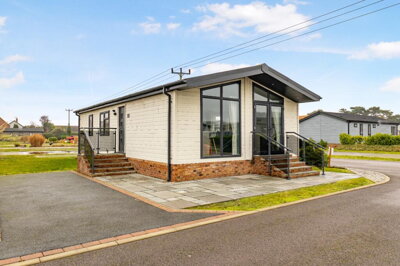
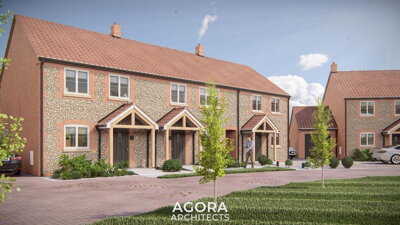
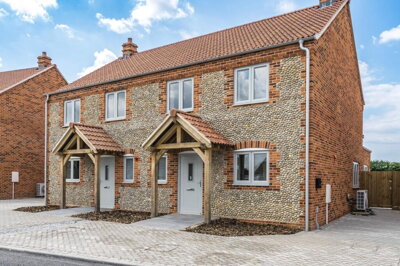
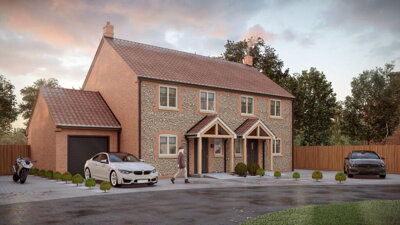
Browse 5 homes new builds in Burnham Thorpe from local developer agents.
The property market in the Fenland district of Cambridgeshire presents an attractive proposition for buyers seeking more affordable housing compared to many other parts of the county. The flat terrain of the fens has historically supported a distinctive style of architecture, with properties often built using locally sourced brick and featuring practical designs suited to the agricultural landscape. Homes in this area range from modest terraced cottages to substantial detached properties on the edges of villages like Elm, providing options across different price points and buyer requirements. The fenland region has seen renewed interest from buyers priced out of Cambridge and surrounding areas, creating steady demand for quality properties in villages like Elm.
Our data shows that properties in Fenland generally offer competitive pricing compared to the Cambridgeshire average, making this area particularly appealing to first-time buyers and families seeking more space for their budget. The housing stock includes a mix of construction periods, with many properties built during the twentieth century alongside older farmhouses and agricultural workers cottages that add character to village settings. The typical property in the Elm area will have been constructed using traditional brick methods common throughout Cambridgeshire, with many homes dating from the Victorian and Edwardian periods featuring original fireplaces, sash windows, and solid floor constructions that require careful assessment during purchase.
New build activity in the broader Fenland area has been modest but steady, with developments in nearby towns providing additional options for those preferring modern construction methods and energy efficiency standards. The average RICS Level 2 survey cost in the UK is around £455, though this can vary based on property size and value. For those purchasing in the Elm area, budgeting for a proper building survey represents a wise investment that can identify defects before completion. Understanding the full costs of buying in Elm, including solicitor fees typically ranging from £500 to £1,500, survey costs, and stamp duty, ensures you approach your purchase with complete financial clarity.

Elm and the surrounding fenland villages offer a lifestyle defined by wide open spaces, strong community connections, and the rhythms of agricultural life that have shaped this landscape for generations. The flat terrain of the fens creates distinctive views across arable farmland, with the famous Fens Dyke and drainage channels marking the historical attempts to tame this marshy landscape. The large sky and dramatic light conditions of the fenland create a unique atmosphere that residents often describe as peaceful and expansive, quite different from the enclosed countryside of other English regions. The sense of space and connection to nature makes this area particularly appealing to families and those seeking a quieter way of life.
The village of Elm itself provides essential local amenities while larger facilities are available in nearby towns reachable by car or bus. The community spirit in fenland villages is notably strong, with active village halls, local events, and societies providing social connections for residents of all ages. The proximity to the city of Peterborough offers convenient access to a wider range of cultural attractions, shopping centres, and healthcare facilities when needed. For everyday shopping and services, the market towns of Wisbech and March provide supermarkets, independent shops, and regular markets that have served the local population for generations.
Outdoor pursuits are popular in the fenland area, with walking, cycling, and birdwatching being particular attractions given the nature reserves and waterways that characterise the region. The National Cycle Network passes through parts of this area, offering routes for both recreation and commuting, making Elm accessible to cyclists. The flat nature of the fenland terrain makes cycling particularly practical for local journeys, whether commuting to work or exploring the countryside. The waterways and wetlands of the fens support diverse wildlife, with several nature reserves providing opportunities for birdwatching and enjoying the natural environment that defines this part of Cambridgeshire.
Families considering a move to Elm and the surrounding Fenland area will find a range of educational options available across different age groups. Primary education is served by village schools in the immediate area and those in nearby settlements, providing a community-focused start for younger children. These schools typically serve their local catchment areas and maintain strong links with the communities they serve. Parents should research specific catchment boundaries and any current admissions policies when considering properties, as these can affect school allocations. The village primary schools in the fenland area often benefit from smaller class sizes and close relationships between teachers and families, which many parents find appealing.
Secondary education options in the Fenland district include schools in the market towns of Wisbech, March, and Chatteris, with some students travelling daily from villages like Elm to access these facilities. The area also has further education colleges providing vocational and academic courses for older students, with transport links supporting those who need to travel to attend. Cambridgeshire as a county has several sixth form colleges and the prestigious universities in Cambridge city itself, meaning families have progression pathways available as children move through their education. When buying property in the Elm area, it is advisable to confirm current school performance data and admissions criteria directly with the relevant local education authority.
For families prioritising educational options, researching individual school Ofsted ratings is essential when considering a move to the Elm area. The Cambridgeshire education system offers a mix of community schools and academy converters, with varying performance levels across the fenland district. Some families choose to focus their property search around specific school catchments, particularly for primary education where younger children benefit from shorter journeys. The availability of grammar school places in Cambridgeshire means that academic selection may also influence educational pathways for older primary school children, with the 11-plus examination determining eligibility.
Transport connectivity from Elm and the surrounding Fenland area has improved significantly in recent years, with the A47 providing an important artery connecting the area to Peterborough to the west and King's Lynn to the north. The flat nature of the fenland landscape means that cycling is practical for local journeys, and the National Cycle Network passes through parts of this area, offering routes for both recreation and commuting. For longer distances, the A47 connects with the A1(M) and the broader motorway network, making major cities accessible by car. Many residents of Elm commute to Peterborough for work, taking advantage of the faster journey times on the improved road infrastructure.
Public transport options include bus services connecting Fenland villages with the market towns and providing connections to railway stations. Wisbech and March both have railway stations offering services on the Bittern Line, providing connections to Norwich, Cambridge, and Peterborough. The nearest major railway station with intercity services is Peterborough, which offers regular trains to London King's Cross with journey times of around fifty minutes. For those working in Cambridge, the journey involves either driving or using public transport connections, with Cambridge city centre reachable within approximately ninety minutes by car under normal traffic conditions.
Daily commuters from Elm should factor transport costs into their budget when considering properties in this fenland village. The combination of fuel costs, vehicle maintenance, and parking expenses at destinations can significantly impact the affordability of longer commutes. Some residents find that working from home for part of the week reduces the frequency of longer journeys, making rural locations like Elm more practical. For those dependent on public transport, checking specific bus timetables and train connections is essential before committing to a purchase, as service frequencies may be limited on certain routes.
Take time to explore Elm and the surrounding fenland villages, checking local amenities, transport options, and the character of different neighbourhoods. Consider your daily commute requirements and proximity to services you use regularly. Visit at different times of day and, if possible, speak with current residents to understand what daily life is really like in the village and surrounding area.
Before viewing properties, obtain a mortgage agreement in principle from a lender. This confirms your borrowing capacity and strengthens your position when making offers on homes in the Elm area. Having this documentation ready demonstrates to sellers that you are a serious buyer capable of proceeding quickly, which can be advantageous in competitive situations.
Contact local estate agents to arrange viewings of properties matching your requirements. Take notes during viewings and ask about the history of properties, any recent works, and the surrounding neighbourhood. When viewing properties in Elm and surrounding villages, check the condition of roofs, the age and condition of windows, and whether heating systems have been updated.
Once your offer is accepted, book a RICS Level 2 Homebuyer Report to assess the condition of the property. This survey typically costs around £455 and identifies defects that may affect value or require attention. For properties in the Elm area, which often include older construction, a thorough survey is particularly valuable in identifying any issues before you commit fully to the purchase.
Choose a solicitor experienced in Cambridgeshire property transactions to handle the legal aspects of your purchase. They will conduct searches, handle contracts, and manage the registration process. Searches will include local authority checks, environmental searches, and drainage enquiries relevant to the fenland area.
After all searches are satisfactory and contracts are signed, you will exchange deposits and agree a completion date. On completion day, you receive the keys to your new Elm home. Buildings insurance must be in place from completion day, and you may need to consider additional costs such as mortgage arrangement fees.
Properties in the Fenland area have specific characteristics that buyers should understand before committing to a purchase. The underlying clay geology of some parts of the fens can create conditions where clay soil shrinks and swells according to moisture levels, potentially affecting older properties with shallow foundations. A thorough building survey can identify any signs of movement or past subsidence that may require attention or influence your offer. The flat nature of the terrain also means that some areas may be prone to drainage issues, so reviewing local drainage and flood risk information is advisable before proceeding with a purchase.
Many properties in fenland villages are traditional brick constructions that have stood for decades or generations, often with original features that add character but may require maintenance or updating. When viewing properties in Elm and surrounding villages, check the condition of roofs, the age and condition of windows, and whether heating systems have been updated. Properties in or near conservation areas may have restrictions on alterations, so confirm with the local planning authority whether any designations affect properties you are considering. Understanding the tenure of properties is also important, as some homes may be leasehold with ground rent and service charge implications.
The age of properties in the Elm area varies considerably, with some homes dating from the Victorian and Edwardian periods and others being more recent constructions from the twentieth century. Older properties often feature solid floor constructions, original sash windows, and fireplaces that require ongoing maintenance but add significant character. Properties in the Elm area may also have non-standard construction elements that a RICS Level 2 survey is designed to identify. Budgeting for a survey that costs around £455 represents a wise investment that can reveal defects invisible during a standard viewing, potentially saving thousands in future repair costs.
While specific sales data for Elm itself is limited due to the small number of transactions, properties in the Fenland district generally offer more affordable pricing compared to the wider Cambridgeshire county average. Detached properties and larger family homes in fenland villages typically command prices reflecting their rural location and plot sizes. The competitive pricing in this area makes Elm particularly attractive to first-time buyers and families seeking more space for their budget. Prospective buyers should search current listings to understand the specific price ranges available in the Elm area, as values can vary considerably between different property types and conditions.
Properties in Elm fall under Fenland District Council for local services. Council tax bands are assigned based on property values as assessed in 1991, with current bands ranging from A through H. Band A properties are most common in the area, with bands B through D also present depending on property size and value. The predominance of Band A properties reflects the generally lower property values in the fenland area compared to other parts of Cambridgeshire. Prospective buyers can check specific band information for any property through the Valuation Office Agency website or during the conveyancing process.
Primary schools in the Elm area include those in neighbouring villages and market towns, with specific school performance data available through Ofsted reports and government league tables. Secondary education is primarily provided through schools in Wisbech, March, and Chatteris, with students typically travelling daily from villages like Elm to access these facilities. Cambridgeshire has several grammar schools, though admission is based on the 11-plus examination and catchment areas. Families should research individual school Ofsted ratings and consider travel implications when evaluating educational options, as school quality can significantly influence property values in specific catchments.
Elm has limited public transport compared to urban areas, with bus services providing connections to nearby towns including Wisbech and March. The nearest railway stations are in Wisbech and March on the Bittern Line, offering services to Cambridge, Peterborough, and Norwich. For those relying on public transport daily, checking specific bus timetables and train connections is essential before committing to a purchase in the Elm area. The flat terrain of the fenland does make cycling a practical alternative for local journeys, with the National Cycle Network providing routes for both commuting and leisure.
The Fenland district has seen steady property price growth in recent years, supported by relative affordability compared to other parts of Cambridgeshire and the UK. Elm and similar fenland villages may appeal to buyers prioritising space and value over urban convenience. Property investors should consider rental demand, which tends to focus on families and workers seeking affordable housing in the region. The area may suit those with longer investment horizons who appreciate the rural lifestyle, though capital growth rates may be more modest than in more urban locations closer to Cambridge.
Stamp Duty Land Tax applies to purchases in England, including Elm, Fenland. Standard rates are 0% on the first £250,000, 5% on £250,001 to £925,000, 10% on £925,001 to £1.5 million, and 12% above £1.5 million. Given the typical property values in the Elm area, many purchases will fall within the lower tax bands, with some first-time buyers paying no stamp duty at all. First-time buyers benefit from relief on the first £425,000, with 5% on the next £200,000 only, provided they have not previously owned property. Calculating these costs before making an offer ensures you have a complete picture of your financial commitment.
Properties in the fenland may face specific risks related to the underlying geology and drainage conditions of the area. The clay soils present in parts of the fenland can be susceptible to shrink-swell movement, particularly affecting older properties with shallow foundations. A RICS Level 2 survey, typically costing around £455, is designed to identify signs of subsidence, movement, or other structural issues before you commit to a purchase. Properties in or near conservation areas may have restrictions on alterations, so confirming any designations with the local planning authority is advisable. Understanding the tenure of properties is also important, as some homes may be leasehold with ground rent and service charge implications that affect overall costs.
Beyond the advertised property price, buyers in Elm should budget for several additional costs including solicitor fees typically ranging from £500 to £1,500, survey costs around £455 for a RICS Level 2 report, and Stamp Duty Land Tax based on the purchase price. Search fees, land registry fees, and removal costs add further expenses to the transaction. Setting aside a contingency fund equivalent to around 10% of your budget for unexpected expenses is prudent when buying any property, particularly older homes in rural areas like those found in the Elm and Fenland district. Buildings insurance must be in place from completion day, and you may need to consider additional costs such as mortgage arrangement fees.
From 4.5%
Find competitive mortgage deals for your Elm property purchase
From £499
Expert property solicitors to handle your Elm purchase
From £416
Professional survey to identify property defects
From £85
Energy performance certificate for Elm properties
Understanding the full costs of purchasing property in the Elm, Fenland area goes beyond the advertised price. Stamp Duty Land Tax represents a significant additional expense, with current thresholds meaning many buyers of properties in the Elm area will pay either nothing or tax at the lower 5% rate on amounts between £250,000 and £925,000. First-time buyers may benefit from increased thresholds, paying no stamp duty on the first £425,000 of a purchase. Calculating these costs before making an offer ensures you have a complete picture of your financial commitment and helps you set an accurate budget for your Elm home search.
Beyond stamp duty, buyers should budget for solicitor fees which typically range from £500 to £1,500 depending on complexity, plus search fees, land registry fees, and removal costs. A RICS Level 2 survey costing approximately £455 provides essential protection by identifying any structural issues before you commit fully to a purchase. For properties in the Elm area, which often include older construction, a thorough survey is particularly valuable in identifying any issues with foundations, drainage, or historic defects that may not be visible during viewings. Buildings insurance must be in place from completion day, and you may need to consider additional costs such as mortgage arrangement fees.
Setting aside a contingency fund equivalent to around 10% of your budget for unexpected expenses is prudent when buying any property, particularly older homes in rural areas like those found in the Elm and Fenland district. Properties may require immediate repairs or upgrades that were not apparent during viewings, and having funds available ensures you can address these without financial strain. The competitive property market in the Fenland area means that being financially prepared positions you well to proceed quickly when you find the right home in Elm, giving you an advantage over buyers who may need to delay while arranging additional funds.

Properties New Builds In London

Properties New Builds In Plymouth

Properties New Builds In Liverpool

Properties New Builds In Glasgow

Properties New Builds In Sheffield

Properties New Builds In Edinburgh

Properties New Builds In Coventry

Properties New Builds In Bradford

Properties New Builds In Manchester

Properties New Builds In Birmingham

Properties New Builds In Bristol

Properties New Builds In Oxford

Properties New Builds In Leicester

Properties New Builds In Newcastle

Properties New Builds In Leeds

Properties New Builds In Southampton

Properties New Builds In Cardiff

Properties New Builds In Nottingham

Properties New Builds In Norwich

Properties New Builds In Brighton

Properties New Builds In Derby

Properties New Builds In Portsmouth

Properties New Builds In Northampton

Properties New Builds In Milton Keynes

Properties New Builds In Bournemouth

Properties New Builds In Bolton

Properties New Builds In Swansea

Properties New Builds In Swindon

Properties New Builds In Peterborough

Properties New Builds In Wolverhampton

Enter your details to see if this property is within your budget.
Loans, cards, car finance
Estimated property budget
Borrowing + deposit
You could borrow between
Typical borrowing
Monthly repayment
Est. at 4.5%
Loan-to-value
This is an estimate only. Your actual budget may vary depending on interest rates, credit history, and personal circumstances. For an accurate affordability assessment, speak to one of our free mortgage advisors.
This calculator provides estimates for illustrative purposes only and does not constitute financial advice. Your home may be repossessed if you do not keep up repayments on your mortgage. Estimates based on 4.5% interest rate, repayment mortgage. Actual rates depend on your circumstances.
Homemove is a trading name of HM Haus Group Ltd (Company No. 13873779, registered in England & Wales). Homemove Mortgages Ltd (Company No. 15947693) is an Appointed Representative of TMG Direct Limited, trading as TMG Mortgage Network, which is authorised and regulated by the Financial Conduct Authority (FRN 786245). Homemove Mortgages Ltd is entered on the FCA Register as an Appointed Representative (FRN 1022429). You can check registrations at NewRegister or by calling 0800 111 6768.

We use cookies to show you personalised content and improve your experience of our website. Find out more in our Privacy policy and Cookie policy.