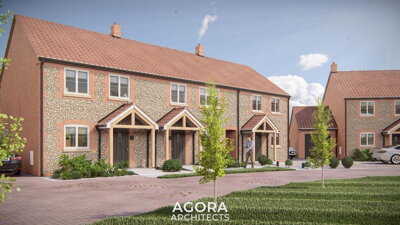
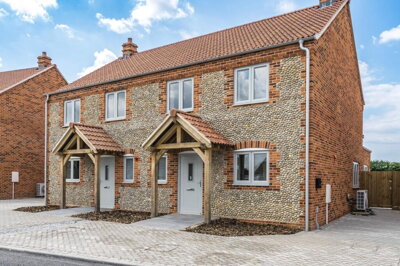
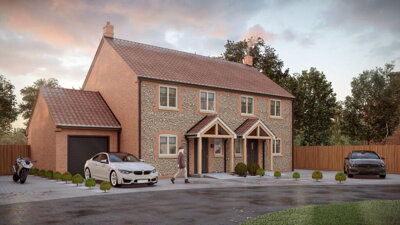
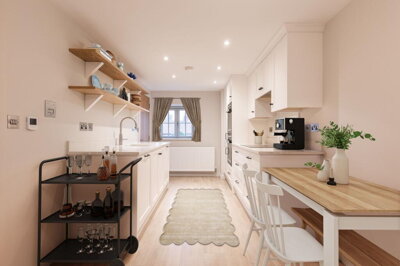
Browse 4 homes new builds in Burnham Norton from local developer agents.
The Burnham Norton property market offers detached, semi-detached, and terraced houses spanning various price ranges and neighbourhoods. Each listing includes detailed property information, photographs, and direct contact with the marketing agent.
The Clenchwarton property market offers a diverse range of housing types to suit different buyer requirements and budgets. Detached properties command the highest prices in the area, with the average sitting at £324,995, reflecting the extra space and privacy these homes provide. Semi-detached homes represent excellent value at approximately £220,000, making them popular among families seeking more room without venturing into premium price brackets. Terraced properties, averaging around £185,000, offer an accessible entry point to the local market, while flats provide the most affordable options at approximately £115,000. Over the past twelve months, there have been 30 property sales recorded in Clenchwarton, demonstrating consistent activity in this village market.
New build opportunities in Clenchwarton include The Willows development by Lovell Homes, located off Main Road with postcode PE34 4DN. This development offers two, three, and four-bedroom homes priced from £215,000 to £345,000, catering to various stages of home-buying journeys. For buyers considering older properties, the housing stock spans several eras, with approximately 20% of homes pre-dating 1919, including traditional cottages and farmhouses that characterise the village's historic core. A further 15% dates from the inter-war period (1919-1945), while the largest proportion at 35% represents post-war expansion. Modern developments and recent builds account for around 30% of the current stock, providing contemporary insulation, wiring, and construction standards for those preferring newer homes.

Understanding the construction methods used in Clenchwarton properties helps buyers appreciate the character and potential maintenance needs of different homes. The village's older properties, representing roughly 20% of the housing stock, typically feature solid brick construction using local red brick, sometimes incorporating distinctive carrstone or flint details that reflect Norfolk's building heritage. These pre-1919 homes often have timber floorboards, inglenook fireplaces, and pitched roofs covered with clay tiles or slate, with foundations that may be shallower than modern building regulations require.
Properties constructed during the post-war period (1945-1980), which make up approximately 35% of homes in Clenchwarton, typically use cavity wall construction with a brick outer leaf and block inner leaf. These homes commonly feature concrete tiled roofs and suspended timber or concrete ground floors. The inter-war properties (1919-1945) often bridge the gap between traditional and modern methods, with some featuring early cavity wall construction alongside solid brickwork. Modern properties built after 1980, including contemporary developments like The Willows off Main Road, meet current building regulations with standard cavity wall construction, trussed rafter roofs, and concrete ground floors offering improved thermal efficiency and structural consistency.
Clenchwarton sits within the distinctive Fenland landscape of Norfolk, characterised by its low-lying terrain and expansive skies that stretch across the flat agricultural land. The village benefits from its proximity to King's Lynn, approximately five miles distant, where residents access comprehensive shopping facilities, healthcare services, and entertainment options. The local geology presents unique considerations, with the area underlain by alluvium (clay, silt, and sand) over chalk bedrock, creating the fertile agricultural land that has shaped the region's economy for centuries. Marine and glaciofluvial deposits contribute to the soil characteristics that influence both agriculture and property foundations in the village.
The community atmosphere in Clenchwarton centres on village life with essential local amenities. Residents benefit from a village primary school, local shop, and public house, while community events throughout the year foster neighbourly connections. The surrounding countryside offers extensive walking and cycling opportunities across the flat Fenland terrain, with the nearby River Great Ouse providing scenic routes for outdoor activities. The village's position between the market town of King's Lynn and the coastal attractions of the Norfolk coast makes it an ideal base for those appreciating both rural tranquility and easy access to coastal amenities, nature reserves, and seaside towns. The economy locally is influenced by proximity to King's Lynn's employment opportunities in manufacturing, retail, and services, while agriculture remains a significant employer in the surrounding area.

Families considering a move to Clenchwarton will find educational options within the village and surrounding areas. Clenchwarton Primary School serves the local community, providing education for children from reception through to Year 6. The school provides a foundation for families establishing roots in the village, with children typically progressing to secondary education in nearby King's Lynn. Secondary school options in the wider area include King Edward VII School and St Peter's School in King's Lynn, both offering comprehensive curricula and sixth form provision for older students continuing their education locally.
For parents seeking faith-based education or specialist options, the King's Lynn area provides additional choices. Several primary and secondary schools in the vicinity hold Good or Outstanding Ofsted ratings, providing reassurance for families prioritising educational standards. Sixth form students have access to colleges in King's Lynn, including the College of West Anglia, offering a broad range of A-level and vocational courses. The presence of these educational facilities within reasonable commuting distance makes Clenchwarton attractive to families at various stages, from those with young children beginning their educational journey to those with teenagers requiring secondary and further education provision. Parents should verify current Ofsted ratings and catchment area boundaries, as these can change and directly affect school placement eligibility for their specific property.
Transport connectivity from Clenchwarton centres on road networks linking the village to King's Lynn and the wider region. The A47 trunk road passes nearby, providing connections to Norwich to the southeast and Peterborough to the west. For commuters working in King's Lynn, the short distance of approximately five miles makes daily travel straightforward, whether by car or public transport. The village's position in the West Norfolk district offers reasonable access to the A1(M) for those travelling further north, while the A14 provides connections east towards Cambridge and the M11 motorway network.
Public transport options include bus services connecting Clenchwarton with King's Lynn, where mainline railway services operate from King's Lynn station. Rail connections from King's Lynn provide access to Cambridge and London Liverpool Street, with journey times to the capital typically around two hours. For air travel, Norwich Airport offers domestic and European destinations, approximately 50 miles away, while London Stansted provides international connections from further afield. Cyclists benefit from the flat Fenland terrain, with dedicated routes and quiet country lanes making cycling a practical option for local journeys and recreational purposes alike. Those dependent entirely on public transport should check local bus timetables carefully, as rural services may be less frequent than urban alternatives, particularly on evenings and weekends.
Spend time exploring Clenchwarton at different times of day, visit local amenities, and speak to residents to understand what daily life is like. Check flood risk maps for specific properties using the government's flood risk checking service, and review the local property market data to understand pricing trends in this village market.
Contact lenders or mortgage brokers to obtain an Agreement in Principle before viewing properties. This strengthens your position when making offers and demonstrates to sellers that you have financing secured, which is particularly valuable in a competitive village market like Clenchwarton where properties can attract multiple interest.
Work with local estate agents to arrange viewings of properties matching your criteria. Take notes on property condition, note any potential issues visible, and ask about the history of the property, recent renovations, and any planned maintenance. In Clenchwarton, pay particular attention to the condition of older properties given the local geology and potential for damp in low-lying areas.
Once your offer is accepted, instruct a RICS Level 2 Survey (Homebuyer Report) to assess the property condition thoroughly. For Clenchwarton's older properties, which represent approximately 70% of the housing stock, this survey identifies defects common to the area, including potential damp issues, roof condition, and any signs of movement in the underlying clay soils with their shrink-swell potential.
Appoint a solicitor to handle the legal aspects of your purchase, including searches, contracts, and land registry checks. They will manage enquiries about flood risk, planning permissions, and any specific local issues affecting the property in this Fenland location.
Finalise your mortgage, pay your deposit, and coordinate with your solicitor to exchange contracts and complete your purchase. On completion day, you will receive the keys to your new Clenchwarton home.
Property buyers in Clenchwarton should pay particular attention to flood risk considerations given the village's low-lying Fenland position. The area faces flood risk from the River Great Ouse and its tributaries, as well as surface water flooding and potential coastal flooding from The Wash. Before purchasing, review the government's long-term flood risk maps, check if the property has been affected by flooding previously, and consider the availability of flood insurance. Properties in lower-lying areas of the village may face higher insurance premiums, so factoring these ongoing costs into your budget is essential.
The underlying clay geology of Clenchwarton creates specific considerations for property condition, particularly for older homes. We often see signs of subsidence or heave in properties built on the alluvial clay soils, which can manifest as cracking in walls, doors and windows sticking, or uneven floors. Properties with large trees nearby may be more susceptible to movement as roots extract moisture from the clay soil, especially during dry summer periods. A thorough RICS Level 2 Survey will identify these concerns and assess the condition of foundations, which may be shallower in older properties built to historical standards. Electrical wiring and plumbing in pre-1980 properties may require updating to meet current standards, so factor potential renovation costs into your offer.
Building materials in Clenchwarton vary by property age, with older properties featuring solid brick construction (often red brick with potential carrstone or flint details), timber floors, and pitched roofs with clay tiles or slate. Post-war properties typically use cavity wall construction with concrete tiles, while modern homes meet contemporary building regulations. If purchasing a listed property such as St Margaret's Church or one of the older farmhouses in the village, be aware that any alterations require listed building consent, and standard maintenance obligations apply. While Clenchwarton has no designated Conservation Area, understanding the planning constraints in this semi-rural location helps ensure your plans for any future modifications proceed smoothly.
Given that approximately 70% of properties in Clenchwarton were built before 1980, understanding common defects helps buyers prioritise their inspections effectively. The low-lying Fenland location and potential for high water tables make damp a prevalent concern, particularly rising damp in solid-walled properties and penetrating damp in roofs showing signs of age or damage. We frequently identify woodworm or rot in roof timbers and floor joists of older properties where damp has been present for some time, particularly in properties with inadequate ventilation or original timber elements.
The clay soils underlying Clenchwarton present shrink-swell potential that can affect properties with inadequate foundations or those situated near large trees and hedgerows. Look for cracking patterns in walls, particularly diagonal cracks extending from door and window frames, which may indicate ground movement. Roof conditions across the village vary considerably, with slipped tiles, deteriorated flashing, and general wear and tear common in properties that have not been recently maintained. Properties constructed before modern building regulations may have solid timber single-skin construction in internal walls, limiting options for installing modern services without significant renovation works.
The average house price in Clenchwarton stands at £265,000 as of February 2026, according to Rightmove data. Detached properties average £324,995, semi-detached homes around £220,000, terraced properties approximately £185,000, and flats around £115,000. Prices have increased by approximately 2% over the past twelve months, indicating steady demand in this King's Lynn suburb. The village has seen 30 property sales in the past year, demonstrating consistent market activity for a settlement of its size.
Properties in Clenchwarton fall under King's Lynn and West Norfolk Borough Council. Council tax bands range from A through to H, with the specific band depending on the property's assessed value. Most standard three-bedroom homes in the village typically fall within bands B to D. Prospective buyers should check the specific property's council tax band on the Valuation Office Agency website before purchasing, as this forms part of the ongoing costs of homeownership in the area.
Clenchwarton Primary School serves the village for primary education, providing reception through to Year 6 for local children. Secondary options nearby include King Edward VII School and St Peter's School in King's Lynn, both with established reputations and sixth form provision. The College of West Anglia provides further education opportunities for students completing secondary school. Parents should verify current Ofsted ratings and catchment area boundaries on the Ofsted website, as these directly affect school placement eligibility and can change over time.
Clenchwarton has bus services connecting to King's Lynn, where mainline railway services operate to Cambridge and London Liverpool Street with journey times of approximately two hours to the capital. The village sits off the A47, providing road connections to Norwich and Peterborough, while the A1(M) offers access for those travelling further north. The flat Fenland terrain makes cycling a practical option for local journeys, with dedicated routes and quiet country lanes available for recreational and commuting purposes alike.
Clenchwarton offers potential for both owner-occupiers and property investors seeking value in the King's Lynn area. The village benefits from proximity to King's Lynn's employment opportunities in manufacturing, retail, and services while offering more affordable property prices than many comparable commuter locations. Rental demand exists from professionals working in King's Lynn or commuting to larger cities via the rail connections from King's Lynn station. Property values have shown modest growth at approximately 2% annually, and the mix of traditional and modern housing stock provides options across different price points and investment strategies.
Stamp duty rates from April 2025 apply as follows: properties up to £250,000 attract 0% SDLT, properties between £250,000 and £925,000 incur 5%, those between £925,000 and £1.5 million pay 10%, and properties above £1.5 million attract 12%. For a typical Clenchwarton property at the village average of £265,000, this means approximately £750 in SDLT. First-time buyers purchasing properties up to £625,000 pay 0% on the first £425,000 and 5% between £425,000 and £625,000, provided they meet the first-time buyer criteria.
Clenchwarton faces flood risk from multiple sources due to its low-lying Fenland position near The Wash. The River Great Ouse and its tributaries present river flooding risk, while the flat terrain contributes to surface water flooding during periods of heavy rainfall. Properties in lower-lying areas of the village may require specialist flood insurance, and buyers should check the government's long-term flood risk maps for specific properties. We recommend reviewing whether the property has experienced any previous flooding and factoring potential insurance costs into your overall budget before committing to a purchase.
Given that approximately 70% of Clenchwarton's housing stock pre-dates 1980, a RICS Level 2 Survey is particularly valuable for identifying defects common to older construction. Look for signs of damp related to the low-lying Fenland geology, subsidence or heave caused by the shrink-swell potential of underlying clay soils, and timber defects in roof structures and floor joists. For listed properties in the village, a more detailed RICS Level 3 Building Survey may be appropriate given the specialist considerations involved with historic buildings. Survey costs for a typical three-bedroom semi-detached property in Clenchwarton range from £450 to £600.
Understanding the full costs of purchasing property in Clenchwarton extends beyond the advertised price to include stamp duty, survey fees, legal costs, and moving expenses. Stamp duty, more formally known as Stamp Duty Land Tax (SDLT), applies to all property purchases above £250,000 at standard rates from April 2025. For a typical Clenchwarton property at the village average of £265,000, a buyer would pay approximately £750 in SDLT, calculated on the portion between £250,000 and £925,000. First-time buyers purchasing properties up to £625,000 benefit from relief, paying nothing on the first £425,000 and 5% on amounts between £425,000 and £625,000, provided they meet the eligibility criteria.
Additional purchasing costs include a RICS Level 2 Survey, which for a typical three-bedroom semi-detached property in Clenchwarton ranges from £450 to £600, depending on the surveyor and property complexity. Larger detached properties or those with unusual construction may incur higher fees. A conveyancing solicitor typically charges between £499 and £1,500 for handling the legal work, including local searches, which in King's Lynn and West Norfolk cover planning, environmental, and drainage matters. An Energy Performance Certificate (EPC) costs from around £80 and is required before marketing the property can complete. Mortgage arrangement fees vary by lender but typically range from zero to £2,000, while valuation fees add a further £200 to £500 depending on the property value. Budgeting for removals, which vary based on distance and volume, completes the picture of total moving costs.
Properties New Builds In London

Properties New Builds In Plymouth

Properties New Builds In Liverpool

Properties New Builds In Glasgow

Properties New Builds In Sheffield

Properties New Builds In Edinburgh

Properties New Builds In Coventry

Properties New Builds In Bradford

Properties New Builds In Manchester

Properties New Builds In Birmingham

Properties New Builds In Bristol

Properties New Builds In Oxford

Properties New Builds In Leicester

Properties New Builds In Newcastle

Properties New Builds In Leeds

Properties New Builds In Southampton

Properties New Builds In Cardiff

Properties New Builds In Nottingham

Properties New Builds In Norwich

Properties New Builds In Brighton

Properties New Builds In Derby

Properties New Builds In Portsmouth

Properties New Builds In Northampton

Properties New Builds In Milton Keynes

Properties New Builds In Bournemouth

Properties New Builds In Bolton

Properties New Builds In Swansea

Properties New Builds In Swindon

Properties New Builds In Peterborough

Properties New Builds In Wolverhampton

Enter your details to see if this property is within your budget.
Loans, cards, car finance
Estimated property budget
Borrowing + deposit
You could borrow between
Typical borrowing
Monthly repayment
Est. at 4.5%
Loan-to-value
This is an estimate only. Your actual budget may vary depending on interest rates, credit history, and personal circumstances. For an accurate affordability assessment, speak to one of our free mortgage advisors.
This calculator provides estimates for illustrative purposes only and does not constitute financial advice. Your home may be repossessed if you do not keep up repayments on your mortgage. Estimates based on 4.5% interest rate, repayment mortgage. Actual rates depend on your circumstances.
Homemove is a trading name of HM Haus Group Ltd (Company No. 13873779, registered in England & Wales). Homemove Mortgages Ltd (Company No. 15947693) is an Appointed Representative of TMG Direct Limited, trading as TMG Mortgage Network, which is authorised and regulated by the Financial Conduct Authority (FRN 786245). Homemove Mortgages Ltd is entered on the FCA Register as an Appointed Representative (FRN 1022429). You can check registrations at NewRegister or by calling 0800 111 6768.

We use cookies to show you personalised content and improve your experience of our website. Find out more in our Privacy policy and Cookie policy.