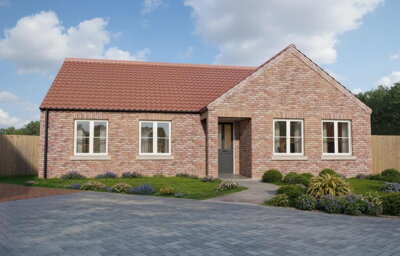
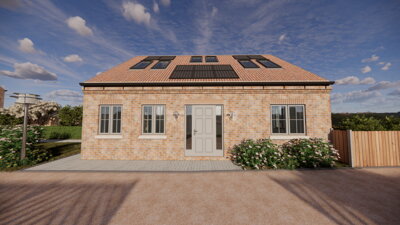
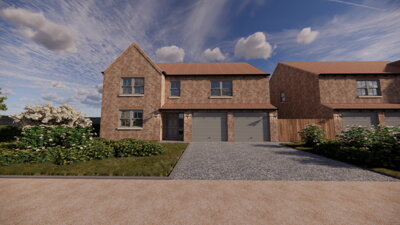
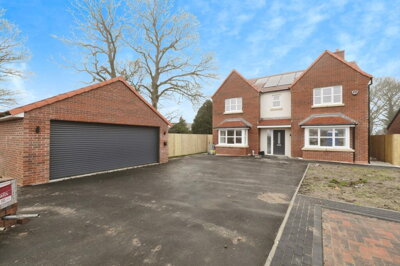
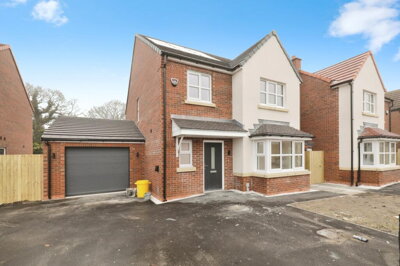
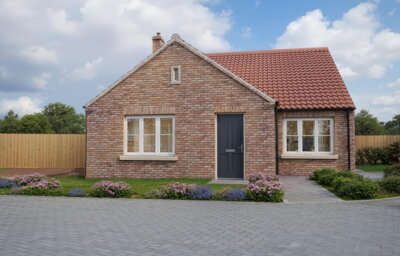
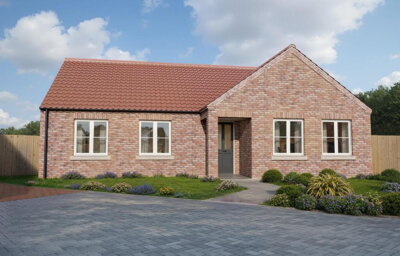
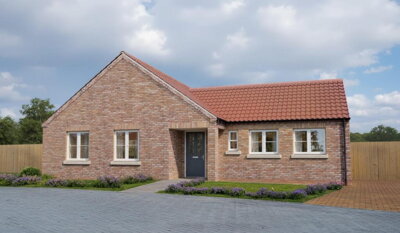
Browse 9 homes new builds in Burn, North Yorkshire from local developer agents.
£395k
7
0
152
Source: home.co.uk
Source: home.co.uk
Bungalow
3 listings
Avg £448,333
Detached
2 listings
Avg £495,000
Detached Bungalow
1 listings
Avg £350,000
Semi-Detached
1 listings
Avg £249,950
Source: home.co.uk
Source: home.co.uk
The Burn property market reflects the broader stability of North Yorkshire's residential sector while offering prices that compare favourably with neighbouring urban areas. Recent data indicates an average sold house price of around £280,384, a figure derived from multiple property portals including Zoopla, Rightmove, and Bricks&Logic. House prices in Burn have risen by approximately 1.1% over the last twelve months, with other indicators showing a 3% increase on the previous year and a welcome 7% rise above the 2022 peak of £278,992. These trends suggest continued confidence in the local market despite broader economic uncertainties affecting the national housing sector.
Property types in Burn cater to diverse buyer requirements, with detached homes commanding the highest average prices at around £449,988. Semi-detached properties average approximately £243,136, while terraced homes represent the most accessible entry point at around £139,472. The most common property type currently listed for sale is the four-bedroom detached house, with asking prices averaging £475,998. This pricing structure makes Burn particularly attractive to families seeking generous living space and outdoor amenities at a fraction of the cost you would expect to pay in comparable villages closer to Leeds or York.
The broader Selby district shows a housing stock dominated by larger properties, with detached homes comprising around 40.1% of the housing stock and semi-detached properties accounting for approximately 35%. Flats represent only 7.4% of homes in the district, making Burn and surrounding villages primarily markets for houses rather than apartments. With 75 properties sold in the past year, transaction volumes indicate active market participation, supporting the case for Burn as a location where properties sell reasonably well when competitively priced and presented.

Burn embodies the classic English village character that draws buyers to rural North Yorkshire, combining peaceful residential streets with practical access to larger towns and cities. The 2011 census recorded a population of 491 residents within the parish, creating an intimate community atmosphere where neighbours often know one another by name. The village falls within the Selby district, which has seen population growth of approximately 10.2% between 2011 and 2021, reflecting increasing recognition of the area's appeal among buyers seeking countryside living without extreme property prices. The Selby district population skews slightly older than the England average, with a median age of 44 years, suggesting a settled community with families and established residents rather than transient populations.
The surrounding landscape of the Selby area is characterised by its flat, low-lying terrain formed by alluvial deposits from the River Aire, which flows nearby and has shaped both the geography and history of the district. The village sits close to the Selby Canal, a Grade II listed culvert tunnel under which representing one of the two designated historic structures within the parish alongside a milestone on the A19 road approximately 100 metres north of Common Lane. While Burn itself is not designated as a Conservation Area, the presence of these listed features adds character and historical interest to the village environment. Local amenities include village facilities within easy walking distance, with the nearby town of Selby providing comprehensive shopping, healthcare, and leisure services for residents.
The local economy of the Selby district contributes to Burn's appeal as a place to live and work. The district is noted as the most industrial area of North Yorkshire, with approximately 19.2% of employees working in manufacturing sectors. Drax Power Station, a major biomass facility located nearby, represents one of the largest employers in the wider region. This economic diversity supports employment opportunities that draw residents to the area without requiring lengthy commutes to larger cities, while Burn's village character provides the quality of life that makes it an attractive proposition for families and professionals alike.

Families considering a move to Burn will find educational provision available across all key stages within reasonable travelling distance of the village. Primary education is accessible through schools in surrounding villages and in Selby itself, with the town offering several primary schools serving the local community. The Selby area has historically maintained good standards of educational achievement, and parents are advised to research individual school Ofsted ratings and catchment areas when planning a move, as admission policies can be competitive in popular schools. Many families choose to view properties before the academic year begins, ensuring they secure places at their preferred establishments.
Secondary education in the area centres on schools in Selby, which provide comprehensive coverage from Year 7 through to Sixth Form. Secondary schools in North Yorkshire offer a broad curriculum and extracurricular activities, preparing students for further education or vocational pathways. For families seeking grammar school provision, the wider North Yorkshire area includes selective schools in towns such as York and Tadcaster, though competition for places can be intense. Parents should note that transport arrangements to schools outside the immediate village may be necessary, and these logistics should form part of the property search criteria when narrowing down potential homes.
The demographics of the Selby district suggest a community that values educational stability, with a higher proportion of residents aged 45-74 compared to the England average. This older demographic profile often correlates with strong community support for local schools and a tradition of educational investment. Families moving to Burn from urban areas may find the pace of school admissions different from city markets, with less competition for places but potentially longer travel times to reach preferred schools. Viewing properties in person and making direct enquiries to schools about current admissions criteria and year group availability helps buyers make informed decisions before committing to a purchase.
One of Burn's most significant advantages is its exceptional road connectivity, placing major employment centres within comfortable commuting distance. The village sits adjacent to the A19 trunk road, providing a direct route north to Selby in approximately eight minutes and south towards Doncaster and beyond. Leeds city centre is reachable in around 40 minutes via the M1 motorway, making Burn a viable option for commuters who work in Yorkshire's largest city but prefer village living. York is accessible in 25 to 30 minutes via the A19 and A64, connecting residents to the historic city centre and its diverse employment opportunities. Goole can be reached in approximately 18 minutes, serving as a local employment centre in its own right.
Public transport options complement the road network, with bus services connecting Burn to surrounding towns and villages. Rail connections are available from Selby railway station, which offers regular services to major destinations including York, Leeds, and London King's Cross, with the capital reachable in approximately two hours. The station provides parking facilities for residents who prefer to use rail for longer journeys, effectively positioning Burn within a multimodal transport network that serves both commuters and leisure travellers. Local cycling infrastructure varies, with rural lanes providing pleasant routes for experienced cyclists while the A19 requires caution during busy periods.
The strategic position of Burn within the Yorkshire transport network makes it particularly attractive to buyers who work in Leeds but wish to avoid the higher property prices of the city itself. The combination of the A19 and M1 provides flexibility for those with unpredictable schedules or who travel to multiple destinations, while the proximity to Selby station opens up possibilities for those working in professional services, finance, or other sectors where rail commuting is practical. Average commute times to York and Leeds position Burn favourably against other commuter villages in the region, and the relative affordability compared to towns closer to these cities represents a significant incentive for buyers prioritising space and value.
Before beginning your property search in Burn, take time to explore the village at different times of day and on different days of the week. Visit local amenities, speak with residents about their experience of living in the area, and familiarise yourself with local property prices and what they buy in this market. Understanding the flood risk areas, particularly around West Lane and the A19, will help you make informed decisions about specific properties.
Contact a mortgage broker or lender to obtain an Agreement in Principle before viewing properties. This document confirms how much you can borrow based on your financial circumstances, strengthening your position when making offers and demonstrating to sellers that you are a serious, financially prepared buyer. With average property prices in Burn around £280,384, most buyers will need mortgage finance to complete their purchase.
Use Homemove to search available properties in Burn and arrange viewings through listed estate agents. During viewings, take careful notes on property condition, ask about the tenure (freehold or leasehold), and enquire about any planned maintenance or improvements to the building. Properties in North Yorkshire may include traditional construction features that benefit from professional assessment.
Once your offer is accepted, arrange a RICS Level 2 Survey before proceeding to exchange contracts. Our inspectors identify any structural issues, defects, or maintenance concerns with the property, providing you with detailed information to negotiate price adjustments if significant problems are discovered. For a typical Burn property, survey costs range from £400 to £500 depending on property size and type, with larger detached homes potentially costing more.
Appoint a solicitor to handle the legal aspects of your purchase, including searches, contract review, and registration with the Land Registry. Your solicitor will coordinate with the seller's legal team, manage the transfer of funds, and ensure all necessary documentation is in order before completion. Factor in additional costs for local searches, which may include drainage and water enquiries relevant to the rural area.
After satisfactory survey results and completed legal work, your solicitor will arrange the exchange of contracts and set a completion date. On completion day, the remaining balance is transferred and you receive the keys to your new Burn home. Ensure buildings insurance is in place from the exchange date, as this protects your investment during the final legal process.
Properties in Burn, like much of rural North Yorkshire, may be constructed from traditional building methods that require careful inspection during the buying process. Many older properties feature solid brick or stone walls using lime-based mortars and plasters, which breathe differently from modern cavity wall construction and may require specific maintenance approaches. Older homes across the region commonly experience issues such as dampness, roof defects, and timber deterioration, so a thorough survey is essential before committing to a purchase. The Selby area's low-lying geology, with potential underlying clay deposits, means that properties may be subject to shrink-swell ground movement, making structural surveys particularly valuable.
Flood risk represents a specific consideration for properties in certain locations within Burn. The village is designated as a Flood Warning Area, particularly affecting properties on West Lane and along the A19 road due to proximity to the River Aire. Six flood warnings have been recorded in the area over recent years, and Burn Airfield has historical evidence of significant flooding reaching two metres in depth along Burn Lane in 1947. The Selby Area Internal Drainage Board works to protect people and property from river and surface water flooding in the low-lying catchment areas, but buyers should obtain flood risk reports for specific properties, check whether the vendor has ever made an insurance claim for flood damage, and consider the potential impact on buildings insurance premiums and future saleability.
The presence of two Grade II listed structures within the parish means that certain properties may be subject to planning restrictions relating to the historic environment. While Burn itself is not a Conservation Area, properties near the listed culvert tunnel or milestone may have considerations affecting alterations or extensions. Always verify planning history and any listed building consent requirements with Selby District Council before proceeding with purchases that involve structural changes or significant renovations. Our team can help arrange the appropriate surveys to identify any issues before you commit to your purchase in Burn.
The average sold house price in Burn, North Yorkshire, is approximately £280,384 according to recent market data compiled from multiple property portals including Zoopla, Rightmove, and Bricks&Logic. Property prices vary significantly by type, with detached homes averaging around £449,988, semi-detached properties at approximately £243,136, and terraced homes at roughly £139,472. The most common property type listed is a four-bedroom detached house with an asking price averaging £475,998. Prices have shown steady growth, increasing by 1.1% over the last twelve months and standing 7% above the 2022 peak of £278,992, indicating a healthy market trajectory for this YO8 village.
Properties in Burn fall under Selby District Council's jurisdiction for council tax purposes. The Selby district uses standard council tax banding from Band A through to Band H, determined by the property's assessed value at the time of the 1991 valuation. Exact bands vary by individual property and can be verified through the Valuation Office Agency website using the property address. Contacting Selby District Council directly provides the most accurate and current information regarding council tax charges for specific properties, and prospective buyers can request this information during the conveyancing process.
Burn is served by primary schools in surrounding villages and the nearby town of Selby, with families advised to research individual school Ofsted ratings and admission catchment areas when planning a move. The Selby area has several primary schools that serve the local community, and parents should verify current performance data as these can change between academic years. Secondary education is available at schools in Selby, which provide education from Year 7 through to Sixth Form, with comprehensive curriculum offerings and extracurricular activities. Grammar school provision exists in nearby towns including York, approximately 25 minutes away, though competition for selective places can be intense and transport arrangements may be necessary.
Burn benefits from regular bus services connecting to Selby and surrounding villages, providing practical public transport options for daily travel within the YO8 postcode area. Selby railway station offers mainline services to York, Leeds, and London King's Cross, with Leeds accessible in approximately two hours by train and the capital in around two hours as well. The village's position adjacent to the A19 provides direct road connectivity to major centres, though car ownership remains advantageous for full flexibility. The combination of road and rail connections positions Burn as a viable commuter location for those working in Leeds, York, or surrounding areas.
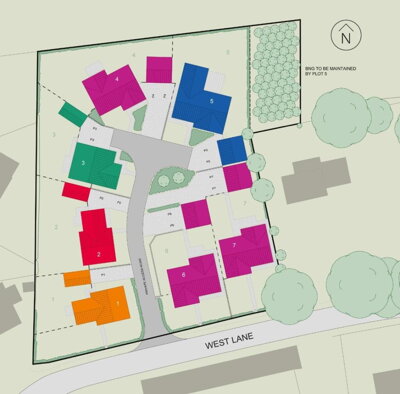
Burn offers several factors that may appeal to property investors, including stable price growth with prices 7% above the 2022 peak, a rural location within commuting distance of major employment centres, and ongoing new build development in the village including Henwick Hall Gardens on West Lane. The Selby district has a growing population projected to increase from 90,620 to nearly 98,696 by 2030, suggesting continued demand for housing in the area. However, buyers should consider specific factors such as flood risk in certain locations including West Lane and the A19, and the rural village character, which may affect rental demand and tenant profiles. A local conveyancing solicitor can advise on any planning considerations that might affect investment plans.
For properties purchased in England, Stamp Duty Land Tax rates from April 2025 start at 0% on the first £250,000 of purchase price, rising to 5% on amounts between £250,001 and £925,000, 10% on the next £575,000, and 12% on any amount above £1.5 million. First-time buyers benefit from increased relief, paying 0% on the first £425,000 and 5% between £425,001 and £625,000. For a typical Burn property at the average price of £280,384, a standard buyer would pay no stamp duty on the first £250,000 and 5% on the remaining £30,384, totalling approximately £1,519.20.
Secure finance before property viewing
From 4.5% APR
Legal services for your property purchase
From £499
Professional survey of the property condition
From £350
Energy performance certificate for your property
From £85
Understanding the full costs of buying a property in Burn extends beyond the purchase price to encompass Stamp Duty, solicitor fees, survey costs, and moving expenses. The Stamp Duty Land Tax rates applicable from April 2025 set the zero-rate threshold at £250,000 for standard buyers, with higher rates applying to portions of the purchase price above this threshold. For a property at the Burn average price of approximately £280,384, a buyer who is not a first-time purchaser would pay duty on £30,384 at 5%, resulting in a Stamp Duty bill of around £1,519. This cost should be factored into your overall budget alongside deposit, mortgage fees, and legal charges.
First-time buyers purchasing in Burn benefit from increased thresholds, paying no Stamp Duty on the first £425,000 and a reduced 5% rate on the portion between £425,001 and £625,000. This means first-time buyers purchasing at or below the Burn average price of £280,384 would pay zero Stamp Duty, representing a significant saving compared to home movers who have previously owned property. Properties above £625,000 do not qualify for first-time buyer relief on any portion of the purchase price. Your solicitor will calculate the exact Stamp Duty liability based on your specific circumstances and ensure payment is made to HMRC within the required timescales following completion.
Additional buying costs to budget for include mortgage arrangement fees typically ranging from £500 to £2,000 depending on the lender and product selected, survey costs for a RICS Level 2 Survey between £400 and £500 for a typical Burn property with prices rising for larger four-bedroom detached homes, conveyancing fees from approximately £500 to £1,500 depending on complexity, and local search fees around £250 to £350 for searches in North Yorkshire. Removal costs vary based on distance and volume of belongings, while buildings insurance should be arranged from the point of contract exchange to protect your investment. Obtaining a mortgage Agreement in Principle before property viewings demonstrates financial readiness to sellers and can strengthen your negotiating position when making offers on properties in this desirable North Yorkshire village.
Properties New Builds In London

Properties New Builds In Plymouth

Properties New Builds In Liverpool

Properties New Builds In Glasgow

Properties New Builds In Sheffield

Properties New Builds In Edinburgh

Properties New Builds In Coventry

Properties New Builds In Bradford

Properties New Builds In Manchester

Properties New Builds In Birmingham

Properties New Builds In Bristol

Properties New Builds In Oxford

Properties New Builds In Leicester

Properties New Builds In Newcastle

Properties New Builds In Leeds

Properties New Builds In Southampton

Properties New Builds In Cardiff

Properties New Builds In Nottingham

Properties New Builds In Norwich

Properties New Builds In Brighton

Properties New Builds In Derby

Properties New Builds In Portsmouth

Properties New Builds In Northampton

Properties New Builds In Milton Keynes

Properties New Builds In Bournemouth

Properties New Builds In Bolton

Properties New Builds In Swansea

Properties New Builds In Swindon

Properties New Builds In Peterborough

Properties New Builds In Wolverhampton

Enter your details to see if this property is within your budget.
Loans, cards, car finance
Estimated property budget
Borrowing + deposit
You could borrow between
Typical borrowing
Monthly repayment
Est. at 4.5%
Loan-to-value
This is an estimate only. Your actual budget may vary depending on interest rates, credit history, and personal circumstances. For an accurate affordability assessment, speak to one of our free mortgage advisors.
This calculator provides estimates for illustrative purposes only and does not constitute financial advice. Your home may be repossessed if you do not keep up repayments on your mortgage. Estimates based on 4.5% interest rate, repayment mortgage. Actual rates depend on your circumstances.
Homemove is a trading name of HM Haus Group Ltd (Company No. 13873779, registered in England & Wales). Homemove Mortgages Ltd (Company No. 15947693) is an Appointed Representative of TMG Direct Limited, trading as TMG Mortgage Network, which is authorised and regulated by the Financial Conduct Authority (FRN 786245). Homemove Mortgages Ltd is entered on the FCA Register as an Appointed Representative (FRN 1022429). You can check registrations at NewRegister or by calling 0800 111 6768.

We use cookies to show you personalised content and improve your experience of our website. Find out more in our Privacy policy and Cookie policy.