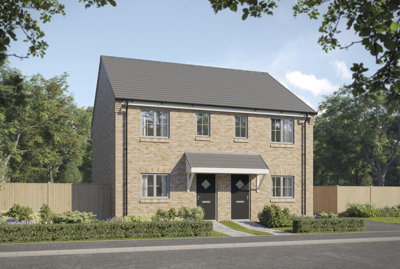
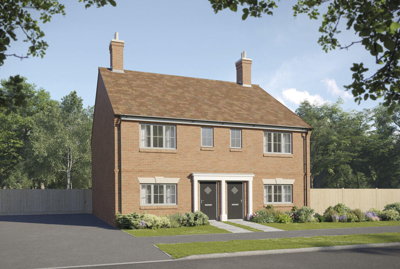
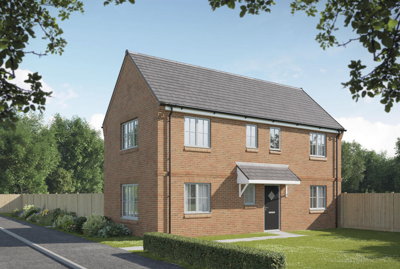
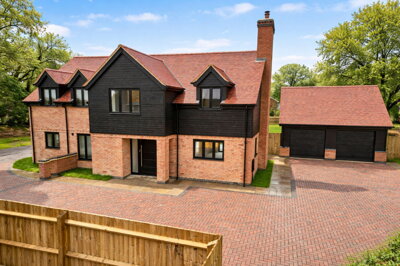
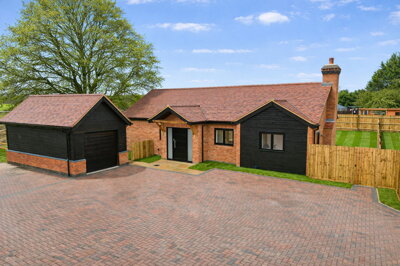
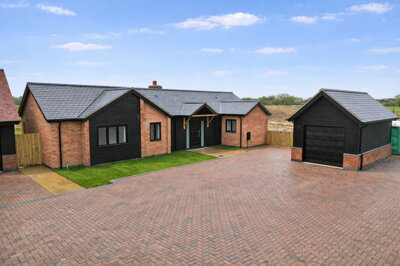
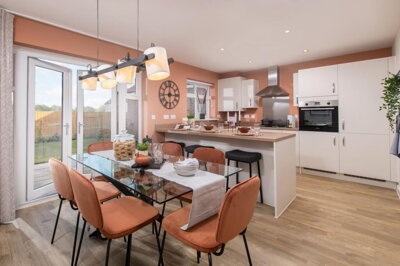
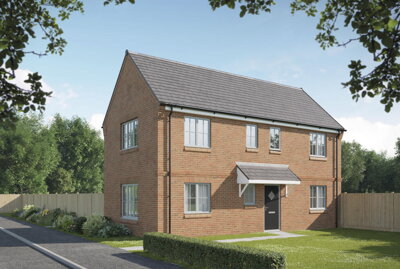
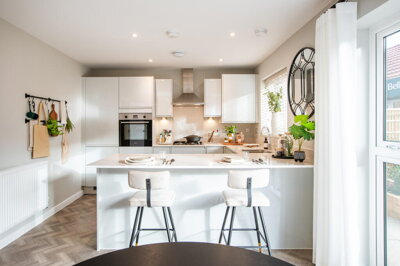
Browse 9 homes new builds in Buckingham, Buckinghamshire from local developer agents.
The Buckingham property market offers detached, semi-detached, and terraced houses spanning various price ranges and neighbourhoods. Each listing includes detailed property information, photographs, and direct contact with the marketing agent.
£420k
111
11
90
Source: home.co.uk
Showing 111 results for Houses new builds in Buckingham, Buckinghamshire. 11 new listings added this week. The median asking price is £420,000.
Source: home.co.uk
Detached
57 listings
Avg £543,946
Semi-Detached
36 listings
Avg £375,554
Terraced
18 listings
Avg £301,832
Source: home.co.uk
Source: home.co.uk
The Durnford property market presents a distinctive picture of rural Wiltshire living at its finest. Property listings in the area include traditional detached cottages, elegant period homes, and conversions that showcase the village's rich architectural heritage. The village forms part of the Great Durnford and Little Durnford civil parishes, with Rightmove and Zoopla currently showing around 17 property results across these areas. Sales data for the SP4 6BA postcode indicates price ranges from £299,292 for three-bedroom freehold houses up to £584,662 for larger five-bedroom family homes, demonstrating the variety available to prospective buyers.
Market trends across Wiltshire show modest growth, with the county experiencing a 1% increase in average prices over the twelve months to December 2025, according to recent analysis. Semi-detached properties in Wiltshire performed particularly well, showing a 4.9% price increase in the year to December 2025, while flat values remained stable. The sales market in postcode SP4 6BA has demonstrated strong long-term performance, rising by 29.1% over the past decade. For those considering new-build options, no specific developments are currently active within Durnford itself, though broader new-build activity in the Salisbury postcode area shows 46 new properties sold recently.
The county-wide sales data reveals broader market dynamics that influence Durnford values. Wiltshire recorded approximately 8,900 property sales in the twelve months to December 2025, though this represents a 15.1% decrease from the previous year. Despite this transaction slowdown, average prices have remained resilient, indicating sustained demand for quality homes in desirable rural locations like Durnford. This combination of stable pricing and reduced transaction volumes suggests a market where serious buyers may find less competition than in previous years, making it an opportune time to secure property in this premium village location.
Property type preferences across Wiltshire show detached homes commanding the highest prices, followed by semi-detached and terraced properties, with flats representing the most affordable entry point into the market. Within Durnford itself, the housing stock skews toward older period properties, with traditional construction methods including solid brick walls, timber frames, and flint features. These older properties often require different considerations during purchase, including specialist surveys to assess condition and potential maintenance requirements.

Durnford embodies the essence of traditional Wiltshire village life, offering residents a peaceful retreat surrounded by rolling countryside and historic architecture. The village sits within the Avon Valley, a designated landscape that provides stunning natural scenery and excellent opportunities for outdoor pursuits including walking, cycling, and fishing along the River Avon. The local geology features characteristic chalk bedrock typical of the Salisbury Plain area, which generally presents low shrink-swell risk for property foundations, though localised superficial deposits may require individual assessment during property surveys.
The architectural character of Durnford reflects its historical roots, with properties predominantly constructed from traditional local materials including flint and brick. Evidence of this can be seen in listings such as Flint Cottage in Little Durnford, which exemplifies the charming period homes that define the village's streetscape. The village's historic nature strongly suggests the presence of a Conservation Area designation and numerous listed buildings, meaning buyers should be aware of potential planning restrictions when considering renovations or extensions. Community life in Durnford centres around traditional village amenities, with residents enjoying the close-knit atmosphere that has been preserved despite proximity to larger towns.
The population of Durnford benefits from a genuine sense of community that is increasingly rare in modern Britain. Village events, local pubs, and community groups provide regular opportunities for residents to connect and build lasting relationships. For families, this creates an ideal environment for children to grow up, with supervised outdoor play opportunities and a support network of neighbours. The village's proximity to larger towns means residents can access additional amenities when needed while returning to the peace and quiet of countryside living each day.
Employment opportunities for Durnford residents are diverse, with many locals commuting to nearby Salisbury, Amesbury, or other employment centres along the A303 corridor. The strategic location provides access to a range of sectors including healthcare, education, retail, and professional services. Some residents work from home, taking advantage of the peaceful environment and modern connectivity, while others maintain smallholdings or work in agricultural roles that remain important to the local economy. The village's proximity to major road networks makes commuting practical while preserving the rural lifestyle that makes Durnford so desirable.
Families considering a move to Durnford will find a selection of educational options within reasonable travelling distance. The village falls within the Wiltshire local education authority area, which operates a network of primary and secondary schools across the county. Primary education is typically provided through village schools in the surrounding area, with secondary schooling available at schools in nearby towns such as Amesbury and Salisbury. Parents should research specific catchment areas and admission arrangements, as these can significantly impact school placement for children relocating to the village.
The wider Wiltshire education landscape includes several highly-regarded primary and secondary schools, with the county maintaining strong academic standards across its educational institutions. For families requiring primary school provision, schools in the surrounding villages and Amesbury area provide accessible options for Durnford residents, with journey times typically manageable by car. Secondary education options in Amesbury include schools with established reputations, while Salisbury offers additional choices including grammar schools and comprehensive schools with sixth form provision.
For families requiring sixth form or further education provision, Salisbury offers multiple options including established secondary schools with sixth forms and Salisbury College, which provides a wide range of vocational and academic courses. The college offers courses across various disciplines, from A-levels to vocational qualifications, serving students from across Wiltshire including those living in outlying villages like Durnford. School transport arrangements and accessibility should factor into family decisions about property location within the village, particularly for secondary and sixth form students who will need reliable transportation to educational facilities.
Given the village's premium property market and rural character, school accessibility and catchment details should be factored into property searches, particularly for families with children of primary or secondary school age. The Wiltshire Council school admissions portal provides detailed information about catchment areas, oversubscription criteria, and transportation options for families living in rural communities. Prospective buyers should verify current school placements and admission policies before committing to a property purchase, as school catchment boundaries can change and competition for places in popular schools can be intense.
Durnford benefits from strategic positioning within Wiltshire that balances rural tranquility with practical connectivity. The village lies near the A303, one of the South West's primary arterial routes, providing straightforward access to destinations including Southampton, Winchester, and the wider motorway network beyond. For rail travel, the mainline station at Salisbury offers regular services to major cities including London Waterloo, Bristol, and Southampton, with journey times to the capital typically taking around 90 minutes. This makes Durnford particularly attractive to commuters who work in larger urban centres but wish to enjoy countryside living.
Local bus services operate in the surrounding area, connecting Durnford with nearby towns and villages for daily essentials and social activities. Bus routes serving Amesbury and Salisbury provide options for those who prefer not to drive, though service frequencies may be limited compared to urban areas. The A345 provides additional road connectivity towards Marlborough and the northern parts of Wiltshire. For those who work locally, the proximity of Amesbury and its associated employment opportunities adds to Durnford's appeal as a place to live and work.
Road infrastructure in the surrounding area continues to improve, with the A303 remaining a focus for upgrades that will enhance journey times to the South Coast and beyond. The village's position relative to major employment centres makes car ownership essential for most residents, with adequate parking at home becoming an important consideration when viewing properties. Period properties and traditional cottages in the village may have limited off-street parking, which should be assessed during property viewings. Cycle routes and footpaths provide sustainable options for local journeys, with many residents choosing to cycle to nearby towns when weather permits.
Explore current listings in Durnford and understand price trends. The village's property market shows prices ranging significantly depending on property type and size, with the SP4 6BA postcode showing values between £299,292 and £584,662 for family homes. Review recent sales data and register with local estate agents to receive alerts about new properties coming to market.
Before viewing properties, obtain a mortgage agreement in principle from a lender. This strengthens your position when making offers and demonstrates serious intent to sellers in this competitive rural market. Contact multiple lenders or use a mortgage broker to compare rates and find the best deal for your circumstances.
Visit properties that match your requirements, paying attention to the village's traditional construction methods including flint and brick builds. Properties near the River Avon should be carefully assessed for flood risk considerations. Take photographs and notes during viewings to help compare properties later in the decision-making process.
Given Durnford's older property stock, commission a RICS Level 2 Survey to identify any defects common in period properties such as damp, timber issues, or outdated electrics. This typically costs from £350 depending on property value. A thorough survey is particularly important for older properties that may have hidden structural or maintenance issues.
Appoint a conveyancing solicitor to handle the legal aspects of your purchase. They will conduct searches specific to Wiltshire, check for any planning restrictions related to conservation areas, and manage the transfer of ownership. Ensure your solicitor has experience with rural and period properties to anticipate potential complications.
Once all searches are satisfactory and mortgages are approved, exchange contracts with the seller and set a completion date. Your solicitor will transfer the remaining funds to complete your purchase of your new Durnford home. Arrange building insurance and utility connections before moving day to ensure a smooth transition.
Purchasing property in Durnford requires careful consideration of several factors specific to this historic Wiltshire village. The first major consideration involves the village's likely Conservation Area status and listed building designations, which can impose restrictions on modifications, extensions, and even external paintwork. Buyers should obtain listed building consent records from Wiltshire Council before committing to a purchase, as compliance with heritage regulations can significantly affect renovation plans and costs. Properties such as Flint Cottage demonstrate the traditional construction methods that characterise the village, and these period features often require specialist maintenance knowledge.
Flood risk represents another important factor for properties in Durnford, given the village's location in the Avon Valley adjacent to the River Avon. Properties closer to the river should be thoroughly assessed for past flooding history, current flood defences, and appropriate insurance coverage. A comprehensive RICS Level 2 Survey can identify any existing water damage or drainage concerns that might not be immediately apparent during viewings. Additionally, the chalk geology of the surrounding area generally offers good foundation conditions, but localised variations in superficial deposits warrant professional assessment, particularly for older properties that may have experienced ground movement over time.
The village's traditional construction materials including flint and brick require specific maintenance approaches, often involving lime mortar rather than modern cement products. Prospective buyers should investigate the condition of roofs on older properties, as slipped tiles and deteriorating felt are common issues in period homes. Electrical and plumbing systems in older Durnford properties may not meet current standards, so budgeting for potential upgrades should form part of your purchase planning. Service charges and leasehold arrangements on any flats or retirement properties should be carefully reviewed, with particular attention to reserve fund contributions and upcoming maintenance plans.
Our inspectors frequently identify damp issues in Durnford properties, including rising damp in solid wall constructions and penetrating damp affecting exposed flint elevations. Timber defects also appear regularly, with woodworm and wet or dry rot affecting structural elements in older homes. We check roof structures thoroughly, as deterioration of timber rafters and replacement of slipped or broken tiles represent common maintenance requirements. Outdated electrical wiring and plumbing systems requiring upgrading also feature prominently in our surveys of local period properties, and budgeting for these improvements should form part of any purchase decision.
The average sold house price in Great Durnford over the past year is approximately £1,930,000, though this figure may be influenced by a small number of premium property sales. For more typical family homes within the SP4 6BA postcode area, average prices sit around £468,387, with three-bedroom properties starting from approximately £299,292 and larger five-bedroom homes reaching up to £584,662. The broader Wiltshire county average stands at £338,000 according to recent ONS data, though Durnford's premium village location consistently commands prices above this county average due to its desirable rural character and historic properties.
Properties in Durnford fall under Wiltshire Council's jurisdiction for council tax purposes. Bands range from A through to H depending on property value, with most traditional village homes likely falling in bands C through E. You can verify the specific band for any property through the Wiltshire Council website or by checking the property listing details. Council tax payments fund local services including education, waste collection, and road maintenance across the county.
Durnford is served by Wiltshire's education system, with primary schools located in nearby villages and towns. Secondary education is available at schools in Amesbury and Salisbury, with several achieving good or outstanding Ofsted ratings. For specific school performance data and catchment area information, prospective buyers should consult Wiltshire Council's school admissions pages or the government school performance tables. School transport arrangements for families living in rural villages like Durnford should be verified before committing to a purchase.
Durnford has limited public transport options, with local bus services connecting the village to nearby towns including Amesbury and Salisbury. The nearest mainline railway station is in Salisbury, offering regular services to London Waterloo, Bristol, and Southampton. For commuting purposes, the village is well-served by road via the A303 and A345, making car ownership effectively essential for most residents. Cycle routes and footpaths provide sustainable options for local journeys when weather and distance permit.
Durnford offers strong appeal for property investment given its rural character, historic village atmosphere, and proximity to major employment centres. Wiltshire has shown resilient property values with a 1% price increase over the past year and 29.1% growth over the past decade in the local postcode area. The village's likely Conservation Area status and traditional housing stock help preserve property values, while demand from buyers seeking countryside living continues to support the market. Rental yields in rural Wiltshire tend to be modest compared to urban areas, but capital appreciation and lifestyle benefits make Durnford attractive for long-term investment.
Stamp Duty Land Tax rates for standard purchases start at 0% on the first £250,000 of property value, then 5% on the portion between £250,001 and £925,000. Properties priced between £925,001 and £1.5 million incur 10% stamp duty, with 12% applying above £1.5 million. First-time buyers benefit from relief on the first £425,000, paying 5% between £425,001 and £625,000, with no relief above that threshold. Always verify current thresholds with HMRC or your solicitor, as rates and thresholds can change with each budget announcement.
Properties in Durnford, particularly those close to the River Avon, carry a degree of river flooding risk due to the village's location in the Avon Valley. Surface water flooding can also occur in certain areas following heavy rainfall. Properties in the village should be assessed individually, and prospective buyers should request flood history information from sellers and verify insurance availability before completing a purchase. Flood risk assessments and appropriate insurance coverage should form part of any purchase decision for properties in this riverside village.
Understanding the full costs of purchasing property in Durnford is essential for budgeting effectively, particularly given the village's premium property market. The primary additional cost beyond your property purchase price is Stamp Duty Land Tax, which applies at graduated rates depending on the property value and your buyer status. For a typical family home priced around £468,387 in the local market, a standard buyer would pay stamp duty on approximately £218,387 above the nil-rate threshold, resulting in a tax liability of around £10,919. First-time buyers purchasing properties under £625,000 may benefit from first-time buyer relief, potentially reducing this cost significantly.
Beyond stamp duty, buyers should budget for solicitor conveyancing fees, which typically start from around £499 for straightforward transactions but can increase for leasehold properties, those with complex titles, or purchases involving conservation area restrictions. Property surveys represent another important cost, with RICS Level 2 Surveys starting from approximately £350 for standard properties but costing more for larger or period homes. Given Durnford's traditional building stock, a thorough survey is particularly valuable to identify potential issues with flint and brick construction, older roof structures, or timber defects that might not be visible during viewings.
Removal costs, potential renovation works, and furnishing should also be factored into your complete buying budget. Older properties may require updates to electrical systems, plumbing, or heating systems to meet modern standards, and these costs can be substantial. Energy efficiency improvements may also be necessary to bring period properties up to comfortable living standards, though such works can enhance both the property value and your quality of life once you move in. Planning these costs carefully helps ensure a smooth transition to your new Durnford home without unexpected financial strain.
Properties New Builds In London

Properties New Builds In Plymouth

Properties New Builds In Liverpool

Properties New Builds In Glasgow

Properties New Builds In Sheffield

Properties New Builds In Edinburgh

Properties New Builds In Coventry

Properties New Builds In Bradford

Properties New Builds In Manchester

Properties New Builds In Birmingham

Properties New Builds In Bristol

Properties New Builds In Oxford

Properties New Builds In Leicester

Properties New Builds In Newcastle

Properties New Builds In Leeds

Properties New Builds In Southampton

Properties New Builds In Cardiff

Properties New Builds In Nottingham

Properties New Builds In Norwich

Properties New Builds In Brighton

Properties New Builds In Derby

Properties New Builds In Portsmouth

Properties New Builds In Northampton

Properties New Builds In Milton Keynes

Properties New Builds In Bournemouth

Properties New Builds In Bolton

Properties New Builds In Swansea

Properties New Builds In Swindon

Properties New Builds In Peterborough

Properties New Builds In Wolverhampton

Enter your details to see if this property is within your budget.
Loans, cards, car finance
Estimated property budget
Borrowing + deposit
You could borrow between
Typical borrowing
Monthly repayment
Est. at 4.5%
Loan-to-value
This is an estimate only. Your actual budget may vary depending on interest rates, credit history, and personal circumstances. For an accurate affordability assessment, speak to one of our free mortgage advisors.
This calculator provides estimates for illustrative purposes only and does not constitute financial advice. Your home may be repossessed if you do not keep up repayments on your mortgage. Estimates based on 4.5% interest rate, repayment mortgage. Actual rates depend on your circumstances.
Homemove is a trading name of HM Haus Group Ltd (Company No. 13873779, registered in England & Wales). Homemove Mortgages Ltd (Company No. 15947693) is an Appointed Representative of TMG Direct Limited, trading as TMG Mortgage Network, which is authorised and regulated by the Financial Conduct Authority (FRN 786245). Homemove Mortgages Ltd is entered on the FCA Register as an Appointed Representative (FRN 1022429). You can check registrations at NewRegister or by calling 0800 111 6768.

We use cookies to show you personalised content and improve your experience of our website. Find out more in our Privacy policy and Cookie policy.