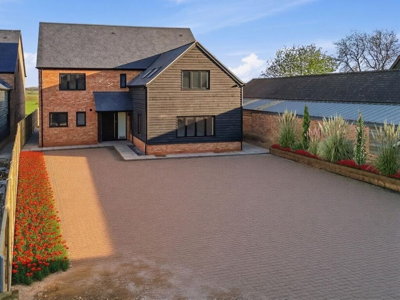
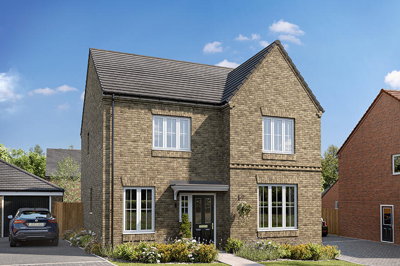
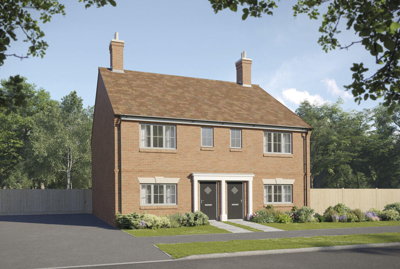
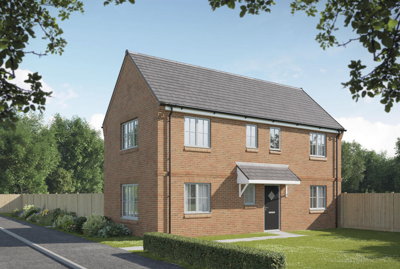
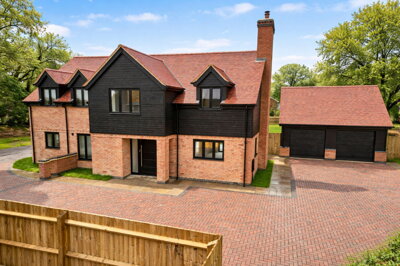
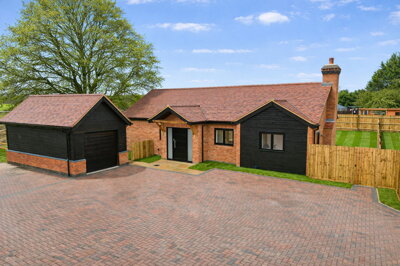
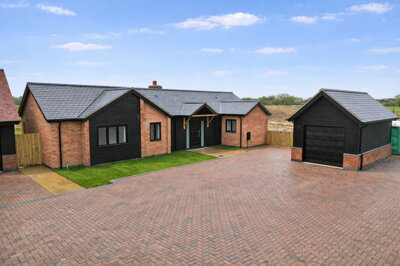
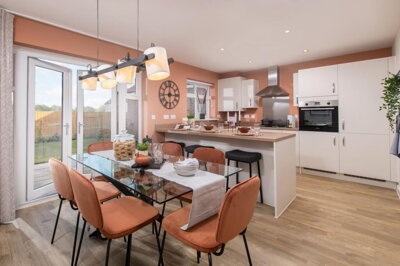
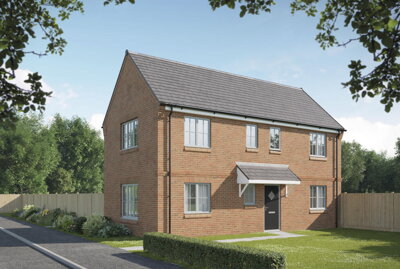
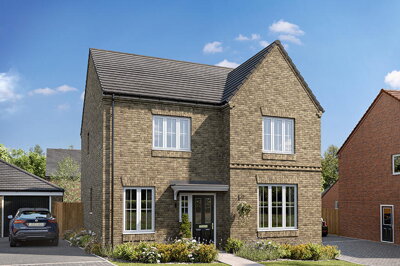
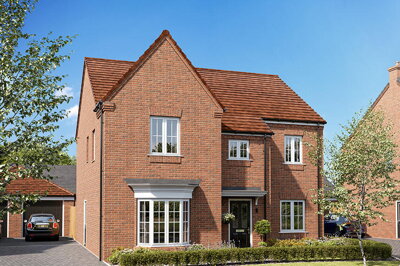
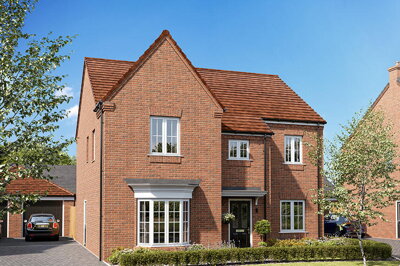
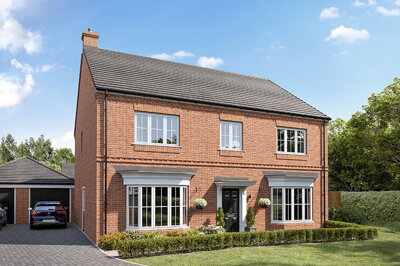
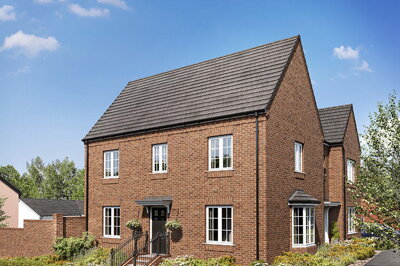
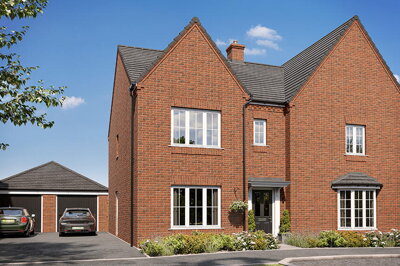
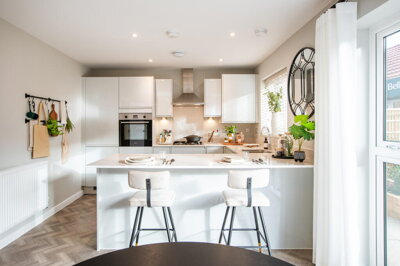
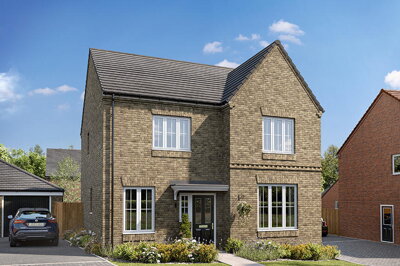
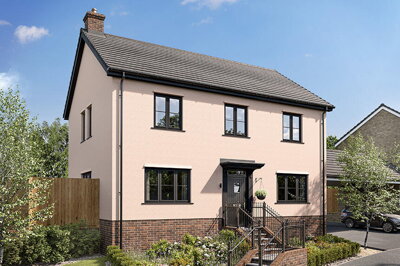
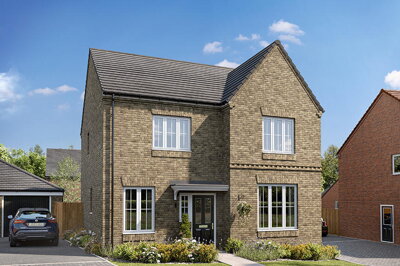
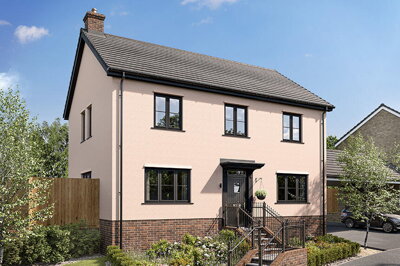
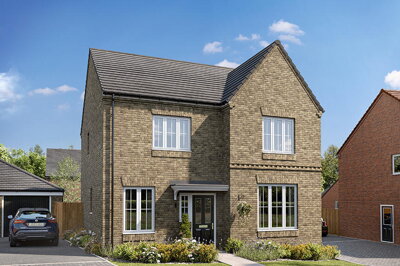
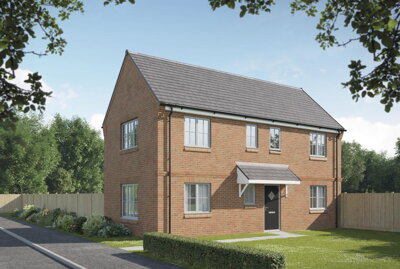
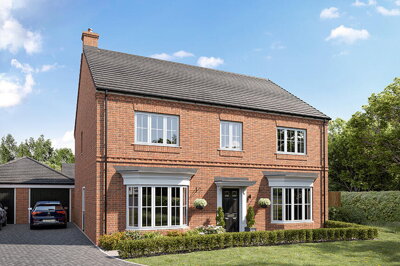
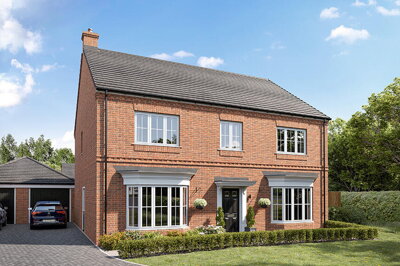
Browse 27 homes new builds in Buckingham, Buckinghamshire from local developer agents.
£380k
161
10
121
Source: home.co.uk
Source: home.co.uk
Detached
52 listings
Avg £546,153
Semi-Detached
34 listings
Avg £378,380
Terraced
18 listings
Avg £301,832
Apartment
16 listings
Avg £230,156
End of Terrace
7 listings
Avg £335,714
Flat
7 listings
Avg £198,286
Ground Flat
4 listings
Avg £194,375
Link Detached House
4 listings
Avg £364,975
Town House
4 listings
Avg £391,248
House
3 listings
Avg £606,667
Source: home.co.uk
Source: home.co.uk
The Durnford property market reflects the character of the village itself - traditional, distinctive, and increasingly sought after by buyers who appreciate rural Wiltshire living. Our current listings showcase the variety available in this historic parish, from handsome flint and brick cottages to substantial detached family homes. The postcode area SP4 6BA, which covers parts of Great Durnford, shows sale prices ranging from £299,292 for three-bedroom freehold houses up to £584,662 for five-bedroom freehold houses, demonstrating the breadth of options available to buyers at different price points.
Property trends in the wider Wiltshire market show steady growth, with average prices increasing by approximately 1% over the twelve months to December 2025, according to recent data. Semi-detached properties in Wiltshire have performed particularly well, rising by 4.9% in the year to December 2025, while detached properties continue to command premium prices. The county saw 8,900 property sales in 2025, though this represented a 15.1% decrease compared to the previous year as fewer properties came to market. For buyers considering Durnford specifically, the village's limited supply of homes creates a competitive environment where well-presented properties in good locations can achieve strong prices.
The historic nature of Durnford means that new-build properties are exceptionally rare within the village itself, with most housing stock dating from the 18th and 19th centuries or earlier. This scarcity of modern housing has pushed prices firmly in favour of sellers, particularly for character properties with original features intact. The sales market in postcode SP4 6BA has increased by 29.1% over the last decade, significantly outpacing national averages and reflecting the enduring appeal of village life in this part of Wiltshire.

Durnford is a village that rewards those who choose to make it home, offering an enviable quality of life surrounded by the rolling chalk downland of Wiltshire. The village sits in the Avon Valley, with the River Avon flowing gently through the parish and providing a habitat for wildlife that draws nature enthusiasts throughout the year. The local geology, dominated by the chalk bedrock typical of Salisbury Plain, creates the distinctive landscape of rolling hills, ancient meadows, and dry valleys that make this part of Wiltshire so recognisable. Walking routes from the village connect to the broader network of public footpaths that criss-cross the area, offering miles of scenic exploration.
The village community remains active and welcoming, with traditional events bringing residents together throughout the year. Local amenities in nearby Great Durnford include a popular pub where locals gather, while the nearby military town of Tidworth and the larger settlements of Amesbury and Salisbury provide access to supermarkets, healthcare facilities, and a wider range of services. The presence of traditional flint and brick construction throughout the village, exemplified by properties like Flint Cottage in Little Durnford, gives the area an architectural cohesion and charm that newer developments simply cannot match. Families appreciate the safe lanes for cycling, the clean air, and the sense of space that village life in Durnford provides.
Much of Durnford falls within a designated Conservation Area, reflecting its importance as a historic settlement where traditional building methods and materials have been preserved. Properties here benefit from the architectural continuity that comes from generations of builders using locally sourced materials, primarily the distinctive combination of flint and brick that characterises the best Wiltshire villages. This heritage designation helps maintain property values by ensuring that new development respects the existing character, though it also means that any alterations or extensions may require planning permission with particular attention to materials and design.
Education is a key consideration for families moving to Durnford, and the surrounding area offers a good selection of schools at all levels. Primary education is available at schools in nearby villages, with St. Mary's First School and other village primaries serving the local community and receiving positive reports from families in the area. The rural nature of Durnford means that school transport arrangements are important to investigate before purchasing, as catchment areas and bus routes can affect daily routines considerably.
Secondary education in the area is well served by schools in Amesbury and Salisbury, with several establishments offering a range of GCSE and A-Level programmes. Families should note that some Wiltshire secondary schools operate a selective intake system, so understanding which schools serve the Durnford postcode area is essential for planning purposes. For families seeking independent education, Salisbury offers several well-regarded private schools within reasonable commuting distance. Parents buying in Durnford should contact Wiltshire Council's education department to confirm current catchment areas, as these can change and may affect which school their children would attend.
The journey to school from Durnford typically involves travel by car or school bus, with primary-aged children usually qualifying for free transport to their nearest suitable school if they live beyond the statutory walking distance. Secondary school pupils may also be eligible for transport assistance depending on the distance to their allocated school and the availability of suitable public transport routes. Many families find that the appeal of Durnford's rural lifestyle more than compensates for the additional travel time involved in school runs, particularly when compared to the benefits of countryside living with its outdoor learning opportunities and safe environment for children.
Durnford benefits from its position between the A303, one of England's most important trunk roads, and the cathedral city of Salisbury, making it surprisingly well-connected for a small rural village. The A303 provides direct access to Southampton and the south coast, as well as connections to the M3 towards London and the west country beyond Andover. For commuters working in Salisbury, the journey takes approximately 20-30 minutes by car, while the journey to Southampton takes around an hour depending on traffic conditions. The proximity to these major routes makes Durnford practical for those who need to travel regularly for work while enjoying the benefits of countryside living.
Public transport options from Durnford include bus services connecting the village to Salisbury and surrounding towns, though these operate on limited timetables typical of rural Wiltshire. The mainline railway station at Salisbury offers direct services to London Waterloo, with journey times of approximately 90 minutes, making day trips to the capital perfectly feasible. For air travel, Southampton Airport is within reasonable driving distance, providing connections to UK destinations and some European routes. Cyclists will appreciate the quiet country lanes that make Durnford an excellent base for cycling enthusiasts, though the local terrain includes some challenging hills.
Broadband connectivity in Durnford varies across the village, with some properties benefiting from faster fibre connections while others rely on standard broadband services. Mobile phone coverage can also be inconsistent in parts of the village due to its rural location, though signal strength generally improves closer to main roads. Buyers should verify current broadband speeds at specific properties before committing to a purchase, as working from home has become increasingly important and poor connectivity could affect the viability of Durnford as a primary residence for those with significant remote working requirements.
Before committing to a purchase, spend time exploring Durnford at different times of day and week. Visit the local pub, walk the village lanes, and speak with residents to understand what daily life is really like. Check broadband speeds and mobile signal coverage, as these can vary significantly in rural villages. Given the village's conservation area status, also consider how any planned improvements might interact with planning requirements.
Contact a mortgage broker to obtain an Agreement in Principle before viewing properties. This strengthens your position when making an offer and demonstrates to sellers that you are a serious, capable buyer. Factor in all costs including stamp duty, solicitor fees, surveys, and moving expenses. Given that average prices in SP4 6BA stand at £468,387, most buyers will need substantial deposits and should factor in the additional costs of purchasing an older property that may require immediate maintenance or renovation.
When viewing homes in Durnford, remember that many properties will be older construction requiring different maintenance approaches than modern homes. Look beyond cosmetic decoration to assess the condition of roofs, windows, and original features. Properties here may have unique characteristics like thatched roofs, septic tanks, or flint and brick construction that require specific knowledge. Pay particular attention to the condition of lime mortar pointing, which is common in traditional Wiltshire buildings and requires different treatment than modern cement-based mortars.
Given that many Durnford properties are likely to be pre-1919 construction, a thorough RICS Level 2 Survey is essential. This home buyer's report will identify any structural issues, damp problems, or timber defects common in older properties, giving you the information needed to negotiate on price or request repairs before completion. For properties of particular age or character, a RICS Level 3 Building Survey may be more appropriate as it provides a more detailed assessment of construction and defects.
Your solicitor will handle all legal aspects of the purchase, including searches with Wiltshire Council, checks on title deeds, and coordination with your mortgage lender. Choose a solicitor with experience in rural Wiltshire properties, as local knowledge can help identify issues specific to village homes. Flood risk assessments should be requested for properties near the River Avon, and searches should investigate any rights of way or easements that might affect the property.
Once all searches are satisfactory and your mortgage offer is confirmed, you will exchange contracts and pay your deposit. Completion typically follows within 2-4 weeks, after which you will receive the keys to your new Durnford home. Budget for potential post-completion costs such as connection fees for utilities, insurance for older properties, and any immediate repairs identified during the survey process.
Properties in Durnford are predominantly older constructions, which means buyers should pay particular attention to issues commonly found in traditional Wiltshire buildings. The use of flint and brick construction, often with lime mortar rather than modern cement, requires specific maintenance knowledge. Thatched roofs, while highly attractive, require specialist insurance and regular maintenance from experienced craftspeople. When viewing properties, look carefully for signs of damp, which can be particularly problematic in solid-walled buildings that were constructed before modern damp-proof courses became standard practice.
The chalk geology underlying much of Durnford generally presents a low shrink-swell risk, meaning that ground movement from clay soils is less of a concern here than in many other areas of England. However, superficial deposits and localised conditions can still cause foundation issues, particularly where drainage has been poor or where trees are present close to buildings. Our surveyors routinely check for signs of settlement or movement in older properties, as even small cracks can indicate foundation problems that may be expensive to rectify. Properties built on or near the river valley may have deeper foundations or different construction approaches that reflect the alluvial ground conditions.
The River Avon flows through the Durnford area, and properties located near the river carry a potential flood risk that buyers should investigate thoroughly. Check the government's flood risk maps for the specific property address, and ask the seller about any historical flooding incidents. Insurance premiums can be significantly higher for properties in flood risk zones, so obtaining quotes before completing is advisable. Rural properties in Durnford may also have private drainage systems such as septic tanks rather than being connected to mains sewerage, which carries ongoing maintenance responsibilities and potential costs. The presence of a septic tank or private water supply should be confirmed during the conveyancing process, as these can involve significant ongoing costs and regulatory requirements.
The average sold house price in Great Durnford over recent months is around £1,930,000, though this figure is based on a limited number of transactions and may be skewed by high-value properties. More representative data for the SP4 6BA postcode area shows an average sale value of £468,387, with prices for three-bedroom homes starting around £299,000 and five-bedroom properties reaching approximately £584,000. Wiltshire county overall has a median house price of £300,000, with average prices in the county increasing by approximately 1% over the past year. The limited supply of traditional properties in Durnford means that prices for character homes with good original features tend to command a premium over modern equivalents.
Properties in Durnford fall under Wiltshire Council's jurisdiction for council tax purposes. Specific band distributions in the village will vary depending on property values, but most traditional cottages and family homes in rural Wiltshire typically fall into bands C through E. The village's mix of smaller period cottages and larger detached family homes means that council tax bands in Durnford can range from band B for some smaller properties up to band F or G for the most substantial homes. You can check the specific council tax band for any property by using the government valuation office website or contacting Wiltshire Council directly.
Primary schools in nearby villages serve the Durnford community, with several receiving positive feedback from local families. Secondary education options in the area include schools in Amesbury and Salisbury, with some operating catchment areas that include the Durnford postcode. Families should verify current catchment arrangements with Wiltshire Council's education department, as these can affect which school children are allocated. The proximity to Salisbury means that families have access to several well-regarded secondary schools including grammar schools for academically able pupils. Independent schooling options in Salisbury provide additional choices for parents seeking private education, with several established private schools offering both primary and secondary programmes.
Durnford has limited public transport options typical of a small rural village, with bus services connecting to Salisbury and surrounding towns on reduced timetables. The mainline railway station in Salisbury offers direct services to London Waterloo in approximately 90 minutes. For commuting purposes, the village is better suited to those with cars, with the A303 providing excellent road connections to the wider region. The nearest major airports are Southampton and Bristol, both offering domestic and international flights. Many residents of Durnford find that the A303 corridor provides convenient access to employment centres throughout the south, with the journey to Southampton taking approximately an hour and journeys to the M25 corridor achievable within two hours during off-peak periods.
Durnford and the surrounding rural Wiltshire villages have historically shown steady property value growth, with the wider county experiencing a 1% price increase over the past year and a 3.4% rise according to Office for National Statistics data. The sales market in SP4 6BA has increased by 29.1% over the last decade, demonstrating strong long-term capital growth. The limited supply of properties in this sought-after village, combined with strong demand from buyers seeking rural lifestyles, suggests that well-priced homes here should hold their value. Properties with land, traditional features, or good access to Salisbury command particular premiums in the current market. For investors, the rental market in rural Wiltshire is less developed than in urban areas, so capital appreciation may be the primary return expectation rather than rental yield.
Stamp duty land tax on a property purchase in Durnford depends on the price paid and your buyer status. Standard rates for 2024-25 apply zero percent duty on the first £250,000 of purchase price, five percent between £250,000 and £925,000, ten percent between £925,000 and £1.5 million, and twelve percent above £1.5 million. First-time buyers benefit from relief on the first £425,000, with five percent applying between £425,000 and £625,000. Given that average prices in Durnford exceed £468,000, most purchases will attract stamp duty at the five percent rate on the amount above £250,000, meaning a typical property costing around £468,000 would incur approximately £10,900 in stamp duty.
Properties in Durnford should be checked carefully for flood risk, particularly those located near the River Avon which flows through the village. The river valley location means that some properties carry a risk of river flooding, which can affect insurance costs and future saleability. Surface water flooding can also occur after heavy rainfall, particularly in areas with poor drainage. The chalk geology of the surrounding hills means that groundwater flooding is generally less of a concern than in other areas, but localised conditions can vary. Buyers should obtain specialist flood risk reports for specific properties and factor potential insurance implications into their budget calculations. Properties with a history of flooding should be viewed with particular caution, and professional surveys should specifically assess any water damage or damp issues that may be present.
From 4.5%
Find competitive mortgage rates for your Durnford purchase
From £499
Expert property solicitors for your Durnford purchase
From £350
Thorough property survey for older Durnford homes
From £60
Energy performance certificate for Durnford properties
Purchasing a property in Durnford involves several costs beyond the purchase price that buyers should budget for carefully. Stamp duty land tax represents the most significant additional cost, and at current Durnford prices, many purchases will attract duty at the five percent rate on the portion of price above £250,000. For a typical £468,000 property, this would amount to approximately £10,900 in stamp duty. First-time buyers may benefit from relief on the first £425,000, reducing this cost, though higher-value purchases will still incur substantial duty. The threshold for higher rates of stamp duty for additional properties begins at £40,000, so those buying a second home or buy-to-let property in Durnford should budget for an additional three percent on the entire purchase price.
Additional buying costs include solicitor fees for conveyancing, typically ranging from £500 to £1,500 depending on complexity and whether the property is freehold or leasehold. Given that many Durnford properties are older and may have complex titles or unusual features, legal costs can be higher than in standard transactions. Survey costs for a RICS Level 2 Survey on an older Durnford property would typically start from around £350 to £600 depending on property size, with larger or more complex properties requiring more expensive Level 3 surveys. An Energy Performance Certificate costs from £60 to £120, though older properties in Durnford often have lower ratings given their traditional construction and lack of modern insulation. Land Registry fees, mortgage arrangement fees, and moving costs should also be factored in. Buyers should aim to have approximately 5-10 percent of the purchase price available beyond the mortgage amount to cover these additional expenses comfortably.

Properties New Builds In London

Properties New Builds In Plymouth

Properties New Builds In Liverpool

Properties New Builds In Glasgow

Properties New Builds In Sheffield

Properties New Builds In Edinburgh

Properties New Builds In Coventry

Properties New Builds In Bradford

Properties New Builds In Manchester

Properties New Builds In Birmingham

Properties New Builds In Bristol

Properties New Builds In Oxford

Properties New Builds In Leicester

Properties New Builds In Newcastle

Properties New Builds In Leeds

Properties New Builds In Southampton

Properties New Builds In Cardiff

Properties New Builds In Nottingham

Properties New Builds In Norwich

Properties New Builds In Brighton

Properties New Builds In Derby

Properties New Builds In Portsmouth

Properties New Builds In Northampton

Properties New Builds In Milton Keynes

Properties New Builds In Bournemouth

Properties New Builds In Bolton

Properties New Builds In Swansea

Properties New Builds In Swindon

Properties New Builds In Peterborough

Properties New Builds In Wolverhampton

Enter your details to see if this property is within your budget.
Loans, cards, car finance
Estimated property budget
Borrowing + deposit
You could borrow between
Typical borrowing
Monthly repayment
Est. at 4.5%
Loan-to-value
This is an estimate only. Your actual budget may vary depending on interest rates, credit history, and personal circumstances. For an accurate affordability assessment, speak to one of our free mortgage advisors.
This calculator provides estimates for illustrative purposes only and does not constitute financial advice. Your home may be repossessed if you do not keep up repayments on your mortgage. Estimates based on 4.5% interest rate, repayment mortgage. Actual rates depend on your circumstances.
Homemove is a trading name of HM Haus Group Ltd (Company No. 13873779, registered in England & Wales). Homemove Mortgages Ltd (Company No. 15947693) is an Appointed Representative of TMG Direct Limited, trading as TMG Mortgage Network, which is authorised and regulated by the Financial Conduct Authority (FRN 786245). Homemove Mortgages Ltd is entered on the FCA Register as an Appointed Representative (FRN 1022429). You can check registrations at NewRegister or by calling 0800 111 6768.

We use cookies to show you personalised content and improve your experience of our website. Find out more in our Privacy policy and Cookie policy.