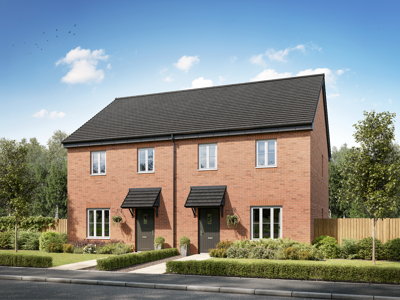
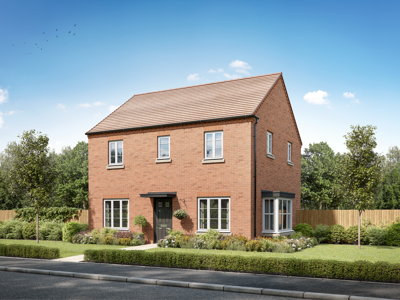
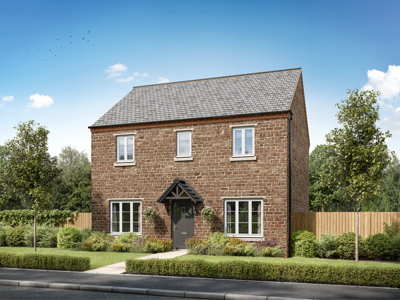
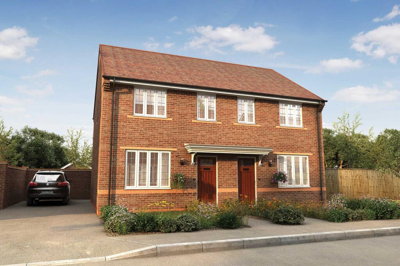
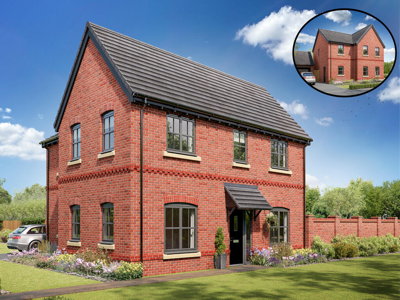
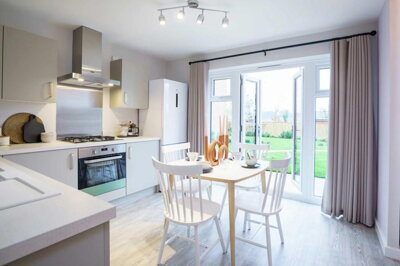
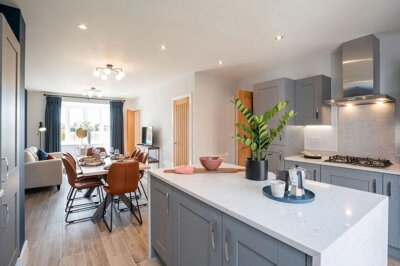
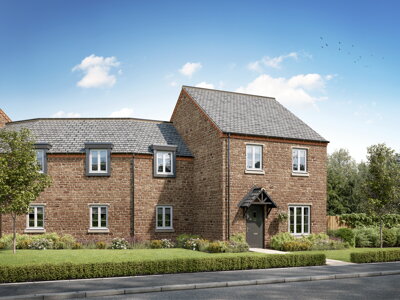
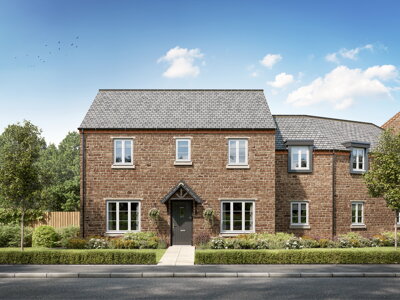
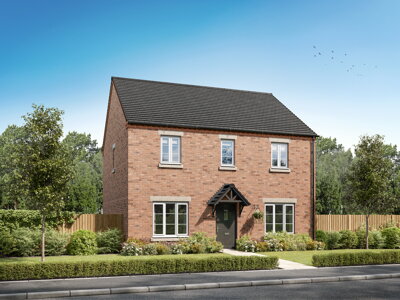
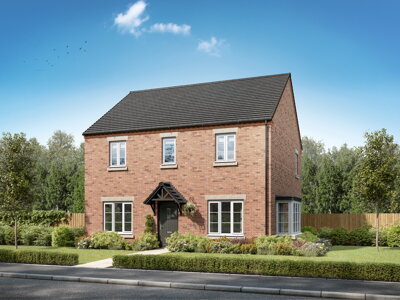
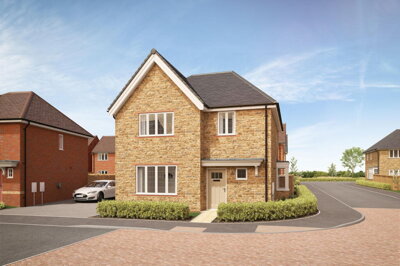
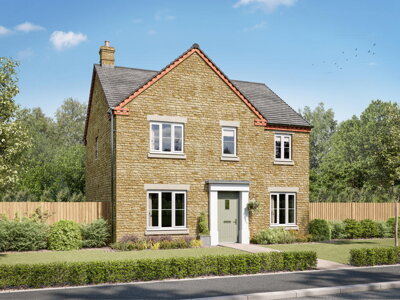
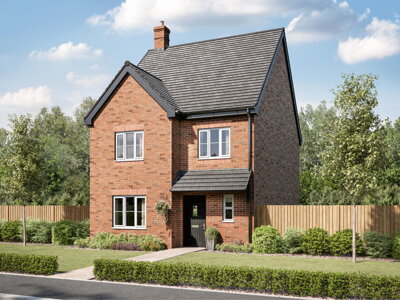
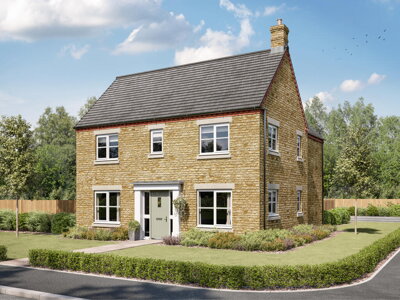
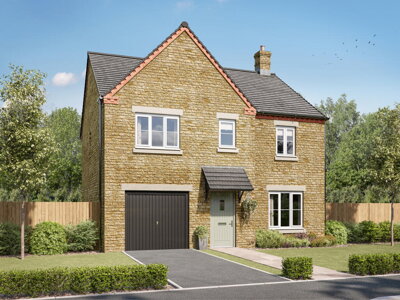
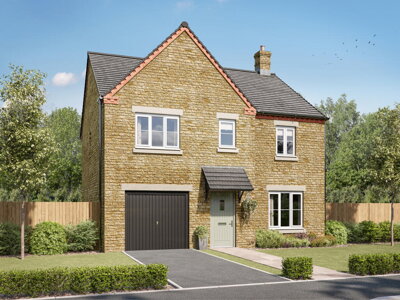
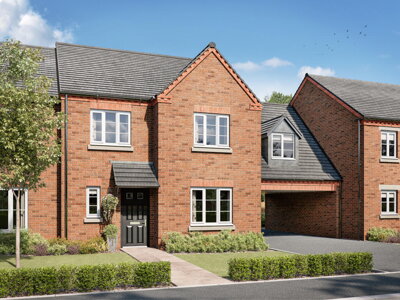
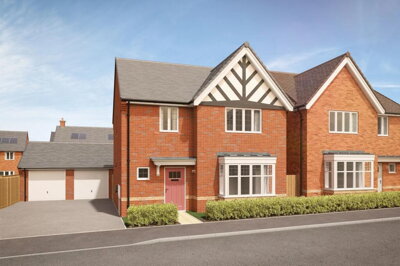
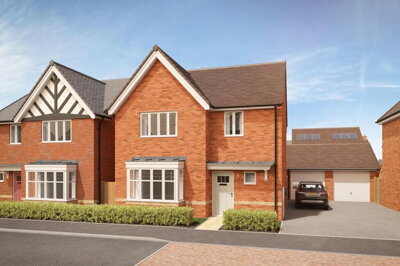
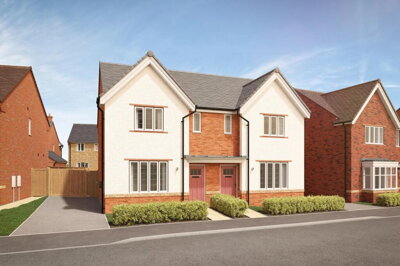
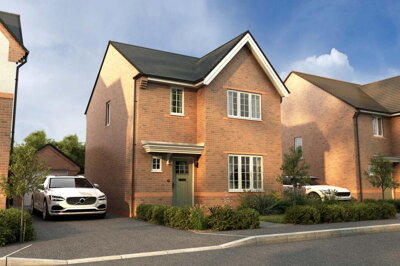
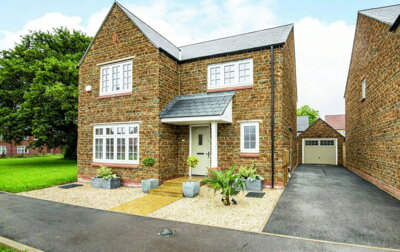
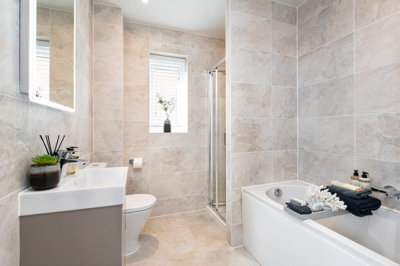
Browse 26 homes new builds in Broughton from local developer agents.
The Broughton property market offers detached, semi-detached, and terraced houses spanning various price ranges and neighbourhoods. Each listing includes detailed property information, photographs, and direct contact with the marketing agent.
The Potterne property market offers a diverse range of housing types to suit various buyer requirements and budgets. Detached properties dominate the local housing stock, accounting for 52.1% of all homes, with the average price for this property type standing at £528,958. These generous family homes often occupy substantial plots and benefit from the rural setting, providing ample outdoor space that is highly sought after by buyers escaping urban life. The village's mix of architectural styles, from traditional stone cottages to more recent brick-built developments, ensures that there is something to appeal to different tastes and preferences.
Semi-detached properties represent the second largest segment at 27.5% of the housing stock, with average prices around £332,692, making them an accessible option for first-time buyers and growing families seeking more space than a terraced property can offer. Terraced homes, comprising 15.3% of properties with an average price of £265,000, provide an affordable entry point into this desirable village location. Flats and apartments are less common in Potterne at just 5.1% of the market, with average prices around £195,000, and tend to be found within conversions of period properties or small modern developments. Our data shows that prices in Potterne have remained relatively stable over the past 12 months, with a modest 1% decrease across all property types, suggesting a resilient market that has not experienced the volatility seen in some larger towns.
The village's Conservation Area status means that buyers should be aware of planning restrictions that may apply to certain properties, particularly those seeking to extend or alter historic homes. No new-build developments have been verified within the immediate Potterne postcode area, though similar properties can be found in nearby Devizes. This scarcity of new supply means that buyers seeking modern finishes may need to consider renovated older properties or properties in neighbouring areas. The 30 property sales recorded over the past 12 months indicate a steady level of market activity, with buyers recognising the long-term appeal of this Wiltshire village as both a place to live and an investment.

Life in Potterne offers a quintessentially English rural experience, combining the peace and quiet of countryside living with practical access to larger towns and cities. The village centre features a Conservation Area that protects much of the historic architecture, including the impressive Grade I listed Church of St Mary, which serves as a focal point for the community and the village's long history. The village pub provides a traditional setting for locals to socialise, while the nearby shop supplies everyday essentials, reducing the need for frequent trips to larger towns. Community events throughout the year, from summer fetes to Christmas gatherings, bring residents together and foster the strong neighbourly spirit that defines village life here.
The surrounding Wiltshire countryside offers excellent opportunities for walking, cycling, and outdoor pursuits, with footpaths crossing fields and linking Potterne to neighbouring villages. The geology of the area includes Upper Greensand, Gault Clay, and Kimmeridge Clay, which contribute to the distinctive landscape of rolling hills and farmland that characterises this part of Wiltshire. While the presence of clay geology can affect local gardening conditions, the fertile soils support productive agricultural land and attractive rural scenery. The nearby Kennet and Avon Canal passes close to Potterne, providing additional recreational opportunities for boating, fishing, and scenic walks along the towpath.
For larger shopping trips, cultural activities, and additional amenities, residents typically travel to Devizes, approximately 3 miles away, where they find a wider selection of shops, restaurants, and leisure facilities. The market town of Devizes hosts regular markets and community events, serving as the commercial hub for the surrounding villages. Salisbury and Swindon are also accessible for those seeking a broader range of employment opportunities, retail therapy, or cultural attractions, with good road connections via the A360 and A342 making these destinations reachable for commuters. The village's primarily residential character, with limited local employment, means that most working residents commute to nearby towns, making the transport links an important consideration for those moving to Potterne.

Education provision in Potterne caters to families with children of various ages, starting with the village primary school that serves the local community. Primary-aged children can attend school within the village, reducing the need for daily travel and allowing younger children to establish friendships within the local community from an early age. For secondary education, students typically travel to schools in nearby towns such as Devizes, where several secondary schools and academies serve the wider area. Parents should research specific school catchments and admission arrangements, as these can vary and may influence property choices in the village and surrounding areas.
The presence of good schools in the surrounding area makes Potterne an attractive location for families seeking a rural lifestyle without compromising on educational opportunities. Several secondary schools in the Devizes area have achieved strong Ofsted ratings, providing parents with reassurance about the quality of education available to older children. For families considering private education, several independent schools are located within reasonable driving distance, including institutions in Salisbury and the Swindon area. Sixth form provision is available in nearby towns, with colleges and school sixth forms offering a range of academic and vocational courses for students completing their secondary education.
Early years childcare and preschool facilities are important considerations for families with very young children, and Potterne benefits from local provision that allows parents to balance childcare with village life. Parents are encouraged to visit potential schools, meet staff, and understand admission policies before committing to a property purchase, as school catchment areas can significantly impact daily family routines. The village setting provides a safe and nurturing environment for children to grow up, with ample outdoor space and a strong sense of community that many families find invaluable. Estate agents local to the area often report that school catchment information is among the most frequently requested details from buyers with children.
Transport connectivity from Potterne centres primarily on road networks, with the A360 providing direct access to Devizes and connecting to the wider road network beyond. The A342 also passes nearby, offering an alternative route to Devizes and connections to the A4 and other major roads serving the region. For residents who commute by car, the journey to Devizes takes approximately 10-15 minutes, while Swindon is accessible in around 35-40 minutes depending on traffic conditions. Salisbury can be reached in approximately 30-35 minutes by car, making these major employment centres viable options for daily commuters who prefer to live in a village setting.
Public transport options serving Potterne are limited, reflecting the rural nature of the village, with bus services providing connections to Devizes and surrounding villages. Those relying on public transport should check current timetables and service frequencies, as rural bus routes often operate less frequently than urban services. The nearest railway stations are located in nearby towns, with Westbury and Pewsey offering rail connections to London, Bristol, and the south coast. For air travel, Bristol Airport and Southampton Airport are both accessible within approximately 90 minutes by car, providing international travel options for residents who need to fly regularly.
Cycling infrastructure in the area varies, with rural lanes providing scenic but sometimes narrow routes for confident cyclists. The nearby Kennet and Avon Canal towpath offers a traffic-free route for cyclists and walkers, connecting Potterne to Devizes and beyond for those who prefer to travel without a car. Parking in the village is generally good, with most properties benefiting from off-street parking or garages, addressing a common concern for residents of more urban areas. Commuters considering Potterne should factor in the practicalities of their specific journey requirements, including transport options for school runs, shopping trips, and social activities that may be harder to manage without a car.
Understanding the construction methods and materials used in Potterne properties helps buyers appreciate the character of homes here while identifying potential maintenance considerations. The village features a diverse range of building styles, from traditional stone cottages constructed with local greensand or limestone to brick-built properties that became more common in the inter-war and post-war periods. Render finishes are also prevalent, particularly on older properties where they were applied over solid wall construction to provide weather protection. Many homes within the Conservation Area retain their original architectural features, including sash windows, fireplaces, and exposed beam ceilings that contribute to the village's distinctive character.
The predominant construction methods reflect the age of much of the housing stock, with older properties typically featuring solid wall construction rather than the cavity walls found in modern buildings. Solid walls, common in properties built before the mid-20th century, require different approaches to insulation and moisture management compared to newer homes. Timber floor joists were standard in period properties, and these can be susceptible to damp or timber defects if not properly maintained. Traditional pitched roofs with slate or tile coverings are the norm throughout Potterne, though the age of these roofs varies considerably depending on when they were last replaced or renovated.
Given that a substantial proportion of Potterne homes are over 50 years old, likely exceeding well over half the housing stock given the Conservation Area and listed buildings present, buyers should expect to encounter typical age-related issues during their property search. Outdated electrical wiring, often not meeting current standards, is common in properties that have not been rewired in recent decades. Similarly, plumbing systems in older homes may feature galvanised steel or lead pipes that require eventual replacement. A thorough survey before purchase can identify these hidden issues and help buyers budget for necessary upgrades, ensuring they understand the true cost of owning a character property in this attractive Wiltshire village.
Environmental factors play an important role in property purchases throughout Wiltshire, and Potterne is no exception. The underlying geology of the area includes Gault Clay and Kimmeridge Clay, which present a shrink-swell risk to building foundations when moisture levels fluctuate. This type of clay is common across parts of Wiltshire and can cause foundation movement, particularly during periods of drought followed by heavy rainfall or vice versa. Properties with large trees close to the building are especially susceptible, as tree roots extract moisture from the clay soil, potentially causing subsidence or heave that manifests as cracking in walls or sticking doors and windows.
Surface water flood risk affects certain areas of Potterne, particularly lower-lying parts of the village near watercourses and drainage channels. While Potterne does not sit directly on a major river, smaller streams and ditches can contribute to localised flooding after heavy rainfall. The Environment Agency flood risk maps are freely available online and allow prospective buyers to check the specific flood risk for any property address. Properties with large gardens should be inspected for signs of poor drainage or standing water after heavy rainfall, as these conditions can indicate underlying issues with surface water management that may require attention. Our team always recommends discussing environmental risk assessments with your chosen survey provider.
There is no significant history of coal mining or other deep mining activity in the immediate Potterne area that would typically pose a widespread structural risk to properties. As an inland village, Potterne is not subject to coastal erosion concerns that affect properties in more exposed coastal locations. The combination of clay geology, local topography, and drainage patterns means that buyers should focus their environmental due diligence on foundation risks and surface water management rather than mining or coastal issues. A professional survey can assess these specific risks and provide guidance on any remedial measures that may be needed for individual properties.
Before searching for properties in Potterne, obtain a mortgage agreement in principle from a lender to understand your budget. This strengthens your position when making offers and demonstrates to sellers that you are a serious buyer. Our mortgage comparison tool can help you find competitive rates suited to your circumstances, with products available from 3.99% depending on your deposit and financial situation.
Spend time exploring Potterne, visiting the village at different times of day, checking local amenities, and understanding the area's character. Speak to residents, visit the local pub, and get a feel for whether the village suits your lifestyle and commuting requirements. Our listings provide detailed information about properties currently available, including those within the Conservation Area and the various property types from terraced homes to substantial detached houses.
Work with local estate agents to arrange viewings of properties that match your criteria. Take someone with you for a second opinion, and note any concerns about the property's condition, especially for older homes in the Conservation Area. Ask about planning history and any relevant permissions, particularly for properties that may have undergone recent alterations or extensions.
For properties over 50 years old, or those showing signs of wear, we strongly recommend a RICS Level 2 Survey to assess the condition thoroughly. Given Potterne's clay geology and the number of period properties in the village, a professional survey can identify potential issues with foundations, damp, or structural movement before you commit to purchase. Survey costs in the SN10 area typically range from £400 to £800 depending on property size and complexity.
Once your offer is accepted, instruct a conveyancing solicitor to handle the legal aspects of your purchase. They will conduct searches, handle contracts, and coordinate with the seller's solicitor to ensure a smooth transaction. Our conveyancing service connects you with experienced property solicitors who understand the local market and can advise on matters specific to Wiltshire properties, including Conservation Area requirements.
Your solicitor will guide you through the exchange of contracts, when your deposit becomes payable and the completion date is set. On completion day, the remaining funds are transferred and you receive the keys to your new home in Potterne. Register with local services, settle into village life, and enjoy everything this attractive Wiltshire community has to offer.
Properties in Potterne span a wide range of ages and construction types, from traditional stone cottages within the Conservation Area to more modern brick-built homes on the village outskirts. When viewing properties, pay close attention to the construction materials and methods used, as older properties often feature solid wall construction that may require different insulation approaches compared to modern cavity-wall homes. The local geology includes clay formations that can cause foundation movement, so look for signs of cracking, sticking doors or windows, and subsidence indicators, particularly around mature trees or areas of inconsistent ground conditions.
The presence of clay soils means that potential buyers should investigate drainage and foundation details carefully, especially for detached properties with larger roof spans that may be more susceptible to movement. Surface water flood risk affects certain parts of Potterne, particularly lower-lying areas near watercourses and drainage channels, so check the Environment Agency flood risk maps and ask the seller about any historical flooding issues. Properties with large gardens should be inspected for signs of poor drainage or standing water after heavy rainfall, as these can indicate underlying issues with the local water table or surface water management. Our data shows that many buyers underestimate the importance of these environmental factors when purchasing rural properties.
For listed buildings within the Conservation Area, be aware that any modifications or extensions require planning permission and may need to respect strict conservation guidelines that preserve the property's historic character. Service charges and ground rent apply to any leasehold properties, which are more common for flats and apartments, so understand these ongoing costs before proceeding. Older properties may have outdated electrical systems, plumbing, and insulation, so factor potential renovation costs into your budget when comparing properties. A thorough RICS Level 2 Survey can identify these issues and provide negotiating leverage if repairs are needed before purchase.
Given the age and character of much of Potterne's housing stock, prospective buyers should familiarise themselves with the types of defects commonly found in local properties. Damp issues are among the most frequently encountered problems, particularly rising damp in solid wall properties where the original damp-proof course may have failed or never existed. Penetrating damp can affect roofs and walls where pointing has deteriorated or lead flashing has corroded, while condensation-related issues are common in properties lacking adequate ventilation, especially during winter months when windows remain closed.
Roof condition requires careful assessment across all property ages in Potterne. Older roofs may suffer from slipped tiles, degraded pointing on ridge tiles, or felt that has deteriorated over time. Where properties have been extended, junction details between original and added structures often reveal defects if not properly addressed. Timber defects including woodworm infestation and both wet and dry rot can affect roof structures, floor joists, and window frames, particularly in properties where timbers have been exposed to persistent damp. Our team has seen numerous cases where seemingly minor timber issues have required substantial remedial work costing thousands of pounds if not identified before purchase.
Drainage problems manifest in various ways throughout the village, from poor surface water management in gardens to aging underground drainage systems that may be constructed of materials no longer considered acceptable. Properties connected to private drainage systems rather than mains sewerage require particular scrutiny, as septic tanks and treatment systems have ongoing maintenance requirements and regulatory obligations. The combination of clay soils and heavy rainfall can overwhelm aging drainage systems, leading to damp problems within properties or standing water in gardens. A comprehensive survey should assess both the visible property and any drainage or drainage-adjacent elements that could give rise to future expense.
The average property price in Potterne currently stands at £408,034 according to recent market data from Rightmove. Detached properties command the highest prices, averaging £528,958, while semi-detached homes average £332,692 and terraced properties average £265,000. Flats and apartments, which represent only 5.1% of the housing stock, average around £195,000. Prices have remained relatively stable over the past 12 months, with a modest 1% decrease across all property types, suggesting a resilient local market that continues to attract buyers seeking village living in Wiltshire.
Properties in Potterne fall under the Wiltshire Council local authority for council tax purposes. Specific bandings depend on the property's assessed value, with most homes in the village likely falling within bands B through E given the mix of property sizes and ages present. You can check the specific band for any property through the Valuation Office Agency website or by contacting Wiltshire Council directly. Council tax payments fund local services including education, waste collection, and road maintenance, all of which residents of Potterne benefit from despite the village's smaller population.
Potterne has a primary school serving the local community, providing education for children in the early years of schooling. For secondary education, students typically attend schools in nearby Devizes, which offers several options including schools with strong academic records and good Ofsted ratings. Parents should research specific catchment areas and admission criteria, as these can affect which schools your child can access based on your property location. Private and independent school options are available within reasonable driving distance in towns such as Salisbury and Devizes, catering to families seeking alternative educational approaches.
Public transport options in Potterne are limited due to its rural village location, with bus services providing the primary public transport link to nearby towns including Devizes. The nearest railway stations are located in surrounding towns such as Westbury and Pewsey, offering connections to major cities including London and Bristol. For daily commuting, most working residents rely on private cars, making reliable vehicle access essential for those considering a move to the village. The A360 and A342 roads provide reasonable access to larger employment centres, though journey times should be factored into any relocation decision.
Potterne offers several factors that may appeal to property investors, including its proximity to larger towns like Devizes, its attractive Conservation Area setting, and a relatively stable local market with modest price movements. The village's primarily residential character means rental demand may be driven by commuters seeking more affordable housing than nearby towns can offer. Properties in Conservation Areas with historic character can hold their value well, particularly if well-maintained, though potential investors should be aware of planning restrictions that may limit certain types of development or alteration.
Stamp Duty Land Tax rates for residential properties start at 0% on the first £250,000 of purchase price, rising to 5% on the portion between £250,001 and £925,000. For properties priced between £925,001 and £1.5 million, the rate is 10%, with 12% applying to any value above £1.5 million. First-time buyers benefit from increased thresholds, paying 0% on the first £425,000 and 5% between £425,001 and £625,000, though this relief does not apply above £625,000. With the average Potterne property price at £408,034, many buyers purchasing at or near the average price would pay minimal stamp duty, particularly first-time buyers who may pay nothing.
Period properties in Potterne, particularly those within the Conservation Area or listed buildings, require careful consideration before purchase. Solid wall construction, common in older properties, can present challenges with insulation and moisture management that buyers should understand before committing. The clay geology underlying much of the village means that properties with mature trees nearby or those with potentially inadequate foundations may be susceptible to subsidence or heave movement. We recommend a thorough RICS Level 2 Survey for any period property purchase, and for listed buildings, a more comprehensive Level 3 Building Survey may be appropriate given the specialist construction and historic significance involved.
Surface water flood risk affects certain parts of Potterne, particularly lower-lying areas near watercourses and drainage channels. While Potterne is not located on a major river that would present significant fluvial flooding risk, smaller streams and ditches can contribute to localised surface water accumulation after heavy rainfall. The Environment Agency provides free online flood risk maps that allow buyers to check the specific risk for any property address. Properties with large gardens or those in valley locations require particular attention, and we recommend asking sellers about any historical flooding incidents and reviewing the property's drainage arrangements carefully before purchase.
Understanding the full costs of buying a property in Potterne extends beyond the purchase price to include stamp duty, legal fees, survey costs, and moving expenses. For properties in this Wiltshire village, the average price of £408,034 means that many buyers purchasing at or near this level will incur relatively modest stamp duty bills, particularly if they qualify as first-time buyers. The government sets thresholds that determine how much SDLT you pay, with the 0% rate applying to the first £250,000 of a residential property purchase for standard buyers. These thresholds can significantly impact the total cost of acquisition and should be factored into your budget from the outset.
First-time buyers benefit from more generous thresholds, paying 0% on the first £425,000 and 5% on the portion between £425,001 and £625,000, which means many first-time buyers purchasing properties at or below the Potterne average would pay no stamp duty at all. However, first-time buyer relief does not apply to purchases above £625,000, so those buying more expensive detached properties averaging £528,958 may need to budget for SDLT. Your solicitor will calculate the exact amount due based on your circumstances and the property purchase price, and this amount must be paid within 14 days of completing your purchase.
Additional buying costs include survey fees, with RICS Level 2 Surveys in the Potterne area typically ranging from £400 to £800 depending on property size and complexity. Given that many properties in Potterne are over 50 years old and may have underlying issues related to the local clay geology or period construction, a professional survey is money well spent to identify any structural concerns before committing to purchase. Conveyancing costs typically start from around £499 for straightforward transactions, though complex purchases involving listed buildings or leasehold properties may cost more. Moving costs, furniture purchases, and any immediate renovation works should also be budgeted for to avoid financial surprises after completing your purchase in this attractive Wiltshire village.
From 3.99%
Finding the right mortgage is essential when purchasing in Potterne. Compare rates and find competitive deals to suit your circumstances.
From £499
Expert property solicitors to handle your legal work. Our approved partners understand local property transactions in Wiltshire.
From £400
A comprehensive inspection of the property condition before you buy. Essential for older properties and those in Potterne's Conservation Area.
From £80
Energy Performance Certificate required for all property sales. Get yours arranged quickly through our approved assessors.
Properties New Builds In London

Properties New Builds In Plymouth

Properties New Builds In Liverpool

Properties New Builds In Glasgow

Properties New Builds In Sheffield

Properties New Builds In Edinburgh

Properties New Builds In Coventry

Properties New Builds In Bradford

Properties New Builds In Manchester

Properties New Builds In Birmingham

Properties New Builds In Bristol

Properties New Builds In Oxford

Properties New Builds In Leicester

Properties New Builds In Newcastle

Properties New Builds In Leeds

Properties New Builds In Southampton

Properties New Builds In Cardiff

Properties New Builds In Nottingham

Properties New Builds In Norwich

Properties New Builds In Brighton

Properties New Builds In Derby

Properties New Builds In Portsmouth

Properties New Builds In Northampton

Properties New Builds In Milton Keynes

Properties New Builds In Bournemouth

Properties New Builds In Bolton

Properties New Builds In Swansea

Properties New Builds In Swindon

Properties New Builds In Peterborough

Properties New Builds In Wolverhampton

Enter your details to see if this property is within your budget.
Loans, cards, car finance
Estimated property budget
Borrowing + deposit
You could borrow between
Typical borrowing
Monthly repayment
Est. at 4.5%
Loan-to-value
This is an estimate only. Your actual budget may vary depending on interest rates, credit history, and personal circumstances. For an accurate affordability assessment, speak to one of our free mortgage advisors.
This calculator provides estimates for illustrative purposes only and does not constitute financial advice. Your home may be repossessed if you do not keep up repayments on your mortgage. Estimates based on 4.5% interest rate, repayment mortgage. Actual rates depend on your circumstances.
Homemove is a trading name of HM Haus Group Ltd (Company No. 13873779, registered in England & Wales). Homemove Mortgages Ltd (Company No. 15947693) is an Appointed Representative of TMG Direct Limited, trading as TMG Mortgage Network, which is authorised and regulated by the Financial Conduct Authority (FRN 786245). Homemove Mortgages Ltd is entered on the FCA Register as an Appointed Representative (FRN 1022429). You can check registrations at NewRegister or by calling 0800 111 6768.

We use cookies to show you personalised content and improve your experience of our website. Find out more in our Privacy policy and Cookie policy.