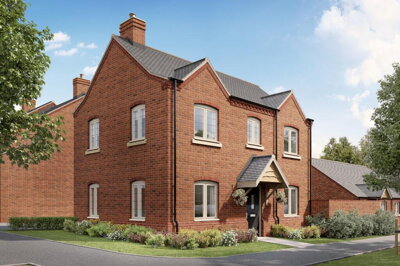
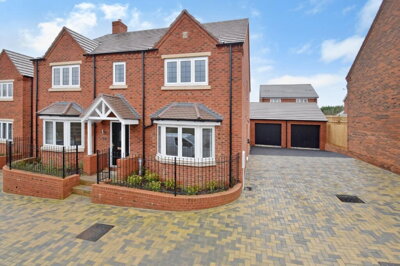
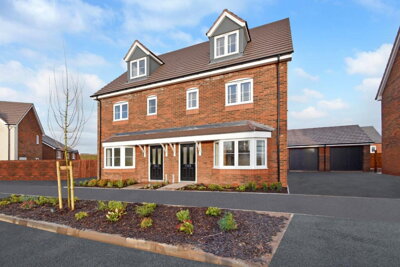
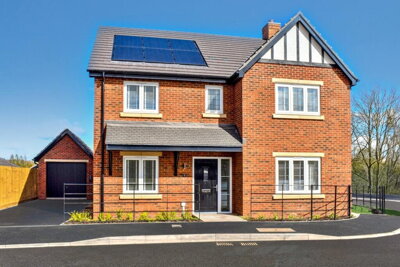
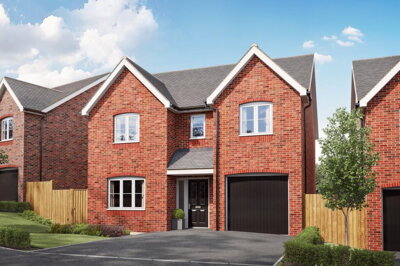
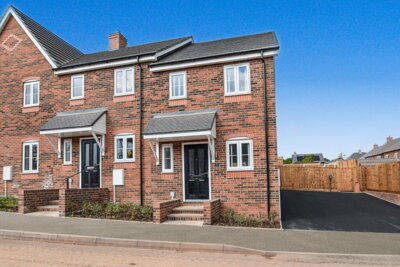
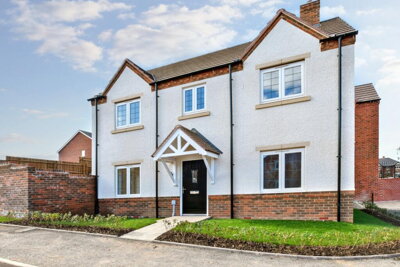
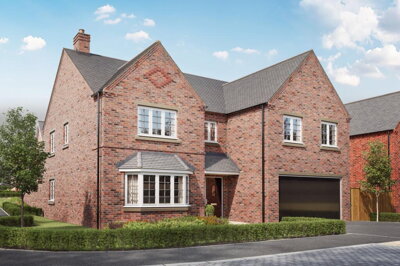
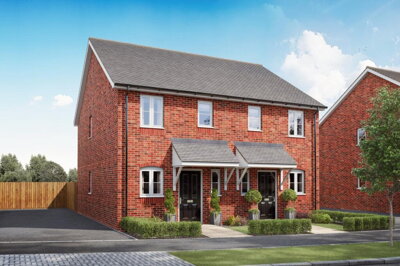
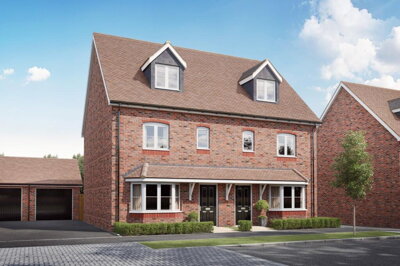
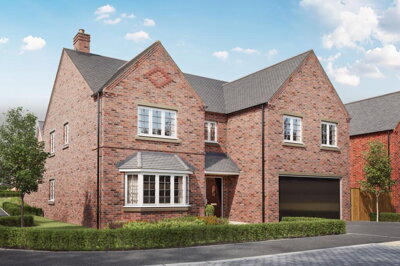
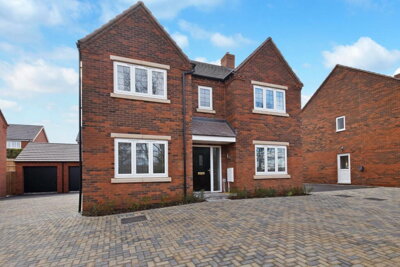
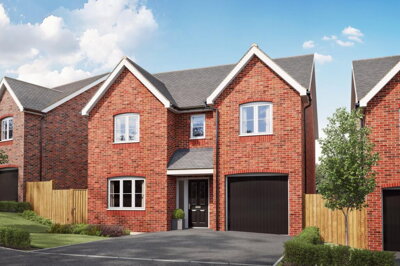
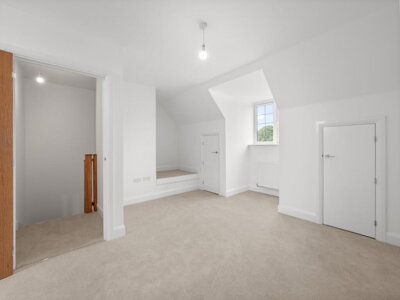
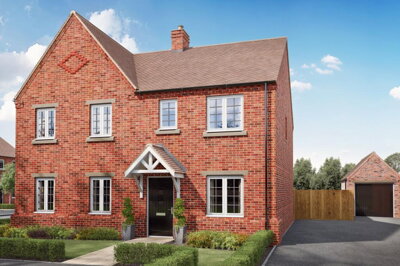
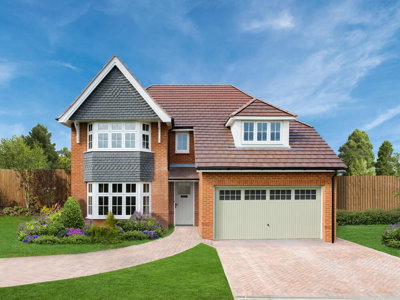
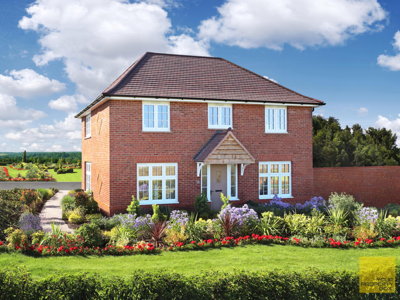
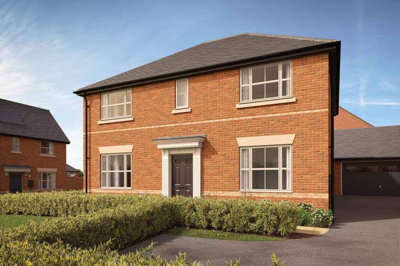
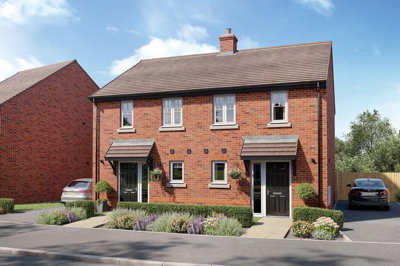
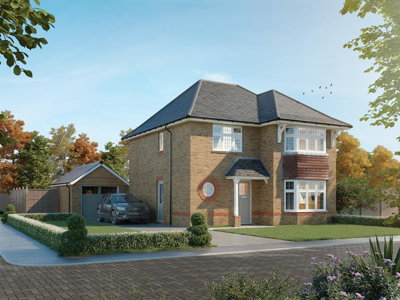
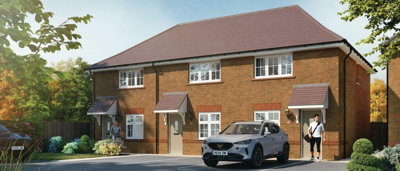
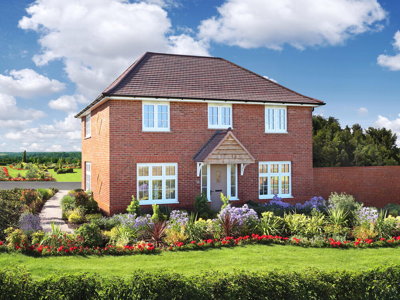
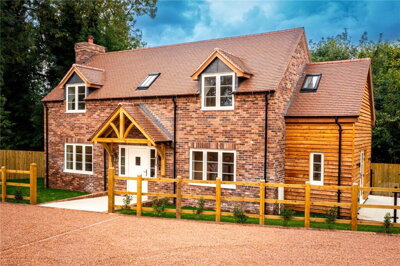
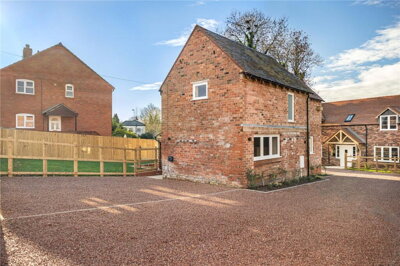
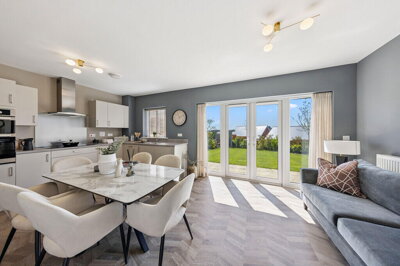
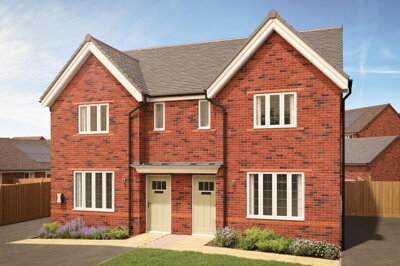
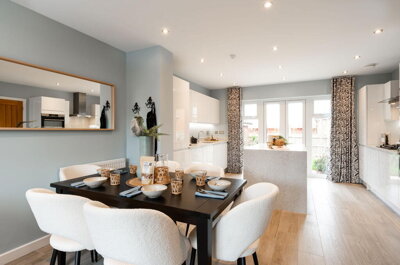
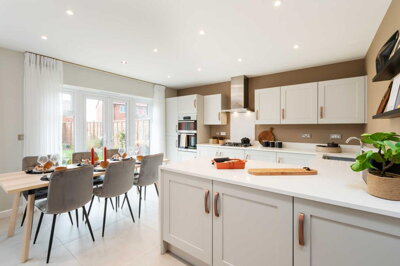
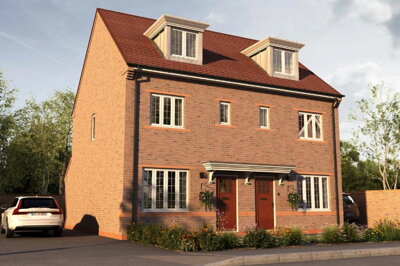
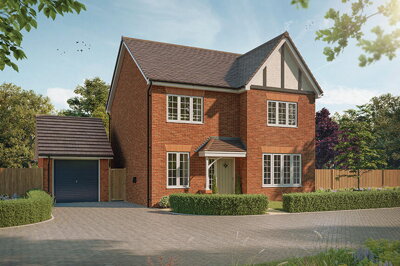
Browse 73 homes new builds in Broadheath, Malvern Hills from local developer agents.
£450k
25
2
62
Source: home.co.uk
Source: home.co.uk
Detached
14 listings
Avg £567,143
Semi-Detached
4 listings
Avg £311,000
Terraced
3 listings
Avg £274,833
Bungalow
1 listings
Avg £485,000
Detached Bungalow
1 listings
Avg £495,000
End of Terrace
1 listings
Avg £295,000
House
1 listings
Avg £450,000
Source: home.co.uk
Source: home.co.uk
The Bondleigh property market reflects the dynamics of rural Devon, where limited supply meets consistent demand from buyers seeking peaceful village life. Recent transaction data shows properties selling across a broad price spectrum, with sales recorded between £280,000 and £600,000 over the past 18 months. A detached property on Lane End sold for £450,000 in October 2025, while a semi-detached house achieved £400,000 in August 2025, demonstrating strong buyer interest across different property types. The village has seen a welcome recovery in values following the 38% decline from the 2011 peak of £680,000, with the current market showing renewed confidence and positive momentum.
One characteristic defining Bondleigh is the absence of large new-build developments. Unlike more commercialised towns, this village has preserved its character through limited new construction. Any new builds tend to be individual projects, such as the completed country residence at Cholhouse Farm, rather than extensive housing estates. For buyers, this means the available stock consists largely of period properties with traditional construction methods, including cob walls, stone features, and thatched roofs. These older properties require careful assessment, making professional surveys particularly valuable before committing to a purchase in this distinctive market.
The limited supply of properties in Bondleigh creates a competitive environment where well-presented homes can attract multiple enquiries. Properties within the Conservation Area boundary, particularly those with period features intact, command premium prices due to their rarity. The village's proximity to the River Taw adds desirability for those seeking riverside living, though buyers should understand the implications for insurance and property condition. Working with local estate agents who understand the nuances of the Bondleigh market helps you identify opportunities quickly and negotiate effectively.

Life in Bondleigh offers an authentic Devon village experience, defined by community spirit and stunning natural surroundings. The village takes its name from the River Taw, which flows through the centre and forms the focal point of the Conservation Area established in 1995. Residents enjoy access to scenic riverside walks, country lanes winding through farmland, and the gentle pace of rural life that has remained largely unchanged for generations. The absence of through traffic keeps the village peaceful, while the proximity to nearby towns provides access to amenities when needed.
The architectural character of Bondleigh reflects centuries of continuous habitation, with buildings crafted from local materials that blend seamlessly into the landscape. Traditional plastered cob walls rendered with lime-based finishes, coursed stonework, and flint boundary walls define the visual identity of the village. The prevalence of thatched roofs adds to the picturesque quality, though prospective buyers should understand the maintenance commitments these bring. Community life centres around the Church of St James, a Grade I listed building that has served the village for centuries, along with local farms and the network of footpaths connecting Bondleigh to surrounding countryside.
The village community maintains active connections through local events and shared spaces, though the amenities within Bondleigh itself remain limited by design. The nearest shops, GP surgeries, and other essential services are located in surrounding villages and towns, meaning residents embrace a lifestyle that values tranquility over convenience. The landscape offers exceptional walking opportunities, with public footpaths traversing farmland and connecting to the wider network of Devon trails. For those seeking a retreat from urban life or a family base in a safe, picturesque setting, Bondleigh provides an enviable quality of life that continues attracting buyers from across the country.

Families considering a move to Bondleigh will find educational provision available through nearby villages and towns in the South Hams and West Devon area. Primary education is typically accessed through village schools in surrounding communities, with secondary education available in the market towns of Crediton, Okehampton, and South Molton, all within reasonable commuting distance. The rural setting means school transport arrangements are an important consideration for families, with school buses serving the wider area and connecting Bondleigh to secondary schools in nearby towns. Parents should research specific catchment areas and admission arrangements for their preferred schools.
The surrounding area supports a range of educational options beyond state provision, with independent schools available in Devon for families seeking alternative educational pathways. Schools in nearby towns have built reputations for quality education, though competition for places can be keen given the rural catchment areas. The village's own heritage properties and proximity to historic churches create natural learning opportunities for children interested in local history, architecture, and the natural landscape. Families relocating from urban areas often find the adjustment to rural schooling involves different logistics but rewards children with broader outdoor experiences and smaller class sizes.
For older students pursuing further and higher education, the larger cities of Exeter, Plymouth, and beyond offer comprehensive options accessible via Devon's road network. Sixth form colleges and further education colleges in Exeter provide academic and vocational routes, while universities in Exeter, Plymouth, and beyond offer full degree programmes. The journey times from Bondleigh to these centres are manageable for weekly commuting in many cases, and university students typically find the village a peaceful base during term breaks. Planning for educational needs as children grow helps families choose properties with appropriate space and accessibility to the schools that best suit their children's requirements.
Transport connectivity from Bondleigh reflects its rural character, with the village accessed via country roads that connect to the wider Devon road network. The A377 provides a key route linking Bondleigh to Crediton and Exeter, while the A30, Devon's main east-west artery, is accessible via the northern routes through Okehampton. For commuters, understanding the distances to major employment centres is essential: Exeter lies approximately 15-20 miles to the east, while Plymouth is around 30 miles to the south-west. The journey times accommodate those who work remotely or have flexible arrangements, though daily commuters should budget for the distances involved.
Public transport options are limited, consistent with the pattern across rural Devon villages. Bus services connecting Bondleigh to nearby towns operate on reduced frequencies compared to urban routes, making private vehicle ownership practically essential for most residents. The nearest railway stations are at Crediton and Okehampton, offering connections to Exeter and services toward Plymouth and beyond. For international travel, Exeter Airport provides regional flights, while Bristol and London airports offer broader connections with drive times of approximately 90 minutes to three hours.
Prospective residents should view transport as a lifestyle factor, embracing the reduced commuting expectations that come with rural village living. Many residents find that working from home becomes the preferred arrangement, allowing them to enjoy the village setting while maintaining professional careers. Those who do commute daily often work in sectors with flexible hours or have established car-sharing arrangements with neighbours. Understanding your transport needs and how they align with the realities of rural Devon life helps ensure that a move to Bondleigh works practically for your circumstances.
Before viewing properties, spend time exploring Bondleigh at different times of day and week. Visit the local area, walk the village lanes, and chat with residents to understand what daily life involves. The lack of urban amenities means experiencing the peace and quiet firsthand is essential. Understanding the Conservation Area boundaries and the locations of the 16 listed buildings helps you appreciate which properties carry listed status and the associated responsibilities.
Secure a mortgage agreement in principle before viewing properties. This demonstrates your seriousness to sellers and estate agents, and helps you understand your true budget. With properties ranging from £280,000 to £600,000, understanding your borrowing capacity shapes your search. Specialist mortgage brokers familiar with rural properties can help if your purchase involves a listed building or non-standard construction.
View multiple properties to compare the condition of older homes in Bondleigh. Many properties feature traditional construction methods including cob, thatch, and stone, which require different assessment criteria than modern buildings. Take notes and photograph properties to help compare later. Pay particular attention to the condition of rendered walls, roof coverings, and any signs of movement or damp penetration in older structures.
Given the age of properties in Bondleigh, a Level 2 Survey (Homebuyer Report) is strongly recommended for standard properties, while a Level 3 Building Survey may be appropriate for listed buildings or those with apparent structural concerns. This professional assessment identifies defects common to period properties, including damp, roof condition, subsidence risks, and timber defects. For the cob walls and thatched roofs prevalent in Bondleigh, specialist surveyors with experience of traditional construction add particular value.
Once your offer is accepted, instruct a solicitor experienced with rural and listed properties. They will handle local authority searches, check the Conservation Area implications, and ensure all title issues are resolved before completion. Properties within Bondleigh may have unusual rights of way, shared maintenance obligations, or historic covenants that require careful investigation.
Your solicitor will guide you through contract exchange and completion. In a village like Bondleigh, completions may take longer than urban transactions due to the smaller chain sizes and the complexity of older property titles. Stay in regular contact with your solicitor throughout the process and be prepared for the slightly longer timescales that often accompany rural property transactions.
Purchasing a property in Bondleigh requires attention to factors specific to rural Devon and period properties. The presence of a Conservation Area means certain restrictions apply to alterations, extensions, and exterior changes. Any works affecting the character of a listed building require Listed Building Consent from West Devon Borough Council, adding complexity to renovation plans. Prospective buyers should request copies of all relevant planning permissions and building regulation approvals for any recent works, as documentation may be limited for older properties.
Building construction in Bondleigh typically involves traditional methods that differ significantly from modern standards. Cob walls, common throughout the village, can suffer from damp penetration if the render fails or ground levels change, while thatched roofs require specialist maintenance and insurance considerations. Timber elements in older buildings may show signs of rot or woodworm activity, and electrical and plumbing systems often require updating to meet current standards. The River Taw flowing through the village centre also warrants attention regarding flood risk, particularly for properties adjacent to the waterway. A thorough survey will identify these issues before you commit to purchase.
When viewing properties, look beyond cosmetic presentation to assess the underlying condition of traditional construction. Check that lime-based renders remain intact, that roof coverings are sound and regularly maintained, and that timber windows and doors show no signs of rot or warping. Properties like Bondleigh Barton, which feature plastered cob walls and gable-ended thatched roofs, represent the traditional construction that defines the village but require ongoing maintenance investment. Understanding the maintenance history and any previous structural works helps you budget realistically for future costs.
Bondleigh's Conservation Area status, established in December 1995, shapes the character of property ownership throughout the village. The Conservation Area encompasses the historic bridge, the River Taw corridor, Cholhouse Lane, and a group of traditional cottages including Lane Cottage, Mill Farmhouse, Snell Cottage, Southcott, and The Rest. Any external alterations to properties within this boundary require careful consideration and often need consent from West Devon Borough Council planning authorities.
The 16 listed buildings in Bondleigh represent a significant proportion of the village's property stock and include architectural gems spanning several centuries. The Grade I Church of St James stands as the most important building, while Grade II* listed Bondleigh Barton dates from the early 16th century with its distinctive plastered cob walls and thatched roof. Other notable listings include Bondleigh Bridge, Cholhouse Farmhouse, and numerous traditional cottages that collectively tell the story of rural Devon architecture. Listed status brings both privileges and responsibilities, requiring consent for most alterations and imposing maintenance standards that protect historic fabric.
For buyers, understanding listed building status significantly affects purchase planning and ongoing costs. Properties requiring Listed Building Consent for any works beyond routine maintenance add complexity to renovation projects and extend timescales. Insurance costs for listed buildings may be higher, and mortgage lenders sometimes impose additional conditions. Specialist surveyors experienced with listed buildings provide invaluable assessments that standard reports may not cover adequately. Factor these considerations into your budgeting and timeline when purchasing a listed property in Bondleigh.
Properties in Bondleigh predominantly feature traditional construction methods that differ markedly from modern building standards. Plastered cob walls, which form the structure of buildings like Bondleigh Barton, can absorb moisture if renders crack or ground levels alter around the foundations. Signs of damp in cob construction require careful diagnosis, as treatments suitable for modern cavity walls may not address the specific dynamics of solid wall construction. Understanding how traditional walls behave in Devon's damp climate helps buyers recognise genuine problems versus normal characteristics of older buildings.
Thatched roofs, while highly desirable aesthetically, demand specialist knowledge for maintenance and repair. The typical lifespan of a well-maintained thatched roof exceeds 30 years, but finding qualified thatchers in Devon requires planning ahead. Insurance for thatched properties often costs more than standard cover, and insurers may require evidence of regular maintenance and electrical safety compliance. When viewing properties with thatch, ask about the age of the current covering, any previous repairs, and whether the property has appropriate fire detection systems installed.
Timber defects represent another common consideration in Bondleigh's older properties, where original wooden beams, floor joists, and window frames may have survived for centuries. Both wet and dry rot can affect timber elements, with wet rot more common in areas exposed to moisture and dry rot potentially spreading through dry conditions. Woodworm activity may be active or historic, and professional assessment helps determine whether treatment is required or previous infestations have been successfully addressed. Properties with extensive timber features benefit from surveys conducted by specialists familiar with historic building elements and appropriate repair methods.
Budgeting for a property purchase in Bondleigh requires careful consideration of all associated costs beyond the headline purchase price. For a typical property in the £400,000 to £450,000 range, Stamp Duty Land Tax for a non-first-time buyer would amount to approximately £7,500, calculated at 5% on the portion above £250,000. First-time buyers benefit from reduced rates, paying around £1,250 on a £400,000 purchase. These costs add significantly to the total budget, so factoring them in from the outset prevents unexpected shortfalls.
Additional buying costs include solicitor fees for conveyancing, typically ranging from £500 to £1,500 depending on complexity. Given Bondleigh's Conservation Area status and prevalence of listed buildings, your solicitor may need to conduct additional searches and investigations that increase costs slightly. Survey fees for a RICS Level 2 Survey range from approximately £350 to £600 depending on property size and condition, while Level 3 Building Surveys for listed buildings or complex properties cost more. Removal costs, mortgage arrangement fees, and potential renovation costs for period properties should also be budgeted.
Owning a traditional property in Bondleigh brings ongoing maintenance considerations that buyers should factor into their financial planning. Thatch roof specialist care, potential updates to outdated electrical and plumbing systems, and the maintenance of lime-based renders and external joinery all represent continuing costs beyond standard property ownership. Building an emergency maintenance fund alongside regular annual budget allocations helps property owners manage the maintenance demands of period properties without financial strain.
The average sold price for a property in Bondleigh over the past 12 months is £425,000. House prices have increased by 6% over the last year, showing positive momentum in the local market. However, values remain 38% below the 2011 peak of £680,000, suggesting room for further recovery as the village housing market continues strengthening. Individual properties have sold between £280,000 and £600,000 in recent transactions, with prices varying according to property type, condition, and whether the property is listed or within the Conservation Area. The limited supply of available properties means well-presented homes in the village command competitive interest from buyers seeking rural Devon living.
Properties in Bondleigh fall under West Devon Borough Council. Council tax bands in rural areas like Devon typically spread across all bands depending on property value. Most period cottages and smaller village properties fall within bands A through C, while larger detached houses and farmhouses may be in higher bands D through F. You should check specific band information for any property through the Valuation Office Agency website or your solicitor during conveyancing. Properties in Conservation Areas with historical status may have unusual banding arrangements reflecting their character rather than market value alone.
Bondleigh itself does not have a primary school within the village, so families typically access education through schools in nearby villages such as Chulmleigh, Winkleigh, or Bow. Secondary education is available at schools in Crediton, Okehampton, and South Molton, all within reasonable driving distance. The surrounding South Hams and North Devon areas offer good Ofsted-rated schools, though parents should research specific catchments as admissions policies change annually and can be competitive in rural areas. Independent schooling options are available in Exeter and Plymouth for families seeking alternatives to state provision, with transport arrangements typically managed by families.
Public transport connections from Bondleigh are limited, reflecting its status as a small rural village. Bus services run between Bondleigh and nearby towns, but frequencies are reduced compared to urban areas, often with only a handful of services per day on certain routes. The nearest railway stations are at Crediton and Okehampton, offering connections to Exeter and onward to Plymouth and beyond. For most residents, private vehicle ownership is essential rather than optional in this village location. Prospective buyers should visit the village and test bus connections before committing to a purchase, particularly if commuting or school transport needs factor into their planning.
Bondleigh offers a niche property investment opportunity focused on quality of life rather than high rental yields. The village's Conservation Area status and limited supply of properties suggest long-term value retention for homeowners who prioritise the lifestyle benefits of rural Devon. The absence of new-build developments means supply remains constrained, supporting prices as demand from urban-to-rural movers continues. Investment success depends on the specific property type and condition, with period properties offering character appeal but requiring maintenance investment. Capital growth potential exists given the 6% annual increase and recovery from the 2011 peak, though this remains slower than urban markets and investors should hold for longer periods to see meaningful returns.
Stamp Duty Land Tax rates from April 2025 apply as follows: 0% on the first £250,000 of property value, 5% on the portion between £250,001 and £925,000, 10% on the portion between £925,001 and £1.5 million, and 12% on any value above £1.5 million. For first-time buyers, relief raises the nil-rate threshold to £425,000 with 5% applying between £425,001 and £625,000. Most Bondleigh properties falling within the £280,000 to £600,000 range would incur Stamp Duty costs of £1,500 to £17,500 depending on your buyer status and the purchase price. Your solicitor will calculate the exact amount on completion, and budgeting for this cost alongside other buying expenses ensures no financial surprises at the end of the transaction.
When purchasing a period property in Bondleigh, focus on the condition of traditional construction elements including plastered cob walls, thatched or slate roofs, and original timber features. Check that renders remain intact and free from cracking, that roof coverings show no signs of deterioration, and that timber windows and structural beams are sound. Properties within the Conservation Area require understanding of any planning restrictions, while listed buildings require awareness of Listed Building Consent requirements for alterations. A thorough survey by a surveyor experienced with traditional Devon construction identifies defects specific to older properties and helps you budget for any remedial work needed.
The River Taw flows through the centre of Bondleigh, and properties adjacent to the waterway fall within areas potentially affected by river flooding. The Conservation Area centred on Bondleigh Bridge encompasses the river corridor, indicating that flooding considerations form part of the assessment for riverside properties. Buyers should request flood risk information from the Environment Agency and discuss any specific flood history with current owners. Properties in flood risk zones may face higher insurance premiums, and mortgage lenders may require additional conditions. Understanding the flood risk helps you make an informed decision and take appropriate precautions when furnishing or renovating any property near the river.
Properties New Builds In London

Properties New Builds In Plymouth

Properties New Builds In Liverpool

Properties New Builds In Glasgow

Properties New Builds In Sheffield

Properties New Builds In Edinburgh

Properties New Builds In Coventry

Properties New Builds In Bradford

Properties New Builds In Manchester

Properties New Builds In Birmingham

Properties New Builds In Bristol

Properties New Builds In Oxford

Properties New Builds In Leicester

Properties New Builds In Newcastle

Properties New Builds In Leeds

Properties New Builds In Southampton

Properties New Builds In Cardiff

Properties New Builds In Nottingham

Properties New Builds In Norwich

Properties New Builds In Brighton

Properties New Builds In Derby

Properties New Builds In Portsmouth

Properties New Builds In Northampton

Properties New Builds In Milton Keynes

Properties New Builds In Bournemouth

Properties New Builds In Bolton

Properties New Builds In Swansea

Properties New Builds In Swindon

Properties New Builds In Peterborough

Properties New Builds In Wolverhampton

Enter your details to see if this property is within your budget.
Loans, cards, car finance
Estimated property budget
Borrowing + deposit
You could borrow between
Typical borrowing
Monthly repayment
Est. at 4.5%
Loan-to-value
This is an estimate only. Your actual budget may vary depending on interest rates, credit history, and personal circumstances. For an accurate affordability assessment, speak to one of our free mortgage advisors.
This calculator provides estimates for illustrative purposes only and does not constitute financial advice. Your home may be repossessed if you do not keep up repayments on your mortgage. Estimates based on 4.5% interest rate, repayment mortgage. Actual rates depend on your circumstances.
Homemove is a trading name of HM Haus Group Ltd (Company No. 13873779, registered in England & Wales). Homemove Mortgages Ltd (Company No. 15947693) is an Appointed Representative of TMG Direct Limited, trading as TMG Mortgage Network, which is authorised and regulated by the Financial Conduct Authority (FRN 786245). Homemove Mortgages Ltd is entered on the FCA Register as an Appointed Representative (FRN 1022429). You can check registrations at NewRegister or by calling 0800 111 6768.

We use cookies to show you personalised content and improve your experience of our website. Find out more in our Privacy policy and Cookie policy.