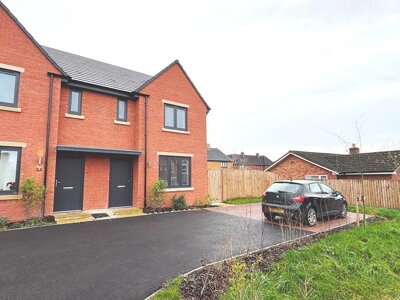
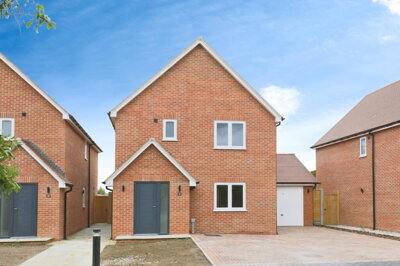
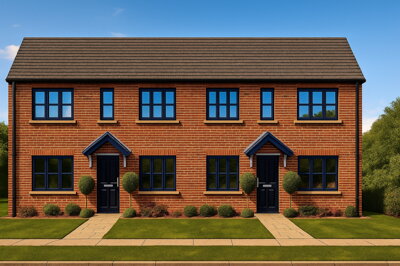
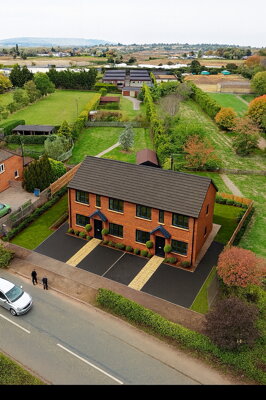
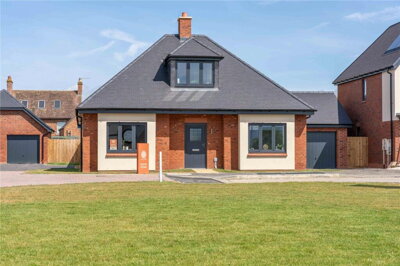
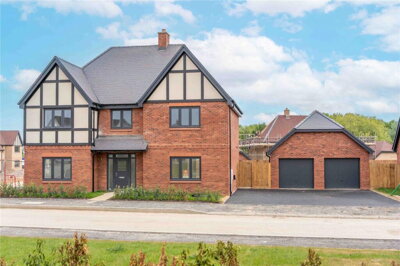
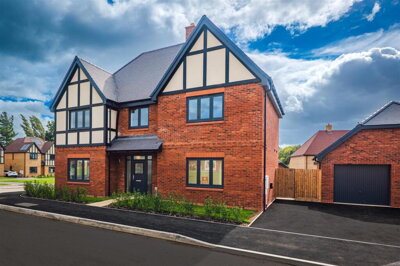
Browse 11 homes new builds in Bretforton, Wychavon from local developer agents.
£590k
16
2
126
Source: home.co.uk
Source: home.co.uk
Detached
10 listings
Avg £694,500
Semi-Detached
2 listings
Avg £350,000
Cottage
1 listings
Avg £350,000
Country House
1 listings
Avg £2.30M
Detached Bungalow
1 listings
Avg £895,000
Terraced
1 listings
Avg £180,000
Source: home.co.uk
Source: home.co.uk
The Bretforton property market has shown resilience with a modest 12-month price adjustment of -1.4%, reflecting broader national trends while maintaining relative stability in this desirable village location. Current listings include properties across all main categories, with detached homes commanding the highest prices at around £437,500 on average. The village housing stock is predominantly detached properties at 49.3% of all homes, complemented by semi-detached houses at 30.6%, terraced properties at 16.7%, and a small selection of flats and maisonettes at 3.4%.
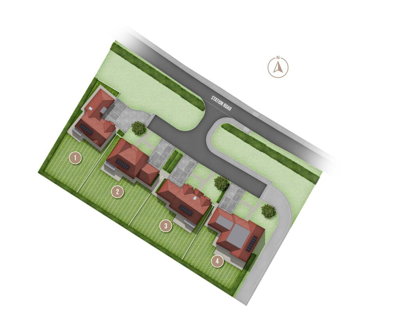
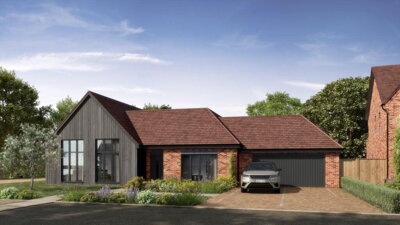
For buyers seeking modern accommodation, The Orchards development by Spitfire Homes on Main Street (WR11 7HW) offers 3, 4, and 5 bedroom new homes starting from £395,000. This development brings contemporary construction to the village with the benefit of new build warranties, cavity wall insulation, and modern heating systems that older properties may lack. The mix of period properties and new build options means buyers can choose between traditional Cotswold character and contemporary specification depending on their priorities.
The age profile of Bretforton's housing stock reveals interesting opportunities for different buyer types. Approximately 25.4% of properties date from the pre-1919 period, featuring traditional Cotswold stone construction and timber-framed elements that appeal to those seeking historic character. A further 30.1% were built between 1945 and 1980, often presenting good value as solid family homes that may benefit from modernisation. The remaining 30% of properties built post-1980 include more recent construction with updated insulation and systems.

Life in Bretforton centres on the village's historic core, where the Conservation Area preserves the character of this agricultural settlement that dates back centuries. The village population of 1,073 residents across 457 households creates an intimate community atmosphere while the proximity to Evesham provides access to comprehensive shopping, healthcare, and leisure facilities within a short drive. Local employment historically centred on farming and associated industries, though many residents now commute to larger towns for work, taking advantage of the area's strategic position.
The village benefits from several local amenities including the Fleece Inn, a Grade I listed public house that serves as a social hub, and there are regular community events throughout the year that foster the strong sense of neighbourhood spirit. The surrounding countryside offers excellent walking opportunities across the Worcestershire plains, with the Cotswolds Area of Outstanding Natural Beauty accessible to the south. The village's position away from major through-roads contributes to its peaceful character, while the mix of architectural styles ranging from timber-framed cottages to solid brick and render properties creates visual interest throughout the streetscene.
The local economy benefits from proximity to Evesham, which provides employment in retail, education, healthcare, and light manufacturing sectors. For those working from home, the village offers a peaceful setting with reliable internet connections, while the transport links enable occasional travel to larger office locations. Community facilities include the village hall which hosts regular events, and several clubs and societies that cater to different interests and age groups.

Families considering a move to Bretforton will find educational provision available both within the village and in nearby settlements. The property age distribution in Bretforton reveals that approximately 70% of homes were built before 1980, with 25.4% of the housing stock dating back to the pre-1919 period, reflecting the village's historical development alongside more recent expansion phases in the post-war and post-1980 periods. This variety in housing age means families can find both period properties in established streets and newer family homes in developments built during the latter twentieth century.
The nearby town of Evesham provides comprehensive educational options from primary through to further education, with several primary schools serving the surrounding villages and the respected Prince Henry High School available for secondary education. Parents should research specific catchment areas and admission policies when considering school placements, as these can significantly impact property values and availability in particular streets. The village's position within Wychavon means residents access services administered by Worcestershire County Council, which oversees school admissions and transport arrangements across the district.
Primary school provision in the surrounding area includes several good-rated options within easy reach by car or the regular bus service connecting Bretforton to Evesham. Bengeworth First School and St Mary's Catholic Primary School are among the options available, with families advised to check current admission arrangements as catchment boundaries can affect allocations. For secondary education, Prince Henry High School in Evesham serves students from Bretforton and the surrounding villages, with transport arrangements managed through Worcestershire County Council.

Bretforton enjoys convenient transport connections despite its rural village setting, making it popular with commuters who need access to larger employment centres. The village sits on road routes that connect to Evesham, from where the A44 provides links to Worcester and the M5 motorway beyond. The A46 and A435 routes offer additional options for reaching Stratford-upon-Avon, Cheltenham, and Birmingham, ensuring residents have multiple route choices for accessing regional employment hubs.
Evesham railway station provides train services connecting to destinations including Worcester, Hereford, and Birmingham, with journey times to Birmingham making it feasible for regular commuters to maintain city-based employment while enjoying village life. The journey from Evesham to Birmingham New Street typically takes around 90 minutes, making it possible to commute on a flexible or hybrid basis. Bus services operate between Bretforton and Evesham, providing essential connectivity for residents without private vehicles. Parking in the village is generally straightforward compared to urban areas, though the narrow historic lanes in the Conservation Area require careful navigation. Cyclists benefit from quieter rural roads, though the flat terrain surrounding the village makes cycling accessible for most fitness levels.
For those driving to work, the M5 motorway junction 7 provides access to the national motorway network, with Birmingham approximately 45 minutes away under normal traffic conditions. Stratford-upon-Avon is reachable within 30 minutes via the A46, making careers in tourism, education, or professional services there viable options. The village's position away from major A-roads means it avoids through-traffic, contributing to the peaceful residential atmosphere that distinguishes Bretforton from more heavily trafficked locations.

Spend time exploring Bretforton at different times of day, checking journey times to your workplace, and understanding local amenities and community facilities. Visit the village to get a genuine feel for whether it suits your lifestyle.
Before viewing properties, obtain a mortgage agreement in principle from a lender. This strengthens your position when making offers and demonstrates to sellers that you have financing in place.
Book viewings through Homemove to see available properties in Bretforton, paying attention to construction quality, the condition of older features, and any signs of damp or subsidence given the clay geology in the area.
Once your offer is accepted, arrange a RICS Level 2 Survey to assess the property condition. With approximately 70% of Bretforton homes built before 1980, surveys typically cost between £400-£700 for a standard 3-bedroom property.
Appoint a solicitor to handle the legal transfer of ownership, conduct searches with Wychavon District Council, and manage the complex paperwork involved in buying a historic property.
Once all searches are satisfactory and financing is confirmed, you will exchange contracts and pay your deposit. Completion typically follows within weeks, when you receive the keys to your new Bretforton home.
Buying a property in Bretforton requires particular attention to construction type and condition given the village's age profile and geological setting. Approximately 70% of homes were built before 1980, meaning many properties will exhibit characteristics common to older construction including solid walls without cavity insulation, potentially outdated electrical systems, and plumbing that may require updating. These features are not necessarily problems but they do require understanding and potential investment, which is why a thorough RICS Level 2 Survey is essential before committing to a purchase.
The local geology presents specific considerations for buyers. Bretforton sits on clay and mudstone formations that create a moderate to high shrink-swell risk, which can affect foundations over time. The underlying Charmouth Mudstone Formation and Mercia Mudstone Group are known for their clay content, making foundation design and condition particularly important considerations. Signs of subsidence or heave may be visible in older properties, particularly those with trees nearby or inadequate foundations for the ground conditions. Surface water flood risk exists in parts of the village, especially along low-lying roads and areas near smaller watercourses, so checking flood risk reports and the property's drainage history is advisable before purchasing.
The predominant building materials in Bretforton include local Cotswold stone, red brick, and render finishes, with timber framing common in older properties and slate or clay tile roofs throughout the housing stock. These traditional materials require understanding of appropriate maintenance and repair techniques, and buyers should be aware that specialist contractors may be needed for work on historic properties. Properties within the Conservation Area benefit from preserved character but also carry planning restrictions on alterations and extensions that buyers must respect. The concentration of listed buildings including Grade I and Grade II properties means that specialist surveys may be required if you are considering purchasing a heritage property.

The average house price in Bretforton is currently £355,000 according to recent market data. Detached properties average around £437,500, semi-detached homes cost approximately £290,000, and terraced properties start from £250,000. The market has shown a modest 12-month price adjustment of -1.4%, indicating relative stability in this desirable village location. New build properties at The Orchards development on Main Street start from £395,000 for 3, 4, and 5 bedroom homes by Spitfire Homes.
Properties in Bretforton fall under Wychavon District Council's jurisdiction, with council tax bands ranging from A through to H depending on the property's assessed value. Most residential properties in the village will fall within bands A to D, which cover properties valued at up to around £140,000 through to £320,000. Prospective buyers should check the specific band for any property they are considering, as council tax contributions form part of the ongoing cost of homeownership in the village. You can check current council tax bands through the Valuation Office Agency website.
Bretforton itself is a small village, so primary education options are typically found in nearby villages or in Evesham, which is within easy reach by car or bus. Evesham offers several primary schools including Bengeworth First School and St Mary's Catholic Primary School, while Prince Henry High School provides secondary education for students from Bretforton and surrounding villages. Families should research specific catchment areas and admission criteria, as school places are allocated based on proximity and other factors determined by Worcestershire County Council. School performance data and Ofsted ratings are available through government websites to help parents make informed decisions about education options in the area.
Bretforton benefits from bus services connecting to Evesham, where residents can access the railway station with services to Worcester, Hereford, and Birmingham. The village is also well positioned for road connections, with the A44 linking to Worcester and the M5 motorway, while the A46 and A435 provide routes to Stratford-upon-Avon, Cheltenham, and Birmingham. The journey time from Evesham station to Birmingham New Street takes approximately 90 minutes. Residents with private vehicles will find driving straightforward, and the village's position away from major traffic routes means relatively congestion-free conditions compared to larger towns.
Bretforton offers several factors that make it attractive to property investors and buyers. The village benefits from good transport links that make commuting feasible to regional employment centres, a Conservation Area that preserves property values through restricted development, and a mix of traditional construction that appeals to buyers seeking character homes. Property prices have remained relatively stable with only a modest -1.4% change over 12 months, suggesting a resilient local market. The proximity to Evesham provides access to services and employment, while the rural setting offers lifestyle benefits that continue to attract buyers seeking village living. The post-1980 housing stock provides modern options alongside period properties.
Stamp duty Land Tax rates from April 2024 onwards start at 0% on the first £250,000 of a property's purchase price, rising to 5% on the portion between £250,000 and £925,000, 10% on the portion between £925,000 and £1.5 million, and 12% on any amount above £1.5 million. First-time buyers benefit from relief on the first £425,000, with 5% charged between £425,000 and £625,000, though no relief applies above £625,000. At Bretforton's average price of £355,000, a standard buyer would pay approximately £5,250 in stamp duty. First-time buyers would pay nothing on the first £425,000, so would also pay £0 on a property at this price point.
Beyond the property purchase price, buyers in Bretforton should budget for several additional costs that form part of the total investment. Stamp duty Land Tax applies based on the purchase price using the current thresholds, with no duty charged on the first £250,000 for standard buyers, 5% on the portion between £250,000 and £925,000, and higher rates for more expensive properties. At the current average Bretforton price of £355,000, a standard buyer would expect to pay around £5,250 in stamp duty, while first-time buyers benefit from relief on the first £425,000.
Survey costs represent another important budget item, particularly given Bretforton's housing profile with approximately 70% of properties built before 1980. RICS Level 2 Surveys in the area typically range from £400 to £700 depending on property size and complexity, with larger detached homes or those with historic features attracting higher fees. For listed buildings or properties of non-standard construction, a more detailed RICS Level 3 Survey may be recommended at additional cost. Conveyancing fees through a solicitor will vary but typically start from around £499 for standard transactions, plus disbursements for local searches with Wychavon District Council, bankruptcy checks, and land registry fees.
Additional ongoing costs include council tax, which in Wychavon follows the standard banding system, buildings insurance (essential given the age of many properties and the clay geology affecting foundations), and service charges or ground rent for leasehold properties. Utility costs will depend on the property's energy efficiency rating, which buyers should check on the required Energy Performance Certificate. Setting aside funds for immediate repairs or updates identified during the survey helps ensure the move to your new Bretforton home proceeds smoothly without financial surprises. Energy performance varies significantly between older Cotswold stone properties and newer builds, with newer homes at The Orchards likely achieving higher ratings than Victorian or Edwardian terraced cottages.

Properties New Builds In London

Properties New Builds In Plymouth

Properties New Builds In Liverpool

Properties New Builds In Glasgow

Properties New Builds In Sheffield

Properties New Builds In Edinburgh

Properties New Builds In Coventry

Properties New Builds In Bradford

Properties New Builds In Manchester

Properties New Builds In Birmingham

Properties New Builds In Bristol

Properties New Builds In Oxford

Properties New Builds In Leicester

Properties New Builds In Newcastle

Properties New Builds In Leeds

Properties New Builds In Southampton

Properties New Builds In Cardiff

Properties New Builds In Nottingham

Properties New Builds In Norwich

Properties New Builds In Brighton

Properties New Builds In Derby

Properties New Builds In Portsmouth

Properties New Builds In Northampton

Properties New Builds In Milton Keynes

Properties New Builds In Bournemouth

Properties New Builds In Bolton

Properties New Builds In Swansea

Properties New Builds In Swindon

Properties New Builds In Peterborough

Properties New Builds In Wolverhampton

Enter your details to see if this property is within your budget.
Loans, cards, car finance
Estimated property budget
Borrowing + deposit
You could borrow between
Typical borrowing
Monthly repayment
Est. at 4.5%
Loan-to-value
This is an estimate only. Your actual budget may vary depending on interest rates, credit history, and personal circumstances. For an accurate affordability assessment, speak to one of our free mortgage advisors.
This calculator provides estimates for illustrative purposes only and does not constitute financial advice. Your home may be repossessed if you do not keep up repayments on your mortgage. Estimates based on 4.5% interest rate, repayment mortgage. Actual rates depend on your circumstances.
Homemove is a trading name of HM Haus Group Ltd (Company No. 13873779, registered in England & Wales). Homemove Mortgages Ltd (Company No. 15947693) is an Appointed Representative of TMG Direct Limited, trading as TMG Mortgage Network, which is authorised and regulated by the Financial Conduct Authority (FRN 786245). Homemove Mortgages Ltd is entered on the FCA Register as an Appointed Representative (FRN 1022429). You can check registrations at NewRegister or by calling 0800 111 6768.

We use cookies to show you personalised content and improve your experience of our website. Find out more in our Privacy policy and Cookie policy.