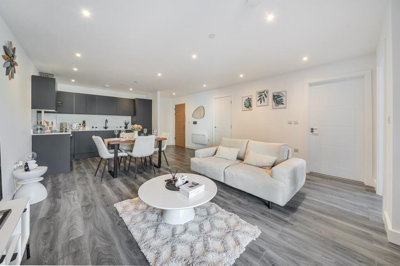
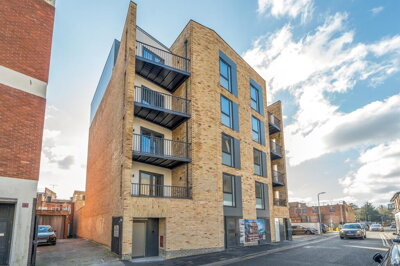
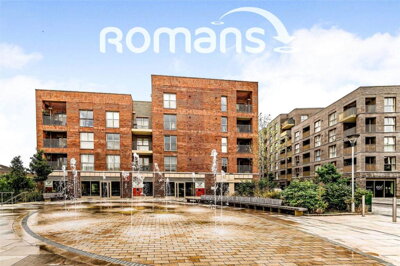
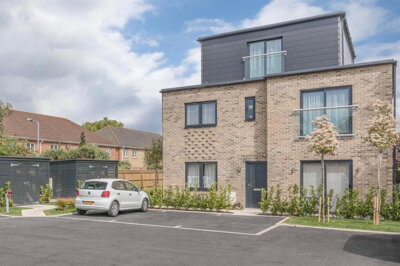
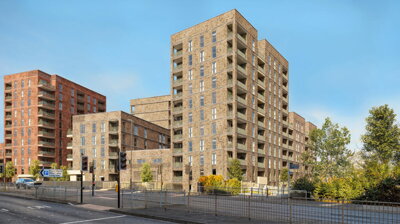
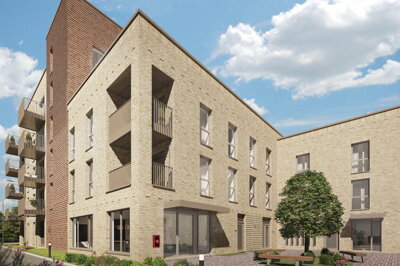
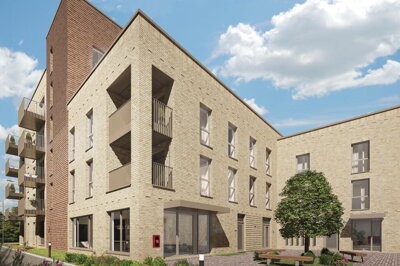
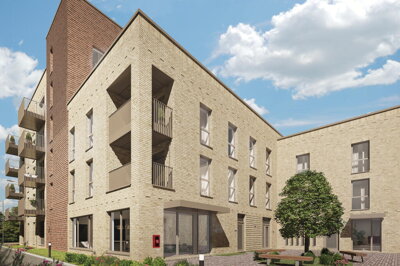
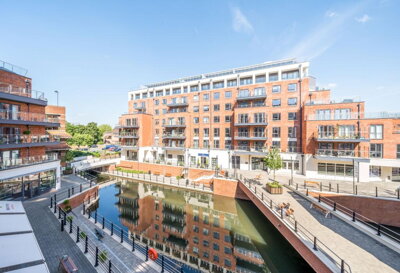
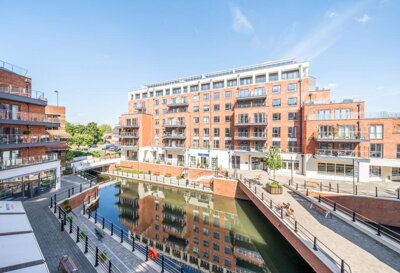
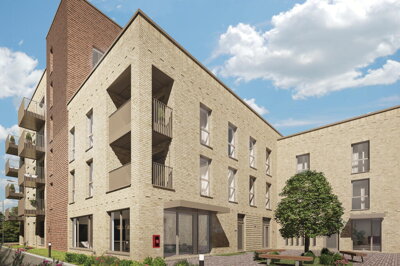
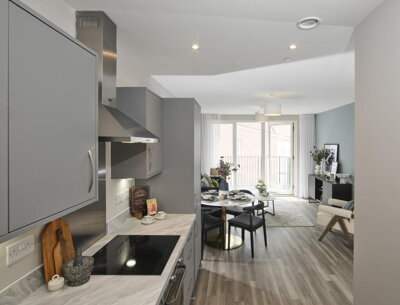
Browse 20 homes new builds in Bray, Windsor and Maidenhead from local developer agents.
One bed apartments provide a separate bedroom alongside distinct living space, bathroom, and kitchen areas. Properties in Bray are available in various building types including new apartment complexes and contemporary developments.
£285k
1
0
91
Source: home.co.uk
Showing 1 results for 1 Bedroom Flats new builds in Bray, Windsor and Maidenhead. The median asking price is £285,000.
Source: home.co.uk
Flat
1 listings
Avg £285,000
Source: home.co.uk
Source: home.co.uk
The Bray property market operates differently from urban areas, with scarcity driving both value and desirability. Detached properties command an average price of £425,000, reflecting the preference for generous plots and privacy that characterises the village's housing stock. The predominance of detached homes means that buyers seeking semidetached or terraced properties may find limited options locally, with such homes representing a very small proportion of the overall housing stock. This scarcity is compounded by the village's Conservation Area status, which restricts new development and ensures that available properties are almost exclusively pre-owned homes with centuries of character.
Price trends over recent years demonstrate the enduring appeal of this corner of Lincolnshire. Property values in Bray have remained stable over the past 12 months, with no change recorded, while the five-year trend shows an increase of 13 percent. This steady appreciation reflects the balance between limited supply and consistent demand from buyers seeking rural lifestyles within commuting distance of major employment centres. The village has no active new-build developments within its boundaries, meaning that all available properties are pre-owned homes, often with centuries of history woven into their limestone walls. For investors, this supply constraint helps support long-term values in a market where demand consistently outstrips available stock.
For buyers considering the wider area, developments can be found in nearby Grantham, Sleaford, and Bourne, but Bray itself offers something increasingly rare: the opportunity to purchase a character property in a Conservation Area where planning controls help maintain the village's historic character. The low volume of transactions means that successful buyers often need to act decisively when a suitable property becomes available, as stock is replenished slowly in this intimate market. Our team monitors new listings across Bray and can alert you to properties matching your criteria as soon as they appear on the market.

Life in Bray revolves around the rhythms of rural English living, where the village pub, historic church, and network of public footpaths across surrounding farmland form the foundations of daily life. The village is designated as a Conservation Area, a status that protects its distinctive honey-coloured limestone buildings, narrow lanes, and traditional architecture from unsympathetic development. This planning protection ensures that the village's character remains intact for future generations, making it an attractive proposition for buyers who value heritage and continuity in their living environment. The designated Conservation Area encompasses the historic core of the village, including the Church of St Thomas a Becket, The Old Rectory, and numerous traditional farmsteads that line the narrow lanes.
The demographic of Bray reflects its status as a desirable rural retreat. With a population of 134, the village maintains a close-knit community atmosphere where neighbours often know one another by name. The housing stock, dominated by detached and semidetached properties, includes a significant proportion of pre-1919 homes given the village's Conservation Area status and numerous listed buildings. Properties from the mid-twentieth century and later infill developments represent a smaller portion of the housing stock, providing some variety for buyers with different preferences and budgets. Many properties feature traditional construction methods including solid limestone walls, timber floor joists, and original flagstone floors that require specialist maintenance knowledge.
The local economy is primarily agricultural, with surrounding farmland supporting arable enterprises that have shaped the landscape for centuries. Many residents commute to nearby market towns including Grantham, Stamford, and Bourne for work, enjoying the best of both worlds: the tranquility of village life during evenings and weekends, and access to broader employment opportunities and amenities during the working week. The proximity to the A1 trunk road makes these commutes practical for those with cars, while the broader Lincolnshire countryside offers extensive walking, cycling, and outdoor recreation opportunities right on the doorstep. Local footpaths connect the village to neighbouring hamlets and open countryside, offering miles of scenic routes for residents who enjoy exploring the rural landscape.

Families considering a move to Bray will find that the village itself does not have a school within its boundaries, reflecting its small population of 134 residents. Primary education is typically accessed through schools in nearby villages and market towns, with Bourne and Grantham offering a range of options for younger children. Parents should research individual school catchments and admission arrangements carefully, as places in popular rural schools can be competitive despite their village settings. Primary schools in the surrounding area include those in Bourne, which is approximately 8 miles away, and villages along the A15 corridor where capacity may be more readily available.
Secondary education in the area centres on schools in Grantham, where students can access a broader curriculum and specialist facilities. The town's grammar schools attract students from across South Kesteven and beyond, and entry is subject to the selective testing process. For families with older children, sixth form provision is available at schools in Grantham and Bourne, with further education colleges accessible in larger towns for those pursuing vocational qualifications or A-levels. The rural nature of Bray means that school transport arrangements are an important consideration, with many families relying on cars or organised bus services to reach educational establishments. County council transport provision for secondary pupils living beyond the statutory walking distance threshold is available, though journey times from Bray to Grantham schools typically range from 25 to 40 minutes by car.
The absence of a local primary school is offset by the exceptional quality of life the village offers, and many families make the practical adjustment of shorter school runs in exchange for the benefits of rural living. Early years provision may be available through village hall activities or childminders covering the surrounding area, and parents are encouraged to explore all options by contacting South Kesteven District Council and local children's services for the most current information on childcare and early education availability. Private childcare arrangements and village networks often provide informal support for families navigating the logistics of rural education, and prospective residents should factor these practical considerations into their decision-making process when viewing properties in Bray.
The strategic location of Bray relative to major transport routes makes it more accessible than its small village status might suggest. The A1 trunk road passes nearby, providing a direct connection to London, Newcastle, and the broader national road network. For commuters working in Peterborough, Nottingham, or Leicester, the A1 offers reasonable journey times, and the village position means that motorway-style traffic is often avoided during peak hours when using local roads. The A1 junction near Colsterworth provides the most convenient access point for village residents, connecting to Grantham to the north and Stamford to the south.
Rail services are accessible from Grantham station, which offers regular East Coast Main Line services to London King's Cross with journey times of around 75 minutes. Grantham is also on the Birmingham to Stansted cross-country route, providing connections to major airports and regional cities. Stamford provides an alternative rail option with services to Birmingham and Stansted Airport, while the village's position between these two market towns gives residents flexibility in choosing their preferred railhead and service provider. Advance booking for East Coast Main Line services can secure significantly reduced fares for regular commuters, making Grantham an attractive option for those working in the capital several days per week.
Local bus services connect Bray with surrounding villages and market towns, though frequency is limited compared to urban areas. Residents without cars should factor transport arrangements carefully into their daily lives, particularly for school runs, shopping trips, and medical appointments. The CallConnect service operated by Lincolnshire County Council provides on-demand transport to larger towns for those without regular bus access, though advance booking is required. Cycling is popular on quieter country lanes, and the village is well-placed for accessing the broader network of rural cycle routes that traverse Lincolnshire. For international travel, East Midlands Airport, Stansted Airport, and Birmingham Airport are all within reasonable driving distance for those needing to travel further afield, with journey times of approximately 60 to 90 minutes depending on destination and traffic conditions.
Start by exploring available properties in Bray on Homemove, reviewing the average price of £425,000 and understanding the types of detached homes typically available. Given that only 2 properties sold in the past 12 months, patience may be required as stock is limited and turnover is slow. Set up property alerts through our platform to be notified immediately when new listings matching your criteria become available in the village.
Before viewing properties, obtain a mortgage agreement in principle from a lender to confirm your budget and demonstrate your seriousness to sellers. Contact our mortgage partners through Homemove to compare rates and find the most suitable product for your circumstances. Rural properties in Bray may require specialist valuation considerations, and some lenders have specific products tailored to traditional or listed buildings.
Schedule viewings of properties that match your requirements, paying particular attention to the age and construction of buildings. Most properties in Bray are pre-1919 with limestone construction, and we strongly recommend booking a RICS Level 2 Survey before committing to purchase. Take time to explore the village and meet neighbours during viewings, as community atmosphere is an important factor in rural living.
Given the prevalence of older stone properties, a RICS Level 2 Survey is essential to identify any structural issues, damp problems, or timber defects common in historic buildings. Survey costs in the Grantham and South Lincolnshire area typically range from £400 to £800 depending on property size and value. For listed buildings or properties of unusual construction, our team may recommend a RICS Level 3 Building Survey for more comprehensive assessment.
Once your offer is accepted, instruct a conveyancing solicitor to handle the legal aspects of your purchase. They will conduct searches with South Kesteven District Council, check drainage and utilities, and manage the transfer of ownership through to completion. Our conveyancing partners have experience with Conservation Area properties and listed building transactions in South Kesteven.
After all surveys, searches, and mortgage arrangements are finalised, you will exchange contracts with the seller and pay your deposit. Completion typically follows within weeks, at which point you will receive the keys to your new home in Bray. Our team will remain available to assist with any post-completion queries or property-related recommendations.
Properties in Bray require careful assessment due to their age and construction methods. The predominant building material is local limestone, used in traditional solid wall construction that differs significantly from modern cavity wall insulation. This construction method means that damp can be a concern, with rising damp, penetrating damp, and condensation all potential issues in older stone properties. Prospective buyers should look for signs of damp on walls, particularly at ground floor level and in rooms with limited ventilation. The solid wall construction also means that standard thermal imaging may be less effective at identifying insulation deficiencies, and specialist equipment may be required to assess the true thermal performance of these historic buildings.
The village sits on Lincolnshire Limestone bedrock, which is generally stable, but superficial deposits including Boulder Clay can create shrink-swell risks during periods of extreme weather. Properties with large trees nearby or those on clay ground may show signs of historic movement or cracking, and a thorough survey should assess foundation depths and any previous structural repairs. Surface water flooding has been noted in parts of the village, particularly around the centre and minor roads after heavy rainfall, so buyers should check the Environment Agency flood risk maps and consider drainage arrangements for any property. The village's position away from main rivers means that river flooding risk is low, but surface water accumulation after intense rainfall requires careful investigation of ground levels and drainage systems.
The Conservation Area designation brings additional considerations for buyers planning any alterations or extensions. Planning permission from South Kesteven District Council will be required for significant external changes, and the council may impose conditions to protect the village's historic character. Listed buildings require Listed Building Consent for any works that might affect their character, and specialist contractors may be needed for repairs using appropriate materials and techniques. Service charges and maintenance arrangements for any shared facilities should be clarified, and the age of properties means that electrical wiring, plumbing, and heating systems should all be checked for compliance with current standards and potential upgrading requirements. Original features such as sash windows, flagstone floors, and exposed beams are characteristic of properties in the village, and their presence or absence should factor into property valuations and restoration costs.
As of February 2026, the average property price in Bray is £425,000. This figure is based on detached property sales, which dominate the local housing stock. Given that only 2 property sales occurred in the village over the past 12 months, average prices can be significantly influenced by individual high-value transactions, so buyers should seek current valuations for any specific property they are considering. Over the past 5 years, prices in the village have increased by 13 percent, indicating steady long-term demand for rural properties in this part of Lincolnshire. The village's Conservation Area status and limited supply of properties suggest that prices are likely to remain supported by continuing demand from buyers seeking rural character homes within commuting distance of major employment centres.
Properties in Bray fall under South Kesteven District Council, with council tax bands assigned by the Valuation Office Agency based on property value at the time of construction. Bands for homes in the village will range across the scale depending on the individual property, though traditional stone detached homes with multiple bedrooms in desirable rural villages like Bray often fall into bands D through H given their character and plot sizes. Prospective buyers should check the specific band for any property they are considering via the Valuation Office Agency website, as council tax contributes to local services including education, waste collection, and police provision. Band D properties in South Kesteven currently pay approximately £1,900 per year, though this varies by band and any applicable discounts.
Bray itself does not have a school within the village due to its small population of 134 residents, and primary education is accessed in nearby villages and market towns, with schools in Bourne and Grantham serving the local area. Primary schools in Bourne include Bourne Elsea Park Primary Academy and Bourne Abbey Primary Academy, both of which serve wider catchments including surrounding villages. Secondary options include schools in Grantham, including the highly-regarded King Edward VI Grammar School and the Priory Rutland School for students who pass the 11-plus selection process, with transport arrangements typically made via school buses or family transport. Parents should verify current catchment areas and admission policies directly with schools, as these can change and may affect placements for their children, particularly given the rural location of Bray relative to school catchments.
Public transport options from Bray are limited, reflecting its status as a small rural village with only 134 residents. Local bus services operated by Stagecoach and Lincolnshire County Council connect the village with surrounding communities and market towns, but frequencies are lower than in urban areas, typically running limited services on weekdays with very reduced provision at weekends. Residents without cars should factor transport arrangements carefully into their daily planning, as shopping trips to Bourne or Grantham and medical appointments at hospitals in Peterborough or Nottingham will require advance planning. Rail services are accessible from Grantham station, approximately 10-15 miles away, offering East Coast Main Line services to London and cross-country connections, with advance tickets to London from approximately £25 for off-peak travel. The A1 trunk road passes nearby, providing road transport links to major cities, but a car is generally considered essential for comfortable daily living in this rural location.
Bray offers several characteristics that make it attractive for property investment, including its Conservation Area status, which restricts new development and helps maintain property values, along with the rarity of available properties in this small village of just 58 households. The 13 percent increase in property values over the past five years demonstrates steady appreciation, while the proximity to the A1 and reliable rail connections at Grantham support demand from commuters seeking rural lifestyles. However, the very small size of the local market, with only 2 sales in the past year, means that liquidity is limited and investors should be prepared for longer holding periods if seeking to realise capital gains through resale. The village's heritage properties and Conservation Area status also mean that maintenance costs for older buildings can be higher than average, and planning restrictions may limit the scope for value-add improvements, though this same protection helps preserve the village's character and desirability over time.
Stamp Duty Land Tax (SDLT) rates for 2024-25 are 0 percent on the first £250,000 of property value, 5 percent on the portion from £250,001 to £925,000, 10 percent up to £1.5 million, and 12 percent above that threshold. For first-time buyers, relief applies on the first £425,000 at 0 percent, with 5 percent charged between £425,001 and £625,000, and relief phases out completely above £625,000. At the village average price of £425,000, a standard buyer would pay no SDLT on the first £250,000 and 5 percent on the remaining £175,000, totaling £8,750 before any applicable reliefs. First-time buyers purchasing at or below £425,000 would pay no SDLT under current thresholds, making this an attractive consideration for those entering the property market in South Kesteven.
Stone properties in Bray require specialist assessment due to their traditional construction methods, with the predominant honey-coloured Lincolnshire limestone used in solid wall construction that differs fundamentally from modern cavity wall systems. Buyers should arrange a thorough survey that specifically addresses damp issues, as solid walls are more susceptible to rising damp and penetrating damp than modern properties, and timber defects including woodworm and wet or dry rot can affect structural elements. The presence of Boulder Clay deposits in superficial geology means that foundations should be checked for any signs of historic movement or shrink-swell damage, particularly on properties with mature trees nearby. Our recommended RICS Level 2 Survey in Bray typically costs between £400 and £800, with higher fees applying to larger detached properties or those of unusual complexity.
Bray has a low overall flood risk from rivers and the sea, given its inland position away from major watercourses in the Lincolnshire countryside. However, the village does have areas with medium to high risk of surface water flooding, particularly around the village centre and along minor roads where heavy rainfall can accumulate and overwhelm drainage systems. Properties at lower elevations or those with private drainage systems should be carefully assessed, and buyers should review the Environment Agency flood risk maps for any specific property they are considering. Building insurance costs may be higher for properties with a history of surface water flooding, and buyers should obtain insurance quotes before committing to purchase to ensure that adequate cover is available at reasonable premiums.
From 4.5%
Compare competitive mortgage rates from trusted lenders. Our partners understand rural properties and can advise on specialist lending options.
From £499
Expert legal services for your property purchase. Our conveyancing partners have experience with Conservation Area and listed property transactions in South Kesteven.
From £400
A comprehensive survey for Bray properties, identifying damp, structural issues, and timber defects common in older stone construction.
From £60
Required for all property sales. Our assessors understand traditional stone buildings and can advise on improving energy efficiency in historic properties.
Understanding the full costs of purchasing a property in Bray goes beyond the purchase price itself. Stamp Duty Land Tax (SDLT) represents a significant consideration, and current thresholds for 2024-25 mean that a standard buyer purchasing at the village average of £425,000 would incur SDLT of £8,750. This is calculated at 0 percent on the first £250,000 and 5 percent on the remaining £175,000. First-time buyers benefit from enhanced relief, paying nothing on the first £425,000, though this relief phases out for properties above £625,000. Buyers purchasing above £925,000 should seek specialist advice, as higher SDLT rates of 10 and 12 percent apply to portions of the purchase price above these thresholds.
Beyond SDLT, buyers should budget for survey costs, which are particularly important given the age and construction of properties in Bray. RICS Level 2 Surveys in the Grantham and South Lincolnshire area typically range from £400 to £800 depending on property size and value, with detached properties at the higher end of this range reflecting their larger footprint and greater complexity. For older listed buildings or those of complex construction, a RICS Level 3 Building Survey may be more appropriate despite the higher cost, as it provides more comprehensive assessment of historic structures and their condition. An Energy Performance Certificate (EPC) is legally required and typically costs from £60 to £120, though the unique construction of traditional stone buildings may require additional assessment time given that solid walls cannot achieve the thermal performance ratings of modern insulated properties.
Conveyancing costs for purchasing in South Kesteven typically start from £499 for basic legal work, rising depending on complexity and whether the property is leasehold or freehold. Search fees charged by South Kesteven District Council typically add several hundred pounds, covering local authority searches, drainage and water searches, and environmental searches that investigate matters including flood risk and land contamination. Land Registry fees for registering the change of ownership are modest, and mortgage arrangement fees vary by lender, with some offering fee-free products while others charge arrangement fees that can be added to the mortgage balance. Buyers should ensure they have additional funds available for removals, potential repairs identified in surveys, and the immediate costs of setting up a new home. Budgeting for around 3-5 percent of the purchase price in addition to deposit and SDLT will provide a reasonable contingency for these additional expenses, though historic properties in Conservation Areas may require more substantial contingency funds for specialist repairs and maintenance.
Properties New Builds In London

Properties New Builds In Plymouth

Properties New Builds In Liverpool

Properties New Builds In Glasgow

Properties New Builds In Sheffield

Properties New Builds In Edinburgh

Properties New Builds In Coventry

Properties New Builds In Bradford

Properties New Builds In Manchester

Properties New Builds In Birmingham

Properties New Builds In Bristol

Properties New Builds In Oxford

Properties New Builds In Leicester

Properties New Builds In Newcastle

Properties New Builds In Leeds

Properties New Builds In Southampton

Properties New Builds In Cardiff

Properties New Builds In Nottingham

Properties New Builds In Norwich

Properties New Builds In Brighton

Properties New Builds In Derby

Properties New Builds In Portsmouth

Properties New Builds In Northampton

Properties New Builds In Milton Keynes

Properties New Builds In Bournemouth

Properties New Builds In Bolton

Properties New Builds In Swansea

Properties New Builds In Swindon

Properties New Builds In Peterborough

Properties New Builds In Wolverhampton

Enter your details to see if this property is within your budget.
Loans, cards, car finance
Estimated property budget
Borrowing + deposit
You could borrow between
Typical borrowing
Monthly repayment
Est. at 4.5%
Loan-to-value
This is an estimate only. Your actual budget may vary depending on interest rates, credit history, and personal circumstances. For an accurate affordability assessment, speak to one of our free mortgage advisors.
This calculator provides estimates for illustrative purposes only and does not constitute financial advice. Your home may be repossessed if you do not keep up repayments on your mortgage. Estimates based on 4.5% interest rate, repayment mortgage. Actual rates depend on your circumstances.
Homemove is a trading name of HM Haus Group Ltd (Company No. 13873779, registered in England & Wales). Homemove Mortgages Ltd (Company No. 15947693) is an Appointed Representative of TMG Direct Limited, trading as TMG Mortgage Network, which is authorised and regulated by the Financial Conduct Authority (FRN 786245). Homemove Mortgages Ltd is entered on the FCA Register as an Appointed Representative (FRN 1022429). You can check registrations at NewRegister or by calling 0800 111 6768.

We use cookies to show you personalised content and improve your experience of our website. Find out more in our Privacy policy and Cookie policy.