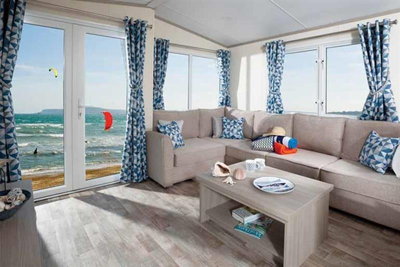
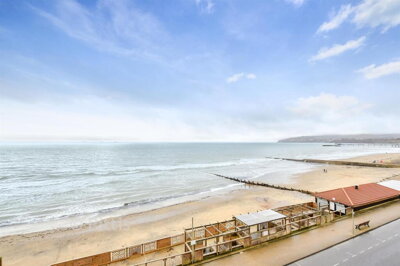
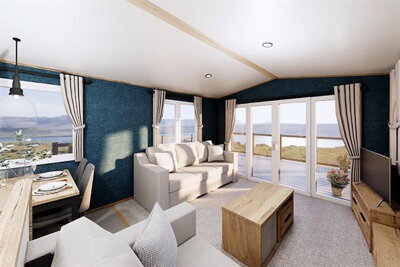
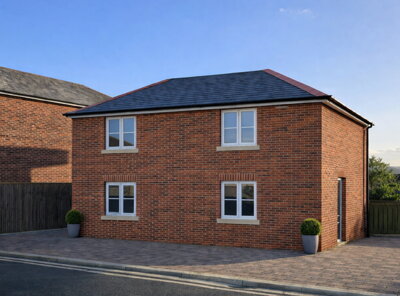
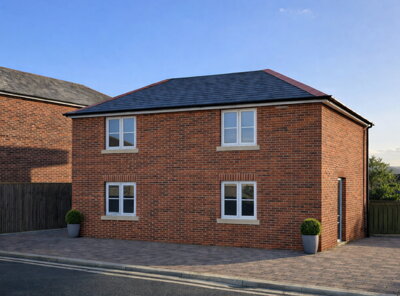
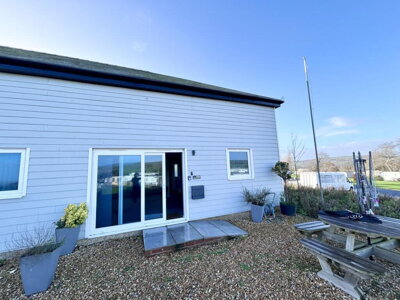
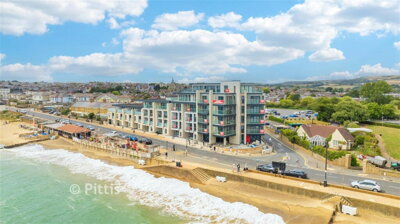
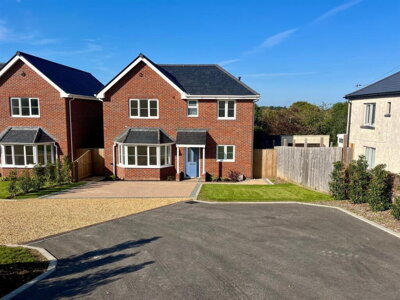
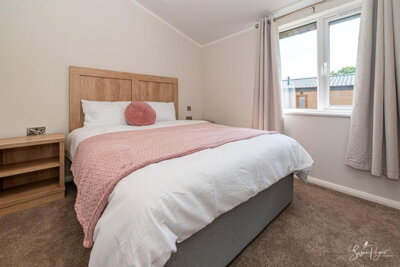
Browse 10 homes new builds in Brading, Isle of Wight from local developer agents.
The Brading property market offers detached, semi-detached, and terraced houses spanning various price ranges and neighbourhoods. Each listing includes detailed property information, photographs, and direct contact with the marketing agent.
£315k
17
3
107
Source: home.co.uk
Showing 17 results for Houses new builds in Brading, Isle of Wight. 3 new listings added this week. The median asking price is £315,000.
Source: home.co.uk
Detached
10 listings
Avg £463,600
Terraced
4 listings
Avg £201,238
Semi-Detached
3 listings
Avg £198,333
Source: home.co.uk
Source: home.co.uk
The Brading property market presents diverse opportunities across all price segments. Detached properties command the highest prices, with averages ranging from £308,181 according to Zoopla to £316,931 on Rightmove. These generous family homes often feature the spacious plots and private gardens that characterise the village's residential areas, particularly the 1960s and 1970s detached bungalows that form a significant part of the local housing stock. According to the 2013 Brading Town Council Housing Needs Survey, detached houses accounted for 41.5% of all properties, with semi-detached homes comprising another 32.4%, together making up nearly three-quarters of the village's residential stock.
Semi-detached properties provide excellent value at around £209,333 to £227,000, making them popular among first-time buyers and growing families seeking more space than a terraced property can offer. Terraced properties in Brading average between £194,000 and £223,000, offering an affordable entry point into this desirable village location. The terrace stock includes some particularly attractive examples within the conservation area, where 17th and 18th century cottages feature exposed stonework, original fireplaces, and traditional flagstone floors. Flats represent the most accessible price tier at approximately £149,250, ideal for investors seeking rental income or buyers looking for a low-maintenance lifestyle.
Recent market data shows prices have corrected by 13% from the previous year and 19% from the 2022 peak of £306,852, creating potential opportunities for buyers who act decisively in the current market conditions. The Isle of Wight's housing affordability ratio of 9.5 (2023) indicates less affordable housing compared to the England average of 8.3, suggesting sustained demand from buyers seeking the island lifestyle despite recent corrections. Properties span centuries of construction, from the oldest recorded house dating from 1499 to modern developments from the 1960s and 1970s, offering buyers an extraordinary range of character properties alongside more contemporary options.

Life in Brading revolves around the village's rich heritage and connection to the natural landscape. The conservation area, designated on April 19, 1971 and re-evaluated in October 2006, protects the historic character of the high street and The Mall, where traditional rendered and painted brick cottages stand alongside elegant Georgian and Victorian properties. Buildings within the conservation area frequently feature render and painted brick in shades of white and cream, with many red-brick properties also present. The Grade I listed St. Mary's Church, dating from approximately 1200, anchors the village spiritually and architecturally, while numerous Grade II listed buildings including the restored Brading Railway Station structures, the historic Brading Gun Shed, and charming properties at 10 and 66 High Street tell the story of a community that has evolved over centuries.
The surrounding landscape defines daily life for Brading residents, with Brading Down rising to the north as a chalk down offering sweeping views across the island. The nearby RSPB Brading Marshes provides exceptional wildlife watching opportunities, with the reserve playing a crucial role in water level management for the Eastern Yar floodplain. Local amenities include traditional pubs, a convenience store, and artisan shops along the high street, while the nearby coastal towns of Sandown and Ryde offer comprehensive retail, dining, and entertainment facilities. The village also benefits from the presence of local businesses including F.H. Winter & Sons Garage, Seymour Cleaning Services, and the Woodgrain Workshop for bespoke joinery, providing employment opportunities within the community.
The economic profile of Brading shows 58.2% of the population aged 16-74 is economically active, which is nearly 10% lower than the national average according to 2011 Census data. Key employers on the wider Isle of Wight include GKN Aerospace in engineering and manufacturing, and Brittany Ferries in passenger services. Seasonal employment in leisure and tourism also plays a significant role in the local economy, with businesses like In2Action providing staffing services for the tourism sector. For residents, this means that many household incomes may be influenced by the seasonal nature of island employment, a factor worth considering when budgeting for a property purchase in Brading.

Families considering a move to Brading will find educational options that serve the village and surrounding communities effectively. Brading Primary School provides education for children from reception through to Year 6, serving as the main primary institution for village families. The school operates within the Isle of Wight Local Education Authority, following the national curriculum with a focus on core subjects including English, mathematics, and science. For families moving to surrounding areas such as Adgestone, where converted agricultural workers' cottages and colonial-style bungalows provide additional housing options, primary school catchment areas may vary and parents should confirm arrangements with the local education authority.
For secondary education, pupils typically travel to schools in nearby towns such as Sandown, where larger secondary schools offer broader curriculum choices, specialist facilities, and extracurricular programmes that appeal to diverse interests and academic strengths. The Isle of Wight offers several options for post-16 education, with sixth form provision at larger secondary schools and further education colleges in Newport and Ryde providing vocational and academic pathways. Parents should research specific catchment areas and admissions criteria when choosing properties, as school places can be competitive in popular areas. The island's education authority maintains detailed information about school performance, Ofsted ratings, and admissions policies on its website, allowing prospective buyers to make informed decisions based on their children's educational needs.
For families prioritising academic excellence, visiting local schools and meeting with headteachers before committing to a property purchase provides valuable insight into each institution's ethos and opportunities. When evaluating properties in different road areas of Brading, prospective parents should note that catchment boundaries can affect which schools children can access, making this an important consideration alongside property condition, price, and location when house hunting in the village.
Brading enjoys excellent connectivity despite its peaceful village setting, making it practical for commuters and those who need to travel regularly to the mainland. Brading railway station sits on the Island Line, providing regular services connecting Ryde in the north to Shanklin in the south. The station offers direct connections to the Wightlink ferry services at Ryde Pier Head, where cross-Solent vessels depart for Portsmouth, completing the journey to mainland railway networks and opening up access to employment centres in London, Southampton, and beyond. Journey times to Portsmouth typically range from 30-45 minutes by ferry, with a total door-to-door commute to London taking approximately three to four hours under normal conditions.
Road transport links from Brading connect efficiently to the Isle of Wight's strategic road network, with the A3055 running through the village and providing access to Newport to the west and the eastern coastal resorts. The island's road network is generally less congested than mainland equivalents, though summer traffic can increase significantly during peak tourist season when holidaymakers flock to the coast. Local bus services operated by Southern Vectis connect Brading to surrounding villages and towns, providing an alternative to car travel for daily commutes and leisure trips. Parking provision in Brading village centre accommodates both residents and visitors, with additional parking available at the railway station for commuters.
For those travelling by air, Isle of Wight Airport at Sandown offers helicopter services to mainland destinations and private aviation facilities. The restored Grade II listed Brading Railway Station buildings, including the footbridge, main building, and signal box, represent an important part of the village's heritage while continuing to serve as a functioning transport hub. Understanding these transport options helps buyers assess the practical realities of living in Brading, particularly if they need to commute to mainland employment or travel regularly for business purposes.
Explore current property listings online and understand local price trends. With the market showing a 13% price correction from last year, there may be opportunities to negotiate favourably. Register with Homemove to receive alerts when new properties matching your criteria become available. Given Brading's diverse housing stock ranging from 15th-century cottages to 1970s bungalows, research which property types suit your needs and budget before beginning viewings.
Visit properties that interest you, paying particular attention to the condition of older properties within the conservation area. Many homes date from the 17th and 18th centuries, so look beyond cosmetic improvements to assess structural integrity, roof condition, and the presence of damp-proof courses. Viewing multiple properties helps establish what represents genuine value in the current market. Pay special attention to flooding history in areas near Nicholas Close, Moreton Common, and Golf Links roads.
Before making an offer, secure a mortgage agreement in principle from a lender. This strengthens your position as a serious buyer and helps you understand exactly how much you can borrow. Contact our mortgage partners who can arrange competitive rates and guide you through the application process. Given Brading's average price of approximately £254,468, many buyers will find their purchases fall within favourable stamp duty brackets.
Given Brading's significant older housing stock, we strongly recommend a Level 2 Survey (HomeBuyer Report) before purchasing. This inspection can identify issues common to period properties such as damp, structural movement, outdated electrics, and roof condition. Survey costs typically range from £400-800 depending on property value and type, with older or non-standard construction potentially incurring higher fees. Properties in Brading dating from the 17th and 18th centuries may require more detailed assessment.
Appoint a solicitor to handle the legal aspects of your purchase. They will conduct searches with the Isle of Wight Council, check for planning restrictions, flood risk, and any environmental concerns specific to Brading's location near the Eastern Yar river. Given the extensive conservation area designation and numerous listed buildings, your solicitor should also verify whether any planning conditions affect the property.
Once all surveys, searches, and mortgage arrangements are satisfactory, your solicitor will coordinate the exchange of contracts and set a completion date. Buildings insurance must be in place from exchange of contracts. On completion day, the remaining balance is transferred and you receive the keys to your new Brading home, ready to begin enjoying village life in this historic corner of the Isle of Wight.
Purchasing property in Brading requires awareness of several area-specific considerations that differ from typical mainland locations. Flood risk represents the most significant environmental concern, as Brading sits within the Eastern Yar river floodplain and has experienced fluvial flooding historically, particularly in areas around Nicholas Close, Moreton Common, and Golf Links roads. The tide-locking effect on the Eastern Yar can cause water to back up during high tides, so prospective buyers should request flood risk reports and carefully consider the implications for ground floor accommodation and basement areas. Properties with a history of flooding may face higher insurance premiums or difficulty obtaining cover, so factor these ongoing costs into your budget calculations.
The extensive conservation area designation means many properties are subject to planning restrictions intended to preserve the village's historic character. If you plan renovations or extensions, you will likely need conservation area consent from the Isle of Wight Council in addition to standard planning permission. Listed buildings require listed building consent for any alterations that might affect their special architectural or historic interest. Building materials commonly found locally, including render, painted brick, and slate roofing, require specific maintenance approaches, and buyers should budget for the regular upkeep these traditional materials demand. Properties with exposed stone or original lime mortar pointing may need specialist conservation techniques that differ from standard building practices.
The geological characteristics of the area include chalk downs and clay soils that can experience shrink-swell behaviour, potentially leading to ground movement affecting property foundations. Brading Down is a chalk down formed from Upper Cretaceous White Chalk Subgroup, while the wider Isle of Wight contains clay soils and geological formations known for shrink-swell behaviour. While Brading itself has no extreme-risk designation, the presence of similar geological formations across the island suggests potential for localised ground instability, particularly in properties with mature trees or those constructed on variable ground conditions. The historical presence of chalk pits and lime kilns in the area, including the Isle of Wight Cement Company established in 1884, means some areas may have former mining or quarrying activity that could affect ground stability.
Common defects found in Brading's older properties warrant careful attention during surveys. The village's diverse housing stock includes properties dating from the 13th century, Georgian and Victorian homes, and numerous 1960s and 1970s builds, each with their own typical issues. Older period properties frequently exhibit dampness (rising, penetrating, or condensation-related), roofing problems with slate or older flat roof coverings, potential structural issues including cracks in walls and uneven floors, outdated electrical systems and plumbing that may not meet current standards, timber defects such as woodworm and rot, and inadequate insulation. A thorough building survey by a qualified RICS surveyor will assess these risks and provide recommendations for any necessary remedial work.
The average sold house price in Brading over the last 12 months is approximately £254,468 according to Zoopla and £249,734 according to Rightmove. Detached properties average around £308,000-317,000, semi-detached homes at £209,000-227,000, terraced properties between £194,000-223,000, and flats at approximately £149,250. Recent market trends show prices have corrected by 13% from the previous year and 19% from the 2022 peak of £306,852, presenting potential buying opportunities for those entering the market now. The Isle of Wight's housing affordability ratio of 9.5 (2023) compared to the England average of 8.3 indicates that island properties remain less affordable but in sustained demand.
Properties in Brading fall under the Isle of Wight Council's jurisdiction for council tax purposes. The council sets tax bands from A through H based on property value, with Band A being the lowest and Band H the highest. Exact bands vary by property, so prospective buyers should check specific properties on the Isle of Wight Council website or request this information during conveyancing. As a rough guide, many period cottages and smaller terraced properties in Brading fall into Bands A-C, while larger detached homes and converted properties may be in higher bands. Properties dating from the 17th and 18th centuries within the conservation area may have been valued based on their historic character rather than modern standards.
Brading Primary School serves the village for primary education, providing reception through Year 6 classes within the Isle of Wight Local Education Authority. For secondary education, pupils typically attend schools in nearby towns such as Sandown, which offer broader curriculum options and specialist facilities. The Isle of Wight has several well-regarded secondary schools and sixth form colleges, particularly in Newport and Ryde. Parents should research specific school performance data, Ofsted ratings, and admissions catchment areas when considering properties, as school places can be competitive during certain year groups. Properties in surrounding areas like Adgestone may fall into different catchment zones, so verification with the education authority is essential before purchasing.
Brading railway station sits on the Island Line, providing regular services between Ryde and Shanklin with connections to Wightlink ferry services at Ryde Pier Head for travel to Portsmouth and the mainland rail network. The station is within easy walking distance of the village centre for residents, and the Grade II listed station buildings including the footbridge and signal box form part of the local heritage. Local bus services operated by Southern Vectis connect Brading to surrounding villages and towns, providing practical public transport options for daily travel and leisure. Journey times to Portsmouth via ferry typically take 30-45 minutes, with onward rail connections to London taking approximately 1.5-2 hours.
Brading offers several factors that appeal to property investors, including the Isle of Wight's housing affordability ratio of 9.5 (2023) indicating sustained demand from buyers seeking the island lifestyle. The village's conservation area status and historic properties, including Grade II listed buildings and cottages dating from the 17th and 18th centuries, attract buyers interested in character homes. Rental demand exists from island workers and holidaymakers, with annual private rent increases showing positive trends on the Isle of Wight. However, investors should consider the 13% price correction from the 2022 peak, potential flood risk in certain areas near the Eastern Yar, and the seasonal nature of the island economy when evaluating long-term investment returns. Properties near Brading Down or the RSPB Marshes may appeal to different tenant demographics.
As Brading is in England, standard SDLT rates apply. For residential purchases, there is no SDLT on the first £250,000 of property value, 5% on the portion from £250,001 to £925,000, 10% from £925,001 to £1.5 million, and 12% above £1.5 million. First-time buyers receive relief on the first £425,000 (0% rate), with 5% applying between £425,001 and £625,000. Given that Brading's average property price of approximately £254,468 falls below the standard nil-rate threshold, many buyers purchasing at average prices may pay minimal or no stamp duty. A terraced property at £200,000 would incur no stamp duty for a non-first-time buyer, while a first-time buyer could purchase up to £425,000 without paying any SDLT.
Properties in Brading, particularly within the conservation area, frequently feature render and painted brick in shades of white and cream, with many red-brick properties also present. Slate is the primary roofing material throughout the village, and local stone is commonly used for boundary walls along The Mall. Exposed stone terraced cottages are found at the top of the high street, with traditional flagstone paving evident along Quay Lane. Buildings may incorporate Quaternary Flint, Bembridge Limestone (also known as Wight Stone), or sandstones from the Lower Cretaceous Selbourne Group. When purchasing period properties, understanding these traditional materials helps assess maintenance requirements and budget for appropriate conservation work using lime mortar rather than modern cement products.
Flood risk in Brading centres on the Eastern Yar river floodplain, with specific areas including Nicholas Close, Moreton Common, and Golf Links roads having experienced historical flooding due to tide locking on the river. The tide-locking effect causes water to back up during high tides, creating flooding conditions even when there has been no significant rainfall upstream. Properties on higher ground towards Brading Down or away from the river valley may offer lower flood risk. The RSPB Brading Marshes nature reserve is involved in water level management for the floodplain, which helps mitigate but does not eliminate flood risk in the surrounding area. Requesting a detailed flood risk report and checking the property's flooding history should form part of any due diligence when purchasing in Brading.
Understanding the full cost of purchasing property in Brading extends beyond the sale price to include stamp duty, legal fees, surveys, and other associated charges. The Stamp Duty Land Tax nil-rate threshold for residential properties currently sits at £250,000, meaning that properties at or below Brading's average price of approximately £254,468 will incur duty only on the amount exceeding this threshold. For a typical Brading terraced property at £200,000, a buyer who is not a first-time buyer would pay no stamp duty at all, as the purchase falls entirely within the nil-rate band. First-time buyers benefit from an enhanced threshold of £425,000 with relief on the first £425,000 of value, providing significant savings for those purchasing at average price levels.
Additional buying costs to budget for include solicitor conveyancing fees, which typically range from £500 to £1,500 depending on the complexity of the transaction and the property value. Searches with the Isle of Wight Council, environmental searches, and land registry fees add approximately £300-500 to legal costs. Given Brading's extensive conservation area and numerous listed buildings, conveyancing may involve additional checks on planning conditions, listed building consent requirements, and any enforcement actions that could affect the property. A RICS Level 2 Survey costs between £400-800 depending on property size, age, and type, and is particularly important for Brading's older properties where hidden defects in historic buildings are more likely.
For period properties dating from the 17th or 18th centuries, a standard Level 2 Survey may identify issues requiring further investigation, potentially necessitating a more detailed RICS Level 3 Building Survey at additional cost. Mortgage arrangement fees, valuation fees, and broker charges should also be considered, with many lenders offering products that include free valuations. Buildings insurance must be in place from exchange of contracts, and premiums may be higher for properties in flood risk areas or those with historic flooding claims. Removals costs vary significantly based on the volume of belongings and distance of the move, with island relocations potentially involving ferry costs for vehicles and furniture.
From £400
A detailed inspection ideal for Brading's older properties. Identifies defects common to period homes including damp, structural issues, and roof condition.
From £499
Expert legal services including Isle of Wight Council searches and planning checks for conservation area and listed properties.
From 4.5%
Competitive mortgage rates from trusted lenders. Average Brading property prices of £254,468 may fall favourably within stamp duty thresholds.
From £85
Energy Performance Certificate required for all property sales. Essential for understanding running costs of older Brading properties.
Properties New Builds In London

Properties New Builds In Plymouth

Properties New Builds In Liverpool

Properties New Builds In Glasgow

Properties New Builds In Sheffield

Properties New Builds In Edinburgh

Properties New Builds In Coventry

Properties New Builds In Bradford

Properties New Builds In Manchester

Properties New Builds In Birmingham

Properties New Builds In Bristol

Properties New Builds In Oxford

Properties New Builds In Leicester

Properties New Builds In Newcastle

Properties New Builds In Leeds

Properties New Builds In Southampton

Properties New Builds In Cardiff

Properties New Builds In Nottingham

Properties New Builds In Norwich

Properties New Builds In Brighton

Properties New Builds In Derby

Properties New Builds In Portsmouth

Properties New Builds In Northampton

Properties New Builds In Milton Keynes

Properties New Builds In Bournemouth

Properties New Builds In Bolton

Properties New Builds In Swansea

Properties New Builds In Swindon

Properties New Builds In Peterborough

Properties New Builds In Wolverhampton

Enter your details to see if this property is within your budget.
Loans, cards, car finance
Estimated property budget
Borrowing + deposit
You could borrow between
Typical borrowing
Monthly repayment
Est. at 4.5%
Loan-to-value
This is an estimate only. Your actual budget may vary depending on interest rates, credit history, and personal circumstances. For an accurate affordability assessment, speak to one of our free mortgage advisors.
This calculator provides estimates for illustrative purposes only and does not constitute financial advice. Your home may be repossessed if you do not keep up repayments on your mortgage. Estimates based on 4.5% interest rate, repayment mortgage. Actual rates depend on your circumstances.
Homemove is a trading name of HM Haus Group Ltd (Company No. 13873779, registered in England & Wales). Homemove Mortgages Ltd (Company No. 15947693) is an Appointed Representative of TMG Direct Limited, trading as TMG Mortgage Network, which is authorised and regulated by the Financial Conduct Authority (FRN 786245). Homemove Mortgages Ltd is entered on the FCA Register as an Appointed Representative (FRN 1022429). You can check registrations at NewRegister or by calling 0800 111 6768.

We use cookies to show you personalised content and improve your experience of our website. Find out more in our Privacy policy and Cookie policy.