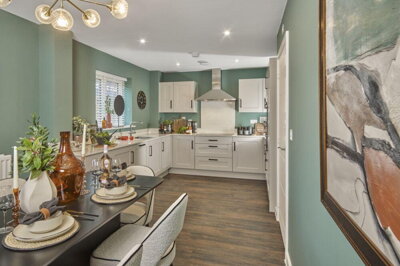
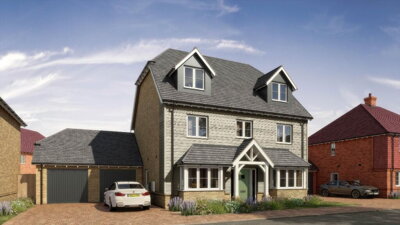
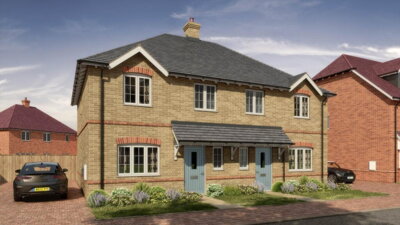
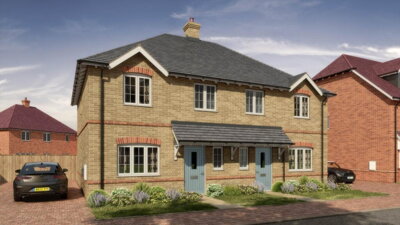
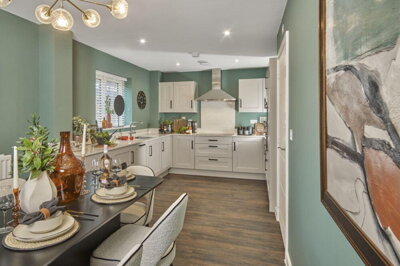
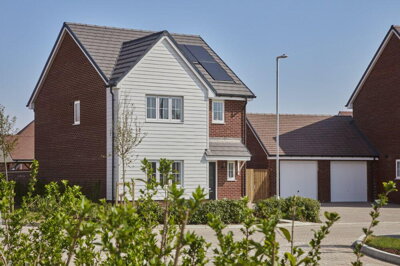
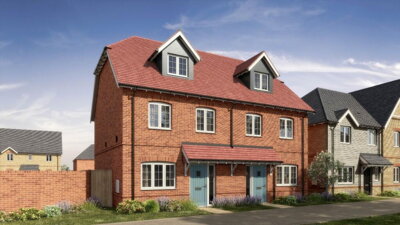
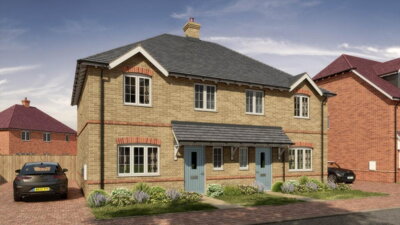
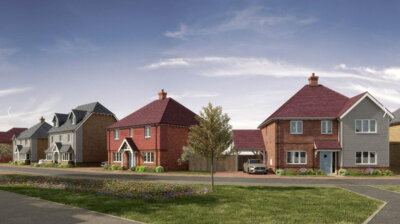
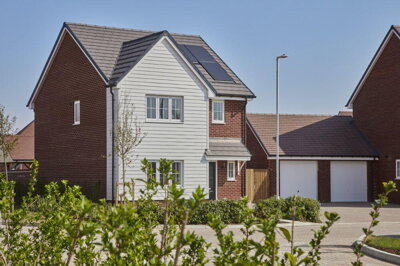
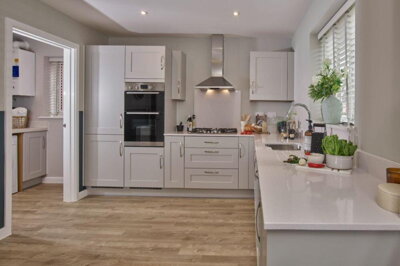
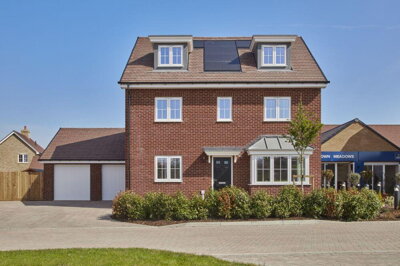
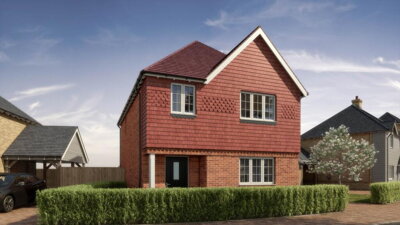
Browse 13 homes new builds in Boughton under Blean from local developer agents.
The Boughton Under Blean property market offers detached, semi-detached, and terraced houses spanning various price ranges and neighbourhoods. Each listing includes detailed property information, photographs, and direct contact with the marketing agent.
The Climping property market presents a varied landscape of housing types, from substantial detached family homes commanding prices around £501,000 on average to more affordable semi-detached properties averaging £367,500 to £380,000. Terraced homes in the village have achieved prices up to £550,000 in recent sales, while flats remain relatively scarce in this predominantly low-density residential area. The village's coastal positioning and attractive setting have historically supported strong values, though recent market data indicates some softening, with prices falling between 5.6% and 13.9% over the past twelve months depending on the source and specific location within the postcode area.
New build activity is beginning to reshape the local property landscape, with several significant developments either recently completed or currently underway. The Foreman Homes development south of Horsemere Green Lane received reserved matters approval and will eventually deliver up to 300 new dwellings, including family houses and apartments with at least 30% designated as affordable housing. Closer to completion, Langford Close offers nine properties ranging from detached bungalows to semi-detached houses with Help To Buy availability, while The Bramleys provides two additional detached houses on Horsemere Green Lane. For those seeking retirement living, Climping Park on Bognor Road offers 104 park home units exclusively for residents aged 50 and over, with current listings available from around £140,000.
Understanding the local market dynamics is essential when making an offer on a property in Climping. Rightmove data shows overall prices down approximately 7% compared to the previous year, though some streets have performed differently - May Close showed a 9% increase while Appletree Walk saw a 16% decline. This variation highlights the importance of researching specific streets and property types rather than relying solely on village-wide averages when assessing value.

Life in Climping revolves around its distinctive character as a traditional English coastal village that has managed to retain much of its historic charm despite proximity to larger towns. The village centre clusters around the junction of Church Lane and Horsemere Green Lane, where the Grade II listed Church Farm and the ancient parish church of St Mary, dating from around 1080, anchor the heritage of the settlement. The Climping Windmill, predating the mid-18th century, and the 13th-century Bailiffscourt Chapel with its medieval origins further enrich the area's historical fabric, creating a sense of place that newer developments seek to complement rather than overwhelm.
The local economy draws from agriculture, tourism, and the service sector, with the village pub The Oystercatcher serving as a social hub for residents and visitors enjoying the scenic shingle beach. The beach itself, stretching along the coast between Littlehampton and Bognor Regis, forms a significant part of the village's appeal, though buyers should note the coastal flood risks documented for areas including Poole Place and Climping Seafront. The village falls within Arun District Council's administration, which has designated 29 conservation areas across the district, helping to preserve the built environment that makes Climping so attractive to property buyers seeking character homes in an unspoiled setting.
Older properties in Climping typically feature traditional construction methods using local materials that reflect the coastal environment. Flint stone walls, often combined with red brick dressings, were commonly used for cottages and farm buildings throughout West Sussex, while roofs were traditionally finished with clay tiles or thatch. These traditional materials require specific maintenance knowledge, and a RICS Level 2 survey will identify any deterioration or repair needs that may not be apparent during a casual viewing. Our inspectors have extensive experience assessing period properties across coastal Sussex and understand the particular challenges that salt air exposure can present for older construction.

Families considering a move to Climping will find educational provision available through nearby towns, with primary schools serving the village and surrounding hamlets within easy commuting distance. The village's small population means that children typically travel to schools in Littlehampton, Barnham, or Yapton for their primary education, with several options available offering good Ofsted ratings. Parents should research individual school catchments and admission arrangements carefully, as places can be competitive in popular areas, particularly for Reception and Year 7 intake periods when school transitions occur.
Secondary education is similarly accessed through schools in the surrounding area, with Littlehampton Academy and Edmund College providing options for older children within approximately five miles of Climping. For families prioritising academic excellence, the selective admission grammar schools in Chichester may be considered, though entry requires passing the 11-plus examination. Sixth form provision is available at colleges in Chichester and Worthing, offering A-Level and vocational courses for students continuing their education beyond GCSE. Transport arrangements to schools outside Climping typically involve school buses or parent transport, which is worth factoring into relocation planning for families with children of school age.
The quality of local schools can significantly impact property values in an area, and Climping benefits from access to a range of educational options across the surrounding towns. Littlehampton offers several primary schools including River Beach Primary School and St Catherine's Catholic Primary School, while secondary options include the Academy at Littlehampton and Fredrick's School. Parents should verify current catchment boundaries with West Sussex County Council, as these are subject to review and may affect which school a child can attend from a particular address.
Transport connectivity ranks among Climping's strongest attributes, with the A259 coastal road providing direct access to Littlehampton approximately three miles to the east and Bognor Regis around five miles to the west. The A27 trunk road runs inland through Fontwell, offering connections to Chichester to the east and Worthing and Brighton to the west, making regional travel straightforward by car. For commuters working in London, the train services from Littlehampton or Barnham stations provide regular connections to the capital, with journey times to London Victoria typically ranging from 90 minutes to two hours depending on the service and interchange requirements.
Local bus services operated by Stagecoach and local providers connect Climping with surrounding villages and towns, offering essential connectivity for those without private vehicles. The number 47 service links Climping with Littlehampton, providing access to the town's railway station, shops, and amenities without requiring car ownership. Cycling infrastructure has improved in the area, though the rural lanes can be narrow and the coastal terrain relatively flat, making e-bikes a practical option for longer commutes. For air travel, Gatwick Airport is approximately 45 minutes by car via the A29 and M23, while Southampton Airport offers additional flight options within reasonable driving distance.
Barnham station, located on the Arun Valley line, provides an alternative to Littlehampton for rail travel, with services running to London Bridge via Horsham and connections to the South Coast. The journey to London from Barnham takes approximately 90 minutes to two hours depending on whether a direct service is available or changes are required at Horsham. Many commuters from Climping choose to drive to either station and park, though advance booking is recommended for parking at peak times.
Before viewing properties, spend time understanding current prices, recent sales, and upcoming developments in Climping and surrounding areas. Our platform provides access to up-to-date listings and historical sales data, allowing you to track price trends on specific streets and property types. Use Homemove to set up property alerts and track new listings as they come to market, particularly important in a village market where desirable properties can sell quickly.
Speak to a mortgage broker to obtain an agreement in principle before making offers. This demonstrates your credibility to sellers and estate agents, particularly important in a village market where properties may receive multiple interest. Climping's average property prices of around £450,000 to £500,000 mean most buyers require substantial mortgages, and having finance agreed in advance can significantly strengthen your negotiating position.
Visit a range of properties including older character homes with potential renovation needs and newer properties with modern fixtures. Take time to explore the neighbourhood at different times of day to understand traffic, noise levels, and community atmosphere. We recommend viewing several properties before making an offer, as the character of different parts of Climping - from the historic core near Church Lane to newer developments on the village periphery - can vary considerably.
For properties over 50 years old, which represent a significant proportion of Climping's housing stock, a Level 2 survey is essential. Given the coastal location and clay geology, the survey should specifically assess potential issues with damp, subsidence, and roof condition. Our team of qualified surveyors understand the particular challenges facing properties in coastal West Sussex and can provide detailed assessments that go beyond a basic condition report.
Choose a solicitor experienced in Arun District property transactions to handle legal work, searches, and contract negotiations. They will coordinate with your mortgage lender and the seller's solicitors through to completion. Local knowledge is particularly valuable for Climping transactions given the flood risk areas and conservation area considerations that may affect certain properties.
Once searches are satisfactory and finance is confirmed, your solicitor will exchange contracts and agree a completion date. On completion day, the remaining balance transfers and you receive the keys to your new Climping home. We recommend arranging buildings insurance to commence from the date of exchange to protect your investment during the final stages of the transaction.
Beyond the property purchase price, buyers should budget for several additional costs when purchasing in Climping. Stamp Duty Land Tax represents the largest upfront expense after the deposit, calculated on a sliding scale that increases with property value. For a typical Climping home priced at around £486,000, a standard buyer would pay £11,800 in SDLT, while first-time buyers benefiting from relief would pay approximately £3,050. Properties priced above £625,000 do not qualify for first-time buyer relief, so higher-value purchases incur the full SDLT liability.
Survey costs should be factored into the budget, particularly given the age of many Climping properties and the coastal environmental factors that can affect building condition. A RICS Level 2 survey typically costs between £400 and £800 depending on property value and size, rising for larger or older homes. Given the clay soil conditions and flood risk in parts of Climping, buyers may wish to commission additional investigations such as a drain survey or flood risk assessment. Legal fees for conveyancing usually start from around £499 to £999 for standard transactions, plus disbursements for local searches, bankruptcy searches, and Land Registry fees, typically totalling £1,500 to £2,500. Mortgage arrangement fees vary by lender but often range from £0 to £2,000, while broker fees if using a mortgage adviser may add £200 to £500 to the upfront costs.
Removal costs represent another significant budget item, with quotes varying widely depending on the volume of belongings and distance travelled. For a local move within Climping or from nearby towns, budget between £500 and £2,000 for professional removal services. Storage costs may be required if there is a gap between completing on your sale and being able to move into your new purchase. We recommend obtaining at least three quotes from different removal companies and checking whether they have experience with coastal locations where access may be affected by weather or tide conditions.
Property buyers in Climping should pay particular attention to flood risk assessments, given the documented coastal flooding concerns for areas including Poole Place and Climping Seafront. Properties near the beachfront or in low-lying areas require careful evaluation of flood history, existing defences, and insurance implications. A RICS Level 2 survey can identify any previous water damage or damp issues that may be more prevalent in coastal locations, while the surveyor should assess the condition of timber frames, render systems, and fixings that may have been affected by salt air exposure over time.
The presence of clay soils throughout West Sussex means that subsidence and heave risk affects many properties in the area, and buyers should look for signs of structural movement such as cracking to walls, uneven floors, or sticking doors and windows. Properties on larger plots with mature trees require additional scrutiny, as tree roots can exacerbate moisture changes in shrink-swell clay soils, potentially affecting foundations. Our surveyors are trained to identify the tell-tale signs of subsidence and can recommend appropriate investigations if concerns are raised during the inspection.
Listed buildings such as Church Farm and properties within any designated conservation areas carry planning restrictions that limit permitted development rights, so buyers should confirm exactly what works require consent before purchase. Freehold versus leasehold tenure should be verified for any flats or apartments, and service charges and ground rent terms should be reviewed carefully for leasehold properties. Older properties in Climping may also have outdated electrical systems that require updating to meet current standards, with wiring dating from the 1960s or earlier that would benefit from a full rewire before occupation.
Coastal erosion represents an ongoing consideration for properties in Climping, particularly those close to the beachfront. The beach and car park areas have experienced erosion over time, with shingle loss and the deterioration of old sea defence structures. While the Foreman Homes development site is positioned north of the A259 in a low flood risk area, buyers considering properties closer to the sea should investigate the long-term erosion history and any planned coastal protection works. This information can typically be obtained through local authority planning documents and Environment Agency data.
Average house prices in Climping have shown some variation across data sources, with Rightmove reporting around £486,000 and other sources indicating median prices closer to £399,000 to £455,000 depending on property type and recent sales volume. Detached properties typically command prices around £501,000, while semi-detached homes average £367,500 to £380,000. Recent market trends show prices softening by between 5.6% and 13.9% over the past twelve months, creating opportunities for buyers in this sought-after coastal village.
Properties in Climping fall under Arun District Council, which sets council tax bands ranging from A to H depending on the property's assessed value. Most family homes in the village fall into Bands C through E, while larger detached properties and those with significant extensions may be in higher bands. Exact bands can be confirmed through the Arun District Council website or the Valuation Office Agency listing for the specific property address.
Climping itself has limited school provision due to its small population, with children typically attending primary schools in nearby villages and towns such as Littlehampton, Yapton, or Barnham. The nearest primary schools include those in Littlehampton, which is approximately three miles away and easily accessible by car or the number 47 bus service. The nearest secondary schools include Littlehampton Academy and schools in Bognor Regis, with several achieving good or outstanding Ofsted ratings. Parents should check current catchment areas and admission policies, as these can change and may affect which school a child can attend from a particular address.
Climping is served by local bus routes including the number 47 connecting to Littlehampton, where mainline railway stations provide services to London Victoria, Brighton, and Portsmouth. The A259 coastal road offers regular bus connections to surrounding towns, while the A27 provides road access to Chichester and the regional motorway network. Gatwick Airport is approximately 45 minutes away by car, making Climping reasonably well-connected for a village of its size despite limited direct rail access. Barnham station on the Arun Valley line provides an alternative route to London Bridge via Horsham.
Climping offers several investment considerations including its coastal location, limited housing supply, and proximity to larger towns. The Foreman Homes development bringing up to 300 new properties may increase local housing stock significantly over coming years, though this is currently in early stages with reserved matters approval received recently. Buyers should weigh the village's peaceful character and scenic beach against the documented flood risks in certain areas and the fact that smaller villages can experience slower sales periods. Properties with character features, good transport links, and modern energy efficiency ratings tend to retain value best in this market.
Stamp Duty Land Tax rates for 2024-25 apply to all properties in England, including those in Climping. Standard rates are 0% on the first £250,000, 5% on £250,001 to £925,000, 10% on £925,001 to £1.5 million, and 12% above £1.5 million. First-time buyers may qualify for relief on the first £425,000 of a property purchase, paying 5% on the portion between £425,001 and £625,000, with no relief available above £625,000. A £486,000 property would attract SDLT of £11,800 for a standard buyer or £3,050 for a first-time buyer claiming full relief.
Yes, coastal areas of Climping including Poole Place and Climping Seafront have designated Flood Alert and Flood Warning areas from the Environment Agency. Flooding to low-lying land is possible during high tides and stormy conditions, and wave overtopping can direct water westwards along Mill Lane towards properties on Climping Street. Properties within the flood zone may face higher insurance premiums and could require flood resilience measures. The Foreman Homes development site north of the A259 lies in a very low flood risk area according to Environment Agency mapping, making newer properties there potentially more attractive for buyers concerned about flooding.
Climping's housing stock includes a mix of period properties and new build homes. Older properties typically feature traditional construction with flint stone and brick walls, clay tile or thatched roofs, and may include listed buildings near the historic village centre. Semi-detached and detached family homes from various eras provide the majority of larger properties, with prices averaging around £380,000 for semi-detached and £500,000 for detached homes. New developments including Langford Close on Horsemere Green Lane offer contemporary properties with Help To Buy availability, while Climping Park provides retirement park homes for those aged 50 and over. Terraced properties remain relatively uncommon but have achieved prices up to £550,000 in recent sales.
Properties New Builds In London

Properties New Builds In Plymouth

Properties New Builds In Liverpool

Properties New Builds In Glasgow

Properties New Builds In Sheffield

Properties New Builds In Edinburgh

Properties New Builds In Coventry

Properties New Builds In Bradford

Properties New Builds In Manchester

Properties New Builds In Birmingham

Properties New Builds In Bristol

Properties New Builds In Oxford

Properties New Builds In Leicester

Properties New Builds In Newcastle

Properties New Builds In Leeds

Properties New Builds In Southampton

Properties New Builds In Cardiff

Properties New Builds In Nottingham

Properties New Builds In Norwich

Properties New Builds In Brighton

Properties New Builds In Derby

Properties New Builds In Portsmouth

Properties New Builds In Northampton

Properties New Builds In Milton Keynes

Properties New Builds In Bournemouth

Properties New Builds In Bolton

Properties New Builds In Swansea

Properties New Builds In Swindon

Properties New Builds In Peterborough

Properties New Builds In Wolverhampton

Enter your details to see if this property is within your budget.
Loans, cards, car finance
Estimated property budget
Borrowing + deposit
You could borrow between
Typical borrowing
Monthly repayment
Est. at 4.5%
Loan-to-value
This is an estimate only. Your actual budget may vary depending on interest rates, credit history, and personal circumstances. For an accurate affordability assessment, speak to one of our free mortgage advisors.
This calculator provides estimates for illustrative purposes only and does not constitute financial advice. Your home may be repossessed if you do not keep up repayments on your mortgage. Estimates based on 4.5% interest rate, repayment mortgage. Actual rates depend on your circumstances.
Homemove is a trading name of HM Haus Group Ltd (Company No. 13873779, registered in England & Wales). Homemove Mortgages Ltd (Company No. 15947693) is an Appointed Representative of TMG Direct Limited, trading as TMG Mortgage Network, which is authorised and regulated by the Financial Conduct Authority (FRN 786245). Homemove Mortgages Ltd is entered on the FCA Register as an Appointed Representative (FRN 1022429). You can check registrations at NewRegister or by calling 0800 111 6768.

We use cookies to show you personalised content and improve your experience of our website. Find out more in our Privacy policy and Cookie policy.