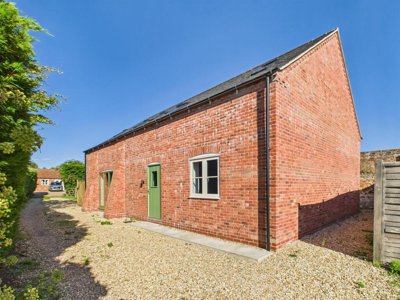
Browse 1 home new builds in Bolingbroke, East Lindsey from local developer agents.
£350k
5
3
52
Source: home.co.uk
Source: home.co.uk
Detached
4 listings
Avg £408,750
Lodge
1 listings
Avg £54,950
Source: home.co.uk
Source: home.co.uk
The Bolingbroke property market offers distinct opportunities depending on which village takes your fancy. New Bolingbroke presents more accessible entry points, with current average prices around £185,800 to £209,658 according to major property portals. The village features a good mix of property types, with detached homes averaging around £228,333 and terraced properties around £242,975. Semi-detached homes in New Bolingbroke have been recorded at lower price points, offering budget-friendly options for first-time buyers or those looking to downsize.
Old Bolingbroke commands premium prices reflecting its historic character and village status. Average property values sit between £359,167 and £415,000, with the median sale price in 2025 reaching £452,500, representing a 12.4% increase compared to 2024. Recent market activity shows prices rising approximately 8% year-on-year, demonstrating steady demand for properties in this sought-after location. The historic significance of Old Bolingbroke, including its connection to Bolingbroke Castle, adds a premium to properties that offer period features and traditional construction.
Neither village currently has active new-build developments within their boundaries, meaning buyers purchasing in Bolingbroke are acquiring established properties with mature gardens and established neighbourhoods. The absence of new housing stock means competition for well-presented homes can be strong, particularly those offering original features, ample parking, and good-sized gardens that families seek. Properties in both villages tend to be predominantly detached or semi-detached, reflecting the rural nature of the housing stock and the preference for generous plot sizes that characterise Lincolnshire villages.
The price gap between New and Old Bolingbroke reflects genuine differences in property character, local amenities, and buyer demand. Old Bolingbroke's historic status and conservation area designation attract buyers willing to pay a premium for period features and traditional architecture. New Bolingbroke offers better value for those prioritising space and village location over historic pedigree. Both villages benefit from the broader appeal of rural Lincolnshire, where property prices remain competitive compared to southern England while offering an excellent quality of life.

Bolingbroke represents the best of rural Lincolnshire living, offering a tranquil lifestyle surrounded by farmland and natural beauty. The dual-village settlement provides a close-knit community atmosphere where neighbours know each other and local events bring residents together throughout the year. The character of the area is distinctly English countryside, with winding lanes, hedgerow-lined roads, and traditional stone and brick properties that have stood for generations. Life here moves at a gentler pace, perfect for families, retirees, or anyone seeking an escape from the pressures of urban life.
As part of the East Lindsey district, Bolingbroke benefits from access to the broader amenities of this scenic corner of Lincolnshire. The area is predominantly agricultural, with farming operations shaping the local economy and landscape. Local employment opportunities tend to centre around agriculture, small businesses, and the service sector, while many residents commute to larger towns for work. The villages themselves offer essential services including parish churches and village halls, with more comprehensive shopping, healthcare, and leisure facilities available in nearby towns like Spilsby, Horncastle, and Boston.
The surrounding countryside provides exceptional recreational opportunities, with the Lincolnshire Wolds offering beautiful walking and cycling routes through rolling hills and picturesque villages. Local pubs serve as community hubs where residents gather for meals and socialising, while the proximity to the coast means beach days are within easy reach for those living in these landlocked villages. The combination of natural beauty, strong community ties, and practical access to town amenities makes Bolingbroke an attractive proposition for buyers prioritising quality of life.
Community life in Bolingbroke centres on traditional village institutions that have served residents for generations. Parish churches host regular services and social events, while village halls provide venues for everything from quiz nights to craft fairs. The local pub serves as an informal community centre where neighbours gather for Sunday lunches and evening drinks. Seasonal events throughout the year bring the community together, from summer fetes to Christmas celebrations, creating the strong social fabric that makes village life so appealing to families and retirees alike.

Families considering a move to Bolingbroke will find a selection of educational options within reasonable driving distance. Primary education is available at local village schools in the surrounding area, with children typically attending schools in neighbouring villages or towns depending on catchment boundaries. The rural nature of the area means primary schools may be smaller than their urban counterparts, often providing a more personalised education experience with close teacher-pupil relationships. Parents should research specific catchment areas and admission policies when considering properties, as these can affect school placement.
Secondary education options in the region include schools in towns such as Spilsby, Horncastle, and Boston, with some families choosing grammar school options where available. Lincolnshire has a mixed secondary education system including academy schools, with facilities ranging from general secondary schools to more specialised institutions. Many families factor school commuting distances into their property search, particularly if both parents work and transport logistics need careful consideration. Sixth form and further education provision is concentrated in the larger towns, with Lincoln and Boston offering comprehensive college facilities for older students.
Early years childcare is available in various forms across the rural area, including childminders, pre-schools, and nursery facilities. The availability of childcare can vary, and families are advised to investigate local options before completing a purchase. Researching school performance data, Ofsted reports, and proximity to educational facilities should form an important part of any property search in Bolingbroke, particularly for families with school-age children.
The commute to schools from Bolingbroke typically involves country roads, so parents should factor in travel times when evaluating properties. Properties in Old Bolingbroke may offer shorter journeys to some schools than those in New Bolingbroke, depending on the specific school and route. Many families in the area choose to relocate specifically for the educational benefits of smaller class sizes and more individual attention that rural schools can offer, making the slightly longer commute worthwhile for the quality of education their children receive.
Transport connectivity from Bolingbroke centres on road travel, with the villages situated along country lanes that connect to the broader Lincolnshire road network. The A16 runs through the region, providing access to the market towns of Spilsby and Boston, while also connecting north to Grimsby and south towards Peterborough. The A158 provides an important east-west route linking the area to the coastal towns and inland destinations. For those working in larger cities, the road network does require patience, with longer journey times than would be experienced in more urbanised areas.
Public transport options in rural Lincolnshire are limited compared to city living, with bus services providing the primary public transport link. Local bus routes connect Bolingbroke to nearby towns, though service frequencies are likely to be reduced compared to urban routes. Those without cars should carefully consider transport requirements when moving to the area, particularly for daily commuting needs. The nearest railway stations are located in larger towns, with East Midlands Railway and other operators providing services to destinations including Lincoln, Nottingham, and beyond.
For commuters to cities like Lincoln, Grimsby, or Hull, car travel is typically essential, with journey times varying depending on final destination and traffic conditions. The drive to Lincoln city centre takes approximately 45 minutes to an hour, while Grimsby is reachable in around 30 to 40 minutes depending on exact location. Cyclists will find the quieter country lanes pleasant for local travel, though longer commutes by bike would be challenging. Parking at properties in Bolingbroke is generally generous, with most homes offering off-road parking or garage facilities.
The road conditions in the surrounding area are generally good, though country lanes can be narrow in places and require careful navigation. During harvest seasons, agricultural traffic increases on local roads, so residents should factor this into journey planning. The proximity to the A16 and A158 means that even with the rural location, major destinations remain accessible for those willing to drive. Many residents find that the peaceful village environment and lower property prices more than compensate for the need to drive.
Property purchases in Bolingbroke require careful attention to several area-specific factors that could affect your investment. The age of the local housing stock means many properties will have traditional construction methods that differ from modern standards. Solid wall construction is common in older properties, which can affect insulation performance and energy efficiency. Buyers should budget for potential improvements to heating systems, insulation, and windows that may be needed to bring older homes up to contemporary comfort standards. A thorough survey is essential to identify any structural issues or maintenance requirements before completing your purchase.
The geological conditions in parts of Lincolnshire, including potential clay soils, create a risk of shrink-swell ground movement that can affect property foundations. Properties near large trees or in areas with variable ground conditions may show signs of subsidence or heave over time. Foundations in older properties may be shallow by modern standards, making them more vulnerable to ground movement. A RICS Level 2 Survey is particularly valuable in rural areas like Bolingbroke, where properties may have complex histories and potential issues that are not immediately visible.
Flood risk should be investigated for specific properties, as low-lying agricultural land can be susceptible to surface water flooding during periods of heavy rainfall. The Environment Agency provides detailed flood maps that buyers should consult, particularly for properties near watercourses or in valley locations. Old Bolingbroke, with its historic character, may include listed buildings and properties within or near conservation areas, which can restrict permitted development rights and require specialist surveys. Properties with agricultural proximity may also need to consider potential farm odours, noise, and traffic during harvest seasons.
The traditional building materials used throughout Bolingbroke include red brick, local stone, and render, with roofs typically covered in slate or pantiles depending on the property age and style. These materials are characteristic of rural Lincolnshire and contribute to the visual appeal of the villages, but they also require ongoing maintenance. Chimneys and parapet walls on period properties should be inspected carefully for signs of decay, and original timber windows may need restoration or replacement. Buyers should also check for evidence of historic building defects that may have been inadequately repaired, particularly in properties that have changed hands infrequently.
Properties in Bolingbroke predominantly feature traditional construction methods that reflect the rural character of Lincolnshire. Red brick walls with cavity construction became common after the mid-twentieth century, while older properties typically have solid brick or stone walls that require different approaches to insulation and moisture management. Roofs are generally pitched with slate or clay pantiles, though some properties may have thatch or modern concrete tiles depending on their age and style. Understanding these construction types helps buyers anticipate potential issues and plan appropriate maintenance budgets.
Damp represents one of the most common defects found in Bolingbroke properties, particularly in older solid-wall construction where moisture can penetrate more easily than in modern cavity walls. Rising damp occurs when groundwater travels up through porous masonry, while penetrating damp results from damaged render, leaking gutters, or deteriorated pointing. Our inspectors frequently identify inadequate ventilation as a contributing factor, especially in properties that have been modernised with new windows without considering the impact on airflow. A thorough survey will assess damp levels throughout the property and recommend appropriate remediation.
Roof condition issues are particularly prevalent in the local housing stock, given the age of many properties in both New and Old Bolingbroke. Our inspectors regularly find wear and tear on roof coverings including slipped or missing tiles, deteriorated ridge pointing, and damaged flashings around chimneys and valleys. Gutters and downpipes can become blocked with leaves and debris, causing water to overflow and saturate brickwork. The condition of roof timbers should be assessed for signs of rot, wet rot, or woodworm infestation that can compromise structural integrity over time.
Electrical and plumbing systems in older properties often require updating to meet current safety standards. Properties built before the 1970s may still have old fuse boxes, fabric-covered cables, and galvanised water pipes that need replacement. Our inspectors check the condition of visible electrical and plumbing installations and note any deficiencies that require attention. Heating systems in traditional properties may be inadequate or inefficient, with solid fuel AGAs, open fires, or old combi boilers that need regular servicing or replacement. Budgeting for these upgrades is essential when purchasing an older property in Bolingbroke.
Explore Bolingbroke thoroughly before committing, visiting at different times of day and week, checking local amenities, road conditions, and getting a feel for the community atmosphere. Spend time in both New and Old Bolingbroke to understand the differences between the villages and identify which better matches your priorities.
Arrange financing before viewing properties to understand your budget and demonstrate seriousness to sellers. Speak to lenders about the best rates for your circumstances and consider consulting a mortgage broker who understands the rural property market in Lincolnshire.
Visit multiple properties in both New and Old Bolingbroke to compare options, take notes, and ask estate agents about the local market, property history, and any recent changes in the area. Pay attention to the condition of properties and note any issues that may require further investigation.
Commission a thorough inspection of any property you intend to purchase, particularly important given the age of local housing stock and potential for hidden defects in traditional constructions. Our inspectors understand the specific issues affecting properties in Bolingbroke and can provide detailed advice on condition and maintenance.
Choose a conveyancing specialist to handle the legal aspects of your purchase, including searches, contracts, and registration of the title. Local knowledge of Lincolnshire properties can be valuable when dealing with older titles and unusual property configurations.
Finalise your purchase with your solicitor, transfer funds, and collect your keys from the estate agent on completion day. Our team can recommend local removal firms and tradespeople to help you settle into your new Bolingbroke home.
Property prices in Bolingbroke vary significantly between the two villages. New Bolingbroke averages around £185,800 to £209,658 depending on the source, with detached properties at approximately £228,333 and terraced homes around £242,975. Old Bolingbroke commands higher prices, with averages between £359,167 and £415,000, and the median sale price in 2025 reaching £452,500, showing strong year-on-year growth of 12.4%. The price gap reflects the historic character of Old Bolingbroke and the premium placed on period properties in conservation settings.
Properties in Bolingbroke fall under East Lindsey District Council for council tax purposes. Bands range from A to H depending on property value, with most traditional rural properties likely falling in bands A through D. Properties in Old Bolingbroke with period features and larger footprints may fall into higher bands. Prospective buyers should verify the specific band for any property they are considering, as this affects ongoing annual costs and can vary significantly between neighbouring properties depending on their valuation.
Primary schools in the surrounding villages serve the local community, with families often travelling to nearby towns for secondary education. Schools in Spilsby, Horncastle, and Boston provide secondary options, and parents should research specific catchment areas, Ofsted ratings, and admission criteria when choosing a property based on school placement. The smaller class sizes typical of rural primary schools can offer educational benefits, though transport arrangements need to be considered carefully when evaluating properties in either village.
Public transport options are limited in this rural location, with bus services providing the primary alternative to car travel. Service frequencies are reduced compared to urban areas, so residents generally need access to a car for daily commuting and regular activities. The nearest railway stations are in larger towns, requiring onward travel from Bolingbroke. The village locations mean that some residents travel considerable distances for work, so factoring in commuting costs and time is important when considering property purchases.
Old Bolingbroke in particular has shown consistent price growth, with values rising 8% year-on-year and 18% up on the 2023 peak of £350,800. The historic character and limited new supply in the area suggest potential for continued appreciation, particularly for period properties in good condition. The broader Lincolnshire area offers more affordable entry points compared to southern England, making it attractive for buyers seeking value. New Bolingbroke prices have stabilised after a period of adjustment, presenting opportunities for buyers prioritising space and village location over historic pedigree.
Stamp Duty Land Tax rates for 2024-25 apply 0% duty on the first £250,000 of residential purchases, 5% between £250,001 and £925,000, 10% from £925,001 to £1.5 million, and 12% above £1.5 million. First-time buyers receive relief on the first £425,000, with 5% applied between £425,001 and £625,000. Given that most properties in Bolingbroke fall well within the lower thresholds, with many Old Bolingbroke properties still below £925,000, your SDLT liability will likely be modest compared to purchases in more expensive regions.
Parts of Lincolnshire, including low-lying agricultural areas, can be susceptible to river and surface water flooding during periods of heavy rainfall. The agricultural nature of the surrounding land means drainage patterns should be considered when evaluating properties. Buyers should consult Environment Agency flood maps for specific properties and consider the proximity to watercourses, drainage patterns, and the history of any flooding incidents. A thorough survey will assess any flood risk indicators and recommend further investigations where appropriate. Properties on slightly elevated ground or with good drainage may present lower risk than those in valley locations.
Older properties in Bolingbroke require careful inspection of construction type and condition, as solid wall buildings have different insulation and moisture management characteristics than modern cavity wall construction. Check the condition of roofs, chimneys, and rainwater goods, as these are common failure points in period properties. Look for signs of damp, subsidence, or structural movement, and verify that electrical and plumbing systems have been updated appropriately. Our RICS Level 2 Survey specifically addresses these issues and provides detailed advice on maintenance and remediation costs.
From 4.5%
Finding the right mortgage for your Bolingbroke purchase
From £499
Professional legal services for your property purchase
From £350
Thorough property inspection for Bolingbroke homes
From £60
Energy performance certificate for your new home
Understanding the full costs of buying property in Bolingbroke is essential for budgeting effectively. The Stamp Duty Land Tax on your purchase will depend on the property price and your buyer status. For standard purchases, you pay nothing on the first £250,000, then 5% on the portion up to £925,000. First-time buyers benefit from relief on the first £425,000, paying 5% only on amounts between £425,001 and £625,000. Given that most properties in Bolingbroke fall within these lower thresholds, your SDLT liability will likely be modest compared to purchases in more expensive regions.
Beyond stamp duty, you should budget for solicitor fees averaging £500 to £1,500 for conveyancing, depending on complexity. Survey costs for a RICS Level 2 Survey typically start from around £350 for smaller properties, rising with property size and value. Mortgage arrangement fees vary by lender but often range from zero to £2,000. Searches, including local authority, drainage, and environmental searches, typically cost £250 to £400. Removal costs, immediate repairs or renovations, and buildings insurance should also be factored into your moving budget.
For older properties in Bolingbroke, additional costs may arise from renovation or upgrading works. Properties with solid wall construction may need improved insulation, while those with older heating systems may require boiler replacement within the first few years. Budgeting a contingency of 10-15% above the purchase price for immediate works and unexpected issues is prudent for traditional rural properties. Getting multiple quotes for any planned works before completing your purchase helps ensure you have accurate expectations for your total investment.
The lower property prices in Bolingbroke compared to southern England mean that total purchase costs, including stamp duty and legal fees, are proportionally more affordable. This makes the area particularly attractive for first-time buyers and those looking to maximise their budget. The cost of living in rural Lincolnshire is also generally lower than in urban areas, with reduced transport costs offsetting the need for car travel. Many buyers find that their money goes significantly further in Bolingbroke, allowing them to purchase larger properties or more land than would be possible in more expensive regions.
Properties New Builds In London

Properties New Builds In Plymouth

Properties New Builds In Liverpool

Properties New Builds In Glasgow

Properties New Builds In Sheffield

Properties New Builds In Edinburgh

Properties New Builds In Coventry

Properties New Builds In Bradford

Properties New Builds In Manchester

Properties New Builds In Birmingham

Properties New Builds In Bristol

Properties New Builds In Oxford

Properties New Builds In Leicester

Properties New Builds In Newcastle

Properties New Builds In Leeds

Properties New Builds In Southampton

Properties New Builds In Cardiff

Properties New Builds In Nottingham

Properties New Builds In Norwich

Properties New Builds In Brighton

Properties New Builds In Derby

Properties New Builds In Portsmouth

Properties New Builds In Northampton

Properties New Builds In Milton Keynes

Properties New Builds In Bournemouth

Properties New Builds In Bolton

Properties New Builds In Swansea

Properties New Builds In Swindon

Properties New Builds In Peterborough

Properties New Builds In Wolverhampton

Enter your details to see if this property is within your budget.
Loans, cards, car finance
Estimated property budget
Borrowing + deposit
You could borrow between
Typical borrowing
Monthly repayment
Est. at 4.5%
Loan-to-value
This is an estimate only. Your actual budget may vary depending on interest rates, credit history, and personal circumstances. For an accurate affordability assessment, speak to one of our free mortgage advisors.
This calculator provides estimates for illustrative purposes only and does not constitute financial advice. Your home may be repossessed if you do not keep up repayments on your mortgage. Estimates based on 4.5% interest rate, repayment mortgage. Actual rates depend on your circumstances.
Homemove is a trading name of HM Haus Group Ltd (Company No. 13873779, registered in England & Wales). Homemove Mortgages Ltd (Company No. 15947693) is an Appointed Representative of TMG Direct Limited, trading as TMG Mortgage Network, which is authorised and regulated by the Financial Conduct Authority (FRN 786245). Homemove Mortgages Ltd is entered on the FCA Register as an Appointed Representative (FRN 1022429). You can check registrations at NewRegister or by calling 0800 111 6768.

We use cookies to show you personalised content and improve your experience of our website. Find out more in our Privacy policy and Cookie policy.