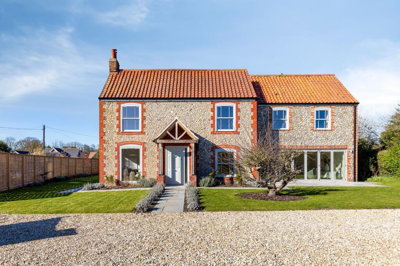
Browse 1 home new builds in Blakeney, North Norfolk from local developer agents.
The larger property sector typically features multiple bathrooms, substantial reception space, and private gardens or off-street parking. Four bedroom houses in Blakeney span detached, semi-detached, and occasionally terraced configurations, with styles ranging from period properties to modern executive homes.
£995k
7
0
81
Source: home.co.uk
Showing 7 results for 4 Bedroom Houses new builds in Blakeney, North Norfolk. The median asking price is £995,000.
Source: home.co.uk
Detached
4 listings
Avg £1.25M
Semi-Detached
3 listings
Avg £600,000
Source: home.co.uk
Source: home.co.uk
Blakeney's property market reflects the enduring appeal of North Norfolk as a destination for those seeking a quieter pace of life by the coast. Our data shows detached properties command the highest prices, with the average currently sitting at £675,000, making them ideal for families or couples looking for generous living space and character features. Semi-detached homes in the village average around £375,000, offering an accessible entry point to Blakeney living while still providing the traditional construction methods that define the area. Terraced properties, many of which date back to the Georgian or Victorian periods, average approximately £350,000 and frequently feature the distinctive flint and brick construction that makes Norfolk properties so visually striking.
The market has shown steady growth over the past twelve months, with overall prices increasing by 1.0% as demand continues to outpace supply in this sought-after location. Flats in Blakeney remain relatively scarce, with averages around £250,000, though the limited stock means competition can be fierce when quality apartments become available. Tourism plays a significant role in the local property market, with many buyers purchasing second homes or investing in holiday lets that can generate attractive returns throughout the summer season. The combination of strong capital growth, rental potential, and the lifestyle benefits of coastal living makes Blakeney an appealing choice for both primary residence buyers and investment purchasers.
The village's position within the North Norfolk Coast Area of Outstanding Natural Beauty means that new development is strictly controlled, helping to maintain property values by preserving the character that makes the area so desirable. Approximately 40-50% of properties in Blakeney are detached houses, reflecting the spacious nature of the village and the preference among buyers for standalone homes with gardens. The high proportion of second homes and holiday lets in the village, estimated at around 20-25% of the housing stock, supports the local tourism economy but does mean that some properties may be marketed primarily as investment opportunities rather than primary residences.

Blakeney is a village that punches well above its weight in terms of character and community spirit, with a population of approximately 800 to 900 residents concentrated around the historic quay and the winding lanes that lead inland. The village developed as a medieval port, and evidence of this maritime heritage remains visible today in the architecture of the buildings that line the waterfront and the High Street. Many properties in Blakeney are constructed from traditional Norfolk flint, often combined with red brick quoins and decorative dressings, creating the distinctive appearance that has made the area so popular with artists and photographers. The village centre falls within a designated Conservation Area, and the high concentration of Listed Buildings, particularly around the quay and surrounding lanes, ensures that the historic character is preserved for future generations.
Daily life in Blakeney revolves around a small but excellent selection of local amenities, including traditional pubs such as the Blakeney Hotel and the White Horse, both of which serve quality food and offer views across the estuary. The village benefits from a convenience store, a Post Office, and several galleries and antique shops that cater to the steady stream of visitors who arrive throughout the year. For everyday shopping and services, residents typically travel to nearby Holt, a charming Georgian market town just four miles inland, which offers a wider range of independent shops, restaurants, and professional services. The surrounding North Norfolk coastline forms part of an Area of Outstanding Natural Beauty, providing endless opportunities for coastal walks, birdwatching, and exploring the diverse habitats of saltmarsh, sand dunes, and woodland that make this region so ecologically important.
The village sits at the mouth of the River Glaven, which flows through the surrounding farmland before opening into the Blakeney Freshes, a large area of saltmarsh and grazing marsh that serves as a natural flood defence and habitat for wintering wildfowl. The North Norfolk coast is internationally recognised for its birdlife, with species such as Brent geese, pintail, and marsh harriers regularly spotted in the area. Local businesses include the Grazer's Deli, the Anchor pub, and the Frame Art Gallery, all of which contribute to the village's reputation as a destination for visitors seeking quality food and local art. The strong sense of community is evident in events such as the annual Blakeney Regatta and the Christmas lights display, which bring residents and visitors together throughout the year.
Families considering a move to Blakeney will find a reasonable selection of local schools within easy reach, though the village itself is served primarily by its small primary school. Blakeney Primary School provides education for children from Reception through to Year 6, offering an intimate learning environment where class sizes are typically small and teachers can provide individual attention to each pupil. The school benefits from its coastal location, with outdoor learning opportunities woven into the curriculum, and parents consistently praise the strong sense of community and the supportive atmosphere that pervades the school. For families seeking faith-based education, nearby Stody and Langham primary schools offer alternative options within a short drive, with Stody located approximately three miles inland and Langham approximately four miles away.
Secondary education in the area is concentrated in the market town of Holt, where Gresham's School provides both day and boarding education for students aged 13 to 18, alongside a preparatory school for younger children. The school has an excellent reputation for academic achievement, strong pastoral care, and a wide range of extracurricular activities, making it a significant draw for families moving to North Norfolk. Founded in 1555, Gresham's occupies a spacious campus on the edge of Holt and offers facilities including a swimming pool, sports pitches, and a dedicated music school. For state secondary education, North Walsham High School and Stalham High School serve the wider area, with school transport links available from Blakeney for students who qualify.
Parents should note that catchment areas can be competitive in popular rural locations, so early enquiry about school placements is advisable when planning a move to the area with school-age children. Holt also offers several independent preparatory schools that feed into Gresham's and other senior schools, including Kings School in Norwich for families willing to commute further. The availability of school transport from Blakeney to schools in Holt and beyond means that families are not limited to the village primary school, though many choose it for its community feel and convenient location. Several families in Blakeney also opt for home education, taking advantage of the outdoor learning opportunities available on the coast and the strong local network of home-educating families in North Norfolk.
Transport connections from Blakeney reflect its status as a rural coastal village, with the emphasis firmly on car travel for most everyday journeys, though public transport options do exist for those without vehicles. The village sits approximately five miles from the town of Holt, which offers the nearest major amenities, and about twelve miles from the historic city of Norwich, which provides comprehensive shopping, healthcare, and cultural attractions. For commuters, the nearest railway station is in Sheringham, approximately ten miles away, which provides connections along the Bittern Line to Norwich, with journey times to the city centre taking around 45 minutes. The station also offers direct services to Cambridge and Norwich, connecting to the wider national rail network for travel further afield.
Bus services operated by Coastliner and other local providers connect Blakeney with surrounding villages and towns, including regular services to Holt, Cley Next the Sea, and the coastal resorts of Cromer and Great Yarmouth. The Coastliner 36 service runs several times daily and provides a useful link for those without cars, though frequencies are reduced at weekends and during evening hours. Many residents find that the bus services are sufficient for occasional trips to Holt for shopping or medical appointments, but private vehicles remain essential for daily life in the village. Norwich International Airport is located approximately 30 miles from Blakeney, offering domestic flights and a selection of European destinations through seasonal operators, with easyJet and Ryanair operating routes to destinations such as Amsterdam, Malaga, and the Canary Islands during peak seasons.
For those working in Norwich, the daily commute by car takes approximately 35-40 minutes via the A148 and A1067, though rush-hour traffic can extend this during peak times. The B1157 provides a scenic route along the coast for those travelling to Cromer or Sheringham, while the A149 coastal road offers access to the wider North Norfolk area. Many Blakeney residents work from home or commute less frequently, taking advantage of the village's excellent broadband connectivity and the flexibility offered by remote working. The Bittern Line railway, which runs from Sheringham to Norwich, has been upgraded in recent years with new stations and improved services, making it a viable option for commuters who can combine rail travel with cycling or parking at Sheringham station.
Understanding the construction methods used in Blakeney's housing stock is essential for any prospective buyer, as the village's historic properties were built using techniques that differ significantly from modern construction. The predominant building material in Blakeney is Norfolk flint, a hard nodule of silica that was readily available from the local glacial deposits and chalk bedrock. Flint was traditionally used as a facing material with the structural core formed from rubble or brick, creating walls that are both durable and visually distinctive. Red brick was used for quoins, window surrounds, and decorative dressings, and the combination of these two materials gives many Blakeney properties their characteristic appearance.
The geology of the North Norfolk coast, characterised by glacial deposits including sands, gravels, and boulder clay overlying chalk, has shaped the construction methods used locally for centuries. Many older properties were built with lime mortar rather than cement, which allows the walls to breathe and reduces the risk of moisture trapped within the structure. Later properties may feature rendered finishes, particularly those that have been renovated, while some Georgian and Victorian additions use red brick more extensively than the earlier flint buildings. Traditional pantile or slate roofs are common, with the pantiles being made from local clay and providing excellent weather resistance when properly maintained.
Properties built after 1919 may use cavity wall construction, though this is less common in Blakeney given the village's predominantly older housing stock. Timber-framed roofs are typical in period properties, with king post and truss designs commonly seen in cottages and houses of the Georgian and Victorian periods. The combination of traditional materials and age-related wear means that our surveyors often encounter specific issues with these properties, including mortar degradation in flint walls, timber decay in roof structures, and the gradual settlement that occurs in buildings over 100 years old. Properties within the Conservation Area, which covers most of the historic village centre, are subject to planning controls that can affect repairs and renovations, so understanding the construction methods used is valuable before committing to a purchase.
Given the age and coastal location of Blakeney's housing stock, with over 50% of properties built before 1919, our inspectors regularly encounter a range of defects that are characteristic of traditional Norfolk construction. Damp is one of the most common issues, whether rising damp from the ground, penetrating damp through external walls, or condensation resulting from inadequate ventilation in older properties. Properties built with solid walls lack the cavity that modern construction provides, making them more susceptible to moisture ingress, particularly in exposed coastal positions where wind-driven rain is a regular occurrence.
Timber defects are frequently identified during surveys of Blakeney properties, with woodworm, wet rot, and dry rot all commonly found in roof timbers, floor joists, and window frames. The coastal environment, with its salt-laden air and fluctuating humidity, can accelerate timber decay, and properties where damp-proofing has been compromised are particularly vulnerable. Our inspectors check carefully for signs of active woodworm infestation, paying particular attention to softwood timbers in roofs and exposed positions. Where timber repairs are needed, specialist contractors using traditional techniques and approved treatments are recommended to preserve the character of Listed Buildings.
Roof condition is another area of concern in Blakeney's older properties, with slipped tiles, degraded pointing, and failing leadwork all frequently encountered. Traditional pantile and slate roofs require regular maintenance to prevent water ingress, and the mortar used in older properties often deteriorates faster than the tiles themselves. Lead flashings around chimneys and dormers are particularly vulnerable to corrosion and theft, and our surveyors will note any signs of deterioration that require attention. Properties with complex roof structures, including those with multiple valleys and junctions, may require more extensive maintenance than straightforward roofs, and this should be reflected in your budgeting for any purchase.
Purchasing property in Blakeney requires careful consideration of several factors that are specific to coastal and rural locations in North Norfolk. Flood risk is a significant consideration for any buyer, as the village's position at the mouth of the River Glaven and its proximity to the sea means that coastal, river, and surface water flooding can affect certain properties. Properties adjacent to the quay and estuary, or in low-lying areas, may face elevated flood risk, and prospective buyers should review the Environment Agency's flood maps and consider the property's flood history before committing to a purchase. The Blakeney Freshes, a large area of saltmarsh and grazing marsh to the north of the village, acts as a natural flood defence but also indicates the low-lying nature of the area. Many older properties have been sympathetically updated to minimise flood risk, but insurance premiums may be higher for properties in affected areas.
The high proportion of Listed Buildings in Blakeney means that many properties will be subject to special conditions regarding alterations, extensions, and even routine maintenance works. If you are considering a property that is Listed, you should understand that any works that might affect the building's character or structure will require Listed Building Consent from North Norfolk District Council. This can add complexity and cost to any future renovation plans, though it also ensures that the architectural heritage of the village is preserved. Similarly, properties within the Conservation Area may be subject to additional planning controls that restrict permitted development rights, so consulting with the local planning authority before making an offer is advisable.
The construction methods used in Blakeney's older properties also warrant careful attention during the survey process. Traditional flint walls, while visually appealing and durable when properly maintained, can be susceptible to mortar degradation over time, particularly in exposed coastal positions. Specialist repair techniques using lime mortar are typically required, and these can be more expensive than standard brickwork repairs. The underlying geology of the area, which includes clay-rich soils that can present a moderate to high shrink-swell risk, particularly in areas with mature trees and fluctuating moisture levels, is another factor that our surveyors assess. A thorough RICS Level 2 Survey by a surveyor experienced in Norfolk properties can identify these issues and provide cost estimates for any necessary repairs.
Begin by exploring our listings to understand what is available in Blakeney and the surrounding North Norfolk villages. Consider engaging with local estate agents who have specialist knowledge of the area, as properties in this coastal village can sell quickly due to limited stock and strong demand from both local buyers and those relocating from further afield. The village's popularity as a holiday destination means that many properties are marketed nationally and even internationally, so casting a wide net from the outset will give you the best chance of finding your ideal home.
Before arranging viewings, obtain a mortgage agreement in principle from a lender to confirm your budget and demonstrate your seriousness to sellers. With average detached prices around £675,000, most Blakeney purchases will require a substantial mortgage, and having your finances confirmed can give you a competitive edge in a market where properties occasionally attract multiple enquiries. Speak to a specialist mortgage broker who understands the rural and coastal property market, as they may be able to access deals from lenders who are more flexible with properties in Areas of Outstanding Natural Beauty or with unusual construction methods such as flint walls.
Visit properties that match your criteria, taking time to assess not only the internal condition but also the surrounding area, flood risk considerations, and proximity to local amenities. Many properties in Blakeney are Listed Buildings or located within the Conservation Area, so understanding any restrictions on alterations or renovations is essential before making an offer. During viewings, pay particular attention to the condition of flint walls, roof coverings, and any signs of damp or timber decay, as these can be costly to rectify. Ask the vendor about the property's flood history and whether any works have been carried out to mitigate flood risk.
Given the age of Blakeney's housing stock, with most properties built before 1919, a thorough survey is strongly recommended to identify any structural issues, damp problems, or timber defects that may not be immediately apparent. Surveyors experienced in Norfolk flint properties will understand the specific construction methods used locally and can provide accurate advice on repair costs and maintenance requirements. For Listed Buildings or properties with complex defects, a more detailed RICS Level 3 Building Survey may be advisable, as this provides a more comprehensive assessment of the property's condition and guidance on appropriate repair techniques that comply with conservation requirements.
Once your offer is accepted, instruct a solicitor with experience in rural and coastal property transactions to handle the legal aspects of your purchase. They will conduct searches, check title deeds, and ensure that all necessary permissions and consents are in place, particularly for Listed Buildings where additional requirements may apply. Your solicitor should also investigate any environmental risks, including flood risk and ground stability, and advise on any implications for insurance or future saleability. Given the prevalence of second homes and holiday lets in Blakeney, your solicitor should also confirm the property's title and any restrictions on occupation or use.
After all searches are satisfactory and mortgage offers are confirmed, your solicitor will arrange for contracts to be exchanged, at which point your deposit becomes non-refundable. Completion typically follows within a few weeks, after which you will receive the keys and can begin your new life in Blakeney. Before completion, ensure that you have buildings insurance in place and that you have contacted the utility companies to arrange transfers of accounts. Our team can also provide guidance on local tradespeople and services to help you settle into your new home.
The average house price in Blakeney is currently around £508,000, according to recent market data. Detached properties command the highest prices, averaging approximately £675,000, while semi-detached homes typically sell for around £375,000. Terraced properties average £350,000, and flats, though relatively scarce, average around £250,000. Prices have increased by 1.0% over the past twelve months, reflecting continued strong demand for North Norfolk coastal property. The village's position within an Area of Outstanding Natural Beauty and the limited supply of new properties mean that prices are likely to remain firm in the medium term.
Properties in Blakeney fall under North Norfolk District Council, and council tax bands range from A to H depending on the property's assessed value. Most period cottages and smaller terraced properties in the village are likely to be in Bands A to C, while larger detached homes and converted farm buildings may be in higher bands. Prospective buyers should check specific bandings on the Valuation Office Agency website for individual properties. Council tax rates for North Norfolk District Council are set annually and can be confirmed by contacting the council directly or checking their website for the current financial year.
Blakeney has a small primary school serving Reception to Year 6, which is well-regarded for its intimate class sizes and community atmosphere. The school, located on Westgate Lane, benefits from its coastal setting and offers outdoor learning opportunities as part of its curriculum. For secondary education, families often consider Gresham's School in Holt, a prestigious independent school founded in 1555 with excellent academic results and a wide range of extracurricular activities. State secondary options include North Walsham High School and Stalham High School, both of which serve the wider North Norfolk area with school transport available from Blakeney.
Blakeney is primarily accessible by car, with the nearest railway station in Sheringham approximately ten miles away, offering connections on the Bittern Line to Norwich in around 45 minutes. The Bittern Line also provides connections to Cambridge and the wider national rail network, making it possible to commute to major cities, though the limited service frequency means this is practical only for those with flexible working arrangements. Local bus services, operated by Coastliner and others, connect Blakeney with surrounding villages and towns including Holt, Cley Next the Sea, and Cromer, though frequencies are limited, particularly at weekends and in the evenings.
Blakeney offers strong potential for property investment, particularly in the holiday let sector, given the steady stream of visitors attracted to the North Norfolk coast throughout the year. The village's popularity as a second-home destination supports capital values, and the limited supply of new properties coming to market helps maintain prices. Many Blakeney properties can achieve strong rental yields during the summer season, with weekly rates for well-presented cottages ranging from £500 to over £1,000 depending on size and location. However, buyers should be aware of the additional costs associated with Listed Buildings and Conservation Area properties, as well as the flood risk considerations that can affect insurance and future saleability.
Stamp Duty Land Tax rates from April 2024 onwards are 0% on the first £250,000 of a property purchase, 5% on the portion from £250,001 to £925,000, and 10% on the portion from £925,001 to £1.5 million. For purchases above £1.5 million, the rate is 12%. First-time buyers benefit from relief on the first £425,000, with 5% applied between £425,001 and £625,000. With Blakeney properties averaging £508,000, most buyers will pay stamp duty in the middle bracket, making the overall purchase cost relatively modest compared to properties in more expensive regions. Our team can provide a more detailed calculation based on your specific purchase price and circumstances.
Due to the age and coastal location of Blakeney's housing stock, our surveyors frequently identify damp (both rising and penetrating), timber defects including woodworm and rot, and roof deterioration as issues requiring attention. Flint walls may show mortar degradation, particularly in exposed positions, and the underlying clay soils can cause subsidence or settlement issues, especially near mature trees. Properties with original single-glazed windows, outdated electrical systems, and solid walls lacking insulation are also common in the village. A thorough RICS Level 2 Survey will identify any defects specific to the property and provide cost estimates for repairs.
Understanding the full cost of purchasing property in Blakeney is essential for budgeting effectively, and stamp duty Land Tax represents one of the most significant expenses after the deposit and mortgage. For a typical Blakeney property priced at around £508,000, a standard buyer would pay 0% on the first £250,000 and 5% on the amount between £250,001 and £508,000, resulting in a stamp duty bill of approximately £12,900. First-time buyers can benefit from relief on the first £425,000, reducing their stamp duty to around £4,150, though this relief is not available for purchases over £625,000 or for those who have previously owned property.
Beyond stamp duty, buyers should budget for solicitor fees, which typically range from £500 to £1,500 depending on the complexity of the transaction and whether the property is freehold or leasehold. Search fees, including local authority, drainage, and environmental searches, usually cost between £200 and £400, with additional searches for flood risk and mining reports often recommended for coastal and rural properties. Survey costs should also be factored in, with RICS Level 2 Surveys for Blakeney properties typically ranging from £500 to £900 depending on property size and complexity. Given that many Blakeney properties are older constructions with potential defects, the investment in a thorough survey is money well spent.
Mortgage arrangement fees, valuation fees, and broker costs can add a further £1,000 to £2,000 to the total, while removals and immediate post-purchase costs such as furnishing should also be considered. Properties in flood risk areas may attract higher insurance premiums, and Listed Buildings may require specialist surveys or reports that add to the upfront costs. Our team can provide a comprehensive breakdown of the costs associated with buying in Blakeney, tailored to your specific circumstances and the property you are purchasing. We recommend setting aside a contingency of at least 10% of the purchase price for unexpected repairs and improvements that may be identified during the survey process.

From £500
A detailed inspection of the property condition, ideal for Blakeney's older housing stock. Identifies defects common in flint and brick construction.
From £800
A comprehensive survey recommended for Listed Buildings or properties with complex defects.
From £80
Energy Performance Certificate required for all property sales.
From £499
Expert legal services for your Blakeney property purchase.
From 3.5%
Competitive mortgage rates for your Blakeney home.
Properties New Builds In London

Properties New Builds In Plymouth

Properties New Builds In Liverpool

Properties New Builds In Glasgow

Properties New Builds In Sheffield

Properties New Builds In Edinburgh

Properties New Builds In Coventry

Properties New Builds In Bradford

Properties New Builds In Manchester

Properties New Builds In Birmingham

Properties New Builds In Bristol

Properties New Builds In Oxford

Properties New Builds In Leicester

Properties New Builds In Newcastle

Properties New Builds In Leeds

Properties New Builds In Southampton

Properties New Builds In Cardiff

Properties New Builds In Nottingham

Properties New Builds In Norwich

Properties New Builds In Brighton

Properties New Builds In Derby

Properties New Builds In Portsmouth

Properties New Builds In Northampton

Properties New Builds In Milton Keynes

Properties New Builds In Bournemouth

Properties New Builds In Bolton

Properties New Builds In Swansea

Properties New Builds In Swindon

Properties New Builds In Peterborough

Properties New Builds In Wolverhampton

Enter your details to see if this property is within your budget.
Loans, cards, car finance
Estimated property budget
Borrowing + deposit
You could borrow between
Typical borrowing
Monthly repayment
Est. at 4.5%
Loan-to-value
This is an estimate only. Your actual budget may vary depending on interest rates, credit history, and personal circumstances. For an accurate affordability assessment, speak to one of our free mortgage advisors.
This calculator provides estimates for illustrative purposes only and does not constitute financial advice. Your home may be repossessed if you do not keep up repayments on your mortgage. Estimates based on 4.5% interest rate, repayment mortgage. Actual rates depend on your circumstances.
Homemove is a trading name of HM Haus Group Ltd (Company No. 13873779, registered in England & Wales). Homemove Mortgages Ltd (Company No. 15947693) is an Appointed Representative of TMG Direct Limited, trading as TMG Mortgage Network, which is authorised and regulated by the Financial Conduct Authority (FRN 786245). Homemove Mortgages Ltd is entered on the FCA Register as an Appointed Representative (FRN 1022429). You can check registrations at NewRegister or by calling 0800 111 6768.

We use cookies to show you personalised content and improve your experience of our website. Find out more in our Privacy policy and Cookie policy.