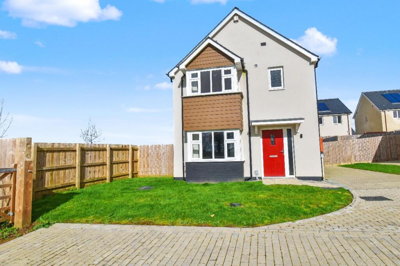
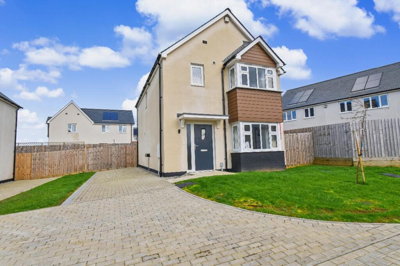
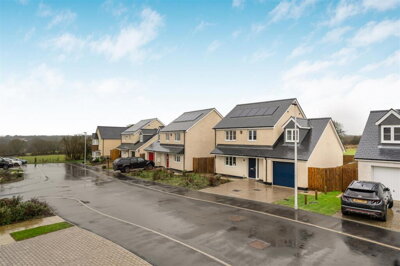
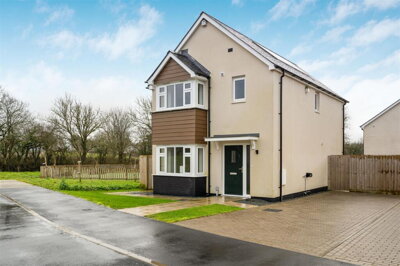
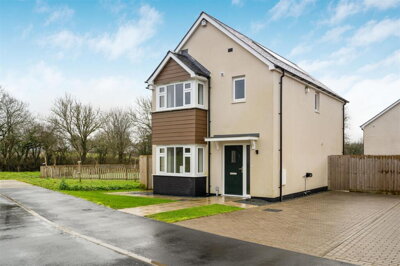
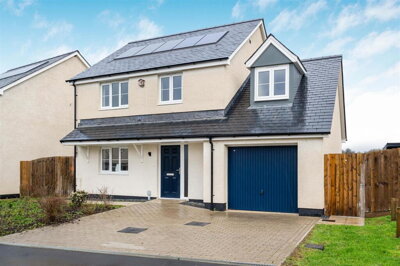
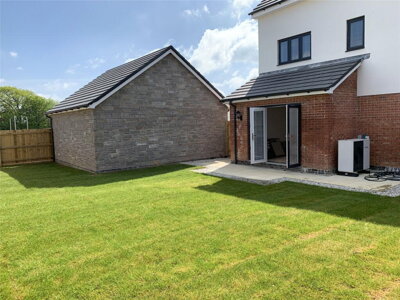
Browse 7 homes new builds in Black Torrington from local developer agents.
The Black Torrington property market offers detached, semi-detached, and terraced houses spanning various price ranges and neighbourhoods. Each listing includes detailed property information, photographs, and direct contact with the marketing agent.
The Clydach property market has demonstrated steady growth, with overall average house prices currently sitting at approximately £209,139 according to Rightmove data. Property Solvers records a figure of £180,300 while Zoopla indicates £174,540, reflecting typical variations between valuation sources. The market saw 73 residential property sales in the past year, with 200 transactions completing over the 24-month period. Historical sold prices show a 17% increase on the previous year and a 19% rise compared to the 2022 peak of £175,838, indicating strong demand in this Swansea suburb. The 857 properties that have sold in Clydach over the past decade demonstrate sustained market activity and buyer confidence in the area.
Terraced properties in Clydach command around £170,962 on average, while flats achieve approximately £149,613. The area features a predominance of semi-detached housing at 47.4% of the housing stock, with detached properties comprising 29.4% and terraced homes at 14.4%. This housing mix creates options for various buyer requirements, from first-time purchasers seeking affordable terraced starter homes to families looking for spacious semi-detached properties with gardens. The relatively low proportion of flats in the area means that terraced and semi-detached properties form the backbone of the local market, appealing to those seeking more traditional family housing.
Price growth has remained consistent at approximately 3.2% over the past 12 months, with detached properties showing stronger appreciation than smaller terraced homes. The Zoopla figure of £174,540 for semi-detached properties aligns closely with Rightmove data, suggesting that buyers can expect a typical three-bedroom semi in the £170,000 to £180,000 range. Detached homes, which often feature larger plots and more bedrooms, command significant premiums, with average prices approaching £316,735 according to Rightmove. New build properties at the Bryn Onnen development range from £220,000 for two-bedroom homes up to £365,000 for four-bedroom detached properties, providing benchmark pricing for modern alternatives.

Clydach grew from a small mining and industrial settlement into a thriving community with a population of approximately 8,400 residents across 3,756 households. The area developed significantly during the 19th century due to local industrial works, and the opening of the Inco Mond nickel refinery in 1902 further expanded the settlement. Today, Clydach retains much of its historical character while offering modern conveniences, with over two-thirds of housing being owner-occupied, well above the Swansea average, indicating strong community attachment and investment in the local area. The average household size of 2.25 persons reflects the family-oriented nature of the community, slightly above the Swansea average of 2.22.
The village centre features several notable landmarks including Grade II listed buildings such as Capel Calfaria, the Church of St John the Baptist, and the Church of St Mary. The historic Swansea Canal passes through the area, with an iron footbridge over the canal and an aqueduct over the Lower Clydach River representing important heritage structures. The statue of Sir Ludwig Mond near Capel Calfaria commemorates the industrialist who helped establish the nickel refinery, reflecting the area's industrial heritage. Manor Park Country House in Coedgwilym Park adds further historical interest to the western side of the village, while milestones on Vardre Road and High Street mark historic coaching routes.
The nearby Cwm Clydach offers scenic walks through the RSPB nature reserve, while local amenities include shops, pubs, and community facilities serving the neighbourhood. The river valleys provide important green corridors through the community, with the River Clydach flowing through steep-sided gorge sections where the fast-flowing water creates erosion risks along the steep banks. The Carboniferous sandstone geology of the Clydach Gorge area creates distinctive landscape character, with the shaley soil types and exposed rock formations visible along footpaths. Local residents enjoy easy access to walking routes along the canal towpaths and through the nature reserve, where woodland and grassland habitats support diverse wildlife.

Families considering a move to Clydach will find educational facilities serving the local community within the Swansea Council educational framework. The area contains primary schools serving the immediate neighbourhood, with secondary options available in nearby Morriston and the wider Swansea area. Given the significant number of families in Clydach, with average household sizes above the Swansea average, school catchments represent an important consideration for property buyers. We recommend checking current catchment boundaries and admission policies when planning your purchase, as these can directly affect which schools your children would be eligible to attend.
The housing stock in Clydach includes properties suitable for families at various stages of education, from primary-age children through to secondary school and sixth form. Over two-thirds of properties in the area are owner-occupied, with families typically staying in the area longer than in more transient neighbourhoods. This stability creates established school communities with strong parent involvement. The proximity to Swansea means access to additional educational options including Welsh-medium schooling, specialist schools, and further education colleges in the city centre. For families considering faith-based education, Catholic and other denominational schools in the wider Swansea area may be accessible depending on catchment boundaries and transport arrangements.
Parents should verify current Ofsted ratings and admission criteria directly with schools or the Swansea Council education department, as these can change and catchment areas may affect property values in specific streets or developments. Properties within sought-after school catchments often command premiums, so understanding catchment boundaries before purchasing can be financially significant. The semi-detached housing predominant in Clydach often falls within the catchments of popular primary schools, while the newer Bryn Onnen development may have different catchment arrangements that buyers should confirm. Documentation required for school admissions includes proof of address, which typically means Exchange of contracts rather than just an offer being accepted.
Clydach benefits from excellent transport connections that make it attractive to commuters working in Swansea and beyond. The A4068 runs through the village, connecting to the M4 motorway at junction 45, providing straightforward access to Swansea city centre, Neath, Port Talbot, and the wider motorway network. Bus services operate along the main routes, connecting Clydach with Morriston, Skewen, and central Swansea, offering public transport alternatives for daily commuting. The journey to Swansea city centre typically takes 20-30 minutes by car, with the M4 connection also providing access to employment centres in Cardiff and West Wales for those willing to commute further.
The historical development of Clydach was shaped by its position on main road, rail, and canal routes serving the coal mines and heavy industries of the Swansea Valley. While the railway lines have closed, the legacy of these transport corridors means the area has good road infrastructure relative to its size. The proximity to the M4 makes larger employment centres accessible, with Port Talbot approximately 30 minutes away and Cardiff reachable within an hour. For rail travel, Neath and Swansea stations offer mainline connections to London Paddington, with Swansea station providing direct services to major UK destinations. The port facilities at Port Talbot provide additional employment opportunities accessible via the M4 for those working in logistics or manufacturing sectors.
Daily running costs for commuters should factor in fuel, parking, and vehicle maintenance alongside any rail season ticket costs if using public transport. Properties with dedicated parking spaces in Clydach can add significant value, particularly given the narrow nature of some older streets in the village centre. The cycle routes along the canal towpaths provide alternatives for shorter commutes to local employers, with the level terrain making cycling viable for many residents. Major employers within reasonable commuting distance include the Vale nickel refinery, Swansea Bay University Health Park, and the various industrial and commercial occupiers of Players Industrial Estate.
The Bryn Onnen development represents the most significant new build activity in Clydach, situated off Brynhawddgar Road near the SA6 5LA postcode. This Pobl Living partnership with Morganstone offers two, three, and four-bedroom homes suitable for various buyer requirements, from first-time purchasers to growing families seeking modern accommodation. Prices start from £220,000 for the Howard two-bedroom semi-detached design, rising to £257,500 for the three-bedroom Osborn semi-detached and reaching £345,000 for the four-bedroom detached Hampstead. The premium Hyde four-bedroom detached property commands prices from £365,000, providing contemporary alternatives to the older housing stock for those preferring new construction with modern insulation standards and warranties.
For buyers considering shared ownership or Help to Buy Wales schemes, the Bryn Onnen development offers these purchase routes alongside outright sale options. Shared ownership can reduce the initial deposit requirement and monthly costs for those who may otherwise struggle to access the property market. Help to Buy Wales provides an equity loan of up to 20% of the property value, allowing buyers to purchase with a smaller deposit and potentially access lower mortgage rates. These schemes can make properties more affordable than traditional purchasing methods, though eligibility criteria and application processes require careful consideration. The availability of these schemes at Bryn Onnen demonstrates developer confidence in demand from local buyers unable to purchase outright at standard mortgage levels.
Beyond Bryn Onnen, planning permission was registered in September 2025 for a single detached dwelling adjacent to Oakdale on Enid Road, SA6 5QU. While this represents limited additional supply, it indicates ongoing interest in residential development within the village. The NAAMEC property development company has recently completed individual properties in Clydach, including homes at Clos Salem and Lone Road, with similar properties expected to reach the market in 2026. These individual new build opportunities provide alternatives to both older period properties and the larger Bryn Onnen development, though at smaller scales.
Contact a mortgage broker to obtain an agreement in principle before viewing properties. This strengthens your position when making offers and helps you understand your true budget in the Clydach market, where typical prices range from around £149,000 for flats to over £316,000 for detached homes. Lenders will assess your income, outgoings, and credit history before providing a decision in principle, which typically remains valid for 60-90 days.
Explore different neighbourhoods within Clydach, from the village centre near the Grade II listed churches and Capel Calfaria to the newer Bryn Onnen development on the outskirts. Consider proximity to schools, flood risk areas including properties near the River Tawe and Lower Clydach River, and transport links when narrowing your search. Street-level research should include checking specific addresses against flood risk databases and reviewing local authority planning portals for any proposed developments nearby.
Use Homemove to browse listings and schedule viewings with local estate agents. Take time to assess the property condition, noting the age of the building and any signs of damp or structural concerns common in older properties built before modern construction standards. For properties over 50 years old, which make up a substantial portion of Clydach's housing stock, a thorough survey is essential before proceeding. Viewings should include multiple visits at different times of day to assess noise levels, lighting, and any recurring issues.
For properties over 50 years old, which make up a substantial portion of Clydach's housing stock, a Level 2 survey is essential. Expect to pay £450-£550 for properties valued between £150,000 and £400,000. Our survey team regularly inspects properties in the SA6 postcode, identifying common issues including damp, roof defects, and potential mining subsidence risks affecting homes in this historic industrial area. The survey report provides detailed findings that can be used to negotiate price reductions or require seller repairs before completion.
Choose a solicitor experienced in Swansea property transactions to handle legal work, searches, and contracts. They will investigate flood risk, mining records, and any planning issues affecting the property. Mining searches are particularly important in Clydach, where the industrial heritage means old mine workings may exist beneath or near properties. Local authority searches typically take 2-3 weeks, though Flood Risk Assessments and Environmental searches may extend timelines for properties in designated flood warning areas like those near Clydach Bridge.
Once searches are satisfactory and mortgage is approved, your solicitor will coordinate the exchange and completion. On completion day, you receive the keys and become the official owner of your Clydach home. Allow time for final checks on the day, including meter readings and confirmation that all agreed items are included with the property. Building insurance must be in place from the point of exchange, so arrange cover before this date.
Property buyers in Clydach should be aware of specific local factors that can affect purchasing decisions and long-term ownership costs. Flood risk is a significant consideration, as the area sits beside both the River Tawe and the Lower Clydach River, with flood warning areas designated at Clydach Bridge and along the river corridors. The Flood Risk Map indicates that surface water flooding represents the primary concern, with ordinary watercourses and culvert intakes creating risk during heavy rainfall. Properties in affected areas, particularly on Beryl Road and Capel Road which experienced extensive surface water flooding during Storm Dennis in February 2020, may face higher insurance premiums or difficulty obtaining mortgages without specialist cover.
The mining heritage of the Swansea Valley means some properties in Clydach may be subject to potential subsidence from old mining tunnels and shafts. The Cwm Clydach valley operated as a working coal mining area until at least 1962, leaving a legacy of underground workings that could be susceptible to collapse or ground movement. Properties in proximity to the steep river gorges may also face erosion risks, particularly where the fast-flowing River Clydach cuts through Carboniferous sandstone. The shaley soil types present in some areas can exhibit clay-like properties, creating potential shrink-swell subsidence risks during periods of drought or excessive rainfall. These ground conditions make professional surveys particularly valuable for identifying any existing damage or risk factors.
For those considering properties near the Cwm Clydach SSSI or along the steep riverbanks, understanding ground stability and erosion risks is advisable. Properties in proximity to Grade II listed buildings may face restrictions on alterations, and any works to listed structures require separate consent from the local planning authority. The older terraced properties in the village centre, many built using traditional sandstone or brick construction with solid walls, may exhibit different defect patterns compared to modern cavity-wall construction. Common issues in these period properties include penetrating damp through ageing brickwork, inadequate insulation, and original wiring that may require updating to meet modern safety standards.
Properties in Clydach reflect the construction methods and materials prevalent during different periods of the village's development. The older terraced housing in the village centre typically features traditional construction with solid brick or local sandstone walls, often finished with render or pebbledash coatings applied in later decades. These solid-walled properties were built before cavity wall insulation became standard, meaning they may experience higher heat loss and require different approaches to insulation compared to newer construction. The traditional Welsh slate roofing common on these older properties has proven durable, though individual tiles may require replacement after decades of exposure to weather.
Semi-detached and detached properties developed during the mid-20th century often feature cavity wall construction with brick outer leaves and concrete tile roofing. These properties typically include original features such as cast iron gutters and lead flashings that may require maintenance or replacement after 50-70 years of service. The concrete tiles used on post-war properties are heavier than traditional clay tiles, and roofs on older timber structures may show signs of spread or sagging if tiles were replaced with heavier modern alternatives without structural reinforcement. Our surveyors regularly identify issues with original single-glazed windows and inefficient heating systems in properties built before current insulation standards were introduced.
Modern construction at Bryn Onnen and any contemporary developments use current building regulation standards, typically featuring brick or rendered cavity wall construction with high-efficiency insulation, UPVC windows, and modern heating systems. These properties benefit from 10-year structural warranties and should require minimal maintenance in early years. However, buyers should still commission a survey on new build properties to identify any defects in workmanship or materials that may not be apparent during developer snagging inspections. The combination of different construction types across Clydach means buyers should understand the specific characteristics of the property type they are considering, as maintenance requirements, energy efficiency, and common defects vary significantly between period and modern construction.
Average house prices in Clydach currently range from approximately £174,540 to £209,139 depending on the data source consulted. Detached properties average around £316,735, semi-detached homes around £174,177, and terraced properties approximately £170,962. Flats typically sell for around £149,613. House prices have increased by 6.8% over the past year, with historical sold prices showing a 17% increase on the previous year. The recent price growth has been modest but consistent, suggesting a stable market rather than speculative price inflation. Properties at the Bryn Onnen new development command premiums over equivalent older properties, with two-bedroom homes starting from £220,000 compared to older terraced properties that may be available below £150,000.
Properties in Clydach fall under Swansea Council's jurisdiction and council tax bands range from A through to H, depending on the property's assessed value. Most terraced and smaller semi-detached properties in the area typically fall within bands A to C, while larger detached homes with higher values may be in higher bands. Band D and E properties typically include larger semi-detached and detached family homes, with premium detached properties at Bryn Onnen potentially falling into band F or above. You can check specific bandings via the Swansea Council website or your solicitor can confirm this during conveyancing searches, as council tax bands affect ongoing ownership costs.
Clydach is served by local primary schools within the village and falls under Swansea Council's secondary school admission arrangements. The area contains education facilities serving families with primary-age children, with Morriston offering secondary school options within reasonable distance. Specific Ofsted ratings and school performance data should be verified directly with current Ofsted reports or the local education authority, as these assessments are updated regularly. Proximity to schools can affect catchment eligibility, so buyers with children should confirm school boundaries before purchasing, particularly for the popular primary schools in the area. Families should also consider Welsh-medium education options available in the wider Swansea area.
Clydach has bus services connecting the village to Morriston, Skewen, and Swansea city centre, providing public transport options for commuters. The A4068 road runs through the village, connecting to the M4 motorway at junction 45 for road travel, with journey times to Swansea city centre taking approximately 20-30 minutes by car. While no railway station exists in Clydach itself, Neath and Swansea stations offer mainline rail connections for longer-distance travel, with Swansea providing direct services to London Paddington, Manchester Piccadilly, and Birmingham New Street. The bus services operate at reasonable frequencies for daily commuting, though those relying entirely on public transport should verify exact timetables for their specific commute requirements.
Clydach offers potential for property investment given its steady price growth of 6.8% annually and the wider Swansea economic forecast projecting GVA growth of 1.7% in 2025. The high proportion of owner-occupied housing at over two-thirds indicates a stable residential market with genuine community rather than transient tenancies. Major employers including the Vale nickel refinery, Swansea Council schools, and Players Industrial Estate provide employment stability that underpins local demand. The new Bryn Onnen development with properties from £220,000 to £365,000 shows ongoing housing development in the area. However, flood risk and mining heritage should factor into investment decisions, as properties in designated flood warning areas may face insurance challenges or reduced liquidity. Rental demand exists given the employment base, though yields will vary depending on property type and condition.
For standard purchases, stamp duty land tax rates are 0% on the first £250,000, 5% on £250,001 to £925,000, 10% on £925,001 to £1.5 million, and 12% above £1.5 million. First-time buyers pay 0% on the first £425,000, 5% on £425,001 to £625,000, with no relief above £625,000. Given Clydach's average prices of around £209,139, most purchases would attract no stamp duty for first-time buyers, or a minimal amount for those who have previously owned property. The only scenario where additional SDLT would apply in Clydach would be for high-value properties above £250,000 for non-first-time buyers or above £425,000 for first-time buyers purchasing at the upper end of the market.
Clydach faces flood risk from multiple sources, including the River Tawe and Lower Clydach River, with designated Flood Warning Areas covering properties near Clydach Bridge. Surface water flooding represents a significant risk, particularly for properties on Beryl Road and Capel Road which experienced extensive flooding during Storm Dennis in February 2020. Properties within these flood warning areas may face higher insurance premiums, and some lenders may require flood risk assessments before approving mortgages. The Clydach Flood Risk Assessment indicates that ordinary watercourses and culvert intakes create surface water risks during heavy rainfall events. We recommend checking the Environment Agency flood warning system and reviewing specific property history regarding flooding before purchasing.
From £450
Professional survey identifying defects in properties across SA6 Clydach
From 4.5%
Competitive mortgage rates for Clydach property purchases
From £499
Expert solicitors handling Swansea property transactions
From £80
Energy performance certificates for Clydach properties
Understanding the full costs of purchasing property in Clydach helps you budget accurately for your move. For properties priced at the Clydach average of around £209,139, a first-time buyer would pay zero stamp duty on the first £425,000, meaning no SDLT applies to most standard purchases in this price range. Previous property owners would pay 0% on the first £250,000, with only the amount between £250,001 and £209,139 attracting the 5% rate, resulting in no stamp duty on most average-priced Clydach properties. Only those purchasing above these thresholds would face additional SDLT costs, which should be factored into the overall purchase budget.
Beyond stamp duty, budget for solicitor conveyancing fees typically starting from £499 for standard transactions, plus local authority searches covering flood risk, planning history, and mining records specific to the Swansea Valley. Mining searches are essential in Clydach given the area's industrial heritage, with historical mining records potentially affecting properties throughout the village. These searches typically cost £50-£100 for standard mining reports plus additional fees for environmental and drainage searches. A RICS Level 2 survey costs between £450 and £550 for properties in the Clydach price range, which is particularly important given the significant proportion of older properties potentially affected by damp, roof defects, or mining-related subsidence. The investment in a professional survey can identify issues worth thousands of pounds in repair costs or provide leverage for price negotiations.
Mortgage arrangement fees typically range from 0% to 1.5% of the loan amount, though many lenders offer fee-free mortgages that may be preferable depending on individual circumstances. Survey arrangement fees for the RICS Level 2 inspection typically range from £350 to £600 depending on property value, with Swansea average pricing around £500 for typical Clydach properties. You should also factor in removal costs, Land Registry fees of approximately £200-£300, and potential renovation costs if purchasing an older property requiring updates to electrical or insulation standards. Properties that have not been updated for 25 years or more may require Electrical Installation Condition Reports and potential rewiring, which can cost £3,000-£8,000 depending on property size.
Properties New Builds In London

Properties New Builds In Plymouth

Properties New Builds In Liverpool

Properties New Builds In Glasgow

Properties New Builds In Sheffield

Properties New Builds In Edinburgh

Properties New Builds In Coventry

Properties New Builds In Bradford

Properties New Builds In Manchester

Properties New Builds In Birmingham

Properties New Builds In Bristol

Properties New Builds In Oxford

Properties New Builds In Leicester

Properties New Builds In Newcastle

Properties New Builds In Leeds

Properties New Builds In Southampton

Properties New Builds In Cardiff

Properties New Builds In Nottingham

Properties New Builds In Norwich

Properties New Builds In Brighton

Properties New Builds In Derby

Properties New Builds In Portsmouth

Properties New Builds In Northampton

Properties New Builds In Milton Keynes

Properties New Builds In Bournemouth

Properties New Builds In Bolton

Properties New Builds In Swansea

Properties New Builds In Swindon

Properties New Builds In Peterborough

Properties New Builds In Wolverhampton

Enter your details to see if this property is within your budget.
Loans, cards, car finance
Estimated property budget
Borrowing + deposit
You could borrow between
Typical borrowing
Monthly repayment
Est. at 4.5%
Loan-to-value
This is an estimate only. Your actual budget may vary depending on interest rates, credit history, and personal circumstances. For an accurate affordability assessment, speak to one of our free mortgage advisors.
This calculator provides estimates for illustrative purposes only and does not constitute financial advice. Your home may be repossessed if you do not keep up repayments on your mortgage. Estimates based on 4.5% interest rate, repayment mortgage. Actual rates depend on your circumstances.
Homemove is a trading name of HM Haus Group Ltd (Company No. 13873779, registered in England & Wales). Homemove Mortgages Ltd (Company No. 15947693) is an Appointed Representative of TMG Direct Limited, trading as TMG Mortgage Network, which is authorised and regulated by the Financial Conduct Authority (FRN 786245). Homemove Mortgages Ltd is entered on the FCA Register as an Appointed Representative (FRN 1022429). You can check registrations at NewRegister or by calling 0800 111 6768.

We use cookies to show you personalised content and improve your experience of our website. Find out more in our Privacy policy and Cookie policy.