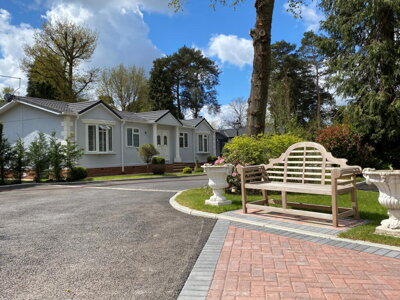
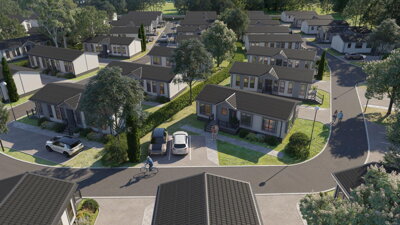
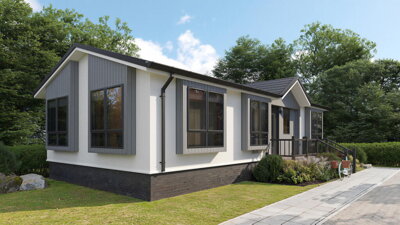
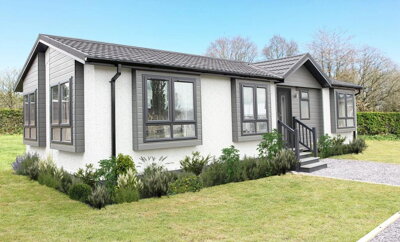
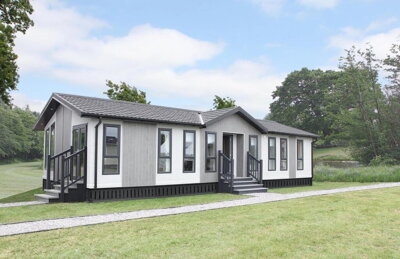
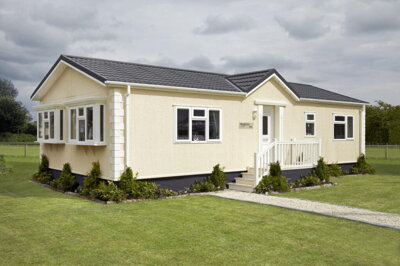
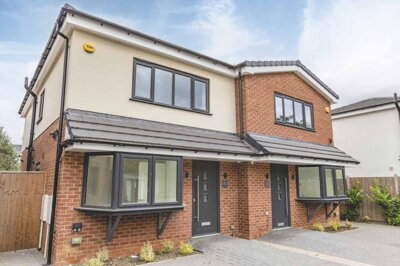
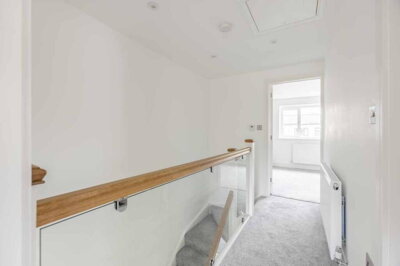
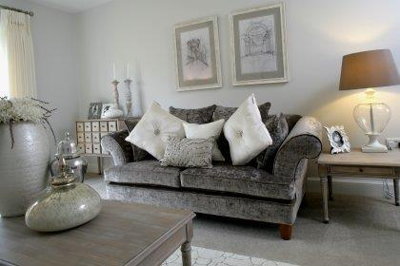
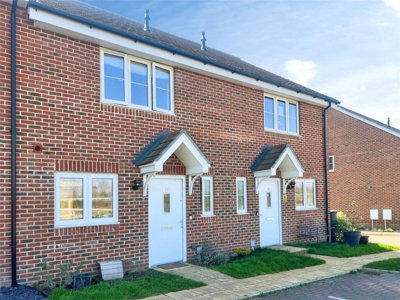
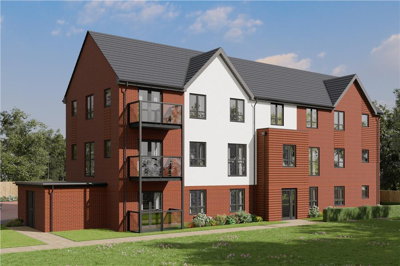
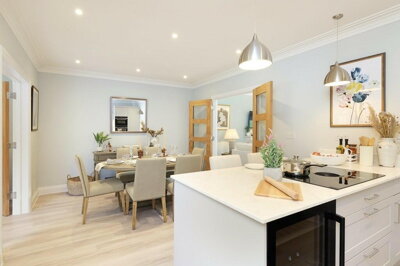
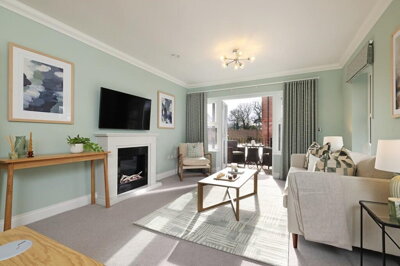
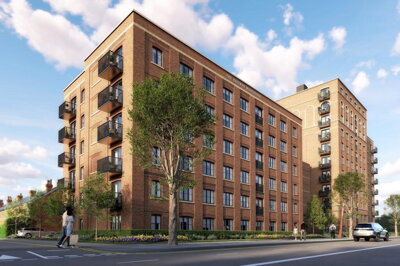
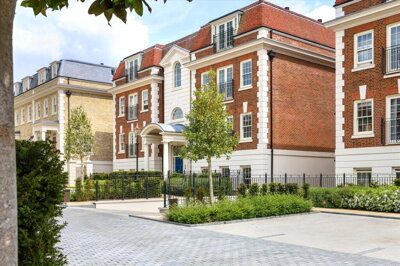
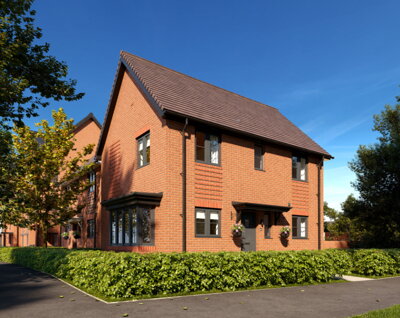
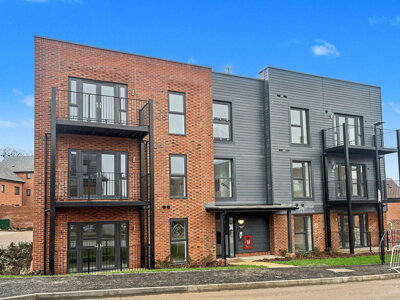
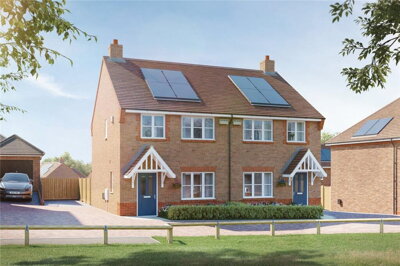
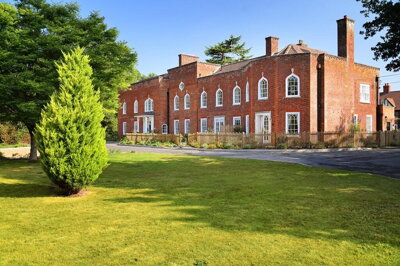
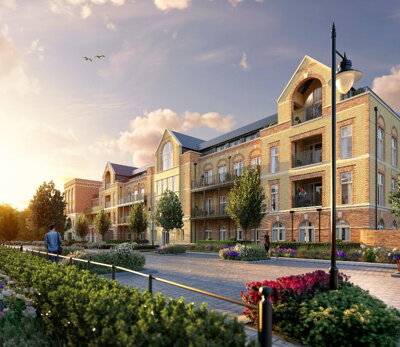
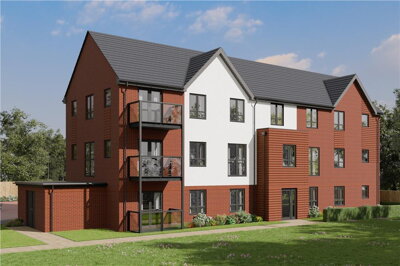
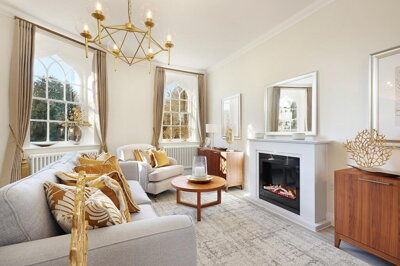
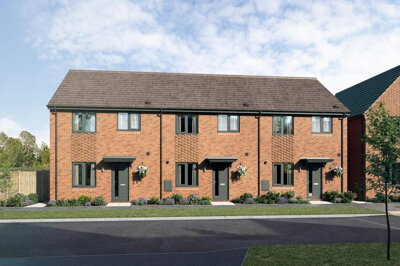
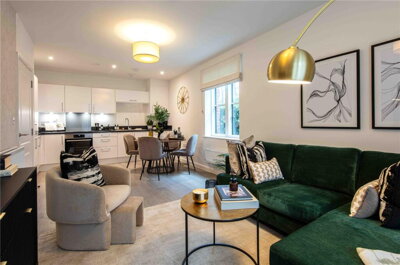
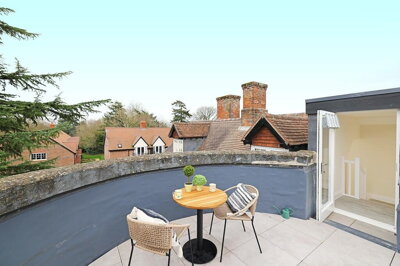
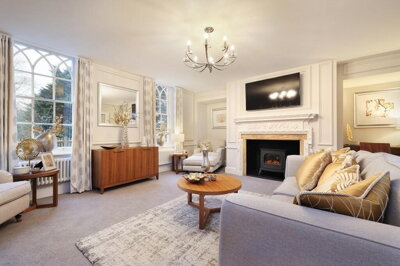
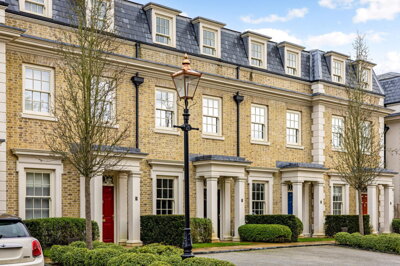
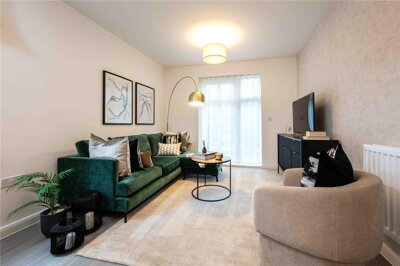
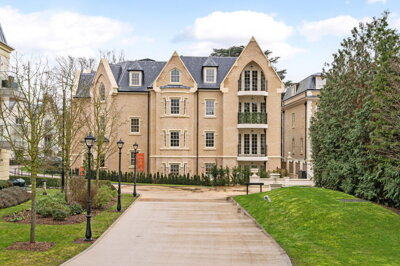
Browse 65 homes new builds in Berkshire, England from local developer agents.
The 2 bed house market features detached, semi-detached, and terraced properties with two separate bedrooms plus living spaces. Properties in Berkshire range across contemporary developments, with pricing varying across different neighbourhoods.
£375k
374
34
78
Source: home.co.uk
Showing 374 results for 2 Bedroom Houses new builds in Berkshire, England. 34 new listings added this week. The median asking price is £375,000.
Source: home.co.uk
Terraced
242 listings
Avg £374,266
Semi-Detached
108 listings
Avg £394,890
Detached
24 listings
Avg £536,875
Source: home.co.uk
Source: home.co.uk
The Berkshire property market demonstrates resilience and steady demand, with 11,263 property sales recorded in the past twelve months. Recent data shows the overall average price stands at £496,734, with detached properties averaging £806,303 and semi-detached homes at £493,517. Terraced properties offer more accessible entry points at an average of £396,938, while flats provide the most affordable options starting from around £277,329. Over the past year, prices have shown modest correction across all property types, with the overall market declining by approximately 1.22%, presenting opportunities for buyers who may find slightly reduced asking prices compared to peak market conditions.
New build developments continue to enhance Berkshire's housing stock, with several notable schemes currently active across the county. The Green in Shinfield offers three, four, and five-bedroom homes from £479,995, while Bankside Gardens in Reading presents one, two, and three-bedroom apartments from £299,000. Further developments include The Fairways in Newbury with family homes from £334,995 and Wellington Place in Wokingham offering two to five-bedroom properties from £450,000. These new build options provide modern specifications and energy efficiency benefits that appeal to both first-time buyers and those seeking to upsize.
The housing stock composition reflects Berkshire's varied character, with detached properties comprising 29.2% of homes, semi-detached at 28.5%, terraced houses at 20.3%, and flats and maisonettes accounting for 21.6% of the market. This mix means buyers can find everything from generous period properties in established neighbourhoods to compact modern apartments ideal for commuters or investors. The county's population of approximately 957,000 across 386,000 households maintains strong demand across all property types, supporting both the sales and rental markets.

Berkshire's geography creates a remarkable diversity of environments within a single county. The northern areas follow the Thames Valley, characterised by alluvial deposits and London Clay that influence both the landscape and property foundations. Moving southwards, the terrain transitions through the Reading Beds of sands, silts, and clays before reaching the chalk downlands of the North Wessex Downs Area of Outstanding Natural Beauty. This varied geology creates everything from rolling countryside and farmland to suburban developments and urban centres, giving residents the freedom to choose their preferred environment while remaining within easy reach of major towns.
The county's towns each possess distinct characters that appeal to different lifestyles. Reading serves as the commercial heart with extensive shopping at The Oracle, diverse dining options, and a thriving cultural scene. Windsor attracts visitors worldwide with its royal castle and charming streets lined with independent shops and restaurants. Newbury offers a more relaxed pace with excellent access to the countryside, while Maidenhead and Bracknell provide strong commuter links and family-friendly environments. Slough, despite its commercial focus, offers more affordable entry points into the Berkshire property market while benefiting from the same excellent transport connections.
The M4 technology corridor drives much of Berkshire's economic activity and housing demand. Major employers in technology, pharmaceuticals, retail, and logistics cluster around Reading, Bracknell, and Maidenhead, attracting professionals who value the ability to commute to London while enjoying a higher quality of life. Companies including those in the pharmaceutical and life sciences sectors maintain significant operations in the county, contributing to a diverse employment base that supports the housing market across price ranges.

Berkshire offers an exceptional range of educational options, making it a top choice for families. The county hosts several highly regarded grammar schools, including Kendrick School and Reading School for girls and boys respectively, which consistently achieve outstanding examination results. The Royal Borough of Windsor and Maidenhead maintains its selective grammar school system, with schools such as St. George's School attracting students from across the region. Competition for places in these schools is intense, and properties within their catchment areas command premium prices.
For primary education, parents have access to numerous good and outstanding primary schools, with many villages served by well-established community schools that benefit from small class sizes and strong community ties. Schools in areas such as Pangbourne, Burghfield Common, and the villages around Wokingham often feature in parent satisfaction surveys. Parents should verify current catchment boundaries as these can change annually based on demand and capacity. Many families prioritise proximity to good schools when choosing where to live in Berkshire, making school zones a significant factor in property values.
Beyond state education, Berkshire is renowned for its exceptional independent schools. Wellington College in Crowthorne, Pangbourne College, and St. Andrew's School in Pangbourne represent just a selection of the prestigious institutions available. The University of Reading maintains a strong academic reputation and contributes to the county's vibrant student community. Further education is well-served through colleges including New College Reading and Berkshire College of Art and Design. This comprehensive educational infrastructure makes Berkshire particularly attractive to families, and those purchasing property should carefully research school catchment areas as demand for places in popular school zones significantly influences property values.
Berkshire's transport connections make it one of the most accessible counties in the UK, particularly for those working in London or the South East. Reading station provides direct services to London Paddington in approximately 25 minutes via the Elizabeth Line and mainline services. Maidenhead station offers similar connectivity with Elizabeth Line trains reaching Paddington in around 40 minutes. Slough station serves commuters with both Elizabeth Line and traditional rail services, while Wokingham provides access to Reading and London Waterloo. These excellent rail connections explain why Berkshire remains one of the most popular commuter locations for City professionals.
Road transport is equally well-developed, with the M4 motorway running through the heart of Berkshire and providing direct access to London and Bristol. The A4 follows an historic route through Reading, Maidenhead, and Slough, while the A329 connects Wokingham to Reading and the wider road network. Journey times by car to central London vary but typically range from 45 minutes to just over an hour depending on departure point and traffic conditions. The M25 provides access to the wider motorway network for those travelling further afield, while the A34 offers routes to Oxford and the Midlands.
Bus services operate throughout urban areas, with Reading Buses offering extensive coverage across the Reading area including routes to surrounding villages. For air travel, Heathrow Airport is readily accessible from southern Berkshire, particularly from Maidenhead, Windsor, and Slough, while Gatwick can be reached via the M25. Cyclists benefit from National Cycle Routes and dedicated paths in urban areas, though the county's rural lanes also appeal to recreational cyclists. Active travel options continue to improve as local authorities invest in cycling infrastructure and pedestrian improvements around town centres.
Berkshire encompasses diverse towns and villages, each with distinct characteristics. Spend time exploring different areas, from the commuter-friendly suburbs of Maidenhead to the family focus of Wokingham and the urban attractions of Reading. Consider your priorities regarding transport links, school access, and lifestyle amenities when narrowing your search. Each area has its own property price profile, with premium locations like Windsor and parts of Maidenhead commanding higher averages than areas further from major transport links.
Before viewing properties, obtain a mortgage agreement in principle from a lender. This demonstrates your purchasing capability to estate agents and sellers, strengthening your position when making offers. Given Berkshire's average property prices exceed the national mean, securing competitive mortgage terms is particularly important for buyers here. Our mortgage comparison tool helps you find competitive rates from leading UK lenders.
Schedule viewings of properties that match your criteria and explore both the property and surrounding neighbourhood. Pay attention to local amenities, noise levels, parking availability, and the condition of neighbouring properties. Evening and weekend visits help you understand the area at different times. Take notes and photographs to help compare properties later, and don't hesitate to return for a second viewing if a property particularly appeals to you.
Once your offer is accepted, arrange a RICS Level 2 Survey before proceeding to exchange contracts. This comprehensive inspection identifies any structural issues, defects, or maintenance concerns. For older properties in Berkshire, which make up a significant proportion of the housing stock, this survey is particularly valuable given potential issues with damp, subsidence, and outdated electrics. The survey cost typically ranges from £400 to £800 depending on property size and complexity, with larger detached homes at the upper end of this range.
Choose an experienced conveyancing solicitor to handle the legal aspects of your purchase. They will conduct searches, review contracts, and coordinate with your mortgage lender to ensure a smooth transaction. Local knowledge is valuable here as solicitors familiar with Berkshire properties understand common issues in different areas, from conservation area requirements in Windsor and Newbury to flood risk considerations near the Thames. Our conveyancing service connects you with specialists familiar with Berkshire properties.
After satisfactory survey results and completed searches, you will exchange contracts and pay your deposit. Completion typically follows within two to four weeks, when the remaining funds are transferred and you receive the keys to your new Berkshire home. Budget for any last-minute complications such as delayed mortgage offers or queries from the seller's solicitors, and ensure you have buildings insurance in place from the point of contract exchange.
Understanding the predominant construction methods in Berkshire helps you appreciate what to look for during viewings and surveys. Victorian and Edwardian properties built before 1919 feature solid brick walls constructed in Flemish or English bond patterns, typically using local red brick with lime mortar. These properties often have slate or clay tile roofs, timber suspended floors, and original features such as cornicing, fireplaces, and picture rails. Our inspectors frequently encounter issues with these older properties including inadequate insulation, outdated electrical systems, and potential damp penetration through solid walls lacking modern damp-proof courses.
Inter-war properties built between 1919 and 1945 introduced cavity brick construction, allowing for improved thermal performance and moisture resistance. These homes typically feature concrete roof tiles, timber suspended floors, and more standardised floor plans reflecting the suburban expansion of that era. Common defects in inter-war semis include roof tile deterioration after 80-100 years, potential wall tie corrosion in cavity wall constructions, and original timber windows requiring replacement or restoration. Many of these properties still contain their original wiring and plumbing systems, which may not meet current standards despite appearing functional.
Post-war construction from 1945 to 1980 reflects the major housing expansion of that period, with significant development in areas like Bracknell which was established as a new town during this era. Properties from this period feature cavity brick walls with blockwork inner leaves, concrete roof tiles, and a mix of timber and concrete ground floors. Some post-war properties include prefabricated concrete elements that can present specific maintenance challenges. Our surveyors note that properties built during the 1960s and 1970s may contain asbestos-containing materials in insulation, textured coatings, and various building products, requiring specialist assessment during any renovation work.
Modern properties built after 1980 generally meet current building regulations but still benefit from professional survey inspection. Contemporary construction typically uses cavity walls with improved insulation, modern roofing materials, and energy-efficient specifications. However, even newer properties can have defects arising from poor workmanship, material failures, or design issues. Our inspectors apply the same thorough attention to modern homes as to period properties, ensuring you receive comprehensive advice regardless of the property's age or construction type.
Our inspectors regularly identify several recurring issues when surveying properties across Berkshire. Damp problems feature prominently in our reports, with rising damp, penetrating damp, and condensation-related issues commonly affecting older properties throughout the county. Victorian and Edwardian homes with solid walls and lime-based mortars are particularly susceptible to moisture penetration, especially where original breathability has been compromised by inappropriate modern renders or cement-based mortars. Penetrating damp often occurs where roof details have deteriorated or where pointing has failed in exposed positions.
Roof defects represent another frequent finding in Berkshire surveys, with missing or broken tiles, failing felt, blocked gutters, and general wear and tear regularly reported. Properties over 50 years old frequently require roof work, and our inspectors assess not just the covering but also the condition of timbers, flashings, and ventilation provisions. Given the substantial proportion of older properties in Berkshire's housing stock, roof condition should be a key consideration in any purchase decision and negotiated into the asking price where issues are identified.
Subsidence and heave present particular concerns in Berkshire due to the prevalence of shrinkable clay soils across much of the county. Areas underlain by London Clay and Reading Beds experience ground movement during periods of extreme weather, with clay shrinkage during dry spells potentially causing structural movement. Large trees positioned close to properties can exacerbate these issues by extracting moisture from the subsoil. Our surveyors carefully assess foundation conditions, crack patterns, and signs of movement when evaluating properties on clay soils, recommending further investigation where movement indicators are present.
Timber defects including wet rot, dry rot, and woodworm affect structural and non-structural timbers throughout Berkshire's older property stock. These issues often develop where moisture is present or where ventilation is inadequate, particularly in sub-floor voids and roof spaces. Our inspectors probe timber elements to assess condition and identify any areas requiring treatment or replacement. Electrical and plumbing systems in properties built before the 1980s frequently require upgrading to meet current safety standards, with our surveys clearly identifying which systems are satisfactory and which require attention.
Berkshire's varied geology presents specific considerations for property buyers. Properties built on London Clay and Reading Beds face moderate to high shrink-swell risk, which can lead to subsidence or heave during periods of extreme weather. This is particularly relevant for properties with large trees close to the building or those built with traditional shallower foundations. A thorough survey by a RICS qualified inspector will assess foundation conditions and identify any signs of movement. Properties in chalk areas generally present lower ground movement risk, though localised historical extraction for chalk or gravel may cause ground instability in specific locations.
Flood risk awareness is essential when searching for property in Berkshire. The River Thames runs through the north of the county, with areas adjacent to the river susceptible to river flooding during periods of high water levels. Properties in areas such as Sonning, Pangbourne, and villages along the Thames should be researched thoroughly using Environment Agency flood maps before committing to a purchase. The Kennet, Loddon, and Enborne rivers also pose localised flood risks, particularly in lower-lying urban areas. Surface water flooding affects many urban and suburban areas during heavy rainfall, particularly where drainage systems may be overwhelmed by impermeable surfaces.
Conservation areas and listed buildings require particular attention throughout Berkshire. The county has numerous conservation areas protecting the historic character of towns and villages, with significant concentrations in Windsor, Eton, Newbury, Reading, and many smaller settlements including Whitchurch, Streatley, and Aldermaston. Properties within these areas may face restrictions on alterations, extensions, and certain exterior works, which can affect future renovation plans and budgets. Listed buildings require special consent from local conservation officers for any works affecting their character or fabric. If purchasing a period property in a conservation area, budget for potentially higher maintenance costs and specialist renovation requirements using appropriate traditional materials.
Current data shows Berkshire's average house price is £496,734, with detached properties averaging £806,303 and semi-detached homes at £493,517. Terraced properties average £396,938 while flats offer more accessible entry points at around £277,329. The market has shown modest correction over the past year with an overall decline of approximately 1.22%, making this potentially a favourable time for buyers to negotiate on asking prices. Property prices vary significantly between towns, with premium locations like Maidenhead and Windsor commanding higher averages than areas further from major transport links.
Council tax bands in Berkshire vary depending on your specific local authority. The county comprises several unitary authorities including Reading Borough Council, Wokingham Borough Council, Bracknell Forest Council, the Royal Borough of Windsor and Maidenhead, West Berkshire Council, and Slough Borough Council. Each authority sets its own council tax rates based on property band valuations set by the Valuation Office Agency. Prospective buyers can check current bands for any property through the relevant local authority website or the government council tax enquiry service before committing to a purchase.
Berkshire offers exceptional educational provision across all levels. Outstanding secondary schools include Kendrick School and Reading School, while the Royal Borough maintains grammar school selection with schools such as St. George's School. Independent schools such as Wellington College in Crowthorne, Pangbourne College, and St. George's School serve families seeking private education. Primary education is well-served by numerous good and outstanding schools throughout the county, with particularly strong provision in areas like Wokingham, Burghfield, and Pangbourne. The University of Reading provides higher education opportunities locally. Parents should research specific catchment areas as school zones significantly impact property desirability and values in popular locations.
Berkshire benefits from excellent public transport links, particularly rail services to London. Reading station provides Elizabeth Line and mainline services to London Paddington in approximately 25 minutes, with Elizabeth Line extensions reducing journey times for many destinations. Maidenhead and Slough also offer Elizabeth Line connections, while Wokingham serves routes to Reading and London Waterloo. Bus services operate throughout urban areas with Reading Buses providing extensive local coverage including routes to surrounding villages. The M4 motorway bisects the county offering road connections to London and Bristol, while Heathrow Airport provides international air links from southern Berkshire.
Berkshire has historically demonstrated strong property values and steady capital growth, making it attractive for investors. The M4 technology corridor attracts high-earning professionals who drive housing demand, while excellent transport links to London maintain consistent buyer interest. Rental yields vary by location and property type, with Reading and Slough offering strong rental demand from commuters and professionals due to their excellent rail connections. The county's diverse economy spanning technology, pharmaceuticals, retail, and logistics provides employment stability that supports housing demand. However, investors should consider recent modest price corrections and factor in costs including stamp duty, maintenance, and void periods when calculating returns.
Stamp duty rates for 2024-25 start at zero for properties up to £250,000, rising to 5% on the portion between £250,001 and £925,000. Higher rates of 10% apply to the portion between £925,001 and £1.5 million, with 12% above £1.5 million. For a typical Berkshire property at the county average of £496,734, a standard buyer would pay £12,337. First-time buyers benefit from relief on properties up to £625,000, paying zero duty on the first £425,000 and 5% on the portion between £425,001 and £625,000. Given Berkshire's average property price exceeds this threshold, many buyers will not qualify for first-time buyer relief. Consult a mortgage advisor or solicitor to calculate your specific liability based on your circumstances and purchase price.
We strongly recommend arranging a RICS Level 2 Survey when purchasing any property in Berkshire, regardless of the property's condition or age. Given that well over half of Berkshire's housing stock is over 50 years old, most properties will have some defects requiring attention. Our surveyors are familiar with common issues in local construction types, from Victorian solid brick properties to post-war cavity wall construction. A professional survey can identify serious structural issues, maintenance concerns, and potential costs that might not be apparent during a viewing. For listed buildings or properties in conservation areas, a more detailed RICS Level 3 Survey may be appropriate due to their age and complexity.
Understanding the full costs of buying property in Berkshire helps you budget accurately and avoid unexpected expenses. Stamp duty land tax represents the largest upfront cost beyond your deposit and mortgage. For a typical Berkshire property priced at the county average of £496,734, a standard buyer would pay £12,337 in stamp duty. This comprises zero on the first £250,000, £8,374 on the portion from £250,001 to £496,734 at 5%. First-time buyers paying between £425,001 and £625,000 would pay 5% on the amount above £425,000, though few Berkshire properties fall within this range given local price levels.
Beyond stamp duty, buyers should budget for solicitor fees typically ranging from £500 to £1,500 depending on complexity. Conveyancing costs include land registry searches, local authority searches, and electronic money transfers. Survey costs vary based on property size and type, with RICS Level 2 surveys for Berkshire properties typically ranging from £400 to £800. A standard three-bedroom semi-detached property might cost £500-£650, while larger detached homes with more complex structures could require £700-900 or more. Mortgage arrangement fees typically range from zero to £2,000 depending on your chosen deal, while valuation fees vary based on property value.
Moving costs, removals, and potential immediate renovations or furnishings add further expense. Properties in conservation areas may require planning consent for modifications, potentially adding costs for applications and specialist materials. Properties identified with defects during survey may require negotiation on price or provision for future repairs. Our related services streamline these processes, connecting you with competitive mortgage rates, experienced conveyancers familiar with Berkshire properties, and qualified surveyors who understand local construction methods and common defects. Planning your budget comprehensively ensures a smooth path from offer acceptance to collecting your keys.
From 3.84%
Compare competitive mortgage rates from leading UK lenders
From £499
Experienced solicitors familiar with Berkshire properties
From £400
Professional inspection by qualified surveyors
From £60
Energy performance certificate for your property
Properties New Builds In London

Properties New Builds In Plymouth

Properties New Builds In Liverpool

Properties New Builds In Glasgow

Properties New Builds In Sheffield

Properties New Builds In Edinburgh

Properties New Builds In Coventry

Properties New Builds In Bradford

Properties New Builds In Manchester

Properties New Builds In Birmingham

Properties New Builds In Bristol

Properties New Builds In Oxford

Properties New Builds In Leicester

Properties New Builds In Newcastle

Properties New Builds In Leeds

Properties New Builds In Southampton

Properties New Builds In Cardiff

Properties New Builds In Nottingham

Properties New Builds In Norwich

Properties New Builds In Brighton

Properties New Builds In Derby

Properties New Builds In Portsmouth

Properties New Builds In Northampton

Properties New Builds In Milton Keynes

Properties New Builds In Bournemouth

Properties New Builds In Bolton

Properties New Builds In Swansea

Properties New Builds In Swindon

Properties New Builds In Peterborough

Properties New Builds In Wolverhampton

Enter your details to see if this property is within your budget.
Loans, cards, car finance
Estimated property budget
Borrowing + deposit
You could borrow between
Typical borrowing
Monthly repayment
Est. at 4.5%
Loan-to-value
This is an estimate only. Your actual budget may vary depending on interest rates, credit history, and personal circumstances. For an accurate affordability assessment, speak to one of our free mortgage advisors.
This calculator provides estimates for illustrative purposes only and does not constitute financial advice. Your home may be repossessed if you do not keep up repayments on your mortgage. Estimates based on 4.5% interest rate, repayment mortgage. Actual rates depend on your circumstances.
Homemove is a trading name of HM Haus Group Ltd (Company No. 13873779, registered in England & Wales). Homemove Mortgages Ltd (Company No. 15947693) is an Appointed Representative of TMG Direct Limited, trading as TMG Mortgage Network, which is authorised and regulated by the Financial Conduct Authority (FRN 786245). Homemove Mortgages Ltd is entered on the FCA Register as an Appointed Representative (FRN 1022429). You can check registrations at NewRegister or by calling 0800 111 6768.

We use cookies to show you personalised content and improve your experience of our website. Find out more in our Privacy policy and Cookie policy.