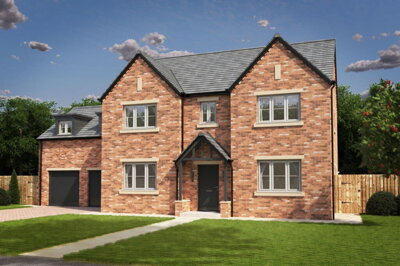
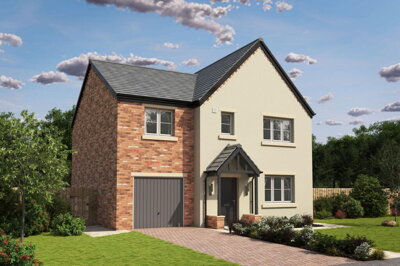
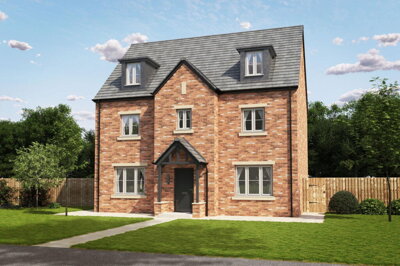
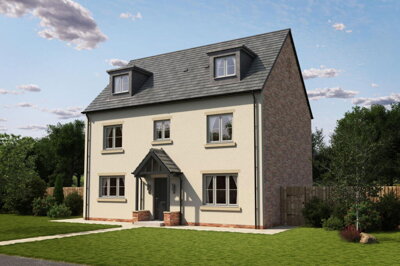
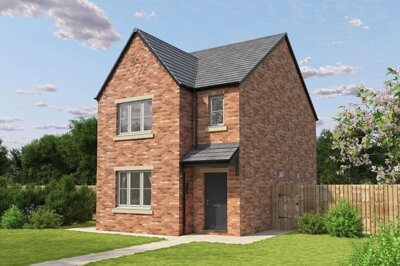
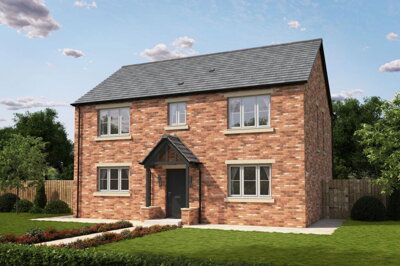
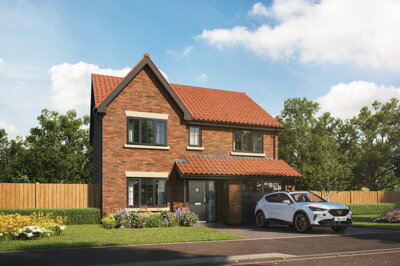
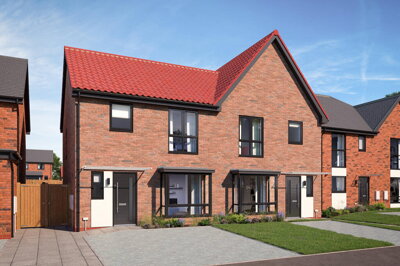
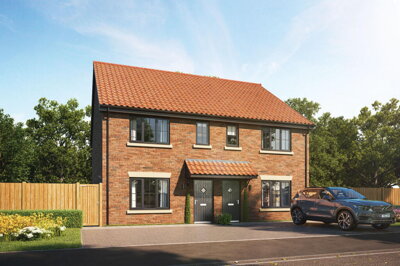
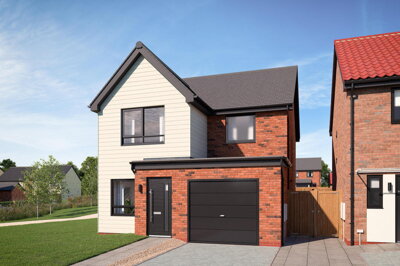
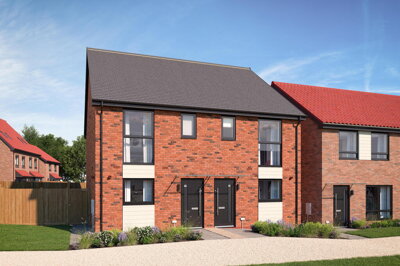
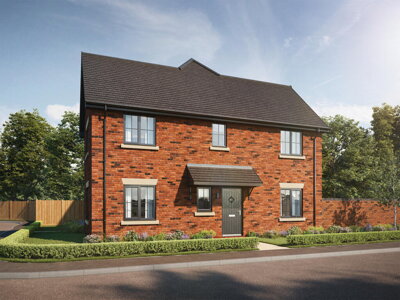
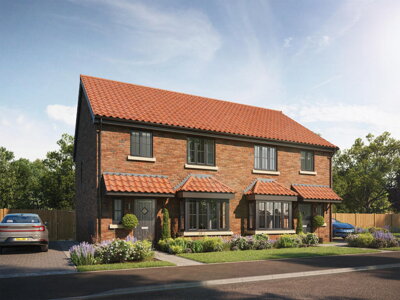
Browse 13 homes new builds in Bearpark, County Durham from local developer agents.
The Bearpark property market offers detached, semi-detached, and terraced houses spanning various price ranges and neighbourhoods. Each listing includes detailed property information, photographs, and direct contact with the marketing agent.
£230k
18
1
83
Source: home.co.uk
Showing 18 results for Houses new builds in Bearpark, County Durham. 1 new listing added this week. The median asking price is £229,750.
Source: home.co.uk
Detached
11 listings
Avg £391,498
Semi-Detached
6 listings
Avg £96,036
Terraced
1 listings
Avg £170,000
Source: home.co.uk
Source: home.co.uk
The Maenclochog property market presents a varied selection of traditional Welsh homes, with semi-detached properties averaging £204,975 and detached homes commanding around £222,000. Our data shows that 70 properties have changed hands within the last year across the SA66 postcode area, with 619 sales recorded over the past decade. This steady transaction volume indicates a stable market with consistent buyer interest in this Pembrokeshire village location. The market demonstrates resilience despite broader national fluctuations, reflecting the enduring appeal of rural village living.
Recent market trends reveal a price correction of approximately 6% over the last year, following a 20% decline from the 2023 peak of £262,500. For first-time buyers and investors alike, this adjusted pricing creates opportunities in a market where terraced properties have historically sold for between £112,000 and £163,000. The current buyer-friendly conditions offer genuine value for those seeking rural property without metropolitan premium pricing. Properties at the local average price of £210,650 fall entirely within the stamp duty nil-rate band, making purchasing particularly cost-effective for buyers at this price point.
New build opportunities in Maenclochog remain limited to individual plots and conversions rather than large-scale developments. Two serviced building plots are currently available in the village at £120,000 each, marketed as new home opportunities for self-builders. Additionally, a unique plot of approximately 10 acres on the village outskirts offers planning permission for converting a former stone cottage into a two-bedroom residence, with detailed plans approved under reference 22/0447/PA. These opportunities cater to buyers seeking to create their dream home in a village setting, though the limited supply means competition for plots can be strong.

Life in Maenclochog centres around genuine community spirit and the convenience of village amenities that exceed expectations for a settlement of its size. The award-winning general store serves as the hub of daily life, while two petrol stations provide essential services including MOT facilities for residents. St. Mary's church stands as a historic landmark, and the village green with its play-park offers safe outdoor space for families with young children. These facilities contribute to the self-sufficient nature of village life, reducing the need for frequent trips to larger towns.
The local economy benefits from diverse independent businesses including two electrical wholesalers, an established art gallery, and several catering enterprises serving both residents and visitors. Personal services are well catered for with a hair salon, dog grooming facility, and a specialist dog hydrotherapy business. A popular primary school serves the educational needs of local families, and a thriving cafe provides a welcoming spot for social gatherings and morning coffee. The presence of a local carpenter and other tradespeople ensures that property maintenance and home improvements can be arranged without travelling to distant towns.
The community hall hosts events throughout the year, fostering the strong social bonds that make village life so rewarding. With approximately 40 households recorded in the SA66 7LB postcode area alone, Maenclochog maintains an intimate scale while offering the essential services that support comfortable daily living. The presence of a family-run pub ensures evenings out require no lengthy journeys, completing a picture of self-sufficient rural community living. Weekend events and seasonal celebrations draw residents together, creating opportunities for new arrivals to integrate quickly into the local community.
Outdoor pursuits are well-served by the surrounding Pembrokeshire countryside, with walking routes accessible directly from the village. The Preseli Hills lie to the north, offering dramatic landscapes and ancient archaeological sites, while the coastline at Newport and Fishguard is reachable within 30 minutes by car. This combination of village amenities and access to outstanding natural beauty makes Maenclochog an attractive base for outdoor enthusiasts and nature lovers seeking homes for sale in Maenclochog.

Families considering a move to Maenclochog will find a popular primary school serving the village and surrounding rural area. The presence of this established educational facility within the community eliminates the need for lengthy school runs to distant towns, a significant advantage for working parents. Primary education in Pembrokeshire follows the Welsh curriculum, offering children the opportunity to develop fluency in both English and Welsh from an early age. This bilingual approach prepares children for life in Cymru while maintaining English language proficiency.
For secondary education, pupils typically travel to nearby towns such as Narberth or Haverfordwest, both accessible via regular bus services from Maenclochog. Secondary schools in the wider Pembrokeshire area offer a full range of GCSE and A-Level subjects, with sixth form provision available at larger establishments. The journey times vary depending on the specific school and catchment arrangements, so parents should research current arrangements before committing to a property purchase. School transport provision for secondary pupils is typically arranged through Pembrokeshire County Council.
Parents should research specific catchment areas and admission policies when considering property purchases, as catchment boundaries can affect school placement. Schools in Pembrokeshire are rated by Estyn, the education inspectorate, and performance data is publicly available through government databases. Visiting schools during open days provides valuable insight into the educational environment and facilities available. For families prioritising educational provision, viewing school performance data and visiting during open days will provide valuable insight into available options before committing to a property purchase.
Further and higher education options are readily accessible in Haverfordwest, the county town, which hosts colleges and training providers. The broader Pembrokeshire College network provides vocational courses and apprenticeships suitable for young adults pursuing various career pathways. University-level education is available at institutions in Swansea and Cardiff, accessible via the regular train services from Haverfordwest. This progression pathway ensures that families do not need to leave the area entirely as children advance through their education.
Transport connectivity from Maenclochog relies primarily on road networks, with the village situated off the A478 road that runs between Cardigan and Pembroke. This positioning places Maenclochog approximately 20 minutes' drive from Haverfordwest, the principal town of Pembrokeshire, where mainline railway services connect to Cardiff, London, and other major destinations. The A40 trunk road provides onward connections to Carmarthen and the M4 motorway network for those commuting further afield. Journey times to Swansea typically take around 90 minutes, while Cardiff is accessible in approximately 2.5 hours by car.
Bus services operated by Richards Brothers and other local operators provide public transport options for those without private vehicles. Routes connecting Maenclochog to Narberth, Haverfordwest, and Cardigan enable access to wider amenities, healthcare facilities, and railway stations. However, prospective residents should verify current timetables and service frequencies, as rural bus provision may involve limited daily services compared to urban areas. Advance planning of journeys is recommended for those relying on public transport, particularly for medical appointments or shopping trips to larger centres.
For commuters working in Pembrokeshire's towns, Maenclochog offers a strategic location with reasonable journey times to key employment centres. The journey to Withybush Hospital in Haverfordwest takes approximately 25 minutes by car, while the Port of Pembroton Dock is reachable within 35 minutes. Major employers in the county including public sector organisations, retail centres, and industrial facilities are all accessible within reasonable commute times. Home working has become increasingly feasible with improvements to broadband connectivity in the village, reducing the necessity of daily commuting for many residents.
Cyclists will find some rural lanes suitable for cycling, though hilly terrain requires reasonable fitness and appropriate equipment. The National Cycle Network routes through Pembrokeshire offer opportunities for recreational cycling and shorter commuter journeys. Parking provision within the village accommodates residents with vehicles, an important consideration for rural living. Electric vehicle charging facilities are becoming more widely available in the wider area, though prospective EV owners should verify current provision.
Explore available properties online, understand local price trends averaging £210,650, and identify property types ranging from period cottages to detached family homes. Our platform provides comprehensive listings from local estate agents with real-time availability updates. Set up property alerts to stay informed about new listings matching your criteria, as desirable properties in this village setting can attract multiple enquiries quickly.
Before viewing properties, obtain a mortgage agreement in principle from a lender. This strengthens your position when making offers and demonstrates to sellers that financing is secured. Several mortgage brokers familiar with Pembrokeshire properties can provide tailored advice for rural homes. Using a broker experienced with traditional stone properties can be particularly valuable given the prevalence of period housing in Maenclochog.
Schedule viewings of shortlisted properties, taking time to assess the condition of traditional stone-built homes common in the area. A RICS Level 2 survey is particularly valuable given the age of local housing stock, many properties dating from the 1800-1911 period. View properties at different times of day to assess lighting, noise levels, and neighbour activity. Take photographs and notes to help compare properties later.
When you find your ideal Maenclochog home, submit a formal offer through the selling agent. With current market conditions showing a 6% price reduction from last year, there may be scope for negotiation on asking prices. Include any conditions clearly, such as requiring a satisfactory survey or specific completion date. Your offer should reflect comparable sales data and the property condition revealed during viewing.
Appoint a conveyancing solicitor to handle legal matters including local searches, property checks, and registration with the Land Registry. Your solicitor will coordinate with the seller's representatives through to completion. Local searches will reveal planning history, environmental factors, and any charges affecting the property. Given the rural location, checks on drainage, water supply, and septic systems are particularly important.
Once all conditions are satisfied and finances confirmed, contracts are exchanged and a completion date agreed. Arrange building insurance from exchange date and coordinate your move to start enjoying life in Maenclochog. Notify utility companies of your move date and redirect mail through Royal Mail. Register with the local GP surgery and update your address with banks, employers, and relevant organisations.
Properties in Maenclochog predominantly feature traditional construction methods, with stone cottages and period buildings dating from the Victorian era and earlier representing a significant portion of the housing stock. When viewing older properties, pay particular attention to roof condition, as traditional slate roofs on period homes require periodic maintenance and eventual replacement. Signs of damp penetration, particularly in ground floor rooms and cellars, warrant careful investigation before committing to a purchase. Our inspectors frequently note that stone walls require different maintenance approaches compared to modern cavity wall construction, and buyers should understand the ongoing maintenance responsibilities involved.
Given the rural location, prospective buyers should verify private water supplies or shared boreholes where applicable, as not all properties connect to mains water. Drainage arrangements similarly require scrutiny, with some properties relying on private septic systems or cess pits that incur ongoing maintenance responsibilities. These factors form part of the conveyancing process but are worth understanding before viewing. We recommend arranging a specialist drainage survey for properties with non-mains drainage, as replacement or upgrade costs can be substantial.
Energy efficiency varies considerably across the local housing stock, with older unmodernised properties presenting both challenges and opportunities. Solid wall construction lacks cavity insulation, while single-glazed windows increase heating costs. However, period features such as exposed stone walls and original fireplaces contribute to the character that defines Maenclochog properties. A RICS Level 2 survey will identify any urgent repairs needed and provide a comprehensive assessment of the property condition. Properties with solid walls may benefit from internal or external insulation solutions, though planning restrictions may apply in some cases.
Planning restrictions in this part of Pembrokeshire may affect permitted development rights, particularly for properties in proximity to agricultural land or within village conservation considerations. Your solicitor should conduct thorough searches regarding any Article 4 directions or local planning policies that could restrict future alterations. Understanding these constraints before purchase prevents costly disappointments when planning future home improvements. Extensions, outbuildings, and changes of use may all be subject to specific requirements in this rural location.
Electrical and plumbing systems in period properties often require updating to meet current standards. Rewiring projects can be disruptive and expensive, so a thorough inspection of the consumer unit, wiring age, and socket placement provides valuable negotiating information. Similarly, old plumbing systems with galvanised pipes may be prone to low pressure and leaks. Budget estimates for these potential works should form part of your overall purchase planning when evaluating properties.
The majority of properties available in Maenclochog were built using traditional methods prevalent in rural Pembrokeshire during the 19th and early 20th centuries. Stone construction using locally sourced materials characterises many cottages and farmhouses, with thick walls typically measuring 300-400mm providing excellent thermal mass. This traditional building approach differs significantly from modern cavity wall construction, requiring different assessment criteria when evaluating property condition and energy performance.
Roof construction in period properties commonly features timber rafters with slate or tile coverings. The condition of these roofs requires careful inspection, as failed roof coverings can lead to extensive water damage affecting ceiling timbers and plasterwork. Our surveyors pay particular attention to ridge tiles, valley gutters, and flashings where leaks most commonly develop. The age of slates can often be determined by examining their thickness and fixings, with older hand-cut slates being more durable than some modern alternatives.
Traditional ground floors in older Maenclochog properties often consist of solid concrete or flagstone overlays on compacted earth, which can be susceptible to damp penetration from below. Suspended timber floors were also common, requiring ventilation to prevent rot in the floor joists. Understanding which type of floor construction applies is important, as each presents different issues regarding insulation, damp, and potential renovation approaches. Cellars, where present, require particular attention to ventilation and signs of water ingress.
The windows and doors in period properties represent both character features and potential maintenance considerations. Original timber sash windows with single glazing remain common in unmodernised properties, offering authentic period appearance but with higher heating costs. Secondary glazing can improve thermal performance while retaining the original appearance, though replacement with double-glazed alternatives may be subject to planning restrictions in some cases. Door ironmongery and locks should be checked for security compliance.
The overall average house price in Maenclochog stands at £210,650 based on sales over the past year. Semi-detached properties average £204,975 while detached homes command around £222,000. The market has seen a price correction of approximately 6% over the last year following a 20% reduction from the 2023 peak of £262,500, creating favourable conditions for buyers seeking value in Pembrokeshire's rural property market. Our listings show terraced properties have historically sold for between £112,000 and £163,000, providing options across various budget ranges.
Properties in Maenclochog fall under Pembrokeshire County Council administration. Council tax bands range from A through to H, with most traditional period cottages and smaller properties typically falling into bands A to C. Exact bands depend on property valuation and should be confirmed through the Land Registry records or the local council's online band checker when considering specific properties. Prospective buyers can check current council tax bands and charges on the Pembrokeshire County Council website before making an offer.
Maenclochog has a popular primary school serving the village and surrounding rural area, following the Welsh curriculum with opportunities for bilingual education. Secondary education is available in nearby towns, with pupils travelling to schools in Narberth or Haverfordfordwest via school bus services. Parents should verify current catchment arrangements with Pembrokeshire County Council as these can affect placement eligibility. Estyn inspection reports for local schools are publicly available and provide valuable information about educational quality and pupil outcomes.
Bus services operated by Richards Brothers connect Maenclochog to Narberth, Haverfordwest, and Cardigan, though frequencies are limited compared to urban areas. The nearest railway station is in Haverfordwest, approximately 20 minutes' drive away, offering connections to major cities including Cardiff Central and London Paddington via interchange at Carmarthen. Most residents rely on private vehicles for daily commuting, with the village conveniently located off the A478 road providing access to the wider road network including the A40 to Carmarthen and the M4 corridor.
Maenclochog offers potential for investors seeking entry into Pembrokeshire's rural property market at accessible price points. The current average of £210,650 represents value compared to coastal Pembrokeshire locations, while steady sales volumes indicate ongoing demand. Building plots at £120,000 provide self-build opportunities, while period cottages offer renovation potential for those seeking to add value. The village's amenities and community spirit support long-term desirability, though capital growth may be modest compared to urban property hotspots. Rental demand exists from local workers and those seeking affordable rural accommodation.
For standard purchases, stamp duty land tax applies at 0% on the first £250,000 of purchase price, 5% on the portion between £250,001 and £925,000. A property priced at the local average of £210,650 would attract no stamp duty under current thresholds. First-time buyers purchasing properties up to £425,000 can claim relief paying no duty on the first £425,000, making Maenclochog particularly accessible for those taking their first step onto the property ladder. Properties above £625,000 do not qualify for first-time buyer relief.
The dominant housing type in Maenclochog consists of period properties built between 1800 and 1911, many featuring traditional stone construction. Semi-detached and detached family homes are readily available, with some larger properties offering generous gardens and countryside views. Terraced cottages provide more affordable options, while detached homes offer additional space and privacy for families requiring multiple bedrooms. Two serviced building plots are also available at £120,000 each for those preferring to construct their own home.
Given the age and traditional construction of most properties in Maenclochog, we strongly recommend commissioning a RICS Level 2 survey before completing your purchase. This inspection provides a detailed assessment of the property condition, identifying any defects that may not be apparent during a standard viewing. With properties dating from the 1800-1911 period, issues such as roof condition, damp penetration, timber defects, and outdated services are commonly encountered. A survey report provides negotiating leverage if issues are identified and helps you budget for future maintenance costs.
Properties in Maenclochog may connect to mains water and sewerage, but rural properties on the outskirts should be verified individually as some use private water supplies or shared boreholes. Drainage arrangements are similarly variable, with some properties relying on private septic systems or cess pits that require regular maintenance. Your solicitor should confirm the drainage arrangements and tenure as part of the conveyancing process. The Environment Agency maintains registers of private water supplies, and testing is recommended for those on non-mains sources.
Competitive rates for Pembrokeshire properties
From 4.5%
Expert legal support for your Maenclochog purchase
From £499
Detailed inspection for period properties
From £350
Energy performance certificate
From £60
Purchasing property in Maenclochog benefits from current stamp duty land tax thresholds that make this price range particularly attractive for buyers. Under the standard rates for 2024-25, no stamp duty is payable on the first £250,000 of a property purchase. Given that the local average price of £210,650 falls entirely within this nil-rate band, most buyers in Maenclochog will complete their purchase without incurring any stamp duty liability whatsoever. This represents a significant saving compared to purchasing in higher-value property markets.
First-time buyers enjoy enhanced relief, with the nil-rate threshold extended to £425,000 and a reduced rate of 5% applying between £425,001 and £625,000. This means first-time buyers purchasing at or near the local average price can benefit from full relief. Properties above £625,000 do not qualify for first-time buyer relief, so higher-value homes in the village would attract standard rates on amounts above that threshold. The substantial nil-rate band makes Maenclochog particularly accessible for those taking their first step onto the property ladder.
Beyond stamp duty, buyers should budget for additional purchase costs including solicitor conveyancing fees typically ranging from £500 to £1,500 depending on complexity, search fees of approximately £250 to £400, and mortgage arrangement fees which vary by lender. Survey costs for a RICS Level 2 home condition report start from around £350, a worthwhile investment given the age of local housing stock. Buildings insurance must be arranged from the point of contract exchange, while removal costs complete the typical budget for moving day.
Properties New Builds In London

Properties New Builds In Plymouth

Properties New Builds In Liverpool

Properties New Builds In Glasgow

Properties New Builds In Sheffield

Properties New Builds In Edinburgh

Properties New Builds In Coventry

Properties New Builds In Bradford

Properties New Builds In Manchester

Properties New Builds In Birmingham

Properties New Builds In Bristol

Properties New Builds In Oxford

Properties New Builds In Leicester

Properties New Builds In Newcastle

Properties New Builds In Leeds

Properties New Builds In Southampton

Properties New Builds In Cardiff

Properties New Builds In Nottingham

Properties New Builds In Norwich

Properties New Builds In Brighton

Properties New Builds In Derby

Properties New Builds In Portsmouth

Properties New Builds In Northampton

Properties New Builds In Milton Keynes

Properties New Builds In Bournemouth

Properties New Builds In Bolton

Properties New Builds In Swansea

Properties New Builds In Swindon

Properties New Builds In Peterborough

Properties New Builds In Wolverhampton

Enter your details to see if this property is within your budget.
Loans, cards, car finance
Estimated property budget
Borrowing + deposit
You could borrow between
Typical borrowing
Monthly repayment
Est. at 4.5%
Loan-to-value
This is an estimate only. Your actual budget may vary depending on interest rates, credit history, and personal circumstances. For an accurate affordability assessment, speak to one of our free mortgage advisors.
This calculator provides estimates for illustrative purposes only and does not constitute financial advice. Your home may be repossessed if you do not keep up repayments on your mortgage. Estimates based on 4.5% interest rate, repayment mortgage. Actual rates depend on your circumstances.
Homemove is a trading name of HM Haus Group Ltd (Company No. 13873779, registered in England & Wales). Homemove Mortgages Ltd (Company No. 15947693) is an Appointed Representative of TMG Direct Limited, trading as TMG Mortgage Network, which is authorised and regulated by the Financial Conduct Authority (FRN 786245). Homemove Mortgages Ltd is entered on the FCA Register as an Appointed Representative (FRN 1022429). You can check registrations at NewRegister or by calling 0800 111 6768.

We use cookies to show you personalised content and improve your experience of our website. Find out more in our Privacy policy and Cookie policy.