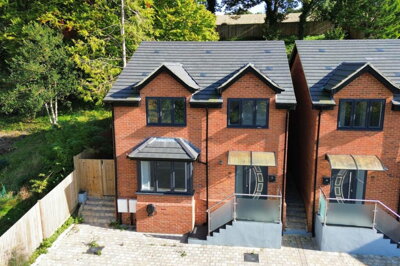
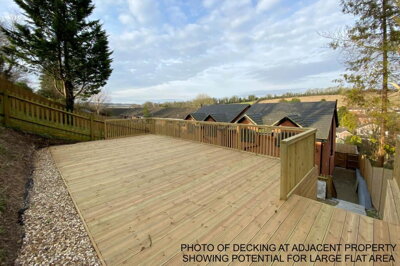
Browse 2 homes new builds in Baydon, Wiltshire from local developer agents.
The Baydon property market offers detached, semi-detached, and terraced houses spanning various price ranges and neighbourhoods. Each listing includes detailed property information, photographs, and direct contact with the marketing agent.
£395k
4
0
45
Source: home.co.uk
Showing 4 results for Houses new builds in Baydon, Wiltshire. The median asking price is £395,000.
Source: home.co.uk
Detached
2 listings
Avg £664,500
Semi-Detached
2 listings
Avg £395,000
Source: home.co.uk
Source: home.co.uk
£1,110,000
Average Sold Price
35+
Properties Found
121
Population
DT2
Postcode
The Littlebredy property market operates within the broader Dorchester DT2 postcode area, where buyers will find a range of property types reflecting the village's historic character. Average sold house prices in the area stand at approximately £1,110,000 according to recent Land Registry data, though some sources cite higher averages due to the limited number of transactions and the inclusion of premium estates. Bungalows in the surrounding area typically range from £550,000 to £750,000, offering single-storey living options for those seeking ground-floor accommodation without the premium associated with larger detached homes.
Property types available in Littlebredy include detached houses, terraced cottages, and bungalows, with search results extending to nearby villages such as Winterborne St. Martin where a broader selection of properties is currently listed. The village's housing stock is predominantly older, with numerous properties dating from the 17th, 18th, and 19th centuries featuring traditional construction methods using local stone. Modern new-build developments within Littlebredy itself remain absent, as planning applications in recent years have focused on minor alterations to existing properties rather than new housing schemes. This scarcity of new supply helps maintain property values and ensures the village retains its unspoiled character.
The limited transaction volumes in Littlebredy mean that properties rarely come to market, making the village particularly attractive to buyers who value exclusivity and privacy. When properties do become available, they often attract interest from buyers across the UK seeking a foothold in this highly desirable corner of Dorset. Our platform aggregates listings from all major estate agents operating in the area, giving you the best chance of finding your ideal property in this competitive market. Set aside time to regularly check for new listings, as homes in conservation villages like Littlebredy can sell quickly once marketed.
Littlebredy's unique setting includes the Valley of Stones National Nature Reserve, one of Dorset's most remarkable geological landscapes. Large sarsen stones are scattered across the valley floor, remnants from the freezing and thawing cycles that affected sandstone on surrounding hilltops at the end of the last ice age. These ancient boulders, some weighing several tonnes, create an otherworldly landscape that draws visitors and researchers alike to this protected site. The reserve spans several hectares and forms part of a network of wildlife habitats across the Dorset Downs, supporting diverse flora and fauna typical of chalk grassland environments.
The underlying geology of the Littlebredy area comprises chalk formations characteristic of the Dorset Downs, with the River Bride rising near the village and flowing through a valley carved into this soft limestone bedrock. This chalk geology creates specific challenges for property owners, as the permeable nature of the rock can affect drainage and groundwater levels. The river network extends downstream with extensive floodplains used primarily for farming, meaning properties situated on lower ground within the valley may face periodic flooding after heavy rainfall. Understanding the relationship between the local geology and property foundations helps buyers appreciate why specialist surveys are particularly valuable in this area.
Life in Littlebredy revolves around the stunning natural landscape that defines this corner of Dorset. The village sits at the head of the River Bride valley, surrounded by the wooded chalk hills of the Dorset Downs, with the Valley of Stones National Nature Reserve immediately adjacent where large sarsen stones lie scattered across the landscape. These geological features resulted from freezing and thawing cycles affecting sandstone on surrounding hilltops at the end of the last ice age, creating a unique environment for walking, wildlife observation, and outdoor pursuits. The River Bride itself flows through the valley, with floodplains extending to the low-lying agricultural land downstream.
The community spirit in Littlebredy is nurtured through local enterprises that have become integral to village life. The Open Air Dairy milks cows using mobile parlours and produces traditional Cheddar cheese, while the Littlebredy Walled Gardens offer gardening placements as part of their restoration project. The Bridehead Estate, historically comprising 32 houses in the village, was sold in 2025, and developments regarding local tenants have been reported in local news sources. The Parish Church of St Michael and All Angels, dating from the 13th century and listed Grade II*, serves as both a spiritual centre and architectural landmark featuring coursed rubble stone and Purbeck limestone construction.
Walking opportunities from Littlebredy are exceptional, with footpaths radiating across the surrounding chalk downs and through the Valley of Stones. The South West Coast Path passes nearby, providing access to the dramatic Jurassic Coast World Heritage Site with its famous cliffs and fossil beaches. Cyclists enjoy the quiet country lanes that wind through the village, though the rolling terrain of the Dorset Downs provides a workout for all but the most experienced riders. The nearby market town of Dorchester, approximately 8 miles away, offers additional amenities including supermarkets, independent shops, medical facilities, and cultural attractions.

The buildings of Littlebredy showcase traditional construction techniques developed over centuries in this part of Dorset. Properties here predominantly feature exterior walls built from coursed rubble stone, with the Parish Church of St Michael and All Angels providing an excellent example of local building practice using Lower Cretaceous Purbeck Cypris Freestone. Portland limestone was traditionally reserved for quoins, buttresses, and architectural detailing, while lines of knapped flint appear in walls throughout the village, creating the distinctive banded patterns visible on many historic properties.
Roofing throughout Littlebredy typically employs graduated Purbeck limestone stone slabs, a traditional covering that remains highly durable but requires specialist skills to repair and maintain. Nineteenth-century windows in local properties often feature Normandy Caen stone surrounds, while earlier openings from the 13th century are framed with Portland limestone. This combination of materials reflects the availability of different stone types within the region, with Purbeck providing both freestone for carving and harder stone for roofing, while Portland supplied finer architectural elements. Buyers should understand that traditional lime mortar was used throughout historic construction, and modern cement-based mortars can accelerate deterioration of stonework by trapping moisture within the walls.
Families considering a move to Littlebredy will find educational options available in the surrounding Dorset area, though the village itself does not have a school. The nearest primary schools serve the surrounding villages, with the historic Old School House in Littlebredy now a private residence rather than an educational establishment. The Portesham and Littlebredy area falls within the Dorset Council local education authority, which coordinates school admissions and maintains information about catchment areas and availability. Parents should research specific school performance data and Ofsted ratings when planning a family move to the area.
Secondary education options include schools in nearby towns such as Dorchester, which offers several secondary schools and sixth-form colleges serving students from across West Dorset. Transport arrangements for secondary school students living in rural villages like Littlebredy typically involve school bus services operated by the local authority, though families should verify current arrangements and journey times. For families prioritising academic excellence, researching nearby grammar school options and their admission criteria is advisable, as entry requirements and catchment areas significantly influence educational opportunities in Dorset. Private schooling options in the wider Dorset area provide additional choices for families seeking independent education.
Transport connectivity from Littlebredy reflects its rural village location, with residents typically relying on private vehicles for daily commuting and essential journeys. The village sits approximately 8 miles from Dorchester, the county town of Dorset, where mainline railway services provide connections to major destinations including London Waterloo with journey times of approximately 2 hours 40 minutes. The nearest railway stations include Dorchester South and Dorchester West, both offering regular services and parking facilities for residents travelling by train. Local bus services operate in the area, though frequency may be limited compared to urban routes.
For commuters working in larger employment centres, the A35 trunk road provides access to Poole, Bournemouth, and the south coast, while connections to the A37 facilitate travel to Yeovil and beyond. Cycling infrastructure in rural Dorset continues to develop, with quiet country lanes offering scenic routes for confident cyclists, though hilly terrain around the Dorset Downs may present challenges for some riders. The nearest international airport is Bournemouth Airport, approximately 30 miles distant, offering seasonal flights to European destinations. Residents should consider that car ownership is effectively essential for full participation in village and community life in Littlebredy.
Start by exploring property listings in Littlebredy through Homemove, comparing prices, property types, and availability across estate agents. Understanding the premium rural Dorset market helps set realistic expectations for what your budget can achieve in this sought-after village location. Given the village's small size, properties come to market infrequently, so regular monitoring of new listings is advisable.
Contact local estate agents to arrange viewings of properties that match your requirements. Given the limited number of properties available at any time in small villages like Littlebredy, viewing multiple properties helps build a comprehensive picture of what is available and how different properties compare. Be prepared to travel to nearby villages for additional options if nothing suitable is currently listed in the village itself.
Before making an offer, obtain a mortgage agreement in principle from a lender to demonstrate your financial readiness to sellers. This document strengthens your position when negotiating in a competitive market where rural properties attract buyers from across the UK. Given the high property values in Littlebredy, typically exceeding £1 million, larger deposits often result in more competitive mortgage deals.
Given the age of properties in Littlebredy, a RICS Level 2 survey is strongly recommended to identify any structural issues, damp, or maintenance concerns. Properties with traditional stone construction may require specialist assessment, particularly for listed buildings where conservation considerations apply. Our inspectors understand the specific construction methods used in historic Dorset properties, including the characteristic coursed rubble stone and knapped flint details found throughout the village.
Appoint a conveyancing solicitor to handle the legal aspects of your purchase, including local searches, flood risk assessments, and checking any planning restrictions affecting the property. Your solicitor will liaise with the seller's representatives to progress the transaction through to completion. Given the conservation area status of Littlebredy, additional searches regarding permitted development rights and any outstanding enforcement notices are particularly important.
Once all legal searches are satisfactory and mortgage finance is confirmed, both parties sign contracts and a completion date is agreed. On completion day, the remaining balance is transferred and you receive the keys to your new home in Littlebredy. Allow time for the administrative process, as rural transactions can involve additional complexity around access rights and boundary matters.
Properties in Littlebredy require careful assessment due to their age, construction methods, and conservation area status. The village contains numerous listed buildings including the Grade II* Parish Church of St Michael and All Angels and Grade II* Bridehead House, which was rebuilt in 1831-33 and extended in the 1850s. Properties featuring traditional stone construction with Purbeck limestone, Portland stone, and knapped flint require specialist understanding of maintenance requirements and potential issues including damp penetration, deteriorating pointing, and structural movement. Any buyer considering a listed building must understand that Listed Building Consent is required for alterations, and carrying out works without consent constitutes a criminal offence.
Flood risk is a material consideration when purchasing property in Littlebredy, as the village sits at the head of the River Bride valley where flood zones extend to the low-lying floodplains. The Environment Agency provides detailed flood risk maps showing river, surface water, and groundwater risks that should be reviewed for any specific property. Ground conditions also warrant attention, as Dorset contains clay-rich soils that expand and contract with moisture levels, creating shrink-swell risk that can affect foundations. Other risk factors include the area's history of mining and quarrying, which may have left underground voids in some locations.
Buyers should also investigate service charges, ground rent terms for leasehold properties, and any estate management obligations that may apply. The Bridehead Estate sale in 2025 highlights how ownership changes can affect leasehold arrangements and tenant arrangements in village settings. Properties within the Littlebredy conservation area face additional planning controls designed to preserve the village's character, which may restrict permitted development rights and renovation options. Consulting with a planning officer before committing to a purchase is advisable if you have renovation plans in mind.

Properties in Littlebredy are predominantly of traditional construction, making them susceptible to defects common in older buildings throughout Dorset. Our inspectors frequently identify damp issues in traditional stone properties, where moisture penetration through walls or rising damp can affect interior finishes and timber elements. The solid wall construction found in most Littlebredy homes lacks the cavity gaps present in modern properties, meaning that penetrating damp requires careful diagnosis and treatment using appropriate heritage-compatible methods.
Roof conditions warrant close inspection in Littlebredy, where Purbeck limestone stone slabs age over time and may develop slipped or damaged sections. Unlike tiled roofs, stone slate roofs require specialist roofing contractors familiar with traditional materials and fixings methods. Our surveyors check for signs of past repairs, replacement sections using different materials, and the condition of mortar fillets around chimneys and verges. The historic use of lime mortar throughout these properties means that repointing should always employ matching materials to maintain breathability and prevent moisture entrapment.
Timber elements in Littlebredy properties face challenges from both damp penetration and wood-boring insects, which thrive in the conditions created by traditional construction. External timber such as window frames, fascia boards, and door frames requires regular maintenance and painting to prevent deterioration. Internal timber including floorboards, staircases, and structural elements should be checked for signs of wet rot, dry rot, and insect activity. Our inspectors will identify any areas of concern and recommend appropriate specialist assessments where necessary for properties with significant timber defects.
Average sold house prices in Littlebredy, Dorchester DT2, are reported at approximately £1,110,000 according to Land Registry data, though some sources cite higher averages around £2,777,000 due to the very small number of sales and inclusion of premium properties. Bungalows in the surrounding area typically range from £550,000 to £750,000. The premium rural Dorset location and historic character of properties in this conservation village contribute to higher property values compared with national averages. First-time buyers should be aware that prices in this sought-after village location exceed standard mortgage limits, often requiring larger deposits or family assistance.
Littlebredy itself does not have a school, with the nearest primary schools serving surrounding villages and the nearest secondary schools located in Dorchester, approximately 8 miles away. The Dorset Council local education authority manages school admissions, and parents should research specific school Ofsted ratings and catchment areas when planning a family move. School transport arrangements for secondary school students are coordinated by the local authority, though journey times from rural villages may be significant. Independent schooling options in the wider Dorset area provide additional educational choices for families seeking specialist provision.
Public transport options from Littlebredy are limited, reflecting its rural village location. The nearest railway stations are in Dorchester, approximately 8 miles away, offering direct services to London Waterloo in around 2 hours 40 minutes. Local bus services operate in the area but with limited frequency compared to urban routes. Most residents of Littlebredy rely on private vehicles for daily commuting, essential shopping, and accessing services. The A35 and A37 roads provide road connectivity to larger towns and employment centres in Dorset and beyond.
Littlebredy offers several attractive features for property investment, including its conservation area status, limited supply of properties, outstanding natural environment, and proximity to the Jurassic Coast World Heritage Site. Properties in this sought-after village have historically maintained their value due to strong demand from buyers seeking rural Dorset lifestyles. However, investors should note that recent changes to the Bridehead Estate and the limited rental market in such a small village may affect rental demand. Transaction volumes are low due to the village's small size, which can affect liquidity. Professional advice on specific investment scenarios is recommended before purchasing.
Properties in Littlebredy fall under Dorset Council's council tax scheme. The specific council tax band for any property depends on its assessed value as determined by the Valuation Office Agency. Most period properties and historic homes in Littlebredy are likely to be in higher council tax bands due to their character and location, though individual bands vary by property. Buyers can check the council tax band for any specific property through the gov.uk website or by contacting Dorset Council directly. Residential properties in Dorset typically fall across bands A through H.
Stamp Duty Land Tax applies to all property purchases in England, with current thresholds set at 0% for the first £250,000 of purchase price, 5% between £250,001 and £925,000, 10% between £925,001 and £1.5 million, and 12% above £1.5 million. First-time buyers benefit from increased thresholds, paying 0% up to £425,000 and 5% between £425,001 and £625,000, though no relief applies above £625,000. Given average prices in Littlebredy exceed £1 million, most purchases will attract SDLT in the 10% bracket on the portion above £925,000. Your solicitor will calculate and submit the SDLT return as part of the conveyancing process.
We strongly recommend commissioning a RICS Level 2 survey when purchasing any property in Littlebredy, particularly given the age and traditional construction of most properties in the village. The pre-1900 properties common in Littlebredy often have characteristics that require specialist assessment, including solid walls lacking cavity insulation, traditional lime mortar pointing, and Purbeck limestone stone slate roofing. Our inspectors have experience with the specific construction methods found in historic Dorset buildings and can identify defects that a less experienced surveyor might miss. For listed buildings or properties with obvious structural concerns, a more detailed RICS Level 3 survey may be appropriate.
Littlebredy is designated as a conservation area, which means additional planning controls apply to preserve the village's distinctive character. External alterations, demolitions, and certain works to trees require consent from Dorset Council, and permitted development rights may be more limited than in non-designated areas. Properties that are listed buildings, including the many Grade II and Grade II* structures in Littlebredy, require Listed Building Consent for any works affecting their character or fabric. The Bridehead Estate and other historic properties may have additional restrictions recorded against their title. Your solicitor will investigate any planning conditions during the conveyancing process, but early enquiries are advisable if you have specific renovation plans.
From 4.5%
Finance your Littlebredy home purchase
From £499
Legal services for your property purchase
From £455
Comprehensive survey for traditional Dorset properties
From £85
Energy performance certificate for Littlebredy homes
Buying a property in Littlebredy involves several costs beyond the purchase price, with Stamp Duty Land Tax representing a significant consideration given the village's premium property values. The current SDLT thresholds for standard buyers start at 0% for the first £250,000, rising to 5% on the portion between £250,001 and £925,000, 10% on the portion between £925,001 and £1.5 million, and 12% on any amount exceeding £1.5 million. For a typical Littlebredy property priced at £1,110,000, this would result in SDLT of approximately £16,250 on the portion above £925,000.
First-time buyers purchasing in Littlebredy face the limitation that SDLT relief is restricted to properties up to £625,000, with no relief available above this threshold. This means first-time buyers purchasing premium rural properties often receive minimal benefit from first-time buyer relief. Other buying costs include solicitor fees averaging £1,000-£2,000 for conveyancing, survey costs ranging from £455-£1,000 depending on property value and type, and removal costs that vary based on distance and volume of belongings. Land Registry fees for registering your ownership are modest at approximately £300-£500 depending on property value. Mortgage arrangement fees, typically 0-2% of the loan amount, should also be factored into your budget when calculating the total cost of purchasing your Littlebredy home.
Properties New Builds In London

Properties New Builds In Plymouth

Properties New Builds In Liverpool

Properties New Builds In Glasgow

Properties New Builds In Sheffield

Properties New Builds In Edinburgh

Properties New Builds In Coventry

Properties New Builds In Bradford

Properties New Builds In Manchester

Properties New Builds In Birmingham

Properties New Builds In Bristol

Properties New Builds In Oxford

Properties New Builds In Leicester

Properties New Builds In Newcastle

Properties New Builds In Leeds

Properties New Builds In Southampton

Properties New Builds In Cardiff

Properties New Builds In Nottingham

Properties New Builds In Norwich

Properties New Builds In Brighton

Properties New Builds In Derby

Properties New Builds In Portsmouth

Properties New Builds In Northampton

Properties New Builds In Milton Keynes

Properties New Builds In Bournemouth

Properties New Builds In Bolton

Properties New Builds In Swansea

Properties New Builds In Swindon

Properties New Builds In Peterborough

Properties New Builds In Wolverhampton

Enter your details to see if this property is within your budget.
Loans, cards, car finance
Estimated property budget
Borrowing + deposit
You could borrow between
Typical borrowing
Monthly repayment
Est. at 4.5%
Loan-to-value
This is an estimate only. Your actual budget may vary depending on interest rates, credit history, and personal circumstances. For an accurate affordability assessment, speak to one of our free mortgage advisors.
This calculator provides estimates for illustrative purposes only and does not constitute financial advice. Your home may be repossessed if you do not keep up repayments on your mortgage. Estimates based on 4.5% interest rate, repayment mortgage. Actual rates depend on your circumstances.
Homemove is a trading name of HM Haus Group Ltd (Company No. 13873779, registered in England & Wales). Homemove Mortgages Ltd (Company No. 15947693) is an Appointed Representative of TMG Direct Limited, trading as TMG Mortgage Network, which is authorised and regulated by the Financial Conduct Authority (FRN 786245). Homemove Mortgages Ltd is entered on the FCA Register as an Appointed Representative (FRN 1022429). You can check registrations at NewRegister or by calling 0800 111 6768.

We use cookies to show you personalised content and improve your experience of our website. Find out more in our Privacy policy and Cookie policy.