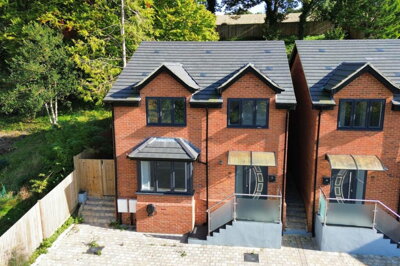
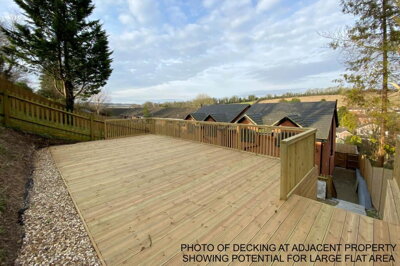
Browse 2 homes new builds in Baydon, Wiltshire from local developer agents.
£395k
4
0
44
Source: home.co.uk
Source: home.co.uk
Detached
2 listings
Avg £664,500
Semi-Detached
2 listings
Avg £395,000
Source: home.co.uk
Source: home.co.uk
The Littlebredy property market operates on an intimate scale, with typically fewer than a dozen properties available at any given time and annual transaction volumes remaining modest due to the village's limited housing stock. Zoopla records show approximately 9 to 35 property listings appearing in broader searches for the Littlebredy and Dorchester DT2 postcode area, though not all represent properties within the village boundary itself. The average sold house price in Littlebredy stands at approximately £1.1 million according to Land Registry data, though some sources cite higher averages exceeding £2.7 million, with the variation likely reflecting the small sample size and mix of property types included in calculations. This price disparity between sources underscores how limited transaction volumes can significantly affect market statistics in villages of Littlebredy's size.
Property types available in and around Littlebredy include traditional stone cottages, detached period homes, and bungalows, with guide prices for bungalows in the surrounding DT2 postcode area ranging from £550,000 to £750,000. Rightmove lists detached houses, terraced cottages, and bungalows as available search categories for the Littlebredy area, indicating a variety of property styles exist despite the village's small size. The market has seen limited new-build activity, with planning applications in recent years relating primarily to alterations and improvements on existing properties rather than new housing developments, including a recent application at East Cottage, Littlebredy Farm Lane for solar panel installation. For buyers, this means opportunities arise infrequently, making early registration with local estate agents essential for those determined to secure a home in this sought-after location.
The village's exceptional concentration of listed buildings contributes significantly to its property market character. Littlebredy contains numerous Grade II listed properties including Blacksmith's Cottage, Church Cottage, Dairy Cottage, Orchard Cottage, Punch Bowl Cottages, Riverview Cottages, Spring Cottage, The Old Parsonage, The Old School House, and Yew Tree Cottages, alongside the Grade II* listed Parish Church of St Michael and All Angels and Bridehead House. This heritage richness means many available properties carry listed building status, requiring specialist consideration from prospective purchasers. The conservation area designation applies to the entire village, ensuring that any future development or significant alterations preserve the traditional appearance that makes Littlebredy so desirable to buyers.

Life in Littlebredy offers a pace of life that feels a world away from urban conveniences, centred around the village's historic character and strong connection to the surrounding countryside. The village sits at the head of the River Bride valley, with the Valley of Stones National Nature Reserve nearby, where large sarsen stones scattered across the landscape create a mysterious prehistoric atmosphere resulting from freezing and thawing cycles at the end of the last ice age. This unique geological feature, combined with the chalk hills of the Dorset Downs, provides residents with exceptional walking opportunities and a landscape that has changed little over centuries. The valley's geology, formed from Lower Cretaceous deposits, includes the distinctive Purbeck Cypris Freestone that features prominently in local historic buildings.
Residents enjoy access to an excellent local artisan dairy operation, The Open Air Dairy, which milks cows using mobile parlours and produces quality Cheddar cheese that has become sought-after among food enthusiasts in Dorset. The Littlebredy Walled Gardens project continues restoring the historic grounds and offers gardening placements to the community, providing opportunities for those interested in horticulture to participate in preserving this significant local amenity. The village hall serves as a focal point for community activities, while The Old School House and Parish Church of St Michael and All Angels provide additional venues for gatherings and events. This active community life helps compensate for the limited commercial facilities available within the village itself.
The village forms part of the Bridehead Estate, which historically included 32 houses within the community and was sold in 2025 to new owners who served notice of eviction on existing tenants. This recent development has raised concerns within the local community and may affect the future character and demographics of Littlebredy, though it also presents potential opportunities for new buyers to enter the market as properties become available. The Grade II* listed Bridehead House itself was rebuilt in 1831-33 and extended in the 1850s, representing the architectural heritage that characterises much of the village's built environment. Community facilities include the Village Hall, The Old School House, and the historic Parish Church of St Michael and All Angels, a Grade II* listed building dating from the 13th century with its distinctive coursed rubble stone construction featuring Purbeck Cypris Freestone and Portland limestone detailing.

Families considering a move to Littlebredy will find a selection of educational options within reasonable driving distance, though the village itself does not currently host a primary school. The nearest primary schools are located in surrounding villages and towns, with parents typically factoring school catchment areas into their property search decisions. Given the village's small population of approximately 121 residents according to the 2011 census, the closest primary schools serve multiple surrounding communities and are generally accessible by car within 10-20 minutes. Parents should verify specific catchment boundaries with Dorset Council before committing to a property purchase, as these can affect which school children are entitled to attend.
Secondary education options include schools in Dorchester and the surrounding Dorset market towns, with several institutions offering strong academic programmes and good Ofsted ratings. Dorchester School serves as the main secondary option for families in the DT2 postcode area, providing comprehensive education for students aged 11-16. For families seeking grammar school education, the Dorset grammar school system provides selective places for academically able students, with transportation arrangements available from the wider area. The selective nature of these schools means that entrance testing is required, and parents should research preparation options if this educational path is preferred.
Sixth form and further education provision is available in Dorchester, where students can access A-level courses and vocational qualifications at established colleges. The journey to Dorchester takes approximately 20-30 minutes by car, making daily travel feasible for older students who are prepared for the commute. The rural nature of Littlebredy means that school transportation is often necessary, and prospective buyers with school-age children should factor travel times and transport arrangements into their decision-making process. Independent schools in Dorset and Wiltshire also provide alternatives for families seeking private education, with several well-regarded options within a reasonable commuting distance. The village's small population means that community cohesion among families is strong, with parents often knowing each other through shared school runs and village activities regardless of which institution their children attend.
Despite its rural setting, Littlebredy offers reasonable connectivity to major urban centres, with Dorchester serving as the nearest town for everyday amenities and transportation links. The village sits approximately 8 miles from Dorchester, which provides direct train services to London Waterloo with journey times of approximately 2.5 hours, making day commuting feasible for those working in the capital. The A35 trunk road runs through nearby Dorchester, connecting the town to Exeter to the west and Poole, Bournemouth, and Southampton to the east, providing access to the M27 motorway network for regional travel. Local bus services operated by Dorset Council connect Littlebredy with surrounding villages and market towns, though service frequencies are limited compared to urban areas, typically running hourly or less on weekdays with reduced weekend services.
For residents who drive, the scenic countryside roads around Littlebredy are generally well-maintained but require careful navigation, particularly on narrow lanes common in the Dorset Downs. The chalk hills that characterise the local landscape can create challenging driving conditions during winter months, with narrow lanes that may not be gritted and occasional flooding on low-lying roads near the River Bride. Cycling is popular among residents, with the rolling chalk hills providing challenging but rewarding routes for experienced cyclists, while the nearby coast offers flatter paths for more leisurely rides. The proximity to the Jurassic Coast, an Area of Outstanding Natural Beauty, means that weekend travel to popular coastal destinations can experience seasonal congestion, though the beauty of the surrounding countryside provides ample compensation for patient drivers.
Parking in the village itself is typically not problematic given the low traffic volumes, though residents should be aware that many traditional properties lack dedicated parking facilities. This is particularly true for historic cottages and converted agricultural buildings that were constructed in an era before private car ownership was widespread. For buyers who require guaranteed parking, this factor should be discussed with the estate agent during property viewings. Car ownership is effectively essential for residents of Littlebredy, as the limited public transport services make alternative commuting or shopping arrangements impractical for most daily needs.
Start by reviewing available properties in Littlebredy and the wider DT2 postcode area on Homemove, registering with local estate agents to receive alerts when new listings appear. Given the village's small size and limited turnover, patience is essential, and broadening your search to include surrounding villages may reveal additional options. Set up property alerts with multiple agents who cover the Dorchester and Littlebredy area to maximise your chances of hearing about opportunities quickly.
Obtain a mortgage agreement in principle before beginning property viewings, as this demonstrates your seriousness to sellers and speeds up the process once you find your ideal home. Average property prices in Littlebredy exceed £1 million, so ensure your mortgage arrangements are appropriately structured for properties in this price bracket. Given the prevalence of listed buildings in the village, lenders may require additional surveys or specialist valuations before approving finance for certain properties.
Visit properties that match your requirements, paying particular attention to the construction materials and condition of older properties given the prevalence of traditional stone buildings in the conservation area. Consider requesting a RICS Level 2 survey for any property you seriously consider, as common defects in older Dorset properties include damp, deteriorating roofs, and outdated electrics. When viewing period properties, ask about recent maintenance work, any planning consents obtained, and whether the property has ever been subject to flooding from the River Bride.
For traditional stone properties and listed buildings, arrange a thorough building survey from an RICS-qualified surveyor experienced with historic properties. Survey costs for properties above £500,000 typically range from £586 to over £1,000 depending on property size and complexity, with additional considerations for listed building status. Properties built with non-standard construction methods such as Purbeck limestone stone slab roofs may require specialist surveyors with experience in traditional materials.
Appoint a conveyancing solicitor with experience in rural Dorset properties, including familiarity with conservation area requirements and listed building regulations. Your solicitor will conduct local authority searches, investigate title deeds, and handle the legal transfer of ownership through to completion. Given the recent changes to the Bridehead Estate ownership, ensure your solicitor investigates the title carefully to identify any leasehold or shared ownership arrangements that may affect your purchase.
Once all surveys, searches, and mortgage arrangements are satisfactory, your solicitor will exchange contracts and agree a completion date. Given the rural nature of Littlebredy and the character of the local market, be prepared for a smooth but unhurried transaction process that respects the traditional pace of rural property sales. Budget additional time for any searches related to flood risk or environmental factors that may require more detailed investigation for properties in the River Bride valley.
Properties in Littlebredy require careful inspection due to the prevalence of traditional construction methods and the age of the housing stock, with many homes dating from the 17th to 19th centuries and some even older. The local building materials include coursed rubble stone, Purbeck Cypris Freestone, Portland limestone, and knapped flint, all of which require specific maintenance approaches that differ from modern brick-built properties. Buyers should be alert to signs of damp, which commonly affects older stone buildings through rising damp or water penetration, particularly in properties that may have inadequate damp-proof courses or compromised roof coverings. The Purbeck limestone stone slab roofs found on historic properties require specialist repair work using matching materials, and any signs of slipped or missing stones should be investigated before purchase.
Flood risk requires consideration given Littlebredy's position at the head of the River Bride valley, with flood zones extending to low-lying areas along the river and its network of ponds and streams. The extensive floodplains, primarily used for farming, can affect access routes and properties at lower elevations within the village. The Environment Agency provides detailed flood risk mapping that should be consulted for any property in the valley floor, and standard buildings insurance may carry elevated premiums for properties in known flood areas. Prospective buyers should ask vendors directly about any historical flooding incidents and review the specific flood risk assessment for any property under consideration.
Ground conditions present additional considerations, as Dorset contains areas of clay-rich soil that expands and contracts with moisture levels, potentially causing subsidence issues particularly during prolonged dry periods. Other factors contributing to subsidence in the region include underground water extraction, large tree roots, historic mining and quarrying activity, and leaking drains, all of which should be considered when assessing a property's structural integrity. The Valley of Stones National Nature Reserve near Littlebredy demonstrates the area's complex geological history, with sarsen stones formed during the freezing and thawing cycles at the end of the last ice age, illustrating why ground conditions in this part of Dorset can vary significantly across short distances.
Littlebredy's conservation area status brings specific planning controls that affect what buyers can do with their property after purchase, including restrictions on alterations to external appearance, outbuilding construction, and certain tree work. Properties listed as Grade II or Grade II* require Listed Building Consent for virtually any works that might affect their character or fabric, and carrying out unapproved works to listed buildings constitutes a criminal offence. Service charges and ground rent arrangements for any leasehold properties should be thoroughly investigated, as historic lease terms may include clauses that prove costly or restrictive. Community dynamics have shifted following the 2025 sale of the Bridehead Estate, and prospective buyers should understand the current ownership situation of the village's housing stock before committing to a purchase.
The average sold house price in Littlebredy, Dorchester DT2 is approximately £1.1 million according to Land Registry data, though some sources cite higher averages exceeding £2.7 million due to the small number of sales and variation in property types included. Bungalows and smaller properties in the surrounding DT2 area typically start from around £550,000, while larger period homes and cottages command prices in line with the village's premium Dorset countryside positioning. Given the limited number of annual transactions, buyers should expect to pay towards the upper end of market expectations for well-presented properties in this sought-after conservation village, and should not be surprised by price variations between different data sources.
Properties in Littlebredy fall under the Dorset Council authority for council tax purposes. Bands are assigned based on property value as of April 1991, with bands ranging from A through H. Due to the village's high proportion of period stone properties and the prevalence of larger homes, many properties in Littlebredy are likely to be assessed in higher bands, potentially C through F or above. The presence of listed buildings and historic properties may also affect how properties are valued for council tax purposes. Prospective buyers should check specific properties on the Dorset Council website or request the band from the vendor's solicitor during the conveyancing process.
Littlebredy itself does not have a school, so children typically attend primary schools in nearby villages or travel to Dorchester for primary education. The nearest primary schools serve surrounding communities and generally achieve good Ofsted ratings, with catchment areas that include parts of the Littlebredy area. Secondary education options in Dorchester and nearby towns include both comprehensive and grammar schools, with the selective Dorset grammar system offering places for academically able students who pass the entrance examination. Sixth form and further education provision is available at colleges in Dorchester, making it feasible for students to continue their education locally through to adulthood without requiring relocation.
Public transport options from Littlebredy are limited due to its rural nature, with local bus services connecting the village to surrounding villages and Dorchester but with infrequent service patterns compared to urban areas. The nearest train station is in Dorchester, offering direct services to London Waterloo with journey times of approximately 2.5 hours, though reaching the station from Littlebredy requires private transport or careful planning around bus timetables. For daily commuting, most residents rely on private vehicles, though the village's position makes occasional use of public transport feasible for leisure trips or supplementary journeys. Car ownership is effectively essential for residents of Littlebredy given the limited public transport services and the distances to everyday amenities.
Littlebredy's property market benefits from strong fundamentals including its conservation area status, beautiful rural setting within the Dorset Downs, proximity to the Jurassic Coast, and limited supply of available properties. Average prices have demonstrated resilience, with the village's average of approximately £1.1 million reflecting sustained demand for premium Dorset countryside property. However, recent changes in local estate ownership and community dynamics following the Bridehead Estate sale in 2025 may introduce short-term uncertainty as the new ownership structure becomes established. Long-term prospects remain positive given the enduring appeal of traditional English village living, the finite supply of properties in this picturesque location, and the village's position within a sought-after area of outstanding natural beauty.
Stamp duty calculations for properties in Littlebredy follow standard UK thresholds, with rates of 0% on the first £250,000, 5% on the portion from £250,001 to £925,000, and 10% on the portion from £925,001 to £1.5 million. For a typical Littlebredy property priced at £1.1 million, this would result in stamp duty of approximately £33,750, calculated on the portion between £250,001 and £925,000 at 5% and the remaining amount above £925,000 at 10%. First-time buyers receive relief on properties up to £625,000, paying 5% on the portion between £425,001 and £625,000, though this relief does not extend to properties valued above that threshold. Given the high property values in Littlebredy, buyers should budget carefully for these significant additional costs alongside their purchase price and survey fees.
Yes, car ownership is effectively essential for living in Littlebredy due to the limited public transport services and the distances to everyday amenities. The nearest shops, GP surgery, and other essential services are located in Dorchester, approximately 8 miles away, and bus services connecting the village run infrequently with limited operating hours. Schools, dental practices, and other facilities also require travel by car, making private vehicle ownership a practical necessity rather than a luxury for village residents. Prospective buyers should factor in the cost of maintaining a vehicle when calculating the overall cost of living in Littlebredy.
As a designated conservation area, Littlebredy has strict planning controls designed to preserve its historic character and traditional appearance. Any exterior alterations, including changes to windows, doors, roofing materials, or boundary treatments, may require consent from Dorset Council planning department. Properties listed as Grade II or Grade II* require Listed Building Consent for virtually any works that might affect their character or fabric, from structural changes down to details like replacing window glass. Carrying out unapproved works to listed buildings constitutes a criminal offence under the Planning (Listed Buildings and Conservation Areas) Act 1990. Prospective buyers should obtain a full list of any planning consents or listed building consents granted for a property before purchase and should budget for potential costs and timescales associated with obtaining consents for any planned improvements.
From 4.5% APR
Compare mortgage rates and find the right finance for your Littlebredy property purchase
From £499
Expert solicitors to handle your Littlebredy property purchase
From £400
Professional survey for standard properties in Littlebredy, Dorset
From £600
Comprehensive survey for older or complex properties including listed buildings
Purchasing a property in Littlebredy involves several costs beyond the purchase price itself, with stamp duty land tax representing the most significant additional expense for most buyers. At current thresholds, a property priced at £1.1 million attracts stamp duty of £33,750, calculated as 5% on £674,999 above the £250,000 threshold and 10% on the remaining £175,001 above £925,000. This substantial cost should be factored into your overall budget from the outset, alongside survey fees, solicitor costs, and potential removals expenses. First-time buyers purchasing properties under £625,000 can benefit from reduced rates, though relief does not extend above this threshold, limiting the advantage for most Littlebredy purchases given the village's high property values.
Professional survey costs represent another important budget item, particularly given the age and traditional construction of most properties in Littlebredy. A RICS Level 2 survey, suitable for properties in reasonable condition built with standard materials, typically costs between £400 and £800, with the national average around £445 to £455. For higher-value properties above £500,000, survey costs average approximately £586, while period properties with non-standard construction features may incur premiums of 20-40% due to the additional expertise required. Listed buildings and properties in conservation areas may benefit from a more comprehensive RICS Level 3 survey to fully assess structural considerations and any historic building fabric issues, with costs for properties in this category potentially exceeding £1,000.
Solicitors' fees for conveyancing in rural Dorset typically start from around £499 for basic transaction work, though complex purchases involving listed buildings, conservation area considerations, or unusual title arrangements may cost more. The presence of the Bridehead Estate's recent change of ownership may add complexity to title investigations for some properties, requiring additional legal work to establish clear ownership chains. Additional disbursements include local authority searches, drainage and water searches, Land Registry fees, and bankruptcy checks, which together typically amount to several hundred pounds. Buildings insurance should be arranged from the point of exchange, and for properties in flood risk areas along the River Bride valley, specialist insurers may be required at higher premiums. Budgeting a minimum of 3-5% above the purchase price for these additional costs is advisable, ensuring that you have sufficient funds available when completion day arrives.
Properties New Builds In London

Properties New Builds In Plymouth

Properties New Builds In Liverpool

Properties New Builds In Glasgow

Properties New Builds In Sheffield

Properties New Builds In Edinburgh

Properties New Builds In Coventry

Properties New Builds In Bradford

Properties New Builds In Manchester

Properties New Builds In Birmingham

Properties New Builds In Bristol

Properties New Builds In Oxford

Properties New Builds In Leicester

Properties New Builds In Newcastle

Properties New Builds In Leeds

Properties New Builds In Southampton

Properties New Builds In Cardiff

Properties New Builds In Nottingham

Properties New Builds In Norwich

Properties New Builds In Brighton

Properties New Builds In Derby

Properties New Builds In Portsmouth

Properties New Builds In Northampton

Properties New Builds In Milton Keynes

Properties New Builds In Bournemouth

Properties New Builds In Bolton

Properties New Builds In Swansea

Properties New Builds In Swindon

Properties New Builds In Peterborough

Properties New Builds In Wolverhampton

Enter your details to see if this property is within your budget.
Loans, cards, car finance
Estimated property budget
Borrowing + deposit
You could borrow between
Typical borrowing
Monthly repayment
Est. at 4.5%
Loan-to-value
This is an estimate only. Your actual budget may vary depending on interest rates, credit history, and personal circumstances. For an accurate affordability assessment, speak to one of our free mortgage advisors.
This calculator provides estimates for illustrative purposes only and does not constitute financial advice. Your home may be repossessed if you do not keep up repayments on your mortgage. Estimates based on 4.5% interest rate, repayment mortgage. Actual rates depend on your circumstances.
Homemove is a trading name of HM Haus Group Ltd (Company No. 13873779, registered in England & Wales). Homemove Mortgages Ltd (Company No. 15947693) is an Appointed Representative of TMG Direct Limited, trading as TMG Mortgage Network, which is authorised and regulated by the Financial Conduct Authority (FRN 786245). Homemove Mortgages Ltd is entered on the FCA Register as an Appointed Representative (FRN 1022429). You can check registrations at NewRegister or by calling 0800 111 6768.

We use cookies to show you personalised content and improve your experience of our website. Find out more in our Privacy policy and Cookie policy.