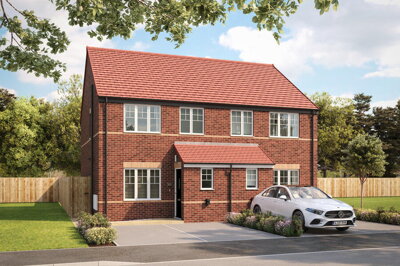
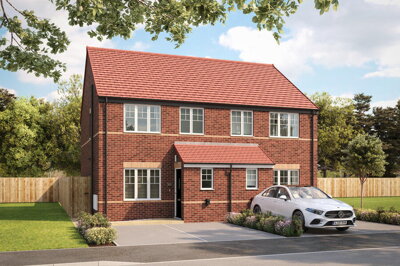
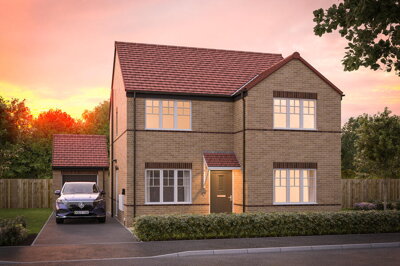
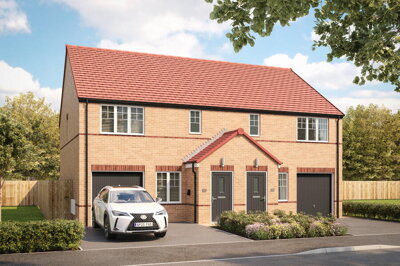
Browse 4 homes new builds in Barwell, Hinckley and Bosworth from local developer agents.
Studio apartments feature open-plan living spaces without separate bedrooms, incorporating sleeping, living, kitchen, and bathroom facilities. The Barwell studio market includes properties in modern apartment complexes, modern purpose-built developments and new residential complexes.
£130k
2
0
45
Source: home.co.uk
Showing 2 results for Studio Flats new builds in Barwell, Hinckley and Bosworth. The median asking price is £130,000.
Source: home.co.uk
Flat
2 listings
Avg £130,000
Source: home.co.uk
Source: home.co.uk
The West Bretton property market has demonstrated steady resilience, with house prices increasing by approximately 3% over the past twelve months. This modest but consistent growth reflects the enduring appeal of village living within easy reach of major urban centres. Detached properties command the highest prices, averaging around £450,000, making them ideal for families seeking generous space and privacy. The predominance of detached homes, representing approximately 40-45% of the housing stock according to Census data, reflects the village's character as a residential area favoured by families and those seeking more spacious accommodations.
Semi-detached homes, which represent approximately 30-35% of the local housing stock, typically sell for approximately £280,000, offering excellent value for those looking to step onto the property ladder or upsize from terraced accommodation. Terraced properties in West Bretton average around £220,000, while flats remain relatively scarce, accounting for less than 5% of the housing stock and typically priced from £160,000. The limited supply of flats reflects the village's character as a predominantly owner-occupied residential area with relatively few purpose-built apartment developments.
Notably, no large-scale new build developments have emerged within the WF4 postcode area recently. Smaller infill developments and occasional self-build projects do occur, but the absence of significant new-build activity has helped maintain property values and contributed to the area's desirable village atmosphere. Buyers seeking newer construction may need to consider nearby towns or be prepared to take on renovation projects, particularly given the number of period properties that offer excellent potential for modernisation while retaining their original character.

West Bretton is home to approximately 1,500 to 2,000 residents across 600 to 800 households, creating a close-knit community where neighbours often know one another by name. The village atmosphere is one of the area's strongest selling points, offering a sense of belonging that is increasingly rare in urban environments. Local amenities include traditional pubs, village shops, and community facilities that cater to everyday needs, while the surrounding countryside provides endless opportunities for walking, cycling, and outdoor recreation. The proximity to the Yorkshire Sculpture Park adds a cultural dimension that enriches daily life, with world-class art installations set within stunning parkland just a short distance from the village centre.
The architecture in West Bretton reflects its historical significance, with approximately 25-30% of properties built before 1919 using traditional construction methods and local materials. The village features several listed buildings and a designated Conservation Area around the historic core, ensuring that the architectural heritage is preserved for future generations. The predominant building materials include local gritstone and sandstone, along with various brick types including the characteristic red brick seen throughout West Yorkshire. Rendered finishes are common on more modern extensions and some period properties, adding visual variety to the streetscape.
The post-war expansion of the village, accounting for roughly 30-35% of properties built between 1945 and 1980, brought family-sized homes that continue to serve the community well today. Properties from this era typically feature cavity wall construction, which differs significantly from the solid wall construction found in older properties. Understanding the construction era and methods of a property is important when assessing its condition, maintenance requirements, and potential renovation possibilities. The remaining housing stock, built after 1980, includes smaller infill developments and individual builds that round out the variety of accommodation available in the village.

Families considering a move to West Bretton will find a selection of educational options within the village and the surrounding area. Primary education is served by local schools that have established reputations for providing solid foundations in core subjects, with many parents appreciating the smaller class sizes and community-focused approach that village schools can offer. The Wakefield local education authority maintains several primary schools within reasonable distance of West Bretton, with Ofsted ratings and individual school performance data available through government databases for those conducting detailed research.
Secondary education is available in nearby towns, with several well-regarded schools within reasonable commuting distance. Schools in both the Wakefield and Barnsley areas serve West Bretton families, and admission catchment areas are determined by the relevant local authority. Parents should carefully research which schools serve specific addresses, as catchment boundaries can significantly influence school placement. Secondary schools in the area offer a range of academic and vocational programmes, with some providing specialist facilities in areas such as sports, arts, and sciences.
For families seeking private education, several independent schools operate in the wider West Yorkshire region, with some offering transport arrangements from the West Bretton area. Sixth form and further education options are readily accessible in Wakefield and Barnsley, both of which offer comprehensive college facilities and strong academic programmes. The presence of the University of Leeds and University of Sheffield within commuting distance adds to the area's appeal for families with older children considering higher education. When searching for property in West Bretton, parents should research specific school catchments and admission criteria, as these can significantly impact property values in particular streets and neighbourhoods. Properties within desirable school catchments often command premiums, making early research valuable for budget planning.
West Bretton benefits from its strategic position between Wakefield and Barnsley, offering residents access to the amenities of larger towns while enjoying village living. The A638 runs through the area, providing direct connections to Wakefield city centre approximately 6 miles away. For commuters working in Leeds or Sheffield, the village offers reasonable access to major road networks including the M1 motorway, which can be reached within 15-20 minutes by car. This makes West Bretton particularly attractive to those who work in the city but prefer to return to a quieter home environment .
Public transport options include bus services connecting West Bretton with surrounding towns and villages, though frequencies may be more limited than those found in urban areas. Service planning in rural West Yorkshire means that weekday frequencies are generally better than weekend services, and those relying on public transport should check current timetables carefully. Railway stations in nearby towns offer additional travel options, with regular services to major cities from stations that can typically be reached within 20-30 minutes by car or bus. The journey time by train from Wakefield to Leeds is approximately 30 minutes, making day commuting feasible for those working in the city centre.
For cyclists, the rural lanes and countryside paths provide scenic routes for leisure rides, while more confident commuters might consider longer-distance routes into Leeds and Sheffield. National Cycle Network routes pass through parts of the region, offering traffic-free options where available. Parking in the village is generally straightforward, a significant advantage for those accustomed to urban parking challenges. The combination of road connectivity and proximity to motorway networks makes West Bretton practical for those who need to travel regularly for work, while the peaceful village environment provides an appealing counterpoint to busy urban workdays.
Before beginning your property search in West Bretton, take time to understand the local market. With average prices around £345,000 and detached properties typically commanding £450,000, establish your realistic budget and obtain a mortgage agreement in principle from a lender. This strengthens your position when making offers and demonstrates to sellers that you are a serious buyer with financing already arranged. Consider engaging a local mortgage broker who understands the West Yorkshire property market and can help navigate the various lending options available.
Use Homemove to browse all available properties in West Bretton, setting up alerts for new listings that match your criteria. Once you have identified properties of interest, arrange viewings through the listed estate agents. When viewing properties, pay attention to construction materials, signs of damp or structural issues, and the general condition of the property, particularly given that around 70% of homes in the area were built before 1980. Take notes and photographs during viewings to help compare properties later, and consider visiting at different times of day to assess noise levels, light, and the neighbourhood character.
Before completing your purchase, arrange for a professional survey of the property. Given West Bretton's geology, which includes clay soils prone to shrink-swell movement, and the prevalence of older properties, a RICS Level 2 Survey is strongly recommended for most properties. Survey costs typically range from £450-£650 for a standard 3-bedroom home and can identify issues such as damp, roof defects, timber problems, or potential subsidence concerns before you commit to the purchase. For period properties or those showing signs of structural movement, a RICS Level 3 Building Survey may be more appropriate.
Once your offer has been accepted, instruct a conveyancing solicitor to handle the legal aspects of your purchase. Your solicitor will conduct local authority searches, check property boundaries, and ensure all documentation is in order. They will also investigate any planning restrictions that may affect the property, which is particularly important in West Bretton given the Conservation Area designation and listed building considerations. Mining searches should be included given the West Yorkshire coal mining heritage, and your solicitor can advise on any specific concerns revealed by these searches.
After all searches and surveys have been satisfactory and mortgage finance has been confirmed, you will exchange contracts with the seller and pay your deposit. The completion date is then set, at which point ownership of the property transfers to you. Your solicitor will coordinate with HM Land Registry to register your ownership and ensure all Stamp Duty Land Tax is paid correctly. On completion day, collect your keys from the estate agent and begin the exciting process of moving into your new West Bretton home.
Purchasing a property in West Bretton requires careful consideration of several area-specific factors that may not be immediately apparent to buyers unfamiliar with the locality. The geology of the area, characterised by Carboniferous rocks including sandstones, shales, and coal seams, presents particular considerations for property buyers. The clay soils present a shrink-swell risk that can affect properties with large trees or those that have experienced changes in ground moisture levels. When viewing properties, look for signs of cracking to walls, doors that stick, or other indicators of potential movement. A thorough survey can assess whether the property has been affected by subsidence or heave and whether any remedial works have been carried out successfully.
The mining heritage of West Yorkshire means that some properties in West Bretton may be built over or near former coal mine workings. While deep mining has largely ceased, legacy issues including potential ground instability and the risk of subsidence from old mine shafts remain considerations for property buyers. Your solicitor should include appropriate mining searches in their conveyancing work to identify any historic mining activity that might affect the property. Properties in the Conservation Area or those that are listed buildings may face additional restrictions on alterations and renovations, so ensure you understand these obligations before purchasing. The listed status of certain properties adds character but also responsibility for ongoing maintenance to specific standards.
Given the age profile of properties in West Bretton, with approximately 25-30% built before 1919 and a further 30-35% constructed between 1945 and 1980, buyers should anticipate potential issues with older electrical systems, plumbing, and insulation that may not meet modern standards. Solid wall construction found in older properties typically has different insulation properties compared to modern cavity wall builds, and renovation to improve energy efficiency may require careful consideration of period features. Ask about recent renovations or upgrades to heating systems, wiring, and plumbing when viewing properties. Surface water flooding can occur during heavy rainfall due to local topography and drainage capacity, so check whether any flood risk assessments have been conducted and consider the implications for ground floor accommodation or basements.
Common defects found in West Bretton properties include damp issues, which are prevalent in older buildings with solid wall construction or inadequate ventilation. Roof condition problems such as slipped tiles, failing pointing, and damaged leadwork are frequently encountered in period properties. Timber defects including wet rot, dry rot, and woodworm can affect properties with moisture issues or poor ventilation. Outdated electrical systems are common in properties that have not been recently rewired, and a qualified electrician should assess any property where the wiring appears original. Our inspectors frequently identify these issues during surveys and can advise on appropriate remedial measures and associated costs.
The average house price in West Bretton is approximately £345,000 based on recent sales data. Detached properties average around £450,000, semi-detached homes cost approximately £280,000, and terraced properties typically sell for around £220,000. Property prices have increased by approximately 3% over the past twelve months, reflecting steady demand for homes in this attractive West Yorkshire village. Flats, which represent less than 5% of the housing stock, typically start from around £160,000, though availability is limited.
Properties in West Bretton fall within the Wakefield Metropolitan Borough Council area, which sets council tax rates annually. Council tax bands vary by property depending on the valuation band assigned by the Valuation Office Agency. Most residential properties in West Bretton fall within bands B through E, with the specific band affecting annual charges. Properties in higher bands, which tend to be larger detached homes, naturally incur higher annual charges. Prospective buyers should check the banding for any specific property through the Valuation Office Agency website or request this information from the selling estate agent.
West Bretton is served by local primary schools that offer community-focused education with good reputations for pastoral care and academic achievement. Secondary schools in the wider Wakefield and Barnsley areas provide strong academic programmes, with several rated well by Ofsted. The specific school serving any given address depends on catchment boundaries set by the local education authority, and these boundaries can change over time. Families should research specific school catchments, as admission criteria can vary and may significantly influence which schools serve particular addresses. Independent schooling options are available in the wider West Yorkshire region, with some schools offering transport from the West Bretton area.
West Bretton is connected to surrounding towns and villages through local bus services, though frequencies are more limited than in urban areas. The village is well positioned for road travel, with the A638 providing direct access to Wakefield city centre approximately 6 miles away and the M1 motorway reachable within 15-20 minutes. Railway stations in nearby towns offer regular services to major cities including Leeds and Sheffield, with Leeds accessible in around 30 minutes by train from Wakefield. For daily commuting, a car is generally recommended for flexibility, though public transport options do exist for those who prefer not to drive.
West Bretton offers several factors that may appeal to property investors. The village's proximity to the Yorkshire Sculpture Park and its desirable village character help maintain property values and attract quality tenants. Limited new build supply in the WF4 postcode area means existing properties face less competition from new developments, which can support rental values. Rental demand is supported by commuters working in Leeds, Sheffield, and Wakefield who prefer village living while maintaining city employment. However, investors should consider the cost of maintaining older properties, potential mining-related issues, and the relatively small size of the local market when evaluating investment potential.
Stamp Duty Land Tax rates for standard buyers start at 0% on properties up to £250,000, then 5% on the portion between £250,001 and £925,000. A property priced at the West Bretton average of £345,000 would attract SDLT of approximately £4,750. First-time buyers benefit from relief on the first £425,000 of purchase price, meaning most first-time buyers in West Bretton would pay no stamp duty at all on average-priced properties in the village. The relief applies to the portion between £425,001 and £625,000 at 5%, with higher rates applying above that threshold.
From £450
A detailed inspection ideal for most properties in West Bretton, identifying defects common to the area's older housing stock
From £700
Comprehensive survey recommended for older, listed, or unusual properties requiring detailed assessment
From £80
Required energy performance certificate for all property sales
From £499
Property solicitor services for your West Bretton purchase
From 4.5%
Compare mortgage rates for your West Bretton home
Understanding the full costs of purchasing property in West Bretton is essential for budgeting effectively. In addition to the property purchase price, buyers should account for Stamp Duty Land Tax, which applies to all freehold purchases above £250,000. For a typical West Bretton home priced at the area average of £345,000, standard SDLT would amount to £4,750. First-time buyers purchasing properties up to £425,000 can benefit from first-time buyer relief, potentially reducing or eliminating their SDLT liability on average-priced properties in the village.
Solicitor conveyancing fees for property purchases in West Bretton typically start from around £499 for standard transactions, though costs can increase for leasehold properties, those with complex titles, or properties requiring additional searches such as mining investigations. Given the mining heritage of West Yorkshire, mining searches are particularly important in this area and your solicitor should include these as standard. Survey costs should also be budgeted, with RICS Level 2 Surveys for typical 3-bedroom homes in the area ranging from £450 to £650. Buyers purchasing higher-value detached properties should expect to pay correspondingly more, with surveys on larger homes potentially ranging from £600 to £850. An Energy Performance Certificate is required for all sales and typically costs from £80.
Additional costs to factor into your budget include mortgage arrangement fees, which vary by lender but can range from £0 to £2,000, and valuation fees charged by your mortgage lender, which are often included in the arrangement fee. Land Registry fees for registering your ownership and search fees charged by your solicitor can add several hundred pounds to the total. Removal costs vary based on distance and volume of belongings, while setting up utilities and services at your new West Bretton home may involve connection fees. Planning these costs carefully ensures a smooth transition to your new property without unexpected financial surprises.
Properties New Builds In London

Properties New Builds In Plymouth

Properties New Builds In Liverpool

Properties New Builds In Glasgow

Properties New Builds In Sheffield

Properties New Builds In Edinburgh

Properties New Builds In Coventry

Properties New Builds In Bradford

Properties New Builds In Manchester

Properties New Builds In Birmingham

Properties New Builds In Bristol

Properties New Builds In Oxford

Properties New Builds In Leicester

Properties New Builds In Newcastle

Properties New Builds In Leeds

Properties New Builds In Southampton

Properties New Builds In Cardiff

Properties New Builds In Nottingham

Properties New Builds In Norwich

Properties New Builds In Brighton

Properties New Builds In Derby

Properties New Builds In Portsmouth

Properties New Builds In Northampton

Properties New Builds In Milton Keynes

Properties New Builds In Bournemouth

Properties New Builds In Bolton

Properties New Builds In Swansea

Properties New Builds In Swindon

Properties New Builds In Peterborough

Properties New Builds In Wolverhampton

Enter your details to see if this property is within your budget.
Loans, cards, car finance
Estimated property budget
Borrowing + deposit
You could borrow between
Typical borrowing
Monthly repayment
Est. at 4.5%
Loan-to-value
This is an estimate only. Your actual budget may vary depending on interest rates, credit history, and personal circumstances. For an accurate affordability assessment, speak to one of our free mortgage advisors.
This calculator provides estimates for illustrative purposes only and does not constitute financial advice. Your home may be repossessed if you do not keep up repayments on your mortgage. Estimates based on 4.5% interest rate, repayment mortgage. Actual rates depend on your circumstances.
Homemove is a trading name of HM Haus Group Ltd (Company No. 13873779, registered in England & Wales). Homemove Mortgages Ltd (Company No. 15947693) is an Appointed Representative of TMG Direct Limited, trading as TMG Mortgage Network, which is authorised and regulated by the Financial Conduct Authority (FRN 786245). Homemove Mortgages Ltd is entered on the FCA Register as an Appointed Representative (FRN 1022429). You can check registrations at NewRegister or by calling 0800 111 6768.

We use cookies to show you personalised content and improve your experience of our website. Find out more in our Privacy policy and Cookie policy.