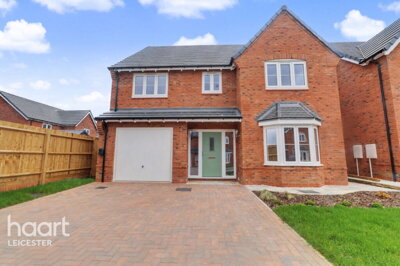
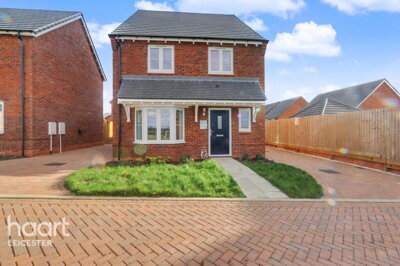
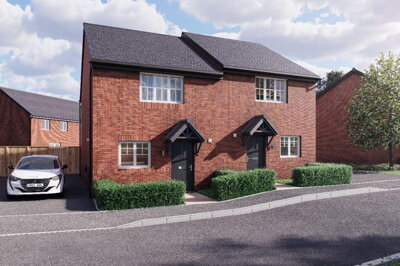
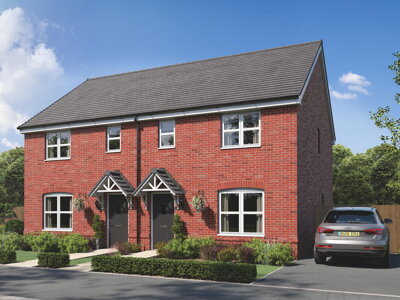
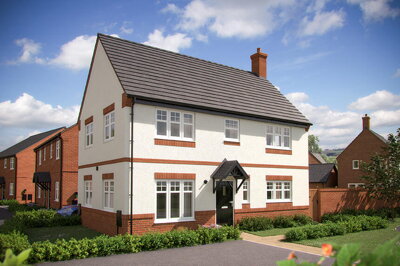
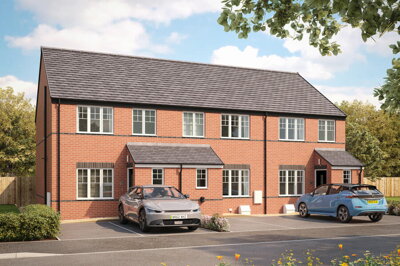
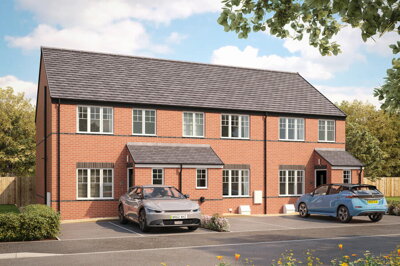
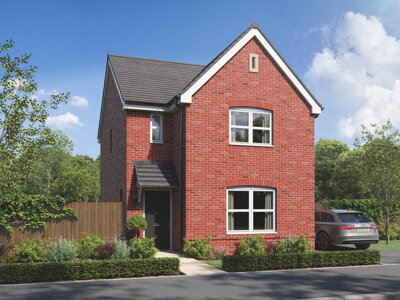
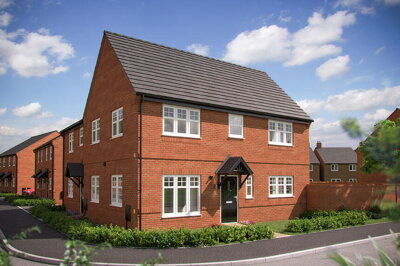
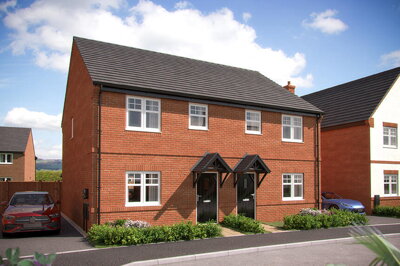
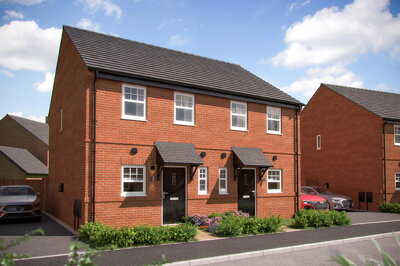
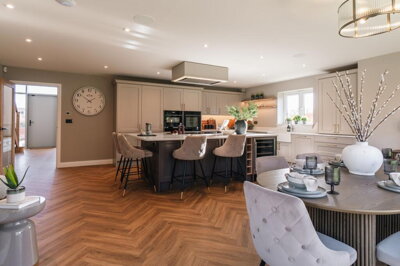
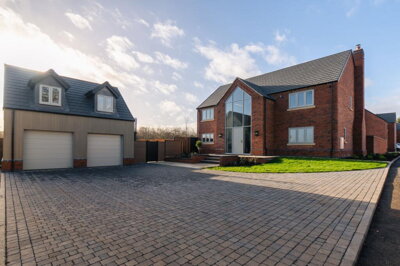
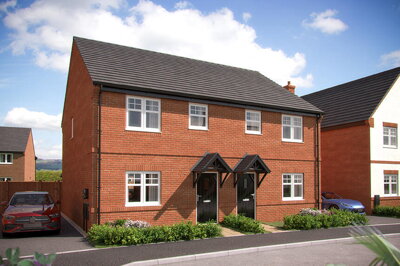
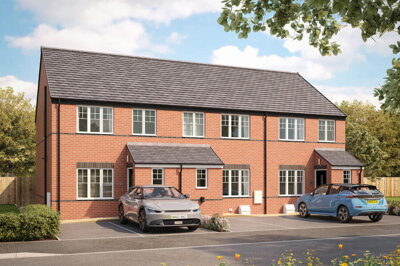
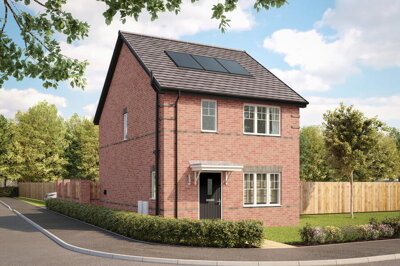
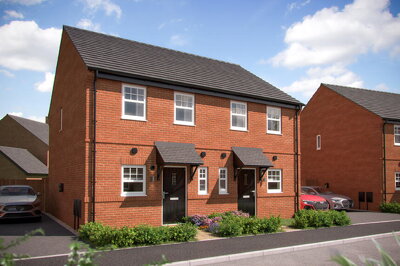
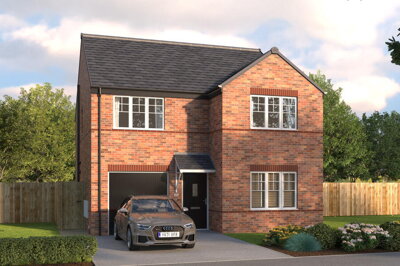
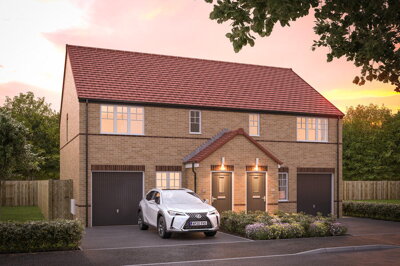
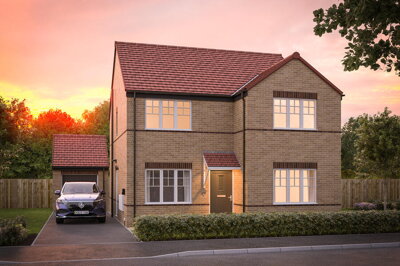
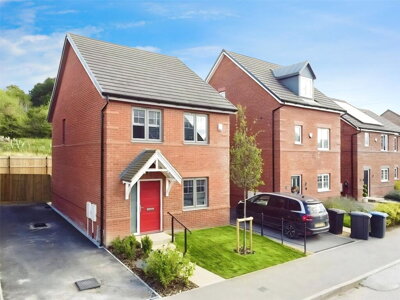
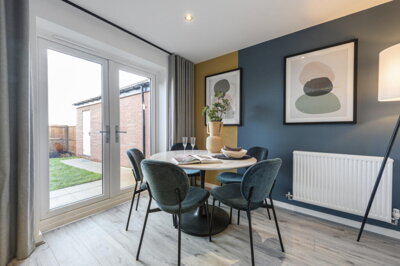
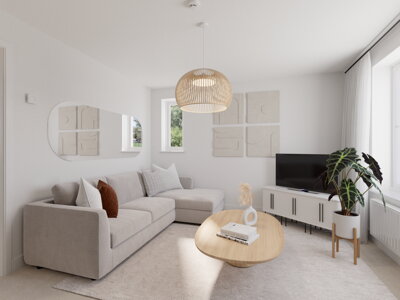
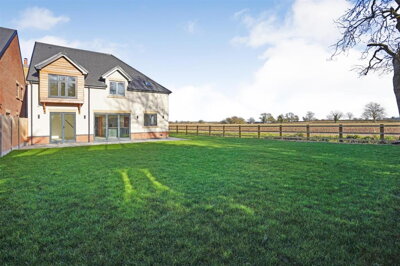
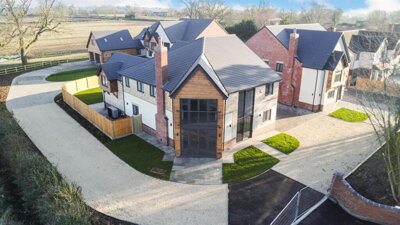
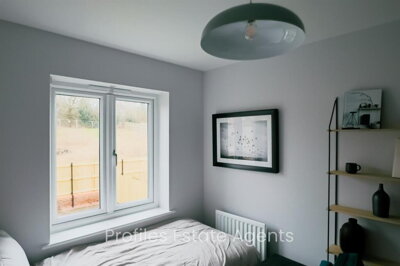
Browse 26 homes new builds in Barwell, Hinckley and Bosworth from local developer agents.
The Barwell property market offers detached, semi-detached, and terraced houses spanning various price ranges and neighbourhoods. Each listing includes detailed property information, photographs, and direct contact with the marketing agent.
£270k
46
1
141
Source: home.co.uk
Showing 46 results for Houses new builds in Barwell, Hinckley and Bosworth. 1 new listing added this week. The median asking price is £270,000.
Source: home.co.uk
Detached
19 listings
Avg £369,842
Semi-Detached
19 listings
Avg £249,287
Terraced
8 listings
Avg £193,125
Source: home.co.uk
Source: home.co.uk
The West Bretton property market has demonstrated steady growth, with house prices increasing by approximately 3% over the past twelve months. This modest but consistent appreciation reflects the ongoing demand for homes in desirable village locations within the Wakefield metropolitan district. The average property price of £345,000 positions West Bretton as an attractive option for buyers seeking value compared to more urbanised areas of West Yorkshire, while still offering excellent connectivity to major employment centres. For buyers who have been watching the market, this steady growth trajectory suggests that property investments in West Bretton tend to hold their value well, even during periods of broader market uncertainty.
Property types in West Bretton reflect the village's diverse housing stock, with detached homes averaging £450,000, semi-detached properties at £280,000, terraced houses at £220,000, and flats at approximately £160,000. According to Census data, approximately 40-45% of properties are detached, 30-35% are semi-detached, with terraced properties making up 15-20% and flats comprising less than 5% of the housing stock. This predominance of larger family homes makes West Bretton particularly appealing to households seeking generous living space, private gardens, and the quietude that comes with lower-density housing. The village offers everything from spacious period farmhouses and cottages in the historic core to more contemporary family homes built during post-war expansion phases and later infill development.
With approximately 45 property sales recorded in the last 12 months, the market remains active, and new properties regularly come to market. The property age distribution shows approximately 25-30% of homes built pre-1919, 15-20% constructed between 1919-1945, 30-35% from the post-war period of 1945-1980, and the remaining 15-20% built after 1980. This means the majority of properties in West Bretton are at least 45 years old, with many dating back to the Victorian and Edwardian eras. No large-scale new-build developments were identified within the WF4 postcode area, though smaller infill opportunities and individual self-build plots may become available, offering alternatives for buyers seeking newly constructed homes in this village setting.

West Bretton is home to approximately 1,500-2,000 residents across 600-800 households, creating a close-knit community atmosphere that is increasingly sought after by families and retirees alike. The village maintains its historic character through a designated Conservation Area and several listed buildings, particularly around the historic core and properties associated with Bretton Hall. Bretton Hall itself, now part of the Yorkshire Sculpture Park estate, has played a significant role in the area's history as a private country house and later as an educational institution. The predominantly rural setting provides residents with beautiful countryside walks, rolling hills, and a peaceful environment that contrasts sharply with the busier urban centres nearby.
The local economy in West Bretton is influenced by its rural setting and proximity to larger towns. Key employers include those related to agriculture, small local businesses, and the significant tourism and leisure sector generated by the nearby Yorkshire Sculpture Park. This cultural attraction draws visitors from across the region and beyond, contributing to the local economy while providing residents with year-round access to world-class art exhibitions and events. Many residents also commute to employment centres in Wakefield, Barnsley, Leeds, and Sheffield, taking advantage of the village's strategic position within the regional transport network. The presence of major employers in these nearby cities makes West Bretton an attractive base for professionals who want to balance their careers with a better quality of life.
The village benefits from local amenities including pubs, shops, and community facilities, while more comprehensive retail and healthcare services are readily accessible in nearby towns. The local geology, characterised by Carboniferous rocks including sandstones, shales, and coal seams, has shaped both the landscape and the traditional building materials used throughout the area. Properties in West Bretton typically feature local gritstone or sandstone construction, often complemented by red brick and rendered finishes, contributing to the distinctive visual character that defines the village streetscape. This consistent use of local materials means that many properties share similar construction characteristics, which can be both a benefit in terms of aesthetic harmony and a consideration when assessing maintenance requirements.

West Bretton and the surrounding Wakefield district offer a range of educational options for families with children of all ages. Parents considering a move to West Bretton will find several primary schools within easy reach, serving the village and nearby communities including schools in the neighbouring areas of Crigglestone, Ryhill, and Walton. Primary schools in the wider catchment area include West Bretton Primary School itself, which serves the immediate village community, along with several other well-regarded options within a short drive. Secondary education options in the wider area include both comprehensive schools and selective grammar schools, providing families with choices depending on their children's academic abilities and preferences. The presence of grammar schools in nearby areas means that academically gifted children from West Bretton may have opportunities to access some of the most sought-after secondary schools in the region.
The property age distribution in West Bretton, with approximately 25-30% of homes built pre-1919 and a further 30-35% constructed between 1945-1980, means many families will be considering period properties within good school catchments. Properties in the historic core and Conservation Area often fall within particularly desirable catchment zones, combining character homes with access to well-regarded local schools. For families with older children, sixth form colleges and further education facilities in Wakefield and Barnsley provide comprehensive secondary and post-16 education options, with good transport connections making daily commuting feasible. The Wakefield College and Barnsley College campuses offer a wide range of vocational and academic courses, while the nearby universities in Leeds provide higher education opportunities within reasonable commuting distance.
When purchasing a family home in West Bretton, we recommend investigating specific school performance data, Ofsted ratings, and admission policies for your target property. School performance can significantly impact property values in certain catchment areas, making this research particularly important for both family buyers and investors. Properties in sought-after school catchments often command premiums, and understanding which schools serve a particular property can help you assess both its current value and future appreciation potential. Our property listings include details of approximate locations, allowing you to assess proximity to local schools during your property search. We also recommend visiting schools directly where possible, as this provides the best understanding of their culture and suitability for your family.
West Bretton benefits from a strategic position within West Yorkshire, offering residents convenient access to major road networks and public transport options. The village is situated near the A638, providing direct connections to Wakefield city centre and onwards to the M1 motorway, which runs north-south through West Yorkshire connecting Leeds, Sheffield, and Nottingham. This strategic location means that residents can reach Leeds city centre in approximately 30-40 minutes by car, while Sheffield is accessible in around 45-60 minutes depending on traffic conditions. The M1 motorway junction provides connections to the broader national road network, making West Bretton practical for those who need to travel further afield for work or leisure.
Public transport options from West Bretton include bus services connecting the village to Wakefield, Barnsley, and surrounding communities. These services allow residents without cars to access amenities and employment in nearby towns, though service frequencies may be limited compared to urban routes. Rail connections are available at nearby stations including those in Wakefield and Barnsley, with regular services to major cities including Leeds and Sheffield. For those commuting to Leeds by train, journey times from Wakefield stations typically range from 20-30 minutes, making daily commuting feasible for those working in the city centre. Many residents find that a combination of driving to a station and rail travel provides the most practical commuting solution.
For those who prefer sustainable commuting options, West Bretton offers opportunities for cycling, with country lanes and scenic routes available for leisure and commuting purposes. The village position within the Yorkshire countryside provides excellent walking routes and outdoor recreation opportunities, with the Trans Pennine Trail and various local footpaths offering traffic-free routes to nearby towns. Parking within the village is generally well-managed, and residents appreciate the relative ease of parking compared to more urbanised locations. These transport options make West Bretton an excellent choice for those who split their working time between home and office, balancing rural living with professional requirements. The flexibility of the transport network means residents can choose the most appropriate option for their specific circumstances on any given day.
Start by exploring our comprehensive listings of homes for sale in West Bretton. Understand current price trends, with the average property priced at £345,000, and familiarise yourself with the different property types available, from detached family homes at £450,000 to terraced properties at £220,000. Consider engaging with local estate agents who have specialist knowledge of the West Bretton market and can alert you to new listings before they reach mainstream platforms.
Before viewing properties in West Bretton, obtain a mortgage agreement in principle from a lender. This financial pre-approval demonstrates to sellers that you are a serious buyer with funding in place. Current market conditions offer competitive rates, and speaking with a mortgage broker can help you find the best deal for your circumstances. Having your financing arranged strengthens your negotiating position in what can be a competitive village market where well-presented properties can attract multiple enquiries.
Visit properties that match your criteria, paying attention to both the property condition and the surrounding neighbourhood. In West Bretton, note the Conservation Area restrictions and consider properties across different ages and styles. With approximately 70-80% of properties built before 1980, many homes will benefit from a professional survey to assess their condition and identify any potential issues before purchase. Take time to walk the neighbourhood at different times of day to understand the community atmosphere and any potential sources of noise or disturbance.
Given West Bretton's predominantly older housing stock with approximately 70-80% of properties built before 1980, we strongly recommend commissioning a RICS Level 2 Survey before completing your purchase. For a typical 3-bedroom semi-detached property, expect to pay between £450 and £650 for this comprehensive assessment, while larger detached homes may cost £600-£850. The survey will identify common issues in the area including damp, roof conditions, timber defects, and any signs of subsidence related to the local clay soils and mining heritage. Our inspectors are familiar with West Bretton's housing stock and know what to look for in properties built from local stone and brick.
Engage a solicitor with experience in West Yorkshire property transactions to handle the legal aspects of your purchase. They will conduct searches specific to the West Bretton area, including checks on local planning, mining records, and flood risk assessments. The conveyancing process typically takes 8-12 weeks, though this can vary depending on chain circumstances and property complexity. Given the area's coal mining heritage, mining searches are particularly important in West Bretton and should not be overlooked.
Once all searches are satisfactory and financing is confirmed, you will exchange contracts and pay your deposit. Completion follows, when you receive the keys to your new West Bretton home. Register your ownership with the Land Registry and update your address details with relevant organisations. We recommend scheduling a thorough moving-day inspection of the property before you start unpacking, noting any changes since your last viewing.
Properties in West Bretton are predominantly constructed from local stone and brick, with many historic homes featuring solid wall construction that differs significantly from modern cavity wall systems. When viewing period properties, pay particular attention to the condition of the stonework, pointing, and any signs of weathering or damage. Traditional gritstone and sandstone construction is durable but requires ongoing maintenance, and understanding the maintenance history of any property you are considering is essential for budgeting purposes. Our inspectors frequently find that older properties in West Bretton benefit from solid construction but may have outdated insulation or ventilation systems that could require upgrading.
The local geology presents specific considerations for buyers, as West Bretton sits on Carboniferous rocks with underlying clay soils that can exhibit shrink-swell behaviour. Properties with mature trees or those in areas with variable moisture levels may be susceptible to subsidence or heave movement. We strongly recommend a thorough RICS Level 2 Survey to assess foundation conditions and identify any signs of structural movement. Properties in the vicinity of former coal mining areas should be investigated carefully, with mining search reports obtained during the conveyancing process to identify any legacy issues from historical mining activity. These searches are standard practice in the West Bretton area and your solicitor should include them as a matter of course.
Flood risk in West Bretton primarily manifests as surface water flooding during periods of heavy rainfall, due to local topography and drainage characteristics. Some areas may also experience minor fluvial flooding from tributaries of the River Dearne. When considering a property, assess its position relative to known flood risk areas and review any flood history or mitigation measures in place. Properties within the designated Conservation Area may be subject to specific planning restrictions affecting alterations, extensions, or significant external changes, and buyers should familiarise themselves with these requirements before proceeding. Our team can provide guidance on which areas of West Bretton fall within the Conservation Area and what implications this may have for your purchase.
The average house price in West Bretton is currently £345,000, based on transactions over the past twelve months. Detached properties average around £450,000, semi-detached homes at £280,000, terraced properties at £220,000, and flats approximately £160,000. Property prices in West Bretton have increased by approximately 3% over the past year, reflecting steady demand for homes in this desirable West Yorkshire village location. This consistent growth rate compares favourably with some urban areas where prices can fluctuate more dramatically, making West Bretton an attractive option for buyers prioritising stability.
Properties in West Bretton fall under Wakefield Metropolitan Borough Council, with most homes in Bands A through D depending on property value and size. Period properties and smaller homes typically fall into Bands A or B, while larger detached family homes may be in Bands C or D. You can confirm the specific band for any property through the Land Registry or the local authority's online council tax database. Council tax bands can affect your ongoing running costs, so this is worth considering alongside the purchase price when budgeting for your move to West Bretton.
West Bretton is served by several primary schools within easy reach of the village, including West Bretton Primary School itself and schools in neighbouring communities such as Crigglestone and Ryhill. Families also have access to secondary education options in the wider Wakefield and Barnsley areas, with selective grammar schools available for academically gifted children who pass entrance examinations. Researching specific school Ofsted ratings, academic performance, and admission catchment areas is essential when choosing a property, as catchment boundaries can change and may not always align with intuitive geographic assumptions.
West Bretton is served by local bus services connecting the village to Wakefield and Barnsley, with further rail connections available at nearby stations. The A638 provides direct road access to Wakefield city centre, and the M1 motorway is readily accessible for those commuting by car. Journey times to Leeds city centre typically take 30-40 minutes by car, while train services from nearby stations can reach Leeds in approximately 20-30 minutes. This connectivity makes West Bretton practical for those working in major employment centres while enjoying village living.
West Bretton offers solid investment potential due to its desirable village location, proximity to major employment centres, and limited supply of properties coming to market. The steady 3% annual price appreciation reflects consistent demand, while the rural character and Conservation Area designation help maintain property values. Properties suitable for families and commuters continue to attract strong interest, and rental demand exists from professionals seeking village locations within commutable distance of Leeds, Sheffield, and Wakefield. The shortage of new-build developments in the WF4 postcode area helps maintain the character of the village while supporting property values.
Stamp Duty Land Tax rates from April 2024 are 0% on properties up to £250,000, 5% on the portion from £250,001 to £925,000, 10% from £925,001 to £1.5 million, and 12% above £1.5 million. First-time buyers receive relief on the first £425,000 at 0%, with 5% applied between £425,001 and £625,000. Given West Bretton's average price of £345,000, most buyers purchasing at or near the average price point would pay no stamp duty, or minimal amounts if buying as a first-time buyer above £425,000. This represents a significant saving compared to properties in higher-priced markets and should be factored into your overall buying budget.
Key considerations include the potential for surface water flooding, especially given local topography and drainage patterns during periods of heavy rainfall. Properties on clay soils near mature trees should be assessed for shrink-swell subsidence risk, which our inspectors check for during every survey. Given the area's coal mining heritage, legacy mining issues including potential ground instability from old workings should be investigated through appropriate searches during conveyancing. Properties in the Conservation Area or those that are listed buildings may face restrictions on alterations and may require specialist surveys beyond a standard RICS Level 2 assessment. Our team can advise on which properties may require additional investigation based on their specific characteristics.
From 4.5% APR
Compare mortgage deals from leading lenders
From £499
Expert property solicitors for West Bretton purchases
From £450
Thorough property surveys by qualified inspectors
From £85
Energy performance certificates for West Bretton properties
When purchasing a property in West Bretton, understanding the full cost of buying is essential for budgeting effectively. The Stamp Duty Land Tax thresholds from April 2024 offer favourable conditions for many buyers, with no duty payable on the first £250,000 of a residential purchase. Given West Bretton's average property price of £345,000, a buyer purchasing at the average price point would pay stamp duty only on the £95,000 above the threshold, resulting in £4,750 at the 5% rate. This represents significantly lower purchase costs compared to properties in higher-priced markets like London or the south of England, where stamp duty bills can reach tens of thousands of pounds.
First-time buyers benefit from additional relief, with no stamp duty payable on the first £425,000 and 5% applied only between £425,001 and £625,000. For first-time buyers purchasing at West Bretton's average price of £345,000, no stamp duty would be payable at all, representing substantial savings of thousands of pounds. However, first-time buyer relief does not apply to purchases above £625,000, so buyers at the upper end of the West Bretton market should factor this into their calculations. Properties priced above £925,000 face progressively higher rates of 10% and 12%, making the upper end of West Bretton's detached property market subject to more significant purchase costs.
Beyond stamp duty, buyers should budget for additional costs including solicitor conveyancing fees (typically from £499-£1,500 depending on complexity), survey costs (RICS Level 2 surveys range from £450-£850 in West Bretton depending on property size and type), and mortgage arrangement fees if applicable. Local searches specific to West Bretton and the Wakefield area will be required, including drainage searches, local authority searches, and potentially mining reports given the area's historical coal mining activity. We recommend budgeting approximately 3-5% of the purchase price for these additional costs to ensure your budget is comprehensive and realistic. Our team can provide more detailed estimates based on your specific circumstances and the property you are considering.
Properties New Builds In London

Properties New Builds In Plymouth

Properties New Builds In Liverpool

Properties New Builds In Glasgow

Properties New Builds In Sheffield

Properties New Builds In Edinburgh

Properties New Builds In Coventry

Properties New Builds In Bradford

Properties New Builds In Manchester

Properties New Builds In Birmingham

Properties New Builds In Bristol

Properties New Builds In Oxford

Properties New Builds In Leicester

Properties New Builds In Newcastle

Properties New Builds In Leeds

Properties New Builds In Southampton

Properties New Builds In Cardiff

Properties New Builds In Nottingham

Properties New Builds In Norwich

Properties New Builds In Brighton

Properties New Builds In Derby

Properties New Builds In Portsmouth

Properties New Builds In Northampton

Properties New Builds In Milton Keynes

Properties New Builds In Bournemouth

Properties New Builds In Bolton

Properties New Builds In Swansea

Properties New Builds In Swindon

Properties New Builds In Peterborough

Properties New Builds In Wolverhampton

Enter your details to see if this property is within your budget.
Loans, cards, car finance
Estimated property budget
Borrowing + deposit
You could borrow between
Typical borrowing
Monthly repayment
Est. at 4.5%
Loan-to-value
This is an estimate only. Your actual budget may vary depending on interest rates, credit history, and personal circumstances. For an accurate affordability assessment, speak to one of our free mortgage advisors.
This calculator provides estimates for illustrative purposes only and does not constitute financial advice. Your home may be repossessed if you do not keep up repayments on your mortgage. Estimates based on 4.5% interest rate, repayment mortgage. Actual rates depend on your circumstances.
Homemove is a trading name of HM Haus Group Ltd (Company No. 13873779, registered in England & Wales). Homemove Mortgages Ltd (Company No. 15947693) is an Appointed Representative of TMG Direct Limited, trading as TMG Mortgage Network, which is authorised and regulated by the Financial Conduct Authority (FRN 786245). Homemove Mortgages Ltd is entered on the FCA Register as an Appointed Representative (FRN 1022429). You can check registrations at NewRegister or by calling 0800 111 6768.

We use cookies to show you personalised content and improve your experience of our website. Find out more in our Privacy policy and Cookie policy.