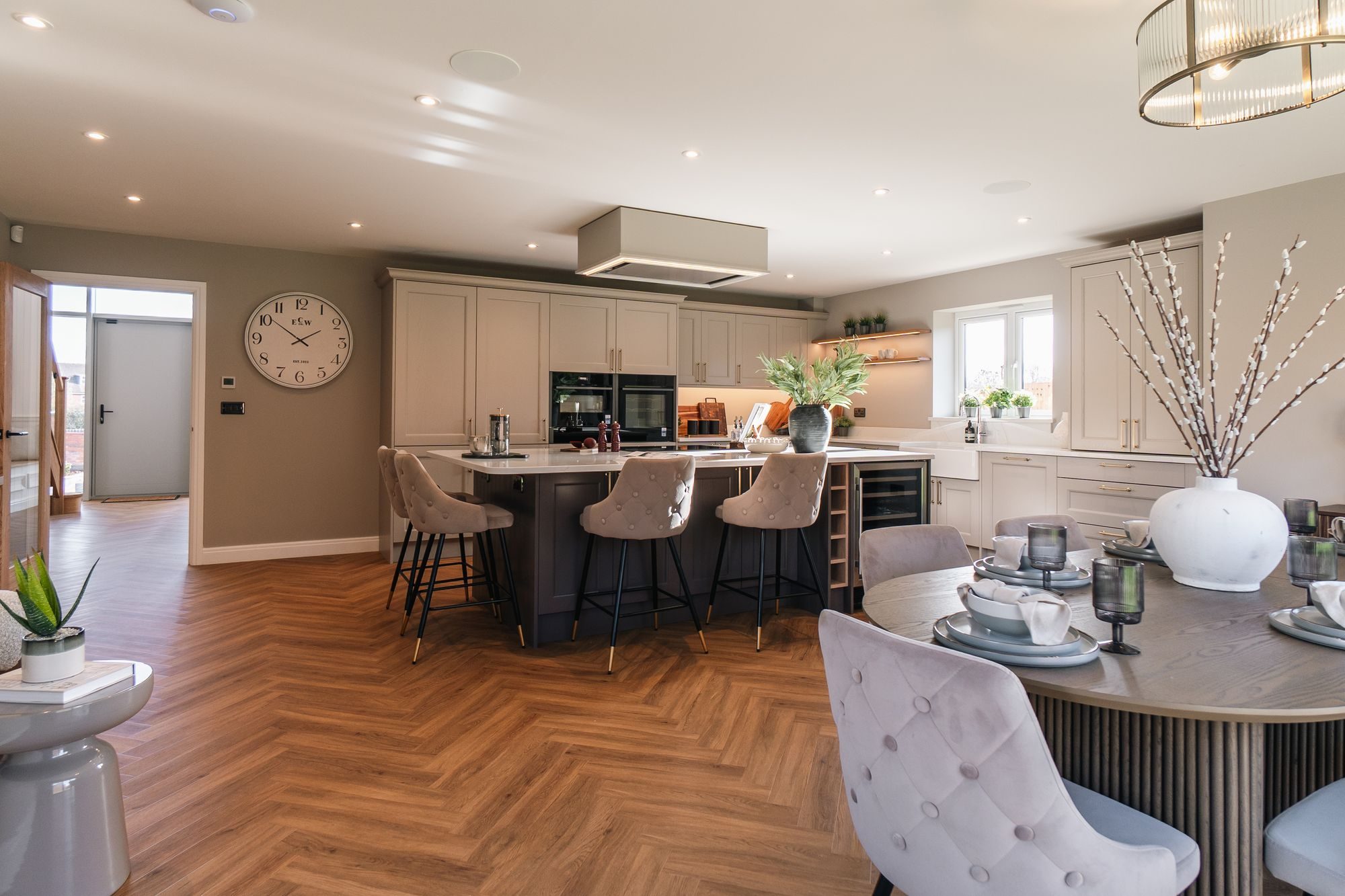
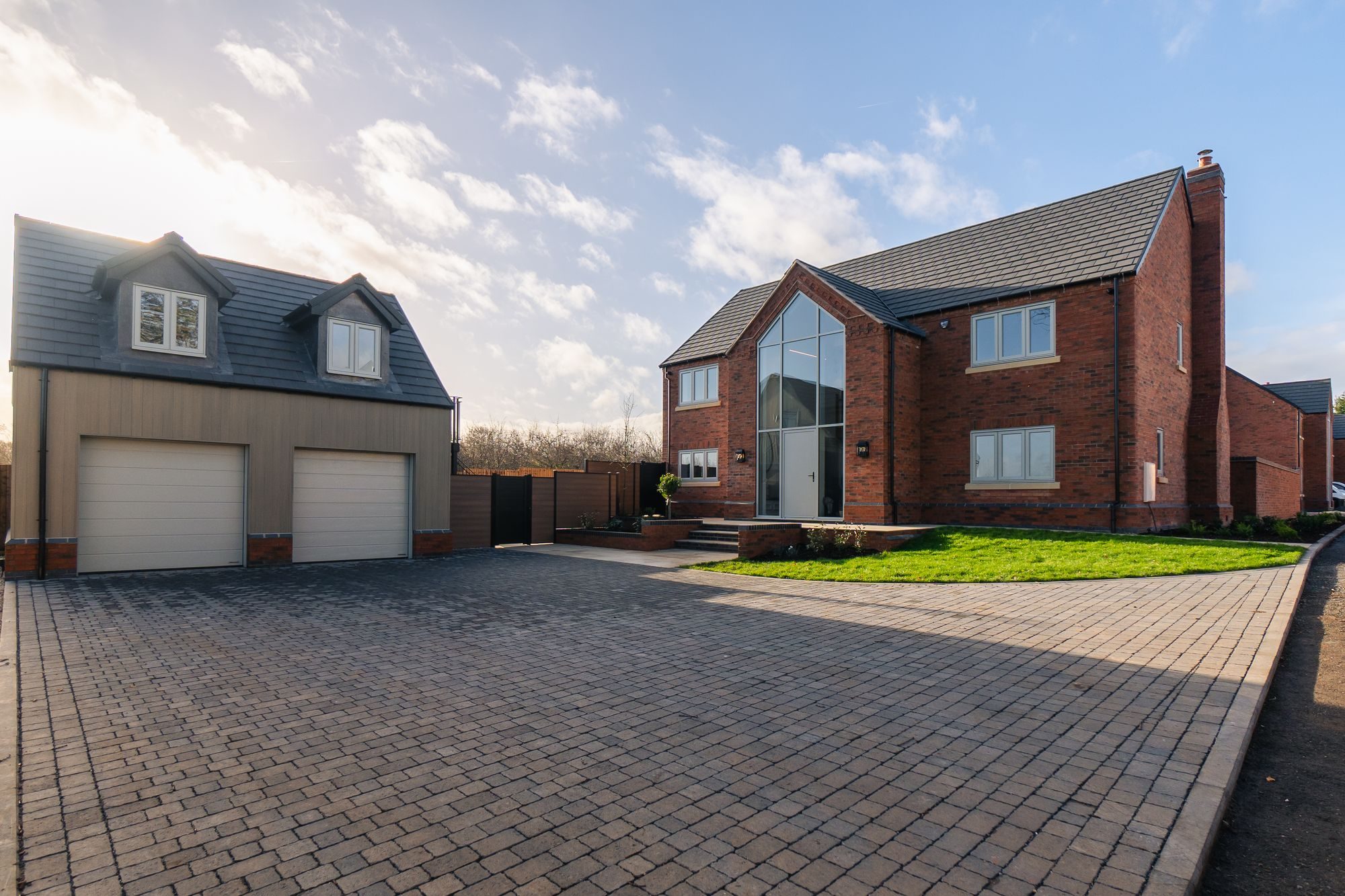
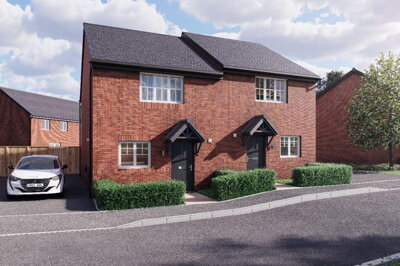
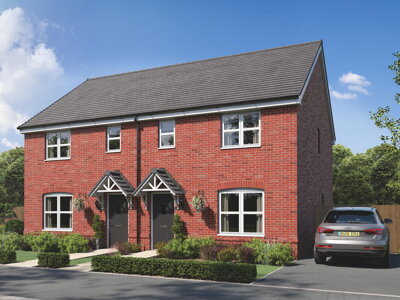
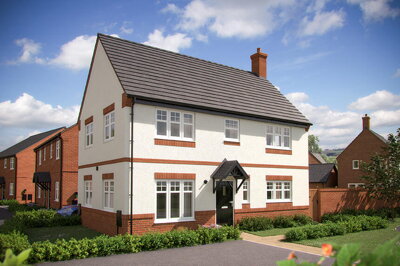
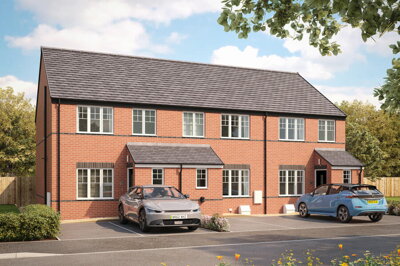
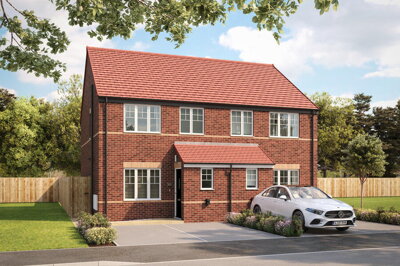
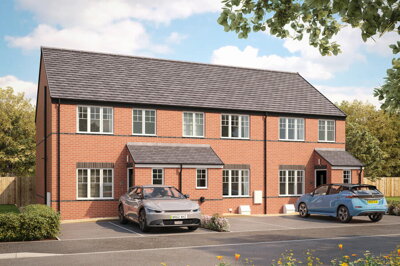
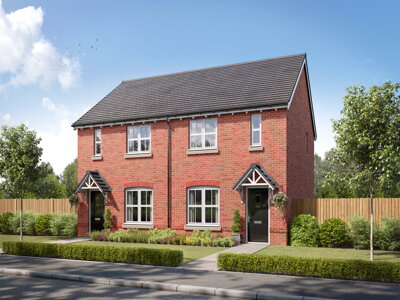
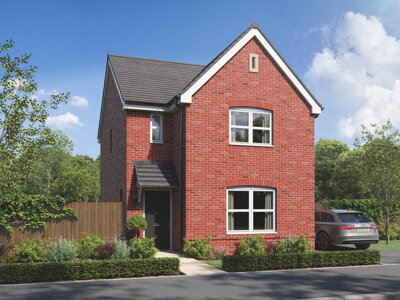
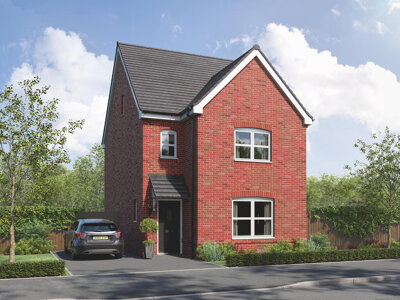
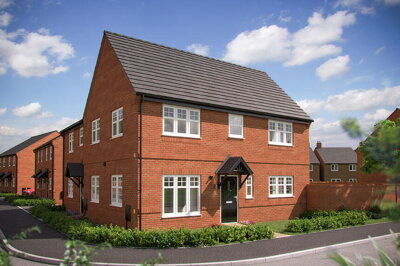
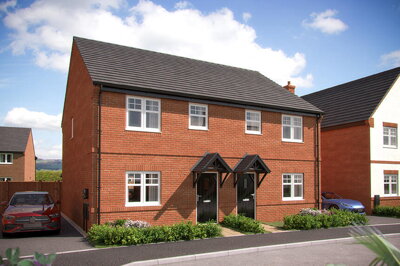
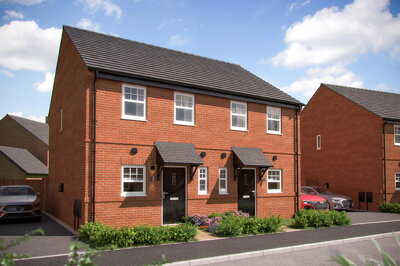
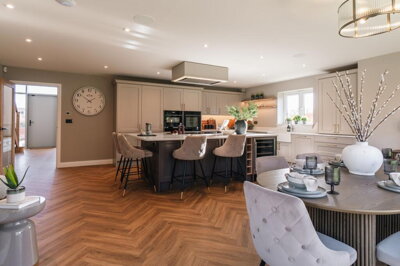
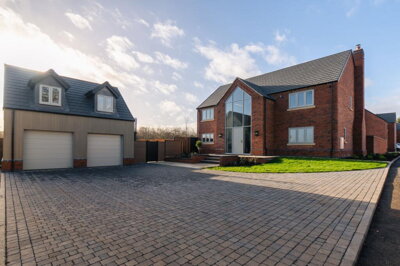
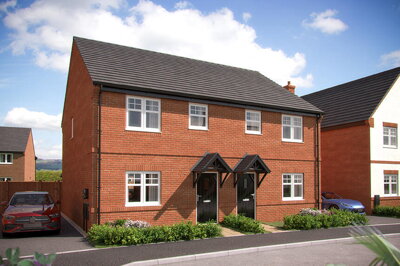
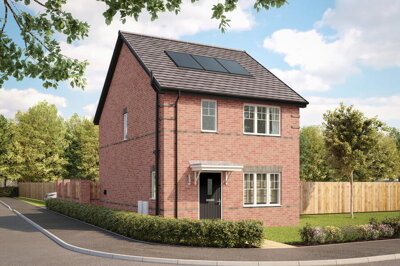
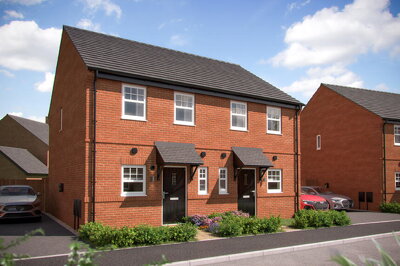
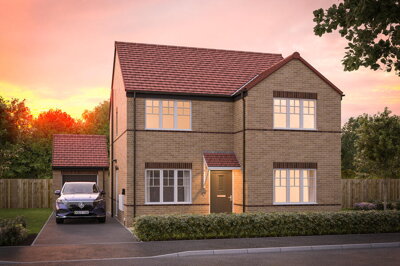
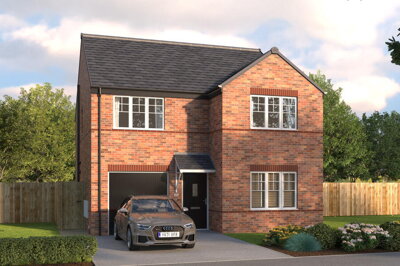
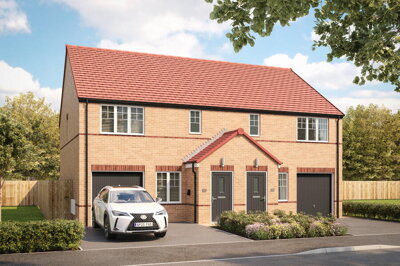
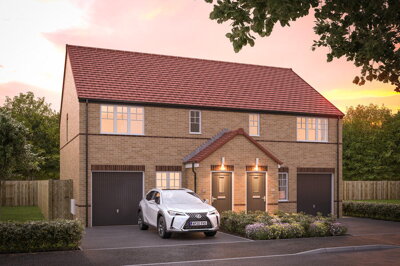
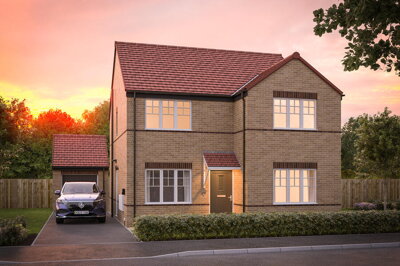
Browse 36 homes new builds in Barwell, Hinckley and Bosworth from local developer agents.
£250k
68
2
132
Source: home.co.uk
Source: home.co.uk
Detached
19 listings
Avg £369,842
Semi-Detached
19 listings
Avg £249,287
Terraced
8 listings
Avg £193,125
End of Terrace
5 listings
Avg £198,490
detached
5 listings
Avg £286,000
Bungalow
2 listings
Avg £262,500
Detached Bungalow
2 listings
Avg £275,000
Flat
2 listings
Avg £130,000
semi_detached
2 listings
Avg £214,975
Apartment
1 listings
Avg £219,950
Source: home.co.uk
Source: home.co.uk
West Bretton's property market has demonstrated steady resilience, with house prices increasing by approximately 3% over the past 12 months. This modest yet consistent growth reflects the enduring appeal of village life within easy reach of urban amenities. The market benefits from its proximity to larger employment centres including Wakefield, Barnsley, Leeds, and Sheffield, with many residents choosing to commute from this attractive rural base. The combination of cultural amenities, particularly the nearby Yorkshire Sculpture Park, and excellent transport links has sustained demand for properties in this Wakefield village.
The housing stock in West Bretton reflects its character as a village with deep historical roots and thoughtful mid-20th century expansion. Detached properties constitute roughly 40 to 45% of homes, offering generous space and gardens that appeal to families and those seeking a quieter lifestyle. Semi-detached homes, accounting for approximately 30 to 35% of the housing stock, provide excellent value with prices typically around £280,000, making them popular among first-time buyers and growing families alike. Terraced properties at around £220,000 represent approximately 15 to 20% of the housing stock and offer an accessible entry point to village life.
Property age across West Bretton shows interesting variety, with around 25 to 30% of homes built before 1919, including historic farmhouses and traditional cottages that showcase local stone construction using gritstone and sandstone. The inter-war period between 1919 and 1945 brought another 15 to 20% of properties, while the post-war era between 1945 and 1980 delivered approximately 30 to 35% more homes to the village in established residential areas. Properties built after 1980 account for roughly 15 to 20% of the stock, representing smaller infill developments. No large-scale new build developments are currently active within the West Bretton postcode area, though smaller infill opportunities may arise periodically for those seeking a newly constructed home.
The limited supply of properties, with approximately 45 sales in the past year, creates a market where demand consistently outpaces available stock. This dynamic supports property values and makes early viewing essential for buyers who identify suitable properties. Working with local estate agents who understand the West Bretton market can provide valuable insights into properties coming to market before they appear on major portals.
West Bretton presents itself as a village where community spirit thrives alongside natural beauty and cultural richness. The village centre features a conservation area that preserves its historical character, with several listed buildings adding architectural interest to the streetscape. Local stone, typically gritstone or sandstone, features prominently in older properties, while red brick and rendered finishes provide visual variety across the housing stock. The conservation area designation helps maintain the village's distinctive appearance and limits external alterations to properties, which buyers should factor into any renovation plans.
The presence of the Yorkshire Sculpture Park just a short distance from the village enhances West Bretton's appeal considerably. This world-renowned attraction, set within extensive parkland, hosts rotating exhibitions of contemporary sculpture and provides walking trails, educational programmes, and community events throughout the year. The park draws visitors from across the UK and internationally, creating a vibrant cultural scene that belies the village's small population. Residents benefit from this cultural amenity on their doorstep while enjoying the relative tranquility of village life.
The local economy in West Bretton reflects its rural character, with agriculture, small businesses, and tourism-related services playing key roles. Local farms supply produce to surrounding areas, while small enterprises provide services ranging from specialist trades to professional consulting. The proximity to the Yorkshire Sculpture Park supports employment in hospitality, retail, and visitor services. However, the village's strategic position between Wakefield and Barnsley means that many residents commute to these larger towns for employment in sectors including healthcare, education, manufacturing, and professional services.
The population of roughly 1,500 to 2,000 creates a close-knit community feel while maintaining sufficient local services and amenities for everyday needs. Local facilities include a village hall, places of worship, and access to everyday shopping in nearby settlements. The community hosts events throughout the year that bring residents together, from village fairs to charity activities, fostering the strong social connections that make village life appealing. Families with children particularly appreciate the safe environment and opportunities for outdoor recreation in the surrounding countryside.
Families considering a move to West Bretton will find a selection of educational options within reasonable distance. Primary education is served by local schools in the surrounding area, with several good and outstanding Ofsted-rated primary schools available in nearby villages and towns. Parents should research specific catchment areas as these can influence school placement decisions significantly. Schools in the surrounding Wakefield and Barnsley areas serve different catchments, so verifying which school your property falls within before purchasing is essential for families with school-age children.
Secondary education options include schools in the Wakefield and Barnsley areas, with several establishments offering strong academic programmes and extracurricular activities. Secondary schools in Wakefield city centre and the wider metropolitan area provide comprehensive education through to sixth form, with good transport connections from West Bretton via the A638 road. For families prioritising grammar school education, the nearby Selective Education areas in West Yorkshire may be worth exploring, though competition for places can be significant and catchment boundaries are subject to change.
The age distribution of West Bretton's housing stock means that many families have successfully raised children in the area over generations. Properties with larger gardens and multiple bedrooms accommodate growing families comfortably, while the village's rural setting provides safe outdoor spaces for children to explore and play. The proximity to the Yorkshire Sculpture Park also offers educational visits and cultural enrichment opportunities for local families, with schools and community groups regularly using the park for outdoor learning and artistic activities. Several primary schools in the surrounding area arrange educational trips to the park as part of their curriculum enrichment programmes.

West Bretton benefits from its position within the Yorkshire region, offering reasonable connectivity to surrounding cities and towns despite its village setting. The A638 road provides direct access to Wakefield city centre, approximately 8 miles away, where residents can access the rail station with direct services to Leeds, Sheffield, and London. Barnsley is similarly accessible within approximately 10 miles, offering additional rail connections and a full range of urban amenities. Both Wakefield and Barnsley stations provide regular services to major northern cities, making West Bretton viable for commuters who work in larger urban centres.
For commuters working in Leeds, the journey from West Bretton typically takes around 30 to 40 minutes by car via the A638 and M1 motorway, which connects the region to the national motorway network. The M1 passes relatively close to the village, providing access to Leeds city centre and the wider motorway network for those travelling further afield. Commuters should be aware that traffic volumes on the A638 can increase during peak hours, particularly around school drop-off and pick-up times. Planning journeys outside these peaks can significantly reduce travel times.
Public transport options include bus services connecting West Bretton to surrounding towns, though frequencies are more limited than urban routes. Bus services operate primarily during daytime hours on weekdays, with reduced services on weekends. For those dependent on public transport, checking current timetables before purchasing property is advisable. The nearest railway stations are in Wakefield and Barnsley, requiring bus or car connections from West Bretton itself. For those working from home, superfast broadband availability should be verified with specific providers as service quality can vary across rural locations.
Cycling infrastructure varies across the area, with rural roads requiring careful navigation. The A638 carries moderate traffic volumes and lacks dedicated cycling infrastructure in places, so less confident cyclists may prefer quieter routes through the surrounding countryside. The Yorkshire Sculpture Park and surrounding countryside offer popular recreational cycling routes for weekend adventures, with traffic-free paths available within the park grounds. Parking within the village is generally adequate for residents, though properties without dedicated parking may face challenges during peak visitor periods at nearby attractions.
Purchasing a property in West Bretton requires attention to several area-specific factors that may not be apparent during a casual viewing. The local geology presents considerations for prospective buyers, as West Bretton sits on Carboniferous rocks including sandstones, shales, and coal seams, with underlying clay soils that carry a shrink-swell risk. Properties with large mature trees nearby may be particularly susceptible to foundation movement, and a thorough survey can identify any existing signs of subsidence or heave. This is especially relevant given the significant number of mature trees in the village and surrounding parkland.
Flood risk in West Bretton comes primarily from surface water during heavy rainfall rather than river flooding, though some areas near smaller watercourses and tributaries of the River Dearne may experience minor fluvial flooding. Properties in lower-lying areas or those with basements warrant particularly careful evaluation. The topography of certain areas can create localized drainage challenges, particularly after periods of sustained rainfall. Prospective buyers should review Environment Agency flood maps and consider the flood history of specific properties before proceeding.
The village's conservation area status brings planning restrictions that buyers should understand before purchasing. Properties within the conservation area may face limitations on external alterations, extensions, and even external paint colours. Listed buildings carry additional requirements for listed building consent before any works can proceed. These restrictions help preserve West Bretton's character but should be factored into any renovation plans. A solicitor can advise on specific implications for a property you are considering purchasing.
Given West Bretton's coal mining heritage, standard searches should include mining records to check for any former mine shafts or workings beneath the property. While deep mining has largely ceased, legacy issues can occasionally cause ground instability. The Carboniferous geology beneath West Bretton includes coal seams that were historically worked, and properties in certain areas may sit above old mine workings. A RICS Level 2 Survey can identify signs of any mining-related subsidence, and your solicitor should conduct appropriate mining searches as part of the conveyancing process.
Construction type varies significantly across West Bretton, with older properties typically featuring solid wall construction that may have limited insulation compared to modern cavity wall properties. Pre-1919 properties built with local stone may require more maintenance than brick alternatives, with particular attention needed to roof condition, pointing, and weathering. Post-war properties from the 1945-1980 period commonly feature cavity wall construction but may have original windows, doors, and services that require updating. Understanding the construction type helps buyers anticipate maintenance requirements and renovation costs.
Before viewing properties in West Bretton, obtain a mortgage agreement in principle from a lender. This demonstrates your financial readiness to estate agents and sellers, strengthening your position when making an offer. Properties in West Bretton range from terraced properties around £220,000 to detached residences upwards of £450,000, and having your finance confirmed helps you focus your search on properties within your budget.
Spend time exploring West Bretton at different times of day and week to understand the village's character and rhythms. Visit local amenities, check commute times to your workplace, and speak with residents about village life. With approximately 45 sales in the past year, the market is active enough to provide genuine choice but competitive enough that preparation is essential.
View multiple properties across different types and price points to understand what West Bretton's housing stock offers. The village offers terraced homes, semi-detached family houses, and detached properties across various periods. Consider how each property type suits your current and future needs, and check for common issues in older properties such as damp, outdated electrics, or signs of subsidence on clay soils.
Before proceeding with your purchase, commission a RICS Level 2 Survey to assess the property condition thoroughly. For a typical 3-bedroom semi-detached property in West Bretton, survey costs range from £450 to £650, while larger 4-bedroom detached properties typically cost £600 to £850. This investment identifies structural issues, damp, roof problems, timber defects, and signs of mining-related subsidence that are common in the area's older housing stock.
Choose a conveyancing solicitor with experience in West Yorkshire property transactions. They will handle legal searches including flood risk assessments, mining records relevant to the area's coal mining heritage, local authority queries specific to Wakefield, and conservation area checks if the property falls within the village conservation area. Wakefield Metropolitan Borough Council searches typically take 2-3 weeks but may take longer during busy periods.
Once all searches are satisfactory and your mortgage is fully approved, your solicitor will exchange contracts and set a completion date. On completion day, you will receive the keys to your new West Bretton home and can begin settling into village life. Allow time for the transfer of utilities and registration with local services before moving day.
The average house price in West Bretton currently stands at approximately £345,000 based on transactions over the past 12 months. Detached properties average around £450,000, semi-detached homes around £280,000, terraced properties around £220,000, and flats approximately £160,000. House prices have increased by approximately 3% over the past year, showing steady and sustainable growth in this Wakefield village market. The premium for detached properties reflects their larger plots and generous gardens that are characteristic of West Bretton's housing stock.
Properties in West Bretton fall under Wakefield Metropolitan Borough Council. Council tax bands range from A through to H, with most residential properties in the village falling within bands B through E depending on their assessed value. The specific band depends on the property's value as assessed in 1991, and prospective buyers can check the Valuation Office Agency website for individual property bands by entering the postcode WF4 4 and property address. Wakefield Council provides comprehensive information on current council tax rates for each band on their website.
West Bretton is served by several primary schools in the surrounding area, with good and outstanding Ofsted-rated options available in nearby villages and towns within the Wakefield and Barnsley school catchments. Parents should research specific catchment areas for primary schools as these directly influence placement decisions, and secondary school catchments should also be verified before purchasing. The village's proximity to the Yorkshire Sculpture Park provides valuable cultural and educational opportunities for children of all ages, with educational programmes and school visits forming a regular part of the park's activities.
West Bretton has bus services connecting to surrounding towns including Wakefield and Barnsley, though frequencies are more limited than urban routes, with services operating primarily during daytime hours on weekdays. The nearest railway stations are in Wakefield and Barnsley, offering direct services to major cities including Leeds and Sheffield. For commuting, car travel is often more practical, with the A638 providing access to Wakefield city centre and the M1 motorway connecting to Leeds and beyond via junction 39 approximately 4 miles south of the village. Journey times to Leeds city centre by car typically take 30 to 40 minutes outside peak hours.
West Bretton offers solid investment potential due to its combination of rural charm, cultural amenities including the Yorkshire Sculpture Park, and strategic location near major employment centres in Wakefield, Barnsley, Leeds, and Sheffield. Property prices have shown consistent growth of around 3% annually, and the limited supply of approximately 45 homes sold per year suggests sustained demand that supports values. Properties requiring renovation, particularly character properties in the conservation area or historic farmhouses and cottages built before 1919, may offer additional value opportunities for investors willing to undertake improvements while respecting the village's architectural heritage.
For standard purchases, stamp duty land tax applies at 0% on the first £250,000 of property value, 5% on the portion from £250,001 to £925,000, 10% from £925,001 to £1.5 million, and 12% above £1.5 million. First-time buyers receive relief on the first £425,000 at 0%, with 5% applying from £425,001 to £625,000. Given West Bretton's average price of £345,000, many buyers purchasing at around the average price would pay approximately £4,750 in stamp duty, while first-time buyers purchasing at or below £425,000 would benefit from complete relief. Properties priced above £625,000 attract higher rates.
Given that approximately 70 to 80% of properties in West Bretton were built before 1980, several defect patterns are common in the village's housing stock. Rising damp and penetrating damp frequently affect older properties, particularly those with solid wall construction that lacks cavity insulation. Roof issues including slipped tiles, failing pointing, and damaged leadwork are regularly encountered in properties of all ages. Timber defects such as wet rot, dry rot, and woodworm can occur in properties with inadequate ventilation or moisture ingress. Properties with large nearby trees on the clay soils that underlie parts of the village may show signs of subsidence or heave movement affecting foundations.
West Bretton falls within a former coal mining area of West Yorkshire, and as such, some properties may be affected by legacy mining activity from historical coal extraction beneath the Carboniferous geology. Standard conveyancing searches should include mining records from the Coal Authority to identify any recorded mine shafts, adits, or workings in the vicinity of the property. While major mining subsidence events are uncommon in modern times, prospective buyers should be aware of this history and ensure appropriate searches are conducted as part of their conveyancing process. Properties in areas with known mining activity may require more detailed structural surveys.
From 4.5% APR
Compare mortgage deals from leading lenders to find the right product for your West Bretton purchase
From £499
Expert property solicitors handling your West Bretton purchase including local searches
From £450
Professional survey identifying defects in West Bretton properties
From £600
Detailed building survey for older or complex properties
Understanding the full cost of purchasing property in West Bretton extends beyond the purchase price itself. Stamp duty land tax represents a significant consideration, and the thresholds for 2024-25 provide meaningful relief for buyers at various price points. For a terraced property around £220,000, most buyers would pay no stamp duty under standard rules, while first-time buyers purchasing at this level would benefit from complete relief under the enhanced first-time buyer thresholds. The threshold changes announced in recent budgets have broadened the zero-rate band, benefiting many buyers in the West Bretton market.
For semi-detached family homes averaging around £280,000 and detached properties at approximately £450,000, buyers should budget accordingly for stamp duty. At the average West Bretton price of £345,000, standard rate buyers would pay no tax on the first £250,000 and approximately £4,750 on the remaining £95,000 at 5%, totaling around £4,750. First-time buyers purchasing below £425,000 would pay nothing in stamp duty. Properties priced above £625,000 would attract higher rates, so professional advice is recommended for higher-value purchases in this range.
Additional buying costs include solicitor fees typically starting from around £499 for conveyancing services, though complex transactions involving mining searches, flood risk assessments, and conservation area queries may incur higher charges. Survey costs for a RICS Level 2 Survey range from approximately £450 to £650 for a typical 3-bedroom property, rising to £600 to £850 for larger detached homes. Mortgage arrangement fees typically range from 0% to 1.5% of the loan amount depending on the lender and product selected. Removal costs, home insurance, and potential renovation expenses should also be factored into your overall budget when calculating the true cost of your West Bretton purchase.
Properties New Builds In London

Properties New Builds In Plymouth

Properties New Builds In Liverpool

Properties New Builds In Glasgow

Properties New Builds In Sheffield

Properties New Builds In Edinburgh

Properties New Builds In Coventry

Properties New Builds In Bradford

Properties New Builds In Manchester

Properties New Builds In Birmingham

Properties New Builds In Bristol

Properties New Builds In Oxford

Properties New Builds In Leicester

Properties New Builds In Newcastle

Properties New Builds In Leeds

Properties New Builds In Southampton

Properties New Builds In Cardiff

Properties New Builds In Nottingham

Properties New Builds In Norwich

Properties New Builds In Brighton

Properties New Builds In Derby

Properties New Builds In Portsmouth

Properties New Builds In Northampton

Properties New Builds In Milton Keynes

Properties New Builds In Bournemouth

Properties New Builds In Bolton

Properties New Builds In Swansea

Properties New Builds In Swindon

Properties New Builds In Peterborough

Properties New Builds In Wolverhampton

Enter your details to see if this property is within your budget.
Loans, cards, car finance
Estimated property budget
Borrowing + deposit
You could borrow between
Typical borrowing
Monthly repayment
Est. at 4.5%
Loan-to-value
This is an estimate only. Your actual budget may vary depending on interest rates, credit history, and personal circumstances. For an accurate affordability assessment, speak to one of our free mortgage advisors.
This calculator provides estimates for illustrative purposes only and does not constitute financial advice. Your home may be repossessed if you do not keep up repayments on your mortgage. Estimates based on 4.5% interest rate, repayment mortgage. Actual rates depend on your circumstances.
Homemove is a trading name of HM Haus Group Ltd (Company No. 13873779, registered in England & Wales). Homemove Mortgages Ltd (Company No. 15947693) is an Appointed Representative of TMG Direct Limited, trading as TMG Mortgage Network, which is authorised and regulated by the Financial Conduct Authority (FRN 786245). Homemove Mortgages Ltd is entered on the FCA Register as an Appointed Representative (FRN 1022429). You can check registrations at NewRegister or by calling 0800 111 6768.

We use cookies to show you personalised content and improve your experience of our website. Find out more in our Privacy policy and Cookie policy.