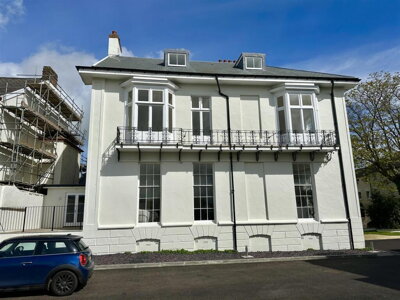
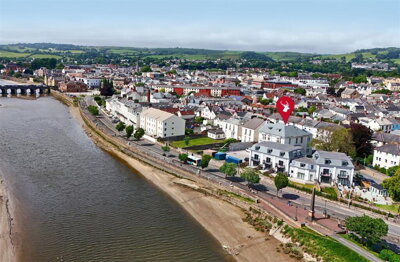
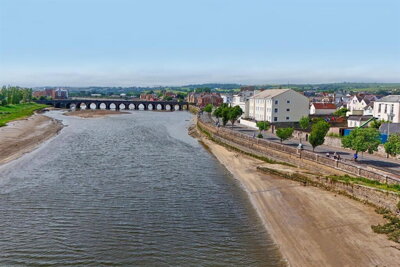
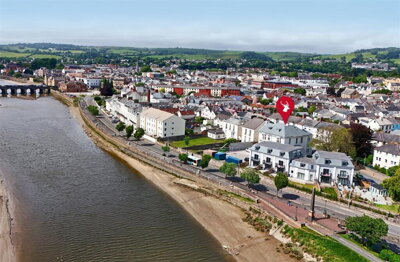
Browse 4 homes new builds in Barnstaple, North Devon from local developer agents.
The 2 bed flat sector typically includes two separate bedrooms, dedicated living areas, and bathroom facilities. Properties in Barnstaple span purpose-built blocks, converted period houses, and modern apartment complexes on various floors.
£215k
5
0
133
Source: home.co.uk
Showing 5 results for 2 Bedroom Flats new builds in Barnstaple, North Devon. The median asking price is £215,000.
Source: home.co.uk
Flat
5 listings
Avg £201,000
Source: home.co.uk
Source: home.co.uk
The Duns Tew property market has demonstrated remarkable strength, with house prices increasing by 60.5% over the past twelve months according to Land Registry data. This significant growth reflects the village's enduring appeal as a place to put down roots in rural Oxfordshire while remaining within practical reach of major employment centres. The overall average sold price stands at £578,812, with detached properties commanding an average of £624,357 based on recent transaction data. Eight detached homes changed hands in 2025 with a median sale price of £612,500, underscoring the premium placed on these generous family homes.
Terraced properties in Duns Tew have recorded an average price of £260,000, with semi-detached homes historically trading around the £320,000 mark based on 2023 sales data. PropertyResearch.uk recorded 9 sales in 2025 alone, contributing to a total of 312 sales documented in this locality over time. The market remains active with properties regularly appearing from estate agents covering the Cherwell district. Historical sold prices over the last year were 36% up on the previous year, though they remain around 10% below the 2022 peak of £642,500, suggesting potential for future growth as the market adjusts.
Notably, there are no currently advertised new-build residential developments within the specific Duns Tew postcode area (OX25 6XX), meaning buyers seeking property here will find predominantly period homes with genuine character rather than newly constructed properties. This scarcity of new supply contributes to the village's appeal and supports premium valuations for properties that do come to market. Any future residential development in the area would require planning consent from Cherwell District Council, which has historically been protective of the village's conservation area status.

Duns Tew sits at a geological fault line on a limestone ridge in north Oxfordshire, offering residents a dramatic landscape that has shaped the village's character for centuries. The village is bounded by Oxfordshire clays to the north, including marlstone and Lias clay, while the southern approach falls within the limestone belt that defines much of the Cotswolds Area of Outstanding Natural Beauty. This geological diversity is reflected in the village's architecture, with buildings constructed from local ironstone and limestone, and the surrounding landscape punctuated by characteristic dry stone walls built from Cotswold stone.
The village economy has evolved from its agricultural origins, though farming and supporting trades once formed the backbone of community life. Today, The White Horse, a 17th-century coaching inn that has been sensitively transformed into a gastro pub, provides a focal point for village social life and local employment. Duns Tew Quarry, located on the village outskirts, continues to supply soft sand for building and mortar, maintaining a connection to the geological resources that built this village and supporting employment in the local aggregates industry. The quarry's presence reflects the sandy deposits that characterise the local geology in this part of north Oxfordshire.
The population of approximately 471 residents creates a close-knit community where neighbours know one another and local events bring people together throughout the year. The 2011 Census recorded 478 residents, showing only a modest change in the intervening decade. Despite its rural setting, Duns Tew remains connected to the wider region, with larger centres of Banbury and Oxford accessible for those seeking greater amenities or employment opportunities. Many residents commute daily to these larger towns, taking advantage of the village's position between the A4260 and the M40 motorway.

Families considering a move to Duns Tew will find educational provision available both within the village and in surrounding settlements. As a small rural community, Duns Tew itself does not host a large primary school, so parents typically look to neighbouring villages for early years and primary education. The nearest primary schools are located in nearby villages including Middle Aston, Steeple Aston, and Deddington, all within a short drive of the village. These schools serve the rural communities of north Oxfordshire and typically have smaller class sizes than their urban counterparts.
Secondary education options are found in nearby market towns, with several well-regarded schools accessible within reasonable driving distance. The town of Banbury offers several secondary school options, while the famous grammar schools in Oxford and surrounding areas provide academic pathways for older children. Oxfordshire consistently performs above national averages for educational attainment, and families moving to Duns Tew benefit from access to this strong educational ecosystem. The county's comprehensive school system is complemented by selective grammar schools for those who qualify.
Several independent schools in Oxford and surrounding towns offer additional choices for parents seeking private education, with boarding and day options available at various price points. When purchasing property in Duns Tew, prospective buyers with school-age children should verify current catchment areas and admission arrangements with Oxfordshire County Council, as these can change and may influence which schools serve specific addresses. School transport arrangements from the village should also be confirmed, as rural bus services may have limited routes and schedules.
Transport connections from Duns Tew reflect its character as a rural Oxfordshire village, with private vehicle travel being the primary means of accessing most destinations. The village sits within the Cherwell district, with the A4260 providing access towards Oxford to the south and towards Banbury to the north. The nearby A4093 connects the village to the wider road network, enabling straightforward access to the M40 motorway for those commuting to Birmingham, Coventry, or London. Journey times by car to Oxford city centre typically take around 30-40 minutes under normal traffic conditions, while Banbury can be reached in approximately 20 minutes.
Public transport options serving Duns Tew are limited, consistent with the pattern seen across rural Oxfordshire villages. Bus services connecting to nearby towns operate but with frequency levels suited to occasional rather than daily commuting use. The Stagecoach Oxfordshire routes serving the region connect Duns Tew to larger villages and market towns, but prospective residents should verify current timetables as rural bus services can be subject to change or reduction. For daily commuters, private vehicle ownership is effectively essential.
For those working in Oxford or commuting further afield, the railway stations at Oxford Parkway and Banbury provide access to national rail services. Oxford Parkway offers direct connections to London Marylebone in approximately one hour, making it viable for some commuters to work in the capital while living in this rural village. Banbury station provides cross-country links to Birmingham, Leicester, and beyond, connecting residents to major employment centres in the Midlands. Residents planning a daily commute should consider these practical realities when evaluating property in Duns Tew, and obtaining a mortgage agreement in principle before beginning property viewings is advisable to understand borrowing capacity.
Explore current listings and recently sold prices in Duns Tew to understand the local market. With detached properties averaging £624,357 and prices having risen 60.5% over the past year, having realistic budget expectations is essential. The village has no new build developments, so you will be purchasing from the existing period housing stock, which includes many historic properties dating from the 17th and 18th centuries. Register with local estate agents and set up property alerts, as homes in Duns Tew come to market infrequently.
Obtain a mortgage agreement in principle before arranging viewings. Properties in this Oxfordshire village command significant prices, with the current average around £578,812. Consulting with a mortgage broker can help you secure competitive rates and understand Stamp Duty Land Tax obligations based on your purchase price and buyer status. Given that most properties in Duns Tew are valued above £500,000, factor in higher SDLT costs into your budget planning. First-time buyers benefit from relief on purchases up to £625,000, though the average property price in the village exceeds this threshold.
Visit multiple properties to compare the different styles of period homes available. Consider the specific location within the village, proximity to The White Horse gastro pub, and access to the surrounding countryside. Properties near the Deddington Brook in the northern part of the village require careful consideration regarding flood risk, as this area falls within Flood Zone 3. The conservation area status of the village means external appearances are protected, which contributes to the village's character but may affect renovation options.
Given the age of properties in Duns Tew, with many dating from the 17th and 18th centuries, a thorough survey is essential. A RICS Level 2 HomeBuyers Survey is recommended for conventional properties, though older or more complex buildings may benefit from a comprehensive RICS Level 3 Building Survey. Budget around £400-900 depending on property value, with Oxfordshire pricing typically slightly above national averages. For the many Listed Buildings in the village, a specialist Historic Building Survey may be more appropriate than a standard survey.
Choose a conveyancing solicitor with experience handling rural Oxfordshire property transactions. They will conduct searches including local authority checks, environmental searches, and drainage inquiries. Given the village's conservation area status and presence of listed buildings, additional checks may be required regarding planning restrictions and listed building consents. The presence of Lias clay in the northern part of the village means that a geological or environmental search should be requested to assess potential shrink-swell subsidence risk.
Once all searches are satisfactory and finances are confirmed, you will exchange contracts and pay your deposit. Completion typically follows within 2-4 weeks. Remember that SDLT applies above £250,000 for standard buyers, or above £425,000 for first-time buyers, so factor this into your total budget alongside solicitor fees, survey costs, and moving expenses. On an average-priced Duns Tew property of £578,812, a standard buyer would pay approximately £16,441 in SDLT.
Purchasing property in Duns Tew requires careful attention to the village's unique characteristics and the implications these have for buyers. The village's Conservation Area designation, established in 2005, means that external alterations to properties often require consent from Cherwell District Council. The Duns Tew Conservation Area Appraisal actively discourages the use of uPVC windows and doors, promoting traditional materials instead. This means buyers should factor potential renovation costs and restrictions into their purchasing decisions, particularly for properties where original windows or features may need replacement. Properties on Main Street and around the village green are particularly protected given their contribution to the historic street scene.
With properties predominantly constructed from ironstone and limestone dating from the 17th and 18th centuries, structural considerations differ from modern homes. The presence of Lias clay to the north of the village indicates potential shrink-swell risk, a common cause of subsidence in Oxfordshire properties. Clay soils change volume in response to moisture content, and properties with older foundations or those near large trees may be particularly susceptible to movement during periods of drought or heavy rainfall. Signs of subsidence include cracking to walls, doors that stick, and uneven floors, though a professional survey will identify any existing movement.
The majority of properties here have solid walls built from permeable traditional materials, so understanding how they manage moisture is important. Using modern, impermeable materials in repairs can trap moisture and cause deterioration, so any renovation work should use breathable materials appropriate for historic buildings. Lime mortar, lime render, and traditional timber windows allow period properties to breathe and manage moisture naturally. Buyers should ask about any previous renovation work and the materials used, as inappropriate modern materials can cause lasting damage to historic fabric.
Many properties in Duns Tew are Listed Buildings, including Duns Tew Manor (built around 1710 with 17th-century remnants), Home Farmhouse, Daisy Hill Farmhouse, and various cottages along Main Street. Listed Building status provides statutory protection for the building's character and fabric, meaning any works of alteration, demolition, or extension require Listed Building Consent in addition to regular planning permission. This protects the village's heritage but limits renovation potential. A thorough survey from a qualified RICS surveyor is strongly recommended to identify any existing movement, damp issues, or structural concerns before purchase.
The average house price in Duns Tew is currently around £578,812 based on recent sold price data from Rightmove and Zoopla. Detached properties, which comprise the majority of sales at 88.9%, average approximately £624,357 with a median price of £612,500 in 2025 across eight sales. Terraced properties have recorded an average of £260,000, while semi-detached homes have historically traded around £320,000 based on 2023 sales data. House prices have increased significantly by 60.5% over the past twelve months, though they remain around 10% below the 2022 peak of £642,500, suggesting the market has some room for further adjustment or growth depending on broader economic conditions.
Properties in Duns Tew fall under Cherwell District Council and Oxfordshire County Council for council tax purposes. Exact banding depends on property valuation, but period homes in Oxfordshire villages typically range from Band C through to Band H, with larger detached properties and converted farmhouses often attracting higher bands due to their size and value. The village's concentration of historic farmhouses and manor properties means several properties will fall into the higher council tax bands. You can verify specific banding through the Valuation Office Agency website using the property address before making an offer.
Duns Tew is a small village without its own large primary school, so families typically access primary education in neighbouring villages such as Middle Aston, Steeple Aston, and Deddington, all within a short drive. The wider Oxfordshire area offers several well-regarded secondary schools, with Banbury providing the nearest secondary school options within approximately 20 minutes' drive. Oxfordshire consistently performs above national averages for educational outcomes, and the county's grammar schools in nearby towns provide academic pathways for eligible children. Parents should verify current catchment areas and admission arrangements with Oxfordshire County Council, as these can affect which schools serve specific addresses in this rural area.
Public transport connections from Duns Tew are limited, reflecting its rural village character. Bus services connecting to nearby towns operate but with frequency levels suited to occasional rather than daily commuting use. The nearest railway stations with regular services are Oxford Parkway and Banbury, both accessible by car. Oxford Parkway provides direct trains to London Marylebone in approximately one hour, making day trips or occasional commuting to the capital feasible. Most residents rely on private vehicle ownership for daily travel, so this should be factored into your decision to purchase property here. The village's position near the A4260 and A4093 does provide reasonable road connections to larger centres.
Duns Tew offers strong investment potential given its combination of rural charm, conservation village status, and proximity to major employment centres including Oxford and Banbury. House prices have risen 60.5% over the past twelve months, demonstrating strong demand for property in this sought-after village. The lack of new build development in the area means supply remains constrained, supporting values. Properties in conservation areas with period features tend to hold their value well, though renovation potential may be limited by planning restrictions. The village's historic character and protected status help preserve its appeal, though buyers should note that prices have softened slightly from the 2022 peak.
Stamp Duty Land Tax rates from April 2024 are 0% on the first £250,000, 5% on £250,001 to £925,000, 10% on £925,001 to £1.5 million, and 12% above £1.5 million. First-time buyers pay 0% on the first £425,000, with 5% charged between £425,001 and £625,000. Given that average prices in Duns Tew are around £578,812, a standard buyer would pay approximately £16,441 in SDLT, while a first-time buyer would pay £7,750 on an average-priced property. Properties priced above £925,000 incur higher SDLT rates, which is relevant for the larger farmhouses and manor properties that sometimes come to market.
The majority of Duns Tew sits within Flood Zone 1, indicating very low flood risk with less than 0.1% annual probability of river flooding. However, the northernmost part of the village, adjacent to Deddington Brook, falls within Flood Zone 3, representing high risk with 1 in 100 or greater annual probability of flooding. There are also areas of high surface water flood risk near the Deddington Brook, where the slope levels off and water can accumulate during heavy rainfall. When viewing properties in the northern part of the village, particularly those backing onto the brook, a specialist flood risk assessment is advisable. Buildings insurance may also be more expensive for properties in Flood Zone 3.
Duns Tew contains a significant concentration of Listed Buildings, reflecting its historic importance within the Cherwell district. Key listed structures include the Church of St Mary Magdalene (Grade II listed, dating from the late 12th or early 13th century), Duns Tew Manor (built around 1710 with 17th-century remnants), Home Farmhouse, Daisy Hill Farmhouse, Malthouse Farmhouse, Manor Farmhouse, and various cottages at 14, 15, 16, 28, and 74 Main Street. The village also contains a 17th-century dovecote associated with the manor. Any works to these properties, including alterations, extensions, or demolition, require Listed Building Consent from Cherwell District Council in addition to standard planning permission.
From 4.5%
Compare competitive mortgage rates from trusted lenders
From £499
Expert solicitors to handle your property transaction
From £420
HomeBuyers Survey for conventional properties
From £600
Comprehensive Building Survey for older or complex properties
Budgeting for your Duns Tew property purchase requires careful consideration of all costs beyond the purchase price itself. Stamp Duty Land Tax represents a significant upfront cost, with rates of 0% on the first £250,000, rising to 5% on the portion between £250,001 and £925,000. For the average Duns Tew property priced at £578,812, a standard buyer would pay approximately £16,441 in SDLT. First-time buyers benefit from relief on the first £425,000, reducing their SDLT liability to £7,750 on an average-priced property. Properties above £925,000 incur 10% SDLT on the amount above that threshold, while those exceeding £1.5 million pay 12% on the highest portion.
Beyond SDLT, buyers should budget for solicitor conveyancing costs, which typically range from £500 to £1,500 depending on complexity and whether the property is freehold or leasehold. Properties in Duns Tew are almost exclusively freehold, which simplifies the conveyancing process compared to leasehold properties. However, the prevalence of Listed Buildings and Conservation Area restrictions may add complexity to the legal work, particularly when investigating planning history or identifying any works that may require retrospective consent.
Survey costs for properties in Duns Tew are particularly important given the prevalence of period properties, with RICS Level 2 HomeBuyers Surveys costing between £400 and £900 depending on property value. Oxfordshire pricing is typically slightly above national averages due to higher property values in the South East. For the older properties common in this village, particularly those dating from the 17th or 18th centuries or those with significant alterations, a RICS Level 3 Building Survey may be advisable at a cost of from £600 upwards. Additional costs include search fees (approximately £250-400 for local authority, environmental, and drainage searches), land registry fees, and removal expenses. With a typical total of these additional costs running to £3,000-5,000, buyers should ensure their financial planning accounts for the complete purchase expenditure.
Properties New Builds In London

Properties New Builds In Plymouth

Properties New Builds In Liverpool

Properties New Builds In Glasgow

Properties New Builds In Sheffield

Properties New Builds In Edinburgh

Properties New Builds In Coventry

Properties New Builds In Bradford

Properties New Builds In Manchester

Properties New Builds In Birmingham

Properties New Builds In Bristol

Properties New Builds In Oxford

Properties New Builds In Leicester

Properties New Builds In Newcastle

Properties New Builds In Leeds

Properties New Builds In Southampton

Properties New Builds In Cardiff

Properties New Builds In Nottingham

Properties New Builds In Norwich

Properties New Builds In Brighton

Properties New Builds In Derby

Properties New Builds In Portsmouth

Properties New Builds In Northampton

Properties New Builds In Milton Keynes

Properties New Builds In Bournemouth

Properties New Builds In Bolton

Properties New Builds In Swansea

Properties New Builds In Swindon

Properties New Builds In Peterborough

Properties New Builds In Wolverhampton

Enter your details to see if this property is within your budget.
Loans, cards, car finance
Estimated property budget
Borrowing + deposit
You could borrow between
Typical borrowing
Monthly repayment
Est. at 4.5%
Loan-to-value
This is an estimate only. Your actual budget may vary depending on interest rates, credit history, and personal circumstances. For an accurate affordability assessment, speak to one of our free mortgage advisors.
This calculator provides estimates for illustrative purposes only and does not constitute financial advice. Your home may be repossessed if you do not keep up repayments on your mortgage. Estimates based on 4.5% interest rate, repayment mortgage. Actual rates depend on your circumstances.
Homemove is a trading name of HM Haus Group Ltd (Company No. 13873779, registered in England & Wales). Homemove Mortgages Ltd (Company No. 15947693) is an Appointed Representative of TMG Direct Limited, trading as TMG Mortgage Network, which is authorised and regulated by the Financial Conduct Authority (FRN 786245). Homemove Mortgages Ltd is entered on the FCA Register as an Appointed Representative (FRN 1022429). You can check registrations at NewRegister or by calling 0800 111 6768.

We use cookies to show you personalised content and improve your experience of our website. Find out more in our Privacy policy and Cookie policy.