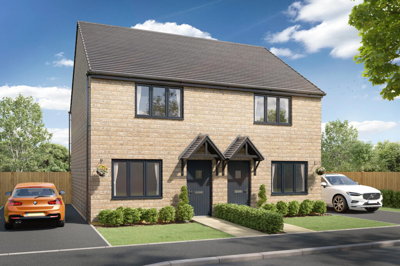
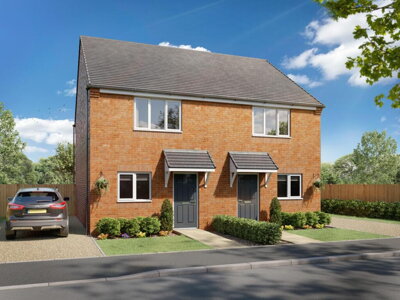
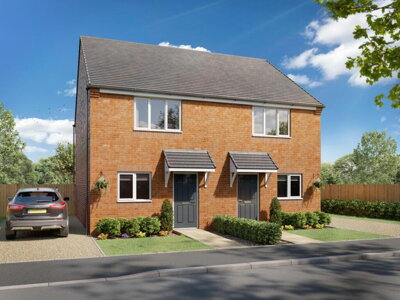
Browse 3 homes new builds in Barnburgh, Doncaster from local developer agents.
The 2 bed house market features detached, semi-detached, and terraced properties with two separate bedrooms plus living spaces. Properties in Barnburgh range across contemporary developments, with pricing varying across different neighbourhoods.
£0k
0
0
0
Source: home.co.uk
Showing 0 results for 2 Bedroom Houses new builds in Barnburgh, Doncaster.
The Barnburgh property market reflects the broader appeal of South Yorkshire village living, offering buyers a range of property types to suit different budgets and lifestyles. Detached properties command the highest prices, averaging £350,000, and these typically offer generous gardens, off-street parking, and the spacious interiors that family buyers often prioritise. Semi-detached homes, averaging around £195,000, represent excellent value for money and form a substantial portion of the local housing stock, providing comfortable three-bedroom accommodation ideal for growing families. Terraced properties, with an average price of £160,000, serve as an accessible entry point to village life, while flats remain relatively rare in Barnburgh, accounting for only 5.4% of the housing stock according to Census data.
The village housing stock shows a balanced mix of construction eras, with approximately 25% of properties built before 1919, offering characterful period features and traditional craftsmanship. A further 15% dates from the inter-war period, while 35% of homes were constructed between 1945 and 1980, representing the post-war expansion of the village. Properties built after 1980 make up the remaining 25%, providing more modern construction methods including cavity wall insulation. This variety means buyers can choose between charming older cottages with original fireplaces and sash windows, or more contemporary family homes requiring less maintenance. The 11% year-on-year price increase demonstrates confident buyer demand, and with limited new-build supply in the immediate area, existing properties continue to appreciate.
Housing stock breakdown from the 2021 Census shows detached properties dominate at 45.5% of all homes, followed by semi-detached at 32.7%, with terraced properties comprising 16.4%. This prevalence of larger family homes makes Barnburgh particularly attractive to buyers seeking space and gardens, though the relative scarcity of terraced and flat options means competition for smaller properties can be intense. The village has seen minimal new build activity in recent years, with development limited to surrounding towns like Wombwell and Worsbrough, reinforcing the desirability of Barnburgh's established character and mature landscaping.

Barnburgh is a village of approximately 1,072 residents living across 440 households, creating an intimate community where local events bring neighbours together and village life unfolds at a comfortable pace. The population statistics reveal a balanced demographic mix, with families, couples, and older residents all contributing to the village's vibrant community spirit. Local amenities include a traditional public house, a village hall hosting community activities, and proximity to larger settlements for everyday shopping and services. The presence of a local primary school makes Barnburgh particularly attractive to families with young children, while retired couples often choose the area for its peaceful surroundings and strong community networks.
The village sits on bedrock of the Pennine Coal Measures Group, with characteristics that have shaped both the local landscape and the construction of homes over generations. Red brick construction with tiled roofs dominates the architectural scene, a tradition that continues today while some older properties incorporate local stonework adding visual interest to the streetscene. Beneath the surface, the Pennine Coal Measures Group consists of mudstone, siltstone, sandstone, and coal seams, with superficial deposits of till (boulder clay) overlaying the bedrock. These clay-rich deposits create shrink-swell risks for foundations during periods of extreme weather, a factor that affects property condition and survey findings throughout the village.
Barnburgh's conservation area designation protects the historic village centre, ensuring that new developments and alterations respect the traditional character that makes the village distinctive. Several residential properties beyond St Peter's Church hold listed status, primarily Grade II designations, meaning any renovation work requires careful consideration of planning requirements and potentially listed building consent. Outdoor enthusiasts appreciate the surrounding countryside, with footpaths and bridleways offering routes through rolling South Yorkshire farmland. The village's position away from major through-roads means traffic noise is minimal, contributing to the peaceful atmosphere that residents cherish.

Families considering a move to Barnburgh will find educational provision within the village itself and the surrounding Doncaster area, with several primary schools serving local children. The village provides a strong foundation for primary education, with good Ofsted-rated schools within easy walking distance reducing the need for complex school run logistics. Parents should research individual school performance and admission criteria, as catchment areas can influence placement decisions, particularly in popular villages where school reception places are sought after. Secondary education options include schools in nearby towns, and many families factor transport arrangements and selective school access into their buying decisions when children approach secondary age.
For families with older children considering sixth form or further education, the nearby town of Doncaster offers comprehensive secondary schools with sixth form provision, alongside further education colleges providing vocational and academic courses. The presence of grammar schools in South Yorkshire, including those in selective intake areas, attracts academically-minded families to the region, and preparation for selective entrance examinations often begins in primary school years. Preparation for these assessments typically starts during Key Stage 2, making early research into school placements essential for families with younger children planning a move to Barnburgh.
Transport links from Barnburgh to secondary schools in surrounding towns are generally good, with school bus services operating on common routes. Parents without private transport should verify specific bus routes and timings, as services serving out-of-catchment schools may have limited schedules. Prospective buyers with school-age children should verify current admission arrangements and any proposed changes to school catchment boundaries before committing to a purchase, as these arrangements can affect property values and resale potential in village locations.
Barnburgh enjoys a strategic position for commuters, with Doncaster town centre accessible within approximately 15-20 minutes by car, connecting residents to the wider South Yorkshire region and beyond. The village sits near the A635 road, providing direct routes to Barnsley and the M1 motorway, while the A1 trunk road is also within easy reach for those travelling north to Leeds or south towards Nottingham and the Midlands. Bus services operate along main routes, linking Barnburgh to Doncaster and surrounding villages, though frequency may be reduced compared to urban routes, making car ownership practically essential for many residents.
Railway connections from Doncaster station offer excellent intercity services, with direct trains to London Kings Cross taking approximately 90 minutes, Edinburgh Waverley around three hours, Birmingham New Street in 90 minutes, and regular services to Leeds, Sheffield, and Manchester. This connectivity makes Barnburgh viable for professionals working in major cities while maintaining village living. Robin Hood Airport near Doncaster provides domestic and European flights, adding an international dimension to the area's transport connectivity for business and leisure travellers.
Commuters working in Sheffield can reach the city within approximately 40 minutes by car via the Parkway road network, while those travelling to Leeds benefit from direct rail connections from Doncaster taking around an hour. For cyclists, the South Yorkshire countryside offers scenic routes through the Dearne Valley, though the rolling terrain may present challenges for less experienced riders. Parking within Barnburgh village is generally straightforward due to lower traffic volumes compared to urban areas, and many properties include driveways or garages accommodating multiple vehicles.
Spend time exploring Barnburgh at different times of day and week to understand the village atmosphere, check local amenities, and speak to residents about their experiences. Research property prices across different streets and property types to build a realistic budget expectation. Consider the specific location within the conservation area if seeking period properties, and check flood risk maps for low-lying roads.
Contact lenders or use our mortgage comparison tool to obtain an agreement in principle before viewing properties. This strengthens your position when making offers and demonstrates to sellers that you have funding secured, essential in a competitive village market where multiple offers are common. With Barnburgh property prices averaging £266,500, most buyers will require a mortgage of £200,000-£250,000.
View multiple properties across your target price range, taking time to assess condition, location within the village, and any potential issues. Pay particular attention to the age of the property, construction materials, and signs of maintenance needs given the predominantly older housing stock. Given the coal mining history of the area, check for signs of ground movement such as cracked plaster or uneven floors.
Given that approximately 75% of Barnburgh properties were built before 1980, we strongly recommend a RICS Level 2 Survey to identify defects common in older properties, including damp, roof condition issues, and potential subsidence related to clay soils. Our inspectors regularly find timber defects in pre-1919 properties, outdated electrical systems in inter-war homes, and drainage issues in post-war construction. Budget £400-£700 for this essential investment in your purchase.
Choose a conveyancing solicitor to handle the legal aspects of your purchase, including local authority searches, flood risk assessment, and a mining search (Con29M) given Barnburgh's history as a former coal mining area. Request quotes from our approved conveyancers to compare costs and services. The Con29M mining search is particularly important as it checks for historical mine entries, shaft locations, and potential ground instability from past workings.
Once all searches are satisfactory and your mortgage offer is confirmed, your solicitor will arrange exchange of contracts and set a completion date. On completion day, keys are released and your Barnburgh home becomes yours to move into and enjoy. Allow time for utility transfers and redirecting mail as village delivery schedules may differ from urban areas.
Properties in Barnburgh require careful inspection due to the age of much of the housing stock and the local geological conditions that can affect building foundations. The clay soils underlying the village create a shrink-swell risk during periods of extreme weather, meaning prospective buyers should look for signs of subsidence such as diagonal cracks in walls, doors that stick, or uneven floor levels. Properties built before 1980, which represents approximately 75% of the housing stock, may have outdated electrical systems and plumbing that requires updating to current standards. A thorough survey by a qualified RICS member will identify these issues before you commit to purchase, potentially saving thousands in remedial costs.
Our inspectors frequently encounter damp issues in Barnburgh's older properties, particularly rising damp in solid-walled constructions built before the 1920s and penetrating damp in properties where original mortar has deteriorated. Roof condition is another common concern, with older properties showing signs of tile deterioration, defective flashings at junctions, and blocked or damaged gutters that allow water ingress. Timber defects including woodworm infestation and wet or dry rot affect roof structures and floor joists in properties where ventilation has been compromised by modern improvements such as solid floor installations.
The conservation area designation covering Barnburgh's historic centre brings additional considerations for buyers, as any external alterations or extensions require planning permission from the local authority. Listed buildings, including St Peter's Church and several residential properties, are subject to even stricter controls, and buyers should understand listed building consent requirements before purchasing. Surface water flooding affects certain areas of the village, particularly low-lying roads and properties near natural drainage channels, so checking flood risk maps and understanding your property's position is essential. Properties with large gardens may have underground drainage or septic tank arrangements rather than mains sewerage, adding to ongoing maintenance responsibilities. We strongly recommend a mining search (Con29M) for any property in Barnburgh due to the village's coal mining heritage and potential for ground instability from historical workings.
The average property price in Barnburgh is currently £266,500, with detached properties averaging £350,000, semi-detached homes around £195,000, and terraced properties at approximately £160,000. Prices have increased by 11% over the past twelve months, demonstrating strong demand for village properties in this South Yorkshire location. The relatively small number of annual sales (around 10) means prices can fluctuate based on available stock, and buyers should research recent comparable sales when formulating offers.
Properties in Barnburgh fall under Doncaster Metropolitan Borough Council, with most homes placing in council tax bands A through D, reflecting the mix of property sizes and values in the village. Band A properties typically have lower annual charges, making Barnburgh an affordable option for council tax purposes compared to surrounding urban areas. Prospective buyers should verify the specific band with the listing agent or during conveyancing, as band reassessments can occur following changes to the property.
Barnburgh has a local primary school serving the village, with good Ofsted ratings making it popular with families relocating to the South Yorkshire area. Secondary education options in the surrounding Doncaster borough include several schools with sixth form provision, alongside further education colleges for post-16 students. The specific best school depends on your children's ages, academic abilities, and preferences, so we recommend researching individual school performance data and admission policies including catchment areas. Grammar schools in South Yorkshire attract academically-minded families, with selective entrance typically assessed during Year 6. School bus services operate to secondary schools in nearby towns for families without primary school-age children, though routes and schedules should be verified before purchase.
Barnburgh has bus services connecting to Doncaster and surrounding villages, though frequencies are lower than urban routes, making car ownership advisable for most residents. The village is best suited to those with access to a vehicle, with Doncaster town centre reachable in 15-20 minutes and Sheffield within 40 minutes via the Parkway network. Doncaster railway station provides excellent national rail connections including direct services to London taking approximately 90 minutes, Edinburgh in around three hours, and Birmingham in 90 minutes. Robin Hood Airport is also nearby for domestic and European travel, with regular flights to holiday destinations across Europe.
Barnburgh offers solid investment potential due to limited new-build supply, strong demand for village properties, and the 11% annual price increase indicating buyer confidence. The village attracts families seeking village lifestyles, commuters wanting countryside living, and downsizers leaving larger towns. Capital growth prospects are supported by the scarcity of available properties and proximity to growing employment centres in South Yorkshire including logistics hubs near Doncaster and manufacturing in the Dearne Valley. Rental demand exists from young professionals and small families, though the village's small size means rental stock is limited.
Standard Stamp Duty rates apply: 0% on the first £250,000, 5% on £250,001 to £925,000. First-time buyers pay 0% on the first £425,000, then 5% up to £625,000. For most Barnburgh properties, first-time buyers would pay no stamp duty, while existing homeowners purchasing at the village average price of £266,500 would pay £825 in stamp duty. Properties above £925,000 incur higher rates of 10% on the portion above this threshold, though such prices are rare in the village given the housing stock composition.
Barnburgh is not directly adjacent to major rivers, reducing fluvial flood risk significantly compared to riverside locations. However, surface water flooding affects certain areas of the village, particularly low-lying roads and properties near natural drainage channels where water can accumulate during heavy rainfall. Our team recommends checking Environment Agency flood risk maps and asking local residents about flooding history before committing to a purchase. Properties in affected areas may face higher insurance premiums, and buyers should factor this into overall running costs.
Given Barnburgh's location within a former coal mining area, we strongly recommend a Con29M mining search as part of your conveyancing process. This search checks for historical mine entries, shaft locations, and potential ground instability from past workings across the Barnburgh area. The Con29M typically costs from £75 and can reveal risks not visible during property surveys. If mining risks are identified, further investigation or specialist insurance may be required before mortgage lenders will approve finance on the property.
Secure your Barnburgh home purchase with competitive mortgage rates from trusted lenders
From 3.5%
Expert property solicitors handling your Barnburgh purchase including local searches
From £499
Thorough inspection of your Barnburgh property by RICS-qualified surveyor
From £400
Essential Con29M mining search for Barnburgh's former coal mining area
From £75
Understanding the full costs of buying a property in Barnburgh helps you budget accurately and avoid financial surprises during the purchase process. The Stamp Duty Land Tax (SDLT) on a typical Barnburgh property priced at the village average of £266,500 would be £825 for existing homeowners, calculated at 5% on the amount above £250,000. First-time buyers purchasing properties up to £425,000 would pay no SDLT, making village homeownership significantly more affordable for those without existing property assets. Above £625,000, first-time buyer relief does not apply, and standard rates resume on the portion above this threshold.
Beyond stamp duty, buyers should budget for solicitor fees averaging £500-£1,500 for conveyancing, with additional searches costing approximately £300-£500. A RICS Level 2 Survey for a Barnburgh property typically costs £400-£700 depending on property size and complexity, money well spent given the age of much local housing stock. A Con29M mining search, strongly recommended for Barnburgh properties, costs from £75 as part of your conveyancing package. Mortgage arrangement fees vary by lender, typically 0-2% of the loan amount, and valuation fees add £200-£500 depending on property price.
With these costs in mind, buyers should ensure their financial reserves cover not just the deposit but also these essential purchase costs, typically budgeting an additional 3-5% of the property price for fees and associated costs. For a property at the Barnburgh average price of £266,500, this means setting aside approximately £8,000-£13,000 for purchase costs beyond the deposit. Our approved conveyancers offer competitive rates for Barnburgh purchases and include essential local searches as standard.
Properties New Builds In London

Properties New Builds In Plymouth

Properties New Builds In Liverpool

Properties New Builds In Glasgow

Properties New Builds In Sheffield

Properties New Builds In Edinburgh

Properties New Builds In Coventry

Properties New Builds In Bradford

Properties New Builds In Manchester

Properties New Builds In Birmingham

Properties New Builds In Bristol

Properties New Builds In Oxford

Properties New Builds In Leicester

Properties New Builds In Newcastle

Properties New Builds In Leeds

Properties New Builds In Southampton

Properties New Builds In Cardiff

Properties New Builds In Nottingham

Properties New Builds In Norwich

Properties New Builds In Brighton

Properties New Builds In Derby

Properties New Builds In Portsmouth

Properties New Builds In Northampton

Properties New Builds In Milton Keynes

Properties New Builds In Bournemouth

Properties New Builds In Bolton

Properties New Builds In Swansea

Properties New Builds In Swindon

Properties New Builds In Peterborough

Properties New Builds In Wolverhampton

Enter your details to see if this property is within your budget.
Loans, cards, car finance
Estimated property budget
Borrowing + deposit
You could borrow between
Typical borrowing
Monthly repayment
Est. at 4.5%
Loan-to-value
This is an estimate only. Your actual budget may vary depending on interest rates, credit history, and personal circumstances. For an accurate affordability assessment, speak to one of our free mortgage advisors.
This calculator provides estimates for illustrative purposes only and does not constitute financial advice. Your home may be repossessed if you do not keep up repayments on your mortgage. Estimates based on 4.5% interest rate, repayment mortgage. Actual rates depend on your circumstances.
Homemove is a trading name of HM Haus Group Ltd (Company No. 13873779, registered in England & Wales). Homemove Mortgages Ltd (Company No. 15947693) is an Appointed Representative of TMG Direct Limited, trading as TMG Mortgage Network, which is authorised and regulated by the Financial Conduct Authority (FRN 786245). Homemove Mortgages Ltd is entered on the FCA Register as an Appointed Representative (FRN 1022429). You can check registrations at NewRegister or by calling 0800 111 6768.

We use cookies to show you personalised content and improve your experience of our website. Find out more in our Privacy policy and Cookie policy.