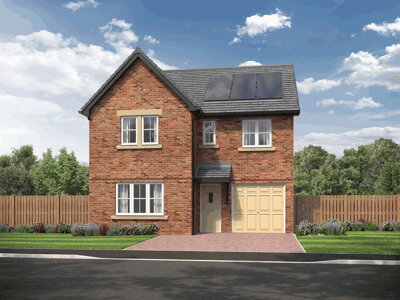
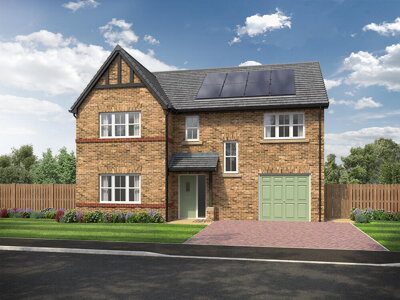
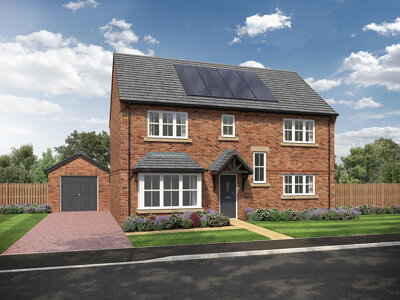
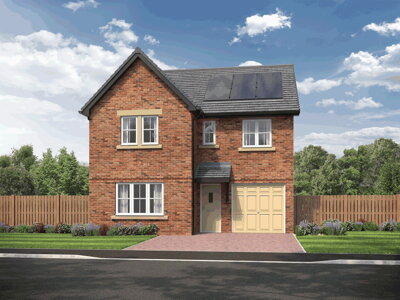
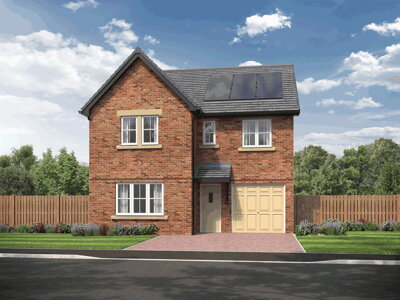
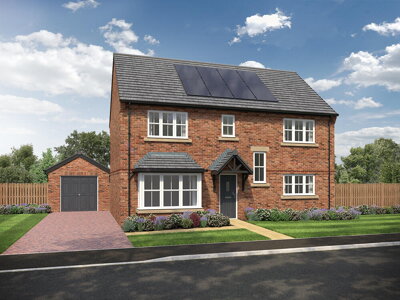
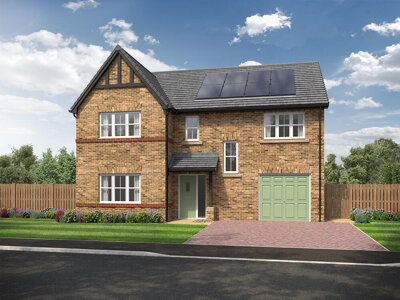
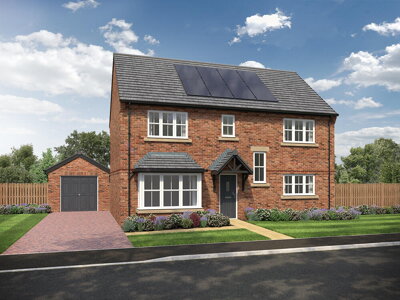
Browse 8 homes new builds in Barmpton, Darlington from local developer agents.
The larger property sector typically features multiple bathrooms, substantial reception space, and private gardens or off-street parking. Four bedroom houses in Barmpton span detached, semi-detached, and occasionally terraced configurations, with styles ranging from period properties to modern executive homes.
£0k
0
0
0
Source: home.co.uk
Showing 0 results for 4 Bedroom Houses new builds in Barmpton, Darlington.
218 residents
Population (2021 Census)
£244,000
Average Sold Price (Barmpton Lane)
£138,250
Recent 12-Month Average
DL1
Postcode District
The Barmpton property market operates on a modest scale, consistent with the village's small population and rural character. Recent transaction data from Zoopla indicates approximately 20 properties with recorded sold prices in the area, though this figure spans a broader timeframe than strictly the past 12 months. The average sold price on Barmpton Lane specifically stands at £244,000 based on sales data compiled through February 2025, while a more recent 12-month average sits at £138,250, suggesting some variation depending on property type and exact location within the village. Individual listings showcase this diversity, with a substantial 6-bedroom detached house on Barmpton Lane marketed at £800,000, demonstrating that premium family homes do exist within the village's housing stock.
Property types available in Barmpton reflect its village status, with a housing mix likely weighted toward detached and semi-detached homes compared to more urban areas. The absence of active new-build developments within the DL1 postcode area means buyers purchasing in Barmpton are primarily looking at existing properties, many of which will carry the character and potential maintenance considerations associated with older construction. This existing stock typically features traditional brick or stone build methods typical of County Durham, dating from various periods including some properties that pre-date modern building standards. For buyers, this means properties may offer more space per pound compared to newer developments, though buyers should budget for potential updating work and factor this into their purchasing decision.
The Darlington housing market, within which Barmpton operates, has experienced varying conditions in recent years. While specific 12-month price change percentages for Barmpton itself are not readily available from aggregated data sources, the broader Tees Valley region has seen activity driven by relatively affordable property compared to larger regional centres. Barmpton functions as part of the Sadberge and Middleton St George ward within Darlington Borough, meaning residents benefit from local authority services while enjoying the village atmosphere. Prospective buyers should work with local estate agents who understand the nuances of village property markets and can identify opportunities that may not appear in national portal searches alone.

Life in Barmpton centres on the peaceful rhythm of a rural community, where the population of 218 residents (as recorded in the 2021 Census) creates an intimate village atmosphere increasingly rare in modern England. The village's location on the River Skerne provides a natural focal point, with the waterway threading through the landscape and connecting Barmpton to the wider Tees Valley environment. The productive agricultural land surrounding the village reflects its heritage, with the soil quality historically supporting farming activities that shaped the community's development over centuries. Barmpton Hall stands as the architectural anchor of the village, its late 18th-century origins and early 19th-century additions representing the historical layers that give the settlement its distinctive character and sense of continuity.
The demographic profile of Barmpton suggests a community that may attract families seeking space and safety, professionals working in nearby Darlington who want to escape the busier town environment, and those at later life stages appreciating the tranquility and community connections. The civil parish structure provides a framework for local governance and community activities, while the proximity to Darlington means access to comprehensive shopping, healthcare, and cultural facilities is only a short journey away. This duality of village peace with town accessibility defines the Barmpton lifestyle proposition, offering residents the best of both worlds without requiring them to choose between community atmosphere and urban convenience.
For families considering Barmpton, the village offers an environment where children can play safely and neighbours know one another, factors that contribute to the strong community bonds typical of successful small villages. The River Skerne valley provides opportunities for outdoor activities including walking and wildlife observation, while the surrounding countryside offers recreational possibilities across the Tees Valley landscape. Cultural attractions in the broader Darlington area, including museums, theatres, and dining options, remain easily accessible for evening outings or weekend activities, ensuring residents need not feel isolated from the cultural life of the region. The agricultural heritage of Barmpton continues to influence the local landscape, with working farms in the surrounding area maintaining the rural character that defines village life here.

Education provision for Barmpton residents operates primarily through the wider Darlington school system, with primary and secondary schools located in the nearby town serving village families. The proximity to Darlington means parents have access to a range of educational options, including both state-funded and independent schools, though specific performance data and Ofsted ratings for schools closest to Barmpton would require direct consultation with local education resources. Primary age children typically attend schools within easy commuting distance, with school transport arrangements often available for families in outlying villages like Barmpton. The village's small population means there is no local primary school within Barmpton itself, but this is standard for settlements of this size across England.
For secondary education, students from Barmpton generally travel to schools in Darlington, where options include both comprehensive schools and grammar school provision depending on catchment areas and entrance criteria. Sixth form and further education opportunities are well-provided through Darlington College and the sixth form facilities at secondary schools in the town, ensuring students have clear progression pathways regardless of their academic direction. Parents considering schools should verify current catchment arrangements with Darlington Borough Council, as these can change and may affect which schools children can access based on their Barmpton address.
Early years and childcare provision in the surrounding area includes nurseries and preschools that serve families from Barmpton and neighbouring villages, providing flexibility for working parents. Given that Barmpton's population is growing from its historically low base of under 100 residents in 2011 to 218 in 2021, family demographics may be developing in ways that could influence future service provision. Parents are advised to research specific school admissions policies, consider visit days at potential schools, and understand transport arrangements before finalising a property purchase, as school access can significantly impact family quality of life in a village setting.
Connectivity from Barmpton benefits significantly from the village's position within the Tees Valley and proximity to Darlington, providing residents with multiple transport options for commuting and leisure travel. The nearest railway station is located in Darlington itself, offering connections across the North East and beyond via the East Coast Main Line. Journey times from Darlington station to major cities include approximately 2-3 hours to London Kings Cross, around 1 hour to Newcastle, and direct services to York, Leeds, and other regional centres. For Barmpton residents, this means the practical possibility of working in a larger city while living in a village environment, a combination that appeals to many seeking to balance career opportunities with quality of life.
Road access from Barmpton connects to the A66 trunk road which passes through the wider Darlington area, providing routes toward the A1(M) motorway and onward connections to the regional road network. This road infrastructure means car travel to surrounding towns and cities is generally straightforward, though rural road conditions in the immediate village area may require appropriate driving care. Bus services operating in the Darlington area provide public transport options for those without cars, with routes connecting Barmpton to the town centre and enabling access to shopping, healthcare, and employment opportunities without private vehicle dependency.
For commuters working locally, the journey to central Darlington from Barmpton typically takes 10-15 minutes by car, making daily commuting entirely feasible. Employment opportunities in Darlington span healthcare, manufacturing, retail, and public services, providing a broad economic base for village residents. Cycling infrastructure in the area has been developing, though rural road cycling requires appropriate precautions and awareness. Airport access is available through Newcastle International Airport and Teesside International Airport, both offering domestic and international flights within reasonable driving distance of Barmpton, typically 45-60 minutes depending on route and traffic conditions.
Before viewing properties, spend time in Barmpton at different times of day and week to understand the village atmosphere, noise levels from nearby roads, and community dynamics. Check local planning applications through Darlington Borough Council to identify any proposed developments that might affect your enjoyment or property value.
Speak to mortgage lenders or brokers to obtain an Agreement in Principle before starting property viewings. This strengthens your position when making offers and demonstrates to sellers that you are a serious, financially prepared buyer with typically £138,250 to £244,000 purchase capacity based on current market values.
View multiple properties in Barmpton to compare condition, character, and value. Pay particular attention to signs of damp, roof condition, and any structural concerns given the clay soil and age of many village properties. Take notes and photographs to help differentiate between options later.
Commission a Level 2 Survey (Homebuyer Report) for any property you are seriously considering, particularly given the potential for clay-related subsidence issues and flood risk from the River Skerne. This survey will identify defects that may not be visible during viewings and help inform your negotiation.
Choose a solicitor experienced in rural property transactions to handle the legal aspects of your purchase, including searches related to flooding, planning restrictions, and any rights of way affecting the property.
Once surveys are satisfactory, searches complete, and finances finalised, your solicitor will coordinate the exchange of contracts and set a completion date. On completion day, you receive the keys and can move into your new Barmpton home.
Properties in Barmpton require careful inspection for several area-specific concerns that buyers should factor into their assessment and negotiation. The local geology presents a primary consideration: the productive clay soil prevalent in the area carries an inherent shrink-swell risk that can affect property foundations over time. This risk is particularly relevant for older properties with potentially shallower foundations, and buyers should look for signs of subsidence including cracking to walls, doors that stick, and uneven floor levels. A thorough RICS Level 2 Survey is strongly recommended for any property in Barmpton, and for properties of significant age or those showing any cause for concern, a more detailed RICS Level 3 Building Survey may prove more appropriate.
Flood risk represents another important consideration given Barmpton's position on the River Skerne. While specific flood risk maps for Barmpton were not found in research, properties located near the river or in lower-lying areas warrant particular scrutiny for signs of damp, water damage, or flood resilience measures. Ask vendors about any history of flooding and review Environment Agency flood risk data before proceeding. Buildings insurance costs may be higher for properties with elevated flood risk, and this ongoing cost should feature in your budget calculations alongside purchase price and renovation requirements.
The historic nature of many Barmpton properties means that listed building status and conservation area considerations may apply, particularly in proximity to Barmpton Hall. These designations can restrict permitted development rights and impose specific requirements for maintenance and alterations, which buyers should understand before committing to a purchase. Enquire with Darlington Borough Council about any relevant designations and their implications for your intended use of the property. Additionally, older properties may have outdated electrical systems, plumbing, and insulation that require updating to modern standards, so budget accordingly for potential renovation work beyond the headline purchase price.
Recent data shows an average sold price on Barmpton Lane of £244,000 based on transactions through February 2025, with a more recent 12-month average of £138,250. Property prices in Barmpton vary significantly based on type, size, and condition, with larger detached homes commanding prices up to £800,000 or more. The modest scale of the village means that transaction volumes are relatively low compared to urban areas, so buyers should research individual properties rather than relying solely on aggregate statistics.
Properties in Barmpton fall under Darlington Borough Council administration for council tax purposes. Council tax bands in the area range from A to H depending on property value, with most village homes typically falling in bands B to E. Prospective buyers should check specific bands with the Valuation Office Agency or on the Darlington Borough Council website, as band placement affects ongoing annual costs.
Barmpton itself does not have a local primary school, so children attend schools in the surrounding area, typically within Darlington. The nearest primary schools serve families from the village, with secondary education provided by schools in Darlington town. Parents should verify current Ofsted ratings, catchment areas, and admissions policies directly with schools and Darlington Borough Council, as these arrangements can change and vary based on specific address.
Barmpton is connected to the wider Darlington area via local bus services, with the town centre offering comprehensive public transport options including railway connections. The nearest railway station is in Darlington, providing East Coast Main Line services to London, Newcastle, York, and other major cities. Road connections via the A66 and A1(M) are easily accessible for car travel, making Barmpton reasonably well-connected despite its rural village setting.
Barmpton's appeal as a village location near Darlington with the River Skerne setting makes it attractive for buyers seeking rural character with urban accessibility. Property values have shown variation based on recent transaction data, with average prices ranging from £138,250 to £244,000. The village's small scale and limited development land suggest limited supply of properties, which can support values in a stable market. However, the absence of new-build development means the market relies entirely on existing stock, and buyers should consider factors including flood risk, clay soil conditions, and potential maintenance needs when assessing investment potential.
Stamp Duty Land Tax (SDLT) rates from April 2025 apply as follows: 0% on the first £250,000 of residential property purchases, 5% on the portion from £250,001 to £925,000, 10% on the portion from £925,001 to £1,500,000, and 12% on any amount above £1,500,000. First-time buyers may qualify for relief on properties up to £625,000, paying 0% on the first £425,000 and 5% on the portion from £425,001 to £625,000. Given that most Barmpton properties fall below the £250,000 threshold, many buyers would pay no SDLT, though higher-value homes would incur charges accordingly.
Given the clay soil conditions and river proximity in Barmpton, a RICS Level 2 Survey (Homebuyer Report) is strongly recommended for most properties. This survey checks for defects including subsidence, damp, and structural issues that are particularly relevant to the local environment. For older properties, period homes, or those showing signs of deterioration, a more comprehensive RICS Level 3 Building Survey may be more appropriate. An EPC (Energy Performance Certificate) is legally required for any property sale and provides useful information about energy efficiency and potential upgrade costs.
Understanding the full cost of purchasing property in Barmpton extends beyond the advertised sale price to encompass government taxes, professional fees, and moving costs. The primary government tax facing buyers is Stamp Duty Land Tax (SDLT), which applies to residential property purchases above £250,000 at standard rates from April 2025. For the majority of Barmpton properties, where average prices hover around the £138,000 to £244,000 range, many buyers may find their purchase falls below or only marginally exceeds the threshold, potentially reducing their SDLT liability compared to higher-value urban properties. First-time buyers purchasing properties up to £625,000 can benefit from increased thresholds, paying 0% on the first £425,000 and 5% on the amount between £425,001 and £625,000, providing meaningful savings for eligible purchasers in the village.
Professional fees form a significant component of buying costs, with conveyancing solicitor fees typically ranging from £500 to £1,500 depending on property value and transaction complexity. For Barmpton properties, searches including local authority, drainage, environmental, and flood risk checks will be essential given the area's river proximity and clay soil conditions, and these typically cost £250 to £500. Survey costs should also be factored in, with a RICS Level 2 Survey (Homebuyer Report) generally ranging from £350 to £800 depending on property size and value. For higher-value properties in Barmpton, particularly larger detached homes, mortgage arrangement fees and broker costs may also apply, typically ranging from £0 to £2,000 depending on the lender and product chosen.
Moving costs for Barmpton purchases include removal expenses, which vary based on volume of belongings and distance moved, typically ranging from £300 to £2,000 for local or regional moves. Buildings insurance must be in place from the completion date, and this is particularly important for Barmpton given flood risk considerations, with premiums potentially higher for properties in flood-prone areas. Life insurance and contents cover represent additional ongoing costs, while potential renovation or updating work should be budgeted separately from the purchase price. Careful financial planning encompassing all these elements ensures buyers can proceed with confidence once they find their ideal Barmpton property.
Properties New Builds In London

Properties New Builds In Plymouth

Properties New Builds In Liverpool

Properties New Builds In Glasgow

Properties New Builds In Sheffield

Properties New Builds In Edinburgh

Properties New Builds In Coventry

Properties New Builds In Bradford

Properties New Builds In Manchester

Properties New Builds In Birmingham

Properties New Builds In Bristol

Properties New Builds In Oxford

Properties New Builds In Leicester

Properties New Builds In Newcastle

Properties New Builds In Leeds

Properties New Builds In Southampton

Properties New Builds In Cardiff

Properties New Builds In Nottingham

Properties New Builds In Norwich

Properties New Builds In Brighton

Properties New Builds In Derby

Properties New Builds In Portsmouth

Properties New Builds In Northampton

Properties New Builds In Milton Keynes

Properties New Builds In Bournemouth

Properties New Builds In Bolton

Properties New Builds In Swansea

Properties New Builds In Swindon

Properties New Builds In Peterborough

Properties New Builds In Wolverhampton

Enter your details to see if this property is within your budget.
Loans, cards, car finance
Estimated property budget
Borrowing + deposit
You could borrow between
Typical borrowing
Monthly repayment
Est. at 4.5%
Loan-to-value
This is an estimate only. Your actual budget may vary depending on interest rates, credit history, and personal circumstances. For an accurate affordability assessment, speak to one of our free mortgage advisors.
This calculator provides estimates for illustrative purposes only and does not constitute financial advice. Your home may be repossessed if you do not keep up repayments on your mortgage. Estimates based on 4.5% interest rate, repayment mortgage. Actual rates depend on your circumstances.
Homemove is a trading name of HM Haus Group Ltd (Company No. 13873779, registered in England & Wales). Homemove Mortgages Ltd (Company No. 15947693) is an Appointed Representative of TMG Direct Limited, trading as TMG Mortgage Network, which is authorised and regulated by the Financial Conduct Authority (FRN 786245). Homemove Mortgages Ltd is entered on the FCA Register as an Appointed Representative (FRN 1022429). You can check registrations at NewRegister or by calling 0800 111 6768.

We use cookies to show you personalised content and improve your experience of our website. Find out more in our Privacy policy and Cookie policy.