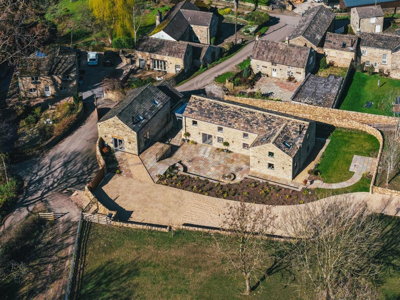
Browse 1 home new builds in Bamford, High Peak from local developer agents.
The larger property sector typically features multiple bathrooms, substantial reception space, and private gardens or off-street parking. Four bedroom houses in Bamford span detached, semi-detached, and occasionally terraced configurations, with styles ranging from period properties to modern executive homes.
£0k
0
0
0
Source: home.co.uk
Showing 0 results for 4 Bedroom Houses new builds in Bamford, High Peak.
The Bamford property market demonstrates the characteristics of a desirable rural location, with property types catering to various buyer requirements. Detached homes dominate the upper price bracket, with median values reaching £575,000 according to recent Land Registry data, though this segment saw a 22.7% decline compared to 2024 figures. Semi-detached properties offer more accessible entry points at a median of £273,500, down 27.1% year-on-year, presenting potential opportunities for buyers who act decisively in the current market conditions.
Terraced properties account for approximately one-third of all sales activity in Bamford, with a median price of £245,500 recorded in 2025. This represents a 14.3% decrease from the previous year, suggesting that the market has experienced a correction following earlier growth. Notably, the flat segment bucked the broader trend with a 16.3% increase to a median of £285,000, indicating sustained demand for lower-maintenance accommodation in the village. Overall, house prices in Bamford have fallen by approximately 15.3% over the past twelve months according to PropertyResearch.uk data, creating a buyer-friendly environment for those with finance in place.
The village has seen limited new-build activity, with zero new homes completed in 2025 according to available records. This absence of fresh supply contrasts with steady demand from buyers seeking the village lifestyle, potentially supporting values as the market stabilises. Properties in the S33 postcode area continue to attract interest from Manchester and Sheffield commuters, as well as families prioritising access to countryside and good schools. The combination of falling prices and constrained supply creates interesting conditions for both first-time buyers and those looking to upgrade within the Hope Valley area.

Properties in Bamford reflect the rich architectural heritage of the Peak District, with the majority of homes constructed from local materials that have been used in the area for centuries. Gritstone dominates the building landscape, extracted from quarries throughout the Hope Valley and used for everything from walls and cottages to bridges and farm buildings. This durable sandstone gives the village its characteristic warm grey appearance, with properties ranging from modest single-storey cottages to substantial three-storey townhouses built in the local vernacular style.
Limestone is also prevalent in certain areas of the village, particularly in properties built during the Victorian and Edwardian periods when this lighter stone became fashionable. Many Bamford homes feature traditional features such as stone slate roofs, cast iron rainwater goods, and original timber sash windows. These period characteristics require specific maintenance approaches that differ from modern brick construction, and prospective buyers should factor in the costs associated with caring for traditional materials when budgeting for a purchase in this historic village.
The age of Bamford's housing stock means that many properties will have been constructed using methods and materials predating modern building regulations. Properties built before 1919 often feature solid brick or stone walls without cavity insulation, lime-based mortars rather than cement, and traditional timber frame elements. These construction methods generally perform well when maintained correctly but can present challenges if they have been neglected or inappropriately modified. Understanding the specific construction type of any property you are considering is essential for accurate budgeting and planning of any renovation works.
Life in Bamford revolves around the spectacular natural environment that surrounds this traditional Derbyshire village. The settlement lies within the Peak District National Park, Britain's first national park established in 1951, meaning residents enjoy protected countryside, miles of public footpaths, and access to some of the finest walking country in England. The village centre features a welcoming pub, a convenience store for everyday essentials, and a railway station that connects residents to the wider region. The sense of community remains strong, with regular events and a village hall serving as the social hub for local activities throughout the year.
The landscape around Bamford is characterised by dramatic gritstone edges, expansive moorland, and the meandering River Derwent that flows through the valley floor. Outdoor enthusiasts appreciate the immediate access to open countryside, with renowned landmarks including Stanage Edge and the Kinder Scout plateau within easy reach. The village maintains its historic character, with properties predominantly constructed from local stone that reflects the geological heritage of the area. Tourism forms an important part of local life, with visitors drawn to the area's hiking, climbing, and cycling opportunities, supporting village businesses and contributing to the vibrant local economy.
The village offers a range of local amenities that serve the community throughout the year. The primary school provides education for younger children, while the village hall hosts everything from quiz nights to craft fairs and village meetings. Local pubs provide important social focal points, offering food and drink in traditional settings that attract both residents and visitors. The proximity to larger settlements including Hathersage and Castleton extends the range of available services, with these nearby villages offering additional shops, restaurants, and recreational facilities that complement what Bamford itself provides.
Families considering a move to Bamford will find a selection of educational establishments serving the local community and surrounding villages. The village is served by Bamford Primary School, which provides education for children from early years through to Key Stage 2. For secondary education, pupils typically travel to Hope or Castleton, where schools serve the wider Hope Valley area. The presence of quality educational options within reasonable distance makes Bamford attractive to families seeking a countryside lifestyle without sacrificing academic provision for their children.
Beyond state education, the surrounding area offers various independent schooling options, with several well-regarded private schools located within commuting distance in Derbyshire and South Yorkshire. For families requiring sixth form provision or further education, the nearby towns of Chesterfield and Sheffield provide comprehensive options including grammar schools, further education colleges, and sixth form colleges. Researching specific catchment areas and school admissions criteria is advisable before committing to a property purchase, as demand for places at popular schools can be competitive in this desirable rural location.
The journey to secondary school from Bamford typically involves travel to one of the nearby villages in the Hope Valley, with school transport arrangements managed through Derbyshire County Council. Parents should verify current transport policies and any eligibility criteria for free transport to schools outside their normal catchment area. Many families find that the short-term inconvenience of school travel is more than offset by the benefits of village life and access to the outstanding countryside that the Peak District provides for children to grow up in.
Bamford railway station provides direct access to the national rail network, with regular services connecting the village to major urban centres throughout the North of England. Direct trains to Manchester Piccadilly take approximately 55 minutes, making Bamford a viable option for commuters who work in the city but wish to enjoy countryside living. Sheffield is accessible in around 45 minutes by train, while Chesterfield provides connections to destinations further afield including Nottingham, Derby, and London via the East Midlands Railway network. The Hope Valley line serves these connections, and Bamford station offers parking facilities for residents who drive to catch trains.
Road connectivity is equally important for residents, with the A6187 providing access to the Hope Valley and connecting to the A6 for journeys towards Buxton and Manchester. The village sits approximately 30 miles from Sheffield city centre, with the journey taking around 50 minutes by car depending on traffic conditions. For those travelling further, the M1 motorway is accessible via Sheffield, connecting Bamford to the broader motorway network and facilitating journeys to Leeds, Nottingham, and London. Local bus services operated by Stagecoach provide additional options for travel within the Hope Valley and to nearby towns, though frequency may be limited compared to urban routes.
Cycling is a popular option for residents, with the country lanes around Bamford attracting both recreational and commuting cyclists. The Hope Valley hosts several established cycling routes, ranging from gentle rides along the valley floor to challenging climbs up to the surrounding moorland. Secure cycle storage at Bamford station makes multimodal commuting feasible, allowing residents to combine cycling with train travel for longer journeys. The improving national cycle network and growing investment in cycling infrastructure suggest that this mode of transport will continue to grow in importance for the local community.
Prospective buyers should be aware that Bamford sits in a valley location near the River Derwent, which means certain properties may be located within flood risk areas. The River Derwent and its tributaries can experience significant water flows during periods of heavy rainfall, and properties in low-lying positions near the river should be subject to careful scrutiny before purchase. Environment Agency flood maps provide detailed information on flood risk zones, and we recommend reviewing these alongside any property surveys before committing to a purchase.
Surface water flooding can also occur in the area, particularly where properties sit below the natural fall of the surrounding land or where drainage systems may be inadequate for exceptional rainfall events. This type of flooding can affect properties that are not directly adjacent to watercourses, making it important to assess the specific topography and drainage arrangements for any property under consideration. Historical flood records and local knowledge from residents can provide valuable insight into any past incidents that may not be captured in official data.
The geology of the Peak District, characterised by limestone and gritstone formations, generally provides stable ground conditions for property construction. However, the presence of certain soil types in localised areas can occasionally result in ground movement, particularly during periods of drought or excessive rainfall. Properties showing any signs of subsidence or structural movement should be referred to a qualified structural engineer for detailed assessment before proceeding with a purchase.
Explore current listings on Homemove and visit estate agent websites to understand available properties, price ranges, and market conditions in Bamford. Given the rural nature of the village and the relatively small number of properties sold each year, patience may be required to find the right property. The tight-knit nature of the local property market means that relationships with local agents can be valuable, as properties sometimes become available before they are publicly marketed.
Obtain a mortgage agreement in principle before beginning property viewings. This demonstrates your position to sellers and estate agents, particularly important in a competitive market where rural properties can attract multiple interested parties. Given the variety of property types in Bamford, from stone cottages to modern detached homes, ensure your mortgage broker understands the specific lending considerations for Peak District properties including those in conservation areas or with unusual construction.
Visit properties that match your criteria, taking time to assess not only the property itself but also the surrounding neighbourhood, proximity to amenities, and commute times to your workplace. In a village like Bamford, it is worth speaking with existing residents to gauge their experience of living in the area, including any practical considerations around local services and transport links. Take notes during viewings and compare properties systematically before making any offers.
Once your offer is accepted, arrange a RICS Level 2 Survey to assess the condition of the property. Given Bamford's older housing stock and properties constructed from traditional materials, a thorough survey is particularly valuable. The survey will identify any defects in the property's structure, roof, walls, and systems, allowing you to negotiate repairs or price adjustments before completing the purchase.
Appoint a solicitor experienced in rural property transactions to handle the legal aspects of your purchase, including local searches, title checks, and coordination with the Land Registry. Rural properties may involve additional considerations including rights of way, agricultural drainage, and matters relating to the Peak District National Park planning authority. A solicitor with local experience will be familiar with these issues and can advise accordingly.
Once all searches are satisfactory and finances are confirmed, you will exchange contracts and set a completion date. On completion day, the remaining funds are transferred and you receive the keys to your new Bamford home. Allow time before moving day to arrange utilities, insurance, and any necessary subscriptions to local services.
Purchasing a property in Bamford requires careful consideration of factors specific to the Peak District National Park location. Properties in the village may be constructed from traditional materials including local gritstone and limestone, which require different maintenance approaches compared to modern brick construction. Older properties may exhibit issues such as damp, dated electrical systems, or roofs approaching the end of their lifespan, making a comprehensive survey essential before completing your purchase. The prevalence of stone-built cottages and period properties means that buyers should budget for potential renovation or maintenance costs when calculating the total cost of ownership.
Planning restrictions within the Peak District National Park are more stringent than in other areas, affecting what modifications homeowners can make to their properties. If you are considering extending or altering a property, you should consult with the Peak District National Park Authority before proceeding. Flood risk should also be assessed, as Bamford sits near the River Derwent and its tributaries, meaning some properties may be located within flood risk areas. Properties in conservation areas may have additional protections and requirements, potentially affecting future saleability or renovation options. Always review the specific conditions attached to any property before committing to a purchase in this beautiful but regulated part of Derbyshire.
The age and construction of many Bamford properties means that building regulations compliance may vary across different elements of the home. Extensions, conversions, and renovations carried out over the decades may not meet current standards, and this is not necessarily a defect but rather a reflection of the building's history. A thorough survey will identify any areas where works may have fallen short of current requirements, allowing you to plan any necessary upgrades after purchase.
House prices in Bamford have shown some variation across different data sources, with the most recent figures indicating a median sale price of £279,250 based on 12 recorded transactions in 2025 according to PropertyResearch.uk data. Detached properties command the highest prices with a median of £575,000, while semi-detached homes average £273,500 and terraced properties around £245,500. The overall market has experienced a correction of approximately 15.3% over the past year, creating more favourable conditions for buyers entering the market. Rightmove data shows slightly different averages ranging from £289,092 to £367,286 depending on the specific time period and methodology used.
Properties in Bamford fall under High Peak Borough Council, with council tax bands ranging from A to H depending on the property's assessed value. The local council provides specific banding information for each property, and buyers can verify the current band through the Valuation Office Agency website or by requesting this information during the conveyancing process. High Peak Borough Council sets the annual council tax rates based on band, with the revenue funding local services including bin collection, road maintenance, and community facilities.
Bamford is served by Bamford Primary School for early years and primary education, with secondary pupils typically attending schools in the surrounding Hope Valley area such as Hope Valley College in Hope. The village's location within the Peak District means that families have access to both state and independent schooling options within reasonable travelling distance, including several well-regarded independent schools in Derbyshire and South Yorkshire. Parents should research specific catchment areas and admission policies, as demand for places at popular schools can be competitive in this desirable rural location. Derbyshire County Council manages school transport arrangements for pupils living beyond walking distance of their catchment school.
Bamford benefits from Bamford railway station on the Hope Valley line, providing direct rail connections to Manchester in approximately 55 minutes and Sheffield in around 45 minutes. Local bus services operated by Stagecoach connect the village to nearby towns and villages including Hathersage, Castleton, and the spa town of Buxton, though service frequency may be limited compared to urban areas. The village is accessible by road via the A6187 and A6 trunk road, with the M1 motorway reachable via Sheffield for longer journeys to Leeds, Nottingham, and London. Cycle routes through the Hope Valley provide an alternative for shorter journeys, with secure parking available at the railway station.
Bamford's location within the Peak District National Park, combined with excellent transport links to major cities, makes it attractive to a broad range of buyers including commuters, families, and those seeking countryside retirement. Property values have experienced some correction recently, potentially creating buying opportunities for those with finance arranged. The shortage of new-build development in the area, with zero new homes completed in 2025, suggests limited supply growth which could support values over the longer term. The enduring appeal of Peak District villages and the constrained supply of suitable properties means that Bamford properties tend to retain their value well, though prospective buyers should consider their specific circumstances and the costs involved before committing.
Stamp Duty Land Tax rates from April 2025 start at zero for properties up to £250,000, rising to 5% on the portion between £250,001 and £925,000. For properties priced above £925,000, the rate increases to 10% up to £1.5 million, and 12% above that threshold. First-time buyers benefit from increased thresholds, paying zero duty on properties up to £425,000 and 5% on the portion between £425,001 and £625,000. Given that the median property price in Bamford is £279,250, many buyers will only need to pay the standard 5% rate on the portion above £250,000, making total SDLT approximately £1,463. Always verify your eligibility for relief and calculate the total SDLT liability before budgeting for your purchase.
As a village within the Peak District National Park, Bamford contains properties with listed building status and operates within designated conservation areas that protect the historic character of the settlement. Properties listed as Grade I, Grade II*, or Grade II have specific legal protections that affect what works can be carried out without planning permission from the Peak District National Park Authority. Living in a listed building or conservation area property can be rewarding but requires commitment to maintaining the property in keeping with its historic character. Specialist surveys for listed buildings may be advisable given the specific construction methods and materials used.
From 4.5% APR
Compare mortgage deals and find the right finance for your Bamford property purchase
From £499
Expert legal services for your property purchase in the Hope Valley
From £350
Professional property survey tailored to traditional Peak District construction
From £85
Energy performance certificate for your Bamford property
Understanding the full cost of purchasing property in Bamford extends beyond the advertised sale price to include Stamp Duty Land Tax and various associated fees. From April 2025, standard SDLT rates apply zero percent duty on the first £250,000 of residential property purchases. For a typical Bamford property priced at the median of £279,250, this means the taxable amount would be £29,250, attracting duty at the 5% rate. First-time buyers benefit from more generous thresholds, with relief available on purchases up to £425,000, though this relief phases out for properties above £625,000.
Beyond Stamp Duty, buyers should budget for solicitor conveyancing fees which typically range from £499 to £1,500 depending on the complexity of the transaction and property value. A RICS Level 2 Survey costs from £350 for standard properties, though larger or more complex homes may require higher-grade surveys priced accordingly. Search fees, land registry charges, and mortgage arrangement fees add further costs, with many buyers underestimating these additional expenses by several thousand pounds. Obtaining a clear breakdown of all costs before proceeding with your purchase helps avoid financial surprises and ensures you can proceed with confidence when you find your ideal Bamford home.
Additional costs to factor into your budget include building insurance, which should be arranged from the point of contract exchange, and removal costs for moving day. Properties in conservation areas or with listed building status may incur additional professional fees for specialist surveys or reports. If the property you are purchasing requires renovation or modernisation, obtain quotes from contractors before completing your purchase to ensure your overall budget is realistic.
Properties New Builds In London

Properties New Builds In Plymouth

Properties New Builds In Liverpool

Properties New Builds In Glasgow

Properties New Builds In Sheffield

Properties New Builds In Edinburgh

Properties New Builds In Coventry

Properties New Builds In Bradford

Properties New Builds In Manchester

Properties New Builds In Birmingham

Properties New Builds In Bristol

Properties New Builds In Oxford

Properties New Builds In Leicester

Properties New Builds In Newcastle

Properties New Builds In Leeds

Properties New Builds In Southampton

Properties New Builds In Cardiff

Properties New Builds In Nottingham

Properties New Builds In Norwich

Properties New Builds In Brighton

Properties New Builds In Derby

Properties New Builds In Portsmouth

Properties New Builds In Northampton

Properties New Builds In Milton Keynes

Properties New Builds In Bournemouth

Properties New Builds In Bolton

Properties New Builds In Swansea

Properties New Builds In Swindon

Properties New Builds In Peterborough

Properties New Builds In Wolverhampton

Enter your details to see if this property is within your budget.
Loans, cards, car finance
Estimated property budget
Borrowing + deposit
You could borrow between
Typical borrowing
Monthly repayment
Est. at 4.5%
Loan-to-value
This is an estimate only. Your actual budget may vary depending on interest rates, credit history, and personal circumstances. For an accurate affordability assessment, speak to one of our free mortgage advisors.
This calculator provides estimates for illustrative purposes only and does not constitute financial advice. Your home may be repossessed if you do not keep up repayments on your mortgage. Estimates based on 4.5% interest rate, repayment mortgage. Actual rates depend on your circumstances.
Homemove is a trading name of HM Haus Group Ltd (Company No. 13873779, registered in England & Wales). Homemove Mortgages Ltd (Company No. 15947693) is an Appointed Representative of TMG Direct Limited, trading as TMG Mortgage Network, which is authorised and regulated by the Financial Conduct Authority (FRN 786245). Homemove Mortgages Ltd is entered on the FCA Register as an Appointed Representative (FRN 1022429). You can check registrations at NewRegister or by calling 0800 111 6768.

We use cookies to show you personalised content and improve your experience of our website. Find out more in our Privacy policy and Cookie policy.