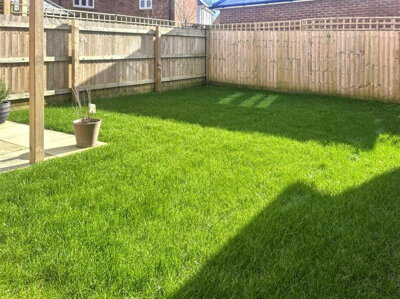
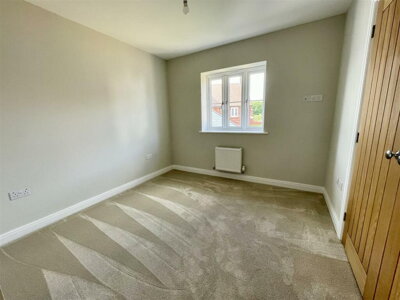
Browse 2 homes new builds in Athelhampton and Puddletown from local developer agents.
The Trallong property market has demonstrated steady long-term growth, with house prices increasing by 48.5% over the past decade. Our data shows an average sold price of £422,500 for properties in the village, though this figure masks significant variation between property types and sizes. Recent sales evidence this diversity: a detached property at Ffynnon (LD3 8HP) achieved £575,000 in September 2025, while Persondy House in the same postcode sold for £270,000 in April 2025. This range reflects the spectrum from grand period homes to more modest village cottages available in the area.
Property prices in Trallong have experienced some correction recently, sitting 18% below the 2019 peak of £515,000. However, the market appears to be stabilising, with prices on the main village street decreasing by a modest 0.4% since September 2025. For buyers, this presents a potentially favourable entry point compared to peak prices, while the strong decade-long growth trend suggests underlying demand for village properties in this part of Powys. The village street itself contains 64 properties according to our records, with 38 houses and 26 additional properties forming the settled community.
Currently, Rightmove shows 19 property listings for Trallong when searching across all years, while Zoopla records indicate around 71 total sold properties over a longer period. For those specifically seeking family homes with gardens, our research indicates 3-bedroom freehold houses range from approximately £223,291 to £538,291 within the LD3 8HP postcode, with larger 5-bedroom properties extending up to £829,779 depending on condition and position. The village offers no active new-build developments, meaning buyers seeking modern specifications may need to look to nearby towns like Brecon for newer housing stock.
The postcode LD3 8HP contains 23 properties, with 15 houses and 8 additional properties forming this particular district of the village. Semi-detached properties have achieved notable prices recently, with 2 Pendrebach (LD3 8HS) selling for £352,250 in February 2025, demonstrating strong demand for family-sized accommodation in the village. Terraced cottages such as Ty Canol at Old School (LD3 8HR) have sold for around £205,000, offering accessible entry points to the Trallong market for first-time buyers seeking character properties in the Brecon Beacons area.

Trallong embodies the essence of traditional Welsh village life, nestled within the Brecon Beacons National Park area of Powys. The village forms part of a tight-knit rural community where agriculture and tourism form the backbone of the local economy. Residents enjoy access to excellent walking routes across the surrounding hills and moorlands, with the River Usk flowing nearby, providing both scenic beauty and fishing opportunities. The village's proximity to the national park positions it as an ideal base for outdoor enthusiasts seeking regular access to hiking, cycling, and wildlife watching.
The predominant housing stock reflects the village's history, with period houses built between 1800 and 1911 featuring traditional natural stonework and timber beams throughout. These historic properties give Trallong its distinctive character, with stone cottages and converted farmhouses lining the village street. Many homes feature the characteristic slate roofing common throughout Powys, and the presence of Grade II listed properties confirms the architectural significance of certain buildings within the community. The village maintains a sense of heritage that attracts buyers seeking authenticity over modern developments.
As a small rural settlement, Trallong offers a peaceful lifestyle with the reassurance of nearby market towns for everyday amenities. The economy relies heavily on agriculture, with sheep farming particularly prominent on the surrounding hillsides. Tourism contributes significantly during summer months, with visitors drawn to the Brecon Beacons landscape. Many residents choose to commute to larger towns like Brecon for employment, taking advantage of the village's position to access additional services, shopping, and workplace opportunities while returning to tranquil village living.
The local economy of Trallong and its surrounding area is influenced by a mix of traditional agriculture, with sheep farming dominating the hillside pastures, and seasonal tourism centred around the Brecon Beacons National Park. Small local businesses serve the community's day-to-day needs, while residents frequently travel to Brecon for larger employment opportunities, professional services, and retail amenities. This blend of rural tranquility and accessibility to market town facilities makes Trallong particularly appealing to buyers seeking to balance countryside living with reasonable connectivity to employment and services.

Properties in Trallong showcase the traditional building methods characteristic of Welsh rural settlements from the Georgian and Victorian periods. The dominant construction features solid stone walls built using locally sourced materials, with the natural limestone and sandstone giving village cottages their distinctive appearance. These solid walls, typically 300-450mm thick, provide excellent thermal mass but require understanding of how traditional materials perform alongside modern insulation requirements. Our surveyors frequently encounter these construction types when inspecting properties on the village street and surrounding lanes.
Timber construction plays a significant role in Trallong's period properties, with exposed timber beams forming structural elements in many cottages and farmhouses. These traditional timber frames, often hewn from local oak, support first-floor joists and roof structures in properties that can exceed 150 years of age. The combination of solid stone walls with timber frames creates the characterful interiors that buyers find attractive, though this construction type requires awareness of potential timber defects including rot and woodworm activity that can affect structural integrity over time.
Roofing throughout Trallong predominantly uses natural slate, sourced historically from Welsh quarries and now requiring careful assessment when inspecting older properties. The solid roof structures use timber rafters and purlins to support the slate covering, with details such as lead flashings at junctions requiring regular maintenance. Properties built before 1911 often feature hand-cut slates of varying sizes, which can make matching repairs more challenging than with modern uniform tiles. Our inspectors always examine roof condition thoroughly, as replacement costs for traditional slate can be substantial.
Given that the majority of Trallong's housing stock dates from the 1800-1911 period, our inspectors frequently identify defects typical of older traditional construction. Rising damp affects many solid-stone properties where the original damp-proof course has failed or was never installed, manifesting as tide marks on ground-floor walls and deterioration of skirting boards and plaster. Penetrating damp also occurs where stonework has absorbed moisture over decades, particularly on north and west-facing elevations exposed to prevailing winds from the Brecon Beacons hillsides.
Timber defects represent another common finding when our surveyors inspect Trallong properties. Woodworm activity in roof structures and floor timbers often goes undetected until floorboards are lifted or loft spaces examined closely. Wet rot and dry rot can affect timber elements where moisture has been allowed to accumulate, particularly in properties with history of roof leaks or inadequate ventilation. The exposed beam construction in many village cottages means that any timber deterioration has potential to affect the structural integrity of floors and roof structures.
Roof condition concerns arise frequently in Trallong surveys, with issues ranging from slipped and broken slates to deteriorated leadwork around chimneys and valleys. The age of many properties means original roof coverings are approaching or have exceeded their expected lifespan, with repairs rather than replacement often proving necessary on listed buildings where original materials must be matched. Chimney stacks require inspection for cracked render and damaged flaunching, particularly following winter freeze-thaw cycles common in the Brecon Beacons climate. Valley gutters, often formed in lead on period properties, frequently show signs of wear and potential for leakage into roof spaces.
Electrical systems in Trallong's older properties frequently require attention, with original wiring predating modern safety standards by many decades. Properties built before the 1960s may still contain rubber-insulated cables or early PVC installations that have deteriorated. Consumer units in older properties may lack modern circuit protection or residual current device (RCD) safety devices required by current regulations. Our surveyors note that full rewire is often necessary when purchasing period properties, and this cost should be factored into your purchasing budget alongside any survey findings.
Families considering a move to Trallong will find educational provision primarily located in nearby towns, with the village itself likely served by smaller primary schools in surrounding communities. The Powys local authority maintains a network of primary schools across the rural areas, with larger primary schools in nearby villages serving the surrounding population. For secondary education, pupils typically travel to schools in Brecon, which offers comprehensive secondary schools with sixth form provision and a range of GCSE and A-level courses. The education catchment area for Trallong falls within this broader Powys schooling framework.
Brecon, located approximately 9 miles from Trallong, serves as the main educational hub for the surrounding villages. The town offers both primary and secondary schooling options, with schools including Brecon County Primary School and the larger Brecon High School for secondary pupils. Parents should verify specific catchment areas with Powys County Council, as school admissions policies consider proximity and catchment zones when allocating places. For families with older children seeking further education, Brecon College provides vocational courses, while the nearby University of Wales Trinity Saint David in Lampeter offers higher education opportunities within reasonable travelling distance.
Private education options in the region include independent schools in Brecon and the surrounding area, providing alternatives for families seeking faith-based education or alternative pedagogical approaches. Welsh language education is available in the region, supporting the Welsh Government's aims to increase bilingual education across Cymru. Parents moving to Trallong should research specific school performance data, including recent Estyn inspection reports, to make informed decisions about educational provision for their children.
The Welsh-medium education stream is well-established in Powys, with Ysgol Gyfun Brecon serving secondary pupils through the medium of Welsh. For families seeking Welsh-language education for their children, catchment areas and availability vary by location, and early application is recommended given limited places in some year groups. The availability of school transport from Trallong to schools in Brecon should be confirmed with Powys County Council, as transport provision affects the practical viability of school placement for village residents.
Trallong's position in rural Powys means that private transport forms the primary means of connectivity for most residents. The village sits approximately 9 miles west of Brecon, the nearest market town offering comprehensive services and employment opportunities. The journey to Brecon takes around 25 minutes by car, following country roads that pass through attractive scenery. For residents commuting to larger employment centres, the journey to Hereford takes approximately 1 hour 15 minutes, while Cardiff lies around 1 hour 30 minutes distant, making day commuting feasible though substantial for regular workers.
Public transport options for Trallong residents are limited, reflecting the rural nature of the settlement. Bus services connect the village to Brecon and surrounding villages, though frequencies are likely to be modest compared to urban areas. Those considering Trallong as a home base should factor in the necessity of private vehicle ownership for most daily activities. The nearest railway stations are located in Brecon (with limited services) and the more significant stations at Hereford and Abergavenny, which provide connections to the broader national rail network, including direct services to London Paddington.
For cyclists and walkers, the local network of country lanes and bridleways offers pleasant routes for local journeys and recreation. The surrounding Brecon Beacons landscape provides extensive opportunities for outdoor pursuits, with mountain biking and walking trails accessible from the village doorstep. Road connections from Trallong lead to the A40 trunk road, providing access towards Brecon and eventually to the M50 motorway network for longer-distance travel. Parking within the village is likely to be straightforward given the low-density residential nature of the settlement, unlike more congested urban areas.
The A40 trunk road provides the main arterial route from Trallong towards Brecon and subsequently towards the broader strategic road network. Access to the M50 motorway at Ross-on-Wye connects Trallong residents to the Midlands and motorway network beyond, with typical journey times of around 90 minutes to Birmingham. For those travelling to London, the rail services from Hereford or Abergavenny provide regular connections to the capital, with journey times of approximately 3 hours from Hereford to London Paddington.
Before committing to a purchase in Trallong, spend time understanding the village's property market dynamics. Review sold prices over the past few years to understand how values have moved, and note that the current average of £422,500 represents an 18% reduction from the 2019 peak. Consider which property types suit your needs and budget, whether that is a modest stone cottage or a larger detached period farmhouse. Our team can provide detailed comparable sales data to help inform your research.
Arrange a mortgage agreement in principle before beginning property viewings. This demonstrates your purchasing readiness to estate agents and sellers, providing confidence in your position when you find your ideal Trallong property. Speak with our mortgage partners who can compare rates and help you secure suitable financing for your countryside home purchase. Given the village's period property stock, some lenders may require specific valuations for older properties, so discussing your intended property type early is advisable.
View multiple properties across Trallong to understand the range available. Note that properties here are predominantly period homes built between 1800 and 1911, requiring careful inspection of condition. Consider viewing properties at different times of day and in various weather conditions to fully assess the home and its surroundings. Pay particular attention to the stonework condition, roof appearance, and any signs of damp or timber issues that commonly affect properties of this age.
Given the age of most Trallong properties, we strongly recommend a RICS Level 2 Survey before purchase. Older period properties commonly present issues including damp, timber defects, and roof condition concerns that a professional survey will identify. Our survey partners offer competitive rates for homebuyers reports across the Powys area, with surveyors familiar with traditional construction methods common to Welsh village properties.
Once your offer is accepted, instruct a conveyancing solicitor to handle the legal aspects of your purchase. Your solicitor will conduct local authority searches specific to Powys, check for any planning constraints affecting the property, and manage the conveyancing process through to completion. Given the presence of Grade II listed properties in the village, your solicitor should investigate any listed building implications that may affect your planned use of the property.
Upon satisfying all enquiries and surveys, your solicitor will arrange contract exchange and set a completion date. On completion day, the remaining balance transfers and you receive the keys to your new Trallong home. Remember that Land Transaction Tax rates apply based on your purchase price and circumstances, with different thresholds applying in Wales compared to England.
Buyers considering properties in Trallong should pay particular attention to the construction and condition of period properties, which form the majority of the village's housing stock. Traditional stone-built cottages and farmhouses require ongoing maintenance, and issues such as damp penetration, timber deterioration, and roof condition commonly affect properties of this age. A thorough RICS Level 2 Survey is essential for identifying any defects before purchase. The presence of natural stonework and timber beams adds character but also requires understanding of how these traditional materials perform over time.
Flood risk awareness is important when purchasing in Trallong, given the village's proximity to the River Usk. While specific flood maps were not available in our research, low-lying areas near the river carry potential flooding risk that buyers should investigate thoroughly. Your solicitor should include appropriate drainage and flood risk searches as part of the conveyancing process. Properties with riverside positions or those located in obvious flood plains merit extra scrutiny regarding flood resilience measures and insurance implications. Surface water flooding depends on local topography and drainage patterns within the village.
The presence of Grade II listed buildings in and around Trallong indicates that planning and listed building consent requirements affect some properties in the area. If you are considering a listed property, be aware that permitted development rights may be restricted and that any alterations require approval from the local planning authority. This can affect future renovation plans and should be factored into your purchasing decision. Similarly, verify whether the property is freehold or leasehold, as this affects ongoing costs and your ownership rights. The Powys County Council planning portal provides information on listed building designations affecting properties in the Trallong area.
Electrical and heating systems in Trallong's period properties frequently require upgrading to meet modern standards and efficiency requirements. Properties with old fuse boards, fabric-covered cables, or outdated heating systems should be assessed for the scope and cost of necessary upgrades. Our surveyors note that budget planning for essential upgrades should account for the higher costs associated with traditional building repairs and the potential need for listed building consent on heritage properties. Properties that have been recently renovated to a high standard command premium prices, while those requiring updating offer opportunities for buyers willing to invest in improvements.
Purchasing a property in Trallong involves several costs beyond the purchase price, with Land Transaction Tax (the Welsh equivalent of stamp duty) representing a significant consideration for buyers. For properties purchased in Wales, residential LTT rates apply 0% on the first £225,000, then 5% between £225,001 and £400,000, 7.5% between £400,001 and £750,000, and 10% above £750,000. These rates differ from England, so buyers transferring from across the border should ensure they calculate correctly using the Welsh thresholds.
First-time buyers purchasing property in Trallong may benefit from additional relief, depending on whether the property qualifies under Welsh or English stamp duty schemes. Under the English first-time buyer relief, purchases up to £625,000 attract 0% duty on the first £425,000, then 5% on the remainder. Given the average property price in Trallong of £422,500, many first-time buyers purchasing at or around average prices could qualify for significant savings on their transaction costs. Our team can provide a detailed calculation based on your specific purchase price and circumstances.
Beyond Land Transaction Tax, buyers should budget for solicitor conveyancing fees (typically from £499 for standard purchases), survey costs (a RICS Level 2 Survey starts from around £350 for a property like those in Trallong), and removals expenses. Search fees from Powys County Council typically cost between £200 and £300, and mortgage arrangement fees vary by lender but often range from £0 to £2,000. Factor in building insurance from completion date and any mortgage broker fees if using independent advice. Our conveyancing partners offer fixed-fee services with no hidden extras, providing transparency for your Trallong purchase.
Additional costs to budget for include valuation fees required by your mortgage lender (typically £200-£500 depending on property value), Land Registry registration fees, and search fees for environmental data and drainage searches. Properties in flood risk areas may incur higher buildings insurance premiums, and those on private water supplies or septic tanks require specialist surveys that add to upfront costs. Our team can provide a comprehensive breakdown of anticipated costs based on your specific property and circumstances.
The average sold house price in Trallong over the past year is £422,500 according to our property data. This represents a correction from the 2019 peak of £515,000, sitting approximately 18% below that high point. Prices range significantly depending on property type and size, with recent sales showing detached properties between £270,000 and £575,000, semi-detached homes around £352,250, and terraced cottages from £205,000. The village has seen overall growth of 48.5% over the past decade, indicating strong long-term demand for property in this Powys location.
Properties in Trallong fall under Powys County Council jurisdiction for council tax purposes. The village is part of the LD3 postcode area, and council tax bands are assigned based on property valuation carried out by the Valuation Office Agency. Exact bands vary by individual property and would be confirmed through the Land Registry title documentation and the local authority valuation list. Powys County Council sets annual council tax rates that apply to all residential properties within the Trallong parish boundary, with the specific band affecting your monthly payment obligation to the local authority. Prospective buyers should request the specific council tax band from the seller or verify through the Welsh Government valuation list available online.
Trallong itself is a small village without its own primary or secondary school. Education provision comes from nearby communities, with primary schools in surrounding villages serving younger children within the Powys local authority area. The nearest comprehensive secondary education is available in Brecon, approximately 9 miles away, where Brecon High School and other establishments provide secondary education with sixth form facilities. Families should verify specific catchment areas with Powys County Council admissions, as school places are allocated based on proximity and availability. Welsh-medium education options are available at Ysgol Gyfun Brecon for secondary pupils seeking bilingual schooling.
Public transport connections from Trallong are limited, reflecting its rural location in Powys countryside within the Brecon Beacons National Park. Bus services operate between the village and nearby towns including Brecon, though frequencies are likely to be modest compared to urban areas, with perhaps one or two services daily on certain routes. The nearest railway station with significant services is in Abergavenny or Hereford, both requiring road transport to reach from Trallong. Most residents rely on private vehicle ownership for daily commuting and errands, with the journey to Brecon taking approximately 25 minutes by car along country roads.
Trallong offers several factors that may appeal to property investors considering the Powys market. The village has experienced 48.5% price growth over the past decade, demonstrating long-term value appreciation despite the recent 18% correction from the 2019 peak. Properties within the Brecon Beacons National Park area attract holiday let interest, and the traditional stone cottages available command rental premiums for their character and location. However, investors should note the limited rental market due to the village's small size and the importance of period property maintenance costs. The current average price of £422,500 represents a potentially more accessible entry point following recent market adjustments, though rental yields may be modest compared to larger towns with greater tenant demand.
Stamp duty (more correctly Land Transaction Tax in Wales) for Trallong purchases follows Welsh LTT thresholds, with different rates applying based on your purchase price and whether you are a first-time buyer. For standard purchases, you pay 0% on the first £225,000, then 5% on the portion up to £400,000, and 7.5% above that. First-time buyers may qualify for relief on the first £300,000 of properties up to £500,000 under certain conditions. Our team can provide a detailed calculation based on your specific purchase price and circumstances, ensuring you budget correctly for this significant transaction cost.
Trallong's location near the River Usk means that properties in low-lying areas adjacent to the river carry potential flood risk that warrants investigation before purchase. Surface water flooding depends on local topography and drainage patterns across the village, with some areas more susceptible than others following heavy rainfall. Properties on higher ground within the village may face lower risk, though specific flood risk maps for the Trallong area should be obtained. Before purchasing, we recommend requesting a flooding search from your solicitor and considering the Natural Resources Wales flood risk data available for the Powys area. Properties with riverside gardens or positions at lower elevations warrant particular attention regarding flood resilience measures and insurance implications.
Trallong contains properties with Grade II listed status, reflecting the architectural heritage of the village's Georgian and Victorian buildings. At least one semi-detached cottage near Trallong holds Grade II listing, indicating that the village's traditional stone construction and historical significance have been formally recognised. Purchasing a listed property brings additional responsibilities, as any external alterations, extensions, or even window replacements may require listed building consent from Powys County Council. The conservation implications affect what changes you can make to the property, though the character and value retention of listed buildings often proves advantageous long-term. Your solicitor should investigate the listed status of any property you are considering purchasing in Trallong.
From 4.5% APR
Compare mortgage rates from leading lenders for your Trallong property purchase
From £499
Our approved solicitors handle your Trallong property purchase from offer to completion
From £350
Professional homebuyer survey recommended for Trallong's period properties
From £60
Energy performance certificate required for your Trallong property sale or purchase
Properties New Builds In London

Properties New Builds In Plymouth

Properties New Builds In Liverpool

Properties New Builds In Glasgow

Properties New Builds In Sheffield

Properties New Builds In Edinburgh

Properties New Builds In Coventry

Properties New Builds In Bradford

Properties New Builds In Manchester

Properties New Builds In Birmingham

Properties New Builds In Bristol

Properties New Builds In Oxford

Properties New Builds In Leicester

Properties New Builds In Newcastle

Properties New Builds In Leeds

Properties New Builds In Southampton

Properties New Builds In Cardiff

Properties New Builds In Nottingham

Properties New Builds In Norwich

Properties New Builds In Brighton

Properties New Builds In Derby

Properties New Builds In Portsmouth

Properties New Builds In Northampton

Properties New Builds In Milton Keynes

Properties New Builds In Bournemouth

Properties New Builds In Bolton

Properties New Builds In Swansea

Properties New Builds In Swindon

Properties New Builds In Peterborough

Properties New Builds In Wolverhampton

Enter your details to see if this property is within your budget.
Loans, cards, car finance
Estimated property budget
Borrowing + deposit
You could borrow between
Typical borrowing
Monthly repayment
Est. at 4.5%
Loan-to-value
This is an estimate only. Your actual budget may vary depending on interest rates, credit history, and personal circumstances. For an accurate affordability assessment, speak to one of our free mortgage advisors.
This calculator provides estimates for illustrative purposes only and does not constitute financial advice. Your home may be repossessed if you do not keep up repayments on your mortgage. Estimates based on 4.5% interest rate, repayment mortgage. Actual rates depend on your circumstances.
Homemove is a trading name of HM Haus Group Ltd (Company No. 13873779, registered in England & Wales). Homemove Mortgages Ltd (Company No. 15947693) is an Appointed Representative of TMG Direct Limited, trading as TMG Mortgage Network, which is authorised and regulated by the Financial Conduct Authority (FRN 786245). Homemove Mortgages Ltd is entered on the FCA Register as an Appointed Representative (FRN 1022429). You can check registrations at NewRegister or by calling 0800 111 6768.

We use cookies to show you personalised content and improve your experience of our website. Find out more in our Privacy policy and Cookie policy.