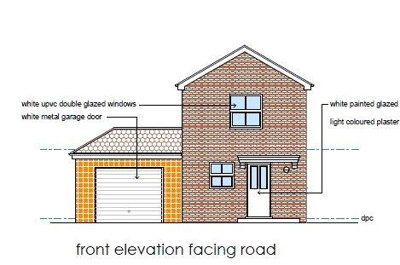
Browse 1 home new builds in Ashwater, Torridge from local developer agents.
£485k
9
0
210
Source: home.co.uk
Source: home.co.uk
Semi-Detached
3 listings
Avg £345,000
Detached
2 listings
Avg £504,500
Detached house
1 listings
Avg £495,000
House
1 listings
Avg £485,000
Terraced
1 listings
Avg £160,000
detached
1 listings
Avg £699,950
Source: home.co.uk
Source: home.co.uk
The Catton property market reflects the broader character of this East Riding village, offering a range of traditional and modern homes set within a picturesque rural landscape. Property types in Catton typically include period stone cottages, detached family homes, and converted farm buildings that showcase the agricultural heritage of the area. The village's proximity to surrounding market towns means buyers benefit from village tranquility without sacrificing access to everyday amenities.
While specific Catton, East Riding sales data for the last year shows limited transaction volumes consistent with a small village market, properties in the surrounding East Riding region demonstrate steady demand. The area attracts buyers seeking character properties with rural settings, and prices reflect the balance between village desirability and proximity to major employment centres. Homes with good-sized gardens, off-street parking, and views over open countryside command particular interest among buyers relocating from urban areas.
Village properties in the East Riding often feature traditional construction methods including solid brick walls, stone detailing, and original sash windows that require specific maintenance knowledge. Our estate agent partners across the region report continued interest from buyers looking to escape larger towns and cities, with Catton appealing particularly to those who work remotely or have flexible commuting arrangements. The local property market tends to move more slowly than urban areas, giving buyers more time to make considered decisions about their purchase.

Catton sits within the East Riding of Yorkshire, a region celebrated for its diverse landscape ranging from the rolling Yorkshire Wolds to fertile farmland and coastal areas. The village itself maintains a traditional character with stone-built properties, a village green, and surrounding agricultural land that has shaped the community for generations. Residents enjoy an active village life where local events and seasonal activities bring neighbours together throughout the year.
The surrounding area offers excellent walking and cycling opportunities through the Yorkshire countryside, with public rights of way connecting Catton to neighbouring villages and scenic routes. Local pubs and village amenities in nearby communities provide essential services while larger towns like Market Weighton offer supermarkets, independent shops, and weekly markets. The nearby city of York, approximately 20 miles from Catton, provides comprehensive cultural, retail, and employment opportunities for residents willing to travel for work or leisure.
The East Riding maintains a strong agricultural economy, and Catton residents often have connections to farming through local businesses, agricultural suppliers, and seasonal work opportunities. Village communities in this part of Yorkshire typically hold regular events including agricultural shows, harvest festivals, and traditional pub gatherings that create a genuine sense of belonging. For buyers seeking an authentic rural lifestyle without complete isolation, Catton offers the right balance of community spirit and access to urban amenities.

Families considering a move to Catton will find a selection of educational options within reasonable driving distance. Primary education is available at schools in nearby villages and market towns, with several primary schools serving the surrounding rural communities. These schools typically offer small class sizes that allow for individual attention and strong community connections between pupils, teachers, and families.
Secondary education options include schools in Market Weighton and surrounding towns, with several secondary schools in the East Riding maintaining good Ofsted ratings. For families seeking grammar school provision, York and Hull offer selective schools that attract students from across the wider region. Parents should research specific catchment areas and school admission policies, as these can vary significantly between local authorities and may influence property choices in the surrounding area.
The East Riding is home to several primary schools that have earned strong reputations for academic achievement and pastoral care. Schools in market towns like Market Weighton and Beverley often feature dedicated teaching staff who know pupils and families personally, creating supportive learning environments. For secondary education, South Hunsley School and Sixth Form College in Melton is frequently cited by local residents, while the historic grammar schools in York, including Huntington School and York High School, serve students from across the wider region.
Catton benefits from its position within the East Riding, offering reasonable road connections to surrounding towns and cities. The village sits within easy reach of major routes including the A1079 which runs between York and Hull, providing direct access to both cities. For commuters working in York, Hull, or the surrounding market towns, the journey times are manageable for those accustomed to rural living with the occasional longer commute.
Public transport options from Catton reflect its village status, with limited bus services connecting to nearby towns. Rail connections are available in York and Hull, offering direct services to major UK destinations including London, Edinburgh, Leeds, and Newcastle. Many residents in rural East Riding communities choose to drive for daily commuting needs, and the availability of off-street parking at properties is often a practical consideration when choosing a home in Catton.
The A1079 corridor through the East Riding provides a vital link for residents who need to commute to employment in either York or Hull. Journey times to York city centre typically take around 35 to 40 minutes, while Hull city centre is approximately 45 minutes away under normal traffic conditions. Those working in Leeds can access the city via the A64 or via rail connections from York, making day commuting feasible for those with flexible working arrangements or hybrid employment patterns.
Spend time exploring Catton and neighbouring villages to understand the community atmosphere, nearby amenities, and commute times to your workplace. Visit at different times of day and week to get a genuine feel for village life and assess whether the rural pace suits your lifestyle. We recommend speaking with current residents to gain authentic insight into what day-to-day living in Catton is really like.
Contact lenders to arrange a mortgage agreement in principle before beginning property viewings. This strengthens your position when making offers and demonstrates to sellers that you are a serious, prepared buyer. Obtaining AIP certificates from multiple lenders allows you to understand your budget realistically and helps estate agents match you with suitable properties more effectively.
Ensure Homemove is your starting point for comprehensive listings, but also register interest with local estate agents who may have properties coming to market that are not yet listed online. Local agents often have off-market properties and can provide valuable insight into the Catton property market dynamics and upcoming listings.
View multiple properties in Catton and the surrounding area to compare options. Consider factors such as garden size, parking, property condition, and proximity to neighbours when evaluating each home. Take photographs and notes during viewings to help remember property details when making comparisons between different options.
Once your offer is accepted, instruct a RICS Level 2 Survey to assess the property condition thoroughly. This is particularly important for older village properties that may have traditional construction methods. Our team at Homemove can connect you with qualified surveyors who understand the specific construction characteristics of East Riding properties.
Work with your solicitor to handle legal conveyancing, searches, and contract exchange before completing on your agreed completion date. Your solicitor will conduct local searches with East Riding of Yorkshire Council, including drainage and water searches, land registry checks, and planning history verification for the Catton property.
Purchasing a property in rural East Yorkshire requires attention to specific considerations that differ from urban property buying. Properties in Catton may include agricultural ties, rights of way across land, or older drainage systems that require investigation before purchase. Understanding the history and construction of period properties is important, as traditional building methods common in Yorkshire villages may require different maintenance approaches compared to modern homes.
Buyers should investigate potential flood risk, as rural properties near watercourses or in low-lying areas of the East Riding may be affected by surface water or river flooding. Planning restrictions in the village and surrounding countryside may limit future extensions or alterations to properties. Conservation considerations in traditional village settings should also be reviewed, as certain properties may be subject to planning controls designed to preserve the character of the area.
Agricultural buildings and converted farmhouses in the East Riding often feature solid walls, traditional timber roof structures, and original features that require specialist understanding to assess properly. We recommend instructing a thorough survey that examines the condition of stonework, identifies any signs of movement or damp, and evaluates the age and condition of electrical and plumbing systems. Older village properties may also have single-glazed windows, solid fuel heating systems, or outdated insulation that buyers should factor into their renovation budgets.
The housing stock in Catton reflects the agricultural heritage of the East Riding, with properties typically ranging from traditional stone cottages built in the 18th and 19th centuries to more recent developments constructed during the 20th century housing boom. Traditional Yorkshire stone cottages remain highly sought after, offering thick walls that provide natural thermal mass, original fireplaces, and charming period features that appeal to buyers seeking authentic rural character.
Detached family homes in Catton often sit on generous plots with large rear gardens that extend into open countryside. These properties typically appeal to families seeking space for children and pets, as well as buyers who appreciate rural views and privacy. Many detached homes in the village feature detached garages or workshops, which provide valuable storage and hobby space not always available with urban properties.
Converted agricultural buildings represent a distinctive segment of the Catton market, with former barns and farm buildings transformed into character homes that blend original agricultural features with modern living requirements. These properties often retain exposed beams, high vaulted ceilings, and substantial stone or brick walls that create impressive living spaces. Buyers considering converted properties should verify that all necessary planning permissions and building regulations approvals were obtained for the conversion work.
Specific average price data for Catton, East Riding of Yorkshire is limited due to the small number of transactions typical of a village property market. Prices in rural East Riding villages generally reflect the character of the property, garden size, and proximity to surrounding towns. For accurate current pricing in Catton, review active listings on Homemove which shows real-time asking prices for properties currently on the market in the village and surrounding area. Detached properties with land and countryside views typically command premiums over terraced cottages and smaller semi-detached homes in the village.
Properties in Catton fall under East Riding of Yorkshire Council administration. Council tax bands in the East Riding range from A to H, with most residential properties falling in bands A through D. Banding depends on the property value as assessed at 1991 values, and buyers can check specific banding on the Valuation Office Agency website before purchasing. You can also find council tax information for specific Catton properties by searching the East Riding of Yorkshire Council online portal using the property address.
The Catton area is served by primary schools in nearby villages and market towns, several of which have received good Ofsted ratings. For secondary education, schools in Market Weighton and surrounding towns provide options for families. Research specific catchment areas and admission policies, as these can vary and may affect which school your child would attend based on your chosen property location. The surrounding East Riding primary schools often feature dedicated teaching staff who know pupils and families personally, creating supportive learning environments.
Catton, as a small rural village, has limited public transport options. Bus services connecting to nearby towns are available but infrequent. Rail travel requires travel to York or Hull stations, both offering comprehensive national rail connections. Residents typically rely on private vehicles for daily commuting and essential travel, making car ownership important for village living in this part of the East Riding. The A1079 provides the main road corridor connecting Catton to York, Hull, and the surrounding market towns of Market Weighton and Beverley.
Catton and the surrounding East Riding villages offer potential for buyers seeking a lifestyle investment in rural Yorkshire. Property values in the area benefit from demand from buyers relocating from larger cities seeking village character and countryside access. Rental demand in the East Riding is supported by workers in agriculture, local businesses, and those employed in nearby towns. As with any property investment, thorough research into local demand, rental yields, and future development plans is recommended before committing to a purchase in the village.
Stamp duty rates in England from 2024-25 apply zero percent on the first 250,000 pounds of property value, five percent between 250,001 and 925,000 pounds, ten percent up to 1.5 million, and twelve percent above that threshold. First-time buyers claiming relief pay zero percent on the first 425,000 pounds and five percent between 425,001 and 625,000 pounds. Always verify your eligibility for first-time buyer relief before calculating your expected SDLT costs. Our team can recommend conveyancing solicitors who will handle your SDLT calculation and submission to HMRC after completion.
Properties in Catton typically include traditional stone-built cottages, detached family homes, and conversions of agricultural buildings. The village maintains a rural character with properties reflecting the agricultural heritage of the East Riding. Many homes feature generous gardens, outbuildings, and countryside views that appeal to buyers seeking space and character beyond what urban properties can offer. Period stone cottages often feature original sash windows, working fireplaces, and exposed beams that require ongoing maintenance but contribute to the authentic village character.
From 4.5%
Mortgage brokers and lenders offering competitive rates for Catton buyers
From 499 pounds
Solicitors handling legal work for your Catton purchase
From 350 pounds
Professional survey for your Catton property
From 85 pounds
Energy performance certificate required for sale
Understanding the full costs of buying a property in Catton extends beyond the purchase price to include stamp duty, legal fees, surveys, and moving costs. For a property priced at the East Riding village average, you should budget for SDLT at the standard rate unless you qualify as a first-time buyer. A property at 300,000 pounds would incur 2,500 pounds in stamp duty under standard rules, while first-time buyers would pay zero on the first 425,000 pounds of an eligible purchase.
Additional costs include solicitor conveyancing fees typically ranging from 800 to 1,500 pounds depending on complexity, a RICS Level 2 Survey at approximately 350 to 600 pounds for a standard family home, and an Energy Performance Certificate from 85 pounds. Mortgage arrangement fees, broker fees, and removals costs should also be factored into your budget. Getting quotes from multiple service providers before committing helps ensure you secure competitive rates for your Catton purchase.
East Riding of Yorkshire Council will conduct searches on the property including drainage and water authority checks, local land charges searches, and environmental searches that identify any flood risk or contamination issues affecting the Catton property. These searches typically cost between 200 and 400 pounds and are usually arranged by your conveyancing solicitor as part of the conveyancing process. Factor in potential renovation costs for older village properties, as traditional buildings may require updates to insulation, heating systems, or electrical rewiring to meet modern standards.
Properties New Builds In London

Properties New Builds In Plymouth

Properties New Builds In Liverpool

Properties New Builds In Glasgow

Properties New Builds In Sheffield

Properties New Builds In Edinburgh

Properties New Builds In Coventry

Properties New Builds In Bradford

Properties New Builds In Manchester

Properties New Builds In Birmingham

Properties New Builds In Bristol

Properties New Builds In Oxford

Properties New Builds In Leicester

Properties New Builds In Newcastle

Properties New Builds In Leeds

Properties New Builds In Southampton

Properties New Builds In Cardiff

Properties New Builds In Nottingham

Properties New Builds In Norwich

Properties New Builds In Brighton

Properties New Builds In Derby

Properties New Builds In Portsmouth

Properties New Builds In Northampton

Properties New Builds In Milton Keynes

Properties New Builds In Bournemouth

Properties New Builds In Bolton

Properties New Builds In Swansea

Properties New Builds In Swindon

Properties New Builds In Peterborough

Properties New Builds In Wolverhampton

Enter your details to see if this property is within your budget.
Loans, cards, car finance
Estimated property budget
Borrowing + deposit
You could borrow between
Typical borrowing
Monthly repayment
Est. at 4.5%
Loan-to-value
This is an estimate only. Your actual budget may vary depending on interest rates, credit history, and personal circumstances. For an accurate affordability assessment, speak to one of our free mortgage advisors.
This calculator provides estimates for illustrative purposes only and does not constitute financial advice. Your home may be repossessed if you do not keep up repayments on your mortgage. Estimates based on 4.5% interest rate, repayment mortgage. Actual rates depend on your circumstances.
Homemove is a trading name of HM Haus Group Ltd (Company No. 13873779, registered in England & Wales). Homemove Mortgages Ltd (Company No. 15947693) is an Appointed Representative of TMG Direct Limited, trading as TMG Mortgage Network, which is authorised and regulated by the Financial Conduct Authority (FRN 786245). Homemove Mortgages Ltd is entered on the FCA Register as an Appointed Representative (FRN 1022429). You can check registrations at NewRegister or by calling 0800 111 6768.

We use cookies to show you personalised content and improve your experience of our website. Find out more in our Privacy policy and Cookie policy.