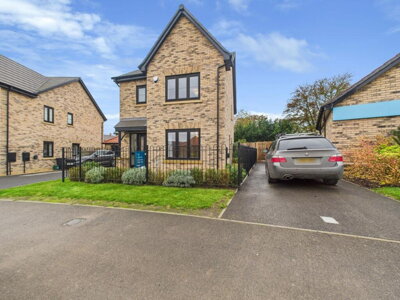
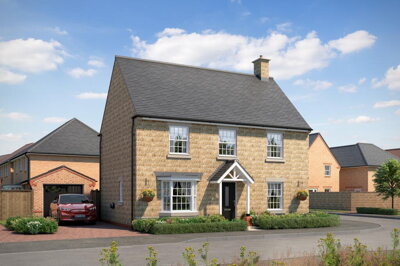
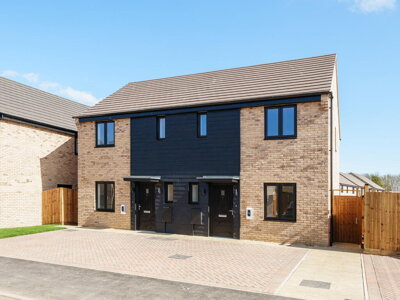
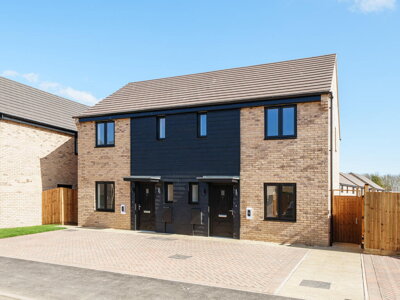
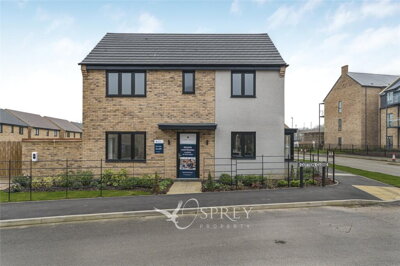
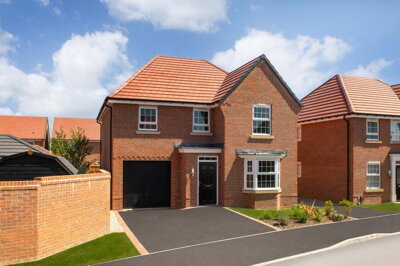
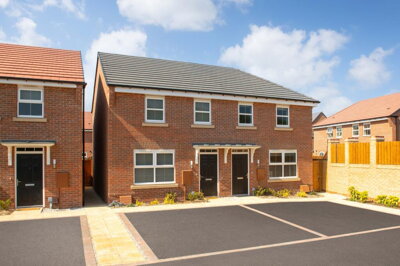
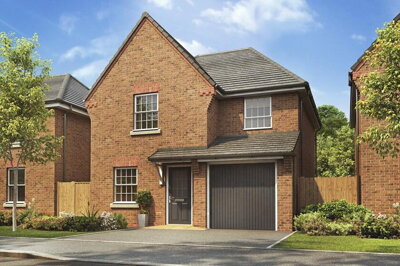
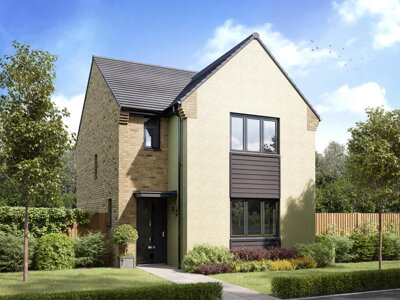
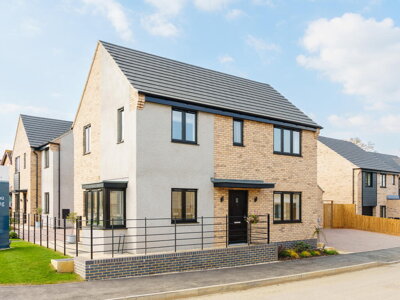
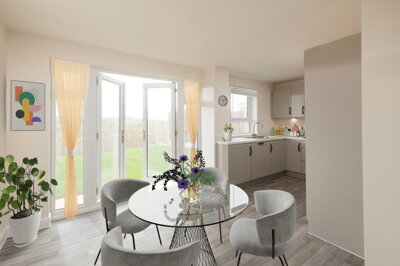
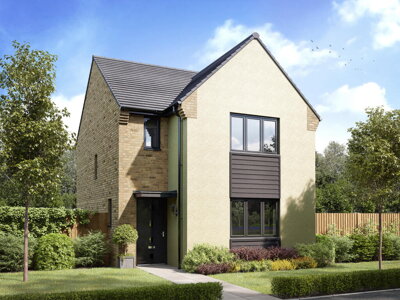
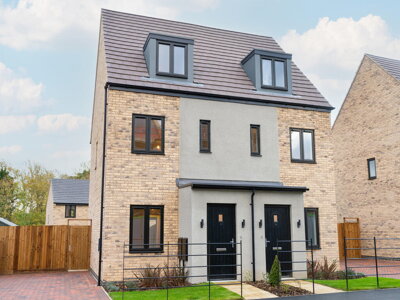
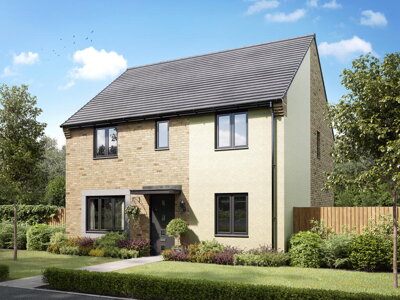
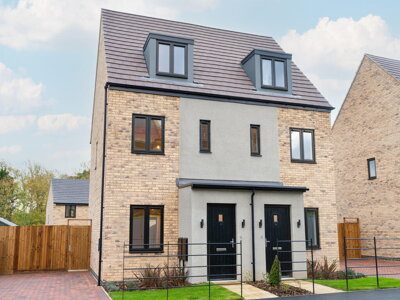
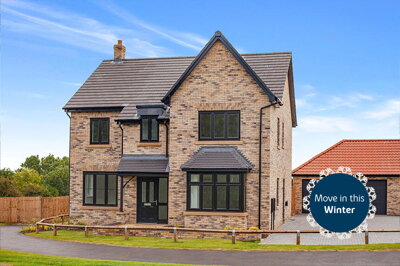
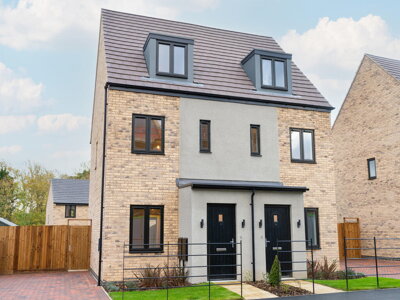
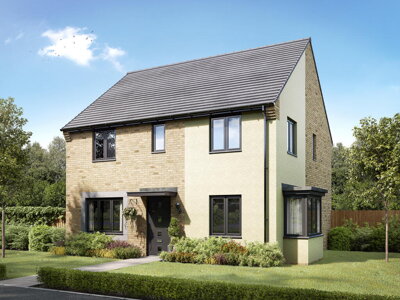
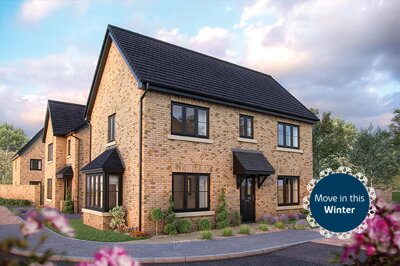
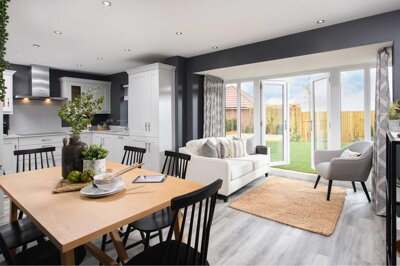
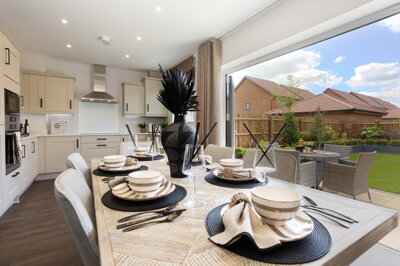
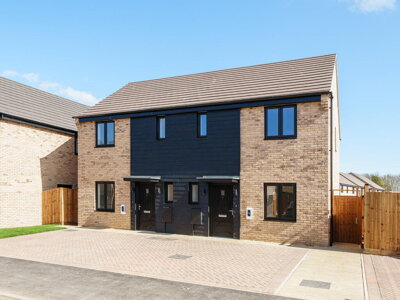
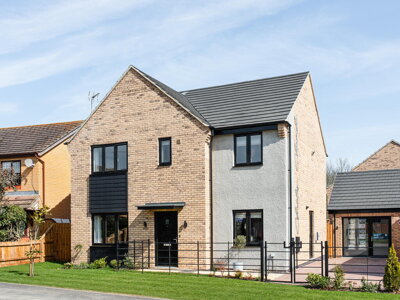
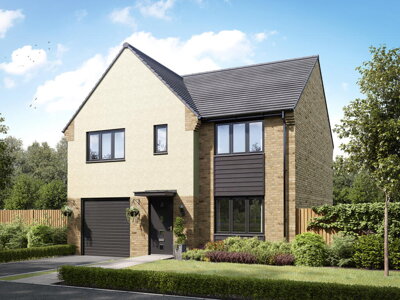
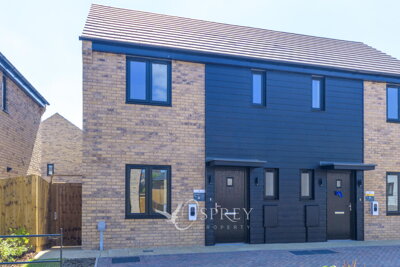
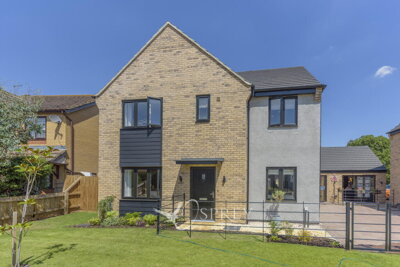
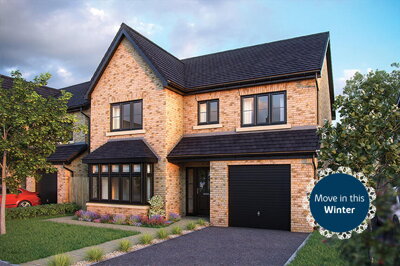
Browse 36 homes new builds in Ashton from local developer agents.
The Ashton property market reflects its status as a desirable Northamptonshire village, with the overall average house price standing at £396,897 as of early 2026. Property values have shown remarkable stability over the past twelve months, with a modest decline of just 0.62% across all property types. This resilience indicates sustained demand for homes in the village, driven by its attractive setting, excellent transport links, and the characterful nature of its housing stock.
Detached properties command the highest prices in Ashton, averaging £562,500, making them ideal for families seeking generous living space and outdoor areas. Semi-detached homes at approximately £290,000 represent excellent value for buyers looking for a balance between space and affordability, while terraced properties starting from £235,000 offer an accessible entry point to village life. The market recorded 16 property sales in the twelve months leading up to February 2026, a figure that underscores the relatively limited but steady turnover in this sought-after location.
Looking at individual property type trends, detached homes saw a 0.88% decline over the twelve-month period, while semi-detached properties dropped 0.85% and terraced homes fell 0.84%. These closely aligned figures suggest that market conditions are affecting all segments proportionally, rather than favouring one property type over another. For buyers, this stability presents an opportunity to enter the market without concerns about rapid price fluctuations, while sellers can expect consistent demand from the limited available stock.

Ashton embodies the essence of traditional English village life, offering residents a peaceful environment where community spirit thrives. The village centres around the impressive Grade I listed Church of St Michael and All Angels, a historic landmark that anchors the community and serves as a focal point for village events and celebrations. The presence of a designated Conservation Area ensures that Ashton's historic character is preserved, with several Grade II listed cottages and farmhouses adding to the architectural richness of the streetscape.
The village sits adjacent to the River Nene, providing beautiful riverside walks and access to outdoor pursuits along the Nene Way footpath. Local geography is shaped by the Jurassic geology of Northamptonshire, with underlying Oxford Clay and Blisworth Limestone creating the distinctive undulating landscape that makes the area so visually appealing. The combination of rolling countryside, traditional architecture, and the flowing river creates an enviable setting that draws buyers seeking an escape from urban congestion.
While Ashton itself is primarily residential with limited local employment, the village supports a selection of amenities including a village pub, local shop, and community facilities that cater to everyday needs. The strong sense of community is evident in the various clubs, societies, and events that bring residents together throughout the year. Families appreciate the village atmosphere where children can play safely and neighbours know one another, creating the kind of environment that increasingly appeals to buyers seeking a better quality of life.
Agriculture continues to play a role in the local economy, with farmland surrounding the village providing employment for a small number of residents. Local services including the village shop and public house provide additional employment and serve as social hubs for community interaction. For those seeking greater employment opportunities, the proximity to Northampton, Milton Keynes, and Wellingborough means that most residents need not travel far for professional careers.

Education provision in Ashton serves families with children of all ages, with several well-regarded schools within easy reach of the village. Primary aged children in Ashton typically attend local village schools or travel to nearby settlements where Ofsted-rated good or outstanding primary schools provide a strong foundation in literacy, numeracy, and creative subjects. The village's own educational heritage is reflected in the historic school buildings that once served the community, some of which now form part of the conservation area's architectural character.
Secondary education options for Ashton residents include schools in the surrounding market towns, with several academies and comprehensives serving the wider area. Parents should research specific catchment areas as admission policies can affect school allocation. For families considering sixth form education, nearby Northampton and Milton Keynes offer extensive further education colleges providing A-level programmes and vocational qualifications across a wide range of subjects.
Early years childcare is available within the village and surrounding area, with several nurseries and pre-schools offering flexible care arrangements for working parents. The proximity to major towns also means that families have access to specialist educational provision and private schooling options if required. Given the village's family-friendly character and strong community values, parents moving to Ashton can feel confident that educational needs can be well met through a combination of local and nearby provision.
Ashton benefits from excellent road connectivity that makes commuting to major employment centres straightforward and convenient. The village is situated near the A45, a key arterial route that provides direct access to Northampton to the north and Milton Keynes to the south. The M1 motorway is readily accessible, connecting residents to London, Birmingham, and the wider motorway network within minutes of leaving the village. This road infrastructure has been instrumental in establishing Ashton as a popular choice for commuters who work in the Milton Keynes growth area or Northampton's expanding business parks.
Rail services from nearby Northampton station offer direct connections to London Euston, with journey times of approximately one hour making day commuting to the capital feasible for those working in finance, professional services, or government roles. Milton Keynes railway station provides additional options including services to London, Birmingham, and the north. Bus services operate between Ashton and surrounding towns, providing public transport options for those who prefer not to drive or who wish to reduce their environmental footprint.
Local road conditions within the village are generally good, with the historic street pattern complemented by modern access roads serving newer developments. Parking provision in the village is adequate for residential needs, while the compact nature of the settlement means that most local amenities can be reached on foot or by bicycle. The surrounding countryside offers excellent cycling and walking routes, with the National Cycle Network and numerous public footpaths providing access to the beautiful Nene Valley landscape.
Spend time exploring Ashton at different times of day and week to understand the village rhythm. Visit local amenities, speak with residents, and get a feel for the community atmosphere that will become part of your daily life. Pay particular attention to the proximity of any property to the River Nene, as flood risk varies across the village.
Contact lenders or brokers to obtain a mortgage agreement in principle before viewing properties. This strengthens your position when making offers and demonstrates your financial readiness to sellers. Given Ashton property prices ranging from £235,000 to over £562,500, understanding your borrowing capacity early helps narrow your search.
Use Homemove to browse all available homes in Ashton from local estate agents. Book viewings on properties that match your criteria and attend with a checklist of priorities including space, condition, and proximity to amenities. Many Ashton properties are period homes, so consider what modernisation you are prepared to undertake.
Given that many Ashton properties are older homes with traditional construction, we recommend a RICS Level 2 Survey before committing to purchase. This professional assessment identifies structural issues, damp, and other defects common in period properties built from local stone and brick. Our inspectors frequently find concerns related to the clay geology that affects foundations in this part of Northamptonshire.
Once your offer is accepted, instruct a conveyancing solicitor to handle the legal aspects of your purchase. They will conduct searches, handle contracts, and coordinate with the Land Registry. Local searches will reveal any planning constraints related to the conservation area or listed building status that affect the property.
After satisfactory surveys and searches, your solicitor will arrange the exchange of contracts and set a completion date. On completion day, you receive the keys and become the official owner of your new Ashton home.
Properties in Ashton present unique considerations for prospective buyers due to the village's age and geological setting. The underlying clay geology of the Nene Valley creates potential shrink-swell risks that can affect property foundations, particularly in older homes with shallow footings. When viewing properties, look for signs of subsidence such as cracking to walls, sticking doors or windows, and uneven floor levels. Our inspectors frequently identify foundation movement concerns in period properties across North Northamptonshire, where clay soil conditions have historically caused structural challenges.
The village's proximity to the River Nene means that some properties, particularly those on lower-lying ground, may be at risk of fluvial or surface water flooding during periods of heavy rainfall. Buyers should investigate the flood risk status of any property and consider whether flood resilience measures have been implemented. Insurance costs may be higher for properties in flood risk zones, so obtaining quotes before finalising your purchase is advisable. The Jurassic limestone and clay geology that creates Ashton's attractive landscape also influences local drainage patterns that buyers should understand.
Ashton's Conservation Area status brings both benefits and responsibilities. Properties within the conservation area are subject to restrictions on external alterations and extensions, which can affect your plans for the property. Listed buildings carry even stricter requirements, meaning that any works may require Listed Building Consent from the local planning authority. These designations preserve the village's character but buyers should understand the implications before purchasing. Many older properties will have traditional construction features such as solid walls, single-glazed windows, and outdated electrical systems that may require upgrading to modern standards.
Common defects our surveyors find in Ashton properties include damp issues, particularly rising damp in properties without modern damp-proof courses, and roof problems such as slipped tiles, deteriorating felt, and lead flashing failures. Timber defects including woodworm and wet or dry rot affect floor and roof timbers in older homes, while outdated electrical wiring and plumbing systems often require complete replacement to meet current safety standards. A thorough RICS Level 2 Survey will identify these issues and allow you to negotiate repairs or price adjustments before completing your purchase.
Understanding the construction methods used in Ashton properties helps buyers appreciate the character and potential challenges of homes in this historic village. The predominant building materials reflect the local geology and traditional building practices of North Northamptonshire. Local limestone, quarried from the Blisworth Limestone formations underlying the area, features extensively in older properties, particularly the village's many Victorian and earlier homes. Red brick, another locally produced material, complements the stonework and creates the distinctive warm tones that define Ashton's streetscape.
Traditional properties in Ashton typically feature solid wall construction rather than modern cavity wall systems. These solid walls, often 300-450mm thick, provide excellent thermal mass but can present challenges for insulation and may be susceptible to penetrating damp, particularly where render or pointing has deteriorated. Roof construction in older properties generally uses traditional timber truss or cut roof methods with clay tile or slate coverings. The age of these structures means that timber treatment, roof ventilation, and flashing condition should be carefully assessed during any property survey.
Properties built during the mid-twentieth century in and around Ashton may feature cavity wall construction, though this varies by property. Later additions to the housing stock, including any post-war developments, may use concrete tiles or modern roofing materials that have different maintenance requirements to traditional clay or slate. When evaluating any Ashton property, understanding its construction era and materials helps anticipate the type of defects that may be present and informs decisions about renovation and improvement works.
The average house price in Ashton, North Northamptonshire stands at approximately £396,897 according to recent market data. Detached properties average £562,500, semi-detached homes around £290,000, and terraced properties from £235,000. Property values have remained relatively stable with a modest 0.62% decline over the past twelve months, indicating sustained demand for homes in this desirable village location. The market saw 16 property sales in the twelve months to February 2026, reflecting the limited but consistent turnover typical of smaller villages in Northamptonshire.
Properties in Ashton fall under North Northamptonshire Council jurisdiction. Specific council tax bands vary by property depending on the valuation band assigned by the Valuation Office Agency. Prospective buyers should check individual property details or contact the local council directly for current band information and associated annual charges. Banding affects your ongoing costs as a homeowner and should be factored into your budget calculations alongside mortgage payments, maintenance costs, and utility bills.
Ashton is served by local primary schools in the village and surrounding area, with several receiving positive Ofsted ratings for their educational provision. Secondary school options include schools in nearby market towns, and families should research specific catchment areas as admission policies determine school allocation. The proximity to Northampton and Milton Keynes provides access to further education colleges and specialist provision for older students. Parents are advised to check current Ofsted reports and admission zone maps when considering properties, as these can change over time.
Ashton has reasonable public transport links via bus services connecting the village to surrounding towns including Northampton and Milton Keynes. Rail connections are available from nearby stations, with Northampton station providing direct services to London Euston in approximately one hour. The village is also well-served by the road network with the A45 and M1 motorway providing easy access to major employment centres and cities. Commuters working in London appreciate the relatively straightforward journey to Northampton station, while those with jobs in Milton Keynes benefit from the shorter drive to Milton Keynes Central.
Ashton offers several factors that make it attractive to property investors, including its proximity to growth areas such as Milton Keynes and Northampton, stable property values, and the character of its period housing stock. The village's conservation area status and limited new-build supply help protect property values. However, investors should consider factors including flood risk for some properties located near the River Nene, the cost of maintaining period homes with traditional construction features, and the relatively small local rental market. As with any property investment, thorough research into rental demand and yields is recommended before committing to purchase.
Stamp Duty Land Tax rates for standard residential purchases start at 0% on the first £250,000 of property value. For properties between £250,001 and £925,000, the rate is 5%, rising to 10% on values between £925,001 and £1.5 million, and 12% on amounts exceeding £1.5 million. First-time buyers may benefit from relief on the first £425,000, paying 5% on values between £425,001 and £625,000. Based on typical Ashton property prices, most buyers would fall into the 5% bracket on the portion above £250,000.
When viewing properties in Ashton, pay particular attention to signs of damp which commonly affect older properties without modern damp-proof courses. Check the condition of roofs, looking for slipped or broken tiles and deteriorating lead flashing. Given the clay geology underlying the village, examine walls for cracking that might indicate foundation movement. Properties near the River Nene should be checked for flood resilience measures. If considering a listed building or conservation area property, verify what restrictions apply to any planned modifications or extensions.
Our searches did not identify any active new-build developments specifically within the Ashton village area during the research period. The village's conservation area status limits significant new development, helping preserve its historic character. Most available properties are therefore established homes, with buyers purchasing either existing village properties or occasionally newly converted buildings. The limited supply of new homes means that prices for period properties in Ashton may command premiums compared to newer developments in nearby towns.
Understanding the full costs of buying a property in Ashton is essential for budgeting effectively and avoiding financial surprises. The Stamp Duty Land Tax (SDLT) you pay depends on the purchase price of your property and your buyer status. For properties up to £250,000, no SDLT is currently payable. At typical Ashton prices around £290,000 for a semi-detached home, a standard buyer would pay approximately £2,000 in stamp duty on the amount above the threshold.
First-time buyers purchasing properties up to £425,000 can benefit from relief that increases the zero-rate threshold to £425,000, with 5% payable on amounts between £425,001 and £625,000. This means a first-time buyer purchasing an average terraced property at £235,000 in Ashton would pay no stamp duty at all. However, relief does not apply above £625,000, so investors and those buying higher-value detached homes would pay standard rates. Those purchasing the average detached property at £562,500 would pay stamp duty on the amount above £250,000, calculated at 5% on the portion between £250,001 and £500,000, totalling £12,500.
Beyond stamp duty, budget for additional costs including conveyancing fees typically ranging from £499 to £1,500 depending on complexity, survey costs from £400 for a basic valuation to £700 or more for a full RICS Level 2 Survey, and search fees from your local authority. Searches typically cost between £250 and £400 and cover matters including local land charges, environmental records, and water and drainage. You should also factor in removal costs, potential mortgage arrangement fees, and the cost of any immediate repairs or improvements you plan to make once you move in.
From 4.5% APR
Compare mortgage rates from leading lenders to find the best deal for your Ashton property purchase
From £499
Expert conveyancing solicitors to handle your legal work from offer to completion
From £400
Our inspectors assess property condition and identify defects in Ashton homes
From £80
Energy performance certificate required for all property sales
Properties New Builds In London

Properties New Builds In Plymouth

Properties New Builds In Liverpool

Properties New Builds In Glasgow

Properties New Builds In Sheffield

Properties New Builds In Edinburgh

Properties New Builds In Coventry

Properties New Builds In Bradford

Properties New Builds In Manchester

Properties New Builds In Birmingham

Properties New Builds In Bristol

Properties New Builds In Oxford

Properties New Builds In Leicester

Properties New Builds In Newcastle

Properties New Builds In Leeds

Properties New Builds In Southampton

Properties New Builds In Cardiff

Properties New Builds In Nottingham

Properties New Builds In Norwich

Properties New Builds In Brighton

Properties New Builds In Derby

Properties New Builds In Portsmouth

Properties New Builds In Northampton

Properties New Builds In Milton Keynes

Properties New Builds In Bournemouth

Properties New Builds In Bolton

Properties New Builds In Swansea

Properties New Builds In Swindon

Properties New Builds In Peterborough

Properties New Builds In Wolverhampton

Enter your details to see if this property is within your budget.
Loans, cards, car finance
Estimated property budget
Borrowing + deposit
You could borrow between
Typical borrowing
Monthly repayment
Est. at 4.5%
Loan-to-value
This is an estimate only. Your actual budget may vary depending on interest rates, credit history, and personal circumstances. For an accurate affordability assessment, speak to one of our free mortgage advisors.
This calculator provides estimates for illustrative purposes only and does not constitute financial advice. Your home may be repossessed if you do not keep up repayments on your mortgage. Estimates based on 4.5% interest rate, repayment mortgage. Actual rates depend on your circumstances.
Homemove is a trading name of HM Haus Group Ltd (Company No. 13873779, registered in England & Wales). Homemove Mortgages Ltd (Company No. 15947693) is an Appointed Representative of TMG Direct Limited, trading as TMG Mortgage Network, which is authorised and regulated by the Financial Conduct Authority (FRN 786245). Homemove Mortgages Ltd is entered on the FCA Register as an Appointed Representative (FRN 1022429). You can check registrations at NewRegister or by calling 0800 111 6768.

We use cookies to show you personalised content and improve your experience of our website. Find out more in our Privacy policy and Cookie policy.