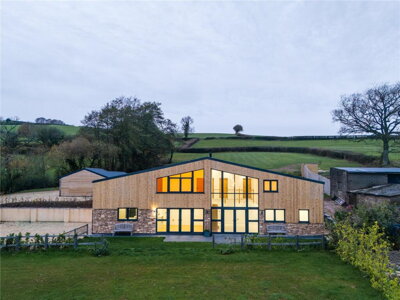
Browse 1 home new builds in Ashbrittle, Somerset from local developer agents.
£513k
6
0
180
Source: home.co.uk
Source: home.co.uk
Detached
4 listings
Avg £606,250
Barn Conversion
1 listings
Avg £1.20M
Semi-Detached Bungalow
1 listings
Avg £200,000
Source: home.co.uk
Source: home.co.uk
The Solihull property market demonstrates remarkable stability and resilience, with approximately 1,811 property sales recorded over the past year, indicating healthy transaction volumes despite broader national economic uncertainties. Property prices in Solihull have shown a modest decline of 3.89% over the past 12 months, which presents opportunities for buyers looking to enter this sought-after market at more accessible price points. The detached property segment commands the highest prices, with the average reaching £675,283, reflecting the strong demand for family homes with generous gardens and space in this affluent borough. Semi-detached properties, which make up 33.7% of the housing stock, average £385,876 and remain popular among families seeking good schools and transport links.
New build developments continue to add to Solihull's housing options, with four active sites currently offering modern homes at various price points. Blythe Valley Park by Crest Nicholson in Monkspath features 2 to 5 bedroom homes from £395,000, positioned within a landscaped business park setting. Taylor Wimpey's Blossomfield Park in Shirley presents options from £325,000, while Bellway's Dickens Gate development in Dickens Heath offers homes from £329,995. For those seeking premium addresses, Bloor Homes' Hampton Water development in Hampton-in-Arden provides 3 to 5 bedroom properties from £490,000, taking advantage of this picturesque village's excellent rail connections and village atmosphere. The variety of new build options, combined with an extensive selection of pre-owned properties, ensures buyers can find homes to match their specific requirements and budgets.

Solihull borough offers an exceptional quality of life that consistently attracts families and professionals seeking escape from nearby Birmingham without sacrificing urban connectivity. The area's housing stock reflects its historical development, with 38.3% detached properties and 33.7% semi-detached homes creating tree-lined residential streets characteristic of this prosperous part of the West Midlands. A significant 78.6% of properties were built before 1980, meaning many homes feature the traditional red brick construction and characterful architecture that gives Solihull its distinctive charm. The town centre has been sensitively developed around the historic core, with the modern Touchwood shopping centre complementing rather than replacing the traditional market town atmosphere.
The landscape of Solihull is shaped by the underlying Mercia Mudstone geology, which creates the gentle hills and valleys characteristic of the area, with properties often sitting on plots with good natural drainage. Green spaces abound throughout the borough, including the lakes around Olton and Earlswood, which provide popular recreational areas for walking, fishing, and wildlife observation. The River Blythe and its tributaries flow through the area, contributing to the verdant character but also necessitating awareness of flood risk in certain locations, particularly near water features. Several conservation areas protect the historic character of specific neighbourhoods, including Solihull Town Centre, Knowle, Dorridge, Hampton-in-Arden, and Meriden, where planning controls preserve the architectural heritage and distinctive character that makes these areas particularly sought after.
The age distribution of Solihull's housing stock reveals interesting patterns for prospective buyers to consider. Properties built before 1919 account for 10.4% of the borough, representing the oldest and often most characterful homes with period features such as original fireplaces, high ceilings, and traditional timber-framed construction. The interwar period of 1919 to 1944 saw 17.5% of current stock constructed, as Solihull began its growth as a commuter suburb for Birmingham. The post-war boom of 1945 to 1964 delivered a quarter of all homes, with 25.1% of the current stock built during this era, characterised by semi-detached layouts and practical designs popular with growing families. Properties built between 1965 and 1982 make up a further 17.6%, representing Solihull's continued expansion as an affluent suburban centre.

Education provision in Solihull ranks among the best in the West Midlands, with the borough offering a comprehensive range of educational establishments from primary through to further education. The area features several highly-regarded primary schools, many of which consistently achieve above-average results in Key Stage 2 assessments, making them popular choices for families relocating to the area. Secondary education options include both local community schools and selective grammar schools, with schools such as Tudor Grange Academy and Light Hall School serving significant catchment areas across the borough. The presence of strong educational institutions significantly influences property prices, with homes in good school catchment areas commanding premiums that reflect the value parents place on educational access.
For older students, Solihull College and University Centre provides further education and higher education opportunities, offering vocational courses and degree programmes that serve the local community and wider West Midlands region. Several independent schools in and around Solihull, including The King's School and St Martin's School, provide alternative educational pathways for families seeking private education options. When searching for property in Solihull, buyers with school-age children should carefully research specific school catchments, as admission policies can be catchment-based and competition for places at popular schools can be intense. Our property listings include information about nearby schools, though we always recommend directly confirming current catchment boundaries with the local education authority before finalising any property purchase decision.
Understanding the relationship between property location and school access is crucial for families buying in Solihull. Schools including Widney Junior School, St Mary's Primary School in Knowle, and Dorridge Primary School consistently receive strong Ofsted ratings, making these neighbourhoods particularly competitive for families. Secondary school options such as St Peter's School in Solihull and Smith's Wood Sports College serve different catchment zones, so buyers should verify which schools their property falls within before committing. The grammar school system in the West Midlands means that passing the 11-plus examination opens access to selective schools including Bishop Vesey's Grammar School and King Edward VI School in Aston, both of which draw students from across the Solihull area.

Solihull benefits from exceptional transport connections that make it one of the most accessible locations in the West Midlands for commuters and business travellers alike. Solihull railway station provides regular services to Birmingham New Street in approximately 15 minutes, with trains running throughout the day to accommodate various commuting patterns. The nearby Birmingham International station, serving the NEC and Birmingham Airport, offers additional rail connections including direct services to London Euston and Manchester Piccadilly. For residents who drive, the M42 motorway provides direct access to Birmingham to the north west and the M40 to London to the south east, while the A41 provides an alternative scenic route into the city centre.
The ongoing construction of the HS2 Interchange station at Arden Cross represents the most significant infrastructure project in the area, promising to transform Solihull's connectivity when complete. This high-speed rail link will provide direct connections to London in under an hour and Birmingham Curzon Street in minutes, potentially increasing Solihull's appeal to commuters who previously considered city centre locations essential. Birmingham Airport, located just a short journey from most parts of Solihull, provides international connections for both business and leisure travellers, with the airport's continued expansion supporting the local economy. Local bus services operated by National Express West Midlands connect Solihull town centre with surrounding suburbs and villages, while cycle routes are being developed to encourage sustainable travel options for shorter journeys.
For those who travel regularly for work, Solihull's position relative to major business centres makes it particularly attractive. The journey to Birmingham city centre by train takes roughly 15 minutes from Solihull station, while Birmingham International provides access to destinations including London Euston in approximately 80 minutes and Manchester in around two hours. The M42 links directly to the M6, M5, and M1, providing straightforward access to the wider motorway network for those preferring to drive. Commuters working at major employers including Jaguar Land Rover's nearby facilities find the short journey times particularly valuable, with many able to commute by bicycle during warmer months using the dedicated cycle routes now connecting residential areas to employment hubs.

Property buyers in Solihull should be aware of several area-specific factors that can significantly impact their purchase and long-term enjoyment of their new home. The underlying Mercia Mudstone geology creates a moderate to high shrink-swell clay risk in some locations, which means potential subsidence or heave issues can affect properties, particularly those with trees nearby or older properties with potentially shallower foundations. When viewing properties, look for signs of cracking to walls, doors that stick, or uneven floors, and ensure any survey properly assesses the foundations and ground conditions. The prevalence of clay soils means that tree management and drainage are particularly important considerations for any property in the area.
Flood risk awareness is essential when purchasing in Solihull, with areas near the River Blythe, Olton Mere, and Earlswood Lakes presenting higher risk of fluvial and surface water flooding during periods of heavy rainfall. Properties in these locations may face higher insurance premiums or specific conditions attached to mortgage offers, so understanding the flood history and current flood mitigation measures is important before committing to a purchase. For those considering properties within Solihull's numerous conservation areas, including those in Knowle, Dorridge, and Hampton-in-Arden, planning restrictions may affect what alterations or extensions are permitted, which can impact both the property's potential and renovation costs. Listed buildings require Listed Building Consent for any works, making specialist surveys essential for these historically significant properties.
The age of Solihull's housing stock means that many properties will have outdated electrical systems, plumbing, or heating systems that require updating. Properties built before the 1980s may still have original wiring, lead pipes, or inefficient heating systems that represent significant costs to remediate. A thorough survey will identify these issues and allow you to factor remediation costs into your offer or renegotiate the price accordingly. Service charges and leasehold terms should also be carefully reviewed for any flat purchase, as these ongoing costs can significantly affect the affordability of what initially appears to be an affordable property. With 78.6% of Solihull's housing stock built before 1980, potential buyers should budget for the possibility of modernisation works when calculating the true cost of any purchase.
Building materials in Solihull reflect the borough's varied development history, with traditional red brick cavity wall construction dominating properties from the early twentieth century onwards. Victorian and Edwardian properties in areas like the town centre typically feature solid wall construction, which may require different insulation approaches and presents unique challenges for moisture management. Timber-framed internal structures are common in older properties, making timber condition surveys particularly valuable for period homes. Newer builds from the 1980s onwards typically feature modern cavity wall insulation and more contemporary heating systems, though these properties may have their own considerations including developer snagging issues and the terms of any new build warranties.

Understanding the full costs of purchasing property in Solihull is essential for budgeting effectively and avoiding surprises during the transaction process. Beyond the property price, buyers should budget for Stamp Duty Land Tax, which for a typical Solihull property at the borough average of £431,987 would amount to approximately £9,099 for standard buyers or £349 for first-time buyers taking advantage of relief. These calculations assume the property will be your main residence and that no other properties are owned globally, as different rules apply for additional property purchases and non-residents.
Legal costs for conveyancing in Solihull typically start from around £499 for straightforward purchases, though more complex transactions involving leasehold properties, new builds, or properties in conservation areas may cost significantly more. Disbursements, including local authority searches, drainage and water searches, and Land Registry fees, typically add several hundred pounds to the legal bill. Survey costs should also be factored into your budget, with professional surveys for 3-bedroom properties in Solihull generally ranging from £450 to £600, while larger detached homes may require surveys costing £550 to £750 or more depending on size and complexity.
Moving costs represent another significant expense, with removal companies typically charging between £500 and £2,000 depending on the volume of belongings and distance moved. If you require a mortgage, arrangement fees of around 1-2% of the loan amount may apply, though many lenders offer the option to add these to the mortgage rather than pay upfront. Buildings insurance must be in place from the day of completion, while contents insurance should be arranged around the same time. For those purchasing flats, service charges and ground rent represent ongoing annual costs that should be carefully reviewed before committing to a purchase, as these can vary significantly between developments and may include provisions for future major works or improvements to communal areas.

Before beginning your property search in Solihull, approach a lender to obtain an Agreement in Principle, which confirms how much you can borrow and demonstrates to sellers that you are a serious, qualified buyer when making offers. Having this in place before you start viewing properties gives you a clear budget and strengthens your position when competing with other buyers.
Browse our comprehensive listings covering over 1,800 properties across Solihull, from flats in the town centre to detached homes in villages like Knowle and Hampton-in-Arden. Research specific neighbourhoods, school catchments, and transport links to identify areas that match your priorities. Consider factors including local amenities, average property prices in specific streets, and proximity to your workplace when narrowing your search.
Once you have identified properties of interest, schedule viewings to assess the condition, layout, and character of each home. Pay particular attention to signs of damp, roof condition, and any structural concerns, especially in older properties which make up over 78% of Solihull's housing stock. Bring a torch, a tape measure, and a notepad to record details that will help you compare properties later.
Before completing your purchase, commission a RICS Level 2 Survey to assess the property's condition thoroughly. Given Solihull's Mercia Mudstone geology and the prevalence of clay soils, a professional survey is essential to identify any subsidence or heave issues that may not be visible during a standard viewing. Survey costs for 3-bedroom properties in Solihull typically range from £450 to £600.
Once your offer is accepted, instruct a solicitor to handle the legal aspects of your purchase, including local searches, title checks, and coordination with your mortgage lender. Conveyancing costs in Solihull typically start from £499 for straightforward purchases, though leasehold properties, new builds, or properties in conservation areas may incur higher fees.
After all searches are satisfactory and your mortgage is formally approved, you will exchange contracts and pay your deposit, committing to the purchase. Completion typically occurs within 28 days, when the remaining funds are transferred and you receive the keys to your new Solihull home. At this point, you should arrange buildings insurance and notify utility companies of your move.
The average house price in Solihull is £431,987 as of early 2024, based on sales data from the previous 12 months when approximately 1,811 properties were sold in the area. Detached properties command the highest prices at an average of £675,283, while semi-detached homes average £385,876 and terraced properties around £304,302. Flats represent the most affordable option at approximately £216,400 on average, though prices vary significantly depending on location within the borough, with villages like Hampton-in-Arden and Dorridge typically commanding premium prices compared to the town centre.
Solihull Council sets council tax bands based on property valuations, and bands range from A through to H depending on the property's assessed value. Most properties in the borough fall within bands B through E, with newer properties and larger detached homes in sought-after areas such as Knowle and Dorridge often falling into higher bands F and G. Prospective buyers can check specific council tax bands for any property through the Valuation Office Agency website or by requesting this information during the conveyancing process, as these charges represent an ongoing cost that should factor into your budget calculations.
Solihull offers excellent educational provision at all levels, with several primary and secondary schools consistently achieving strong results in government assessments. Tudor Grange Academy is among the most sought-after secondary schools, while Light Hall School and St Peter's School provide strong alternatives across different parts of the borough. Primary schools in areas like Knowle, Dorridge, and Shirley are particularly well-regarded, with Widney Junior School and Dorridge Primary School frequently appearing in local parent recommendations. For families prioritising school access, we recommend researching specific school catchments and considering how these align with available properties, as catchment boundaries can significantly impact which schools your children can access.
Solihull offers excellent public transport connections, with Solihull railway station providing regular services to Birmingham New Street in approximately 15 minutes. Birmingham International station, serving the NEC and airport, is nearby and offers additional rail connections including direct services to London Euston taking around 80 minutes. The M42 motorway provides easy access to the national motorway network, and Birmingham Airport offers international flights from just minutes away. The forthcoming HS2 Interchange station will further enhance connectivity when completed, making Solihull increasingly attractive to commuters who need access to major cities while enjoying residential quality of life.
Solihull has historically demonstrated strong property price growth and resilience, making it an attractive option for property investors and homebuyers alike. The presence of major employers including Jaguar Land Rover, Birmingham Airport, and the NEC provides a stable economic foundation that supports sustained housing demand. The ongoing development of the HS2 Interchange station is expected to further enhance property values and rental demand in the area. With prices showing a modest 3.89% decline over the past year, current market conditions may present opportunities for investors to enter the market at more accessible price points before anticipated future growth driven by infrastructure improvements.
Given that 78.6% of Solihull's housing stock was built before 1980, many buyers will purchase properties with significant age-related considerations. The underlying Mercia Mudstone geology creates shrink-swell clay conditions that can cause subsidence or heave, particularly affecting older properties with shallower foundations or those with nearby trees. When viewing period properties, look for diagonal cracking around door and window frames, sticking doors, or uneven floors which may indicate structural movement. Properties may also have outdated electrical systems with original wiring, lead pipes, or solid fuel heating that requires modernisation. We recommend commissioning a thorough survey before purchasing any older property in Solihull to identify these issues and factor remediation costs into your offer.
Stamp Duty Land Tax rates for standard buyers start at 0% on the first £250,000 of property value, rising to 5% on the portion between £250,001 and £925,000. For properties above £925,000, rates increase to 10% up to £1.5 million, then 12% on amounts exceeding this threshold. First-time buyers benefit from increased thresholds, paying 0% on the first £425,000 and 5% between £425,001 and £625,000. Given Solihull's average property price of £431,987, a typical first-time buyer purchasing at this price point would pay no stamp duty, while standard buyers would pay approximately £9,099 on the amount above £250,000.
From 4.5%
Expert mortgage advice and competitive rates for Solihull buyers
From £499
Professional solicitors to handle your Solihull property purchase
From £450
Thorough property condition surveys by qualified inspectors
From £75
Energy performance certificates for Solihull properties
Properties New Builds In London

Properties New Builds In Plymouth

Properties New Builds In Liverpool

Properties New Builds In Glasgow

Properties New Builds In Sheffield

Properties New Builds In Edinburgh

Properties New Builds In Coventry

Properties New Builds In Bradford

Properties New Builds In Manchester

Properties New Builds In Birmingham

Properties New Builds In Bristol

Properties New Builds In Oxford

Properties New Builds In Leicester

Properties New Builds In Newcastle

Properties New Builds In Leeds

Properties New Builds In Southampton

Properties New Builds In Cardiff

Properties New Builds In Nottingham

Properties New Builds In Norwich

Properties New Builds In Brighton

Properties New Builds In Derby

Properties New Builds In Portsmouth

Properties New Builds In Northampton

Properties New Builds In Milton Keynes

Properties New Builds In Bournemouth

Properties New Builds In Bolton

Properties New Builds In Swansea

Properties New Builds In Swindon

Properties New Builds In Peterborough

Properties New Builds In Wolverhampton

Enter your details to see if this property is within your budget.
Loans, cards, car finance
Estimated property budget
Borrowing + deposit
You could borrow between
Typical borrowing
Monthly repayment
Est. at 4.5%
Loan-to-value
This is an estimate only. Your actual budget may vary depending on interest rates, credit history, and personal circumstances. For an accurate affordability assessment, speak to one of our free mortgage advisors.
This calculator provides estimates for illustrative purposes only and does not constitute financial advice. Your home may be repossessed if you do not keep up repayments on your mortgage. Estimates based on 4.5% interest rate, repayment mortgage. Actual rates depend on your circumstances.
Homemove is a trading name of HM Haus Group Ltd (Company No. 13873779, registered in England & Wales). Homemove Mortgages Ltd (Company No. 15947693) is an Appointed Representative of TMG Direct Limited, trading as TMG Mortgage Network, which is authorised and regulated by the Financial Conduct Authority (FRN 786245). Homemove Mortgages Ltd is entered on the FCA Register as an Appointed Representative (FRN 1022429). You can check registrations at NewRegister or by calling 0800 111 6768.

We use cookies to show you personalised content and improve your experience of our website. Find out more in our Privacy policy and Cookie policy.