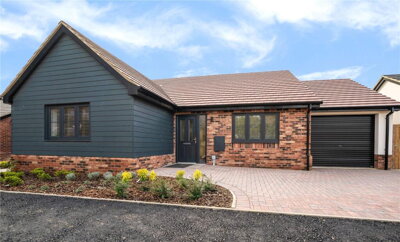
Browse 1 home new builds in Ashbocking, Mid Suffolk from local developer agents.
The Ashbocking property market offers detached, semi-detached, and terraced houses spanning various price ranges and neighbourhoods. Each listing includes detailed property information, photographs, and direct contact with the marketing agent.
£475k
1
0
25
Source: home.co.uk
Showing 1 results for Houses new builds in Ashbocking, Mid Suffolk. The median asking price is £475,000.
Source: home.co.uk
Detached
1 listings
Avg £475,000
Source: home.co.uk
Source: home.co.uk
The Ditton property market offers buyers a compelling mix of property types to suit various budgets and lifestyles. Detached properties command the highest prices, averaging £632,500, while semi-detached homes provide popular family accommodation at around £425,000. Terraced properties, averaging £330,000, represent an accessible entry point to the local market, and flats offer more affordable options from approximately £215,000. This variety means buyers can find suitable accommodation regardless of whether they require generous living space or are working within a tighter budget.
Two significant new build developments are currently active in Ditton, adding fresh options to the market. Bellway Homes at Ditton Fields on Kiln Barn Road offers 2, 3, and 4-bedroom houses priced from £369,995 to £619,995, while Barratt Homes at Orchard Place provides 2, 3, and 4-bedroom homes from £359,995 to £549,995. Both developments utilise traditional construction methods with brick and render finishes, incorporating modern building standards including cavity wall insulation and contemporary roofing materials. The 12-month price trend shows steady growth across most property types, with detached properties leading at 2% increase, while flats have remained stable, suggesting a balanced market with no significant oversupply or demand pressure.
Beyond the new build offerings, the existing housing stock in Ditton reflects its evolution from an agricultural settlement to a modern commuter village. Properties in the older village core often feature traditional red brick construction with clay tile or slate roofs, some dating back to the 17th century. Mid-century properties built between 1945 and 1980 typically feature cavity wall construction with concrete tile roofs, while newer developments incorporate modern materials and building techniques. This diversity in construction types means buyers should consider the age and build method of any property they are interested in, as maintenance requirements and potential defects vary significantly between eras.

Ditton is a village with deep roots in Kent's history, home to approximately 7,000 residents across 2,800 households according to the 2021 Census. The community retains a distinctly residential character, with housing stock reflecting its evolution from an agricultural settlement to a modern commuter village. The predominant housing mix shows 38% semi-detached properties, 30% detached homes, 20% terraced houses, and 12% flats, indicating a predominantly family-oriented neighbourhood with good garden space and off-street parking availability for most households.
The age distribution of Ditton's housing stock reveals a village that grew substantially during the mid-twentieth century, with approximately 40% of properties built between 1945 and 1980 during the post-war suburban expansion. A further 25% dates from the inter-war period of 1919 to 1945, and around 15% pre-date 1919, concentrated around the original village core where several historic farmhouses and period properties retain their listed status. The remaining 20% represents newer developments constructed since 1980, including the contemporary estates from Bellway and Barratt that continue to shape the village's character today.
The local economy benefits from Ditton's proximity to Maidstone, with many residents commuting to the town for work in retail, administration, and healthcare sectors. Light industrial estates in the surrounding area provide local employment opportunities, while the excellent transport connections make commuting to London and other major centres practical for those working further afield. The village itself maintains a quiet, community-focused atmosphere that appeals to families and retirees alike, with local pubs, shops, and community facilities serving the day-to-day needs of residents.

Education provision in Ditton serves families with children of all ages, with several primary schools located within the village and the surrounding Tonbridge and Malling area. The local primary schools typically feed into secondary schools in the borough, with many families benefiting from the choice between comprehensive schools and selective grammar schools that Kent is known for. Parents should research specific catchment areas and admission policies when considering properties, as school places can be competitive in popular locations like Ditton.
For secondary education, students typically travel to schools in nearby towns such as Aylesford, West Malling, or Maidstone, all of which are accessible by school bus services from Ditton. Several grammar schools in the wider area, including those in Maidstone and Tunbridge Wells, accept students from Ditton who pass the Kent selection test. Sixth form options include school sixth forms and further education colleges in nearby towns, providing pathways to higher education or vocational qualifications. Families moving to Ditton should contact Kent County Council's education admissions team to confirm current catchment schools and any planned changes to school organisation in the area.
The presence of good schools significantly influences property values in Ditton, with properties within preferred catchment areas often commanding a premium. Families should factor school accessibility into their property search, considering both primary school provision and the longer-term implications for secondary education. The Kent selective education system means that students who pass the 11-plus examination have access to some of the highest-performing schools in the region, making Ditton particularly attractive to families prioritising educational outcomes.
Ditton railway station provides residents with convenient rail connections, offering regular services that make commuting to London and other major destinations practical. The station sits on the rail line connecting the Kent coast with London, providing options for both work and leisure travel. Many residents appreciate the ability to travel to the capital without needing to drive, reducing the stress and cost of commuting while contributing to a better work-life balance. Service frequency and journey times can be verified through National Rail or train operator websites for the most current information.
Road connectivity is another strong point for Ditton, with the M20 motorway providing direct access to the Channel ports, the M25 orbital motorway, and connections to the broader national road network. The A20 runs through the village, linking Ditton with Maidstone town centre and providing access to local services, shopping, and healthcare facilities. Bus services operate within the village and connect to surrounding towns, though car ownership remains beneficial for families and those needing flexibility outside of public transport operating hours. Cyclists should note that rural roads in the area can be busy, and appropriate safety precautions are advisable when cycling to nearby destinations.
The village's position between Maidstone and the Kent coast makes it strategically located for those who need to travel for work or leisure. The proximity to the M20 provides easy access to the Channel Tunnel terminal at Folkestone for those travelling to continental Europe, while the M25 connects to all major airports serving the London area. For commuters working in central London, the rail journey from Ditton station offers a practical alternative to driving, with comfortable seating and facilities for working on the move.
Contact local mortgage brokers or use Homemove's comparison tool to find the best mortgage rates. A mortgage agreement in principle strengthens your position when making offers and demonstrates you are a serious buyer with verified funding. Factor in all costs including deposit, stamp duty, legal fees, and survey costs. Given the average property price of £448,512 in Ditton, most buyers will require a substantial mortgage, and securing favourable rates can save thousands over the life of the loan.
Browse current listings in Ditton and surrounding areas through Homemove's property search. Understand price differences between property types, from flats around £215,000 to detached homes averaging £632,500. Research the two new build developments at Ditton Fields and Orchard Place to compare new build versus existing property options. The current market shows steady growth with 1% appreciation over the past 12 months, making Ditton a stable choice for property investment.
Schedule viewings for properties that meet your criteria. Take notes on property condition, noting the potential for issues such as damp in older properties or subsidence risk on clay soils. View properties at different times of day to assess noise levels, lighting, and the general atmosphere of the neighbourhood. Given that over 80% of properties in Ditton were built before 1980, viewing a range of property ages helps you understand the different maintenance requirements and potential defect risks across the housing stock.
Before completing your purchase, arrange a RICS Level 2 Survey (HomeBuyer Report) to assess the property's condition. For a typical 3-bedroom semi-detached in Ditton, expect to pay £450 to £650. Given Ditton's Gault Clay geology and age of housing stock, this survey is particularly valuable for identifying potential subsidence or heave issues. Our inspectors have extensive experience surveying properties across Ditton and understand the specific defect patterns found in local construction types.
Choose a solicitor to handle the legal aspects of your purchase. They will conduct searches, review contracts, and liaise with the seller's representatives. Use Homemove's conveyancing comparison tool to find competitive rates for your Ditton property transaction. Local solicitors familiar with Tonbridge and Malling Borough Council procedures can often process transactions more efficiently than those unfamiliar with the area.
Once all searches are satisfactory and finances are confirmed, your solicitor will arrange contract exchange with a completion date. On completion day, you will receive the keys to your new Ditton home and can begin settling into the village community. Our team can recommend local services including utility providers, broadband suppliers, and tradespeople to help you settle in quickly.
Properties in Ditton present some area-specific considerations that buyers should investigate carefully before committing to a purchase. The local geology presents a notable factor: Ditton sits predominantly on Gault Clay, which has shrink-swell potential that can lead to subsidence or heave in properties during periods of extreme weather. When viewing properties, look for signs of cracking in walls, doors that stick, or uneven floors that might indicate ground movement. A thorough RICS Level 2 Survey will assess these risks and provide professional advice on any remedial work required.
The age of Ditton's housing stock means that many properties will have some degree of wear and tear that requires attention. Older properties built before 1945 typically feature solid brick construction with timber floors and pitched roofs covered in clay tiles or slate. These traditional construction methods are generally robust but can suffer from issues such as rising damp, deteriorating timber, or wear to roofing materials. Properties from the mid-century period (1945-1980) often have cavity wall construction with concrete tile roofs, which can sometimes experience issues with insulation, condensation, or concrete degradation depending on maintenance history.
Flood risk varies across different parts of Ditton, with areas around the A20 and lower-lying parts of the village showing medium to high risk of surface water flooding. Proximity to the River Medway also means some adjacent areas carry river flooding risk. Buyers should request flood risk reports for specific properties and check whether the property has experienced flooding in the past. Insurance costs may be higher for properties in flood-prone areas, and this should be factored into the overall cost of ownership. During property viewings, look for signs of previous water damage such as stained walls, warped floorboards, or watermarks at low levels on walls.
Ditton does not have a designated conservation area, but several listed buildings exist throughout the village, particularly around the older core where historic farmhouses from the 17th to 19th centuries can be found. If you are considering a listed property, be aware that permitted development rights may be limited, and any alterations will require planning permission from Tonbridge and Malling Borough Council. Standard buildings insurance may also be more expensive for listed properties. Building materials in older Ditton properties typically include traditional red brick with clay tile or slate roofs, while mid-century properties feature cavity wall construction with concrete tiles. Newer properties from the Bellway and Barratt developments incorporate modern materials and building standards.
Our inspectors have surveyed hundreds of properties across Ditton and the surrounding Tonbridge and Malling area, giving us detailed knowledge of the defects most commonly found in local housing stock. Understanding these typical issues helps you know what to look for during viewings and why a professional survey is essential before purchasing any property in the village.
Given that Ditton sits on Gault Clay, subsidence and heave are among the most significant structural concerns for property buyers. The shrink-swell behaviour of this clay type causes ground movement that can lead to cracking in walls, particularly in properties with shallow foundations. Our surveyors routinely identify subsidence-related defects in properties across the village, especially those with large trees nearby that extract moisture from the soil during dry periods. Any cracking observed during a viewing should be taken seriously and professionally assessed before proceeding with a purchase.
Damp issues are prevalent in Ditton's older properties, with rising damp particularly common in buildings with inadequate or failed damp proof courses. Properties built before the 1970s often lack modern damp proofing, and years of deferred maintenance can allow moisture to penetrate walls and floors. Penetrating damp can also affect properties where roof coverings or pointing have deteriorated, allowing water ingress that damages internal decorations and structural timbers. Our inspectors use specialist equipment to detect and assess the extent of any damp problems identified during surveys.
Properties constructed before the 1980s frequently have electrical and plumbing systems that fall short of current standards. Outdated wiring with old-style fuse boxes, insufficient socket outlets, and potentially dangerous rubber or fabric-covered cables are commonly found in older Ditton properties. Similarly, plumbing systems using galvanised steel pipes or lead supply pipes may be present in the oldest properties, with the associated risks of reduced water pressure, leaks, and potential contamination. A thorough survey will identify these issues and recommend appropriate upgrades.
Understanding the total cost of buying a property in Ditton goes beyond the purchase price alone. Stamp Duty Land Tax (SDLT) applies to all property purchases above certain thresholds, and knowing these costs upfront helps you budget accurately. For standard purchases completed after October 2024, SDLT is charged at 0% on the first £250,000 of the purchase price, 5% on the portion between £250,001 and £925,000, 10% on the portion between £925,001 and £1,500,000, and 12% on any amount exceeding £1,500,000. Given that the average house price in Ditton is £448,512, most buyers would pay SDLT on the amount exceeding £250,000.
First-time buyers benefit from increased thresholds, paying 0% SDLT on the first £425,000 and 5% on the portion between £425,001 and £625,000, provided the property is their first home and priced below £625,000. This relief can save first-time buyers several thousand pounds compared to standard SDLT rates. Properties priced above £625,000 do not qualify for first-time buyer relief. Buyers who have previously owned property, whether in the UK or internationally, are not eligible for first-time buyer relief regardless of how long ago the previous purchase occurred.
Beyond SDLT, buyers should budget for solicitor conveyancing fees, which typically range from £499 for basic transactions to higher amounts for more complex purchases. A RICS Level 2 Survey costs between £450 and £650 for a typical Ditton property, with larger detached homes potentially incurring higher fees. Mortgage arrangement fees, valuation fees, and broker charges should also be considered, along with land registry fees and searches. Buildings insurance must be in place from completion day, and removals costs complete the budget. Setting aside funds equivalent to 3-5% of the purchase price for these additional costs is a prudent approach.
The overall average house price in Ditton is currently £448,512 based on recent market data. Detached properties average £632,500, semi-detached homes around £425,000, terraced properties approximately £330,000, and flats start from £215,000. Prices have remained relatively stable over the past 12 months, with an overall increase of 1% across all property types. The two new build developments, Ditton Fields and Orchard Place, offer properties ranging from £359,995 to £619,995, providing options at various price points within the local market. Detached properties have shown the strongest growth at 2% increase, while flats have remained static, suggesting different market dynamics across property types.
Properties in Ditton fall under Tonbridge and Malling Borough Council, and council tax bands range from A to H depending on the property's assessed value. Most semi-detached and terraced properties in the village fall into bands B through D, while larger detached homes and some period properties may be in higher bands. Exact council tax charges can be confirmed through Tonbridge and Malling Borough Council's website or by requesting the information from the current owner during the conveyancing process. Council tax bands can significantly affect ongoing annual costs, so buyers should factor this into their budget calculations when comparing properties.
Ditton has primary schools serving the local community, with several rated Good or Outstanding by Ofsted. Secondary education options include schools in nearby towns such as Aylesford, West Malling, and Maidstone. Kent's selective education system means grammar schools in the wider area, including options in Maidstone and Tunbridge Wells, accept students from Ditton who pass the Kent selection test at age 11. Parents should research specific catchment areas through Kent County Council's admissions portal to confirm which schools serve their prospective address. Properties in certain areas may command a premium due to their proximity to popular schools, making early research essential for families with school-age children.
Ditton railway station provides direct rail services connecting the village to London and the Kent coast, making it a practical option for commuters working in the capital or travelling for leisure. The M20 motorway is easily accessible by car, offering connections to the Channel ports, the M25, and the broader motorway network. Bus services operate routes connecting Ditton to surrounding towns including Maidstone, though car ownership remains beneficial for families needing flexibility. The village's position provides a good balance of connectivity while maintaining a residential village atmosphere. The rail link to London makes Ditton particularly attractive to commuters who work in the capital but wish to live in a quieter village setting.
Ditton offers several factors that make it attractive to property investors. The village's proximity to Maidstone provides access to employment and services, while good transport links to London make it viable for commuters. Property values have shown steady growth with 1% appreciation over the past 12 months, and the diverse housing stock from flats to large detached homes attracts various tenant profiles. Two active new build developments indicate ongoing investment in the area, and the mix of period properties with modern estates provides options at different price points. As with any property investment, buyers should consider local rental demand, void periods, and maintenance costs when evaluating potential returns. The significant proportion of older properties requiring maintenance should be factored into any investment calculation.
For a property priced at the Ditton average of £448,512, a standard buyer would pay SDLT on £198,512 (the amount above the £250,000 threshold), equating to £9,925.60 at the current 5% rate. First-time buyers would pay £0 SDLT on the first £425,000 and 5% on the remaining £23,512, totalling £1,175.60. SDLT thresholds and rates are subject to change by the government, and buyers should verify current rates at the time of their purchase with their solicitor or mortgage broker. For properties priced at the upper end of the Ditton market, such as detached homes averaging £632,500, SDLT costs would be significantly higher at £19,125.60 for standard buyers.
Ditton has areas with medium to high risk of surface water flooding, particularly around the A20 corridor and lower-lying parts of the village. Properties adjacent to the River Medway face some risk of river flooding, and buyers should request a flood risk report for any specific property they are considering. Insurance costs may be higher for properties in flood-prone areas, and prospective buyers should discuss this with insurers before completing a purchase. A thorough survey can identify any signs of previous flooding or water damage that might not be immediately apparent. Properties in higher-risk areas may also face difficulties obtaining mortgages without specific flood mitigation measures in place.
Ditton village centre provides essential local amenities including a convenience store, pubs, and other services that serve day-to-day needs. The nearby town of Aylesford offers additional shopping facilities, restaurants, and services, while Maidstone provides comprehensive retail, healthcare, and entertainment options within easy reach. The village has access to local healthcare through GP surgeries and pharmacies, with larger hospitals located in Maidstone. Community facilities include parks and recreational areas that serve families and residents of all ages. The proximity to larger towns means residents can enjoy village life while having easy access to comprehensive urban amenities.
Ditton's housing stock reflects several construction eras, with older properties (pre-1945) typically featuring solid brick walls, timber floors, and pitched roofs with clay tiles or slate. Mid-century homes (1945-1980) usually have cavity wall construction with concrete tile roofs, while newer properties incorporate modern building standards with improved insulation. The predominant use of brick and tile construction across all periods means most properties are robust, though the different eras bring specific maintenance considerations. Properties on Gault Clay may experience ground movement issues regardless of their construction type, making professional surveys essential for identifying any structural concerns.
With over 80% of properties in Ditton built before 1980, most homes in the village are over 45 years old and likely to have some degree of wear, tear, or age-related defects. The Gault Clay geology creates potential for subsidence and heave issues that may not be visible during a casual viewing, while older construction methods can hide problems such as damp, timber defects, or outdated electrics. A RICS Level 2 Survey from our team provides a thorough assessment of the property condition, identifying any issues that might affect your decision or require attention after purchase. The modest cost of a survey (typically £450-£650 for a Ditton property) represents excellent value compared to the potential cost of discovering serious defects after completing your purchase.
From 4.5%
Compare mortgage rates from leading lenders to find the best deal for your Ditton property purchase
From £499
Expert legal services for your property transaction, including local knowledge of Tonbridge and Malling
From £450
Professional survey of your Ditton property, identifying defects common to local housing stock
From £80
Energy performance certificate required for all property sales in England and Wales
Properties New Builds In London

Properties New Builds In Plymouth

Properties New Builds In Liverpool

Properties New Builds In Glasgow

Properties New Builds In Sheffield

Properties New Builds In Edinburgh

Properties New Builds In Coventry

Properties New Builds In Bradford

Properties New Builds In Manchester

Properties New Builds In Birmingham

Properties New Builds In Bristol

Properties New Builds In Oxford

Properties New Builds In Leicester

Properties New Builds In Newcastle

Properties New Builds In Leeds

Properties New Builds In Southampton

Properties New Builds In Cardiff

Properties New Builds In Nottingham

Properties New Builds In Norwich

Properties New Builds In Brighton

Properties New Builds In Derby

Properties New Builds In Portsmouth

Properties New Builds In Northampton

Properties New Builds In Milton Keynes

Properties New Builds In Bournemouth

Properties New Builds In Bolton

Properties New Builds In Swansea

Properties New Builds In Swindon

Properties New Builds In Peterborough

Properties New Builds In Wolverhampton

Enter your details to see if this property is within your budget.
Loans, cards, car finance
Estimated property budget
Borrowing + deposit
You could borrow between
Typical borrowing
Monthly repayment
Est. at 4.5%
Loan-to-value
This is an estimate only. Your actual budget may vary depending on interest rates, credit history, and personal circumstances. For an accurate affordability assessment, speak to one of our free mortgage advisors.
This calculator provides estimates for illustrative purposes only and does not constitute financial advice. Your home may be repossessed if you do not keep up repayments on your mortgage. Estimates based on 4.5% interest rate, repayment mortgage. Actual rates depend on your circumstances.
Homemove is a trading name of HM Haus Group Ltd (Company No. 13873779, registered in England & Wales). Homemove Mortgages Ltd (Company No. 15947693) is an Appointed Representative of TMG Direct Limited, trading as TMG Mortgage Network, which is authorised and regulated by the Financial Conduct Authority (FRN 786245). Homemove Mortgages Ltd is entered on the FCA Register as an Appointed Representative (FRN 1022429). You can check registrations at NewRegister or by calling 0800 111 6768.

We use cookies to show you personalised content and improve your experience of our website. Find out more in our Privacy policy and Cookie policy.