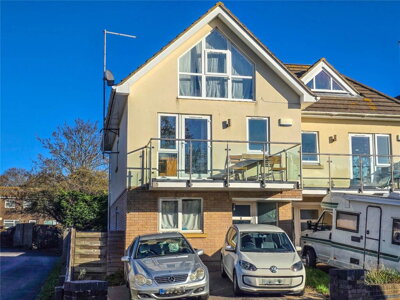
Browse 1 home new builds in Arne, Dorset from local developer agents.
£638k
12
1
178
Source: home.co.uk
Source: home.co.uk
Detached
5 listings
Avg £772,000
Cottage
1 listings
Avg £899,950
Detached Bungalow
1 listings
Avg £160,000
End of Terrace
1 listings
Avg £625,000
Park Home
1 listings
Avg £289,950
Semi-Detached
1 listings
Avg £525,000
detached
1 listings
Avg £1.50M
end-of-terrace
1 listings
Avg £899,000
Source: home.co.uk
Source: home.co.uk
The Thorncombe property market presents a compelling picture for buyers seeking character-rich homes in rural Dorset. Recent data shows an overall average price of £543,333 over the past year according to Rightmove, while Zoopla indicates an average sold price of £427,500 in the last 12 months. PropertyResearch.uk reports a median sale price of £430,000 across 3 recorded sales in 2025, with 226 total sales recorded historically for the area. This variation between data sources reflects the limited transaction volume typical of small village markets, where each sale can significantly influence headline statistics. The market has experienced modest downward pressure, with Rightmove reporting prices 6% down on the previous year and PropertyResearch.uk indicating a 2.3% decline over the past 12 months.
Property types available in Thorncombe demonstrate the village's predominantly older housing stock. Detached homes command the highest values, with a median sale price of £602,500 across recent transactions, reflecting the desirability of generous space and privacy that village living offers. Semi-detached properties have recorded a median price of £175,000, while terraced homes achieved £300,000 in the most recent sales data. A flat sale recorded in 2019 achieved £96,000, though flats remain scarce in Thorncombe, with limited availability reflecting the predominantly houses and bungalows that characterise the residential landscape. The presence of period properties, including early Georgian farmhouses and traditional Dorset cottages, means buyers should budget for potential renovation costs and the maintenance requirements that come with historic construction methods.
New build activity within Thorncombe itself remains limited, with most available properties consisting of existing homes rather than newly constructed dwellings. Searches for new builds in the TA20 postcode frequently return results for nearby villages including Winsham and Chard, suggesting that buyers specifically seeking modern construction may need to expand their search radius. A residential development site with planning permission for 4 detached houses was listed in Marshwood, Bridport (DT6), approximately 10 miles from Thorncombe, illustrating the broader pattern of limited new supply in this part of West Dorset.

Thorncombe is described as a thriving village, offering residents a strong sense of community despite its small population within the Dorset countryside. The village maintains essential local amenities while benefiting from proximity to larger market towns including Chard and Axminster. Local life centres around the community spirit that has characterised West Dorset villages for generations, with village events, local pubs, and scenic walks forming the backbone of daily life. The surrounding landscape comprises the rolling hills and valleys that Dorset is renowned for, with farmland, meadows, and woodland creating an idyllic setting for countryside living.
The geology of West Dorset brings varied terrain including areas of clay, limestone, and sandstone, contributing to the distinctive character of the landscape and influencing local construction methods over centuries. Properties in Thorncombe frequently feature traditional construction methods including cobb and stone with rendered elevations, often topped with thatched roofs that require specialist maintenance but contribute significantly to the village's charm. Some properties in the area, such as pre-fabricated concrete bungalows, represent different eras of construction and bring their own maintenance considerations. Many homes are described as period cottages, period houses, and character properties, indicating that the majority of housing stock pre-dates 1919.
The presence of Grade II listed buildings, including notable properties like Holway Cottage in Synderford, underscores the historical significance of the village's built environment and the preservation of its architectural heritage. A fascinating attached Grade II listed period family home is also recorded within the village, exemplifying the quality of historic accommodation available. Residents enjoy excellent access to the Jurassic Coast, approximately 12 miles away at Lyme Regis, where fossil hunting, coastal walks, and seaside attractions await. The nearby town of Chard offers additional shopping facilities, supermarkets, and healthcare services, ensuring that daily requirements can be met without lengthy journeys.

Families considering a move to Thorncombe will find a selection of educational options within reasonable reach in the surrounding Dorset and Somerset areas. Primary education is available at village schools in nearby communities, with Thorncombe's rural position meaning that children typically travel short distances to reach their local primary school. The small class sizes and community-focused approach that characterise rural primary schools offer valuable educational benefits, particularly for younger children in their formative years. Parents should research specific catchment areas and admission policies for their preferred schools, as these can vary across the region.
Secondary education options include schools in nearby towns such as Chard, which lies within Somerset and falls under Somerset Council, where students can access a broader range of GCSE and A-level subjects. Thorncombe itself sits within Dorset Council's jurisdiction following the 2023 local government reorganisation, meaning that families should clarify which local authority's education policies apply to their specific circumstances. For those seeking grammar school education, the nearby towns may offer selective admission schools, though competition for places can be significant. Families are advised to verify current admission arrangements directly with Somerset Council and Dorset Council, as school transport routes and catchment boundaries may influence which institutions are actually accessible from Thorncombe.
Sixth form provision is generally concentrated in the larger towns, meaning that older students may need to travel further for advanced study options. Many students choose to commute to further education colleges in Exeter, Taunton, or Yeovil, which offer broader subject choices than smaller sixth forms. The travel involved can represent a significant commitment, and families should factor this into their decision-making when considering properties in Thorncombe for students at this stage of education.
Transport connectivity from Thorncombe reflects its position as a rural Dorset village, with residents relying primarily on private vehicles for daily commuting and essential journeys. The village sits approximately 12 miles inland from the Jurassic Coast, with the town of Axminster providing access to the national rail network via Axminster station. Regular train services from Axminster connect passengers to Exeter, London Waterloo, and other regional destinations, making this station a valuable asset for commuters working in larger cities while maintaining a rural lifestyle. Journey times to Exeter typically take around 45 minutes by train, while London Waterloo can be reached in approximately three hours.
Bus services operate in the surrounding area, providing connections to nearby towns including Chard, Crewkerne, and Bridport, though frequencies may be limited compared to urban routes. Some routes may operate only a few times per day, making car ownership effectively essential for most residents. Residents without access to a car should carefully consider bus timetables and journey planning before committing to a property purchase. Road connectivity is centred on the A30 and A358, which provide routes to Taunton, Exeter, and the M5 motorway network. For those working in Yeovil, Exeter, or Taunton, car commuting is typically necessary, though the scenic countryside routes can make even daily journeys pleasant rather than burdensome.
Cyclists and walkers benefit from the extensive network of footpaths and bridleways that traverse the Dorset countryside, with Thorncombe positioned ideally for those who appreciate rural recreation. Local cycling clubs and walking groups provide opportunities for social exercise, while the proximity to the South West Coast Path at Lyme Regis opens up spectacular coastal walking opportunities. Parking within the village is generally adequate for residents, though visitors during peak summer months may find spaces more limited as the area attracts day-trippers heading to the Jurassic Coast World Heritage Site.
Spend time exploring Thorncombe at different times of day and week to understand the community atmosphere. Visit local pubs, check out nearby amenities in Chard and Axminster, and speak to residents about what they value most about village life. Understanding the local property market trends and recent sale prices will help you identify fair value when properties become available. Given the village's small population, building relationships with local estate agents can prove advantageous when rare properties come to market.
Before viewing properties, arrange a mortgage agreement in principle with a lender or broker. This demonstrates your financial readiness to estate agents and sellers, strengthening your position when making an offer. Given the older property stock in Thorncombe, ensure your mortgage advisor understands the potential complexities of thatched roofs, cobb construction, and listed buildings, as these can affect lending decisions and valuation outcomes. Having your finances secured before entering negotiations puts you in a stronger position in what can be a competitive village market.
View multiple properties to compare condition, character, and value. Pay attention to the construction materials mentioned in listings, as cobb and stone properties may have different maintenance requirements and insurance considerations than modern construction. Note any signs of damp, roof condition, or renovation requirements that could affect your budget. Given the prevalence of period properties, viewing properties at different times of year can reveal how well they handle varying weather conditions, particularly important for thatched roofs and rendered elevations.
For the period properties common in Thorncombe, a RICS Level 2 Survey (Homebuyer Report) is highly recommended. Given that many homes are over 50 years old with traditional construction, this survey will identify defects common to older properties including damp, timber issues, and potential structural concerns. For listed buildings, consider a more comprehensive RICS Level 3 Survey, which provides detailed analysis of construction and condition appropriate for heritage properties.
Choose a solicitor with experience in rural property transactions and listed buildings. They will handle local searches, title verification, and coordination with your mortgage lender. In a village like Thorncombe, searches may include drainage enquiries for properties not connected to mains sewage and specialist environmental assessments for the West Dorset geology. Your solicitor should also verify compliance with any planning conditions that may affect the property.
Once surveys are satisfactory and legal searches are returned, you can proceed to exchange contracts and set a completion date. On completion day, your solicitor will transfer the remaining funds and you will receive the keys to your new Thorncombe home. Given the village's limited property supply, maintaining good communication with all parties helps ensure a smooth transaction, as delays can sometimes arise when sellers are simultaneously purchasing in the local market.
Purchasing property in Thorncombe requires careful attention to the construction methods and age of the housing stock that dominates this West Dorset village. Traditional cobb and stone construction, while highly characterful, brings specific considerations that differ from modern brick-built properties. Thatched roofs, a common feature in historic Thorncombe homes, require specialist insurance coverage and periodic re-thatching every 20-30 years, costs that should be factored into your overall purchase budget. Rendered elevations, prevalent throughout the village, warrant inspection for signs of cracking or damp penetration that can affect traditional building methods.
Listed buildings within Thorncombe, including Grade II properties like Holway Cottage in Synderford, carry additional responsibilities and restrictions under listed building consent requirements. Any alterations, extensions, or significant works to listed properties require approval from the local planning authority, and standard mortgage conditions may include specific requirements. Insurance premiums for listed buildings can be higher than standard properties, and some specialist insurers may be required given the unique construction methods involved. Buyers should obtain quotes for specialist listed building insurance before completing their purchase.
Given the potential for clay geology in West Dorset, buyers should investigate the shrink-swell risk that can affect foundations in areas with clay subsoil. Signs of subsidence or previous underpinning works should be documented and assessed by a qualified structural engineer. Drainage and sewage arrangements should be verified, as some rural properties may use private systems rather than mains connections. Properties with pre-fabricated concrete construction, occasionally found in the area, may have specific issues related to their original build method, such as cracking or deterioration of the concrete. A thorough RICS Level 2 Survey will identify many of these potential issues, providing valuable negotiating leverage if defects are found or simply if the property proves to be in good condition despite its age.
Property data shows varying averages depending on the source, with Rightmove reporting an overall average of £543,333 over the past year while Zoopla indicates an average sold price of £427,500. PropertyResearch.uk, based on Land Registry data, states a median price of £430,000 across 3 recorded sales in 2025, with 226 total sales historically for the area. Detached homes in Thorncombe command higher prices, with recent sales achieving a median of £602,500, while semi-detached properties have sold at a median of £175,000 and terraced homes at £300,000. The small number of annual transactions in this rural village means prices can fluctuate significantly based on property type and condition, making comprehensive market research essential before making an offer.
Properties in Thorncombe fall under Dorset Council following the 2023 local government reorganisation, which unified the former South Somerset District Council and West Dorset District Council areas. Council tax bands for individual properties in the village range across all bands depending on the property value, with typical period cottages and small homes often falling into bands A through D, while larger detached properties may be in higher bands E through H. Prospective buyers can verify the specific council tax band for any listed property through the Dorset Council website or by requesting this information from the seller or their solicitor during the conveyancing process.
Thorncombe itself has limited schooling facilities, with primary-aged children typically attending schools in nearby villages or the town of Chard, which offers several primary schools within reasonable driving distance. Thorncombe falls within Dorset Council's area, though proximity to Chard in Somerset means families should clarify which local authority's admission policies apply to their circumstances. Secondary education options include schools in Chard under Somerset Council, with students often travelling by school transport or car. Parents are advised to research school performance data, Ofsted ratings, and admission policies well in advance of completing a property purchase, as catchment areas can significantly influence school placement.
Public transport connectivity from Thorncombe is limited, reflecting its rural village position in West Dorset. The nearest railway station is Axminster, approximately 10-12 miles away, offering direct services to Exeter and London Waterloo with journey times of around 45 minutes to Exeter and approximately three hours to London. Bus services operate routes connecting nearby towns including Chard, Crewkerne, and Bridport, though frequencies are significantly reduced compared to urban services, with some routes operating only a few times per day. Most residents rely on private vehicles as their primary transport method, and this should be a key consideration for buyers who do not drive or who require regular public transport access for commuting purposes.
Thorncombe and the surrounding West Dorset area have historically demonstrated stable property values driven by consistent demand from buyers seeking rural lifestyles within reach of the coast and major transport links. The village's limited supply of available properties, combined with its characterful housing stock and proximity to the Jurassic Coast World Heritage Site, supports long-term demand. Properties with genuine character, particularly those with traditional construction and original features, tend to retain their value well. However, buyers should note that rural village markets can be less liquid than urban areas, with only 3 recorded sales in 2025, potentially making quick resales more challenging during market downturns.
Standard Stamp Duty Land Tax rates for 2024-25 apply to property purchases in Thorncombe, with 0% payable on the first £250,000 of the purchase price, 5% on the portion from £250,001 to £925,000, 10% on the portion from £925,001 to £1.5 million, and 12% on any amount exceeding £1.5 million. First-time buyers benefit from increased thresholds, paying 0% on the first £425,000, 5% between £425,001 and £625,000, with no relief available above £625,000. Given the median prices in Thorncombe, many purchases fall within the 5% band, meaning first-time buyers with properties under £425,000 may pay no stamp duty at all.
Thorncombe contains several Grade II listed buildings, reflecting its historic character and preserved architectural heritage. Notable examples include Holway Cottage in Synderford, a four-bedroom detached listed property, and an attached Grade II listed period family home recorded in the village. Listed status brings additional responsibilities, including restrictions on alterations and requirements for listed building consent for any significant works. Buyers considering listed properties should budget for potentially higher insurance costs and specialist survey requirements, as standard surveys may not fully address the construction methods and materials used in heritage properties.
The predominant risks when purchasing older properties in Thorncombe relate to traditional construction methods and the age of the housing stock. Cobb and stone walls can be susceptible to damp penetration and may require ongoing maintenance, while thatched roofs demand specialist insurance and periodic re-thatching every 20-30 years. Rendered elevations can hide underlying issues and should be checked for cracking or moisture damage. The potential for clay geology in West Dorset means buyers should investigate foundation conditions and look for signs of subsidence or previous underpinning works. A thorough RICS Level 2 Survey is strongly recommended for any property in Thorncombe given the prevalence of period construction.
Understanding the full cost of purchasing property in Thorncombe extends beyond the asking price to include stamp duty, legal fees, survey costs, and other associated charges. The current Stamp Duty Land Tax thresholds for 2024-25 set the nil-rate band at £250,000 for standard buyers, meaning that properties priced below this threshold incur no stamp duty. Given that the median price for a Thorncombe property sits around £430,000, most purchases will attract a 5% charge on the amount exceeding £250,000, resulting in stamp duty of approximately £9,000. Properties above £925,000 move into the 10% band, while those exceeding £1.5 million attract the highest rate of 12% on the portion above this threshold.
First-time buyers purchasing in Thorncombe benefit from higher thresholds, with zero stamp duty payable on the first £425,000 of a purchase. This means that first-time buyers acquiring a property priced up to £425,000 will pay no stamp duty at all, representing significant savings compared to standard rates. For purchases between £425,001 and £625,000, the rate is 5% on the amount above £425,000, with no first-time buyer relief available above £625,000. Given the village's mix of smaller cottages and larger detached homes, first-time buyers should carefully assess which properties fall within their relief eligibility.
Beyond stamp duty, buyers should budget for conveyancing costs typically ranging from £500 to £2,000 depending on the complexity of the transaction and whether the property is freehold or leasehold. For traditional cobb and stone properties with thatched roofs, additional specialist surveys may be required beyond a standard RICS Level 2 Survey, adding to overall costs. Listed building transactions frequently involve additional legal work and specialist advice, increasing conveyancing fees. Mortgage arrangement fees, valuation fees, and search costs add further expenses, with total buying costs typically ranging from £3,000 to £8,000 depending on property value and individual circumstances.
From 4.5%
Expert mortgage advice for Thorncombe properties
From £499
Conveyancing solicitors with rural property experience
From £350
Essential survey for period properties
From £600
Detailed survey for older and listed properties
Properties New Builds In London

Properties New Builds In Plymouth

Properties New Builds In Liverpool

Properties New Builds In Glasgow

Properties New Builds In Sheffield

Properties New Builds In Edinburgh

Properties New Builds In Coventry

Properties New Builds In Bradford

Properties New Builds In Manchester

Properties New Builds In Birmingham

Properties New Builds In Bristol

Properties New Builds In Oxford

Properties New Builds In Leicester

Properties New Builds In Newcastle

Properties New Builds In Leeds

Properties New Builds In Southampton

Properties New Builds In Cardiff

Properties New Builds In Nottingham

Properties New Builds In Norwich

Properties New Builds In Brighton

Properties New Builds In Derby

Properties New Builds In Portsmouth

Properties New Builds In Northampton

Properties New Builds In Milton Keynes

Properties New Builds In Bournemouth

Properties New Builds In Bolton

Properties New Builds In Swansea

Properties New Builds In Swindon

Properties New Builds In Peterborough

Properties New Builds In Wolverhampton

Enter your details to see if this property is within your budget.
Loans, cards, car finance
Estimated property budget
Borrowing + deposit
You could borrow between
Typical borrowing
Monthly repayment
Est. at 4.5%
Loan-to-value
This is an estimate only. Your actual budget may vary depending on interest rates, credit history, and personal circumstances. For an accurate affordability assessment, speak to one of our free mortgage advisors.
This calculator provides estimates for illustrative purposes only and does not constitute financial advice. Your home may be repossessed if you do not keep up repayments on your mortgage. Estimates based on 4.5% interest rate, repayment mortgage. Actual rates depend on your circumstances.
Homemove is a trading name of HM Haus Group Ltd (Company No. 13873779, registered in England & Wales). Homemove Mortgages Ltd (Company No. 15947693) is an Appointed Representative of TMG Direct Limited, trading as TMG Mortgage Network, which is authorised and regulated by the Financial Conduct Authority (FRN 786245). Homemove Mortgages Ltd is entered on the FCA Register as an Appointed Representative (FRN 1022429). You can check registrations at NewRegister or by calling 0800 111 6768.

We use cookies to show you personalised content and improve your experience of our website. Find out more in our Privacy policy and Cookie policy.