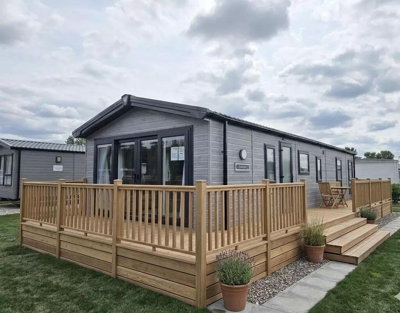
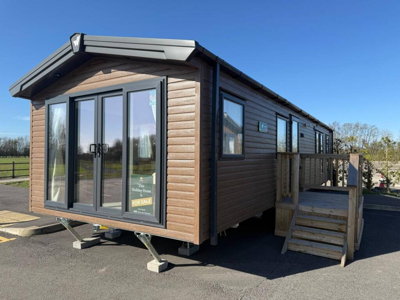
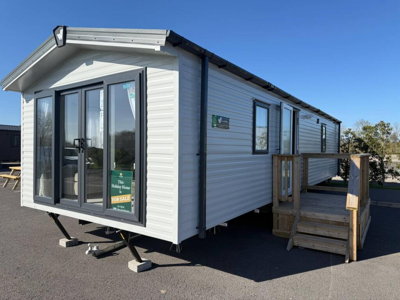
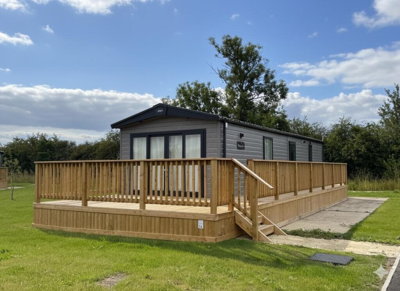
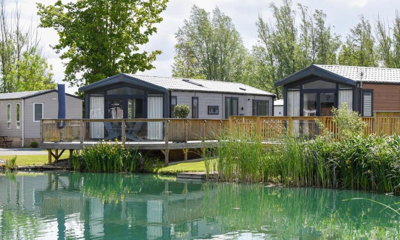
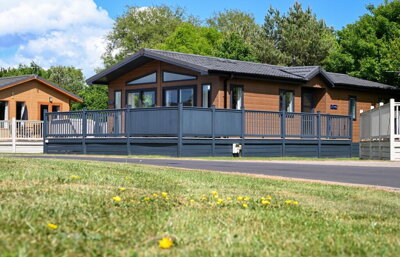
Browse 6 homes new builds in Appleton-le-Street with Easthorpe from local developer agents.
The Appleton-le-Street with Easthorpe property market reflects the characteristics of a small North Yorkshire village, where limited housing supply meets steady demand from buyers seeking rural lifestyles. Our data shows an average sale price of £340,000 over the last year, though this figure encompasses a range of property types and sizes typical of the parish. Notably, prices have settled 28% below the 2018 peak of £475,000, suggesting the market has experienced a correction that creates entry opportunities for new buyers compared to peak-year transactions.
While Rightmove records show approximately 25 results for the Appleton-le-Street area over the past year, specific postcode data reveals limited turnover in recent periods. Postcode YO17 6PG recorded just one sale in the past three years, with no transactions in the past twelve months, highlighting the quiet nature of this property market where properties come to market infrequently but attract committed buyers when they do. Exceptionally, Park House in Easthorpe sold for £1,300,000 in May 2023, demonstrating that larger period properties with substantial grounds and established gardens can command premium prices when they come to market.
For context across North Yorkshire, detached properties average £435,000, semi-detached homes sit at £272,000, and terraced properties average £220,000, while flats and maisonettes in the broader region average £144,000. Semi-detached properties showed the strongest price growth at 1.9% year-on-year as of December 2025, while flat values declined by 2.8% over the same period. No new build developments were identified within the parish itself, meaning buyers purchasing here are typically acquiring character properties in established settlements where properties have stood for generations rather than recently constructed homes.

Appleton-le-Street with Easthorpe embodies the charm of traditional North Yorkshire village life, offering residents a close-knit community atmosphere surrounded by agricultural landscapes and rolling countryside. The 2011 census recorded a population of 122 residents, maintaining steady growth from 117 in the 2001 census, demonstrating the village's enduring appeal as a residential destination despite its small scale. The small population means neighbours typically know one another, and community events often centre around the local church, village hall, and surrounding farms that have shaped the parish for generations.
The parish carries a rich historical legacy that remains visible in its built environment and local character. In the 1830s, the majority of residents worked as agricultural labourers and domestic servants, with roughly a quarter employed as small farmers, reflecting the area's farming economy. By 1881, agriculture remained the primary occupation for men in the parish, a pattern that continued well into the twentieth century before mechanisation reduced labour requirements on local farms. Today, while most residents likely work in nearby towns, the agricultural heritage persists in the surrounding fields and farmsteads that define the local landscape.
The village sits just north of the River Rye, placing it within the river catchment area of this significant Yorkshire waterway. This proximity to the river contributes to the fertile agricultural land surrounding the settlement and creates the attractive pastoral scenery that defines the area. Local amenities in the immediate village may be limited, but the nearby market towns of Malton approximately 8 miles north and York approximately 25 miles south provide access to shops, restaurants, healthcare facilities, and cultural attractions within a short drive, offering residents the best of both rural peace and urban convenience when needed.

Families considering a move to Appleton-le-Street with Easthorpe will find educational options spread across the surrounding North Yorkshire region, with primary schools serving the immediate village community and secondary education available in nearby market towns. The small scale of the village itself means that younger children typically attend schools in surrounding villages or the nearest town, with school transport arrangements often available for families living in rural areas where local catchment schools fall within reasonable distances.
Primary education in the surrounding area includes village schools that have historically served small rural communities, often operating as small, community-focused establishments with strong relationships between teachers, pupils, and families. Schools in nearby settlements such as Norton and Malton provide primary education options within a short drive, serving families from the Appleton-le-Street with Easthorpe area as part of their catchment zones. For secondary education, families typically look to schools in nearby towns such as Malton and York, which offer a broader range of GCSE and A-Level courses along with specialist facilities. Schools in these areas have established reputations for academic achievement and extracurricular activities, providing comprehensive educational pathways for teenagers.
Further and higher education opportunities are readily accessible given the proximity to York, one of England's most historic cities and home to York St John University and the University of York. These institutions offer undergraduate and postgraduate programmes across numerous disciplines, making Appleton-le-Street with Easthorpe a viable base for students or families with older children pursuing higher education while benefiting from peaceful rural living. The commute from the village to York city centre takes approximately 30-40 minutes by car, allowing students to live at home while accessing university facilities and city amenities without the expense of city centre accommodation.
Transport connections from Appleton-le-Street with Easthorpe reflect its rural character, with private vehicles serving as the primary means of daily transport for most residents. The village sits within the Ryedale district of North Yorkshire, with the A169 road connecting the area to nearby Malton approximately 8 miles to the north, and providing access to the broader road network including connections to York and the A1(M) motorway further east. This positioning offers reasonable connectivity to regional employment centres while preserving the village's countryside isolation, with the journey to York city centre taking around 35-40 minutes under normal traffic conditions.
The nearest railway stations are located in Malton and York, both offering regular services to major destinations including Leeds, Newcastle, Edinburgh, and London via York Station's excellent east coast mainline connections. Malton Station provides services on the Transpennine route connecting Sheffield, Manchester, and Hull, while York Station offers significantly broader national connections including direct trains to London King's Cross with journey times of around two hours. For residents commuting to larger cities, these rail options make Appleton-le-Street with Easthorpe a viable base for professionals working in regional centres while enjoying rural living, with park and ride facilities available at York for those preferring to avoid city centre driving.
Bus services in rural North Yorkshire operate on limited frequencies compared to urban areas, making car ownership effectively essential for daily mobility from Appleton-le-Street with Easthorpe. However, community transport schemes and local taxi services serve the area for those unable to drive, providing access to essential services including healthcare appointments and shopping trips to nearby towns. Cyclists benefit from quiet country lanes surrounding the village, though the hilly Yorkshire terrain requires a reasonable fitness level for longer rides, with popular routes following the River Rye valley north towards the North York Moors.
Spend time understanding the Appleton-le-Street with Easthorpe property market, including recent sale prices, typical property types available, and the general character of the village. Our platform provides current listings alongside historical sales data to help you build a clear picture of what to expect, including the average price of £340,000 and the village's positioning 28% below the 2018 market peak.
Before viewing properties, obtain a mortgage agreement in principle from a lender. This demonstrates your financial readiness to estate agents and sellers, strengthening your position when making offers on homes in competitive rural markets where properties may sell relatively quickly once listed. Given the village's limited stock, having your finances arranged gives you an advantage over less prepared buyers.
Schedule viewings of homes that match your criteria, taking time to assess the property condition, surroundings, and neighbourhood atmosphere. For village properties in Appleton-le-Street with Easthorpe, speak with current residents about community life and any local considerations such as flood risk proximity to the River Rye or the age of the property's construction. Pay particular attention to the condition of traditional stone and brickwork which requires specific maintenance approaches in North Yorkshire.
Once your offer is accepted, arrange a RICS Level 2 Survey to assess the property condition thoroughly. Given the village's older housing stock dating predominantly from before the 1960s, this survey helps identify any structural concerns, roof conditions, damp issues, or outdated electrical systems common in period properties before you commit to purchase. Our inspectors have experience surveying properties in rural North Yorkshire and understand the specific defect patterns found in traditional Yorkshire construction.
Appoint a solicitor experienced in rural property transactions to handle the legal aspects of your purchase. They will conduct searches regarding flood risk, planning constraints, and any rights of way affecting the property, review contracts, and manage communications with the seller's legal team through to completion. Given the proximity to the River Rye, flood risk searches are particularly important for properties in lower-lying areas of the parish.
Finalise your mortgage, pay stamp duty, and coordinate with your solicitor to exchange contracts and complete your purchase. Your solicitor will transfer funds and register the property in your name with the Land Registry, handing you the keys to your new Appleton-le-Street with Easthorpe home. Budget approximately 3-5% of the purchase price for additional costs including SDLT, solicitor fees, and survey costs.
Purchasing a property in Appleton-le-Street with Easthorpe requires attention to considerations specific to rural North Yorkshire, where traditional construction methods and environmental factors can influence property condition and value. The village's proximity to the River Rye warrants careful investigation of flood risk, as properties near watercourses may face higher insurance premiums or potential flooding during periods of heavy rainfall. Requesting flood risk reports and reviewing the property's drainage history provides essential information before committing to purchase, with our team able to recommend specialist assessors if needed.
The historical housing stock in Appleton-le-Street with Easthorpe dates predominantly from periods before the 1960s, with stable numbers of around 36 homes maintained since that decade. This means many properties are likely to be over 60 years old, requiring careful assessment of construction quality and ongoing maintenance by our inspectors who understand traditional North Yorkshire building methods. Traditional building materials such as local stone and brick, common in Yorkshire villages, offer excellent durability but may require specific maintenance approaches including repointing of mortar joints, roof repairs using traditional materials, and damp proofing treatments that differ from modern construction requirements.
Prospective buyers should investigate whether properties fall within any planning or conservation constraints that could affect future modifications or extensions. While specific conservation area information for the parish was not identified in available records, village properties in similar North Yorkshire settlements often carry listed building status or fall within designated areas that restrict alterations to preserve character. Understanding these constraints before purchase prevents costly surprises if you plan to extend or modify the property in future years, and our surveyors will note any visible indicators of listing or conservation status during inspections.
For properties purchased as leasehold, review the terms carefully including ground rent obligations and service charge arrangements. Freehold properties predominate in rural villages like Appleton-le-Street with Easthorpe, but any leasehold element should be examined thoroughly to understand your ongoing financial obligations. Properties with large gardens or agricultural land attached require clarification on ownership responsibilities, rights of access, and any agricultural covenants that may affect your use of the grounds, with our conveyancing partners able to advise on these specific rural property concerns.
The average property price in Appleton-le-Street with Easthorpe over the past year was £340,000, reflecting sales across various property types in this rural North Yorkshire village. Prices have settled 28% below the 2018 peak of £475,000, creating potential entry opportunities for buyers compared to higher market conditions seen in recent years. For comparison, the broader North Yorkshire average stands at £272,000 as of December 2025, suggesting Appleton-le-Street with Easthorpe commands a premium reflecting its rural charm, village character, and the limited supply of properties coming to market in this established parish.
Properties in Appleton-le-Street with Easthorpe fall under Ryedale District Council for council tax purposes, with bands ranging from A through H based on property valuation. Typical village homes often fall in bands B to D depending on size and condition, with period stone cottages potentially attracting higher bands reflecting their character and established value. Prospective buyers should check the specific property's council tax band via the Valuation Office Agency website or request this information during enquiries, as bands affect ongoing annual costs for the property.
Appleton-le-Street with Easthorpe itself is a small village without schools within the parish boundaries, so families should look to primary schools in nearby villages and towns within the Ryedale catchment area. Secondary education options include schools in Malton and York, with York particularly offering strong academic reputations and a wide range of GCSE and A-Level subject choices. Families should check catchment areas and admissions criteria when considering schools, as these can significantly influence educational placement for children and affect daily logistics given the rural location.
Public transport options from Appleton-le-Street with Easthorpe are limited, reflecting its rural character, with bus services operating but with reduced frequencies compared to urban areas. The nearest railway stations at Malton and York offer excellent national connections, with York providing direct services to London and other major cities including Edinburgh and Newcastle on the east coast mainline. Most residents rely on private vehicles for daily transport, making car ownership essential rather than optional in this village location, though the village's position near the A169 provides reasonable access to surrounding towns.
Appleton-le-Street with Easthorpe appeals to buyers prioritising lifestyle over high rental yields, making it more suitable for long-term residential investment than rapid capital growth. The village's limited property supply and stable population suggest steady rather than spectacular value appreciation over time, with the 28% reduction from the 2018 peak potentially representing a buying opportunity for long-term investors. Properties with unique character, larger gardens, or proximity to the River Rye may hold particular appeal, though the small population limits the tenant pool for those seeking rental income.
Stamp duty rates for 2024-25 apply to all properties including those in Appleton-le-Street with Easthorpe, with standard rates of 0% on the first £250,000, 5% on £250,001 to £925,000, 10% on £925,001 to £1.5 million, and 12% above £1.5 million. For a typical property priced at the village average of £340,000, a standard buyer would pay £4,500 in SDLT, calculated on £250,000 at 0% and £90,000 at 5%. First-time buyers purchasing at this price point would pay no stamp duty under current relief thresholds, as purchases up to £425,000 attract 0% SDLT for those meeting eligibility criteria.
Appleton-le-Street with Easthorpe lies just north of the River Rye, creating potential river-related flood risk for properties in lower-lying areas of the parish that our surveyors assess during inspections. Prospective buyers should request flood risk reports and check the Environment Agency flood maps for the specific property location before committing to purchase, as these reports are included in standard conveyancing searches. Properties near watercourses may face higher buildings insurance premiums, and flood resilience measures such as flood doors or raised electrical fittings could affect both purchase decisions and renovation plans for the property.
The village's housing stock has remained stable at approximately 36 homes since the 1960s, meaning properties available tend to be traditional period homes rather than modern developments. Typical property types include stone cottages, farmhouses, and modest family homes with gardens, with the occasional larger period property like Park House in Easthorpe that sold for £1,300,000 in 2023. Traditional North Yorkshire construction using local stone and brick predominates, and our inspectors are experienced in assessing the specific maintenance needs and potential defects of these period properties.
While specific recent planning permission data for Appleton-le-Street with Easthorpe was not readily available in our research, the village's stable housing stock and established character suggest limited new development activity within the parish itself. Any planning applications would be managed by Ryedale District Council, and prospective buyers can search the planning register online for specific properties or areas that interest them. Properties in similar North Yorkshire villages may carry listed building status or fall within conservation areas, which would affect permitted development rights and any future extension plans.
Understanding the full costs of purchasing property in Appleton-le-Street with Easthorpe extends beyond the advertised sale price, with stamp duty land tax and legal fees forming significant elements of the total investment. The average property price of £340,000 in this village means many buyers purchasing at or near the average price point would benefit from current SDLT thresholds that exempt the first £250,000 from stamp duty, substantially reducing purchase costs compared to higher-value property markets like London or the south of England.
For standard buyers purchasing at the village average price of £340,000, the stamp duty calculation would be £250,000 at 0% and £90,000 at 5%, resulting in a total SDLT bill of £4,500. First-time buyers purchasing the same property would pay nothing on the first £425,000, meaning no stamp duty would be due on a £340,000 purchase, representing meaningful savings of £4,500 for those meeting first-time buyer criteria. Properties priced above £625,000 do not qualify for first-time buyer relief, meaning full standard rates apply to higher-value purchases in the village.
Beyond stamp duty, buyers should budget for solicitor conveyancing costs typically ranging from £500 to £1,500 depending on complexity, plus disbursements including local authority searches, Land Registry fees, and bankruptcy checks. A mortgage arrangement fee of 0.5% to 1.5% of the loan amount may apply depending on the lender product chosen, while a RICS Level 2 survey typically costs between £350 and £800 for properties in this price range. Buildings insurance quotes should be obtained early, particularly for properties near the River Rye where flood risk may influence premiums, and setting aside approximately 3% to 5% of the purchase price for these additional costs ensures buyers approach completion with full financial clarity.
Properties New Builds In London

Properties New Builds In Plymouth

Properties New Builds In Liverpool

Properties New Builds In Glasgow

Properties New Builds In Sheffield

Properties New Builds In Edinburgh

Properties New Builds In Coventry

Properties New Builds In Bradford

Properties New Builds In Manchester

Properties New Builds In Birmingham

Properties New Builds In Bristol

Properties New Builds In Oxford

Properties New Builds In Leicester

Properties New Builds In Newcastle

Properties New Builds In Leeds

Properties New Builds In Southampton

Properties New Builds In Cardiff

Properties New Builds In Nottingham

Properties New Builds In Norwich

Properties New Builds In Brighton

Properties New Builds In Derby

Properties New Builds In Portsmouth

Properties New Builds In Northampton

Properties New Builds In Milton Keynes

Properties New Builds In Bournemouth

Properties New Builds In Bolton

Properties New Builds In Swansea

Properties New Builds In Swindon

Properties New Builds In Peterborough

Properties New Builds In Wolverhampton

Enter your details to see if this property is within your budget.
Loans, cards, car finance
Estimated property budget
Borrowing + deposit
You could borrow between
Typical borrowing
Monthly repayment
Est. at 4.5%
Loan-to-value
This is an estimate only. Your actual budget may vary depending on interest rates, credit history, and personal circumstances. For an accurate affordability assessment, speak to one of our free mortgage advisors.
This calculator provides estimates for illustrative purposes only and does not constitute financial advice. Your home may be repossessed if you do not keep up repayments on your mortgage. Estimates based on 4.5% interest rate, repayment mortgage. Actual rates depend on your circumstances.
Homemove is a trading name of HM Haus Group Ltd (Company No. 13873779, registered in England & Wales). Homemove Mortgages Ltd (Company No. 15947693) is an Appointed Representative of TMG Direct Limited, trading as TMG Mortgage Network, which is authorised and regulated by the Financial Conduct Authority (FRN 786245). Homemove Mortgages Ltd is entered on the FCA Register as an Appointed Representative (FRN 1022429). You can check registrations at NewRegister or by calling 0800 111 6768.

We use cookies to show you personalised content and improve your experience of our website. Find out more in our Privacy policy and Cookie policy.