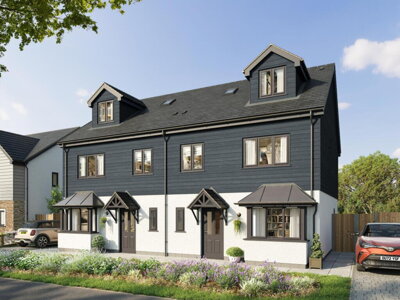
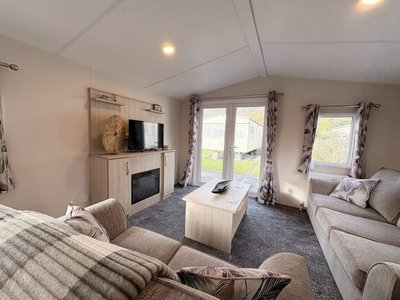
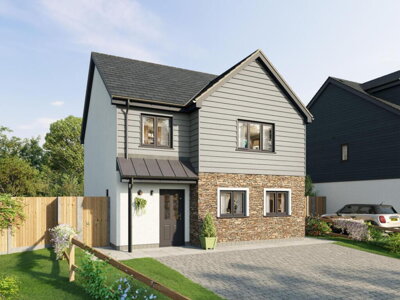
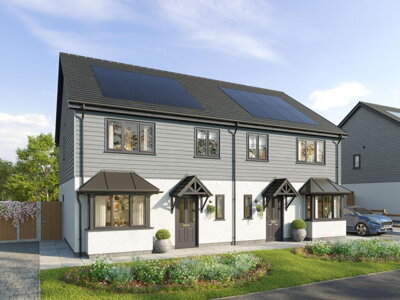
Browse 4 homes new builds in Amroth, Pembrokeshire from local developer agents.
£488k
20
0
245
Source: home.co.uk
Source: home.co.uk
Bungalow
4 listings
Avg £601,250
Detached
4 listings
Avg £765,000
Semi-Detached
3 listings
Avg £499,667
Detached Bungalow
2 listings
Avg £462,475
Caravan
1 listings
Avg £48,000
Country House
1 listings
Avg £590,000
Farm House
1 listings
Avg £1.75M
Flat
1 listings
Avg £200,000
House
1 listings
Avg £599,950
Studio
1 listings
Avg £169,500
Source: home.co.uk
Source: home.co.uk
The Llanfihangel Rhydieithon property market has demonstrated robust growth, with overall house prices rising 15% compared to the previous year and now standing 10% above the previous 2022 peak of £216,834. Detached properties command the highest values in this rural setting, averaging £317,429, reflecting the desirability of spacious homes with land in the Powys countryside. Semi-detached homes average £212,370, offering more accessible entry points for first-time buyers and growing families seeking the benefits of village life without the premium associated with detached dwellings. Flats in the area, though less common, start from around £92,694, providing affordable options for those prioritising location over space.
The local housing stock predominantly features traditional Welsh construction, with many properties dating from the 19th century and earlier. Historic properties such as Lower House Farm, a Grade II listed cruck-framed building dating from the 15th century with 17th and 18th-century additions, exemplify the architectural heritage found throughout the parish. Our data shows that no large-scale new build developments are currently underway in the immediate area, meaning buyers purchasing here are acquiring established properties within an established community. Recent planning applications within the broader community indicate small-scale conversions and individual dwelling developments rather than estate construction, preserving the rural character that makes this area so appealing.
Wales as a whole has the oldest housing stock in the United Kingdom, with approximately 26% of all homes built before 1919. Llanfihangel Rhydieithon reflects this pattern, with a significant proportion of properties constructed using traditional methods including solid stone walls, cruck timber framing, and single-glazed windows. These construction techniques give the parish its distinctive character but also require specific understanding when assessing condition and planning maintenance. Our inspectors frequently encounter these traditional building methods when surveying properties in rural Powys, and understanding their characteristics helps buyers appreciate both the charm and the responsibilities of owning an historic Welsh home.

Life in Llanfihangel Rhydieithon offers an authentic taste of rural Welsh living, far removed from the bustle of urban centres. The parish, with a population of 207 according to the 2021 Census and estimated at 246 in 2024, maintains an exceptionally low population density of just 10.16 persons per square kilometre. This sparsity ensures that residents enjoy generous space, stunning views across the Radnorshire hills, and a sense of tranquility that is increasingly rare in modern Britain. The community spirit remains strong, with the historic parish church overlooking the Maes Brook serving as a focal point for local gatherings and traditions. The church itself was rebuilt in 1838, continuing a sacred site tradition in this ancient settlement.
The surrounding landscape provides endless opportunities for outdoor recreation, with extensive footpaths crossing farmland and woodland throughout the parish. The nearby River Ithon valley offers beautiful walks, while the broader Radnorshire area is renowned for its cycling routes, pony trekking, and fishing lakes. Local amenities are concentrated in nearby villages, with Llandrindod Wells providing access to shops, restaurants, and healthcare facilities within a short drive. The community hall, originally a toll house built around 1800 and now Grade II listed, hosts various events throughout the year and reflects the enduring social fabric of village life. For those seeking a slower pace of life with authentic community connections, Llanfihangel Rhydieithon delivers an incomparable quality of life.
The parish encompasses the village of Dolau, which offers additional local services for residents of the broader community. Lllysin Dolau, for instance, has seen recent development interest, with a planning application submitted for change of use to create a log cabin holiday let with associated drainage, parking, and access improvements. This indicates ongoing investment in the area and reflects the growing demand for rural holiday accommodation in the Radnorshire hills. Such developments can benefit the local economy while providing opportunities for buyers interested in holiday let investments alongside their residential purchase.

Families considering a move to Llanfihangel Rhydieithon should be aware that the village itself does not host primary or secondary schools due to its small population of approximately 246 residents. Primary education is typically accessed at schools in the surrounding villages, with the closest options located within reasonable commuting distance by car. Parents should research specific catchment areas and school performance data through Estyn (the Welsh education inspectorate) to identify the most suitable options for their children. Many families in this rural area opt for schooling in Llandrindod Wells, which offers primary schools serving the broader community. School transport arrangements are typically managed through Powys County Council for qualifying pupils.
Secondary education is concentrated in larger market towns such as Llandrindod Wells, with pupils travelling daily to attend their chosen school. The Welsh-medium education option is available in the region for families wishing to immerse their children in the national language, reflecting Powys's commitment to bilingual education. For sixth-form and further education, students typically travel to Llandrindod Wells or other nearby towns offering college facilities. Prospective buyers with school-age children should factor these travel arrangements into their decision-making process and confirm current school placements and catchment boundaries with Powys County Council before committing to a purchase in the parish.
The nearest primary schools to Llanfihangel Rhydieithon include those in the surrounding villages that form part of the broader community, with catchment areas determined by Powys County Council. Parents are advised to contact the local education authority directly to confirm which school serves their specific property address, as rural catchments can span significant distances. School transport is provided for pupils who live beyond the statutory walking distance from their designated school, typically two miles for primary-aged children and three miles for secondary pupils. This arrangement is common in rural Powys and allows families to access schooling without residing in the town itself.
Transport connectivity in Llanfihangel Rhydieithon reflects its rural character, with residents relying primarily on private vehicles for daily commuting and essential journeys. The nearest railway stations are located in larger towns, with connections to regional and national rail networks available at stations within reasonable driving distance. The A483 trunk road passes through the broader area, providing access to larger centres of population including Llandrindod Wells, Newtown, and eventually connecting to the national motorway network. For commuters working in mid-Wales towns, the journey times are manageable, but those travelling to cities such as Birmingham, Cardiff, or Swansea should expect longer journeys of two to three hours each way.
Bus services operate in the region but with limited frequency typical of rural areas, making a private vehicle essential for most residents. Local bus routes connect surrounding villages to market towns, serving those without cars for weekly shopping trips and essential appointments. Cycling is popular for recreational purposes, with the undulating Powys countryside offering challenging but rewarding routes for experienced cyclists. Walking provides a car-free alternative for local journeys, with footpaths connecting the village to neighbouring settlements. Residents working remotely increasingly find Llanfihangel Rhydieithon attractive, as the peaceful environment supports focused work while fast broadband connections (where available) enable effective home working without commuting requirements.
For those considering a move without private vehicle access, the practicalities of rural Powys living require careful consideration. While the village maintains connections to the wider area through minor roads, daily requirements such as grocery shopping, medical appointments, and school runs would typically necessitate car travel. The nearest major services are located in Llandrindod Wells, approximately 15-20 minutes drive from the village centre, where residents can access supermarkets, healthcare facilities, banking services, and secondary schooling. Planning a property purchase around realistic transport arrangements ensures that daily life in Llanfihangel Rhydieithon remains convenient and sustainable for all household members.
Explore property listings on Homemove and understand current price trends. With detached homes averaging £317,429 and semi-detached properties at £212,370, knowing your budget helps narrow your search effectively. Review recent sales data through our platform to understand what similar properties have sold for in the parish, giving you confidence when making offers.
Approach lenders to secure a mortgage Agreement in Principle before viewing properties. This demonstrates your financial readiness to sellers and strengthens your position when making an offer on homes in this competitive market. Rural properties can sometimes attract multiple interest, so having finance arranged upfront gives you an advantage over buyers who need to arrange funding after finding their ideal home.
Visit multiple properties across the parish and surrounding area. Pay attention to property condition, as many homes are older constructions that may require maintenance or renovation work. Take time to explore the neighbourhood at different times of day, speak with local residents about community life, and assess whether the peaceful rural setting matches your lifestyle expectations.
Given the age of many properties in Llanfihangel Rhydieithon, a comprehensive Level 2 survey is essential. These reports, typically costing £400-800 depending on property value, identify structural issues, damp, and other defects common in historic Welsh homes. Our inspectors understand traditional construction methods common in rural Powys, including solid wall construction, cruck framing, and single-glazed windows, allowing them to provide accurate assessments of these heritage properties.
Choose a solicitor experienced in rural Welsh property transactions to handle the legal aspects of your purchase, including local searches and any relevant planning considerations. Rural properties may involve additional legal matters such as rights of way, agricultural covenants, or environmental restrictions that require specialist knowledge. A solicitor familiar with Powys transactions can navigate these complexities efficiently.
Once all searches are satisfactory and finance is confirmed, you will exchange contracts and set a completion date. On completion, you receive the keys to your new home in Llanfihangel Rhydieithon. Ensure you have arranged buildings insurance effective from the contract date, as this protects your investment from the moment ownership transfers.
Purchasing a property in rural Llanfihangel Rhydieithon requires careful consideration of several area-specific factors. The Maes Brook and nearby River Aran and River Ithon watercourses mean that some properties may be located within flood risk zones, particularly those situated in valley locations or with lower-lying land. A thorough environmental search should be conducted before purchase to identify any flood risk, and buyers should consider appropriate insurance arrangements. Properties near watercourses can offer beautiful views and peaceful settings but require due diligence regarding drainage and flood resilience. The presence of these waterways also attracts wildlife and may influence agricultural practices in neighbouring fields.
The prevalence of listed buildings in the parish means that many properties carry heritage designations that restrict permitted development rights and alterations. Lower House Farm, a Grade II listed 15th-century property, demonstrates the architectural significance found throughout the area, but such designations require careful planning if you intend to make changes. Buyers should obtain a copy of the listing description from CADW (the Welsh historic environment service) and discuss any planned alterations with Powys County Council planning department before purchase. Many older properties also feature traditional construction methods such as cruck framing, solid walls, and single-glazed windows that differ significantly from modern building standards. Understanding these construction types helps buyers appreciate the character of their potential new home while budgeting appropriately for ongoing maintenance.
Defects common in older Welsh properties require particular attention during the survey process. Research indicates that nearly 1 in 5 homes in Wales contain a Category 1 hazard posing risk to human health, rising to over 1 in 3 for homes built before 1919. Given that approximately 26% of Welsh housing stock dates from this period, the likelihood of encountering properties with damp, condensation, outdated electrics, or structural deterioration is significant. Our Level 2 surveys specifically assess these common defect categories, identifying issues that may not be immediately visible during viewings. Roof condition is particularly important in older rural properties, where original slate or tile coverings may be approaching the end of their useful life. Similarly, plumbing systems in historic homes often require updating to meet modern standards, and buyers should budget for potential rewiring of electrical systems that may predate contemporary safety requirements.
The average house price in Llanfihangel Rhydieithon currently stands at £237,933 based on sales data from the past year. Detached properties average £317,429, semi-detached homes average £212,370, and flats average £92,694. Prices have increased by 15% over the past year and are now 10% above the previous 2022 peak of £216,834, indicating a healthy and growing market in this rural Powys location. The strong price growth reflects increasing demand for rural properties in mid-Wales, driven by remote working trends and buyers seeking more space following the pandemic period.
Properties in Llanfihangel Rhydieithon fall under Powys County Council's jurisdiction and are assigned council tax bands based on their value and characteristics. Exact bands vary by individual property and can be confirmed through the Powys County Council valuation list or on your chosen property's listing details. Rural properties in Powys typically span a range of bands, with older and smaller homes often in lower bands and larger modern detached properties in higher bands. The village's predominantly older housing stock means many properties occupy lower council tax bands compared to newer developments in urban areas, representing ongoing savings for residents.
There are no schools within Llanfihangel Rhydieithon itself due to its small population of approximately 246 residents. Primary education is available at schools in surrounding villages, with the closest options requiring travel by car. Parents should check current catchment areas and Estyn inspection reports to identify the highest-performing local options. Secondary schools are located in nearby market towns, with school transport provided by Powys County Council for qualifying pupils. The nearest primary schools serve the broader community centred around Dolau and the surrounding parish, with secondary education typically accessed in Llandrindod Wells where additional facilities including sixth-form provision are available.
Llanfihangel Rhydieithon has limited public transport options consistent with its rural location. Bus services operate in the surrounding area but with infrequent timetables. The nearest railway stations are located in larger towns requiring car travel to reach. Most residents rely on private vehicles for daily transport, with the A483 trunk road providing road connectivity to wider Powys and beyond. Those considering a move without a car should carefully review local bus timetables and ensure their daily requirements including shopping, medical appointments, and school runs can be accommodated within the available services. The nearest railway station with connections to regional and national networks is located in Llandrindod Wells, approximately 15-20 minutes drive from the village.
Llanfihangel Rhydieithon offers potential for property investment, particularly given the 15% price increase over the past year and continued demand for rural homes in Wales. The absence of new build developments in the area preserves scarcity value for traditional properties. However, investors should consider the limited rental market in such a small community, longer property selling times compared to urban areas, and the need for maintenance on older housing stock. Holiday let potential exists, with recent planning applications for log cabin holiday accommodation at Lllysin Dolau indicating local demand for rural tourism accommodation. A recent application (reference 25/0039/FUL) proposes a log cabin holiday let with parking and access improvements, demonstrating that local planning authorities are receptive to tourism-related development in the area.
Stamp Duty Land Tax rates for residential properties (2024-25) are 0% on the first £250,000 of purchase price, 5% on £250,001 to £925,000, 10% on £925,001 to £1.5 million, and 12% above £1.5 million. First-time buyers receive relief on the first £425,000 (0% rate) with 5% applying between £425,001 and £625,000. Given the average property price of £237,933, most buyers would pay no stamp duty, though higher-value detached properties averaging £317,429 may incur charges. A detached home at this average price would attract approximately £3,371 in stamp duty at the standard rate, while first-time buyers would pay nothing on purchases up to £425,000.
From 4.5%
Find competitive mortgage rates for your Llanfihangel Rhydieithon purchase
From £499
Expert solicitors for your Powys property transaction
From £400
Thorough inspection of your potential new home
From £80
Energy performance certificate for your property
Understanding the full costs of purchasing property in Llanfihangel Rhydieithon is essential for budgeting effectively. With the current average house price of £237,933, many buyers purchasing at or near this price point will benefit from significant stamp duty relief. Standard rate buyers pay nothing on the first £250,000, meaning a typical semi-detached or flat purchase attracts zero Stamp Duty Land Tax. First-time buyers enjoy even more generous relief, with no SDLT payable on purchases up to £425,000, fully covering most properties in this price range. For those purchasing higher-value detached homes averaging £317,429, a 5% charge applies to the portion above £250,000, resulting in approximately £3,371 in stamp duty.
Beyond stamp duty, buyers should budget for solicitor conveyancing fees typically ranging from £500 to £1,500 depending on complexity and property value. Rural properties may incur additional costs for specialist searches related to agricultural land, rights of way, or environmental considerations that are less common in urban transactions. A RICS Level 2 survey costs between £400 and £800, with the lower end suitable for properties under £200,000 and higher fees for larger or more complex historic homes. Properties like the Grade II listed cruck-framed houses found throughout the parish may require more detailed assessment due to their traditional construction methods and heritage status, potentially influencing survey fees.
An Energy Performance Certificate costs from £80 and is a legal requirement for all sales, with the certificate providing details of the property's energy efficiency rating and recommendations for improvements. Mortgage arrangement fees vary by lender but typically range from £0 to £2,000, while survey and valuation fees from your mortgage lender should also be factored in. Land Registry fees for registering your ownership are modest but apply. Overall, buyers should anticipate total purchasing costs of approximately 2-3% of the property price in addition to the deposit and mortgage finance required to complete their Llanfihangel Rhydieithon purchase. For a property at the average price of £237,933, this translates to roughly £4,759 to £7,138 in additional costs beyond the deposit and mortgage amounts.
Properties New Builds In London

Properties New Builds In Plymouth

Properties New Builds In Liverpool

Properties New Builds In Glasgow

Properties New Builds In Sheffield

Properties New Builds In Edinburgh

Properties New Builds In Coventry

Properties New Builds In Bradford

Properties New Builds In Manchester

Properties New Builds In Birmingham

Properties New Builds In Bristol

Properties New Builds In Oxford

Properties New Builds In Leicester

Properties New Builds In Newcastle

Properties New Builds In Leeds

Properties New Builds In Southampton

Properties New Builds In Cardiff

Properties New Builds In Nottingham

Properties New Builds In Norwich

Properties New Builds In Brighton

Properties New Builds In Derby

Properties New Builds In Portsmouth

Properties New Builds In Northampton

Properties New Builds In Milton Keynes

Properties New Builds In Bournemouth

Properties New Builds In Bolton

Properties New Builds In Swansea

Properties New Builds In Swindon

Properties New Builds In Peterborough

Properties New Builds In Wolverhampton

Enter your details to see if this property is within your budget.
Loans, cards, car finance
Estimated property budget
Borrowing + deposit
You could borrow between
Typical borrowing
Monthly repayment
Est. at 4.5%
Loan-to-value
This is an estimate only. Your actual budget may vary depending on interest rates, credit history, and personal circumstances. For an accurate affordability assessment, speak to one of our free mortgage advisors.
This calculator provides estimates for illustrative purposes only and does not constitute financial advice. Your home may be repossessed if you do not keep up repayments on your mortgage. Estimates based on 4.5% interest rate, repayment mortgage. Actual rates depend on your circumstances.
Homemove is a trading name of HM Haus Group Ltd (Company No. 13873779, registered in England & Wales). Homemove Mortgages Ltd (Company No. 15947693) is an Appointed Representative of TMG Direct Limited, trading as TMG Mortgage Network, which is authorised and regulated by the Financial Conduct Authority (FRN 786245). Homemove Mortgages Ltd is entered on the FCA Register as an Appointed Representative (FRN 1022429). You can check registrations at NewRegister or by calling 0800 111 6768.

We use cookies to show you personalised content and improve your experience of our website. Find out more in our Privacy policy and Cookie policy.