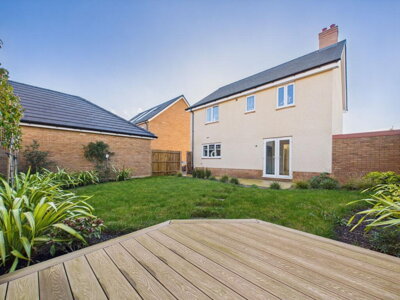
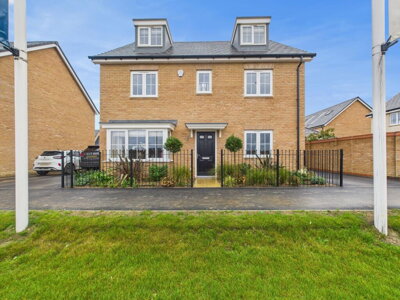
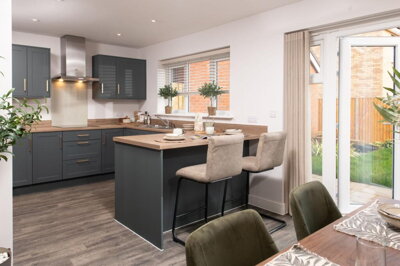
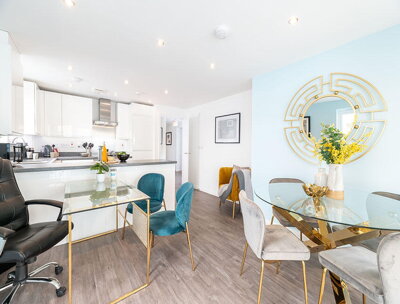
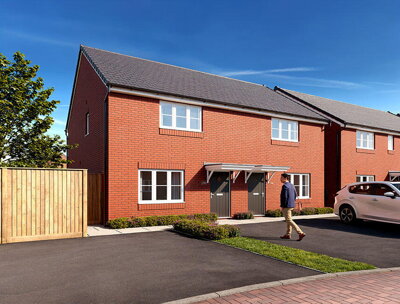
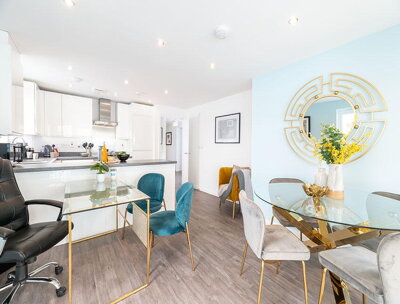
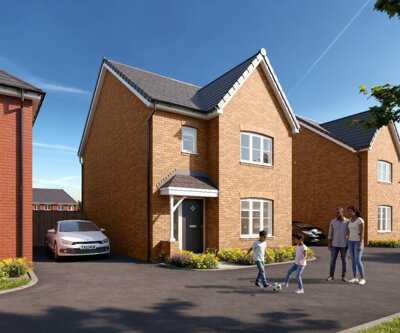
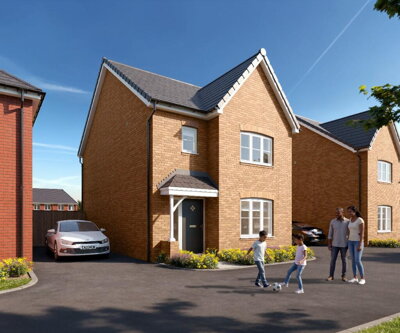
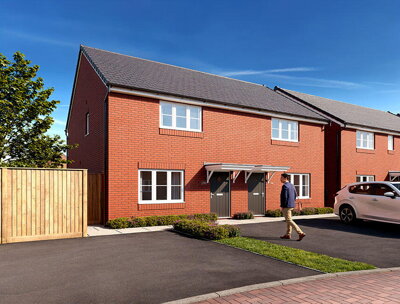
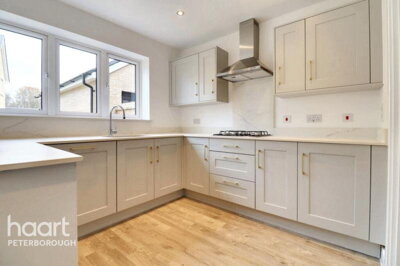
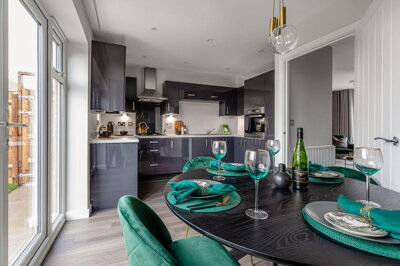
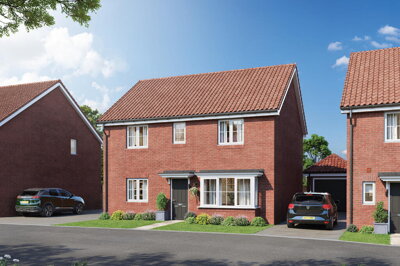
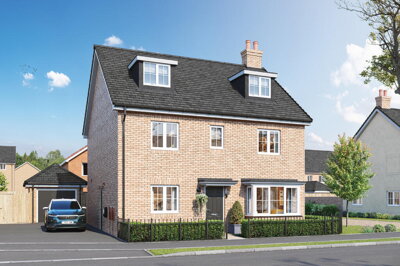
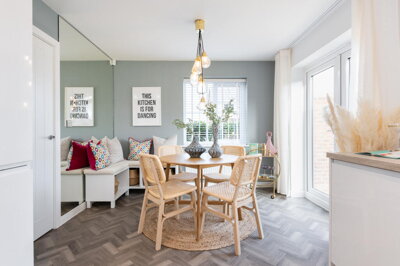
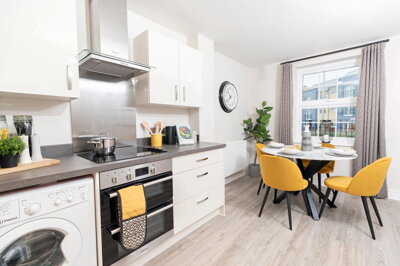
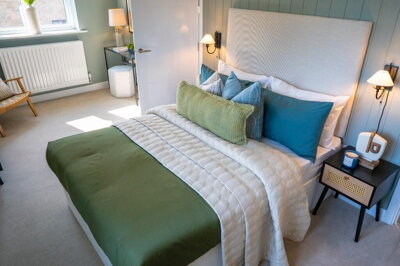
Browse 26 homes new builds in Alwalton, Huntingdonshire from local developer agents.
£428k
10
0
103
Source: home.co.uk
Source: home.co.uk
Detached
7 listings
Avg £633,571
Semi-Detached
2 listings
Avg £290,000
Bungalow
1 listings
Avg £350,000
Source: home.co.uk
Source: home.co.uk
LN1 2SG
Postcode
From £128,000
Entry Level
Up to £550,000+
Premium Properties
+4.3% (North Lincolnshire)
Market Trend
The Aisthorpe property market reflects the character of the village itself, offering a selection of period properties and traditional village homes rather than modern developments. Recent transaction data from the LN1 2SG postcode area reveals a diverse range of property values, from more modest village cottages priced around £128,000 to substantial period residences commanding premium prices. The Old Rectory on Rectory Lane achieved £550,000 in mid-2024, demonstrating continued demand for quality period homes in desirable village locations. Meanwhile, Hall Cottages on Back Lane sold for £190,000 in March 2023, indicating that entry points to the local market remain accessible for first-time buyers and investors alike.
Specific street names within Aisthorpe provide useful context for understanding the village property landscape. Rectory Lane hosts some of the village's most prestigious addresses, including The Old Rectory and The Old Stables, which sold for £350,000 in October 2023. Back Lane and Church Lane feature more modest village cottages, with Winston Cottage on Church Lane achieving £128,000 in October 2023. Lowfields on the village outskirts includes higher-value detached properties such as Walnut House, which sold for £735,000 in June 2021, illustrating the range of property types available within this compact rural community.
For context, the broader North Lincolnshire market, which encompasses the West Lindsey area, recorded an average property price of £180,000 in December 2025, representing a 4.3% increase over the previous twelve months. Semi-detached properties in the wider region saw even stronger growth at 5.5%, while flat prices remained relatively stable. Lincolnshire county as a whole recorded approximately 14,000 property sales between January 2025 and December 2025, though this figure represents a 12% decrease in transaction volumes compared to the previous year. Despite this county-wide reduction in sales activity, the underlying demand for village properties in locations like Aisthorpe continues to attract buyers seeking the unique combination of rural character and proximity to Lincoln.
Aisthorpe embodies the classic English village, characterised by its unhurried atmosphere and strong sense of community. The village sits within the scenic West Lindsey district, an area celebrated for its patchwork of farmland, historic villages, and excellent transport connections to surrounding towns. Residents enjoy the benefits of rural living while benefiting from the comprehensive facilities available in nearby Lincoln, just a few miles away. The local landscape features the gentle rolling hills and productive agricultural land that have characterised Lincolnshire farming for generations, with the village itself centred around traditional stone and brick cottages alongside older farmsteads and manor houses.
Traditional brick and stone construction defines much of the village's architectural character, reflecting the materials available locally in Lincolnshire. Properties dating from the Victorian era and earlier typically feature solid wall construction rather than modern cavity insulation, which affects thermal performance and requires consideration when evaluating energy costs. The village includes converted agricultural buildings that once formed part of local farmsteads, now providing characterful homes that retain original features while accommodating contemporary living requirements. These traditional building methods have served the village well for generations, though buyers should understand the maintenance implications of older construction when assessing potential purchases.
The village forms part of a network of similar parishes that together create a close-knit rural community. Local amenities include traditional public houses and village hall facilities, while the surrounding countryside offers extensive opportunities for walking, cycling, and enjoying the natural environment. The nearby city of Lincoln provides additional cultural attractions, including its famous cathedral and castle, a comprehensive shopping district, and a diverse selection of restaurants and cafes. The combination of authentic village character and easy access to urban conveniences makes Aisthorpe particularly attractive to families, professionals working in the city, and retirees seeking a peaceful retreat within reach of comprehensive services.

Families considering a move to Aisthorpe will find a range of educational options available within reasonable distance. Primary education is accessible through village and community schools in the surrounding area, with several well-regarded primary schools located in nearby settlements. The West Lindsey district maintains a network of primary schools serving rural communities, with many institutions achieving positive outcomes for their pupils. For families seeking faith-based education, Lincoln and surrounding towns offer several primary schools with religious affiliations, providing additional choices for parents considering their children's educational pathway.
Several primary schools in nearby towns and villages have received Ofsted ratings of Good or Outstanding in recent inspection cycles, serving families from the Aisthorpe area. Schools in the surrounding West Lindsey villages provide education for children from Reception through to Year 6, with many offering before and after-school clubs that support working parents. Admission policies for primary schools in Lincolnshire operate on geographic proximity, meaning the specific location of your property within the village will determine which school your child receives priority for admission.
Secondary education options in the area include several comprehensive schools and academies serving the West Lindsey and Lincoln areas. Secondary schools in the district have demonstrated consistent performance, with several institutions receiving positive Ofsted ratings in recent inspection cycles. Students seeking sixth form education can access courses at schools with sixth forms or at specialist sixth form colleges in Lincoln, offering a comprehensive range of academic and vocational qualifications. The accessibility of educational establishments from Aisthorpe ensures that families do not need to sacrifice academic opportunity when choosing the peaceful village setting, with school transport links connecting the village to secondary schools in surrounding towns.
Transport connectivity represents one of Aisthorpe's significant advantages, despite its village setting. The village enjoys proximity to the A46 trunk road, which provides direct access to Lincoln and connects to the broader Lincolnshire road network. The A46 offers routes north to Grimsby and Hull, while the nearby A15 provides connections to Sleaford, Peterborough, and the motorway network beyond. For those travelling to larger cities, the M180 motorway is accessible within reasonable driving distance, opening routes to Doncaster, Sheffield, and the wider motorway network of northern England.
Rail services from Lincoln station provide access to the national rail network, with regular services connecting Lincoln to Nottingham, Sheffield, and London. The East Coast Main Line can be accessed via Newark or Grantham, offering direct journey times to the capital of around two hours. Lincoln Central station is located approximately five miles from Aisthorpe, making it accessible by car or local bus services. For daily commuters, the combination of village living with practical rail connectivity makes locations like Aisthorpe increasingly attractive to professionals who split their working time between home and city office locations.
Local bus services provide connections between Aisthorpe and Lincoln, with services operating several times daily on weekdays. The village benefits from its position within the West Lindsey transport network, which includes routes serving surrounding villages and providing access to facilities in nearby towns. While rural public transport options are inevitably more limited than in urban areas, the proximity of Lincoln's comprehensive bus and rail services mitigates this for residents who can travel into the city to access broader transport connections.
Start by exploring current property listings in Aisthorpe using Homemove. Consider what matters most to you, whether proximity to schools, commuting times, or the character of available properties. Take time to understand the different street areas within the village, from the period properties on Rectory Lane to the more modest cottages on Back Lane and Church Lane.
Once you have identified properties of interest, schedule viewings with the listed estate agents. We recommend viewing multiple properties to compare different styles, conditions, and price points available in the village. Pay attention to the construction type and age of properties, as these factors significantly influence maintenance requirements and renovation potential.
Before making an offer, obtain a mortgage agreement in principle from a lender. This strengthens your position as a buyer and demonstrates to sellers that you have financing in place. Given the variety of property values in Aisthorpe, from cottages around £128,000 to premium homes exceeding £500,000, understanding your budget in advance helps narrow your search effectively.
For older village properties, we strongly recommend a RICS Level 2 Survey to identify any structural issues or defects before proceeding. This is particularly important for period properties and converted buildings, which may have non-standard construction or hidden defects that a standard mortgage valuation would not reveal. The investment in a thorough survey can save significant expense and worry in the long term.
Choose a conveyancing solicitor to handle the legal aspects of your purchase. They will conduct searches, review contracts, and manage the transfer of ownership on your behalf. Local solicitors familiar with West Lindsey properties can provide valuable insight into any specific considerations affecting village property purchases.
Once all searches are satisfactory and contracts are signed, you will exchange deposits and agree on a completion date. Your solicitor will transfer funds and register the property in your name. The process from offer acceptance to completion typically takes between eight and twelve weeks, though complex purchases or leasehold properties may require additional time.
Purchasing property in a rural village like Aisthorpe requires consideration of factors beyond standard property surveys. The age of village properties varies considerably, with many homes dating from the Victorian era or earlier. These period properties often feature traditional construction methods including solid walls, which differ from modern cavity wall construction. Understanding the implications of solid wall construction for insulation, damp penetration, and ongoing maintenance helps buyers make informed decisions about potential renovation costs and energy efficiency improvements.
Lincolnshire's geology, which includes areas of clay soils, requires attention when purchasing property. Clay soils can experience shrink-swell behaviour depending on moisture content, which may affect foundations over time. A thorough building survey can identify any signs of subsidence or ground movement that might require attention. Properties in the village may have foundations designed for the specific ground conditions encountered when originally constructed, which buyers should understand when assessing the long-term structural integrity of older buildings.
Common defects in older Lincolnshire properties include rising damp, timber deterioration, and roof covering wear. Properties with original features such as timber sash windows, flagstone floors, or decorative plasterwork may require ongoing maintenance and specialist repair. When evaluating any village property, consider the condition of these elements and factor potential renovation costs into your overall budget. A RICS Level 2 Survey provides a detailed assessment of the property condition and will flag any issues requiring attention before purchase.
Some village properties may fall within designated conservation areas or include listed buildings, which can impose restrictions on permitted development rights and alterations. Checking the planning history and conservation status of any property you are considering ensures there are no surprises regarding future renovation possibilities. Listed building consent may be required for alterations that would otherwise be permitted development, adding time and cost to any proposed changes.
Specific aggregated average house price data for Aisthorpe village itself is not published separately by the Land Registry. However, recent transactions in the LN1 2SG postcode area show significant variation, from village cottages around £128,000 to period homes exceeding £550,000. The broader North Lincolnshire market recorded an average of £180,000 in December 2025, while Lincolnshire county averaged £225,000 over the same period. Properties in desirable village locations like Aisthorpe often command premiums over the wider area average due to their character and setting.
Properties in Aisthorpe fall under West Lindsey District Council for council tax purposes. The village is part of the West Lindsey local authority area, where council tax bands range from A through to H depending on property value. Most village cottages and smaller properties typically fall within bands A to C, while larger period homes and farmhouses may be placed in higher bands. Prospective buyers should verify the specific council tax band for any property they are considering through the Valuation Office Agency website.
Aisthorpe is served by primary schools in nearby villages and towns, with several Ofsted-rated Good or Outstanding schools within the West Lindsey district. Families should research specific school catchments, as admission policies are based on geographic proximity. Secondary education is available at Lincoln schools and academies, with several achieving positive inspection outcomes. School transport links operate from the village to secondary schools throughout the wider area, providing practical access for families choosing village living.
Aisthorpe is served by local bus routes connecting the village to Lincoln and surrounding villages, with services operating several times daily on weekdays. Lincoln Central station, approximately five miles away, provides access to the national rail network with services to Nottingham, Sheffield, and London. The East Coast Main Line can be accessed via Newark or Grantham, with journey times to London around two hours. The nearby A46 road provides convenient access for car travel to Lincoln and the broader road network. While rural public transport options are more limited than in urban areas, the proximity to Lincoln mitigates this for residents who can access the city's comprehensive bus and rail services.
Village properties in desirable Lincolnshire locations like Aisthorpe have demonstrated stable demand over time. The broader North Lincolnshire market recorded a 4.3% price increase between December 2024 and December 2025, indicating continued growth in the regional market. Lincolnshire experienced a 12% reduction in property sales volumes during 2025, though this reflects reduced transaction activity rather than weakened demand for quality village properties. Properties with character, good gardens, and proximity to Lincoln tend to hold their value well in this sector of the market.
Stamp Duty Land Tax applies to all property purchases in England. For standard residential purchases, no tax is due on properties up to £250,000. Between £250,001 and £925,000, the rate is 5%. Higher rates apply for properties above £925,000. First-time buyers purchasing properties up to £625,000 may qualify for relief, paying 0% on the first £425,000 and 5% on the portion between £425,001 and £625,000. Given the price range of properties in Aisthorpe, many purchases will fall into the lower tax bands, making the village an attractive option for buyers mindful of purchase costs.
From £350
A detailed survey for older village properties, identifying structural issues and defects before purchase
From £500
Comprehensive survey for complex or older properties, including detailed structural assessment
From £60
Energy performance certificate required for property sales
From £499
Legal services for property purchase, including searches and contract review
Understanding the full costs of purchasing property in Aisthorpe helps buyers budget accurately for their move. Beyond the property price itself, Stamp Duty Land Tax represents a significant consideration for most buyers. The current thresholds for standard residential purchases mean that properties priced up to £250,000 attract no SDLT, which covers many village cottages and smaller village homes. For properties priced between £250,001 and £925,000, a 5% rate applies to the portion above £250,000. Given that the village market includes properties across various price points, buyers should calculate their specific SDLT liability based on their intended purchase price.
First-time buyers benefit from increased thresholds under current relief provisions. Properties up to £425,000 attract no SDLT for qualifying first-time purchasers, with 5% applying to the amount between £425,001 and £625,000. This relief can provide substantial savings for first-time buyers purchasing village properties within this price range. Beyond SDLT, buyers should budget for solicitor conveyancing fees, which typically range from £500 to £1,500 depending on complexity. Survey costs for older village properties, particularly those with historic features, should also be factored in. A RICS Level 2 Survey for a standard village property might cost between £350 and £600, while larger or more complex properties may require additional investment. Removal costs, mortgage arrangement fees, and potential renovation expenses for period properties complete the typical purchase cost picture.
Properties New Builds In London

Properties New Builds In Plymouth

Properties New Builds In Liverpool

Properties New Builds In Glasgow

Properties New Builds In Sheffield

Properties New Builds In Edinburgh

Properties New Builds In Coventry

Properties New Builds In Bradford

Properties New Builds In Manchester

Properties New Builds In Birmingham

Properties New Builds In Bristol

Properties New Builds In Oxford

Properties New Builds In Leicester

Properties New Builds In Newcastle

Properties New Builds In Leeds

Properties New Builds In Southampton

Properties New Builds In Cardiff

Properties New Builds In Nottingham

Properties New Builds In Norwich

Properties New Builds In Brighton

Properties New Builds In Derby

Properties New Builds In Portsmouth

Properties New Builds In Northampton

Properties New Builds In Milton Keynes

Properties New Builds In Bournemouth

Properties New Builds In Bolton

Properties New Builds In Swansea

Properties New Builds In Swindon

Properties New Builds In Peterborough

Properties New Builds In Wolverhampton

Enter your details to see if this property is within your budget.
Loans, cards, car finance
Estimated property budget
Borrowing + deposit
You could borrow between
Typical borrowing
Monthly repayment
Est. at 4.5%
Loan-to-value
This is an estimate only. Your actual budget may vary depending on interest rates, credit history, and personal circumstances. For an accurate affordability assessment, speak to one of our free mortgage advisors.
This calculator provides estimates for illustrative purposes only and does not constitute financial advice. Your home may be repossessed if you do not keep up repayments on your mortgage. Estimates based on 4.5% interest rate, repayment mortgage. Actual rates depend on your circumstances.
Homemove is a trading name of HM Haus Group Ltd (Company No. 13873779, registered in England & Wales). Homemove Mortgages Ltd (Company No. 15947693) is an Appointed Representative of TMG Direct Limited, trading as TMG Mortgage Network, which is authorised and regulated by the Financial Conduct Authority (FRN 786245). Homemove Mortgages Ltd is entered on the FCA Register as an Appointed Representative (FRN 1022429). You can check registrations at NewRegister or by calling 0800 111 6768.

We use cookies to show you personalised content and improve your experience of our website. Find out more in our Privacy policy and Cookie policy.