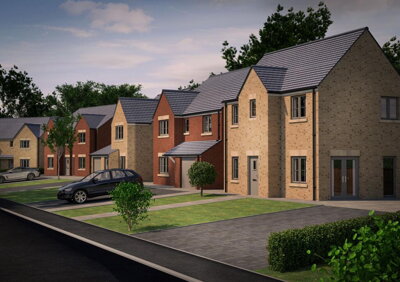
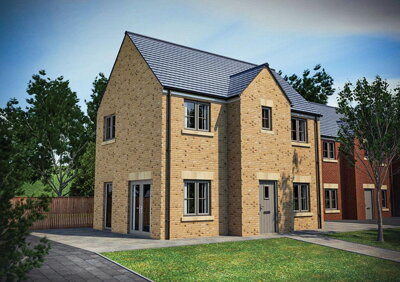
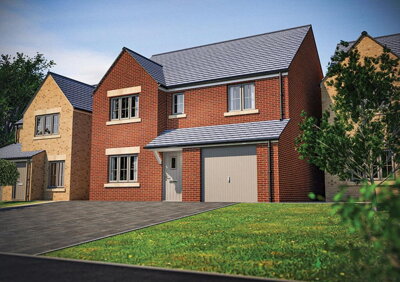
Browse 5 homes new builds in Alnmouth, Northumberland from local developer agents.
£465k
5
0
136
Source: home.co.uk
Source: home.co.uk
Apartment
3 listings
Avg £480,000
House
1 listings
Avg £795,000
Terraced
1 listings
Avg £400,000
Source: home.co.uk
Source: home.co.uk
We track properties across the local market, which reflects Ysbyty Ifan's status as a small, rural village within a national park. Zoopla records show approximately 84 properties with sold prices in the broader postcode area, though the village itself sees relatively few transactions each year. Current average sold prices hover between £140,000 and £177,500 depending on the data source consulted, with properties on High Street achieving around £140,563 in recent transactions. This relatively modest price point compared to coastal areas in North Wales makes Ysbyty Ifan an attractive option for buyers seeking value and character in an outstanding natural setting.
Property types in the village span detached houses, semi-detached homes, and terraced cottages, with terrace properties recently selling for between £155,000 and £177,500. The standout sale in recent years was a detached property that achieved £304,000 in October 2023, demonstrating that larger family homes command premium prices when they come to market. End terrace bungalows have sold for between £115,000 and £155,950, offering more accessible options for retirees or those seeking single-level living. Notably, there are no active new build developments within the immediate LL24 postcode area, meaning buyers are purchasing into an established village with mature character and heritage.
The tenure breakdown from the 2011 Census reveals an interesting dynamic: 34.2% owner-occupied, 39.5% rented from social landlord, and 26.3% in other rented accommodation. This mix provides a balanced community with both owner-occupiers and renters, though opportunities for purchase remain limited due to the small stock available. The National Trust cares for 30 houses on the Ysbyty Ifan estate alongside the 51 farms, providing social housing and contributing to the diverse tenure mix that defines village life here.

Properties in Ysbyty Ifan showcase traditional Welsh building techniques that have been perfected over centuries. The village's geology, shaped during the Caledonides mountain-building episode and the Acadian Orogeny, has provided local builders with an abundance of different slate types. These include red, purple, grey-green, blue Cambrian age slate, and dark Ordovician slate that is banded and occasionally pyrite-rich. This variety of locally quarried materials has given Ysbyty Ifan its distinctive appearance, with buildings displaying different coloured slate roofs depending on which quarry the materials originated from.
Stone-built properties in the village typically feature solid walls constructed from locally sourced rubble or whitened rubble stone. These walls are often 400-600mm thick, providing excellent thermal mass but lacking the cavity insulation found in modern construction. Many properties still retain their original lime mortar pointing rather than cement, which is more breathable and better suited to the wet Welsh climate. Our team often sees properties where repointing with inappropriate cement has caused moisture retention issues, something a thorough survey would identify.
Welsh slate roofing is the defining feature of properties throughout Ysbyty Ifan, with individual slates traditionally fixed using timber pegs or nails. The condition of these roofs is a primary concern when inspecting older properties, as slate is durable but brittle and can crack or slip over time. Replacing missing or damaged slates requires matching materials, which can be costly for listed buildings where conservation officers may specify specific quarry sources. We recommend that buyers budget for potential roof maintenance when purchasing stone-built properties in the village.
The solid wall construction common to Ysbyty Ifan properties affects both thermal performance and moisture management in ways that differ significantly from modern cavity-wall homes. Without cavity insulation, these properties tend to stay cooler in summer and lose heat more quickly in winter, resulting in higher heating costs. However, solid walls also provide excellent thermal mass, helping to regulate indoor temperatures naturally. Our inspectors assess the condition of walls, pointing, and any existing insulation solutions when surveying properties in the village.
Life in Ysbyty Ifan revolves around the rhythms of rural Welsh life, with the village sitting within one of the largest agricultural estates in the National Trust's portfolio. The community is centred around a church that was rebuilt in 1860 but contains memorials dating back to the 14th and 16th centuries, reflecting the village's medieval heritage. The Pont Ysbyty Ifan, a Grade II* listed bridge spanning the River Conwy, serves as a historic focal point and reminder of the area's long history of settlement. Hafod Ifan, a former house on the estate, contains a post-Dissolution domestic range likely from the second half of the 16th century, demonstrating continuous habitation since medieval times.
The landscape surrounding Ysbyty Ifan is dominated by the Migneint, a large stretch of moorland and blanket bog designated as a Site of Special Scientific Interest (SSSI) to the south of the estate. This moorland forms part of the headwaters of several rivers and supports unique wildlife and plant species, with the National Trust actively managing the land for conservation and sustainable farming. For visitors and residents alike, the area attracts walkers and outdoor enthusiasts during the summer months, with numerous footpaths and trails crossing the estate farmland.
The village itself is characterised by traditional Welsh architecture, with buildings constructed using local stone and covered with Welsh slate tiles, creating a cohesive aesthetic throughout the settlement. The 2011 Census recorded 76 households in the village, with 34.2% owner-occupied and 39.5% rented from social landlord, creating a balanced community mix. This management approach ensures that the landscape remains productive and beautiful for future generations while supporting the local farming community that has shaped this area for centuries.

Education provision for families considering a move to Ysbyty Ifan requires careful planning given the village's rural location. The small population of approximately 190 residents means that local primary schooling options within the village itself are likely to be limited or absent. Families typically travel to nearby settlements such as Betws-y-Coed or Dolwyddelan for primary education, with school transport arrangements managed by Conwy County Borough Council. Secondary education is provided at schools in the regional centres, requiring longer journeys that families should factor into their decision-making process when considering properties in this area.
The wider Conwy local authority area maintains several primary and secondary schools, with varying Ofsted ratings that parents should research thoroughly before purchasing. Ysgol Dyffryn Dyfrdwy in Llandderfel and Ysgol Y Groes in Bala serve nearby communities in the broader area. For secondary education, pupils may attend schools in Blaenau Ffestiniog, Porthmadog, or travel further to Denbighshire or Conwy schools. Grammar schools in the region, including Ysgol John Bright in Llandudno and St. Brigid's School, serve selective catchments that may extend to the upper Conwy Valley. For sixth form and further education, learners typically travel to colleges in Llandudno, Bangor, or Rhyl.
Outdoor education is a particular strength of the area, with Snowdonia National Park providing exceptional opportunities for environmental learning, mountaincraft, and adventure activities. Schools in the region often incorporate the national park into their curriculum, offering children unique educational experiences unavailable in urban settings. The National Trust estate itself provides learning opportunities related to farming, conservation, and rural skills, enriching children's understanding of where their food comes from and how the countryside is managed. For families who value outdoor learning and environmental education, Ysbyty Ifan and its surroundings offer unmatched potential.
Transport connectivity from Ysbyty Ifan reflects its status as a rural village in the upper Conwy Valley, with residents relying primarily on private vehicles for daily commuting and errands. The A5 trunk road passes through the region, providing connections to the A55 North Wales Expressway which runs along the North Wales coast from Chester to Holyhead. This route connects residents to larger employment centres including Bangor, where the university provides significant employment, and Llandudno, the largest town in North Wales with extensive retail and service sector jobs. Journey times to these destinations typically range from 30 to 45 minutes by car under normal traffic conditions.
Public transport options are limited but do exist for those without vehicles. Bus services connect Ysbyty Ifan with Betws-y-Coed and surrounding villages, though frequencies are likely to be sparse given the rural nature of the area. The nearest railway station is at Betws-y-Coed on the Conwy Valley line, which runs from Llandudno to Blaenau Ffestiniog, offering scenic journeys through the mountains for commuters and visitors alike. This rail connection, while not providing direct access to major English cities, does offer an alternative for those working locally or travelling for leisure.
For commuters requiring access to major UK employment centres, the journey from Ysbyty Ifan to Manchester involves approximately two hours by car via the M56 motorway, making it theoretically possible but challenging for daily commuting. Manchester Airport, located about 90 minutes from the village, provides international connectivity for business and leisure travellers. The rural location means that cycling infrastructure is limited, though the quiet country lanes are popular with recreational cyclists during the summer months. Parking in the village is likely to be straightforward given the low population density, though larger properties may require consideration of garaging and off-street parking requirements.
Before viewing properties, spend time exploring Ysbyty Ifan at different times of day and week. Understand the seasonal nature of the area, where summer brings additional visitor traffic, and the limited local amenities requiring travel to Betws-y-Coed or beyond for daily shopping needs. Contact the National Trust if you have questions about the estate, and familiarise yourself with Snowdonia National Park planning guidelines that affect all properties. This due diligence will help you understand whether the village's rural character and limited services align with your lifestyle expectations.
Speak to a mortgage broker or lender to obtain an agreement in principle before making offers. Given the rural nature of properties in Ysbyty Ifan, some lenders may have specific criteria for properties in national parks or with unusual construction methods such as solid stone walls. Having your financing in place demonstrates seriousness to sellers in what can be a competitive market for limited stock. Our recommended mortgage partners understand rural properties and can advise on lending criteria for traditional Welsh stone homes.
View multiple properties to understand the range available in this small village market. Note that many properties will be older, potentially listed buildings with stone construction and slate roofs. Pay particular attention to the condition of roofs, damp issues, and any signs of structural movement given the age of much of the housing stock. A RICS Level 2 survey is essential for properties over 50 years old, which represents the majority of homes in Ysbyty Ifan.
Given the prevalence of older, stone-built properties in Ysbyty Ifan, a thorough survey is crucial. The average cost for a Level 2 survey in North Wales ranges from £400 to £600 depending on property value, with typical costs around £475 for a property priced at £158,750. Our surveyors will identify defects in the traditional construction, slate roofing, damp issues, and any structural concerns common to Welsh stone properties. For listed buildings or complex properties, a more comprehensive RICS Level 3 survey may be recommended.
Appoint a solicitor experienced in rural Welsh property transactions and national park properties. They will handle local authority searches with Conwy County Borough Council, check for any rights of way or common land agreements that may affect the property, and ensure all planning permissions for any alterations are in place. Given the village's location within Snowdonia National Park, additional searches regarding planning conditions and conservation area requirements may be necessary.
Once all searches are satisfactory and financing is confirmed, your solicitor will exchange contracts and agree a completion date. On completion day, the remaining funds are transferred and you receive the keys to your new Ysbyty Ifan home. Our team recommends arranging buildings insurance from the point of exchange, as older stone properties may require specialist cover. Setting aside funds for immediate post-purchase maintenance is advisable given that many properties will be older homes requiring some attention.
Properties in Ysbyty Ifan require careful inspection due to their age and traditional construction methods. The predominant use of Welsh slate for roofing means that buyers should closely examine the condition of roof tiles, looking for slipped, cracked, or missing slates that could lead to water ingress. Stone-built properties with solid walls do not have the cavity insulation found in modern homes, which can affect both thermal performance and moisture management. Rising damp may be evident in older properties, particularly those without effective damp-proof courses, and should be assessed by a qualified surveyor.
Several properties in the village hold listed building status, including Bryn Ffynnon, Bryn Conwy (dated 1774), and Hafod Ifan with its medieval origins. Listed building status imposes restrictions on alterations, renovations, and even maintenance works that may require consent from the Snowdonia National Park Authority. Prospective buyers should understand these constraints before purchasing, as they can significantly affect plans for property improvements or extensions. The National Park planning department should be consulted regarding any proposed works to ensure compliance with both national park policies and listed building regulations.
Flood risk is a consideration for properties in Ysbyty Ifan given the village's location on the River Conwy in the upper valley. Conservation work at Carrog Farm on the Ysbyty Ifan estate has included river management to create a more flood-resistant landscape, but surface water flooding remains a risk in this rural, upland environment. Buyers should review the EA Wales flood risk maps and consider the history of flooding in specific locations before committing to a purchase. Properties on higher ground within the village may offer lower flood risk but could have different access considerations during winter months.
Average sold prices in Ysbyty Ifan have ranged from £140,000 to £177,500 depending on the data source, with the most recent overall average sitting around £158,750. Recent terrace properties have sold for between £155,000 and £177,500, while detached properties have achieved higher prices up to £304,000 for larger homes. The village sees relatively few transactions annually due to its small size and limited property stock, meaning prices can vary considerably based on individual property characteristics, condition, and whether the property holds listed building status. Properties on High Street have achieved around £140,563 in recent transactions, providing a useful benchmark for buyers.
Properties in Ysbyty Ifan fall under Conwy County Borough Council's jurisdiction. Council tax bands in rural North Wales typically range from Band A for lower-value properties up to Band H for the highest-value homes. Given the traditional stone construction and potential listed status of many properties in the village, specific banding depends on the individual property's assessed value. Our team recommends checking the current listing with Conwy County Borough Council or the Welsh Government council tax website for exact band information on specific properties. Council tax bills typically include charges for refuse collection, library services, and Conwy's local services.
Local primary education options near Ysbyty Ifan include schools in Betws-y-Coed and Dolwyddelan, with families typically travelling for both primary and secondary education. Ysgol Dyffryn Dyfrdwy in Llandderfel and Ysgol Y Groes in Bala serve nearby communities, with Ysgol Eryri in Caernarfon providing Welsh-medium secondary education for families seeking this provision. For secondary education, pupils may attend schools in Blaenau Ffestiniog, Porthmadog, or travel further to Denbighshire or Conwy schools. The area's outdoor education opportunities through Snowdonia National Park and the National Trust estate provide exceptional supplementary learning experiences that complement formal schooling and are highly valued by families in the upper Conwy Valley.
Public transport connectivity from Ysbyty Ifan is limited due to its rural location in the upper Conwy Valley. Bus services connect the village to Betws-y-Coed and surrounding settlements, though frequencies are likely to be sparse, with some routes running only on certain days of the week. The nearest railway station at Betws-y-Coed provides access to the Conwy Valley line running between Llandudno and Blaenau Ffestiniog, offering scenic journeys through the mountains for commuters and visitors alike. For major UK destinations, residents typically require private vehicles or must travel to larger stations in Bangor or Llandudno. Daily commuting to major cities like Manchester would require careful planning given the two-hour journey time involved.
Property investment in Ysbyty Ifan should be considered in the context of the village's rural location and Snowdonia National Park designation. The limited property supply and beautiful setting provide potential for capital appreciation, though liquidity is low due to the small number of transactions each year. Holiday let potential exists given the area's popularity with walkers and outdoor enthusiasts, though national park planning policies may restrict short-term letting and permits may be required. The traditional character and National Trust estate management suggest the village will retain its appeal, but investors should have realistic expectations about rental yields and the challenges of managing a property in a remote location with limited local services.
Stamp duty land tax (SDLT) applies to property purchases in Wales using the Welsh rates. For standard purchases, buyers pay nothing on the first £250,000 of the purchase price. First-time buyers in Wales benefit from increased relief on the first £425,000 of the purchase price, paying 5% on amounts between £425,001 and £625,000. For a typical Ysbyty Ifan property around £158,750, no SDLT would be payable by any buyer category, making this an attractive feature for first-time buyers and those with smaller budgets looking to enter the property market in this beautiful part of North Wales.
Several properties in Ysbyty Ifan hold listed building status, including Pont Ysbyty Ifan (Grade II*), Bryn Ffynnon, Bryn Conwy, and Hafod Ifan with its medieval origins dating to the second half of the 16th century. Listed building consent is required for any alterations, extensions, or significant works to the exterior or interior of these properties. The Snowdonia National Park Authority administers listed building controls alongside national park planning policies, meaning any works must meet both sets of requirements. Buyers considering listed properties should budget for potentially higher maintenance costs, longer project timelines for any works, and the ongoing commitment to preserving heritage features. Our surveyors may recommend a RICS Level 3 Building Survey rather than a Level 2 for complex listed buildings given the additional considerations involved.
The majority of properties in Ysbyty Ifan fall within a price range where stamp duty land tax (SDLT) liability is minimal or non-existent. Current Welsh SDLT rates mean that purchases up to £250,000 attract zero duty for all buyers, covering many terraced cottages and bungalows in the village. First-time buyers benefit from increased relief, with zero SDLT payable on the first £425,000 of a purchase, meaning that even some semi-detached properties in the village would attract no stamp duty under this relief scheme. For properties priced between £425,001 and £625,000, first-time buyers pay 5% on that portion only, while properties above £625,000 do not qualify for first-time buyer relief.
Beyond SDLT, buyers should budget for solicitor fees for conveyancing, which typically range from £500 to £1,500 depending on complexity. For properties within Snowdonia National Park, additional searches may be required regarding planning conditions and national park policies, potentially increasing legal costs marginally. Survey costs are an essential budget item, with RICS Level 2 surveys in North Wales ranging from £400 to £600 depending on property value. For a £158,750 property, survey costs would likely be around £475, though older or more complex properties may require the more detailed RICS Level 3 survey at higher cost.
Moving costs for this rural location may include additional transport expenses if using professional removal services from distant locations, as fewer operators serve the upper Conwy Valley. Land registry fees for registering your ownership in Wales are relatively modest, typically under £200. Buildings insurance should be arranged from the point of exchange, and for stone-built properties with slate roofs, insurers may offer competitive rates given the durability of traditional Welsh construction materials. Our team recommends setting aside funds for immediate post-purchase maintenance, such as addressing any survey findings or decorating, given that many properties will be older homes requiring some attention in their first year of ownership.
Properties New Builds In London

Properties New Builds In Plymouth

Properties New Builds In Liverpool

Properties New Builds In Glasgow

Properties New Builds In Sheffield

Properties New Builds In Edinburgh

Properties New Builds In Coventry

Properties New Builds In Bradford

Properties New Builds In Manchester

Properties New Builds In Birmingham

Properties New Builds In Bristol

Properties New Builds In Oxford

Properties New Builds In Leicester

Properties New Builds In Newcastle

Properties New Builds In Leeds

Properties New Builds In Southampton

Properties New Builds In Cardiff

Properties New Builds In Nottingham

Properties New Builds In Norwich

Properties New Builds In Brighton

Properties New Builds In Derby

Properties New Builds In Portsmouth

Properties New Builds In Northampton

Properties New Builds In Milton Keynes

Properties New Builds In Bournemouth

Properties New Builds In Bolton

Properties New Builds In Swansea

Properties New Builds In Swindon

Properties New Builds In Peterborough

Properties New Builds In Wolverhampton

Enter your details to see if this property is within your budget.
Loans, cards, car finance
Estimated property budget
Borrowing + deposit
You could borrow between
Typical borrowing
Monthly repayment
Est. at 4.5%
Loan-to-value
This is an estimate only. Your actual budget may vary depending on interest rates, credit history, and personal circumstances. For an accurate affordability assessment, speak to one of our free mortgage advisors.
This calculator provides estimates for illustrative purposes only and does not constitute financial advice. Your home may be repossessed if you do not keep up repayments on your mortgage. Estimates based on 4.5% interest rate, repayment mortgage. Actual rates depend on your circumstances.
Homemove is a trading name of HM Haus Group Ltd (Company No. 13873779, registered in England & Wales). Homemove Mortgages Ltd (Company No. 15947693) is an Appointed Representative of TMG Direct Limited, trading as TMG Mortgage Network, which is authorised and regulated by the Financial Conduct Authority (FRN 786245). Homemove Mortgages Ltd is entered on the FCA Register as an Appointed Representative (FRN 1022429). You can check registrations at NewRegister or by calling 0800 111 6768.

We use cookies to show you personalised content and improve your experience of our website. Find out more in our Privacy policy and Cookie policy.