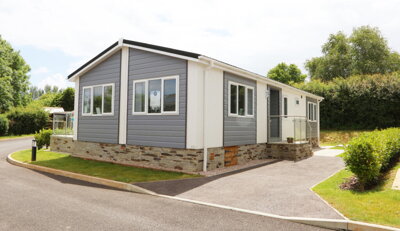
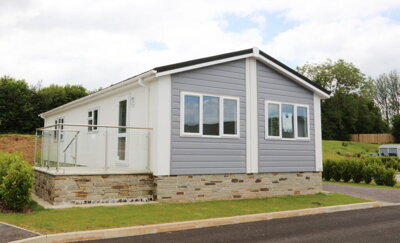
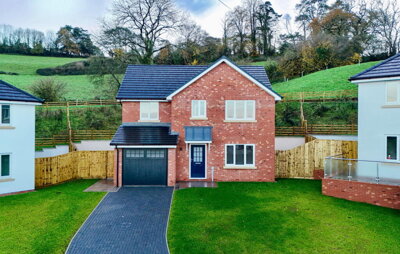
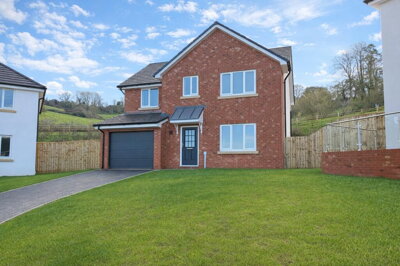
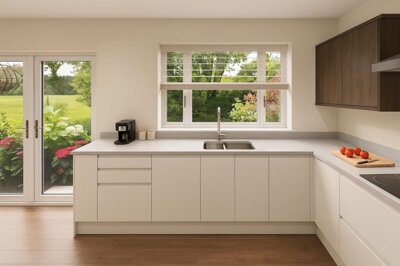
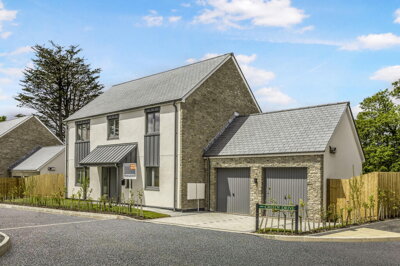
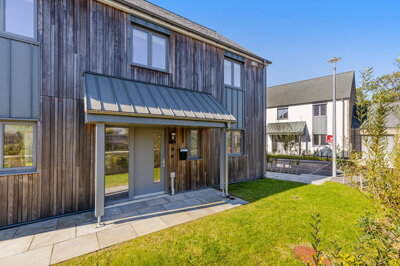
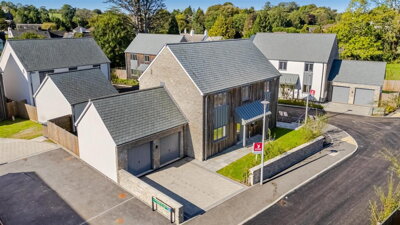
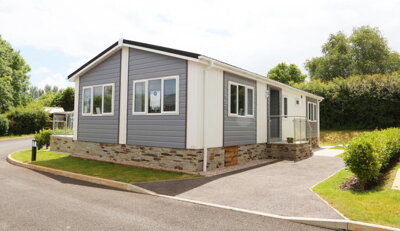
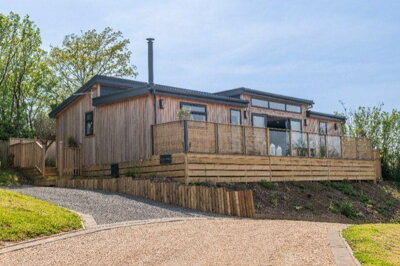
Browse 14 homes new builds in Abbotskerswell, Teignbridge from local developer agents.
£364k
30
1
148
Source: home.co.uk
Source: home.co.uk
Retirement Property
8 listings
Avg £321,875
Detached
5 listings
Avg £564,000
Cottage
3 listings
Avg £405,000
Detached Bungalow
3 listings
Avg £342,667
Barn Conversion
2 listings
Avg £637,500
Bungalow
2 listings
Avg £612,500
End of Terrace
2 listings
Avg £312,500
Semi-Detached
2 listings
Avg £400,000
Character Property
1 listings
Avg £385,000
Park Home
1 listings
Avg £130,000
Source: home.co.uk
Source: home.co.uk
The Yealmpton property market has demonstrated remarkable stability, with prices holding firm over the past twelve months in line with the broader South Hams trend of approximately 1.5% growth. Detached properties command the highest prices in the village, typically ranging from £600,000 to £700,000, reflecting strong demand from families and professionals seeking generous living space and gardens. Semi-detached homes in Yealmpton generally fall between £350,000 and £400,000, offering excellent value for buyers looking for a comfortable three or four-bedroom family home without the premium attached to detached plots.
Terraced properties provide a more accessible entry point to the Yealmpton market, with prices typically between £280,000 and £330,000. These period cottages often feature charming original details such as exposed stone walls, fireplaces, and traditional wooden floors that appeal to buyers seeking character. Flats remain relatively scarce in Yealmpton, with limited availability typically ranging from £180,000 to £220,000. The scarcity of apartments reflects the predominantly houses-and-cottages character of the village, where even purpose-built flat developments are rare compared to neighbouring towns.
Two notable new build developments currently contribute to the market. Yealmpton Key off Newton Hill offers two, three, and four-bedroom homes from approximately £300,000 to £600,000, with properties by Baker Estates featuring contemporary interiors and energy-efficient specifications that appeal to buyers prioritising lower running costs. Kitley Place on the former Kitley Farm site provides larger family homes ranging up to £700,000 or more, with the Vistry Group development offering four and five-bedroom detached properties set within generous plot sizes. Both developments use the PL8 2HF postcode and fall within easy walking distance of the village centre.
The village housing stock skews heavily towards detached and semi-detached properties, with ONS Census data indicating approximately 40-45% detached homes, 30-35% semi-detached, 15-20% terraced, and only 5-10% flats. This supply profile means that buyers seeking character cottages or village centre properties face stronger competition, while those open to modern semis or new builds may find more immediate options available. The age profile of properties is equally varied, with around 65-70% of homes built before 1980, meaning that a thorough survey is particularly valuable for the majority of properties on the market.

Yealmpton retains the authentic character of a traditional Devon village, with a population of around 2,000 to 2,200 residents spread across approximately 900 to 1,000 households. The village centres around Fore Street and Market Street, where a welcoming atmosphere prevails and neighbours frequently stop to chat. Local amenities include a convenience store, post office, pharmacy, and several pubs and cafes that serve as social hubs for the community. The village hall hosts regular events, from quiz nights to craft fairs, fostering the strong community spirit that makes Yealmpton particularly appealing to families and retirees alike.
The surrounding South Hams countryside offers extensive walking and cycling opportunities, with public footpaths criss-crossing rolling farmland and woodland. The area falls within the South Hams Area of Outstanding Natural Beauty, guaranteeing protection of the stunning landscape that draws visitors from across the country. Yealmpton sits close to the River Yealm, which flows through the village before reaching the coast at Newton Ferrers. For residents who enjoy coastal pursuits, the beautiful beaches of the South Devon coastline are accessible within a short drive, offering sailing, paddleboarding, and coastal walking opportunities.
The village demographics skew towards families and older couples, with the local economy supported by agriculture, tourism, and commuters travelling to Plymouth for work in sectors including the naval base, university, and hospital. Yealmpton's position as a commuter village has strengthened over recent decades as remote working has become more common, allowing residents to work for London-based employers while enjoying a village lifestyle. Properties in Yealmpton reflect this blend of traditional and contemporary living, with traditional stone cottages sitting alongside modern developments and post-war housing estates. The village has a local primary school, GP surgery, and regular bus services that reduce dependence on car ownership for everyday needs.
Community life in Yealmpton revolves around several key venues and organisations. The Community Centre serves as a hub for activities ranging from yoga classes to youth clubs, while the local football club and cricket team provide sporting opportunities for all ages. The annual Yealmpton Show brings the wider community together, celebrating local agriculture, crafts, and produce. For cultural activities, the village is within easy reach of Plymouth's theatres, cinemas, and museums, providing access to city amenities without the need to live in an urban environment.

Education provision in Yealmpton centres on Yealmpton Community Primary School, which serves children from reception through to Year 6. The school has built a solid reputation within the local community, providing a nurturing environment where young children develop foundational academic skills alongside social and emotional growth. Parents considering a move to Yealmpton often cite the primary school as a significant factor in their decision, with the convenience of a village school removing the need for lengthy school runs to larger towns. The school benefits from modern facilities while retaining connections to the village's heritage, and class sizes tend to be smaller than in larger towns, allowing teachers to provide more individual attention to each pupil.
Secondary education options include schools in the surrounding towns, with students typically travelling to Ivybridge, Plympton, or Modbury for their secondary schooling. Ivybridge Community College is a popular choice for Yealmpton families, offering comprehensive secondary education with strong GCSE results and a wide range of extracurricular activities. The school runs bus services from Yealmpton, reducing the logistical burden on parents. Plympton School serves families in the Plympton area and is similarly well-regarded, while Modbury School offers a smaller secondary experience for those preferring a more intimate school environment.
Several well-regarded secondary schools within reasonable commuting distance serve the Yealmpton area, attracting students from across the South Hams. For families with older children, sixth form provision is available at colleges in Plymouth and Totnes, offering a wide range of A-level subjects and vocational courses. The proximity to the University of Plymouth also makes higher education accessible for families remaining in the area as children grow older. Plymouth College of Art provides creative education pathways, while the city's growing technology and digital sectors offer graduate employment opportunities that may encourage local university graduates to remain in the area.
Early years education is well catered for in Yealmpton, with several nurseries and preschool settings operating within the village and surrounding areas. The Yealmpton Community Pre-School provides early childhood education for children aged two to five, preparing them for the transition to primary school. After-school clubs and holiday activities are available through the Community Centre, supporting working parents with childcare needs. Parents should check current catchment areas and admission policies, as these can affect school placement eligibility and may change over time.
Yealmpton enjoys practical transport connections that make commuting to larger employment centres feasible while maintaining the benefits of village living. The village sits just off the A379, providing direct access to Plymouth approximately seven miles away. The journey to Plymouth takes around 20-25 minutes by car, making regular commuting practical for those working in the city. The A38 dual carriageway is easily accessible, offering connections to Exeter, the M5 motorway network, and beyond for less frequent longer-distance travel. For air travel, Exeter Airport offers domestic and European flights within approximately an hour's drive.
Public transport options serve the village through bus routes connecting Yealmpton to Plymouth, Ivybridge, and other South Hams towns. The 34 bus service provides regular connections to Plymouth city centre, stopping at key locations including the railway station and Derriford Hospital. For those working at the naval base or university, these services offer a viable alternative to car travel, particularly given parking constraints in Plymouth city centre. Advance planning of bus timetables is advisable, as services can be less frequent at weekends and during school holidays.
The nearest railway station is in Plymouth, with regular services to London Paddington, Bristol, and the wider national rail network. Plymouth railway station provides direct services to London taking around three hours, while connections at Exeter St David's offer routes to the north of England and Scotland. For commuters working in London on a hybrid basis, the rail journey is comparable in duration to driving when traffic is factored in, making Yealmpton a practical base for London-based professionals. Advance booking of rail tickets can yield significant savings on standard walk-up fares.
For those who prefer to travel by boat, the Plymouth ferry terminal offers crossings to France and Spain, adding an international dimension to the transport network. Brittany Ferries operates services from Plymouth to Santander in Spain and Roscoff in France, making Yealmpton a surprisingly practical departure point for continental travel. Cyclists benefit from some scenic routes in the area, though the hilly Devon terrain requires a reasonable level of fitness for longer journeys. National Cycle Route 2 passes through the South Hams, connecting Yealmpton to other coastal communities and offering traffic-free options for shorter journeys.
Before beginning your property search in Yealmpton, take time to understand the local market thoroughly. Review recent sales data, familiarise yourself with different neighbourhoods within the village, and obtain a mortgage agreement in principle from a lender. Having your finances secured before viewing properties demonstrates seriousness to estate agents and speeds up the process once you find your ideal home. Consider speaking with local estate agents about the specific appeal of different areas, from the character properties around Fore Street to the newer homes at Yealmpton Key.
Contact estate agents listing properties in Yealmpton to arrange viewings at times that suit you. Take notes during each viewing and ask questions about the property's history, recent renovations, and any planning permissions granted. Consider visiting properties at different times of day to gauge noise levels, traffic, and the neighbourhood atmosphere. For properties in the Conservation Area, ask about any planning constraints that may affect your plans for the property. Take photographs to help remember properties after viewings, as the variety of options in Yealmpton can make comparison challenging.
Once your offer is accepted, arrange a RICS Level 2 Survey (Homebuyer Report) before proceeding to exchange contracts. Given that approximately 65-70% of properties in Yealmpton were built before 1980, a thorough survey is essential to identify any structural issues, damp problems, or roof defects common in older properties. Survey costs in the area typically range from £450 to £650 for a standard three-bedroom home, rising to £600-£850 for larger detached properties. We use qualified RICS surveyors who understand local construction methods, from traditional stone walls to the cavity wall construction common in post-war properties.
Appoint a conveyancing solicitor to handle the legal aspects of your purchase. Your solicitor will conduct searches with South Hams District Council, check for any planning restrictions or rights of way affecting the property, and manage the transfer of funds on completion. Using a solicitor with local knowledge of Devon property transactions can help avoid delays, particularly for properties in the Conservation Area or those affected by flood risk along the River Yealm corridor. The Local Authority search will reveal any planning applications in the vicinity that may affect the property.
Once all searches are satisfactory and your mortgage offer is confirmed, you will exchange contracts and pay a deposit. A typical completion period of four weeks follows exchange, after which you will receive the keys to your new Yealmpton home. Our team can recommend local removal firms and connect you with tradespeople who service the Yealmpton area, helping you settle into your new community quickly and efficiently.
Several factors require particular attention when purchasing property in Yealmpton due to the village's specific geographical and historical characteristics. Properties situated near the River Yealm carry flood risk, with areas designated as Flood Zone 2 or 3 requiring careful consideration. If you are viewing properties in low-lying areas near the river, ask about previous flooding incidents and whether the current owners have taken any flood mitigation measures. Home insurance costs may be higher in these locations, and your solicitor should investigate any flood risk assessments carefully. Surface water flooding can also occur in low-lying areas during periods of heavy rainfall, particularly where drainage infrastructure may be overwhelmed.
The presence of shrink-swell clay soils in parts of Yealmpton means that properties with shallow foundations or those built on expansive clay require thorough inspection for signs of subsidence or ground movement. Look for cracks in walls, doors that stick, or uneven floors, particularly in older properties. A comprehensive RICS Level 2 Survey will assess foundation condition and identify any subsidence indicators. The Devonian slate and limestone bedrock underlying much of the village is generally stable, but localised variations in soil conditions can occur. Trees planted close to properties can exacerbate shrink-swell issues, as moisture extraction by roots causes clay soils to contract during dry periods.
Yealmpton's Conservation Area covers the historic core around Fore Street, Market Street, and the church, meaning properties in these locations may be subject to stricter planning controls. Any external alterations to properties within the Conservation Area typically require consent from South Hams District Council. Listed buildings, including St Bartholomew's Church and Kitley House, require specialist consideration and may need Listed Building Consent for modifications. If purchasing a period property, budget for potential maintenance costs associated with traditional construction methods and original features. Many older Yealmpton properties feature solid stone walls, lime mortar pointing, and timber construction that require specific care and expertise.
Traditional construction in Yealmpton's older properties often includes solid stone or rubble construction with lime mortar, which breathes differently from modern cement-based mortars. Repointing with cement rather than lime can trap moisture within walls, leading to damp issues that may not be immediately apparent. When viewing period properties, check for signs of previous damp treatment and ask about the maintenance history. Roof construction varies from traditional slate and tile to modern concrete tiles, with older slate roofs particularly susceptible to slipped slates and damaged leadwork. A RICS Level 2 Survey will identify these issues and provide guidance on remediation costs.
Our inspectors frequently identify damp as a concern in Yealmpton's older properties, particularly rising damp in solid stone walls and penetrating damp in properties where traditional lime mortar has been replaced with cement. The age of much of the village's housing stock means that damp proof courses may be absent or ineffective, and original construction methods that relied on breathable materials have sometimes been compromised by modern building practices. When viewing properties, look for tide marks on walls, peeling wallpaper at skirting board level, and musty odours that suggest moisture penetration.
Roof condition issues are commonly identified in Yealmpton properties, especially those built before 1980. Traditional slate roofs suffer from slipped slates, cracked tiles, and degraded leadwork around chimneys and valleys, while mortar on ridge tiles can crumble over time. Moss growth on north-facing roof slopes can retain moisture and accelerate tile degradation. Our surveyors always inspect roof voids where accessible, checking for signs of water staining, woodworm activity, and inadequate ventilation that could lead to condensation problems.
Timber defects appear throughout Yealmpton's older housing stock, where original timber beams, joists, and floorboards may have been in place for decades or even centuries. Woodworm activity is frequently identified, though much depends on whether previous treatments have been applied. Rot can affect timber in damp environments, particularly in properties with poor ventilation or where plumbing leaks have gone unnoticed. Our inspectors tap exposed timber with a screwdriver to check for soundness, and will report any areas of concern for specialist assessment.
Electrical and heating systems in Yealmpton properties built before the 1980s often require upgrading to meet modern standards. Original fuse boards with round-wire fuses, fabric-covered wiring, and gas fires with inadequate ventilation are commonly encountered. We check the Consumer Unit location and type, note the age of the wiring where ascertainable, and recommend a qualified electrician to assess any systems that appear outdated. Similarly, heating systems in older properties may be inefficient or insufficient for modern requirements, with solid fuel fires and storage heaters requiring assessment for safety and performance.
Understanding the full costs of purchasing property in Yealmpton extends beyond the advertised asking price. Stamp Duty Land Tax represents the most significant additional expense, calculated on a tiered system based on the purchase price. For a typical Yealmpton property priced at the village average of around £475,000, a standard buyer would pay zero stamp duty on the first £250,000, then 5% on the remaining £225,000, resulting in a tax bill of approximately £11,250. First-time buyers purchasing properties up to £425,000 would pay no stamp duty at all, providing meaningful savings for those entering the property market.
Beyond stamp duty, budget for solicitor fees typically ranging from £499 to £1,500 depending on the complexity of the transaction and property value. Your solicitor will also conduct essential searches with South Hams District Council, which may reveal information about local planning history, environmental factors, and drainage arrangements. Search fees generally cost between £200 and £400. A RICS Level 2 Survey, while optional, comes highly recommended given the age of much of Yealmpton's housing stock, with costs between £450 and £850 depending on property size. Mortgage arrangement fees, if applicable, typically range from zero to around £2,000 depending on the product selected.
Buildings insurance should be arranged from the point of exchange, and you may also need to budget for surveyor's valuations required by your lender. For properties in flood risk areas near the River Yealm, insurance premiums may be higher than average, and some specialist insurers may need to be approached. Factor in removal costs, which vary depending on the distance of your move and the volume of belongings. Once in your new Yealmpton home, ongoing costs include council tax (set by South Hams District Council), utility bills, and maintenance reserves for both routine upkeep and unexpected repairs.
The average house price in Yealmpton currently sits between £450,000 and £500,000. Detached properties typically range from £600,000 to £700,000, while semi-detached homes fall between £350,000 and £400,000. Terraced properties in the village are generally priced between £280,000 and £330,000, with flats ranging from £180,000 to £220,000. The market has shown stability over the past year, aligning with the broader South Hams trend of approximately 1.5% growth. Prices can vary significantly based on property size, condition, and location within the village, with character properties in Conservation Area locations often commanding premiums.
Council tax in Yealmpton is set by South Hams District Council. Property bands range from A through to H, with most residential properties falling within bands B to E depending on their assessed value. You can check the specific band for any property through the Valuation Office Agency website or your solicitor during the conveyancing process. The local council provides standard services including waste collection, recycling, and local authority housing support through council tax revenue. Band valuations are based on the property's value as of April 1991 and do not reflect current market values.
Yealmpton Community Primary School serves children from reception through Year 6 and is the main primary education option within the village itself. The school has established a good reputation for providing quality education in a supportive environment. For secondary education, students typically attend schools in nearby towns such as Ivybridge Community College or Plympton School, both of which have good Ofsted ratings. Parents should check current catchment areas and admission policies, as these can affect school placement eligibility and may change annually.
Yealmpton is connected to surrounding towns through local bus services, with routes serving Plymouth, Ivybridge, and other South Hams destinations. The 34 bus service provides regular connections to Plymouth city centre, including stops at the railway station and Derriford Hospital. The nearest railway station is Plymouth mainline station, offering direct services to London Paddington in approximately three hours and connections to Bristol, Exeter, and the national rail network. For international travel, Plymouth ferry terminal provides crossings to France and Spain via Brittany Ferries.
Yealmpton offers several factors that make it attractive for property investment. The village's location within the South Hams Area of Outstanding Natural Beauty, combined with its proximity to Plymouth and excellent transport links, supports continued demand from buyers seeking a rural lifestyle with urban accessibility. The limited supply of properties, combined with strong demand from families and commuters, has supported price stability over recent years. New developments such as Yealmpton Key and Kitley Place offer modern homes with energy efficiency benefits, while period properties provide character appeal that maintains value. As with any property investment, prospective buyers should consider their long-term plans and local market conditions carefully.
Stamp Duty Land Tax rates for standard buyers start at 0% on the first £250,000 of property value, rising to 5% on the portion between £250,001 and £925,000. Properties priced between £925,001 and £1.5 million incur 10% stamp duty, with 12% charged above £1.5 million. First-time buyers benefit from relief on the first £425,000 (0% rate), with 5% applying between £425,001 and £625,000. Your solicitor will calculate the exact stamp duty liability based on your circumstances and the property purchase price. For a typical £475,000 Yealmpton property, standard buyers pay approximately £11,250 in stamp duty.
Properties near the River Yealm are at risk of fluvial flooding, with areas designated as Flood Zone 2 or 3 requiring careful consideration before purchase. Surface water flooding can also affect low-lying areas during heavy rainfall when drainage infrastructure is overwhelmed. You can check the Flood Risk from Rivers and Sea map on the Gov.uk website for any specific property address. Properties in flood risk areas may face higher insurance premiums, and your solicitor should investigate any flood risk assessments during the conveyancing process. Ask current owners about any historical flooding incidents and any flood mitigation measures they have installed.
With approximately 65-70% of Yealmpton properties built before 1980, the village's housing stock includes many older properties with potential defects that may not be apparent during a standard viewing. Our RICS Level 2 Surveys identify structural issues, damp, roof defects, timber problems, and outdated electrical systems common in older construction. Given the presence of shrink-swell clay soils in some areas, foundation assessment is particularly important. A survey typically costs between £450 and £850 depending on property size, which is a worthwhile investment compared to the potential cost of unexpected repairs after purchase.
Properties New Builds In London

Properties New Builds In Plymouth

Properties New Builds In Liverpool

Properties New Builds In Glasgow

Properties New Builds In Sheffield

Properties New Builds In Edinburgh

Properties New Builds In Coventry

Properties New Builds In Bradford

Properties New Builds In Manchester

Properties New Builds In Birmingham

Properties New Builds In Bristol

Properties New Builds In Oxford

Properties New Builds In Leicester

Properties New Builds In Newcastle

Properties New Builds In Leeds

Properties New Builds In Southampton

Properties New Builds In Cardiff

Properties New Builds In Nottingham

Properties New Builds In Norwich

Properties New Builds In Brighton

Properties New Builds In Derby

Properties New Builds In Portsmouth

Properties New Builds In Northampton

Properties New Builds In Milton Keynes

Properties New Builds In Bournemouth

Properties New Builds In Bolton

Properties New Builds In Swansea

Properties New Builds In Swindon

Properties New Builds In Peterborough

Properties New Builds In Wolverhampton

Enter your details to see if this property is within your budget.
Loans, cards, car finance
Estimated property budget
Borrowing + deposit
You could borrow between
Typical borrowing
Monthly repayment
Est. at 4.5%
Loan-to-value
This is an estimate only. Your actual budget may vary depending on interest rates, credit history, and personal circumstances. For an accurate affordability assessment, speak to one of our free mortgage advisors.
This calculator provides estimates for illustrative purposes only and does not constitute financial advice. Your home may be repossessed if you do not keep up repayments on your mortgage. Estimates based on 4.5% interest rate, repayment mortgage. Actual rates depend on your circumstances.
Homemove is a trading name of HM Haus Group Ltd (Company No. 13873779, registered in England & Wales). Homemove Mortgages Ltd (Company No. 15947693) is an Appointed Representative of TMG Direct Limited, trading as TMG Mortgage Network, which is authorised and regulated by the Financial Conduct Authority (FRN 786245). Homemove Mortgages Ltd is entered on the FCA Register as an Appointed Representative (FRN 1022429). You can check registrations at NewRegister or by calling 0800 111 6768.

We use cookies to show you personalised content and improve your experience of our website. Find out more in our Privacy policy and Cookie policy.